1) Make the dough
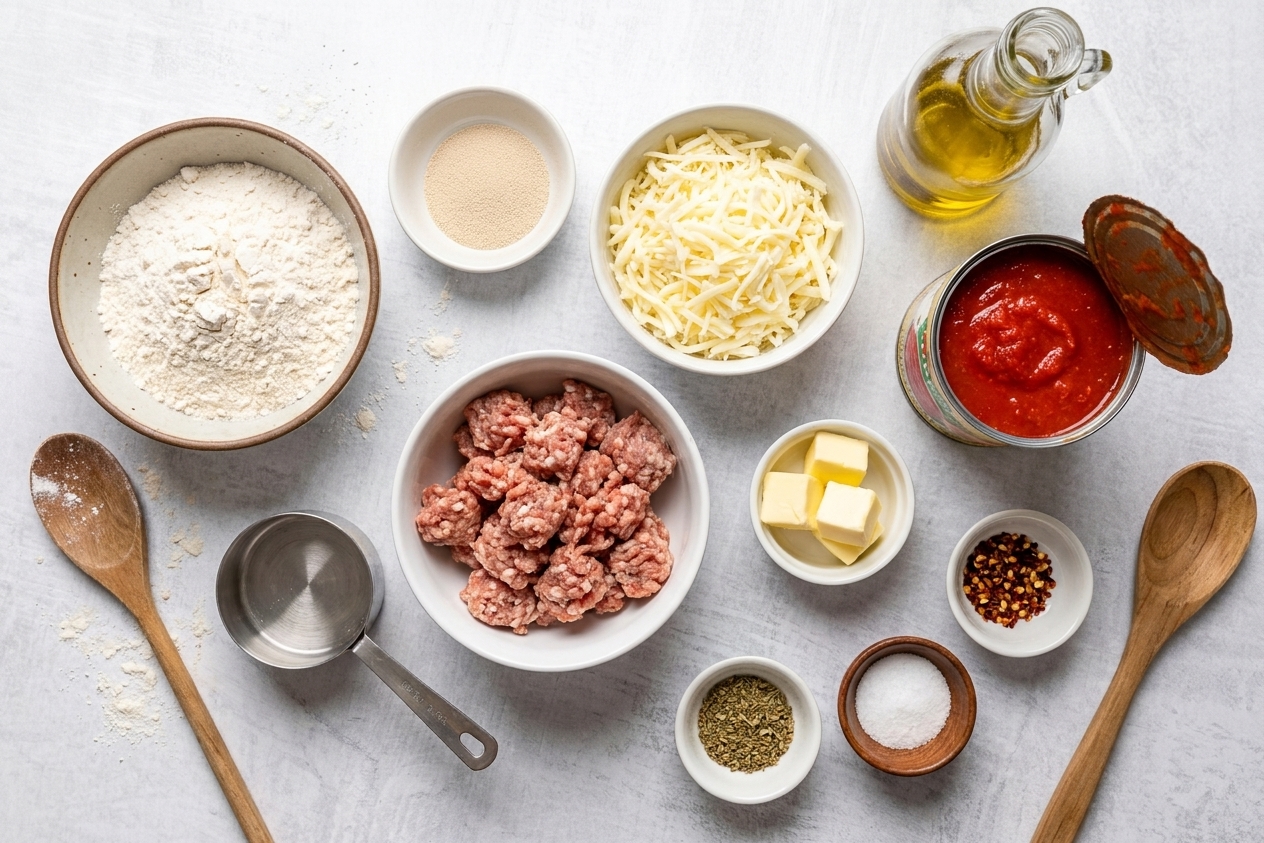
In a large bowl, stir together the warm water, sugar, and yeast. Let sit until foamy, about 5 minutes.
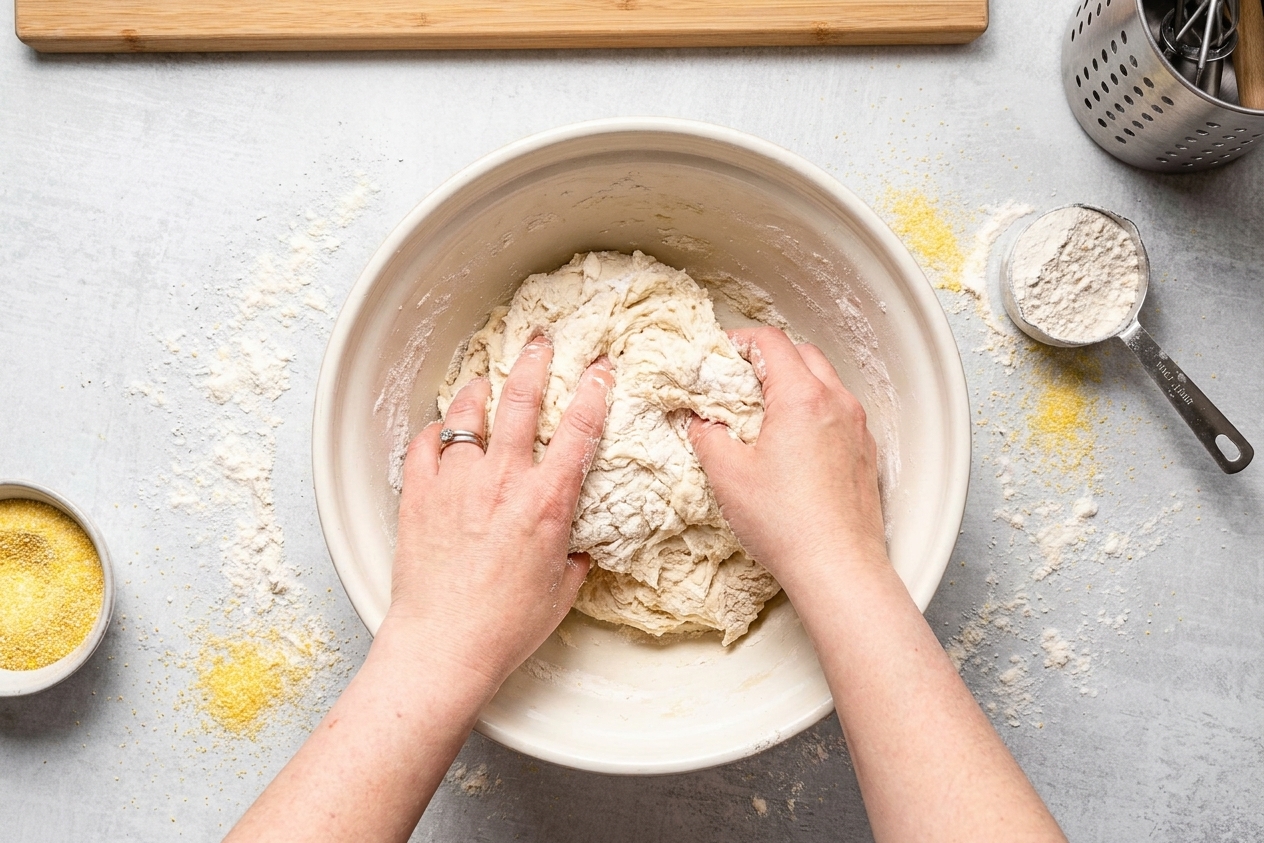
Add flour, cornmeal, salt, melted butter, and olive oil. Stir until a shaggy dough forms, then knead in the bowl or on a lightly floured counter until smooth, 5 to 7 minutes. The dough should feel soft and slightly tacky, not sticky.
2) Rise
Lightly oil the bowl, place the dough inside, and cover. Let rise in a warm spot until doubled, about 60 minutes.
3) Prep the sauce and sausage
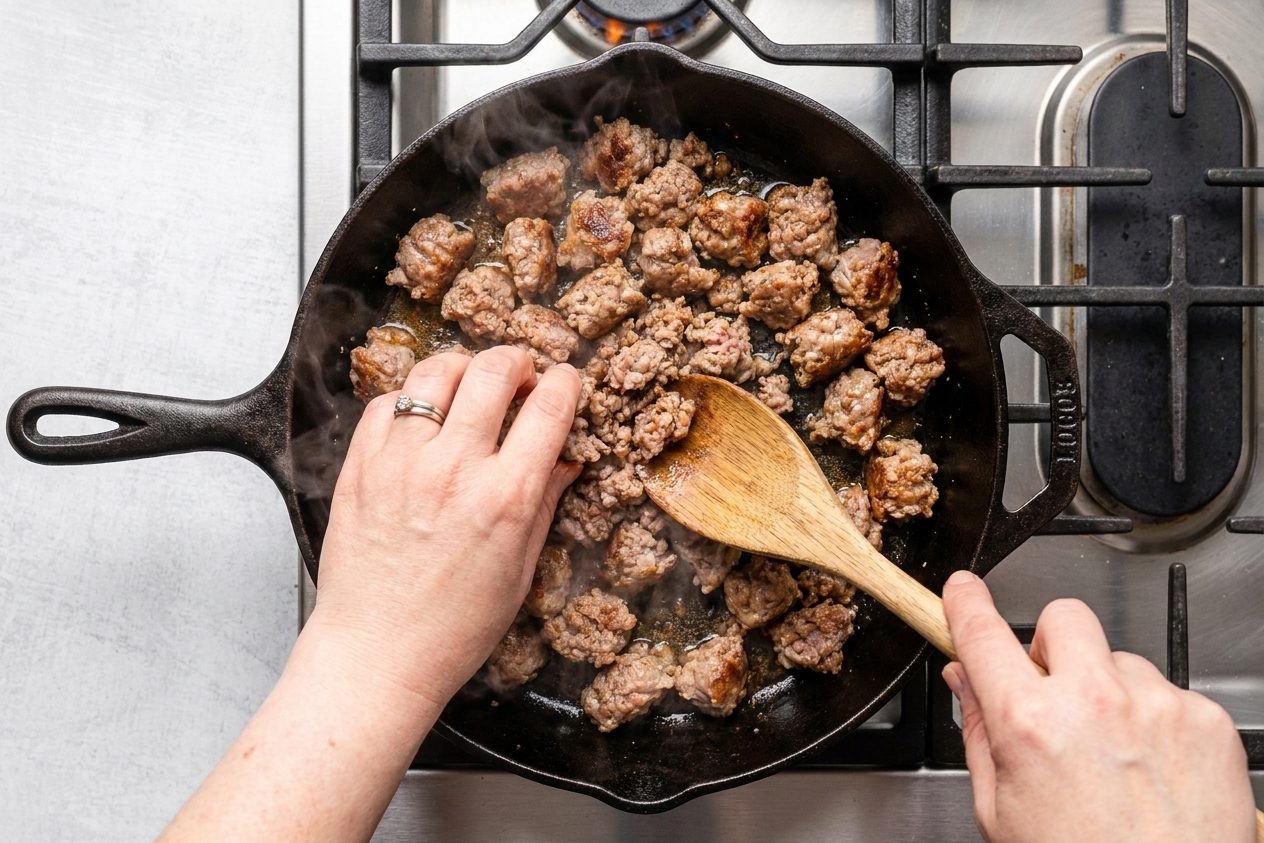
While the dough rises, brown the sausage in a skillet over medium heat, breaking it into small chunks. Drain excess fat if needed and set aside.
For the tomato topping, stir crushed tomatoes with garlic, oregano, basil, salt, red pepper flakes, olive oil, and sugar (if using). Taste and adjust salt. Since this is an uncooked sauce, brands vary a lot in salt and wateriness, so make it bold and not soupy.
4) Shape the crust
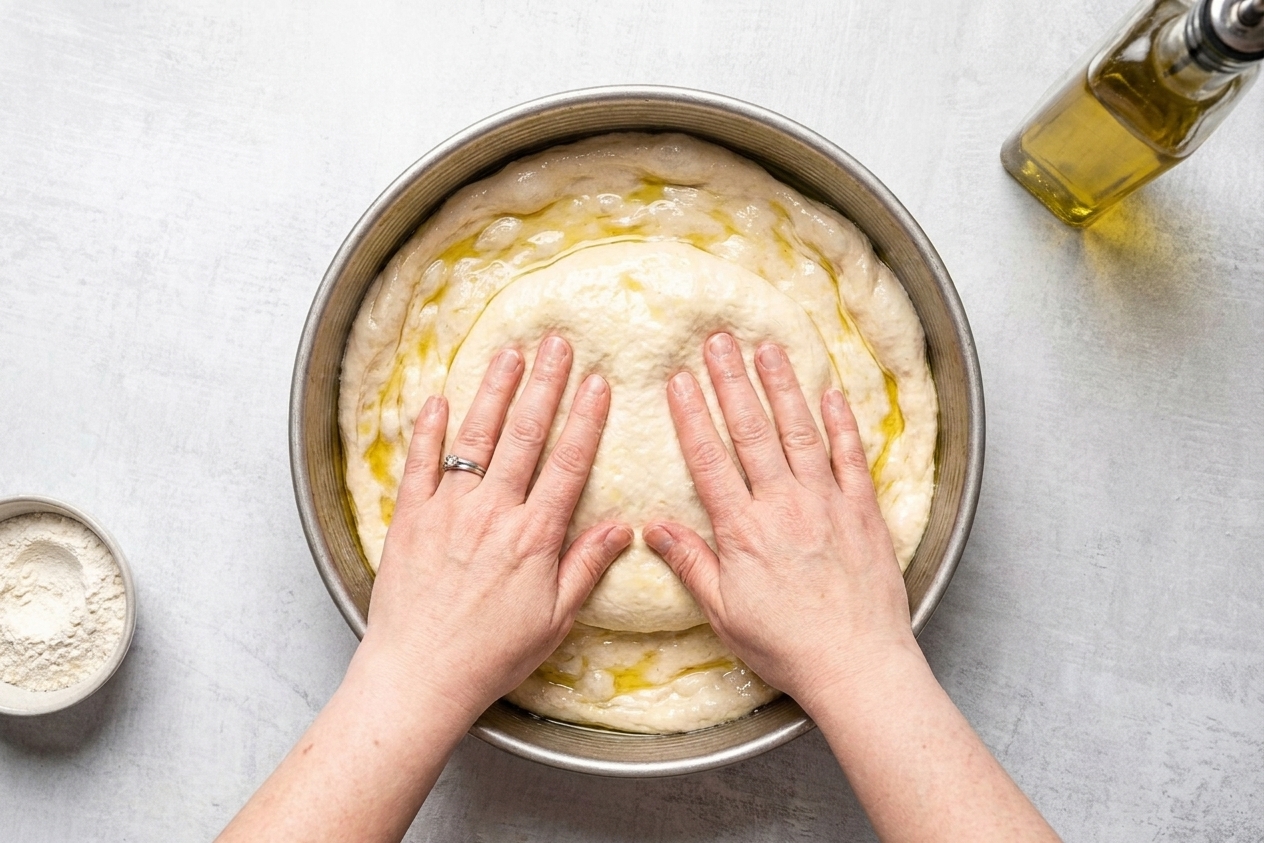
Heat oven to 425°F. Generously oil a 9-inch deep dish pan, cast iron skillet, or springform pan. If using a springform pan, place it on a rimmed baking sheet to catch any drips.
Press the dough into the pan, starting in the center and working outward, then up the sides. Aim for about 1 1/2 to 2 inches up the sides, and keep the bottom roughly 1/4 inch thick so it bakes up sturdy and tender. If it keeps springing back, let it rest 10 minutes and try again.
5) Layer like Chicago
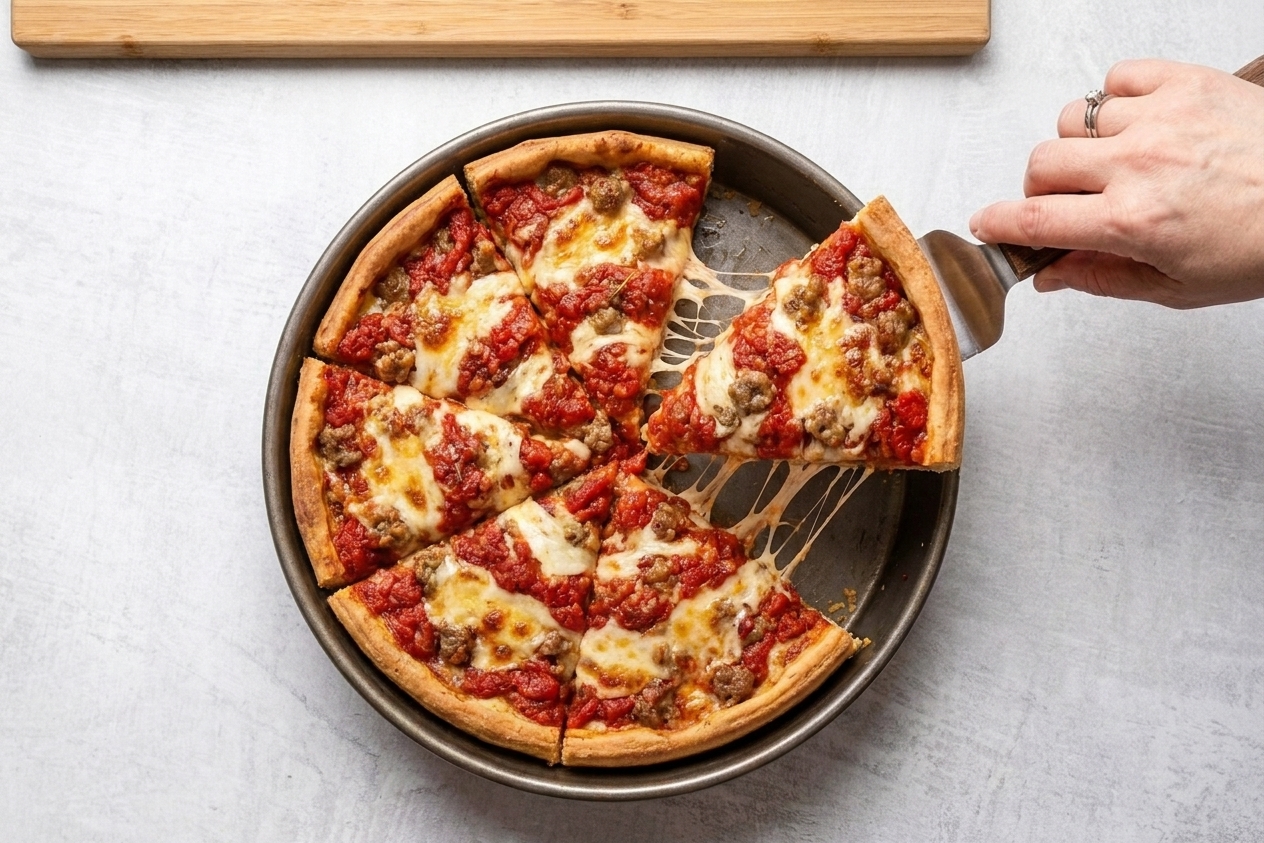
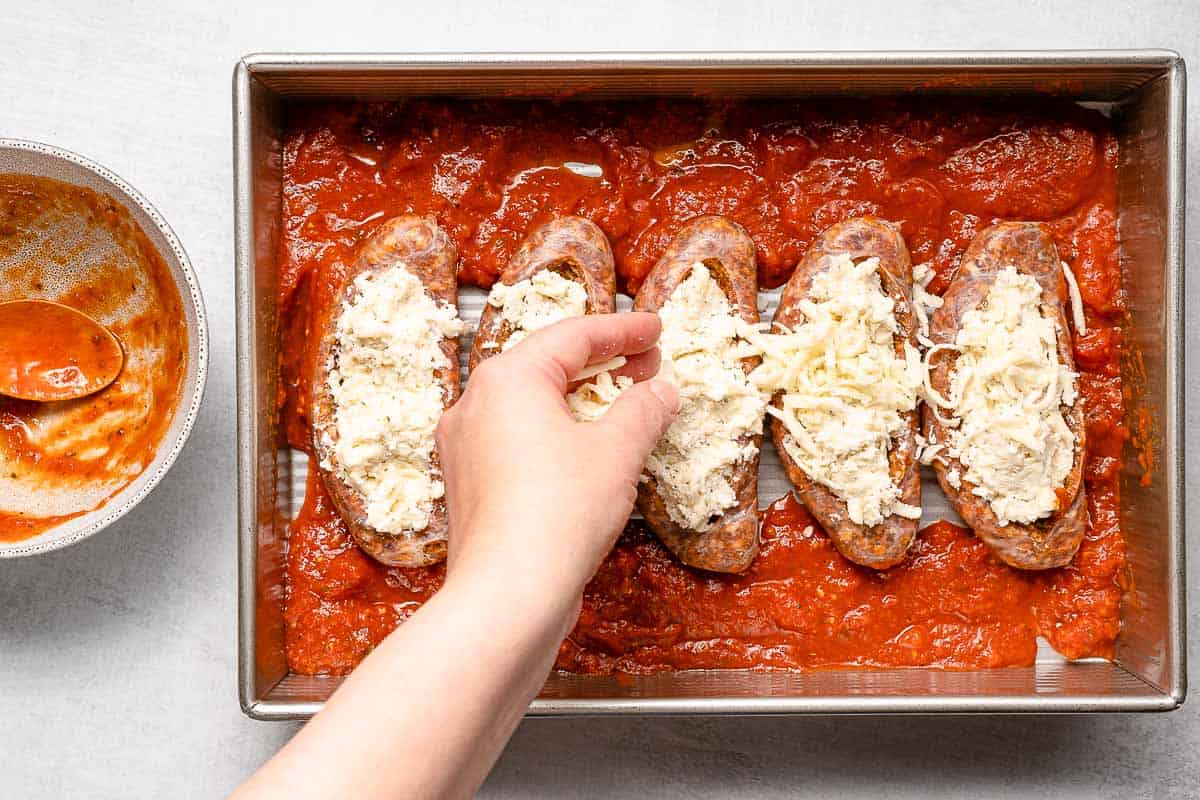
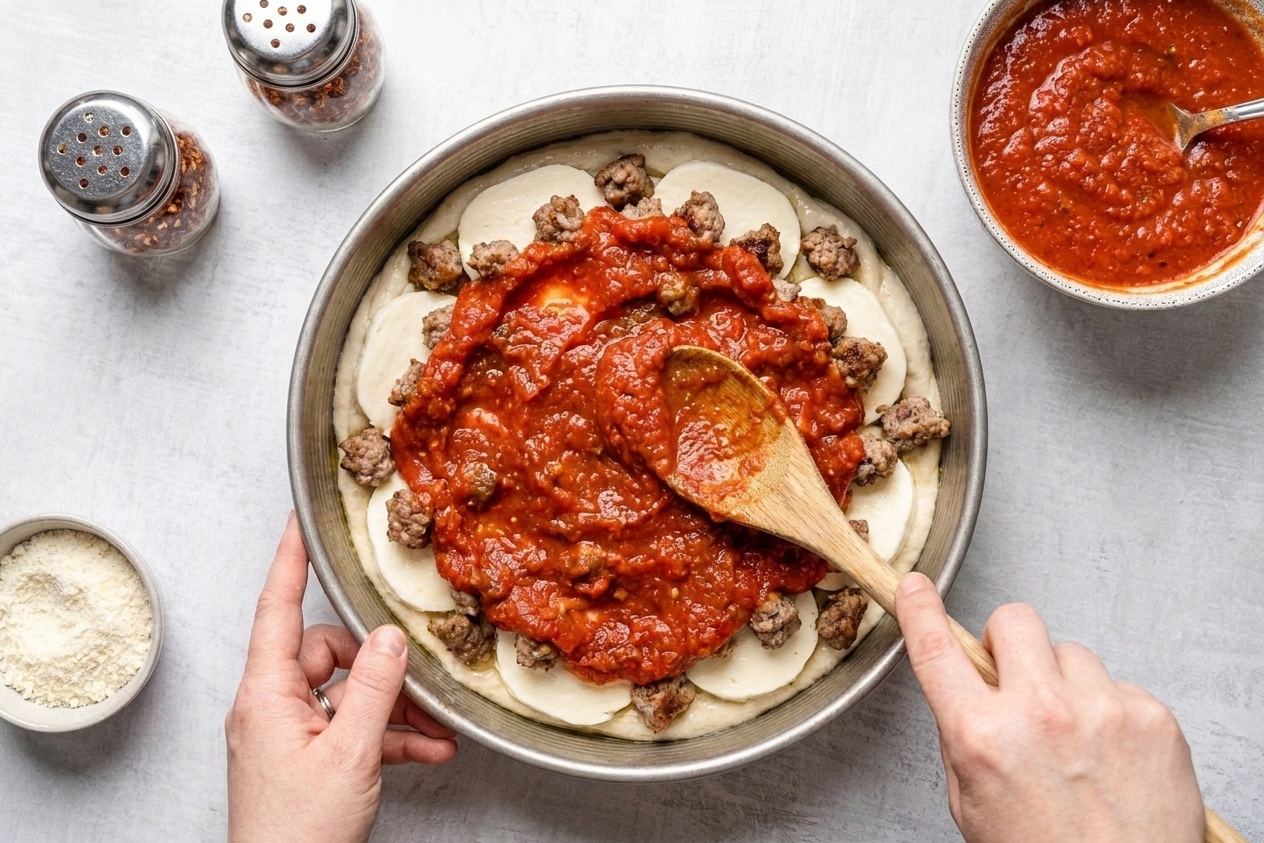
Sprinkle mozzarella evenly over the bottom, all the way to the edges. (Cheese-first helps shield the cheese from the long bake, and it creates a cozy barrier so the crust does not get bogged down by wetter toppings.) Add the browned sausage in an even layer. Sprinkle Parmesan over the sausage if using.
Spoon the tomato mixture over the top and spread it to the edges.
6) Bake
Bake on the middle rack until the crust is deep golden and the filling is bubbling, 30 to 38 minutes. If the top is browning too fast, tent loosely with foil for the last 10 minutes.
7) Rest, slice, and serve
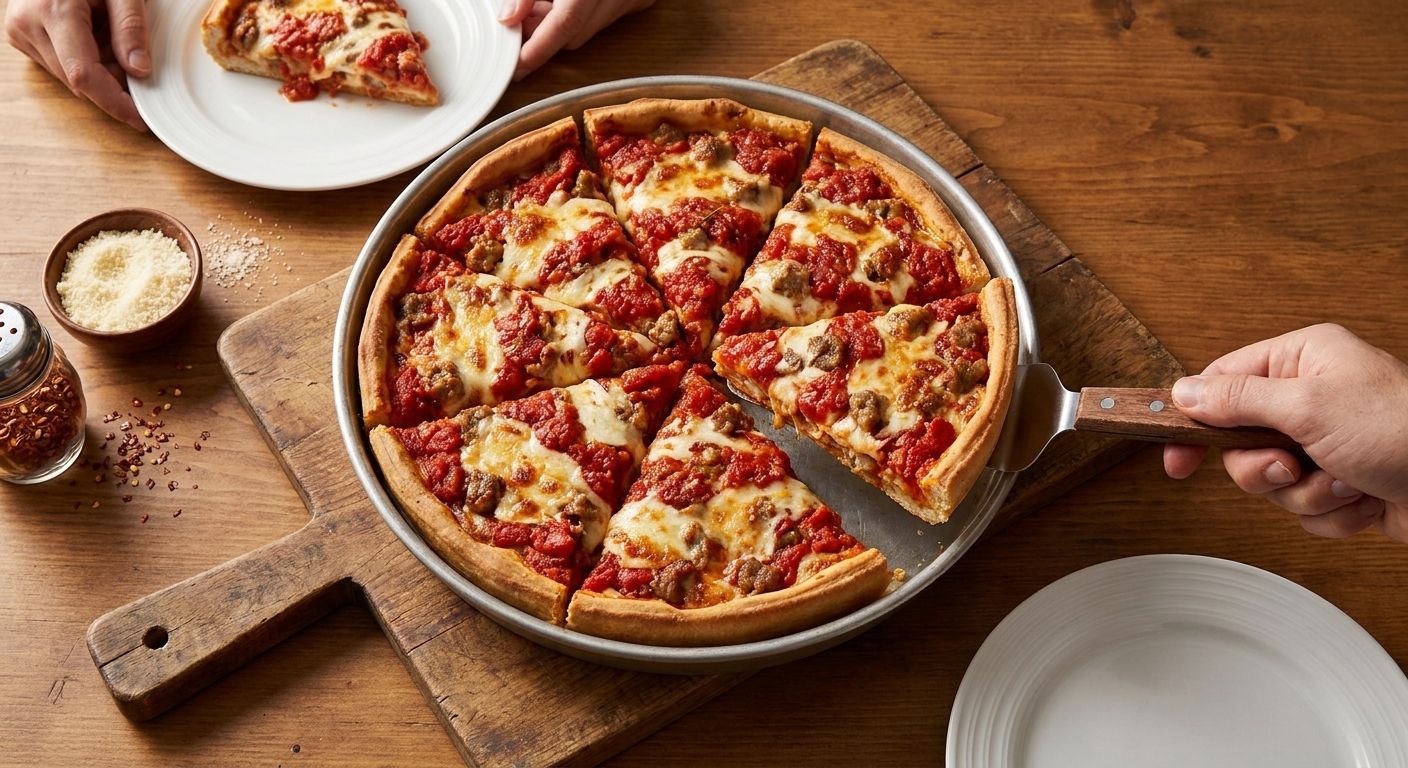
Let the pizza rest in the pan for 10 to 15 minutes so it sets and slices cleanly. Carefully lift out (or release the springform ring), slice, and serve.
Matt's small chaos tips (optional but helpful)
- Want extra crisp edges? Use a cast iron skillet and be generous with oil along the sides.
- Using fresh mozzarella? Pat it very dry and expect a looser slice. Low-moisture mozzarella is the classic move here.
- Sauce too watery? Simmer it 10 minutes, or strain the tomatoes briefly. Deep dish can handle chunky, just not soupy.