Mom's Best Recipes
Recipe

Classic Filipino Chicken Adobo

A cozy, tangy-salty Filipino staple with tender chicken and a glossy garlic-peppercorn sauce made for steaming rice.

Author By Matt Campbell
4.8
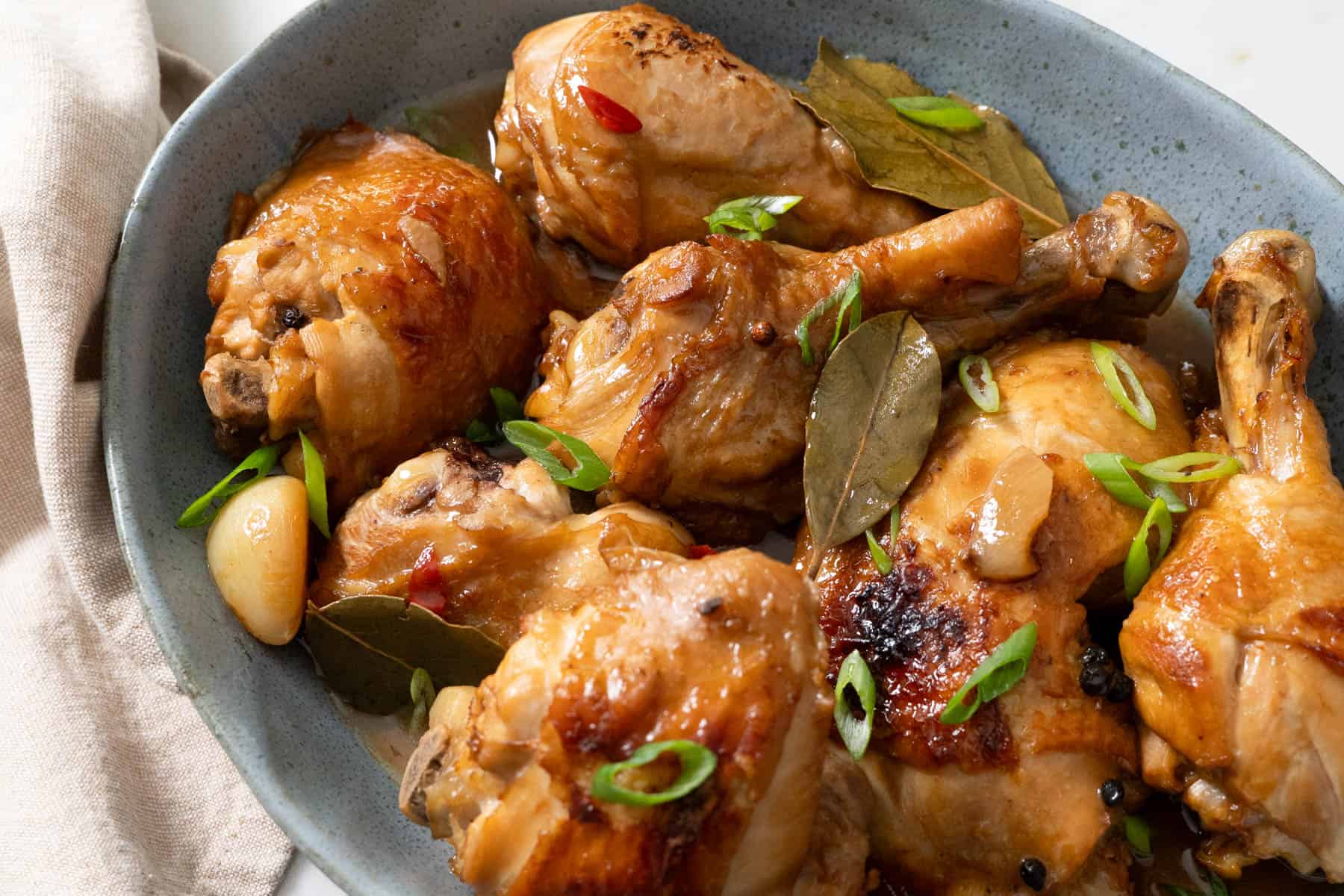
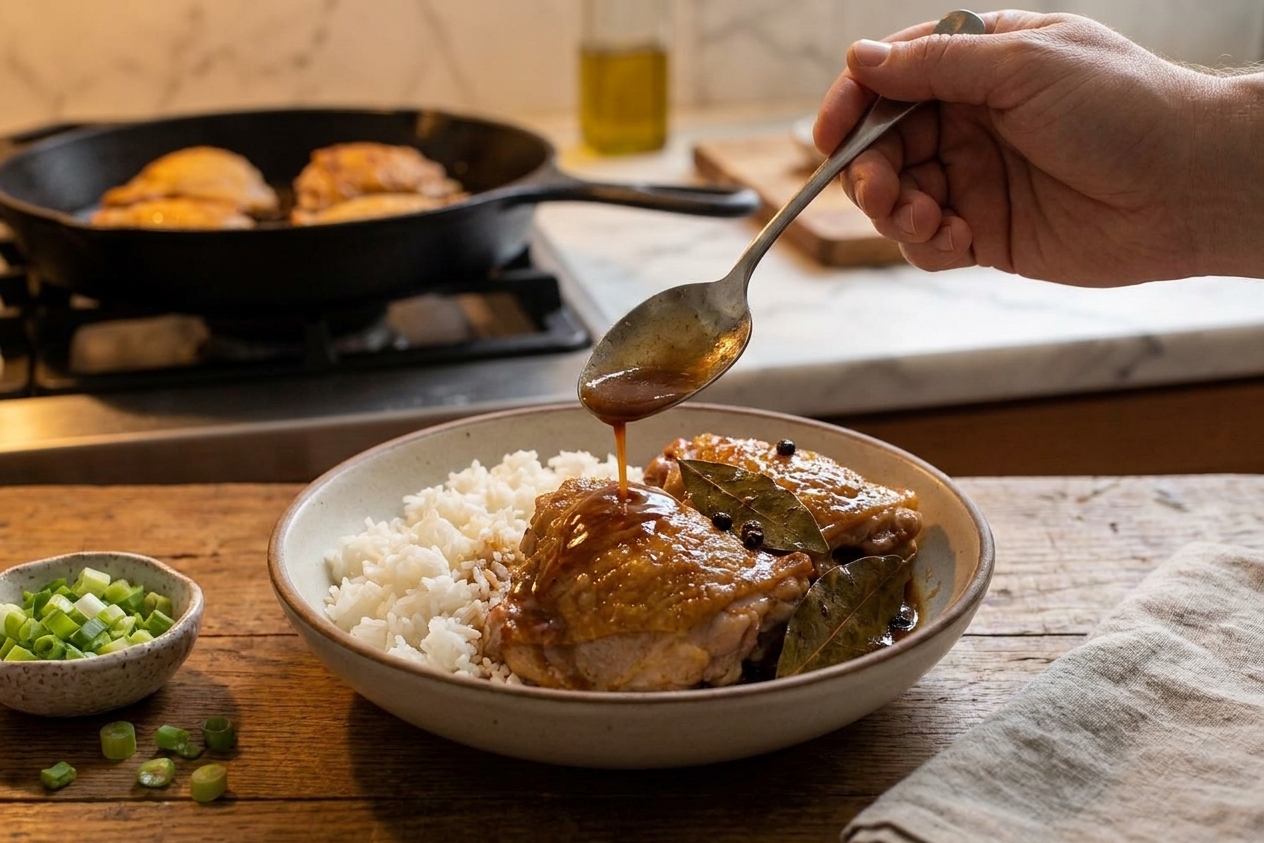
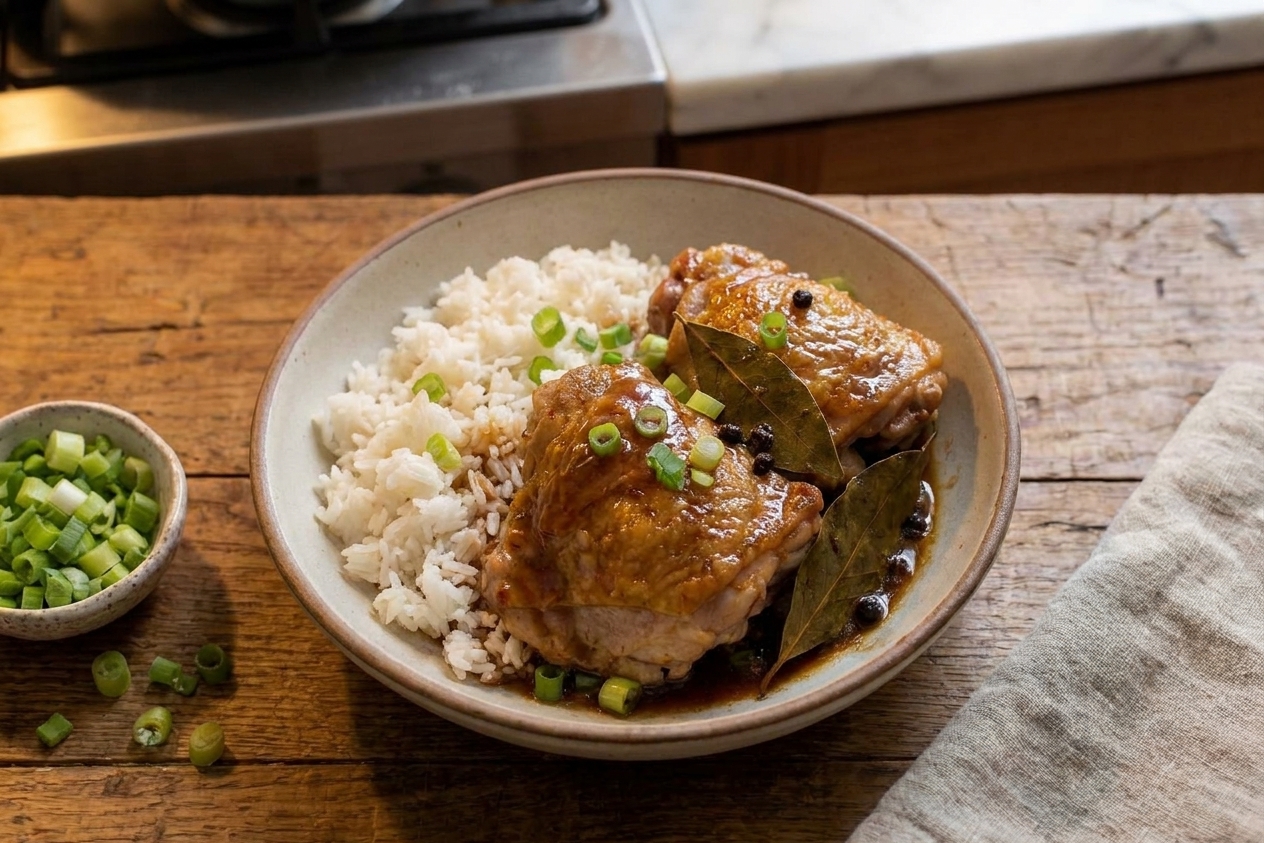
A plated serving of Filipino chicken adobo with glossy dark sauce, tender chicken pieces, and steamed white rice on a simple ceramic plate, warm kitchen table lighting

Filipino meals have this unfair advantage: they are built for real life. Busy nights. Hungry people. Leftovers that somehow taste better after a sleep in the fridge. And if you want the quickest route to that vibe, you make chicken adobo.

This is the version I keep coming back to: soy sauce for savoriness, vinegar for that clean punch, lots of garlic, bay leaf, and peppercorns for the kind of aroma that makes you hover by the stove pretending you are “just checking something.” It is one pan, minimal drama, and the sauce ends up glossy enough to cling to rice like it has a plan.

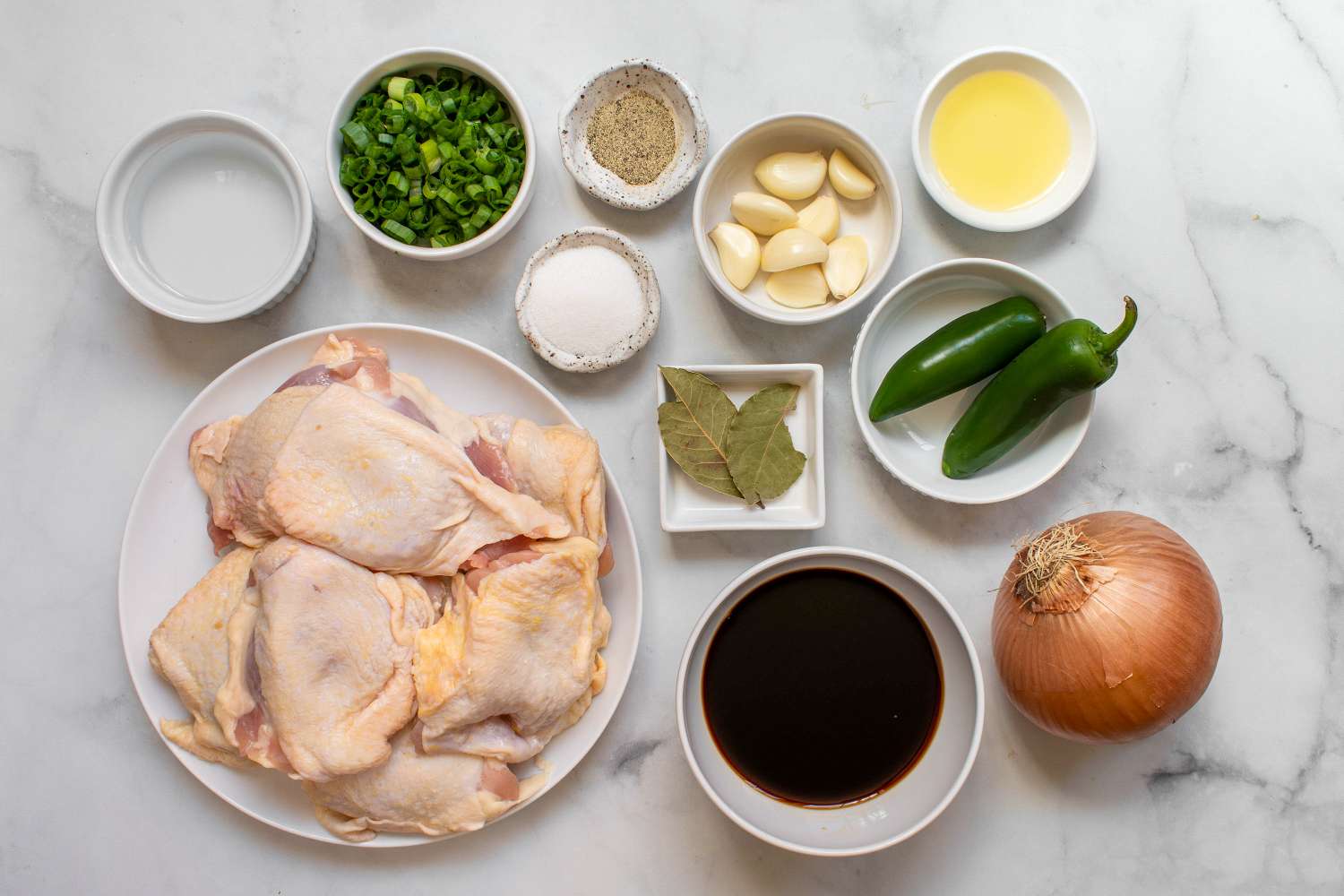
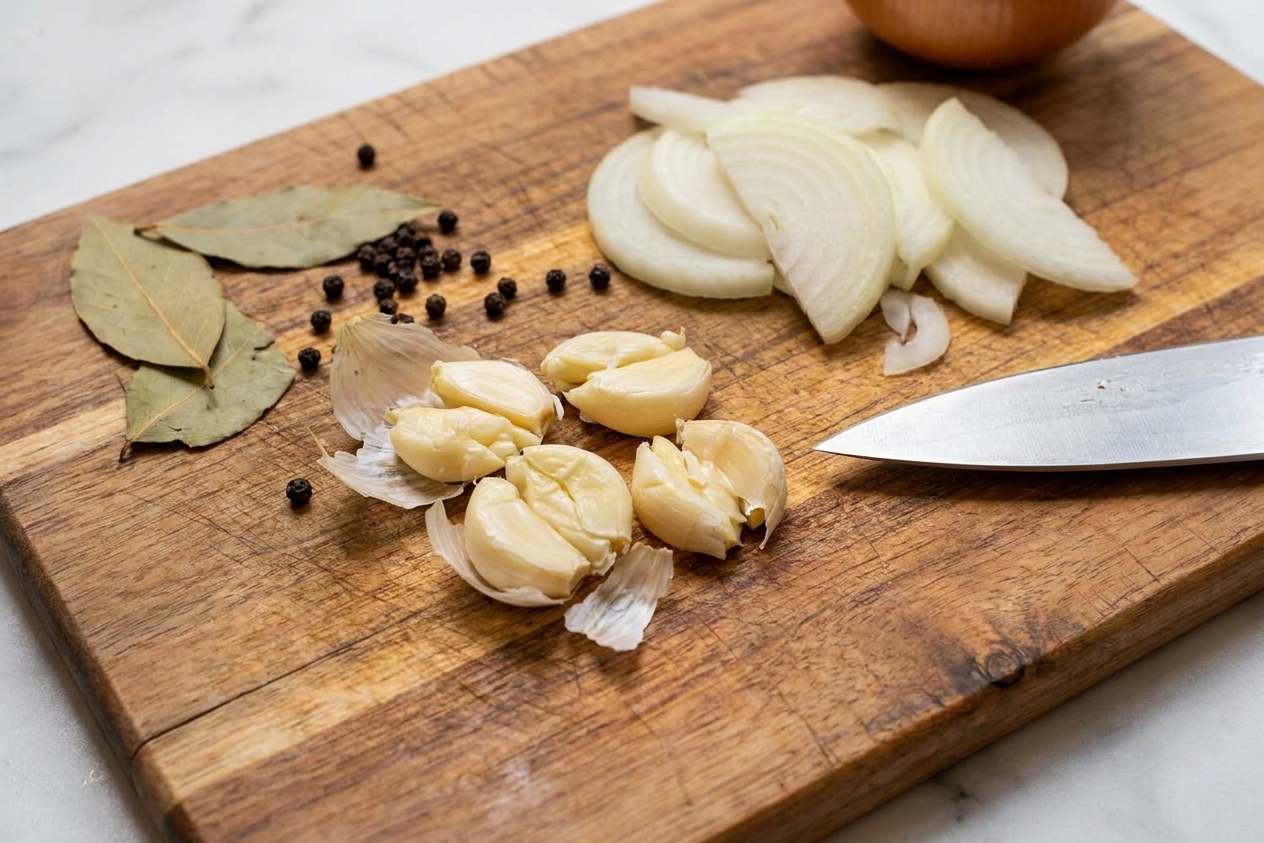
Overhead photo of ingredients for chicken adobo on a kitchen counter: chicken thighs, soy sauce, cane vinegar, garlic, bay leaves, whole peppercorns, onion, and a bowl of rice

Why It Works

  • Big flavor from pantry basics: Soy sauce, vinegar, garlic, and spices do the heavy lifting with zero fussy steps.
  • Braise then reduce: You get tender chicken first, then a quick simmer to turn the liquid into a sauce that actually coats.
  • Tang with options: Choose cane vinegar for a more traditional vibe, or distilled for a brighter punch, then tune it at the end to taste.
  • Leftovers are the real prize: The chicken absorbs more sauce overnight, and the flavor gets deeper and more “together.”

Pairs Well With

Storage Tips

Refrigerate: Cool completely, then store chicken with sauce in an airtight container for up to 4 days.

Freeze: Freeze in a freezer-safe container for up to 3 months. Thaw overnight in the fridge.

Reheat: Warm gently in a saucepan over medium-low with a splash of water if the sauce is very tight. Microwave works too, but stovetop keeps the sauce glossy.

Leftover move: Shred the chicken, toss it back into the sauce, then pile onto rice with a fried egg. Crisp edges are encouraged.

Common Questions

What makes adobo “Filipino”?

Filipino adobo is a cooking method: braising meat (often chicken, pork, or both) in vinegar, soy sauce, garlic, bay leaf, and peppercorns until it is deeply seasoned and saucy. It is bold, cozy, and designed to be eaten with rice.

Can I use chicken breast instead of thighs?

You can, but thighs and drumsticks stay juicier. If you use breast, cut it into large chunks and start checking for doneness earlier so it does not dry out.

Do I really need to “not stir” after adding vinegar?

It is more preference than rule. Some cooks like to let the vinegar simmer a couple minutes before stirring much, which can mellow the sharp edge. In this recipe, a gentle swirl or one quick stir is fine, then let it simmer undisturbed for a minute or two before you start moving things around.

Is adobo supposed to be sweet?

Not required. Some families add sugar for a sweeter balance. This recipe is more savory-tangy with an optional small amount of brown sugar if you want a rounder finish.

My sauce tastes too salty. How do I fix it?

Add a splash of water, then simmer for a minute and taste again. Next time, use low-sodium soy sauce or start with 3/4 cup water and add more as it simmers if you want a lighter sauce. Serving with plenty of rice also helps balance salt.

Can I add coconut milk?

That becomes a different but delicious dish often called adobo sa gata. If you want to try it, stir in 1/2 to 3/4 cup coconut milk near the end and simmer gently until slightly thickened.

Can I make this with pork?

Yes. Pork belly or pork shoulder are common. Cut pork shoulder into big chunks and expect a longer simmer (often 45 to 60 minutes) until fork-tender. You can also do a chicken and pork combo, just keep pieces similar in size so they finish around the same time.

What is the best vinegar for adobo?

Cane vinegar tastes closest to many classic versions: bright, clean, and a little rounded. Distilled white vinegar works great too and stays punchy. If you use apple cider vinegar, expect a softer, slightly fruity tang.

Will the chicken skin stay crispy?

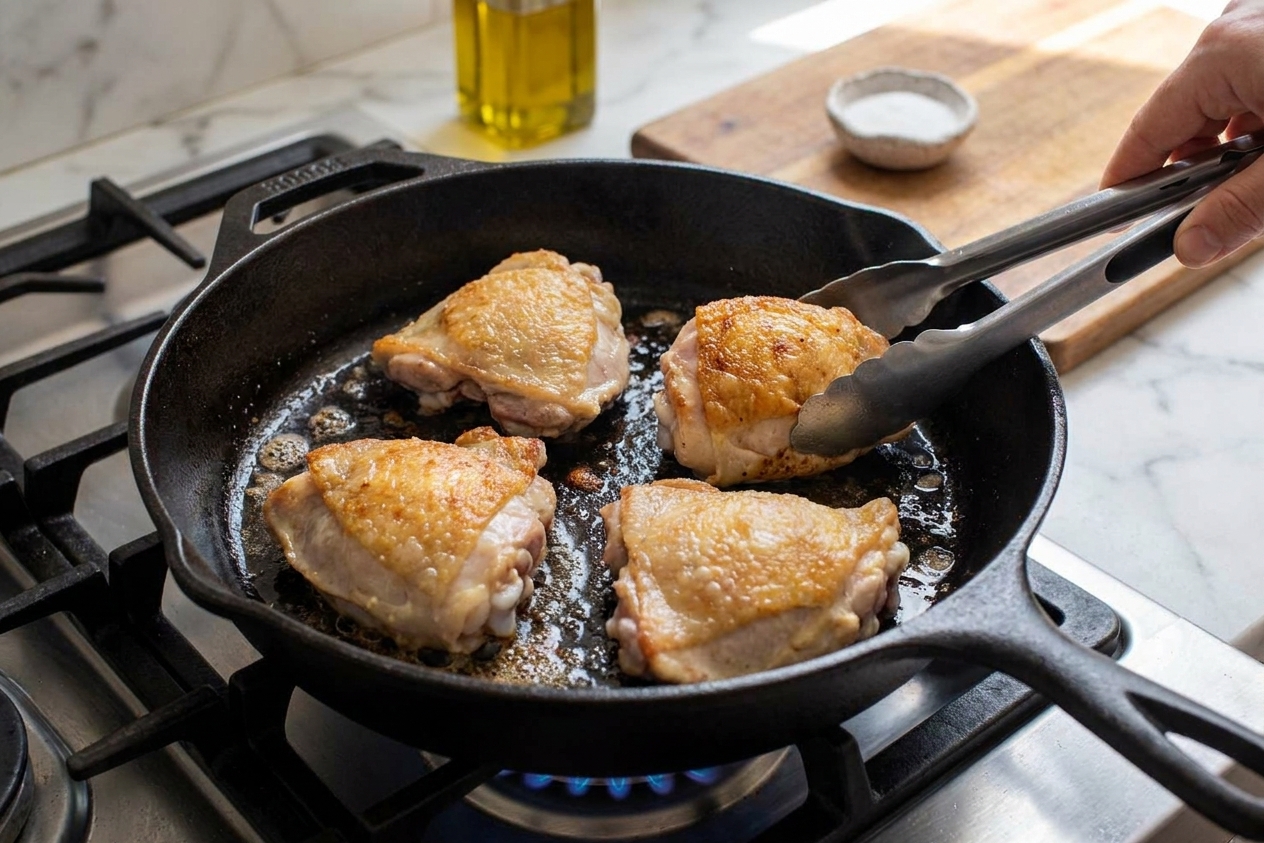
Not during braising. The skin turns flavorful but soft. If you want crispy skin, you have options: remove chicken after braising and broil skin-side up for 2 to 4 minutes, or pan-crisp in a hot skillet, then spoon the sauce over right before serving.

I love Filipino meals because they feel like they were invented by someone who understands that dinner should taste like effort, even when you barely had any. The first time I cooked adobo, I was shocked by how quickly the kitchen smelled like I knew what I was doing. Now it is my default when I want comfort without chaos: brown the chicken, pour in the bold stuff, let it simmer, and suddenly you have a pot of “come sit down and eat” energy.