Mom's Best Recipes
Recipe

Kare-Kare (Filipino Peanut Stew)

Tender beef and vegetables in a creamy peanut sauce, served with rice and a salty bagoong alamang side.

Author By Matt Campbell
4.8
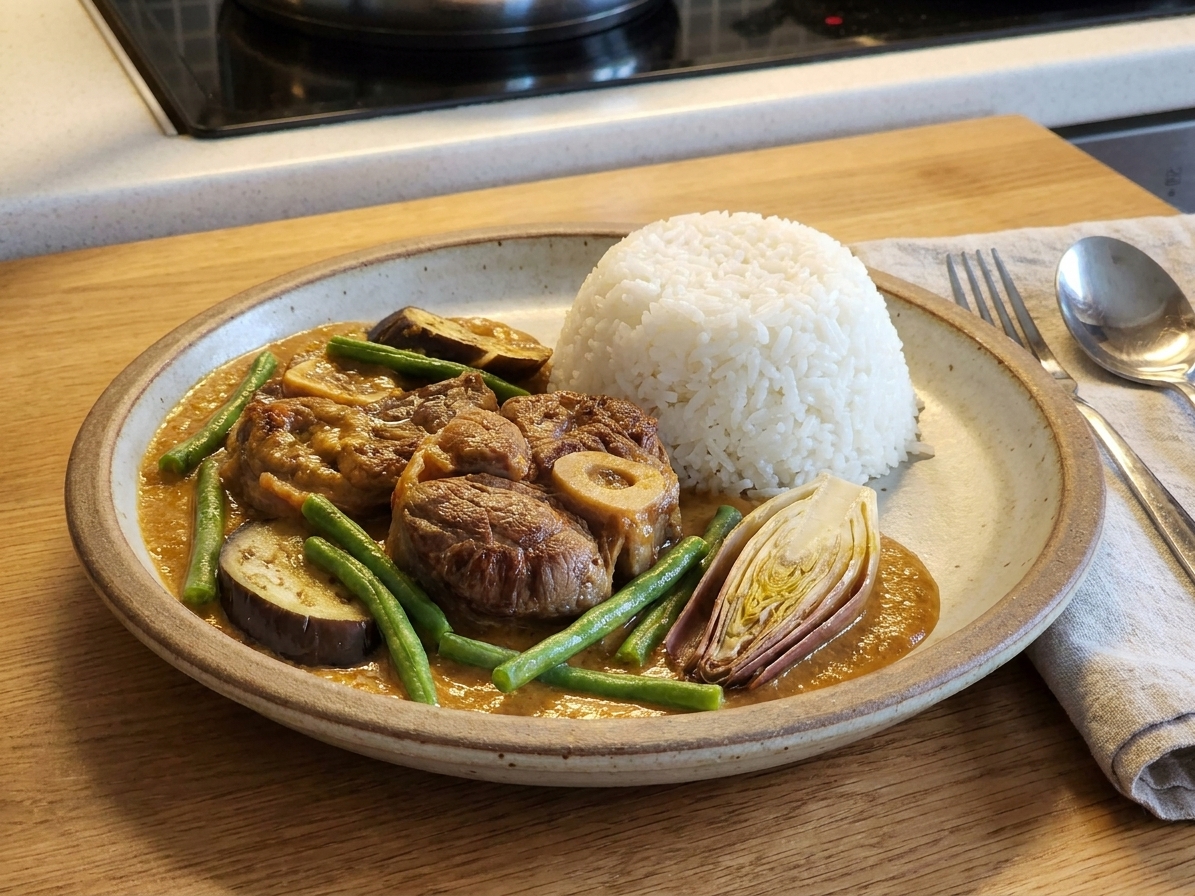
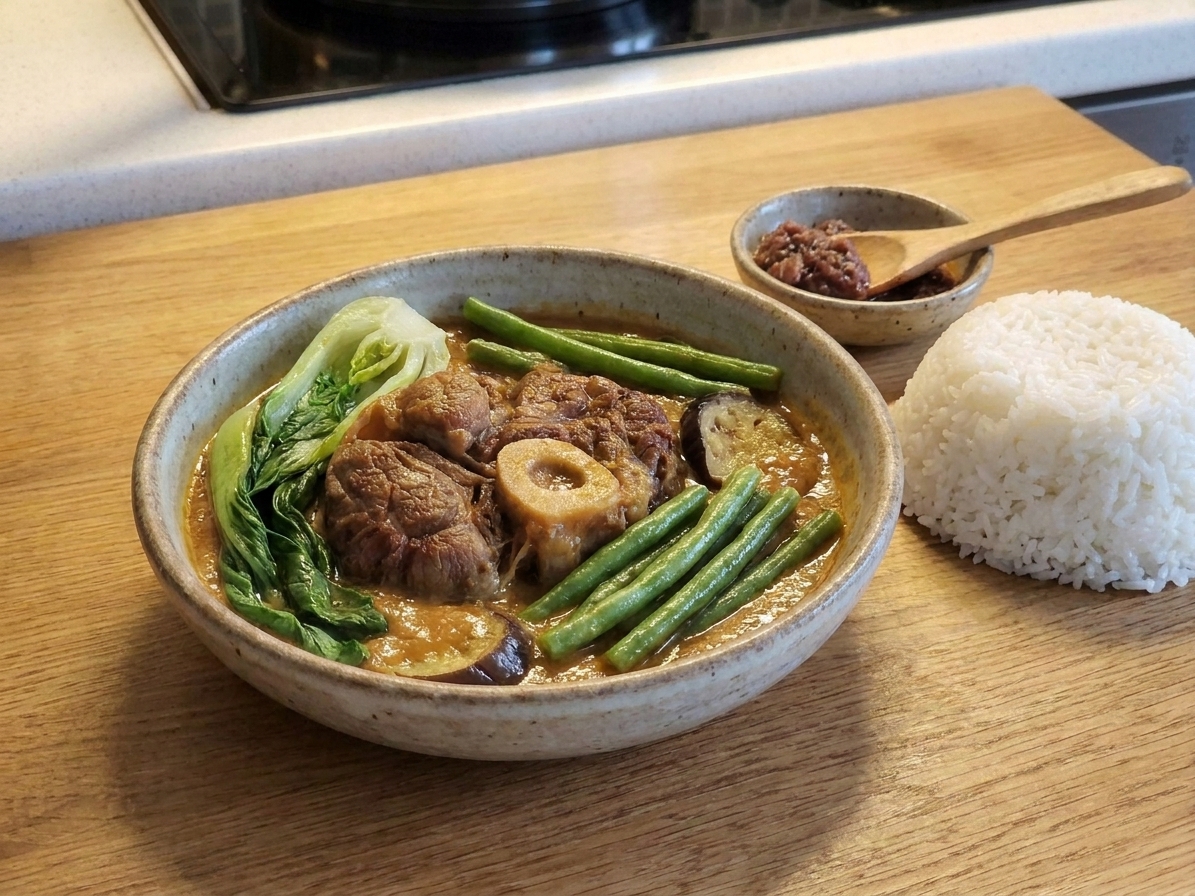
A bowl of Filipino kare-kare with glossy peanut sauce, tender beef, bok choy, and long beans, served with steamed rice and a small dish of bagoong on a warm kitchen table

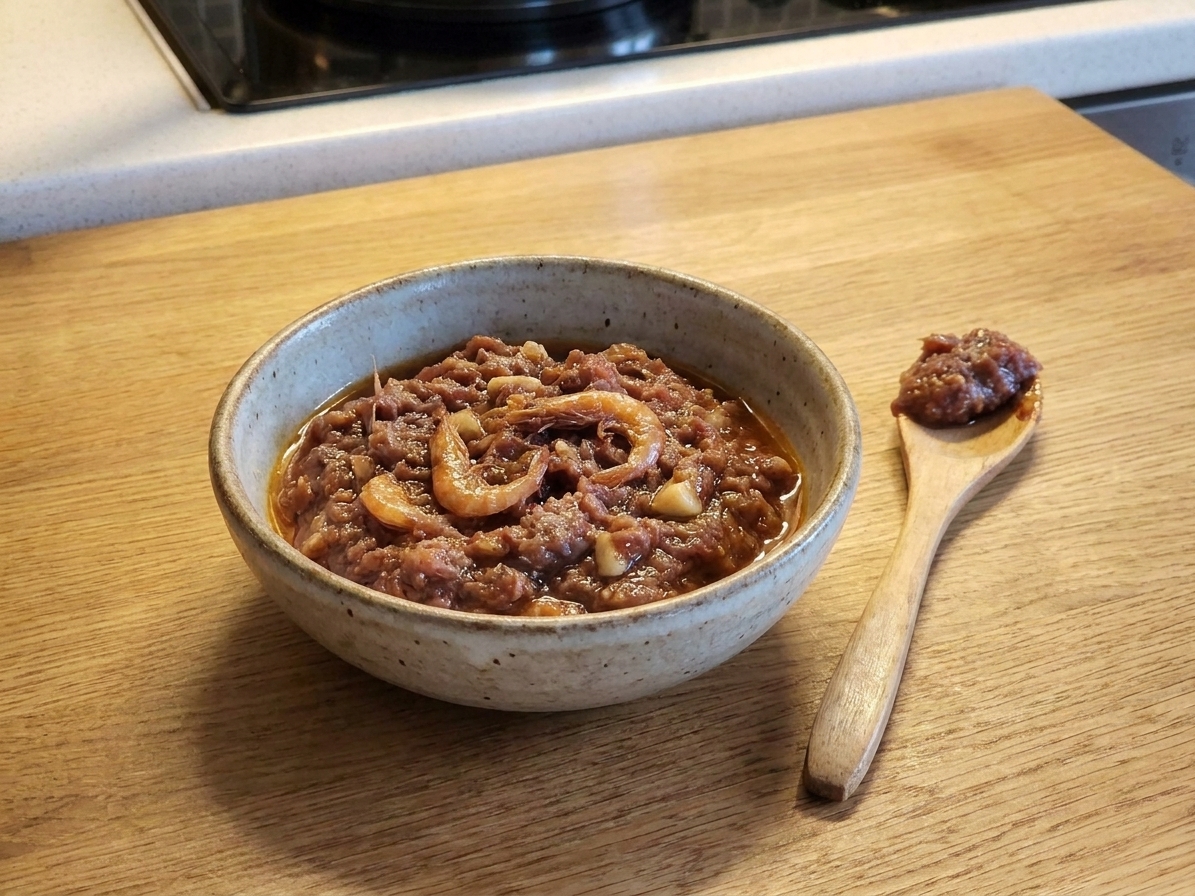
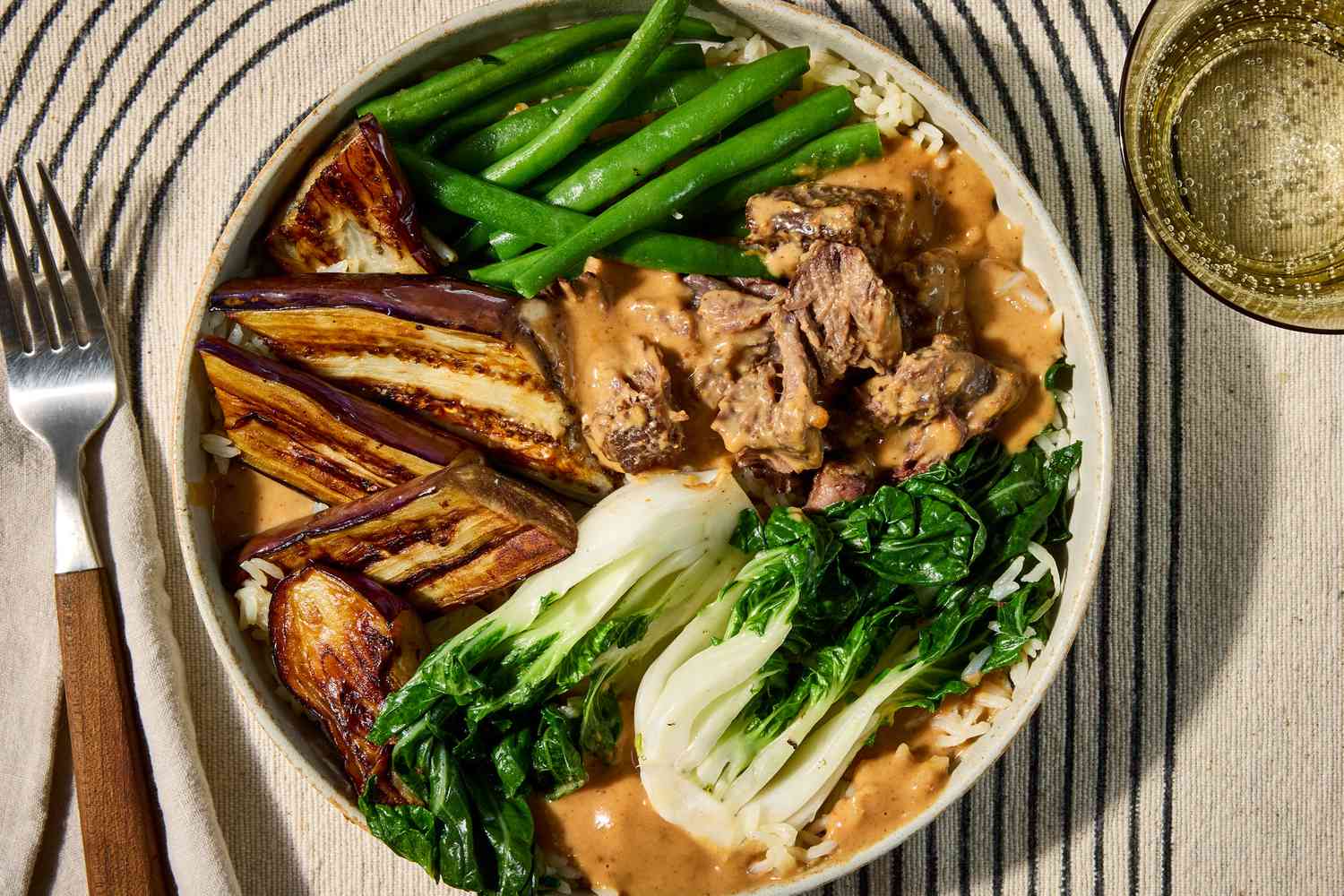
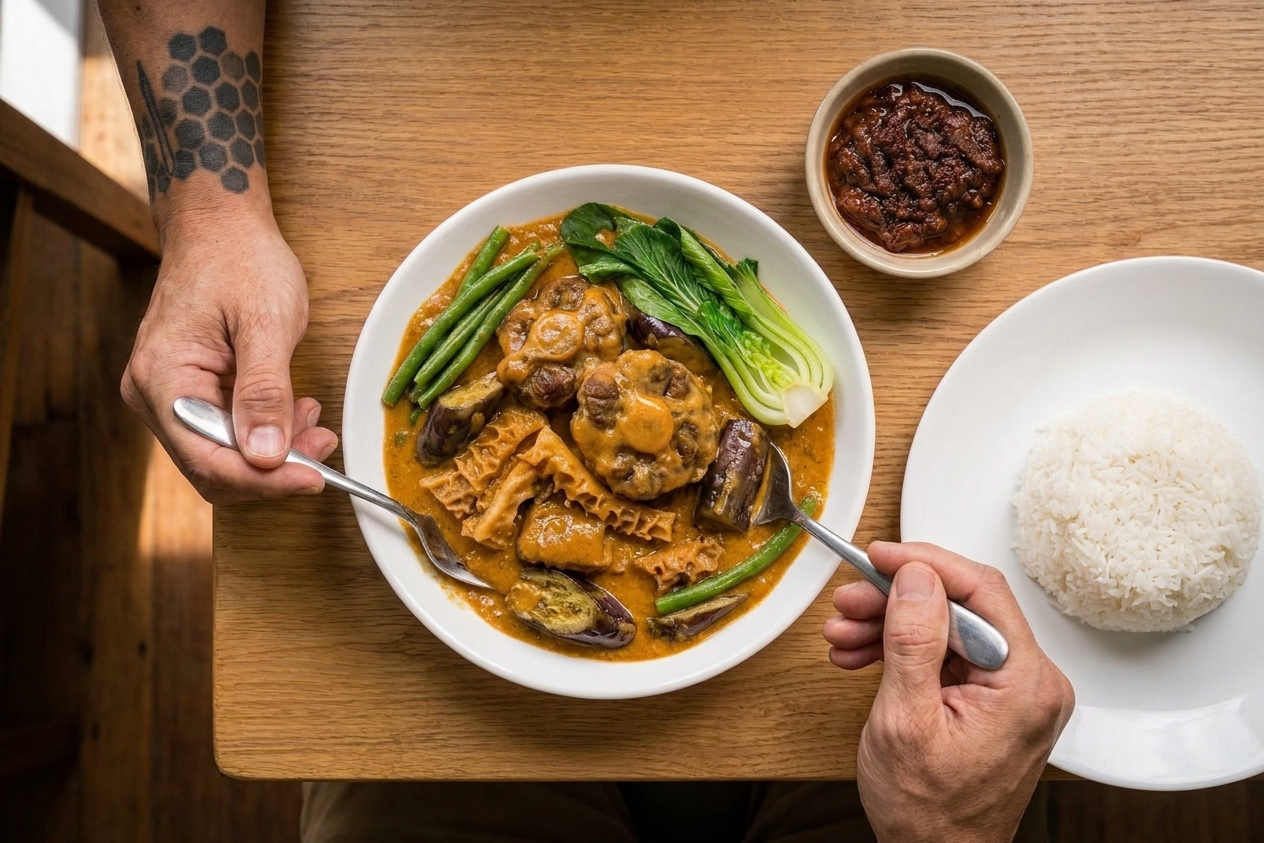
Kare-kare is the kind of dish that makes you slow down a little. It is rich but not heavy, savory but mellow, and it basically begs for a scoop of rice and something salty on the side. Traditionally, that salty side is bagoong alamang (fermented shrimp or krill paste), and the magic is in the contrast: creamy peanut sauce plus a punchy, briny accent.

This version keeps the ingredients approachable and the steps clear. We are going classic with tender beef (oxtail vibes, without requiring oxtail prices), crisp-tender vegetables, and a peanut sauce that tastes like you babysat it all day. Spoiler: you did not.
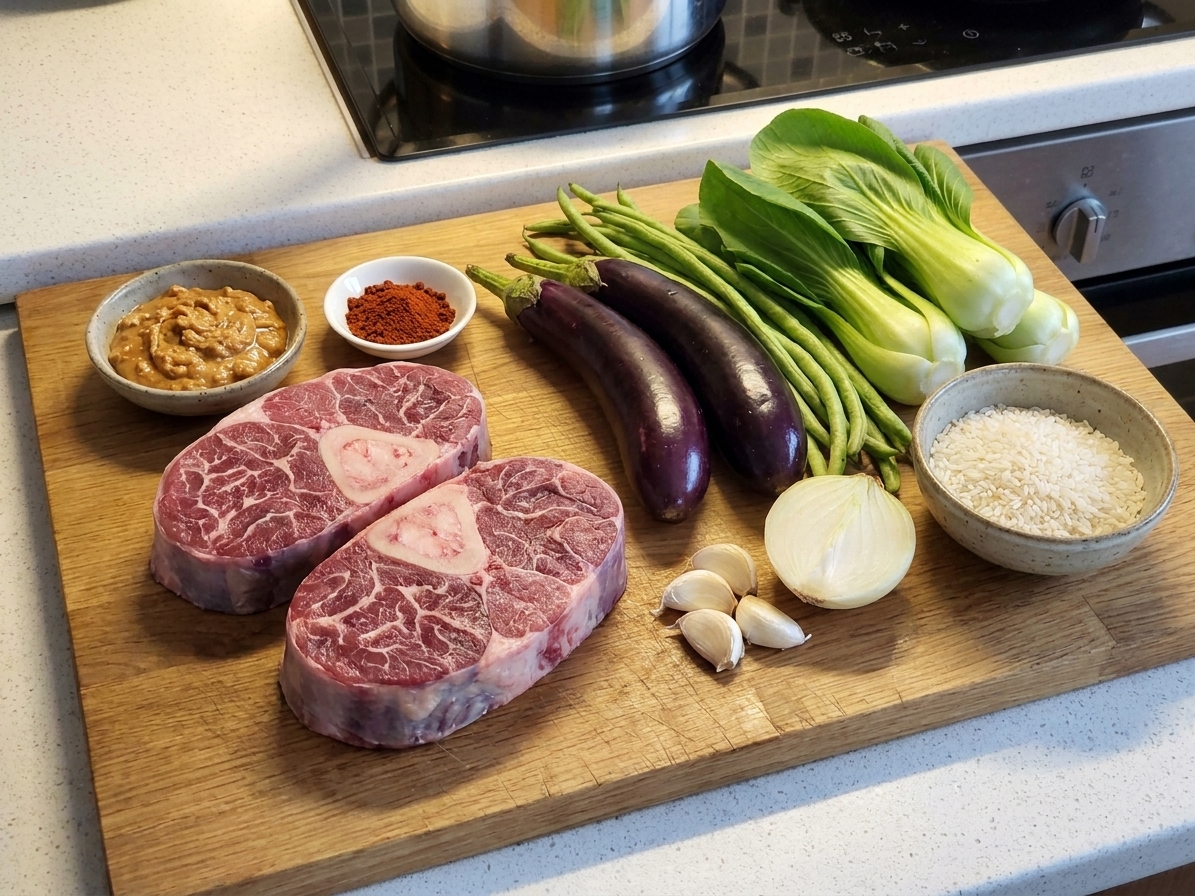
Raw ingredients for kare-kare arranged on a kitchen counter including beef shanks, peanut butter, annatto powder, eggplant, long beans, bok choy, garlic, onion, and rice

Why It Works

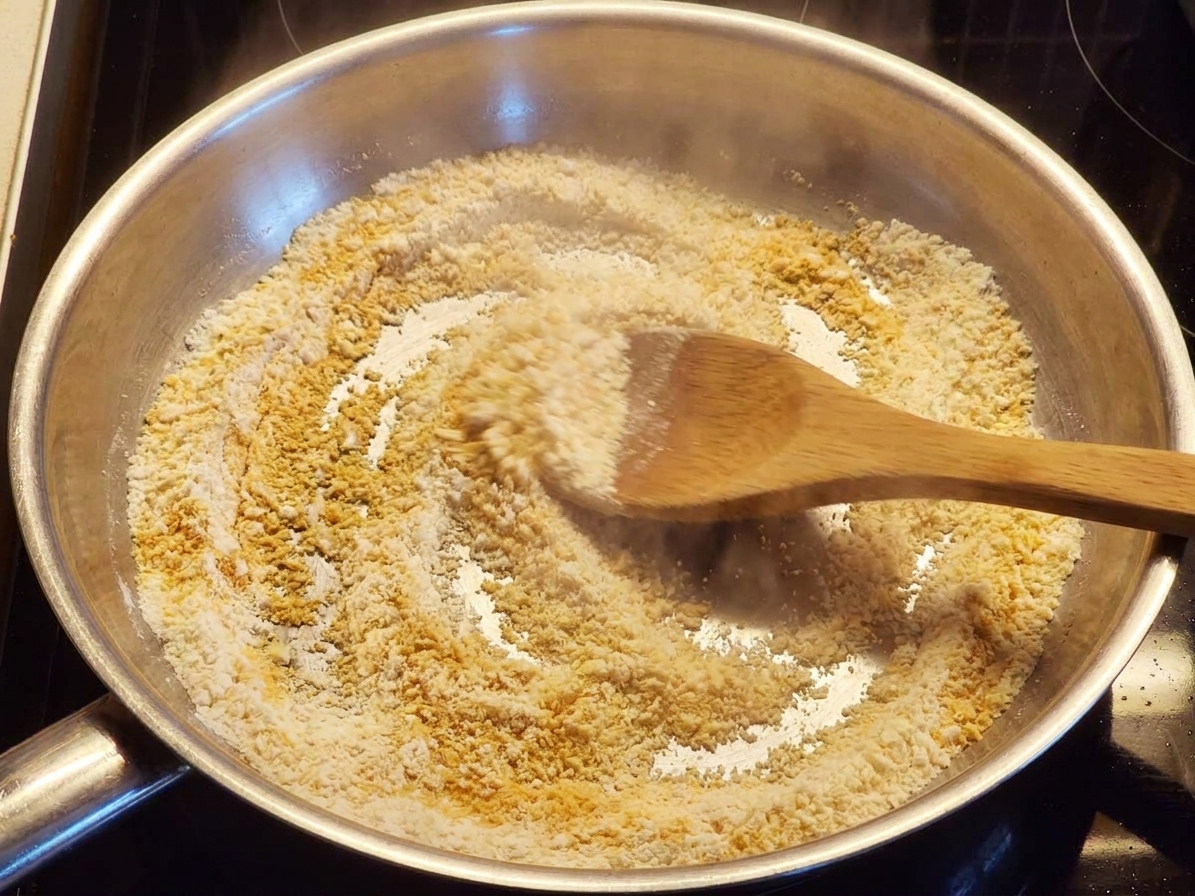
  • Deep, nutty sauce without fuss: Peanut butter plus toasted rice flour (or ground toasted rice) gives you that signature creamy, lightly thickened kare-kare texture.
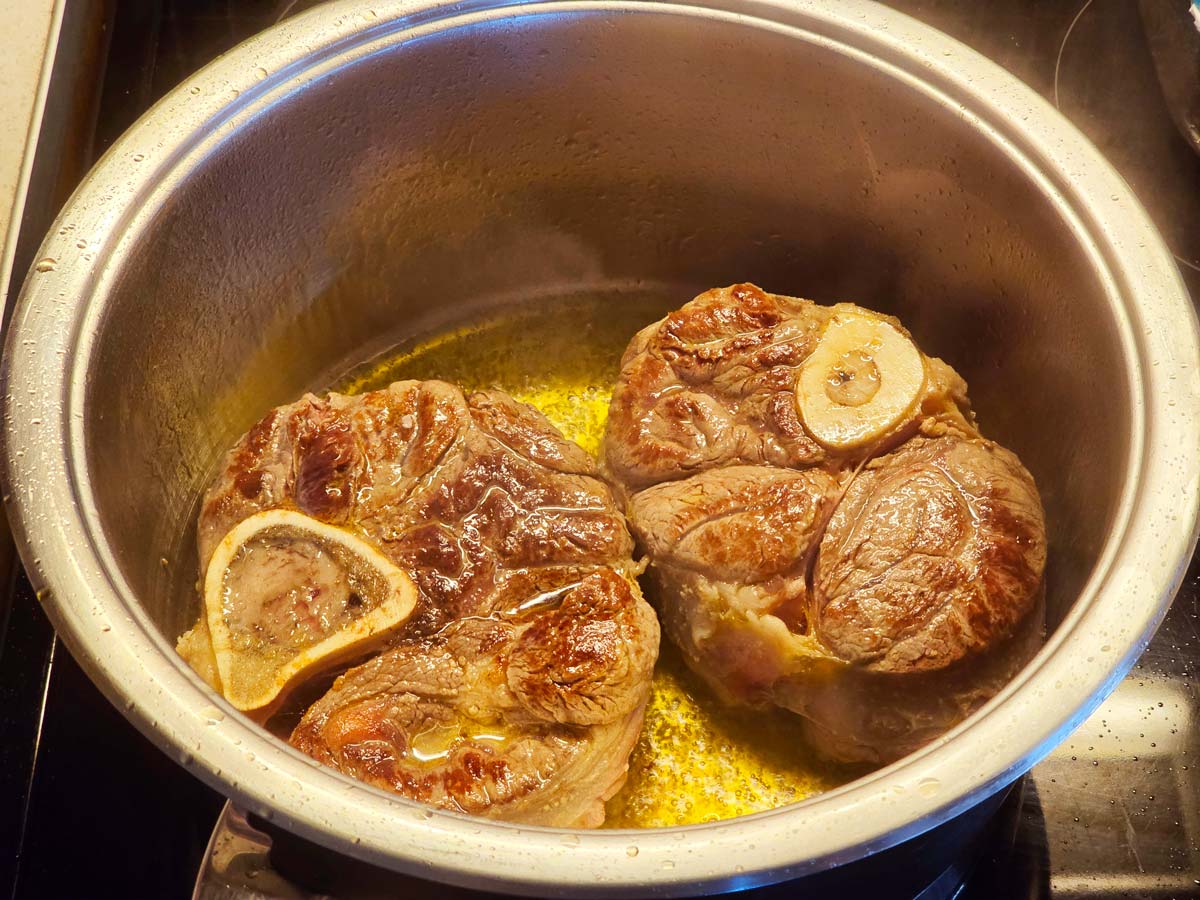
  • Tender meat and clean broth flavor: We simmer the beef until soft, then build the sauce using the flavorful cooking liquid so nothing tastes flat.
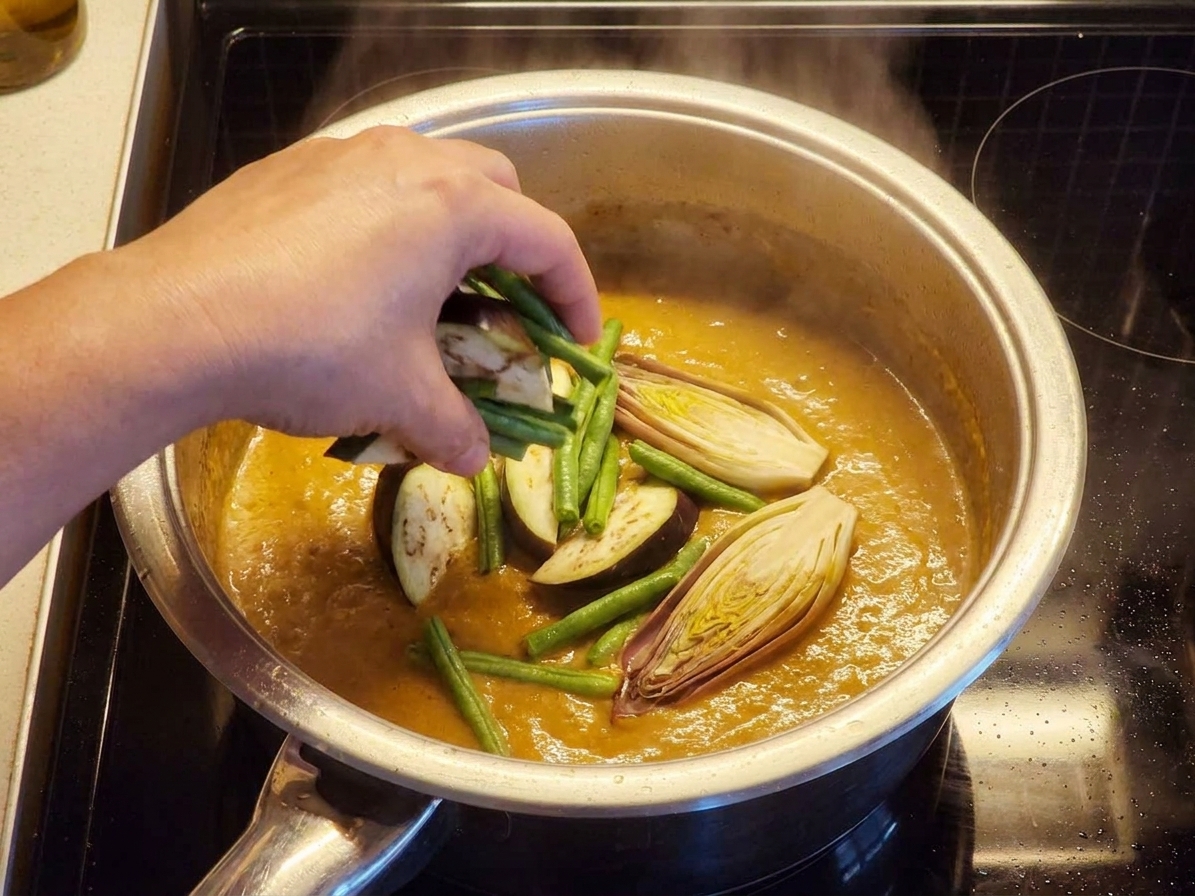
  • Vegetables that stay bright: Veg go in at the end so they keep their color and texture instead of turning into beige mush.
  • Choose your adventure salt: Serve with bagoong alamang for the classic bite, or use a gentler salty-sour topping if shrimp paste is not your thing.

Pairs Well With

Storage Tips

Fridge: Store kare-kare in an airtight container for up to 4 days. Keep veggies separate if you can, but do not stress if they are already mixed in.

Freezer: Freeze the stew (best without the vegetables) for up to 2 months. Thaw overnight in the fridge.

Reheat: Warm gently on the stove over medium-low, stirring often. Add a splash of water or broth if the sauce tightens up. Peanut sauces love to thicken as they sit.

Make-ahead move: Cook the beef and sauce a day ahead, chill, then reheat and add vegetables right before serving for the freshest texture.

Common Questions

What does kare-kare taste like?

It is savory, nutty, and gently sweet from the peanuts, with a mellow, stew-like comfort. The dish really comes alive with a salty side like bagoong alamang, which gives you that pop of umami.

Do I have to use bagoong?

Nope. It is traditional and delicious, but optional. If you want a friendlier swap, try a small bowl of soy sauce with calamansi or lime juice, plus chopped tomatoes and a pinch of sugar. You still get salty-bright contrast.

What cut of meat works best?

Oxtail is classic, but beef shank is a great, accessible option that stays rich and tender. Short ribs also work. If you prefer leaner meat, use chuck, but keep the simmer gentle so it stays soft.

Is kare-kare spicy?

Not usually. If you want heat, add sliced Thai chiles to your bagoong or serve chiles on the side so everyone can dial in their own level.

Can I make this with chicken or seafood?

Yes. Chicken thighs are easy. For shrimp, cook the sauce first, then add shrimp at the end and simmer just until pink so they do not turn rubbery.

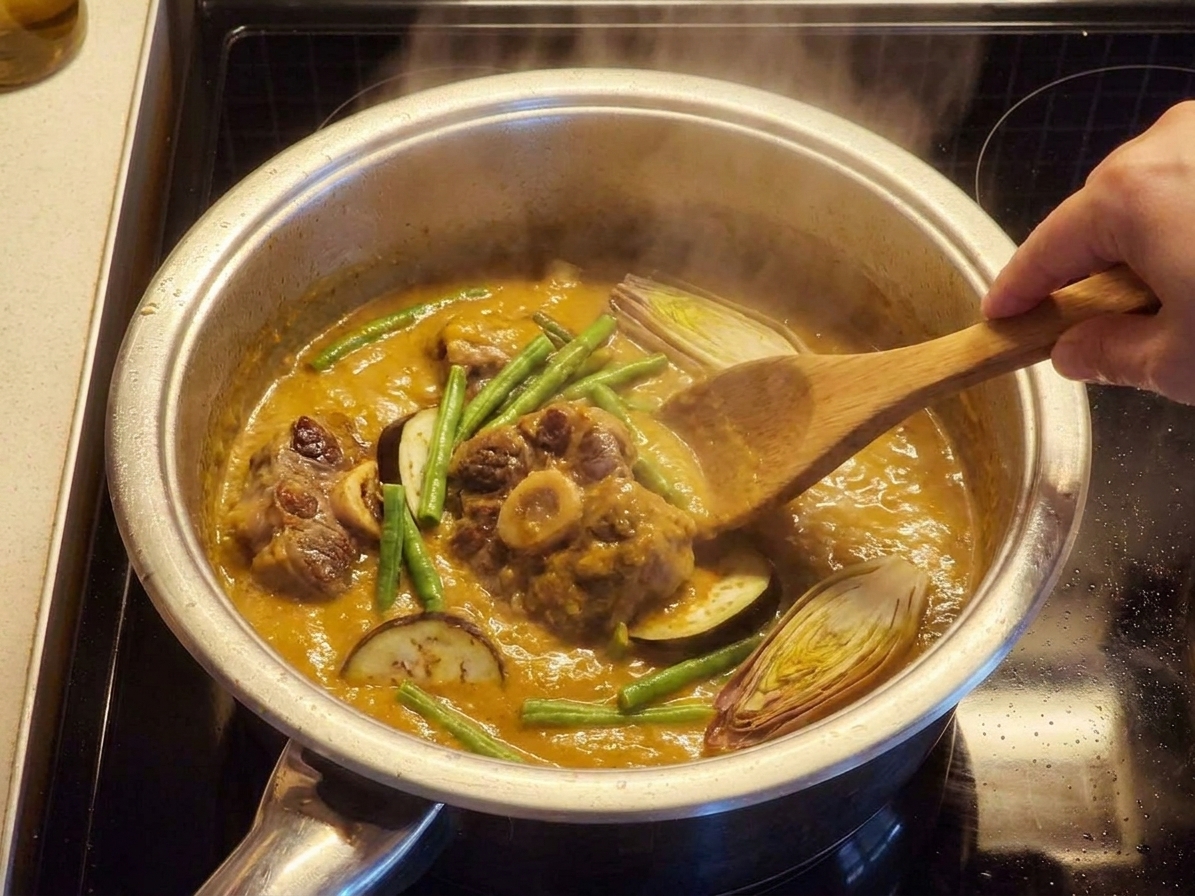
A pot on a stove with kare-kare peanut sauce gently simmering, a wooden spoon stirring, steam rising in a cozy home kitchen

The first time I tried kare-kare, I remember thinking, “Wait, peanut butter goes in a stew?” Then I took a bite with rice and a little bagoong and immediately got it. It is comfort food that still feels a little mysterious, like it is quietly daring you to taste again and figure out what is going on.

Now it is one of my favorite “feed people” dishes. It looks impressive, it reheats like a champ, and it gives you that big, cozy payoff without needing fancy ingredients. Also, it is the perfect excuse to stand at the stove and taste as you go, which is not only allowed, it is encouraged.