Mom's Best Recipes
Recipe

Kare-Kare

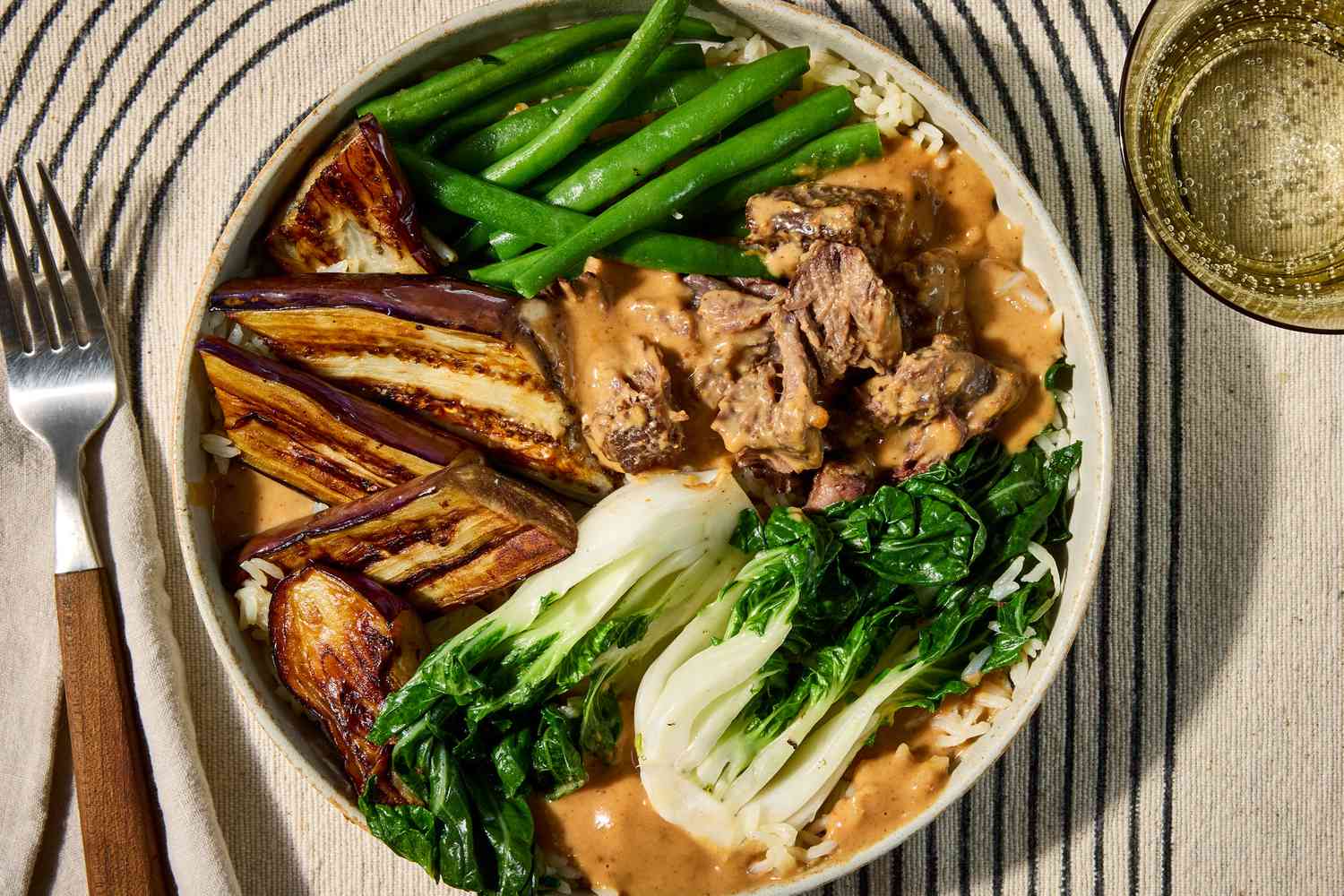
Classic Filipino peanut stew with tender beef, crisp-tender vegetables, and a creamy, savory sauce you'll want to spoon over rice.

Author By Matt Campbell
4.8
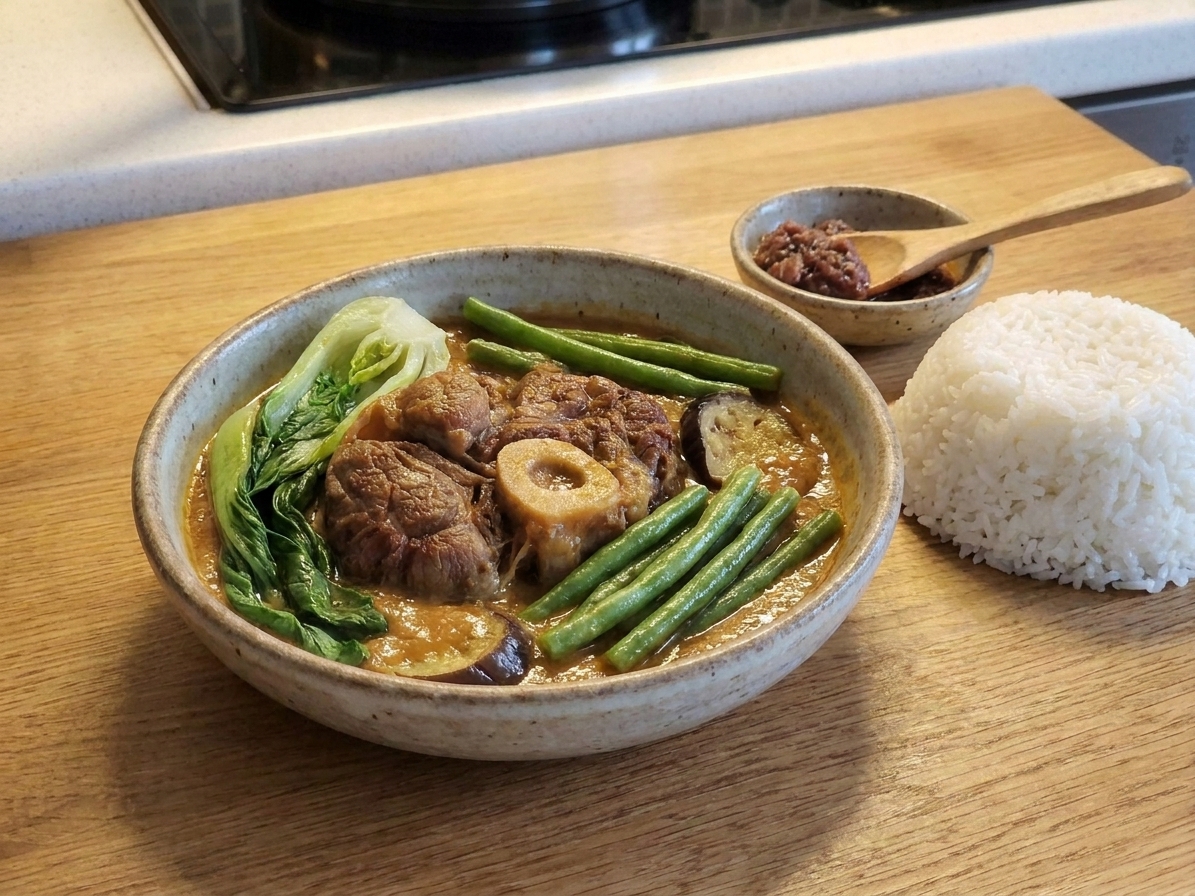
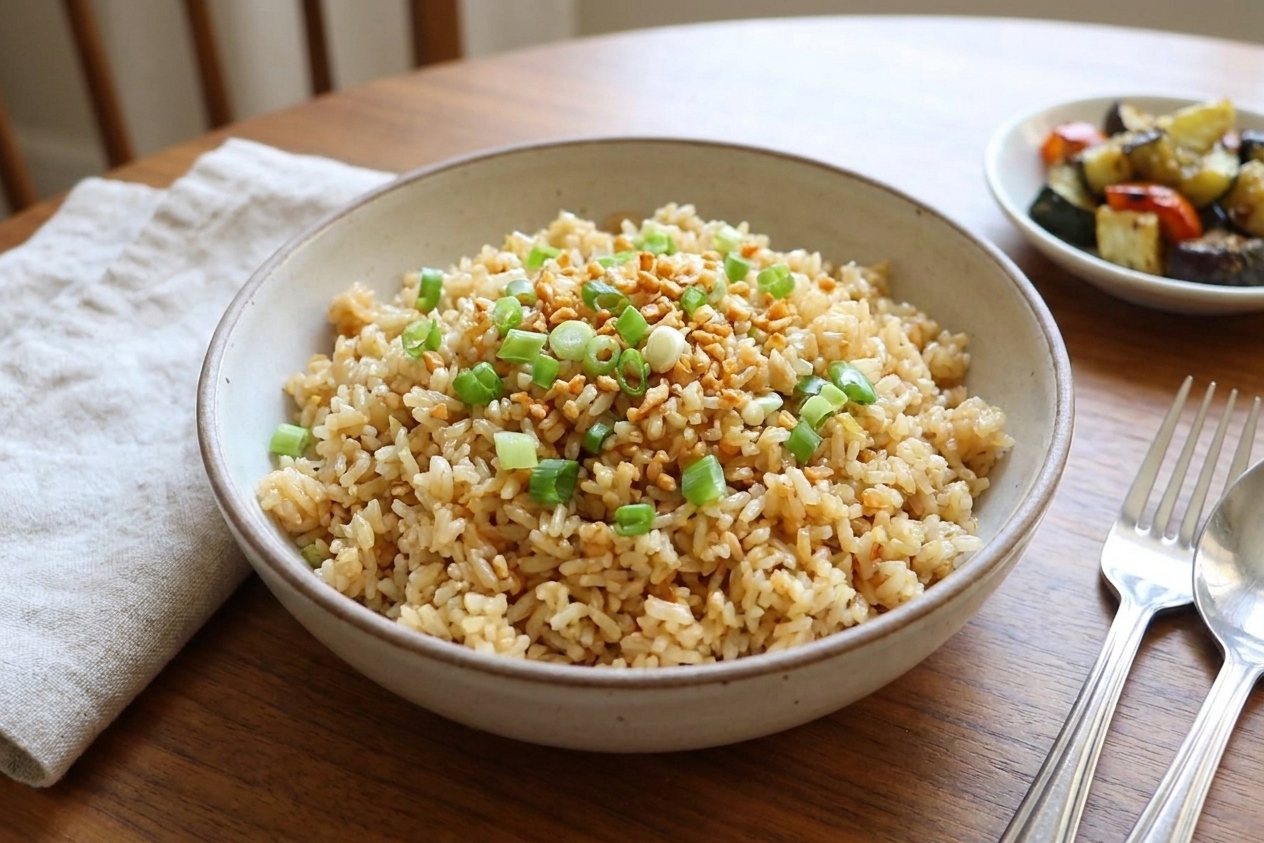
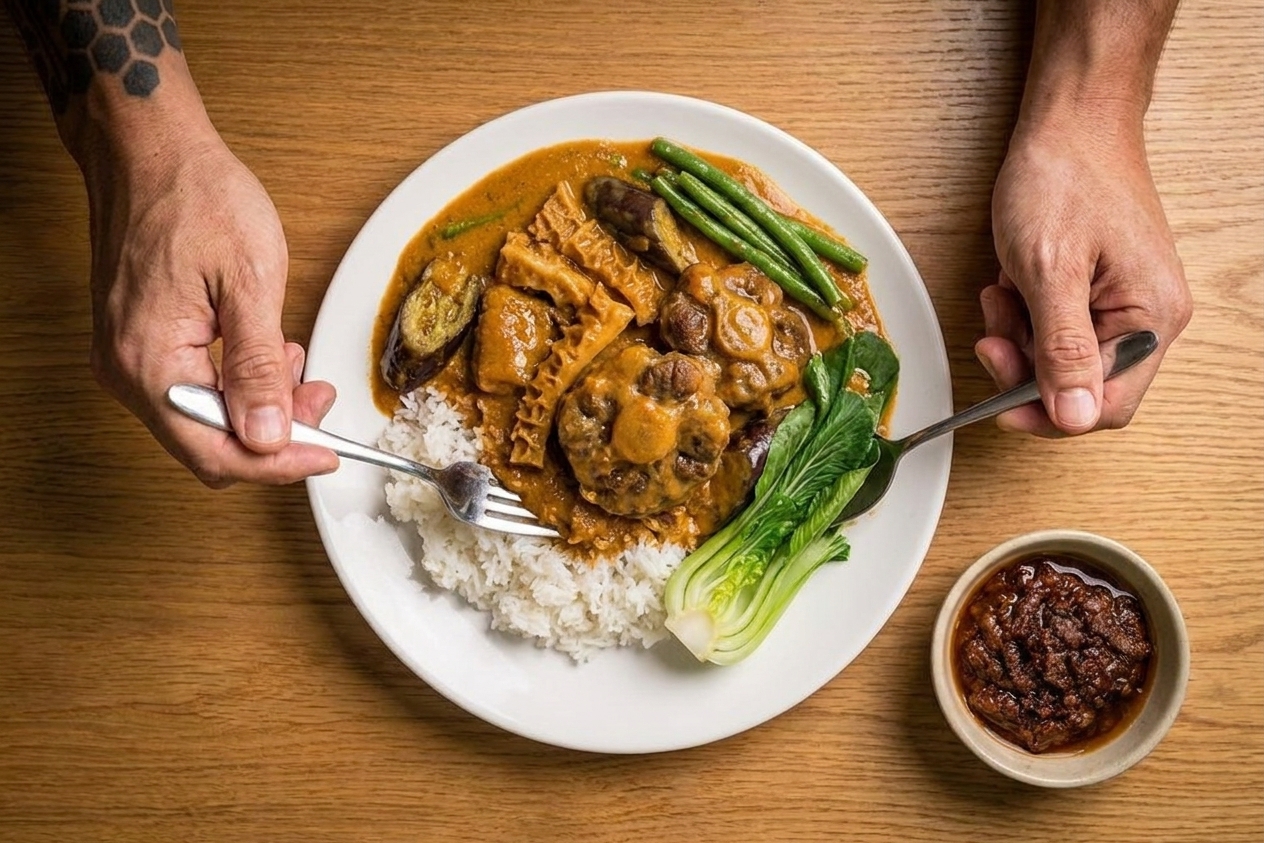
A bowl of kare-kare with tender beef and vegetables in a creamy peanut sauce, served with steamed rice on a warm wooden table

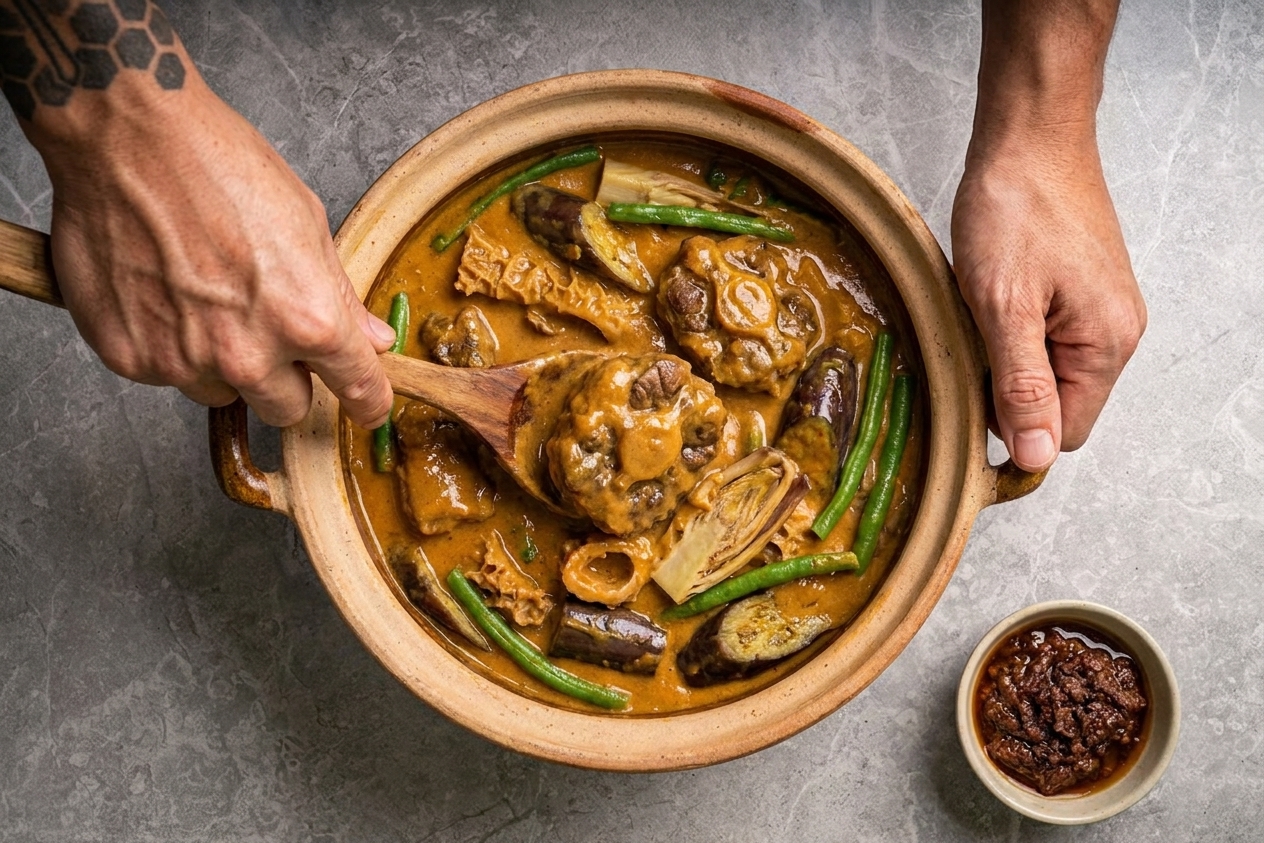
Kare-kare is one of those dishes that looks fancy and tastes like you cooked all day, even when you took a few smart shortcuts. It's a Filipino stew built around a nutty peanut sauce, tender meat, and a lineup of vegetables that soak up flavor like they're getting paid for it.

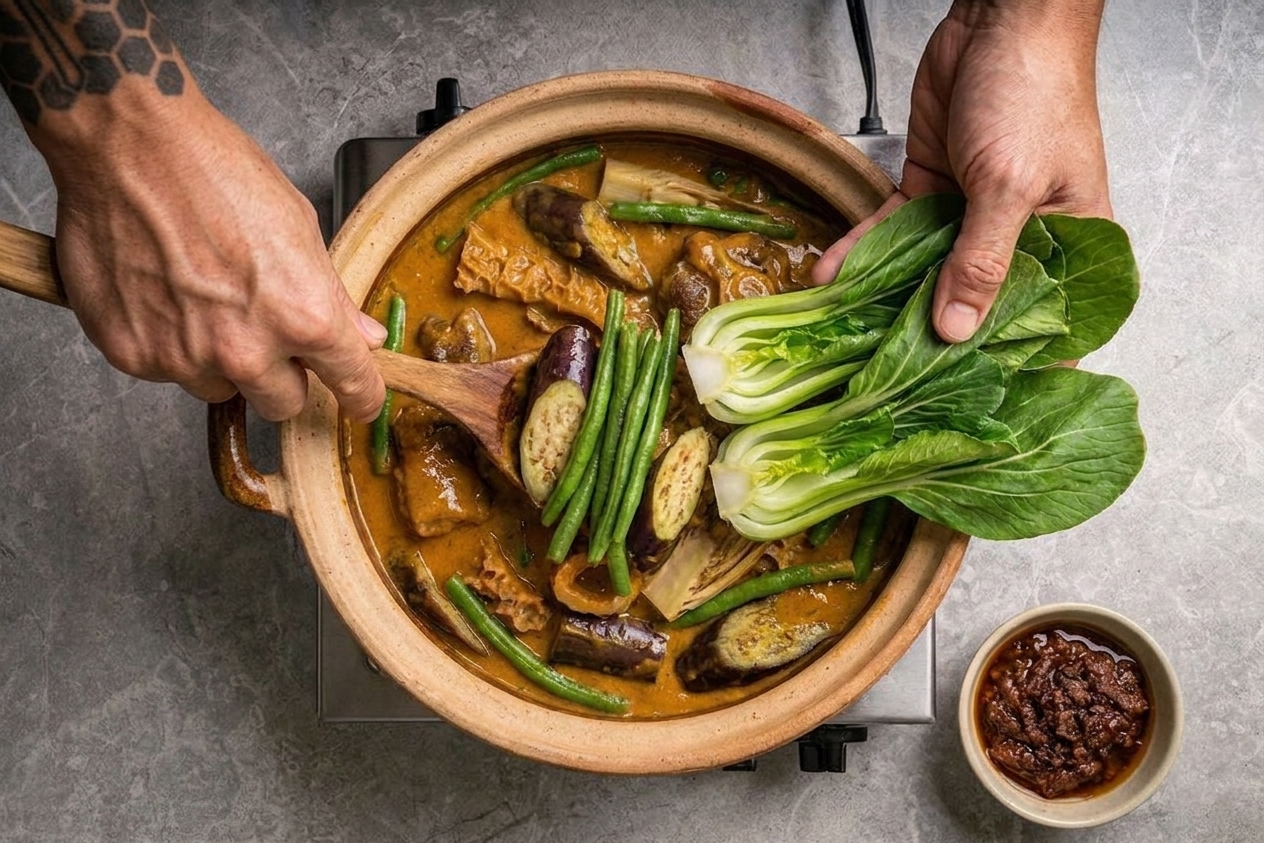
My version keeps the ingredients accessible and the steps clear. We simmer beef until it's soft, build a peanut sauce that's rich but not heavy, then finish with vegetables so they stay bright and crisp-tender. Serve it with rice, and if you have bagoong (Filipino shrimp paste), let people add it at the table. That salty funk is the little switch that turns “wow” into “okay, WOW.”

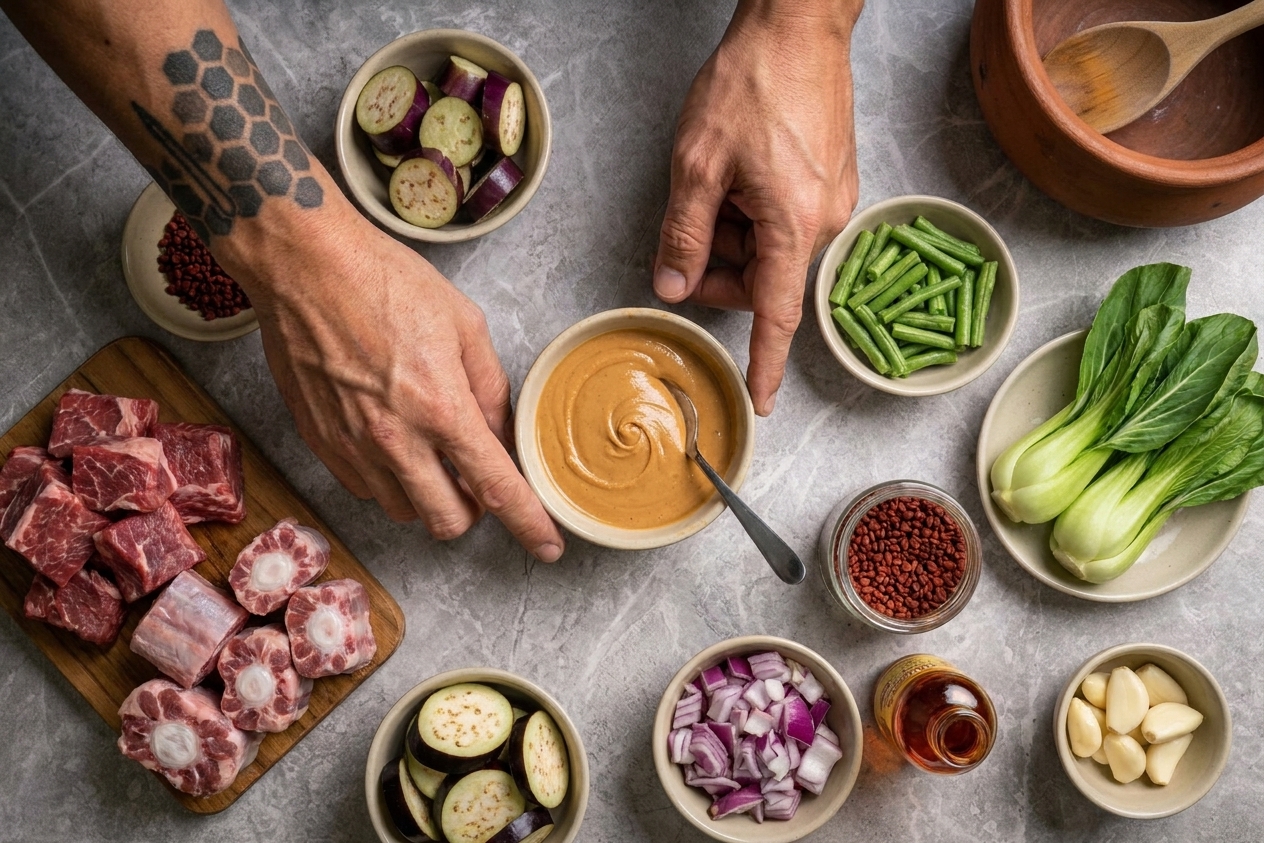
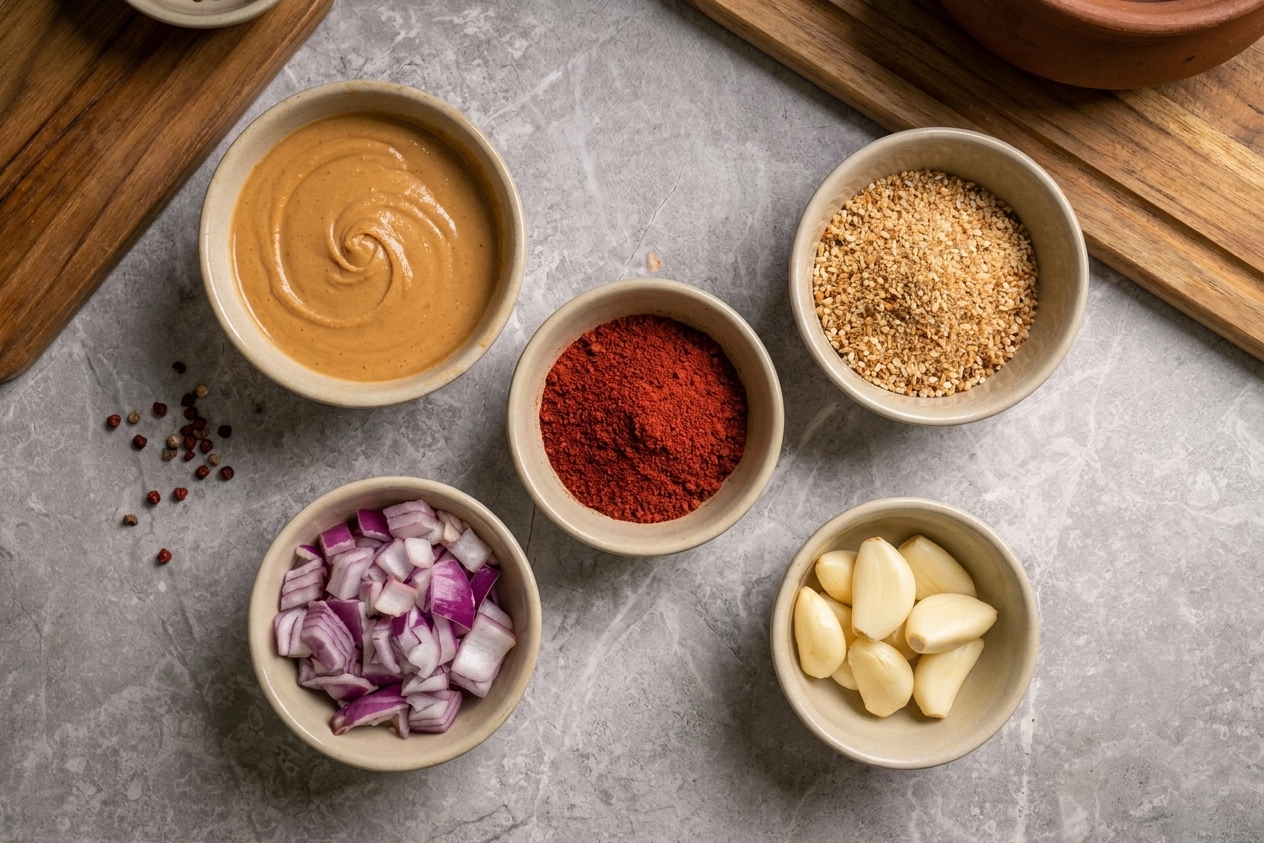
Peanut butter, beef, eggplant, bok choy, string beans, onion, garlic, and annatto on a kitchen counter ready to prep for kare-kare

Why It Works

  • Deep, nutty sauce without mystery ingredients: Peanut butter does the heavy lifting, and toasted rice gives you that classic kare-kare body.
  • Tender meat, not dry meat: A gentle simmer (or pressure cooker) gets you that fall-apart bite kare-kare is known for.
  • Vegetables that still have a pulse: We cook them at the end so they stay vibrant instead of turning into beige sadness.
  • Choose your own adventure: Beef chuck is easy, oxtail is luxurious, and the sauce works with chicken, pork, or even tofu.

Pairs Well With

Storage Tips

Refrigerate: Store kare-kare in an airtight container for up to 4 days. For best texture, store vegetables separately if you can, especially bok choy.

Freeze: Freeze the meat and peanut sauce (ideally without the veggies) for up to 2 months. Thaw overnight in the fridge.

Reheat: Warm gently on the stove over medium-low, stirring often. If the sauce thickens too much, loosen with a splash of water or broth. Peanut sauces like to tighten up as they cool, totally normal.

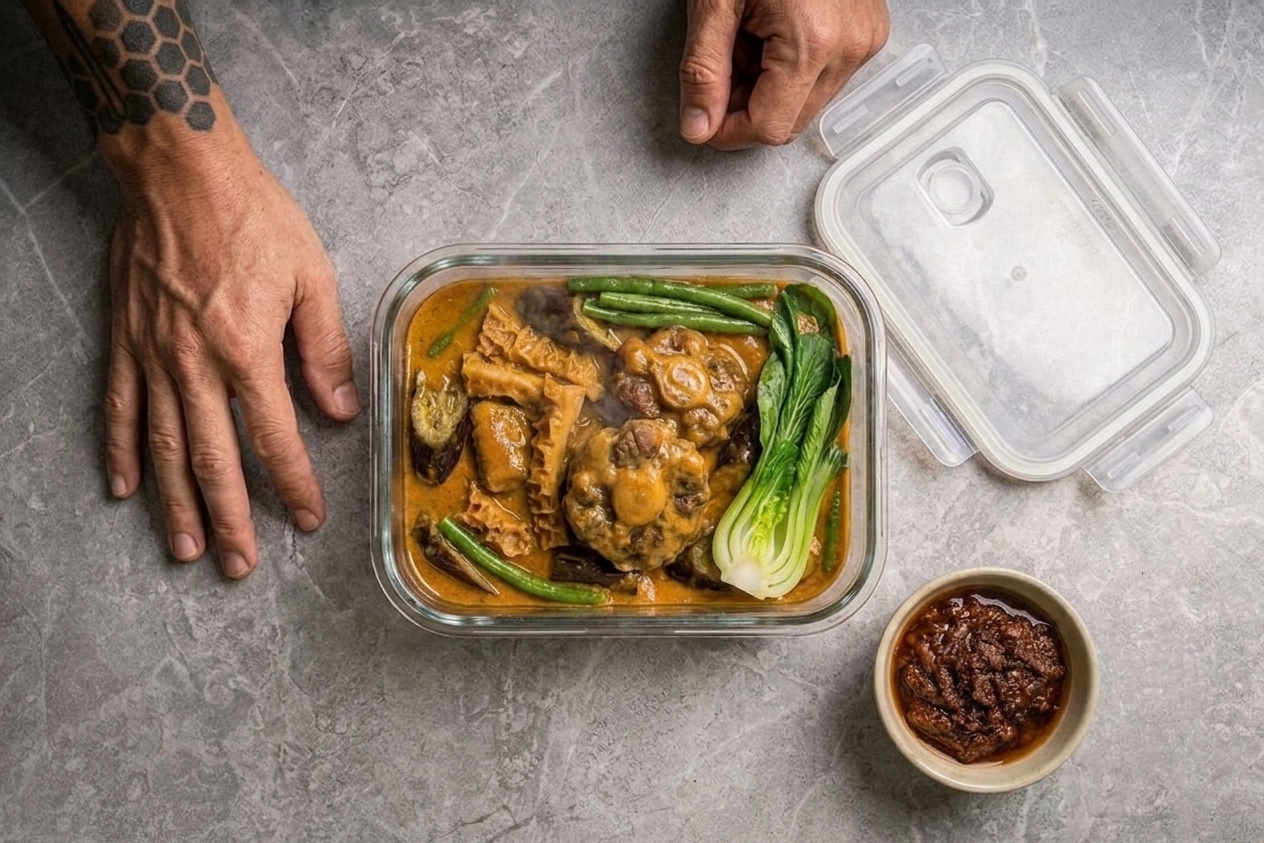
A glass meal prep container filled with kare-kare peanut stew cooling on a kitchen counter with a lid nearby

Common Questions

What is kare-kare made of?

Kare-kare is typically made with a peanut-based sauce, meat (often oxtail, beef, or tripe), and vegetables like eggplant, string beans, and pechay (bok choy works great). It's commonly served with rice and bagoong on the side.

Do I have to use bagoong?

Nope. Kare-kare is delicious without it. But bagoong adds a salty, funky punch that balances the rich peanut sauce. If you're unsure, serve it on the side so everyone can customize.

Bagoong tip: You might see plain bagoong alamang (shrimp paste) or a sautéed/spiced version (often labeled ginisa). Both work. Just taste first and start with a small amount, because salt levels vary a lot.

What can I use instead of annatto (atsuete)?

Annatto is mostly for color. You can skip it and the dish will still taste great. If you want a similar warm tint, use a small pinch of paprika (sweet, not smoked) or a tiny bit of turmeric.

Why is my kare-kare sauce gritty or separated?

A few common culprits: the pot is boiling (peanut sauce likes a gentle simmer), the peanut butter wasn't tempered with hot broth first, or your peanut butter brand separates more easily. Keep the heat low, whisk the peanut mixture in gradually, and stir often. If it looks split, whisk in a splash of hot broth and keep stirring over low heat until it smooths out.

Can I make kare-kare in an Instant Pot?

Yes. Pressure cook the beef with aromatics until it's tender, then switch to sauté to build and thicken the peanut sauce. For beef chuck, cook on High Pressure for 35 to 45 minutes (natural release 10 minutes). For oxtail, plan on 50 to 60 minutes. Add vegetables at the end on sauté so they don't overcook.

What vegetables can I swap in?

Totally flexible. Try pechay (classic), banana blossom (puso ng saging), okra, or even cabbage in a pinch. Just add tender greens last so they stay bright and not sad.

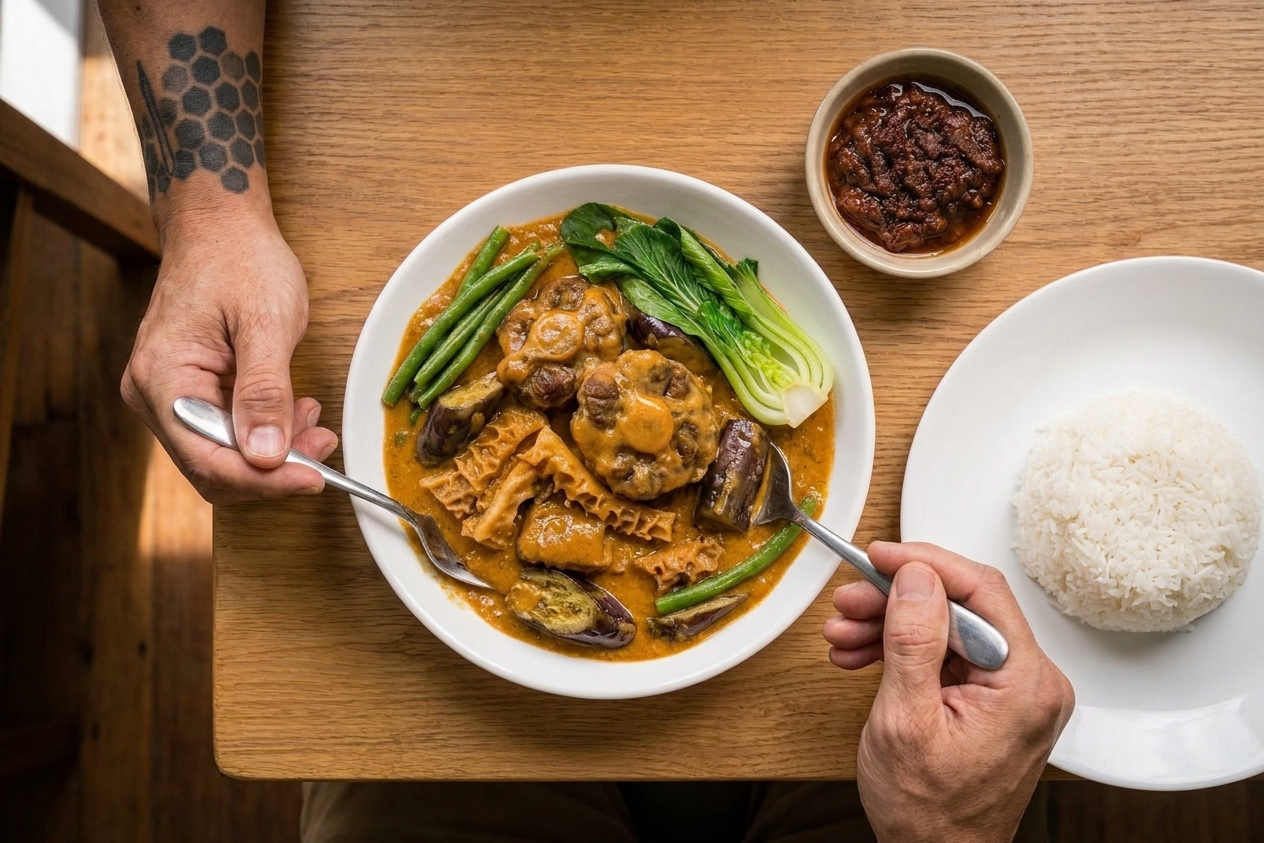
The first time I tried to make kare-kare, I treated it like a regular beef stew and wondered why my vegetables turned into mushy little flags of regret. Lesson learned: kare-kare is all about timing and balance. Tender meat, bold peanut sauce, vegetables cooked last, and the option of bagoong at the table for anyone who wants that salty edge. Now it's one of my favorite “feed a group” meals because it tastes like you went big, but the process is honestly pretty chill once you know the flow.