Mom's Best Recipes
Recipe

Chicken Adobo (Tagalog-Style)

Tangy, garlicky chicken adobo with a glossy sauce and optional crisped skin. Pantry staples, one pot, and the kind of rice dinner that disappears fast.

Author By Matt Campbell
4.8
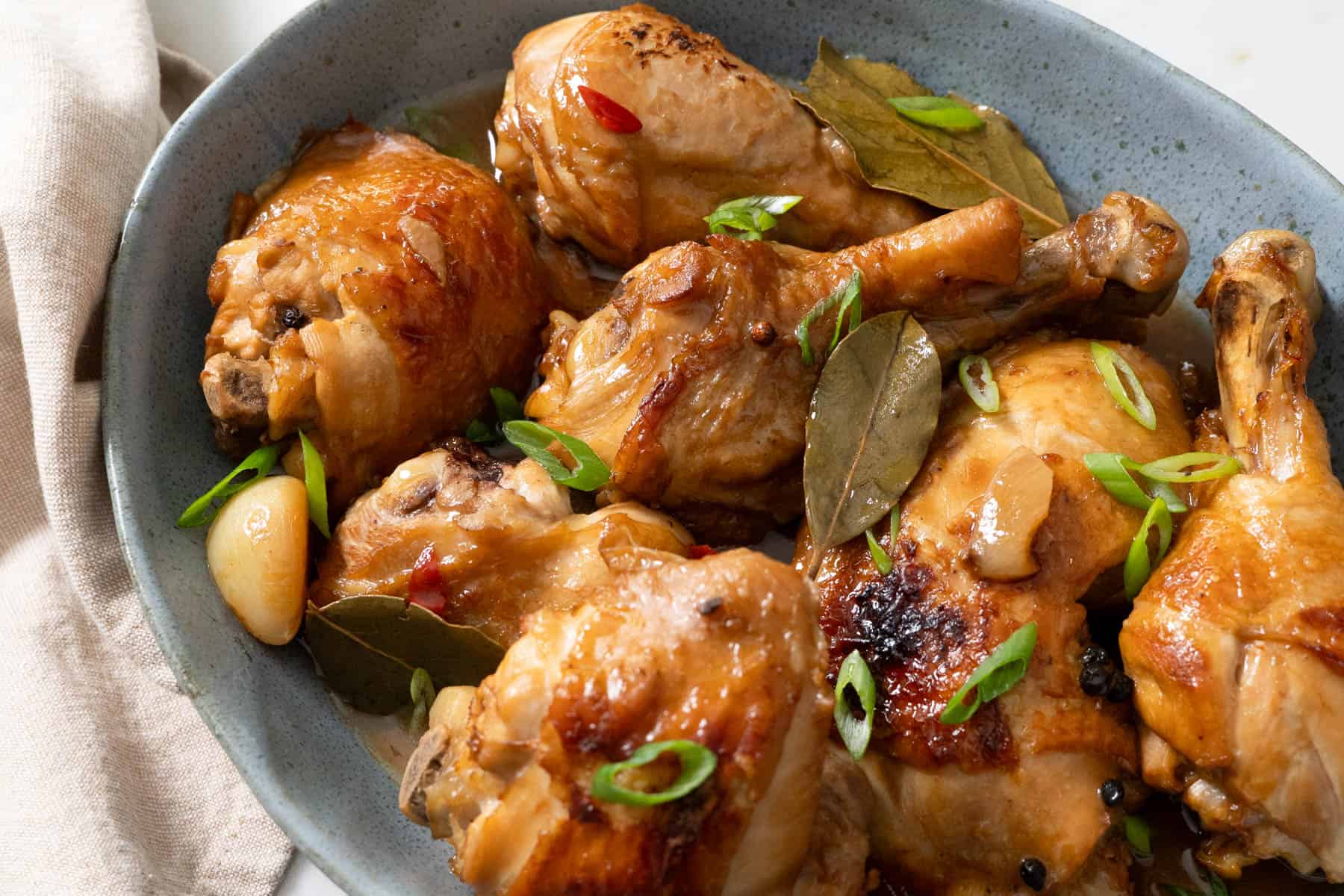
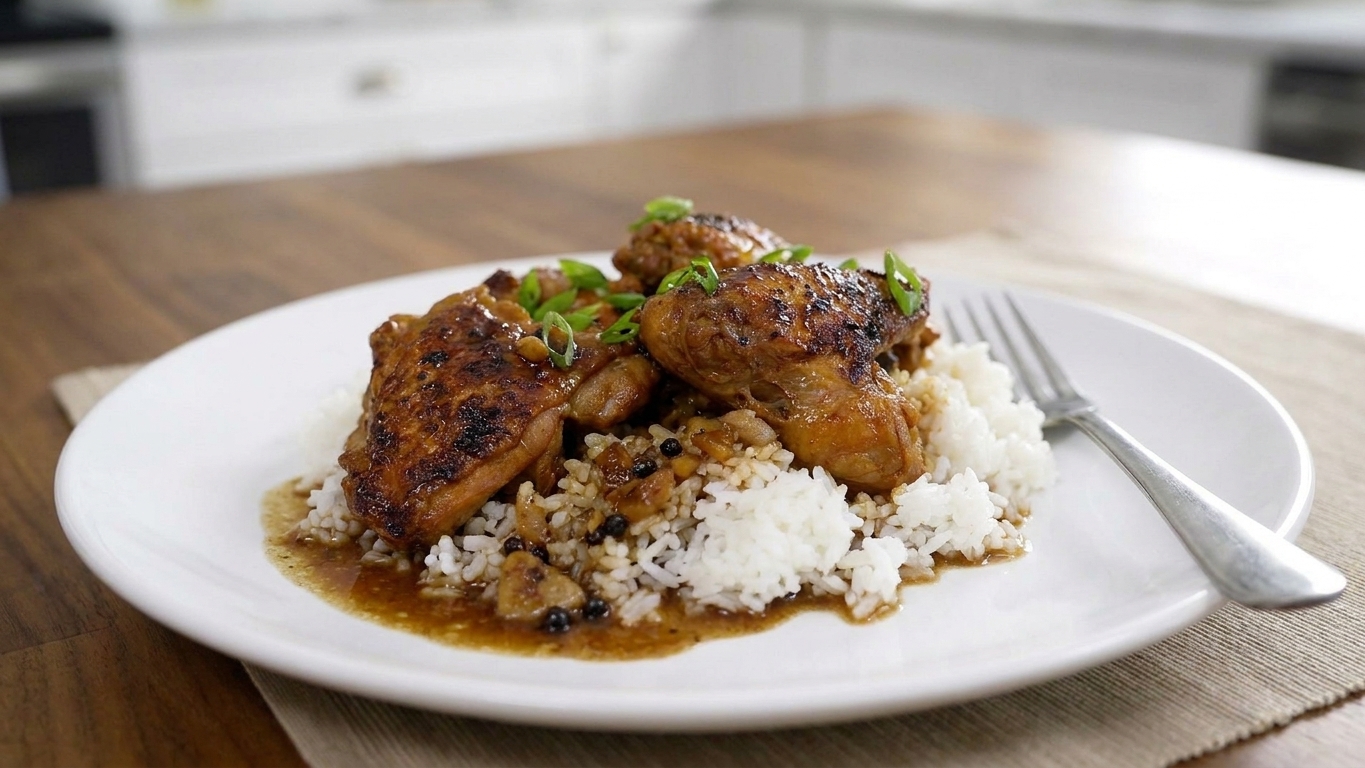
A bowl of Tagalog-style chicken adobo with glossy dark sauce, bay leaves, and cracked black pepper, served over steamed white rice on a simple wooden table

If you want an entry point into Tagalog home cooking that feels like a warm hug but still wakes your taste buds up, make chicken adobo. It is salty-sour in the best way, heavy on garlic, and it turns a short list of pantry ingredients into a sauce you will absolutely spoon over rice like it is your job.

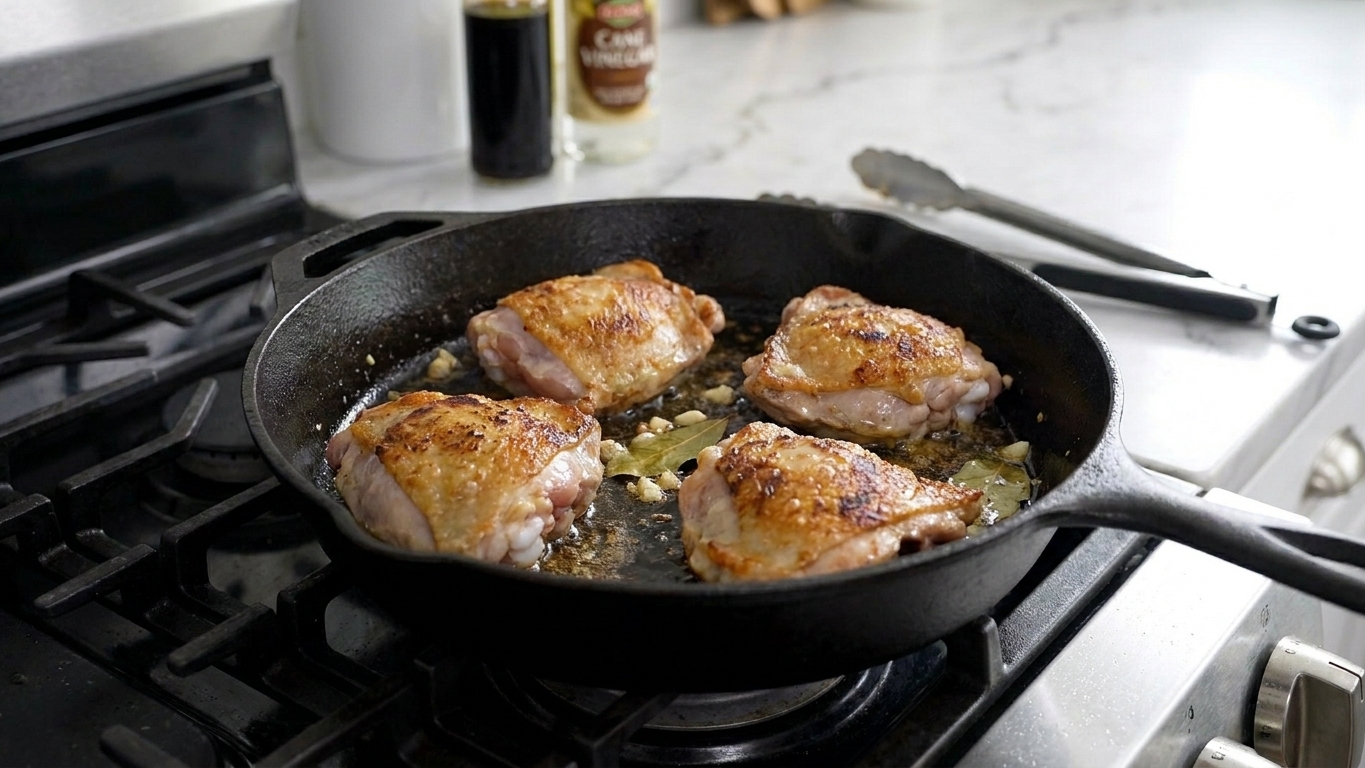
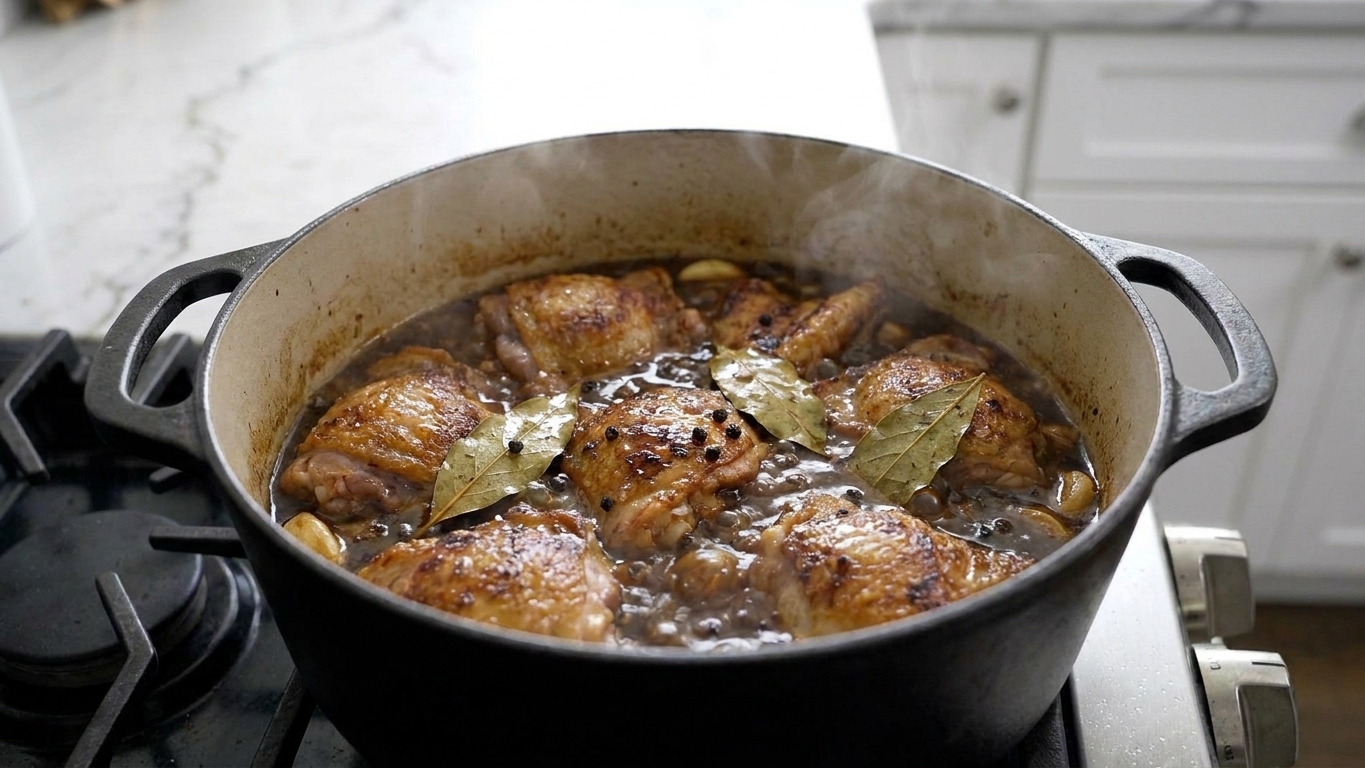
This is a Tagalog-style approach with the classic adobo backbone: vinegar, soy sauce, garlic, bay leaves, and peppercorns. We simmer until the chicken is tender and the sauce is glossy, then I like to finish by crisping the chicken a bit. Not required, but highly encouraged if you love crispy edges and big flavor.

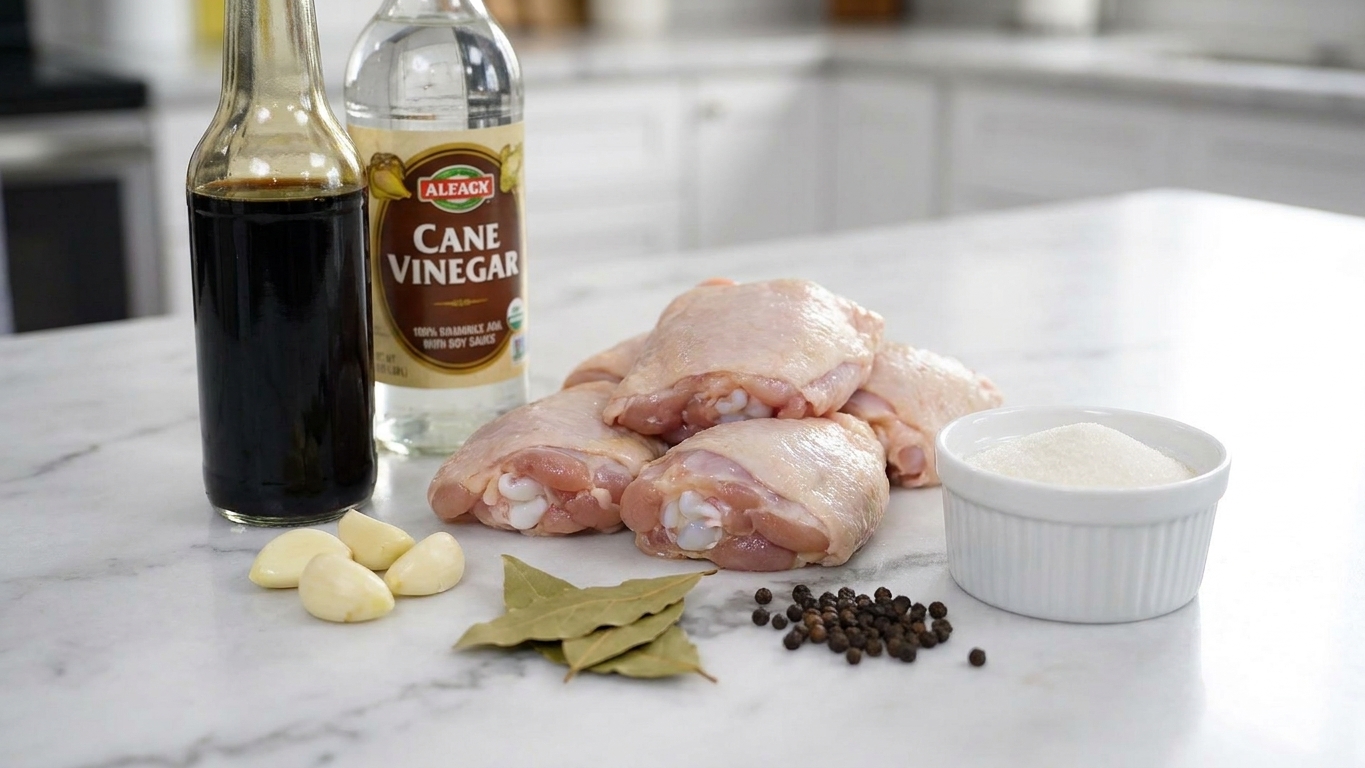
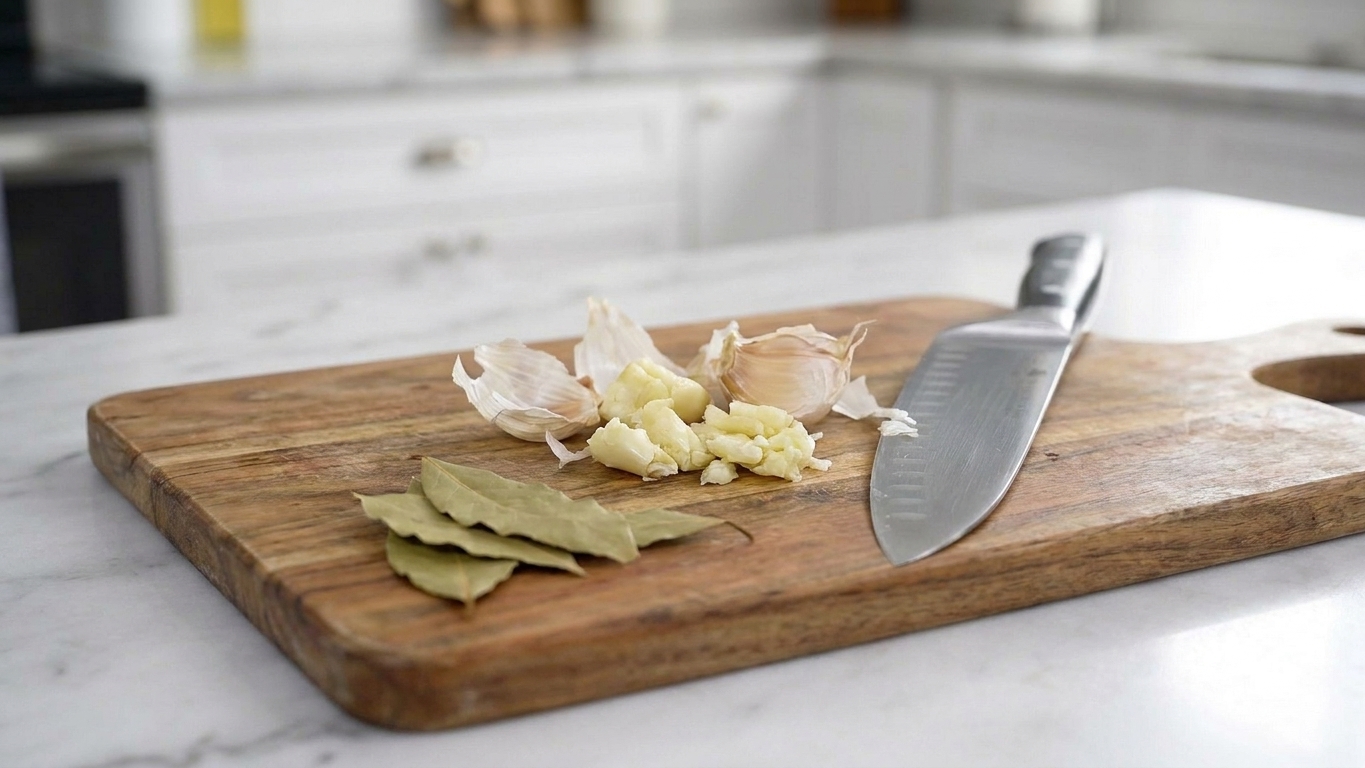
Chicken thighs, soy sauce, cane vinegar, garlic cloves, bay leaves, whole peppercorns, and a small bowl of sugar on a bright kitchen counter

Why It Works

  • Big flavor from simple stuff: vinegar brings brightness, soy brings depth, garlic does the heavy lifting.
  • One pot, low drama: simmer while you make rice, then reduce the sauce until it clings.
  • Better texture option: a quick sear at the end gives you crisp skin and a richer sauce from the fond.
  • Meal-prep magic: adobo tastes even better after a night in the fridge.

Pairs Well With

Storage Tips

How to Store and Reheat

Food safety tip: Cool leftovers and refrigerate within 2 hours.

Fridge: Store chicken and sauce together in an airtight container for up to 4 days (or follow your local food-safety guidance). The flavor deepens as it sits.

Freezer: Freeze in a freezer-safe container for up to 3 months (or follow your local guidance). Thaw overnight in the fridge before reheating.

Reheat: Warm gently in a saucepan over medium-low with a splash of water if needed. If you crisped the chicken, re-crisp in a skillet after heating through.

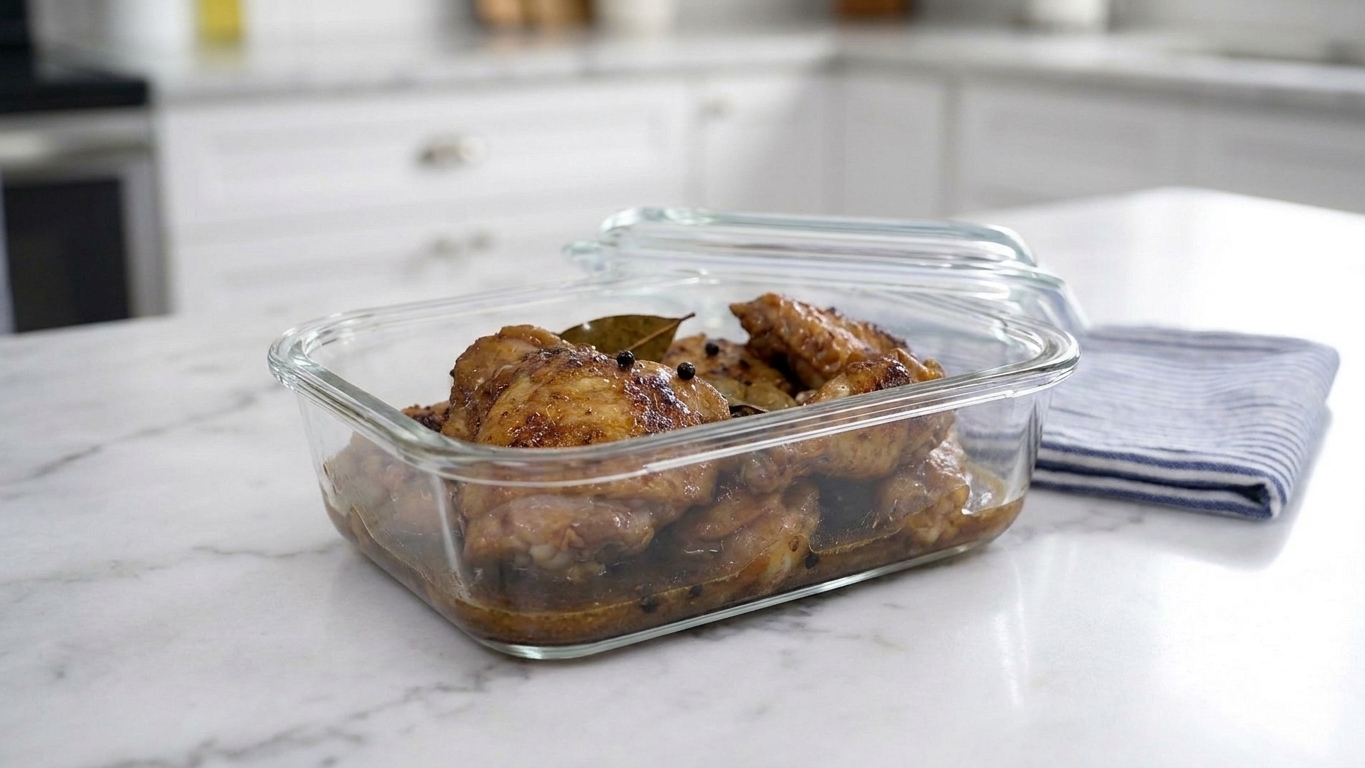
Leftover chicken adobo in a glass meal-prep container with sauce and bay leaves visible, placed on a kitchen counter

Common Questions

Common Questions

What makes this “Tagalog-style” adobo?

Adobo changes from region to region and, honestly, from house to house. When I say Tagalog-style here, I mean the soy sauce and vinegar version commonly associated with many Tagalog households in Luzon: lots of garlic, plus bay leaves and peppercorns, simmered until the chicken is tender and the sauce is either saucy or reduced down and intense. Both are correct. The best adobo is the one you want to eat over rice immediately.

Can I use chicken breast instead of thighs?

You can, but thighs stay juicier. Breast can overcook while the sauce reduces, so use one of these approaches: pull it early (once it hits 165°F) and set it aside while you reduce the sauce, then slice and add it back at the end, or simmer it separately and combine with the finished sauce. Either way, do not let it keep boiling through the reduction step.

What internal temperature should I aim for?

165°F is the minimum safe temperature for chicken. For thighs and drumsticks, many people prefer them at 175 to 185°F because the texture gets more tender.

Do I need cane vinegar?

No. Cane vinegar is traditional and has a mellow sweetness, but distilled white vinegar works great. Apple cider vinegar is slightly fruitier. Use what you have.

Why does my adobo taste too sharp?

Two fixes: simmer a little longer to mellow the vinegar, and add a small pinch more sugar. Also make sure you are using the right amount of liquid for your pot size. A wider pan reduces faster and concentrates flavors quickly.

Can I add potatoes or hard-boiled eggs?

Yes. Add baby potatoes (halved) during the simmer so they absorb the sauce. For hard-boiled eggs, peel and add them near the end to warm through, then spoon sauce over.

Is it safe to simmer vinegar with the lid on?

Yes. It is safe. It is mostly a ventilation and comfort thing, because the vinegar aroma can get intense. If it is bothering you, crack the lid and keep a gentle simmer.

Do I have to wait to stir after adding vinegar?

Some cooks prefer a traditional tip: add the vinegar and let it simmer for a minute or two before stirring, to keep the flavor smooth. You do not have to do this for a good adobo, but if you grew up hearing “do not stir the vinegar,” this is the version of that idea that still plays nicely with a modern weeknight pace.

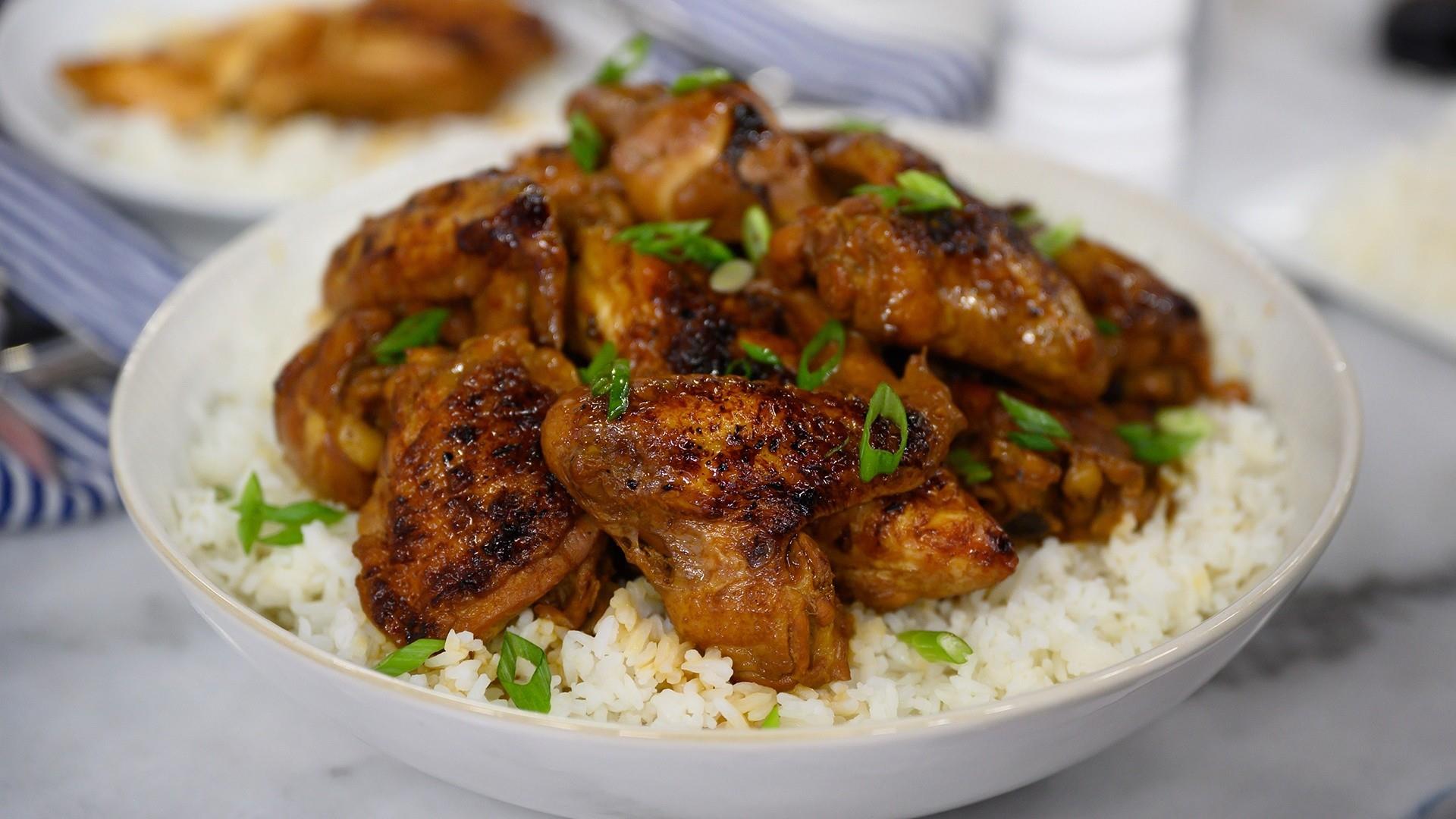
The first time I really “got” adobo, it was not from some complicated chef moment. It was from realizing that a pot of chicken, vinegar, soy sauce, and a frankly unreasonable amount of garlic could taste like it had been cooking all day. I love Tagalog food for that exact reason. It is honest, practical, and completely fearless about flavor. Also, if there is rice involved, I am listening.

Servings note: this makes about 4 generous servings, and it can stretch to 5 or 6 if you are serving it with extra rice and a veggie on the side.