Mom's Best Recipes
Recipe

Palabok Pancit

Filipino rice noodles in a savory shrimp annatto sauce with crispy garlic, chicharrón, optional smoked fish flakes, and bright citrus to finish.

Author By Matt Campbell
4.8
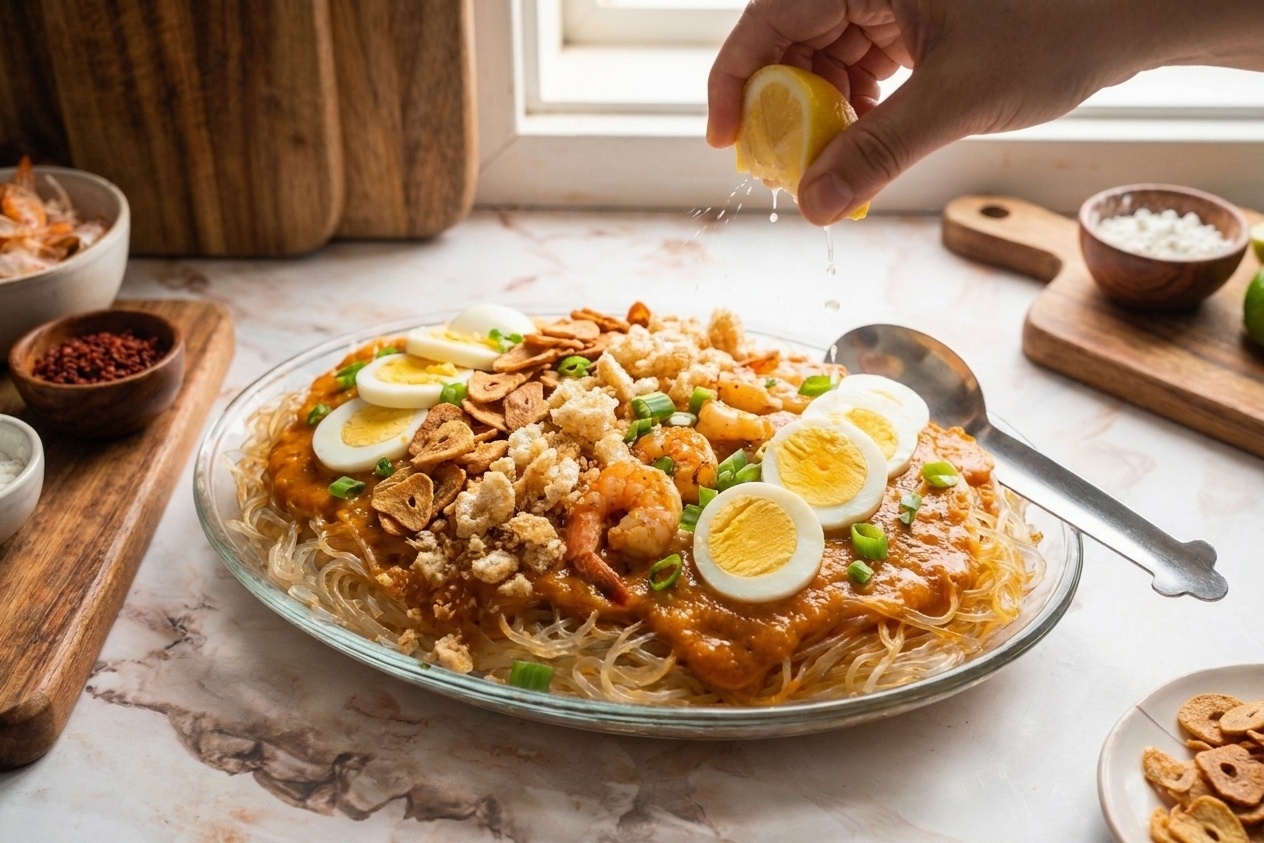
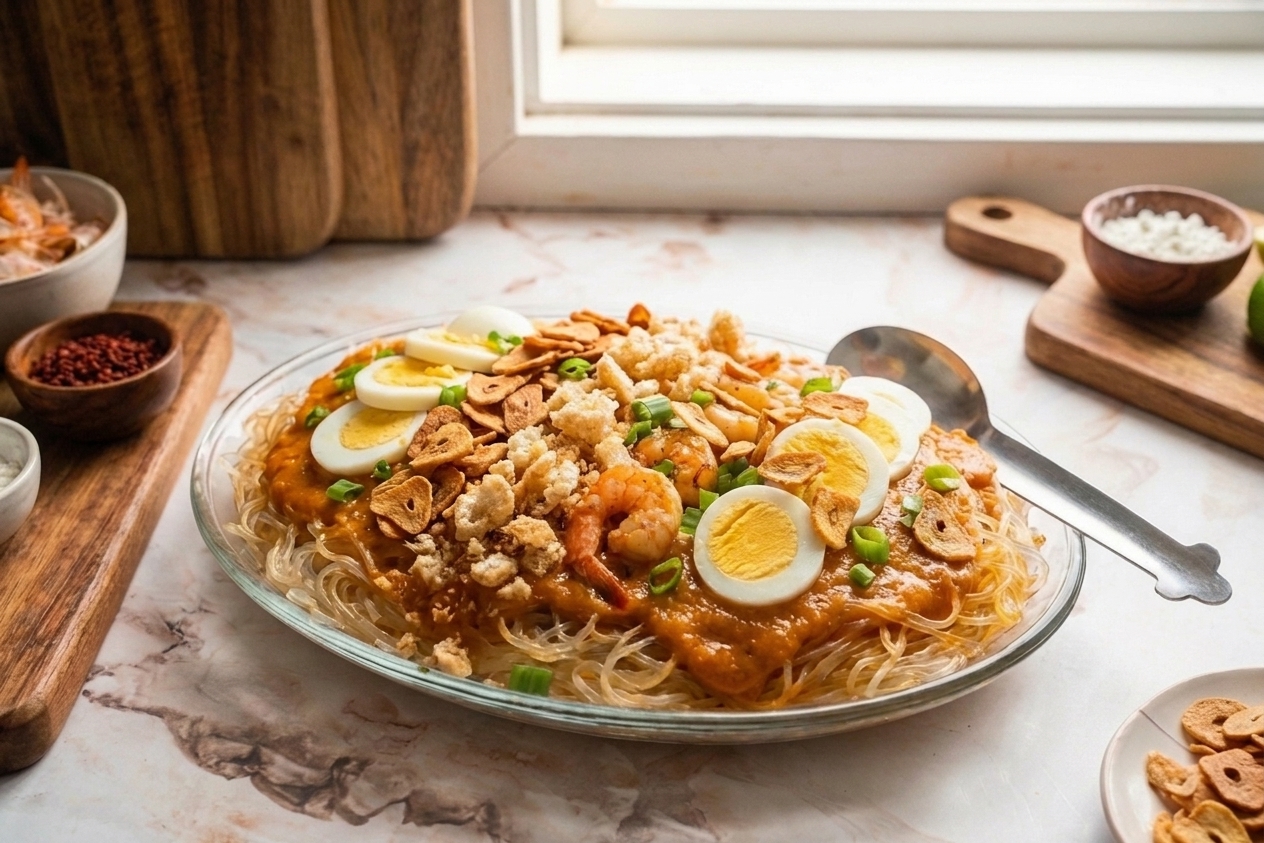
A platter of pancit palabok with orange shrimp sauce over rice noodles, topped with sliced eggs, shrimp, crushed chicharrón, smoked fish flakes, and green onions on a warm-toned kitchen table

Palabok pancit is the kind of noodle dish that makes you slow down for a second. It looks festive, sure, but it also hits that specific comfort-food sweet spot: soft rice noodles, a savory seafood-forward sauce, and toppings that give you crunch, richness, and little pops of freshness.

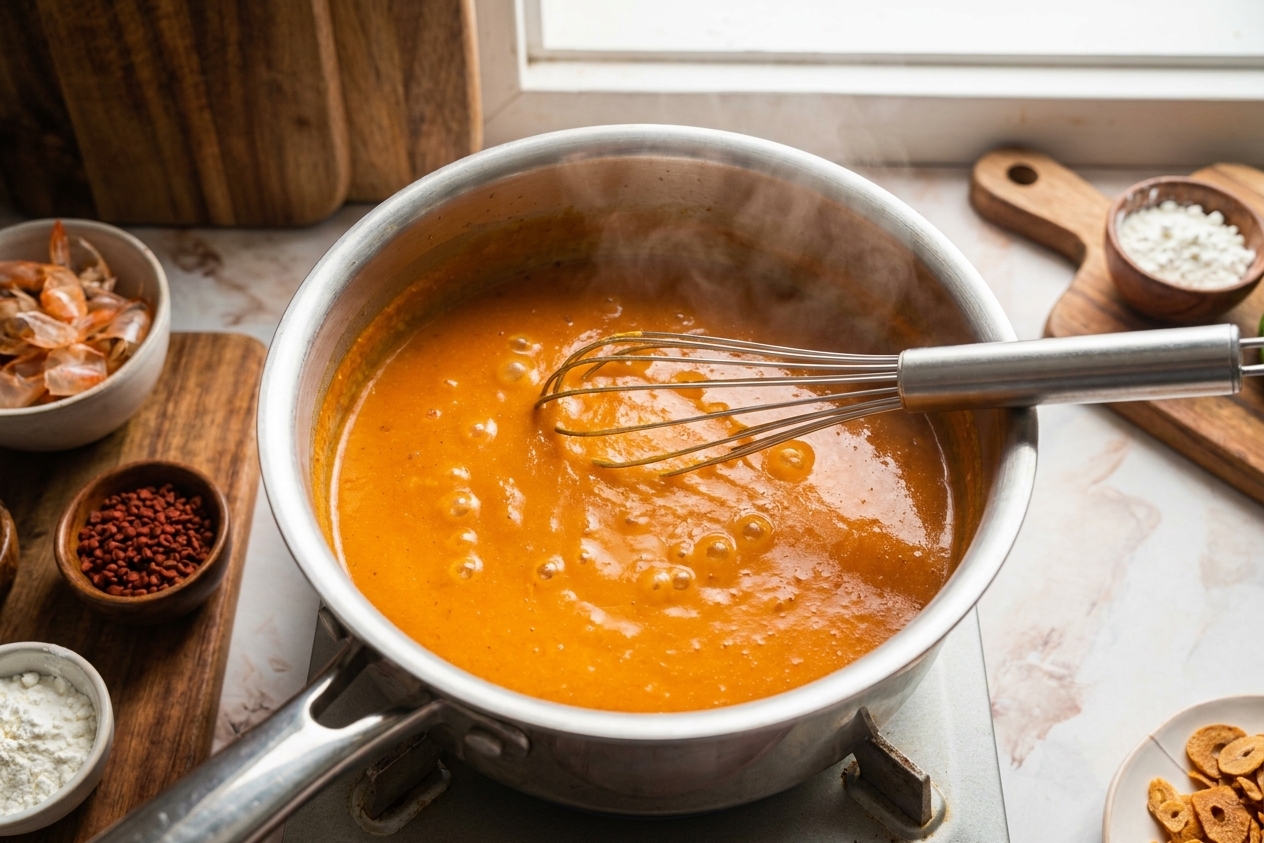
This is my home-cook version, meaning you get the big flavors without needing a specialty store run that feels like a side quest. We build a quick shrimp stock, thicken it into that signature orange sauce (hello, annatto), then pile it all onto noodles with crispy garlic, eggs, shrimp, and a squeeze of calamansi or lemon. If you want to go extra traditional, a shower of tinapa flakes (or smoked trout) is the move. Taste as you go. It is not only allowed, it is encouraged.
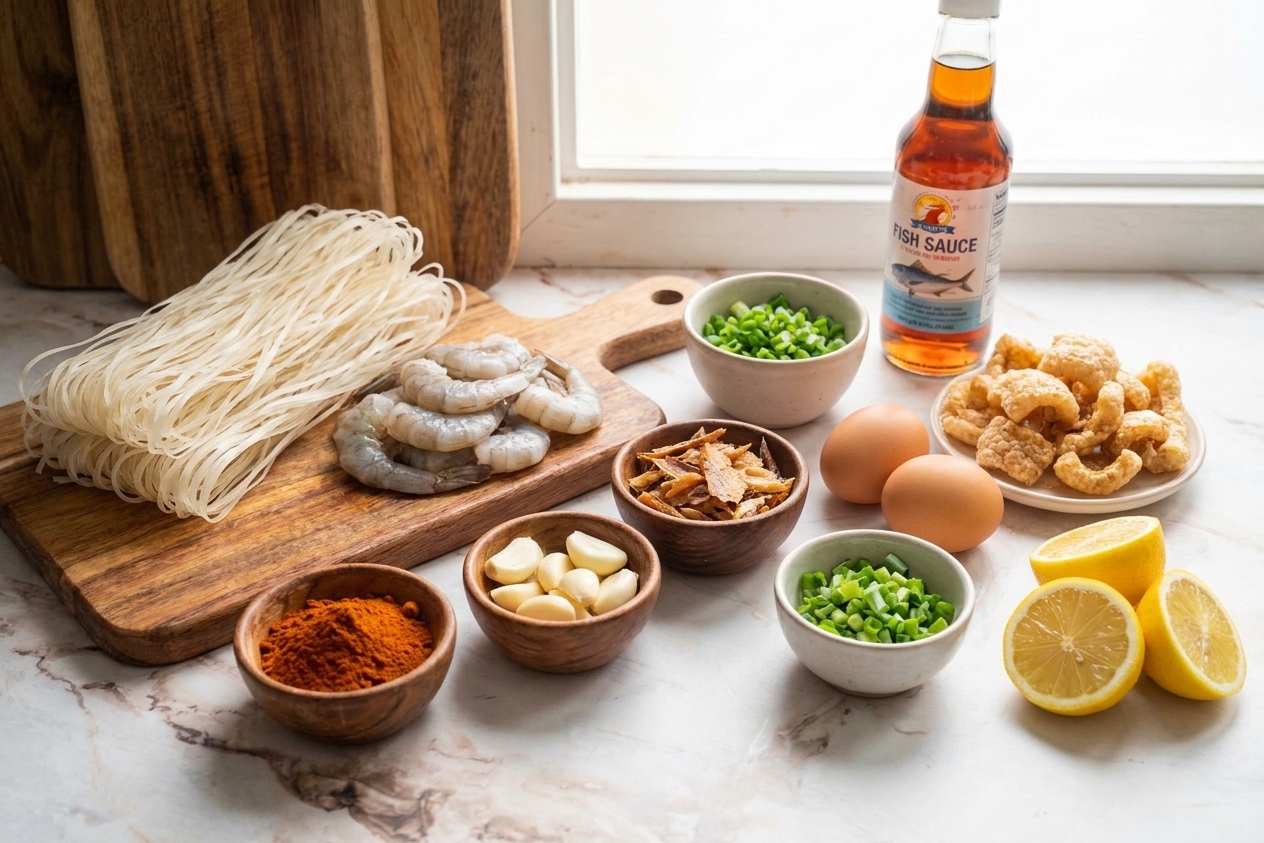
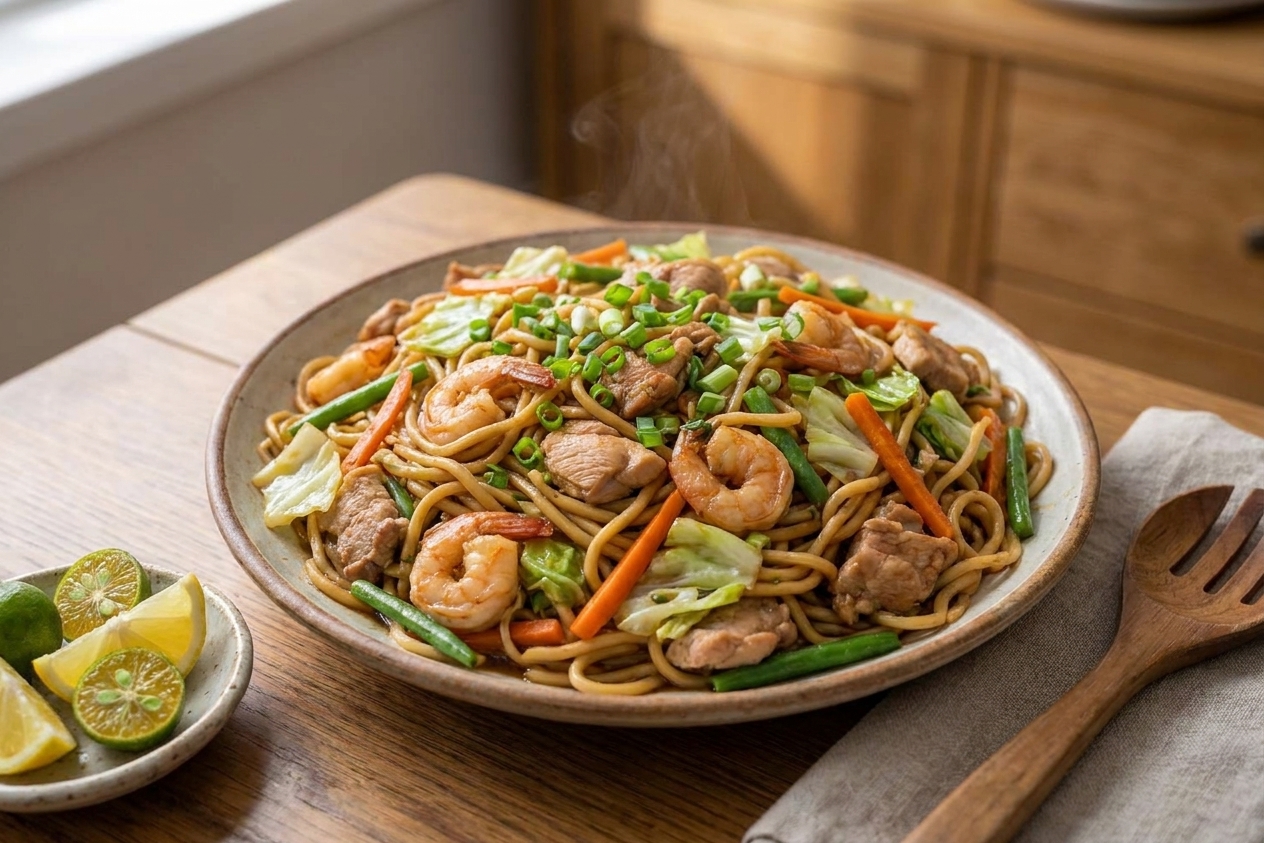
Palabok ingredients arranged on a kitchen counter, including rice noodles, shrimp, annatto powder, garlic, eggs, green onions, fish sauce, chicharron, smoked fish flakes, and lemon

Why It Works

  • Sauce that actually clings: A simple cornstarch slurry gives you that glossy, ladleable sauce that coats noodles instead of pooling at the bottom.
  • Big flavor fast: Shrimp shells plus garlic and a little fish sauce create deep seafood flavor without simmering for hours.
  • Crunch built in: Crispy garlic and crushed chicharrón turn every bite into texture city.
  • Flexible toppings: Use what you have. Tinapa flakes (or smoked trout), flaked crab, or extra eggs all work without breaking the vibe.
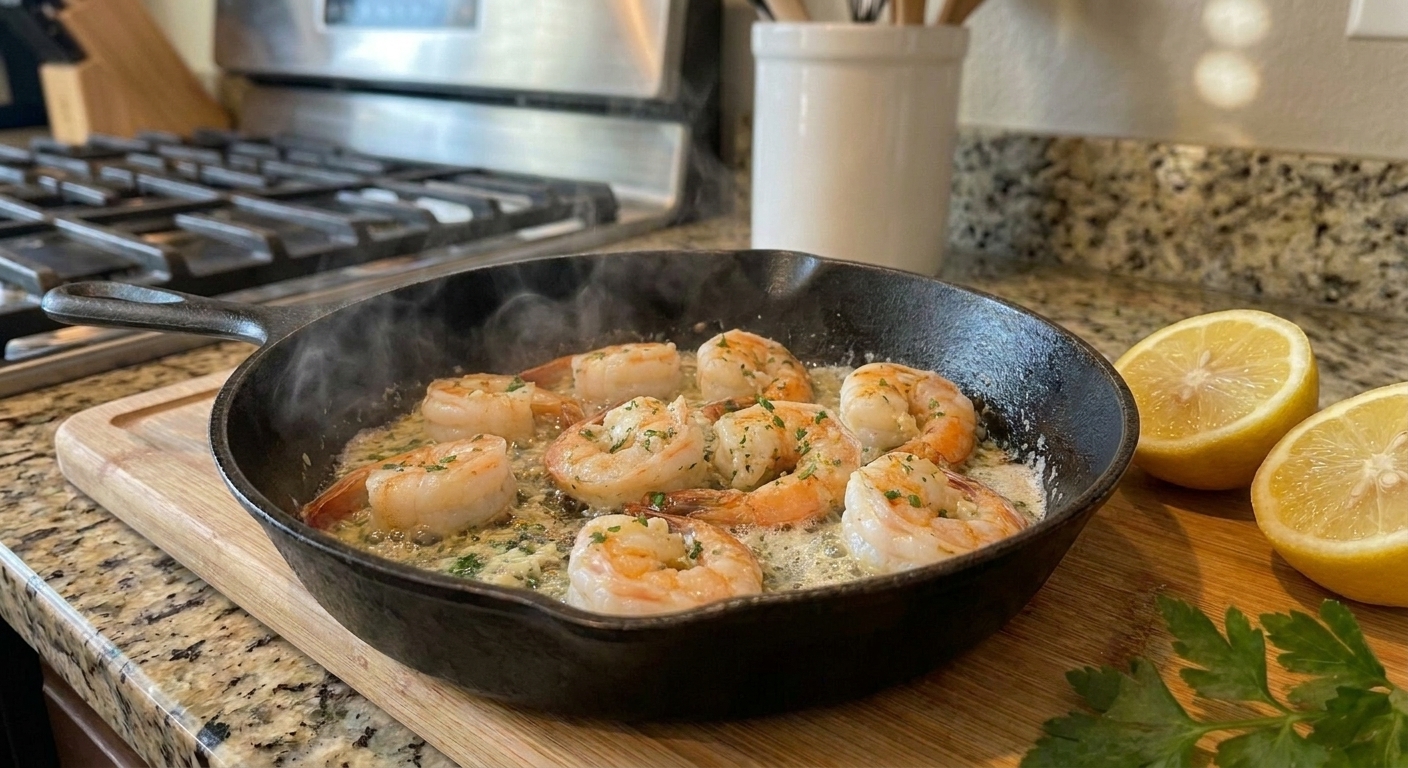
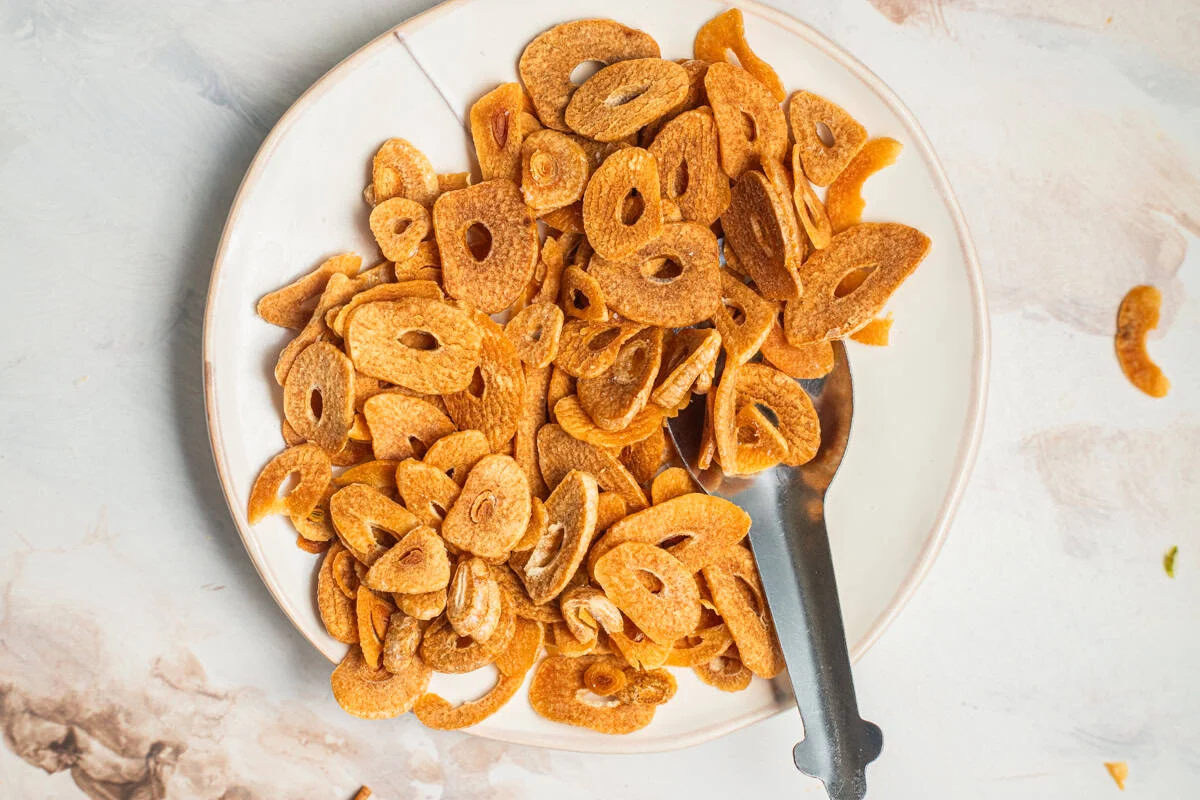
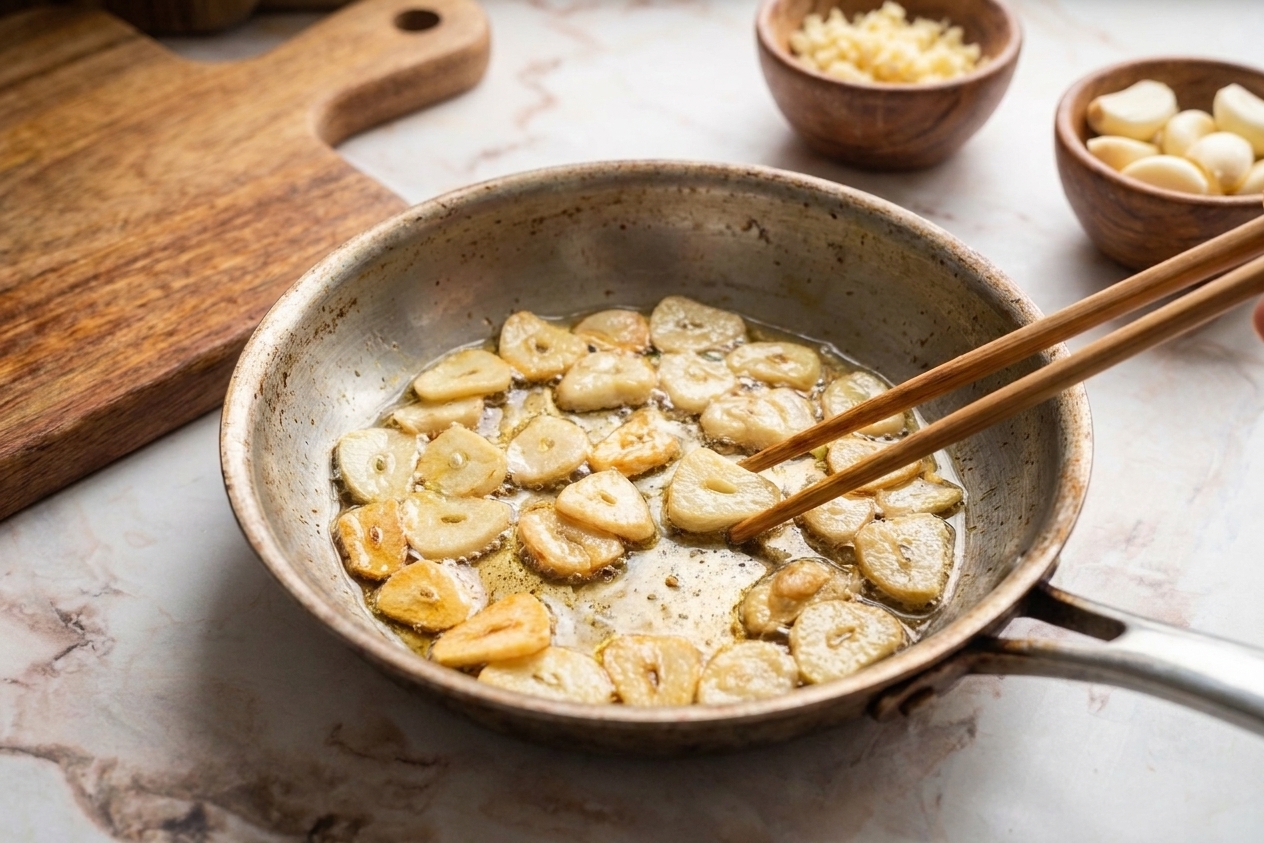
Thinly sliced garlic gently frying in oil in a small skillet until light golden

Pairs Well With

Storage Tips

Store noodles and sauce separately if you can. Palabok is best the day it is made, but leftovers are totally worth it.

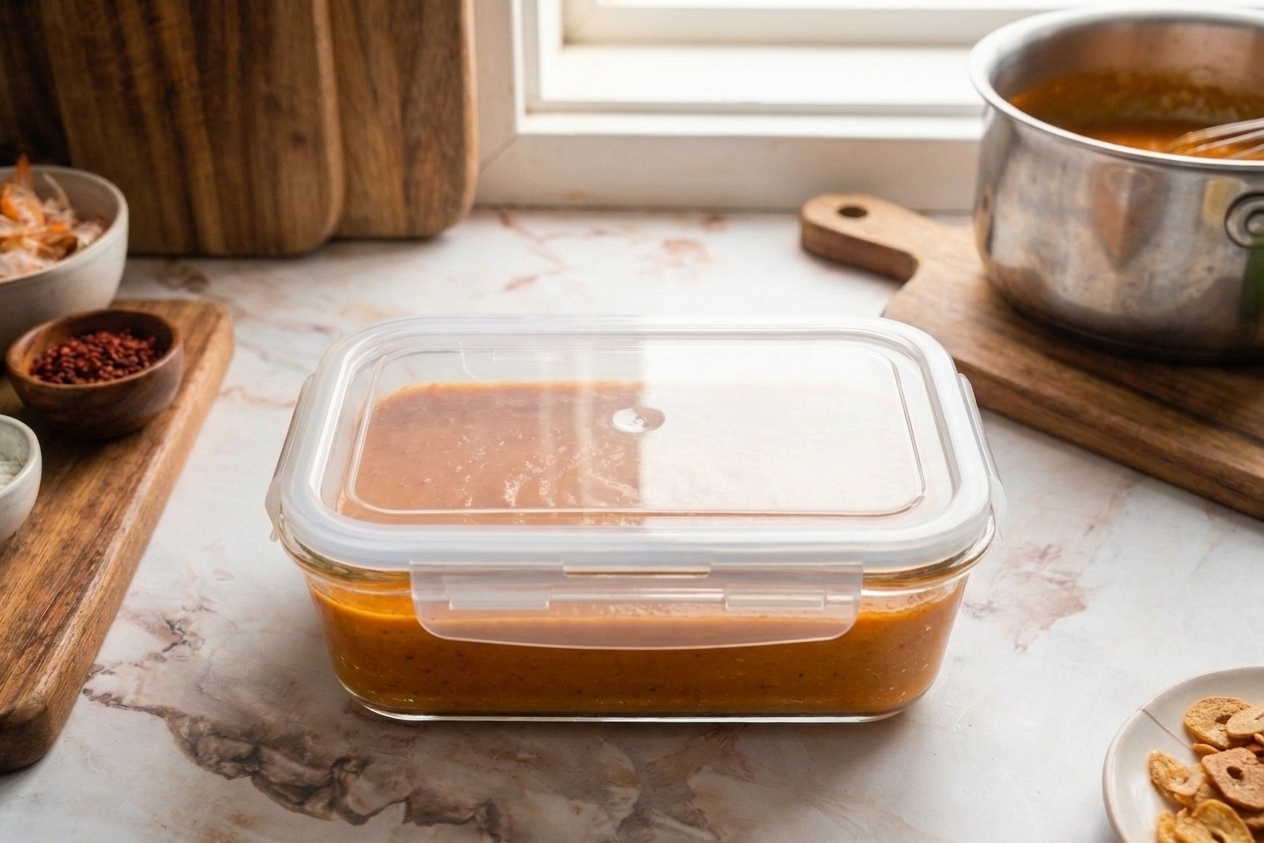
  • Refrigerate: When properly cooled and refrigerated, keep sauce in an airtight container up to 3 days. Keep cooked noodles lightly oiled in a separate container up to 2 days. Store toppings (garlic, chicharrón, scallions, tinapa) separately so they stay crisp.
  • Reheat sauce: Warm in a saucepan over medium-low, stirring often. If it gets too thick, loosen with a splash of water or broth.
  • Reheat noodles: Quick dip in hot water for 10 to 20 seconds, then drain well. Or microwave with a damp paper towel.
  • Freezing: The sauce can be frozen up to 2 months, but cornstarch-thickened sauces can separate a bit. Thaw overnight and whisk while reheating to bring it back.
A glass meal prep container filled with orange palabok sauce, covered with a lid on a kitchen counter

Common Questions

What noodles should I use for palabok?

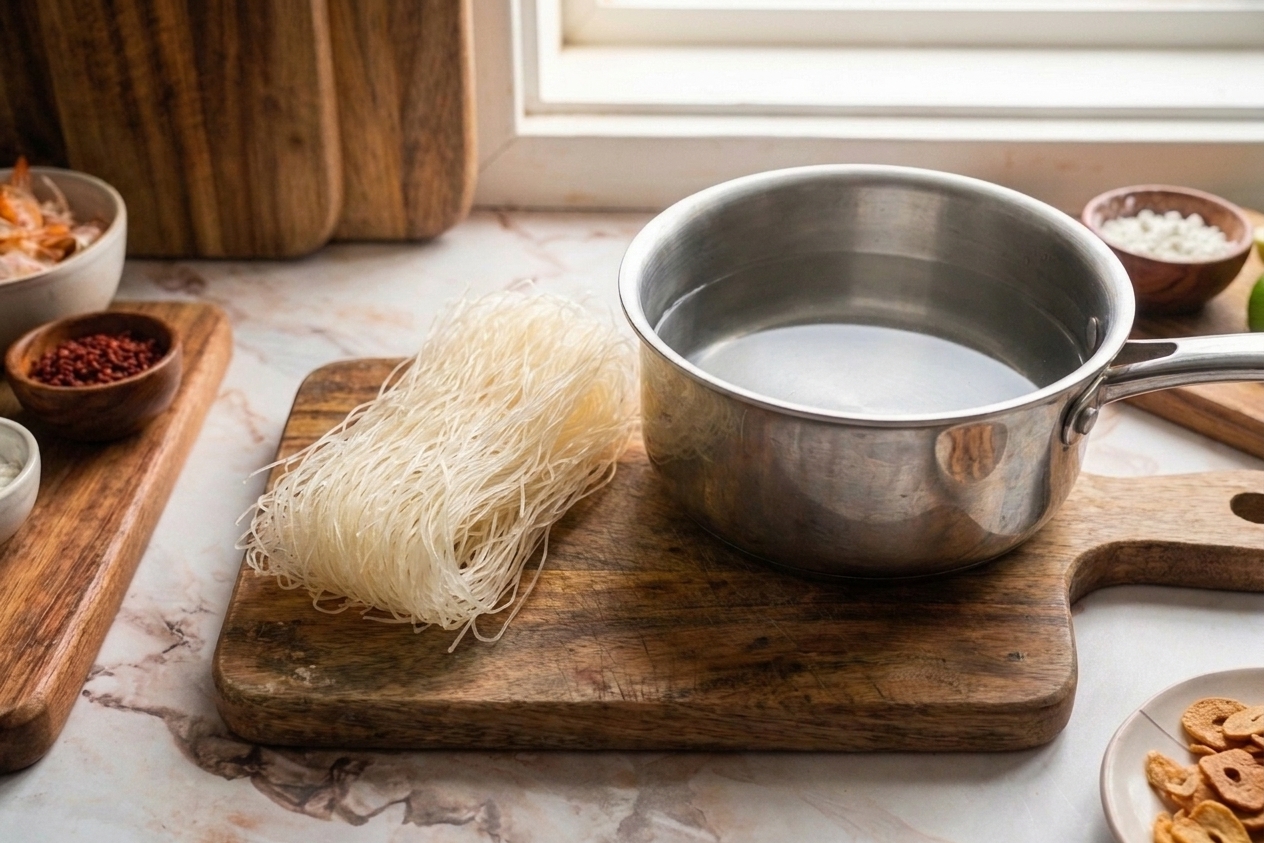
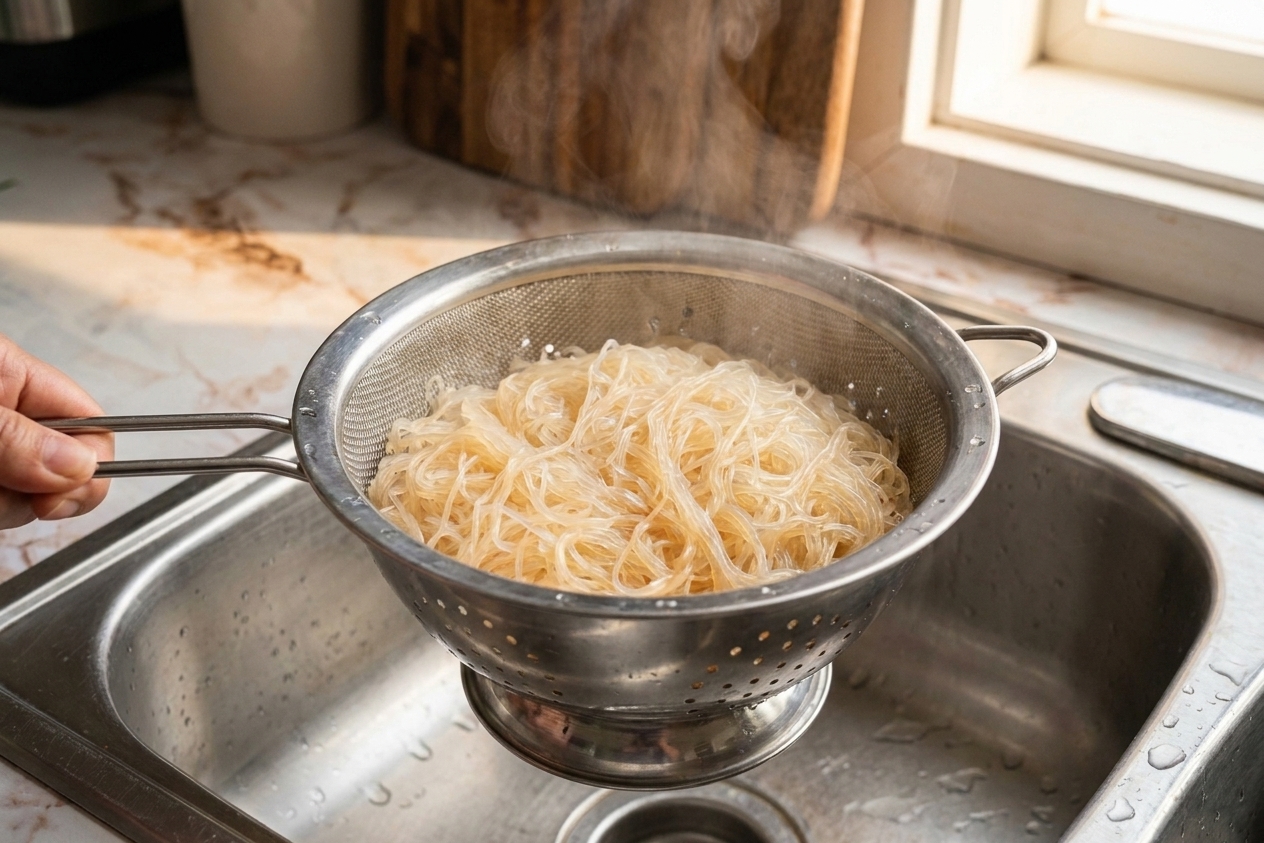
Traditional palabok uses bihon (thin rice vermicelli). If you can only find slightly thicker rice sticks, those work too. Just cook until tender and rinse briefly so they do not clump.

What gives palabok sauce its orange color?

Usually annatto (achuete). Here I use annatto powder or annatto oil. If you cannot find it, you can still make a tasty sauce, it just will not have the classic color. A small pinch of paprika can help visually, but annatto has its own flavor that is hard to fully replace.

My annatto powder tastes gritty. What do I do?

Some annatto powders do not dissolve perfectly and can leave a faint grit. Whisk well when you add the stock, simmer a minute, then strain the sauce through a fine mesh strainer if you want it extra smooth. No stress, it happens.

Can I make this without shrimp?

Yes. Use chicken broth or vegetable broth for the base, swap fish sauce for soy sauce to taste, and top with eggs plus sautéed mushrooms or smoked tofu for that savory hit. It will not be traditional, but it will be delicious.

Why is my sauce lumpy?

Two usual culprits: your slurry hit boiling liquid all at once, or you did not whisk enough. Fix it by whisking vigorously over low heat, or strain the sauce through a fine mesh sieve. No shame.

Is chicharrón required?

It is not required, but it is highly recommended. It brings salty crunch and a richer mouthfeel once it hits the sauce. If you need a substitute, try crushed pork rinds, crispy fried shallots, or toasted panko with a little salt.

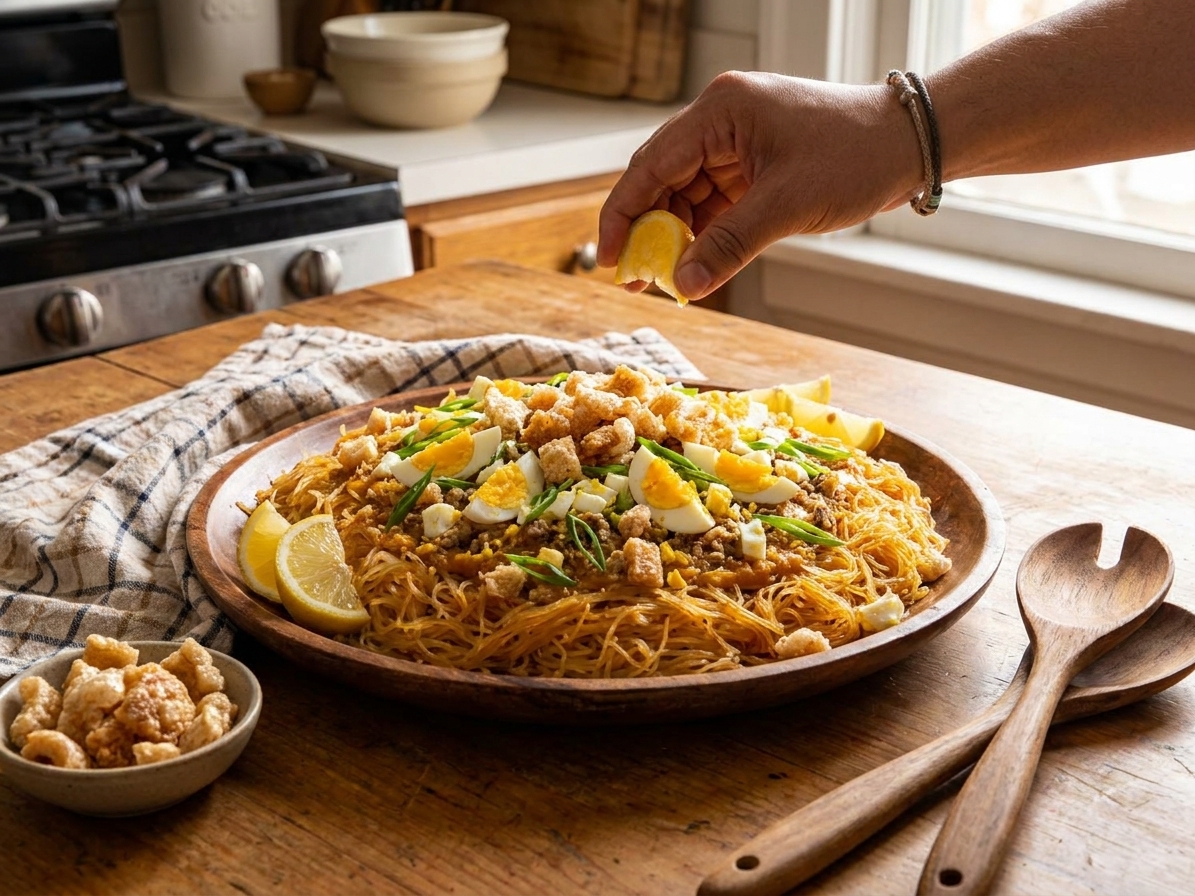
The first time I made palabok at home, I treated it like a “special occasion only” dish, and honestly, that was my mistake. Once you realize the whole thing is just noodles plus a killer sauce plus toppings, it becomes very weeknight-friendly. Also, it is the rare meal where a little chaos is actually part of the charm. A pan for garlic, a pot for noodles, a saucepan doing its orange, glossy thing. Then you build your own perfect bite. Extra calamansi. More crunch. Another egg. Maybe a little tinapa on top. That is the fun.