Mom's Best Recipes
Recipe

Pancit Canton

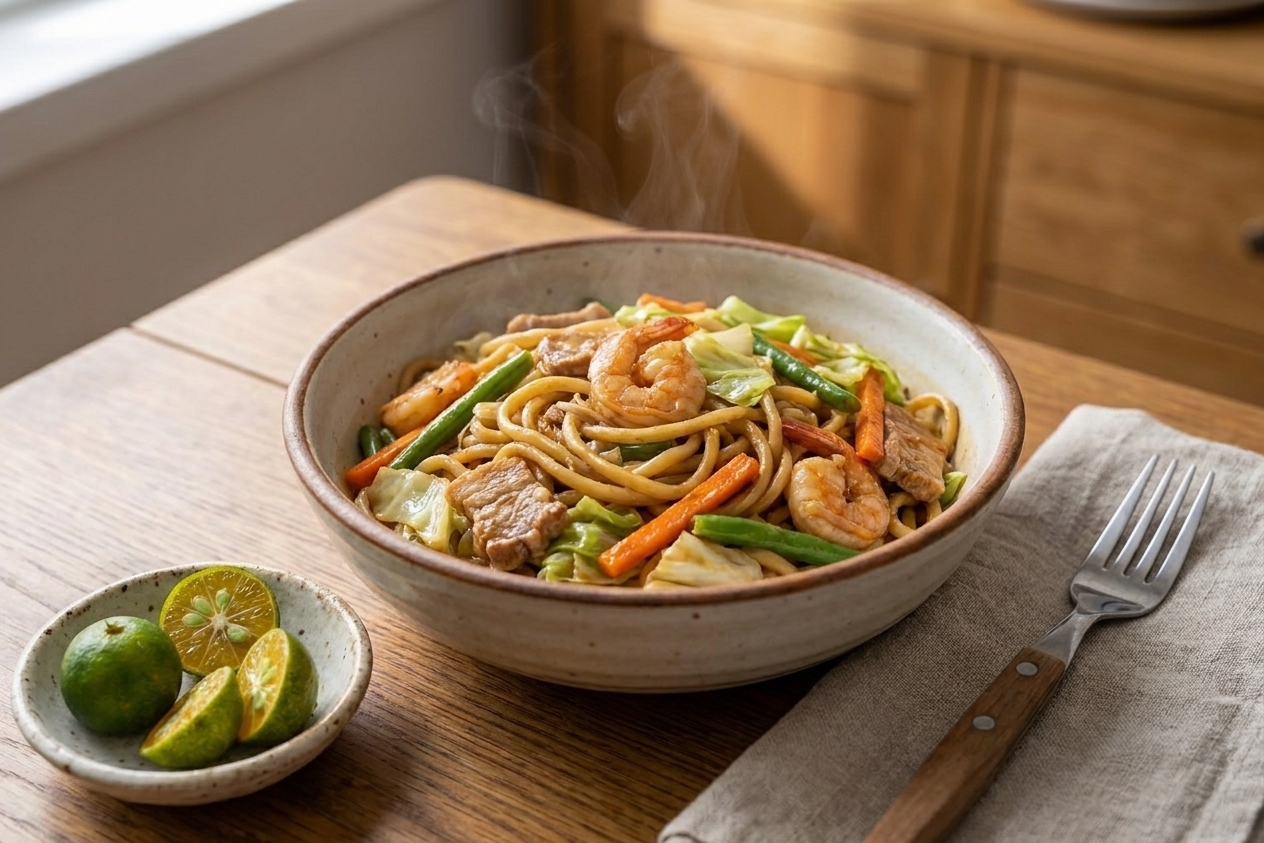
Filipino-style stir-fried noodles with chicken, shrimp, crisp vegetables, and a punchy soy-citrus sauce that clings to every strand.

Author By Matt Campbell
4.8
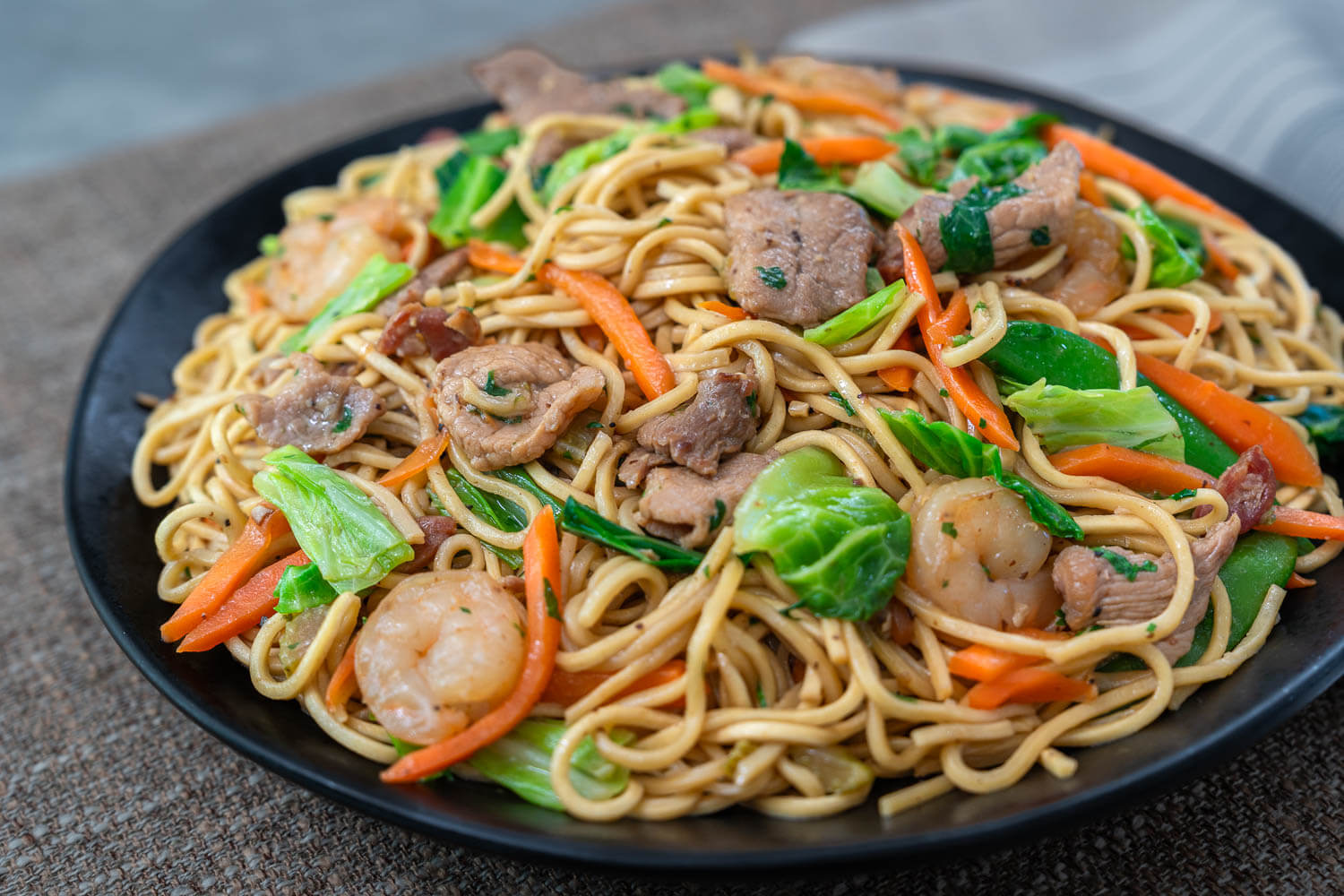
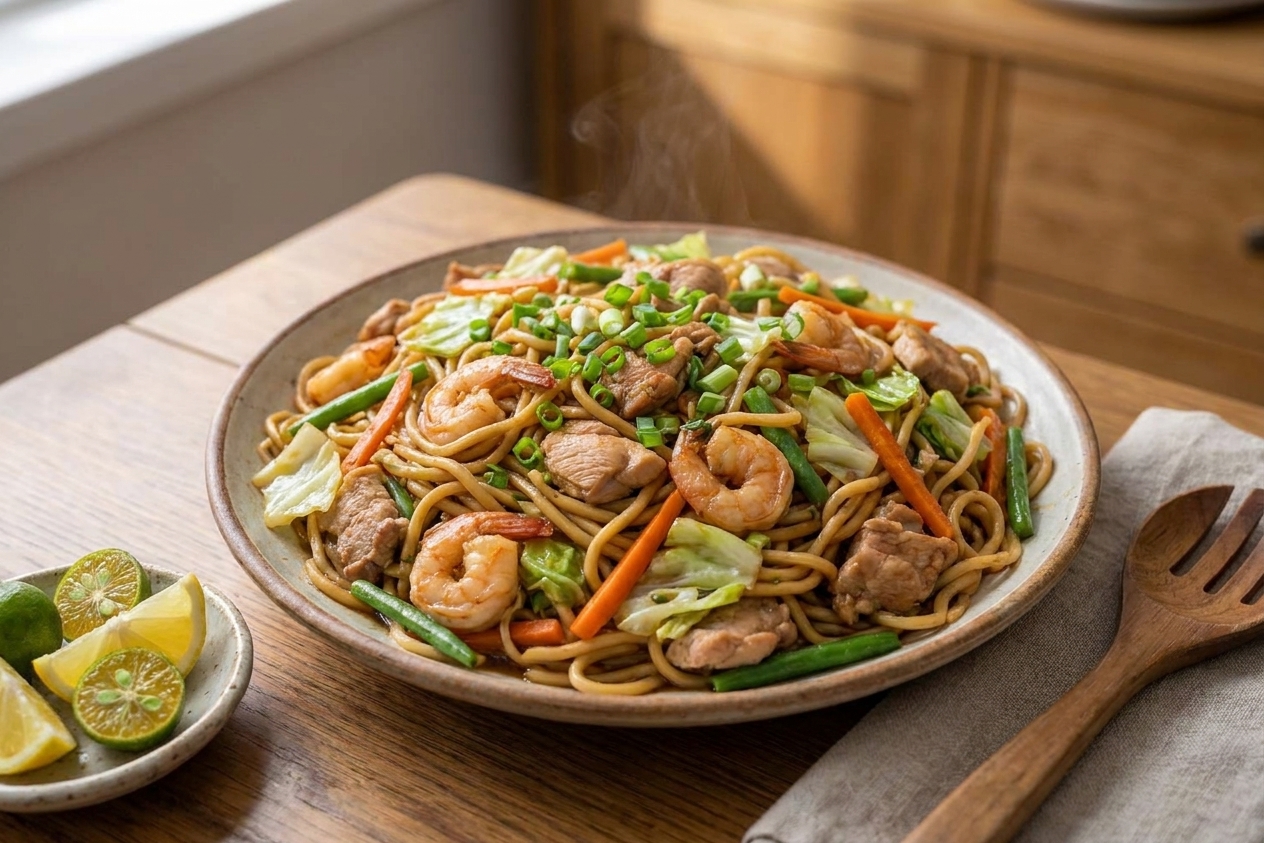
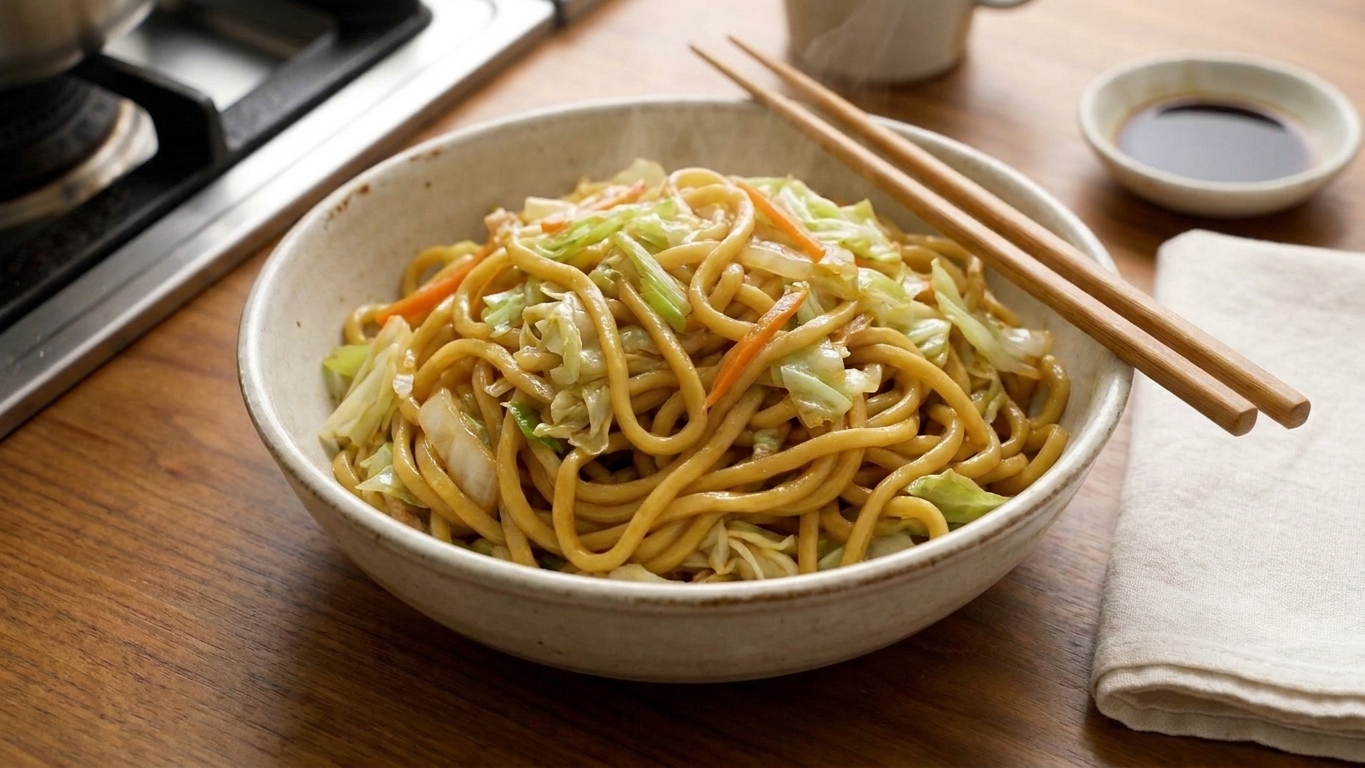
A platter of pancit canton noodles piled high with chicken, shrimp, cabbage, carrots, and green beans, garnished with scallions and served with calamansi or lemon wedges on a simple dinner table

Pancit canton is one of those dishes that feels like a party even when you cook it on a random Tuesday. It is springy noodles, crisp edges, and vegetables that stay snappy, all tied together with a savory, slightly tangy sauce that makes you keep chasing “just one more forkful.”

This version is built for real life: accessible ingredients, clear steps, and plenty of wiggle room. Use chicken, shrimp, both, or neither. Use what vegetables you have. Just promise me one thing: do not skip the citrus at the end. That bright squeeze turns good pancit into the kind that gets eaten straight from the pan.
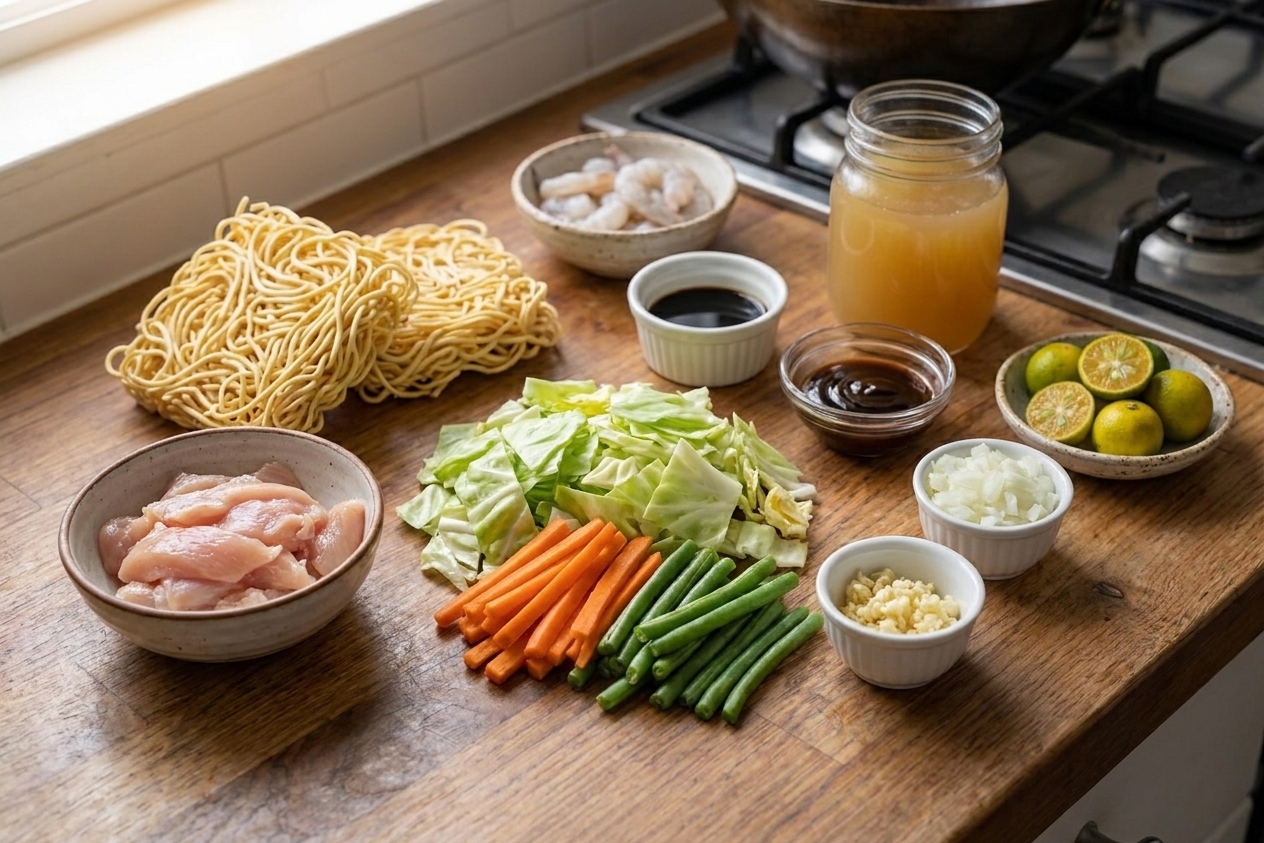
Raw ingredients for pancit canton arranged on a kitchen counter, including canton noodles, sliced chicken, peeled shrimp, cabbage, carrots, green beans, garlic, onion, soy sauce, oyster sauce, chicken broth, and lemons or calamansi

Why It Works

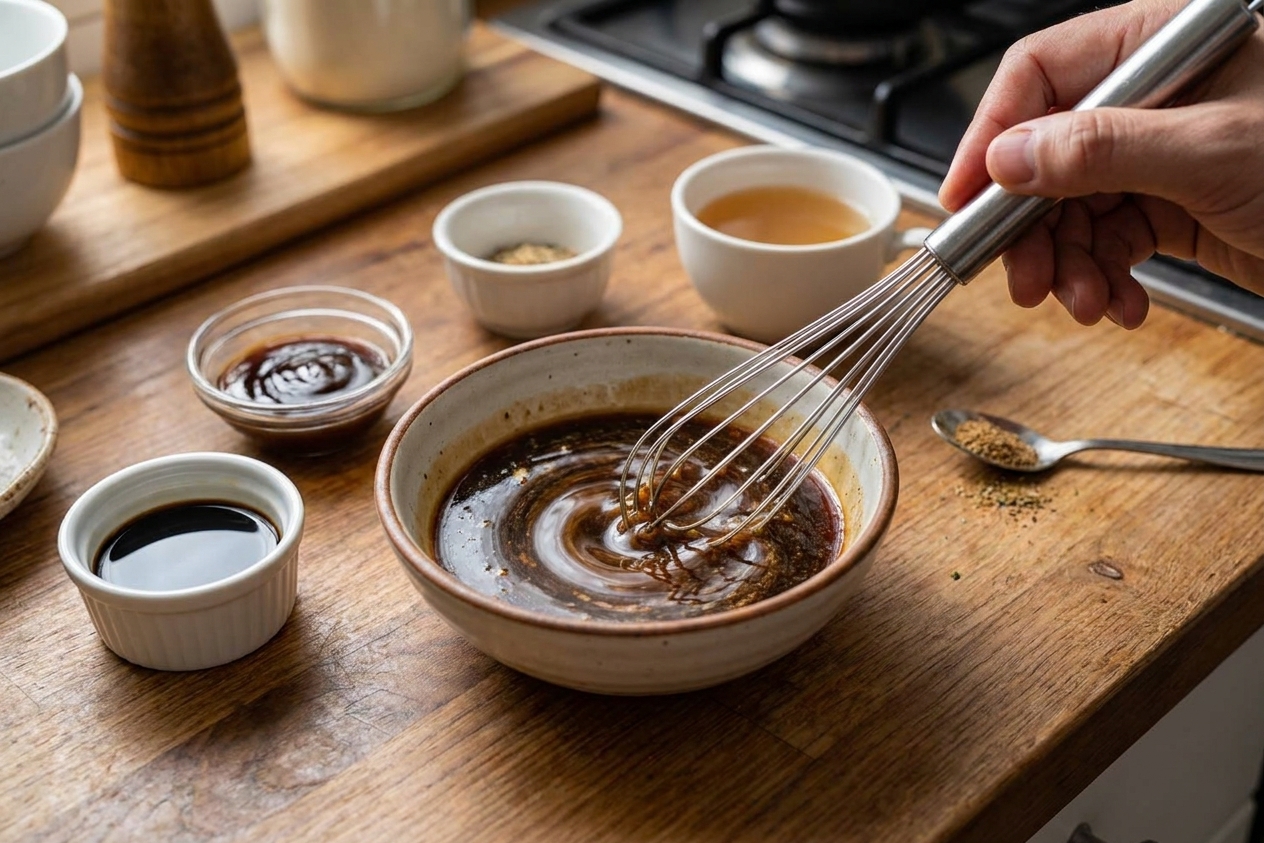
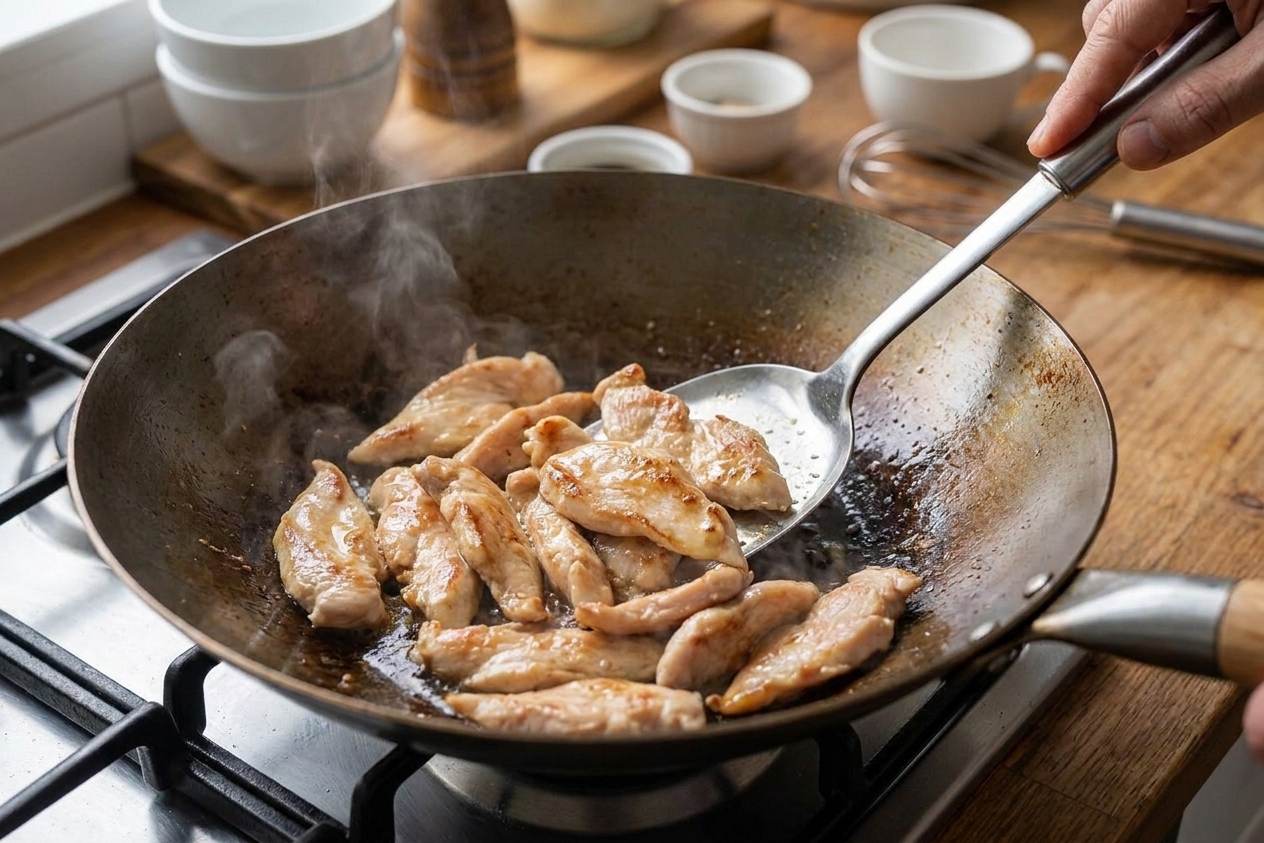
  • Fast flavor layering: We sear the proteins, saute aromatics, then simmer the sauce briefly so it tastes cooked-in, not just poured-on.
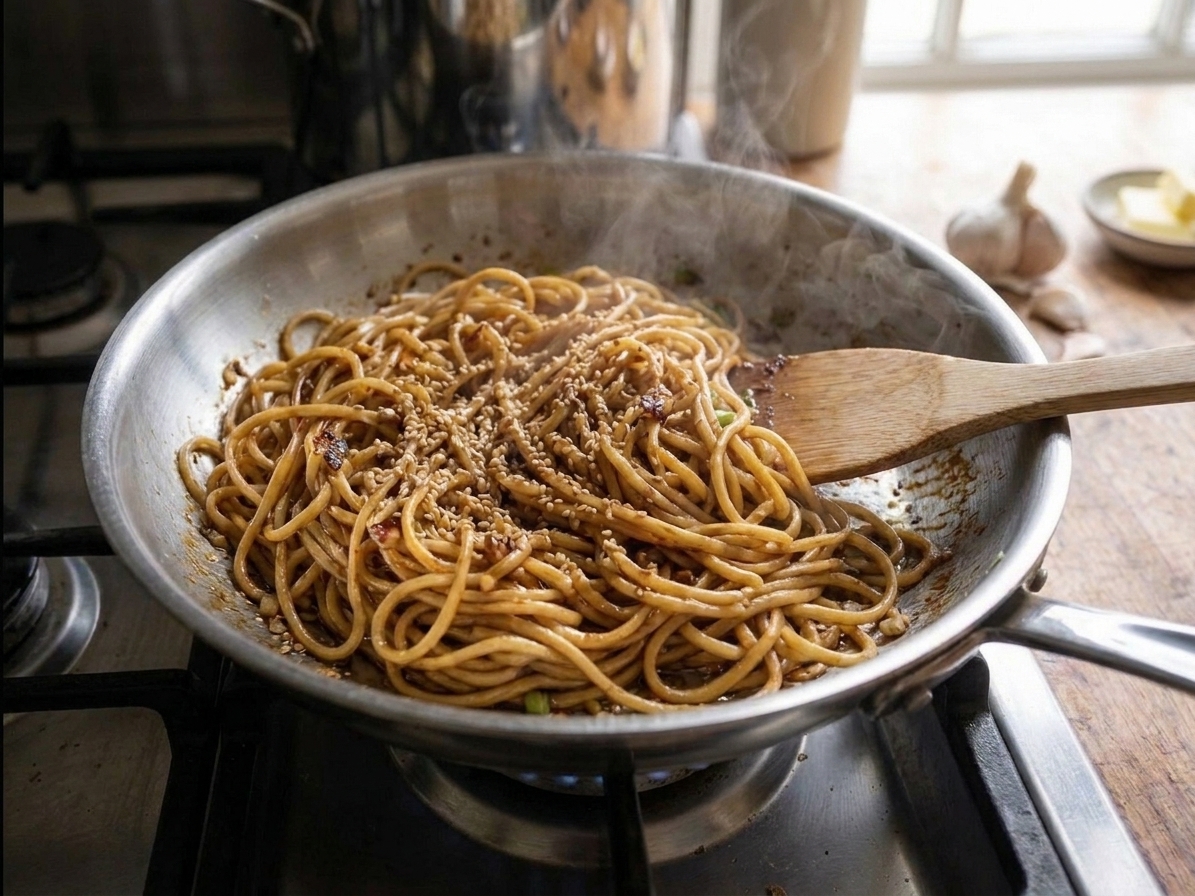
  • Noodle texture that stays springy: The noodles get softened just enough, then finished in the wok or skillet so they absorb sauce without turning mushy.
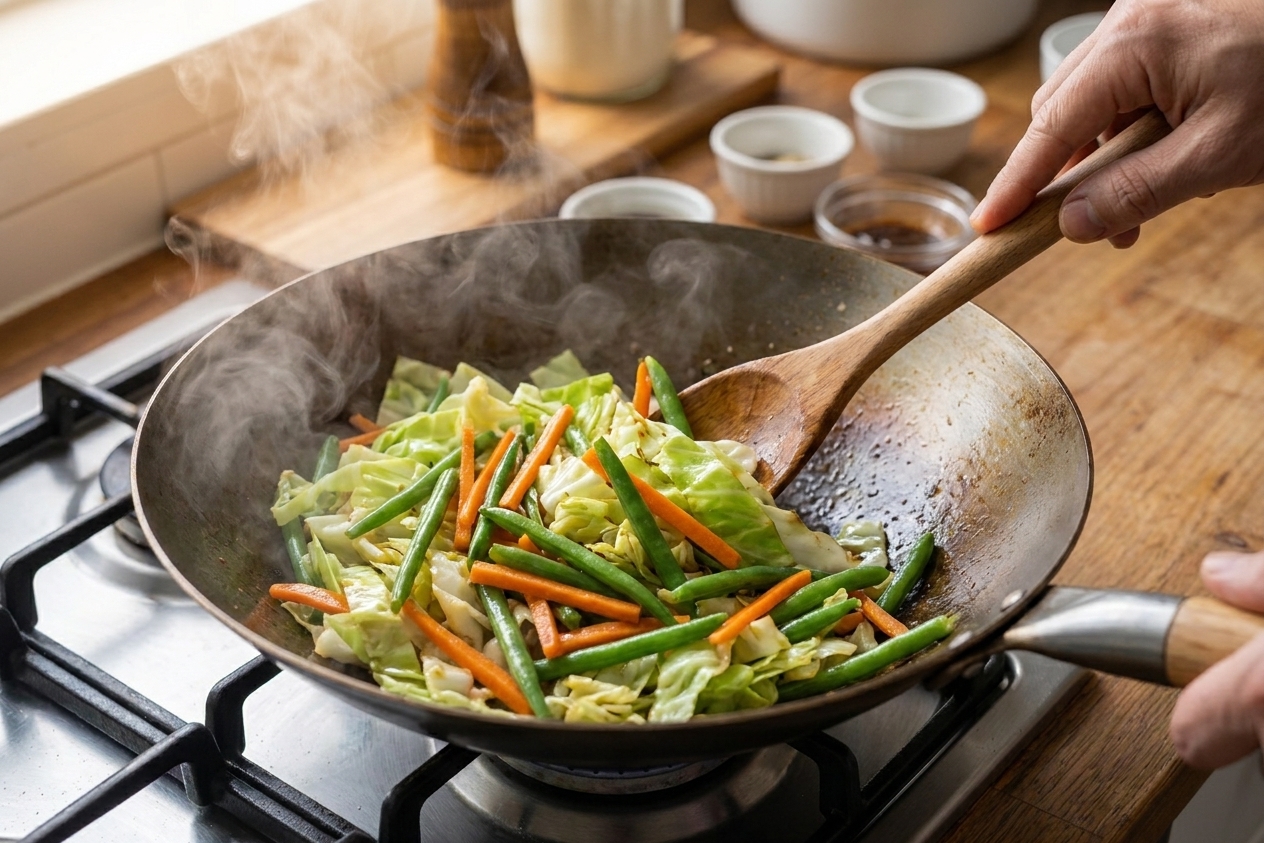
  • Crisp-tender vegetables: We add veggies in stages so cabbage stays sweet and carrots keep a little bite.
  • Bright finish: Calamansi or lemon at the end wakes everything up and balances the savory sauces.

Pairs Well With

Storage Tips

Refrigerate: Cool leftovers quickly, then store in an airtight container for up to 3 to 4 days.

Reheat (best method): Warm in a skillet over medium heat with a splash of water or broth. Toss gently until hot and glossy again, about 3 to 5 minutes.

Microwave: Add a teaspoon or two of water, cover loosely, and heat in 45-second bursts, tossing between rounds.

Freezing: You can freeze it, but the noodles soften and vegetables lose snap. If you do, freeze up to 1 month and reheat in a skillet for the best recovery.

Common Questions

What kind of noodles should I use for pancit canton?

Look for pancit canton noodles (often labeled “canton” or “stir-fry noodles”) at Asian markets. If you cannot find them, fresh chow mein noodles work well. In a pinch, you can use thin spaghetti, but the texture will be different.

Do I need oyster sauce?

It is not mandatory, but it adds that savory depth that makes the sauce taste restaurant-level. If you need a swap, use more soy sauce plus a small spoonful of brown sugar to round it out.

How do I keep pancit from getting soggy?

Three moves: do not over-soften the noodles before they hit the pan, keep the heat high when stir-frying, and add the sauce gradually so the noodles absorb it instead of swimming in it.

Can I make it vegetarian?

Yes. Skip the meat and shrimp, use vegetable broth, add tofu or mushrooms, and use a vegetarian oyster sauce or a mushroom stir-fry sauce.

What is the best citrus for serving?

Calamansi is classic and amazing. If you cannot find it, lemon is the easiest substitute. Lime also works, but it reads sharper.

The first time I made pancit canton, I treated it like “just noodles,” and it humbled me. My sauce was flat, my vegetables were tired, and the whole thing ate like a sad cafeteria stir-fry. Then I learned the real trick: build the sauce like you mean it, keep the heat up, and finish with citrus. Now it is one of my favorite clean-out-the-fridge dinners, and it somehow still feels special every time.