Mom's Best Recipes
Recipe

Chicken Pad Thai

A bright, saucy pad thai with tender chicken, chewy rice noodles, crisp bean sprouts, and a tamarind-lime punch with caramel-y sweetness and a salty edge that tastes like you meant to do all that.

Author By Matt Campbell
4.8
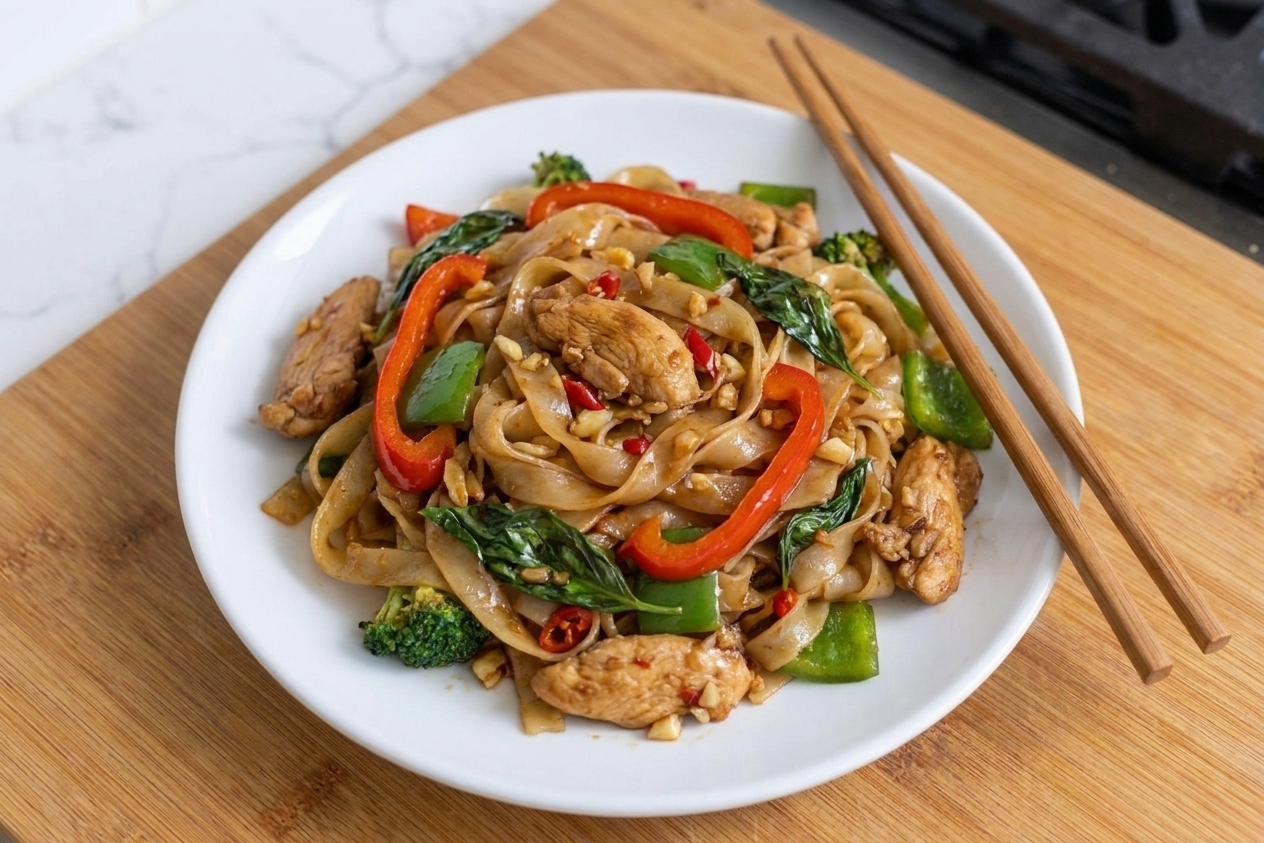
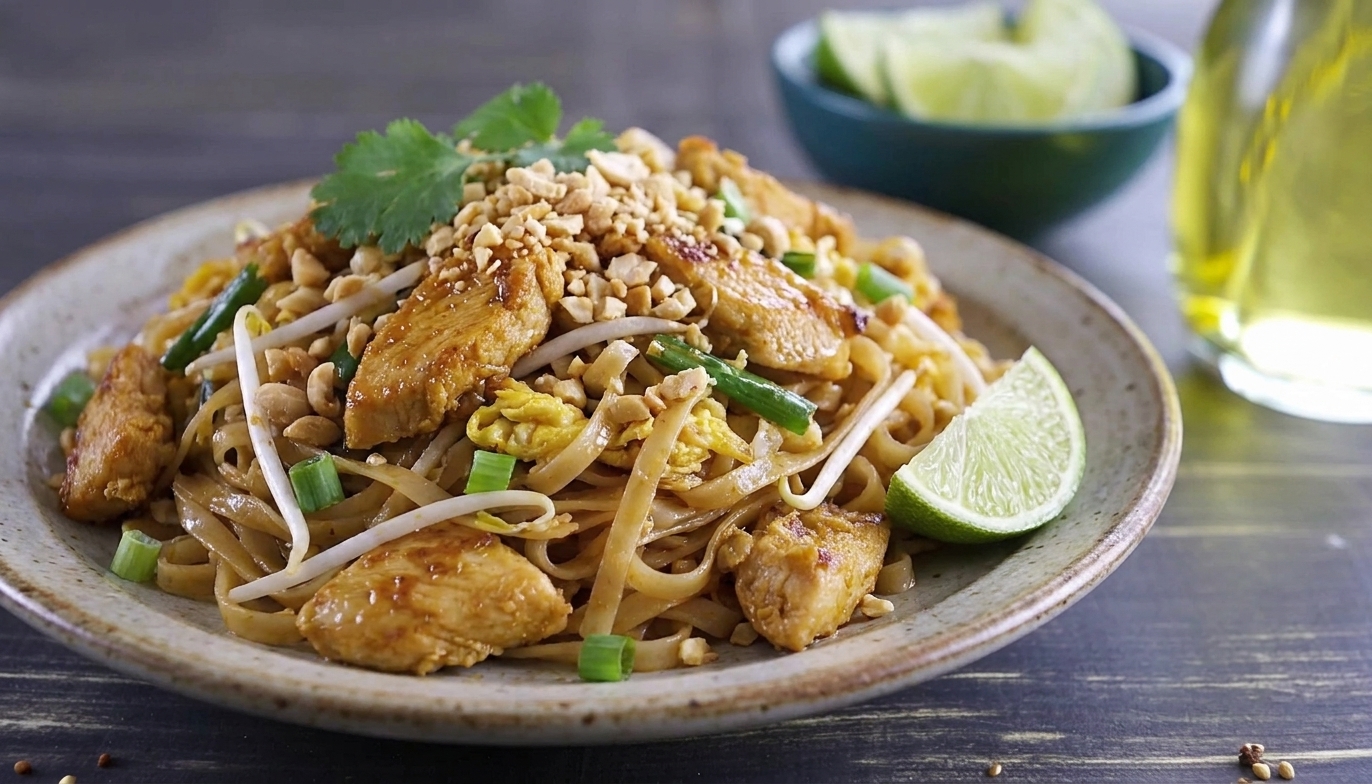
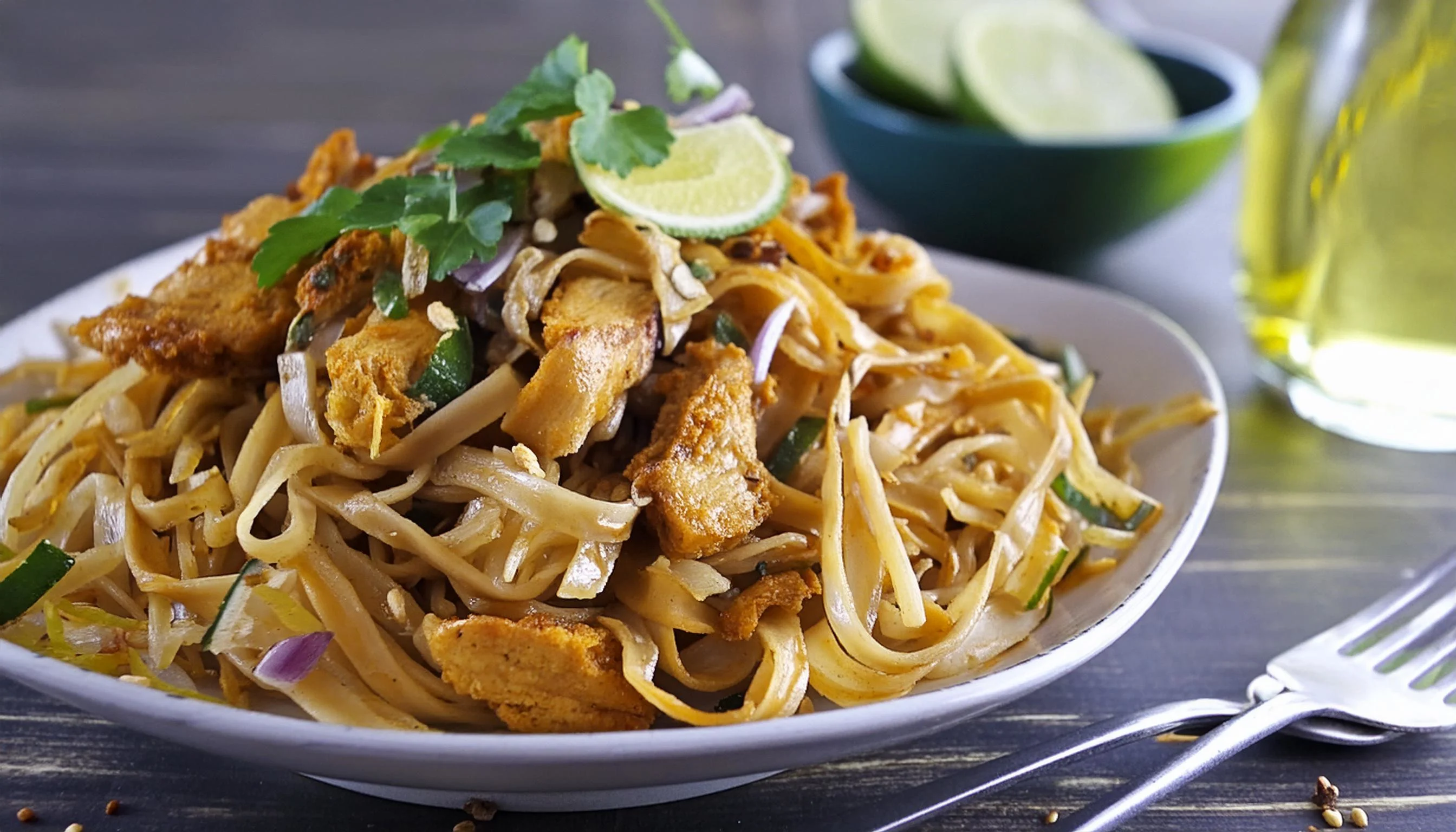
A plated serving of chicken pad thai with rice noodles, sliced chicken, bean sprouts, crushed peanuts, lime wedges, and green onions on a simple dinner table

Pad thai is one of those dishes that feels like restaurant magic until you realize the secret is mostly prep and timing. Once your sauce is mixed and your noodles are ready, the whole thing cooks fast. Like, clear-your-counter fast. That is the vibe.

This chicken pad thai is my home version for real-life kitchens: accessible ingredients, no obscure gadgets, and a sauce that hits that sweet-tangy-salty balance. We are going for chewy noodles, juicy chicken, crisp edges where they belong, and that final lime squeeze that makes you pause mid-bite and think, okay wow.

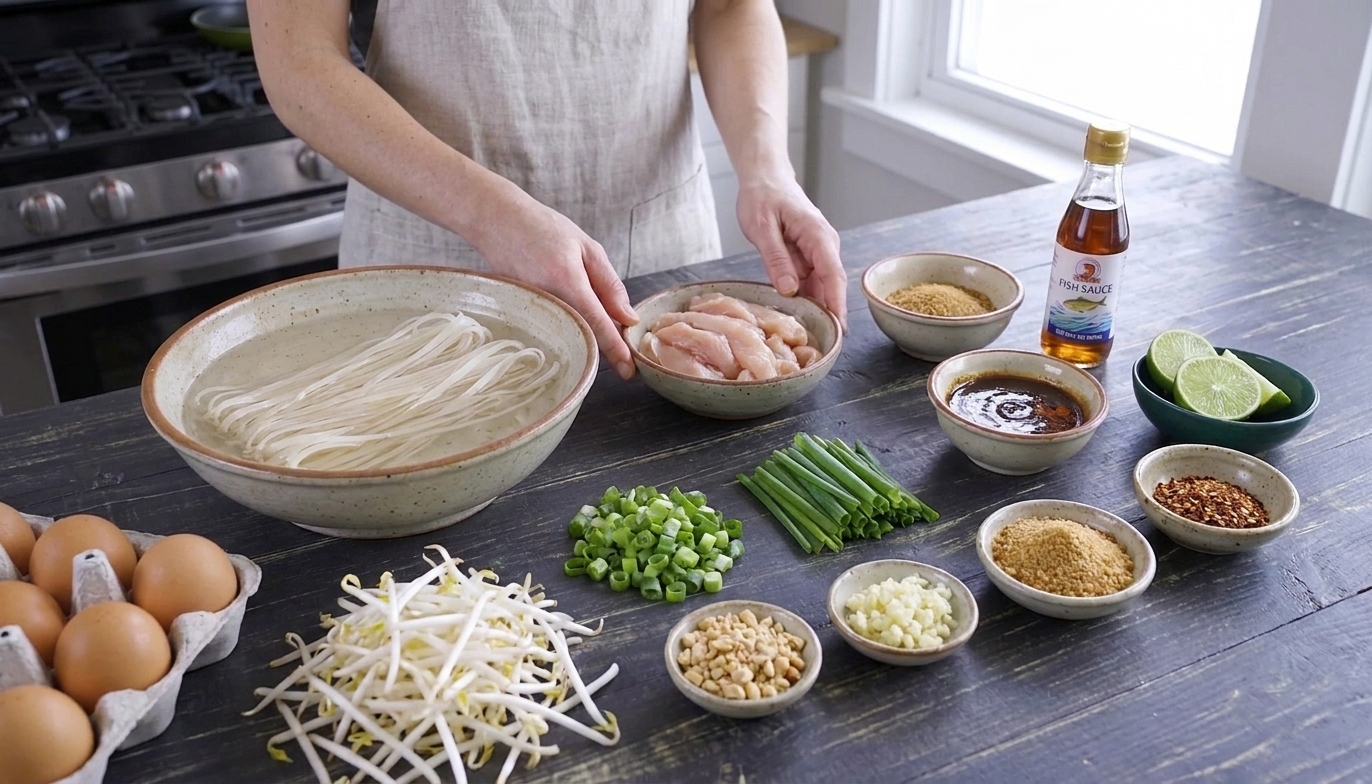
Pad thai ingredients laid out on a kitchen counter including rice noodles, chicken, eggs, bean sprouts, green onions, peanuts, garlic, lime, and small bowls of sauce components

Why It Works

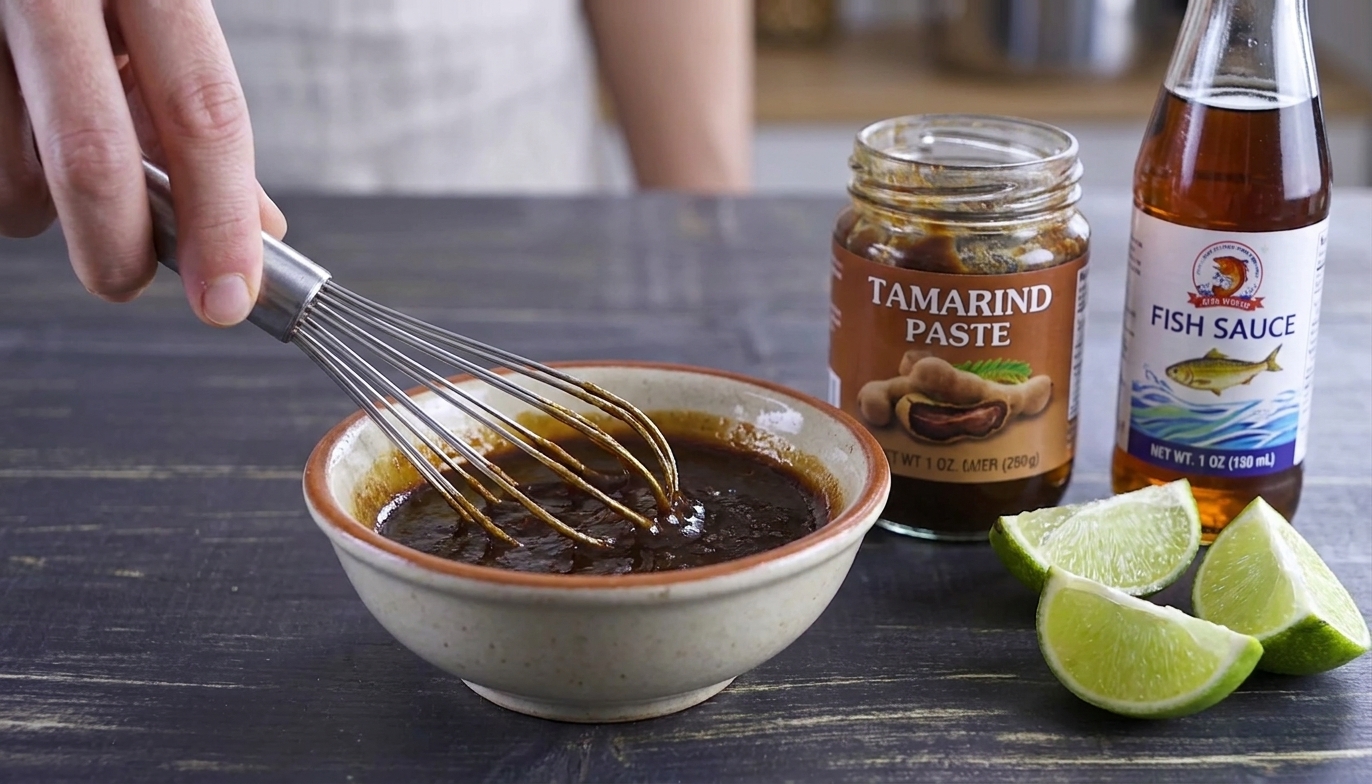
  • Tamarind does the heavy lifting. It brings that signature tang and fruity depth so the dish tastes like pad thai, not just a sweet-tangy noodle stir-fry.
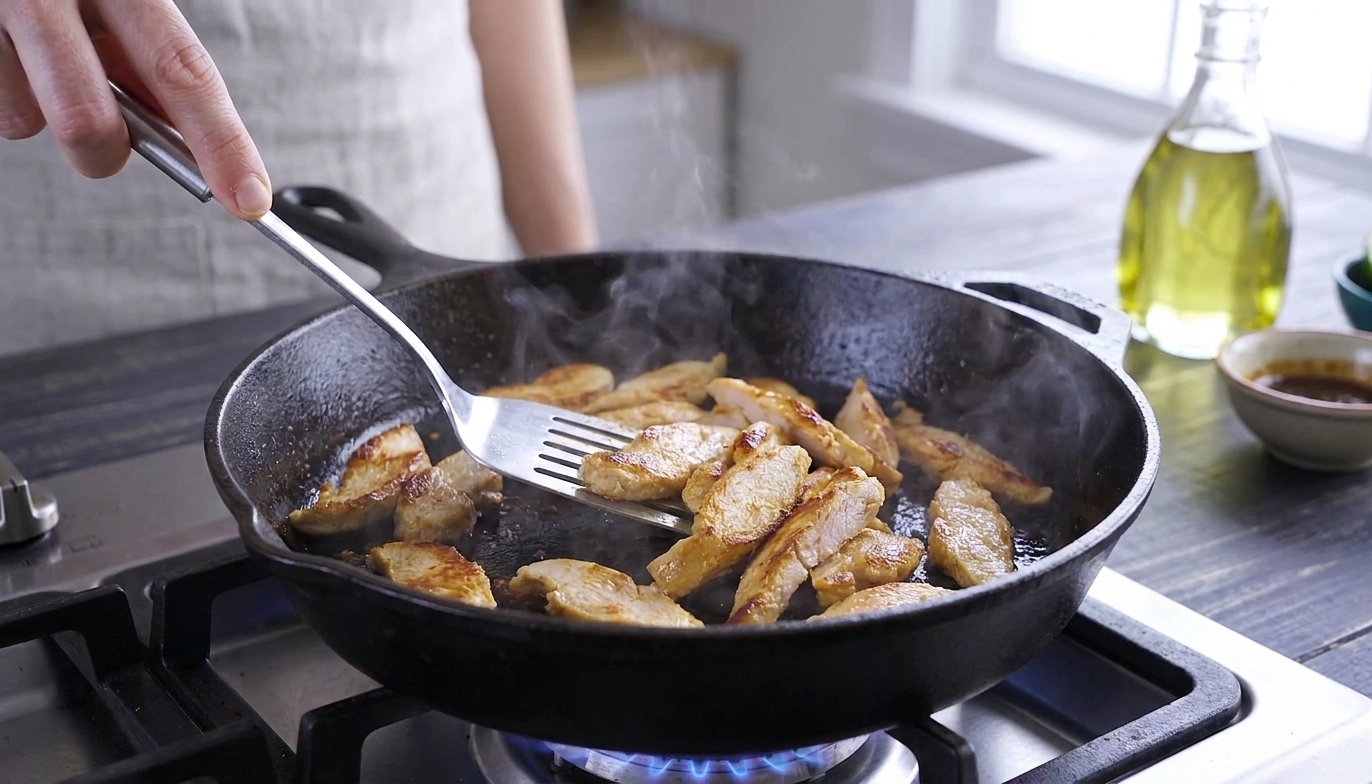
  • High heat, short cook. We cook chicken first, then move fast so the noodles stay chewy instead of going soft and sad.
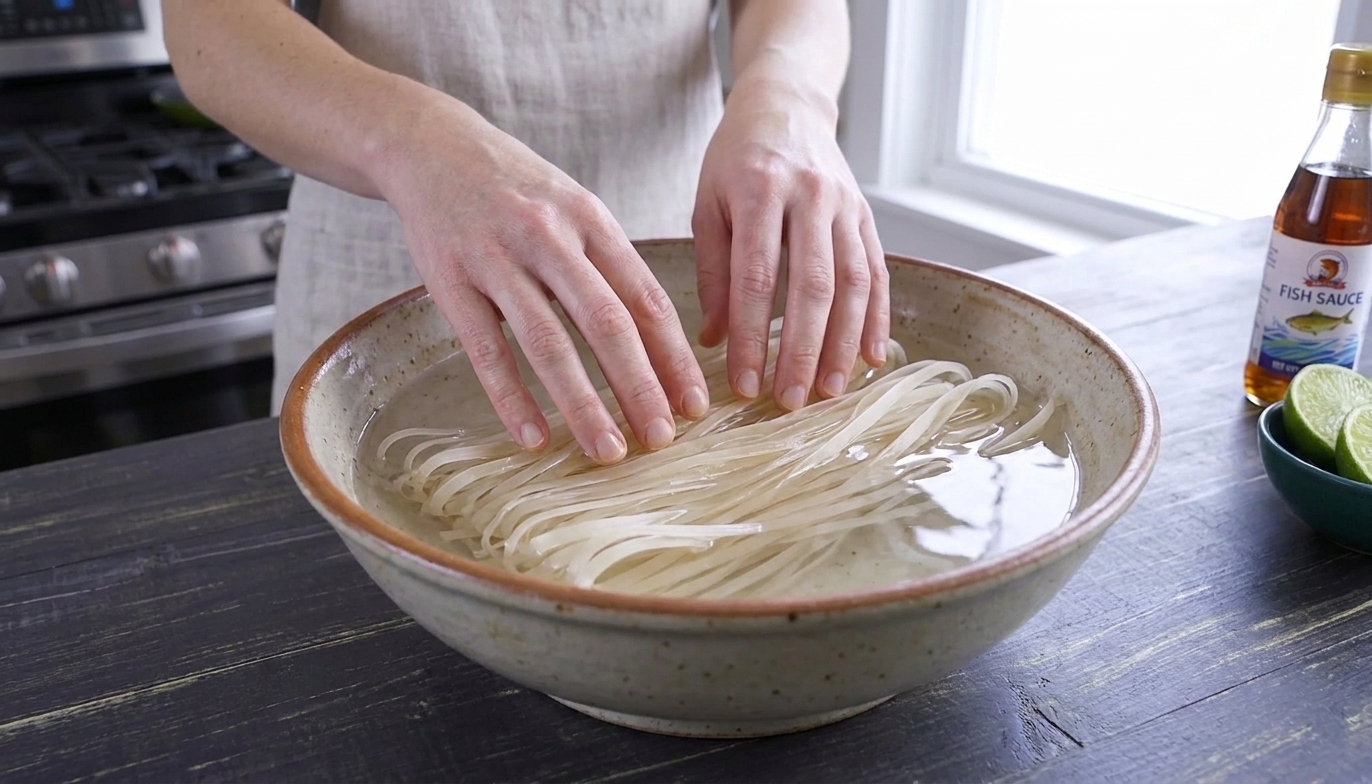
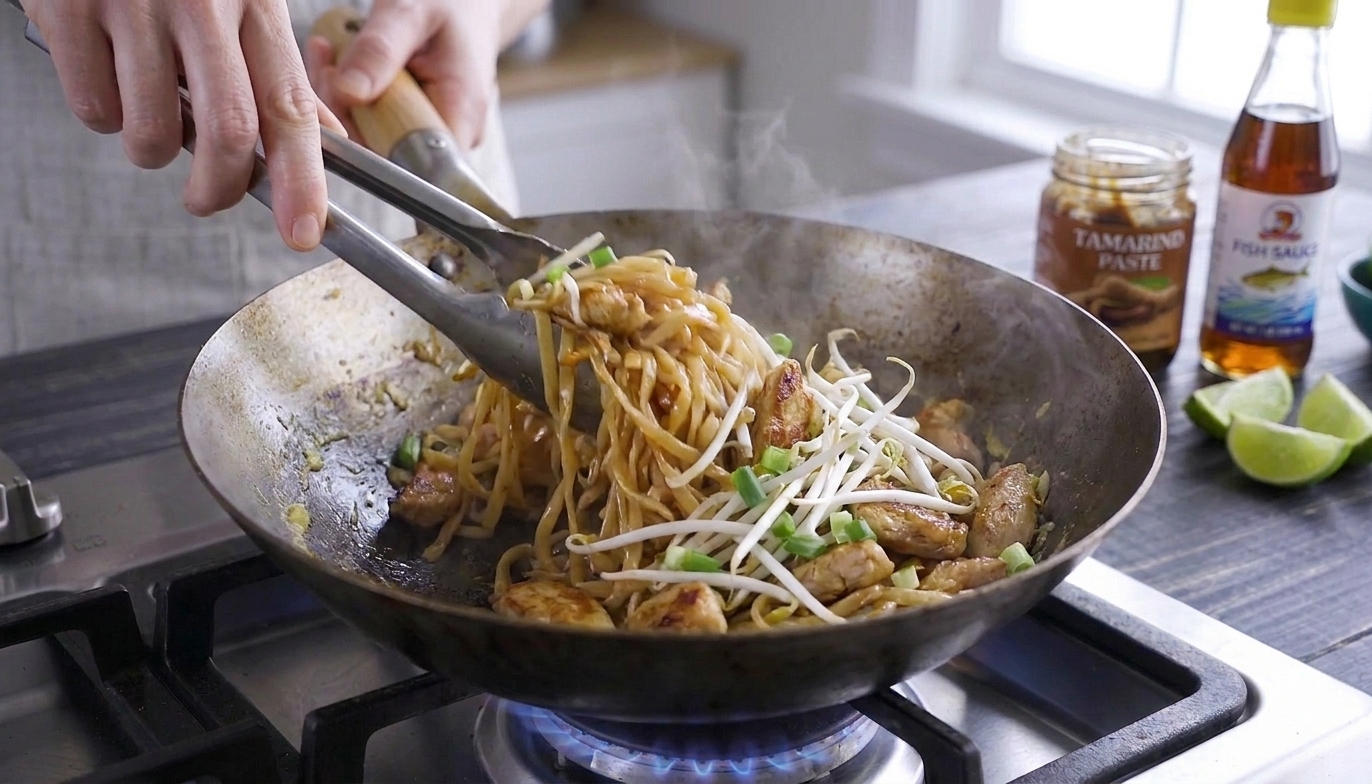
  • Two-stage noodle strategy. Soak or quick-cook, then finish in the pan with sauce. That is how you get saucy noodles without soup.
  • Texture on purpose. Bean sprouts and peanuts go in at the end so they stay crisp and crunchy.

Pairs Well With

Storage Tips

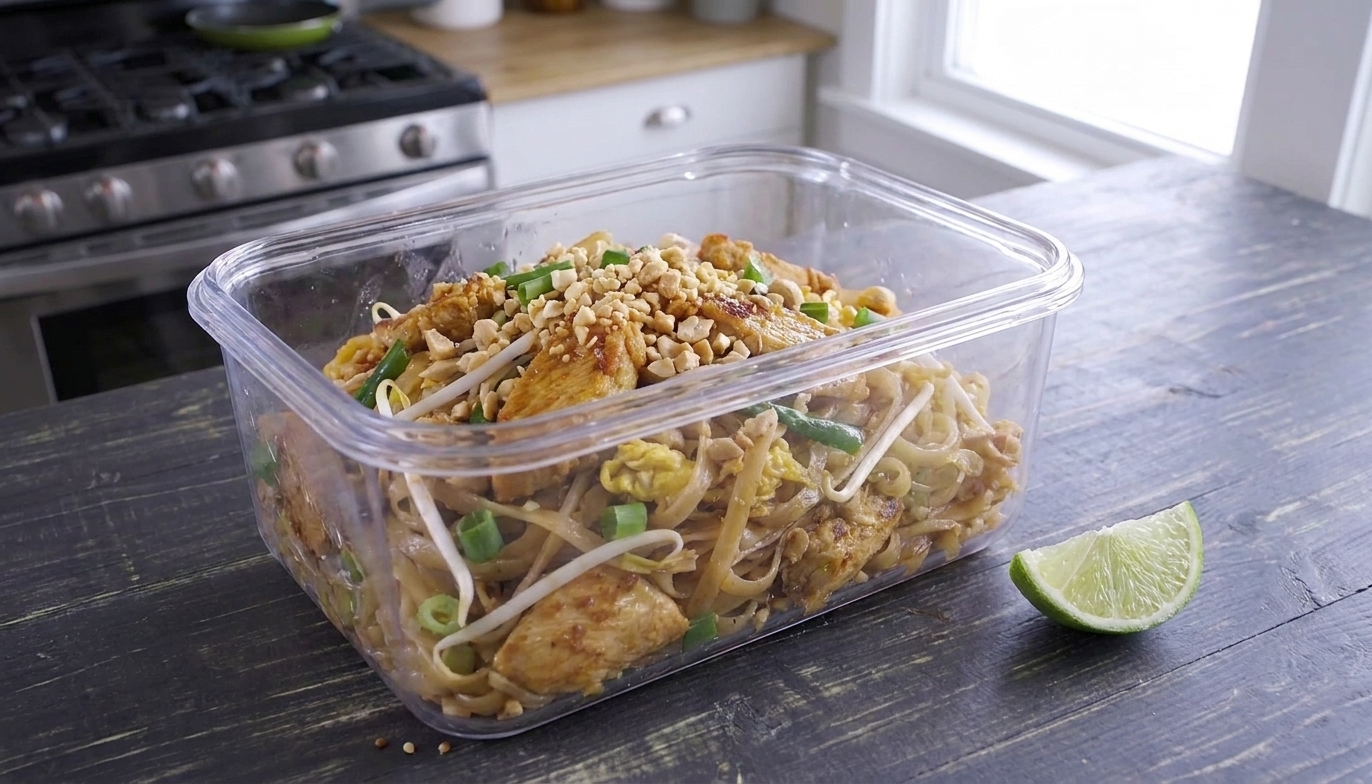
Fridge: Store in an airtight container for up to 3 days. Pad thai is best day one, but it reheats well if you treat it gently.

Reheat: Warm in a skillet over medium heat with a splash of water (1 to 2 tablespoons) to loosen the sauce. Toss constantly for 2 to 4 minutes. Microwave works too, but cover it and add a tiny splash of water so the noodles do not dry out.

Freezing: Not my favorite for rice noodles because they can get grainy. If you must, freeze up to 1 month and thaw overnight in the fridge, then reheat in a skillet with extra sauce or water.

Leftover chicken pad thai in a clear airtight container on a kitchen counter with a lime wedge nearby

Common Questions

Can I make pad thai without tamarind?

You can, but it will taste more like a quick sweet-tangy noodle stir-fry than classic pad thai. Tamarind brings a fruity depth that lime alone cannot fake. If you cannot find tamarind paste or concentrate, use this quick acidic substitute: replace the tamarind with 2 tablespoons lime juice plus 1 tablespoon rice vinegar, and then reduce the added lime in the sauce to 1 teaspoon to avoid over-acidifying. Taste at the end and add a little more brown sugar if it needs balance.

What kind of rice noodles should I buy?

Look for flat rice noodles labeled pad thai noodles or rice sticks, usually around 3 to 5 mm wide. Vermicelli is thinner and cooks faster, so watch timing if you swap.

Why did my noodles turn mushy?

Most often: over-soaked noodles or too much liquid in the pan. Soak only until pliable, then finish in the wok or skillet. Also keep the sauce measured and the heat high so it reduces and clings.

How do I keep the chicken from drying out?

Slice it thin, cook it quickly, and pull it as soon as it is just cooked through. It will get a quick warm-up when you toss everything together at the end.

Is this spicy?

As written, it is mild. Make it spicy with Thai chili flakes, chili garlic sauce, or a thinly sliced Thai bird chili added with the garlic.

Can I make it without fish sauce?

Yes. Swap in more soy sauce (start with 1 extra tablespoon) plus a tiny pinch of sugar, or use a vegan fish sauce. The flavor will be different, but still very good.

Any peanut-free option?

Skip the peanuts and finish with toasted cashews, sunflower seeds, or extra crispy bean sprouts for crunch. If allergies are a concern, keep nuts off the table entirely and go heavy on lime and green onion.

The first time I tried making pad thai at home, I did what every confident home cook does right before reality checks them: I started cooking the chicken while I was still Googling how long rice noodles should soak. The result was a sticky noodle pile that tasted fine, but looked like it lost a fight.

Now I treat pad thai like a little kitchen sprint. Sauce mixed. Noodles ready. Everything chopped. Then it is just heat, movement, and a squeeze of lime at the end like you are signing your name. When it lands, it feels ridiculously satisfying for something that takes less time than waiting on delivery.