Mom's Best Recipes
Recipe

Chicken Souvlaki

Juicy, charred Greek chicken skewers with a lemony garlic marinade and an easy homemade tzatziki.

Author By Matt Campbell
4.8
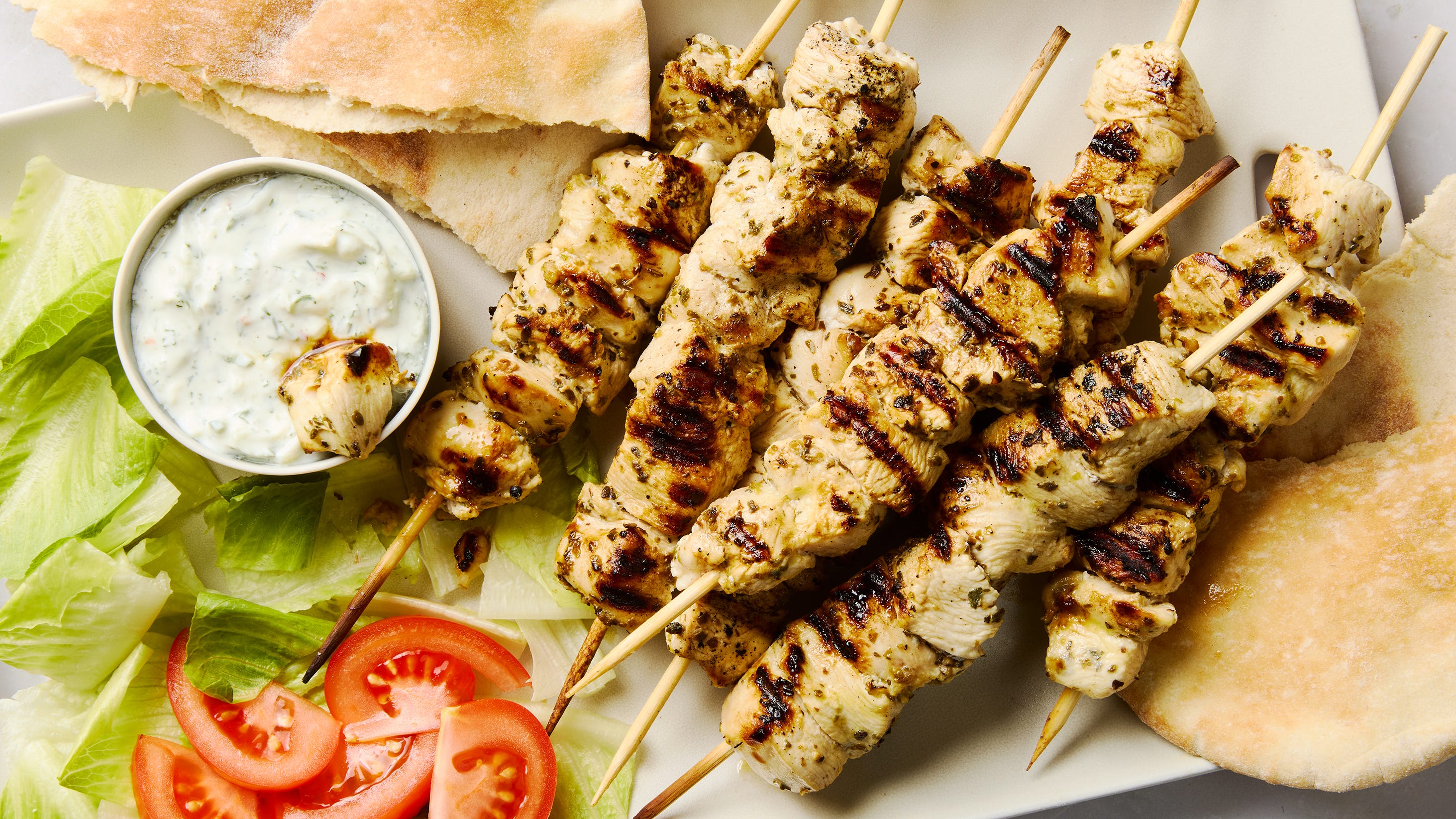
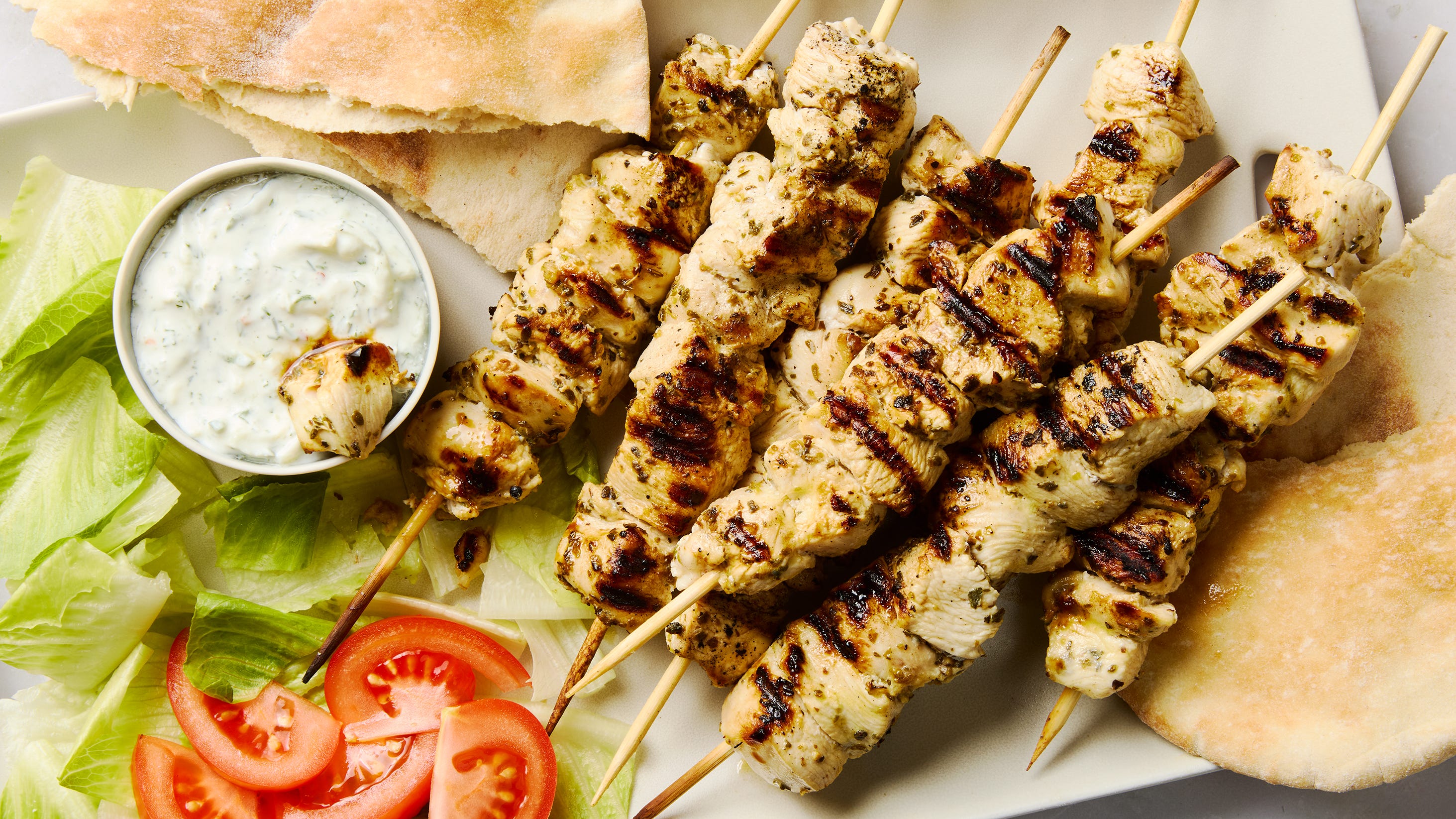
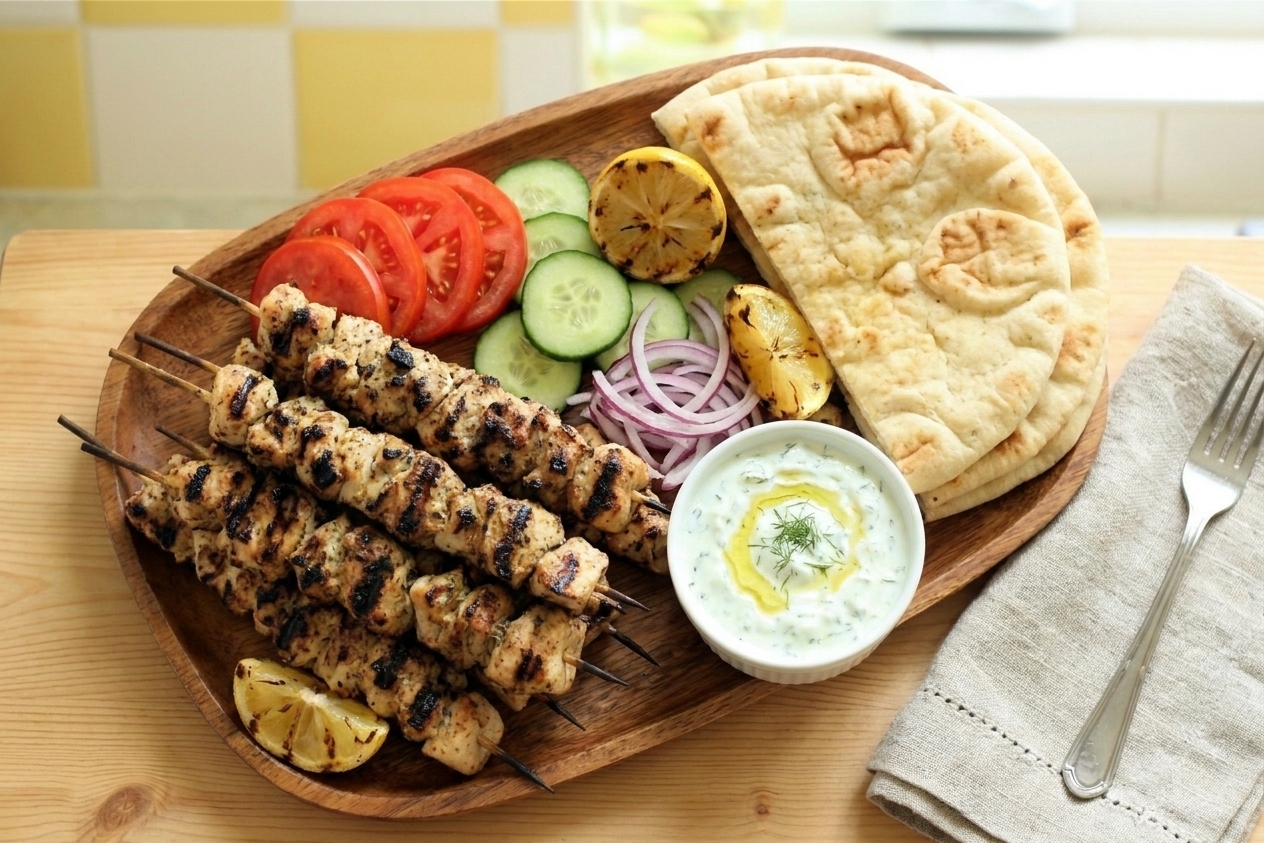
A platter of grilled chicken souvlaki skewers with charred edges, lemon wedges, warm pita, and a bowl of tzatziki on a wooden table in bright natural light

Souvlaki is one of those dishes that feels like a whole vacation, even if you are making it in sweatpants on a Tuesday. It is simple on paper, but when it is done right you get juicy meat, crisp edges, and that bright hit of lemon and oregano that makes you go back for “just one more” skewer.

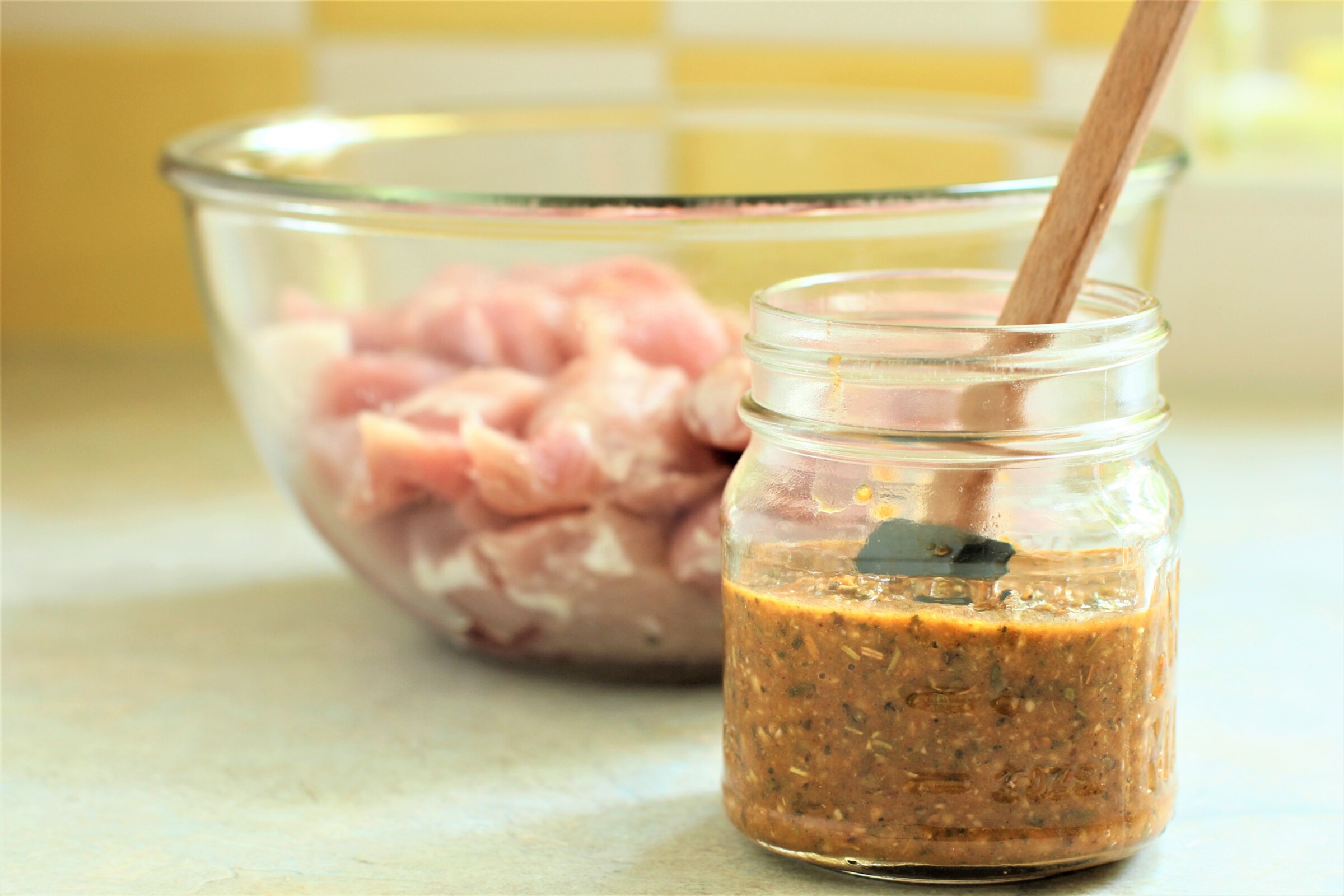
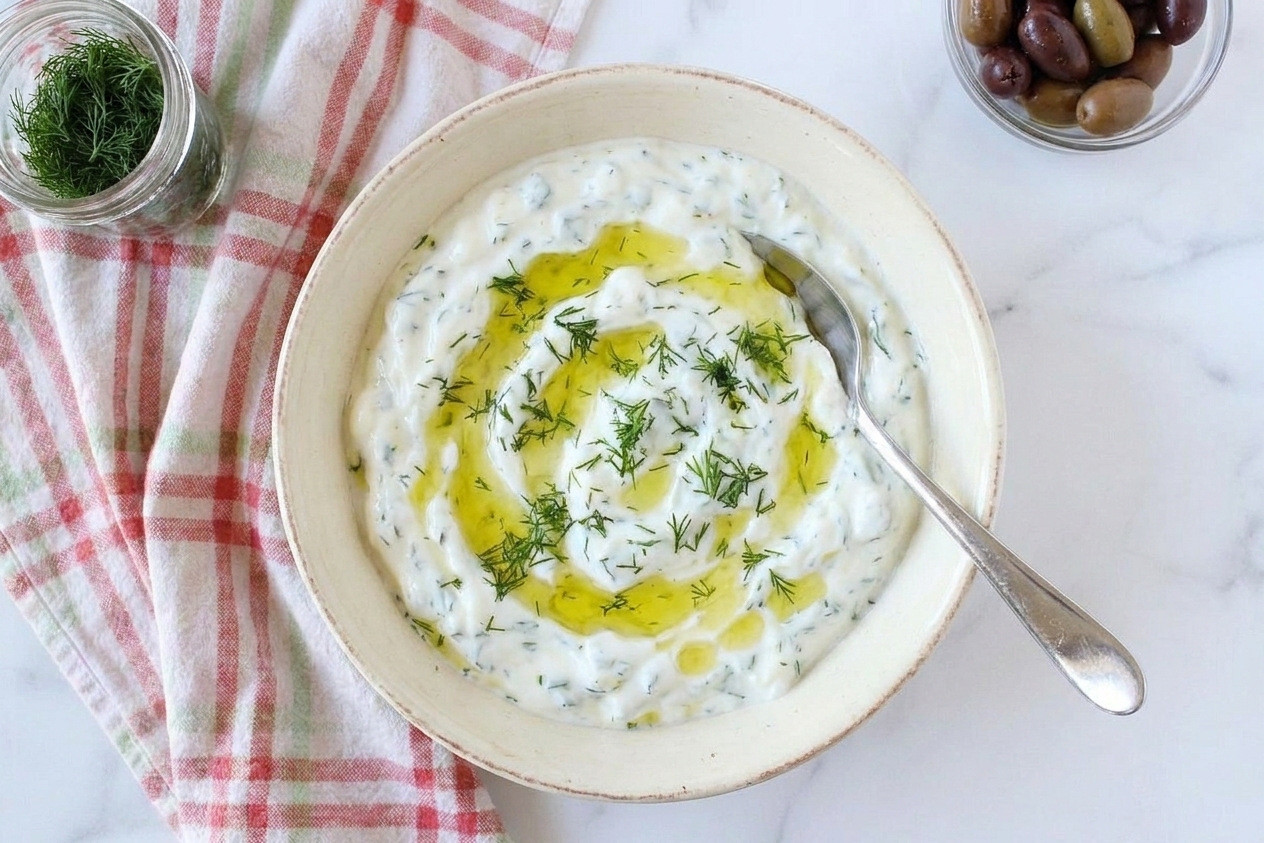
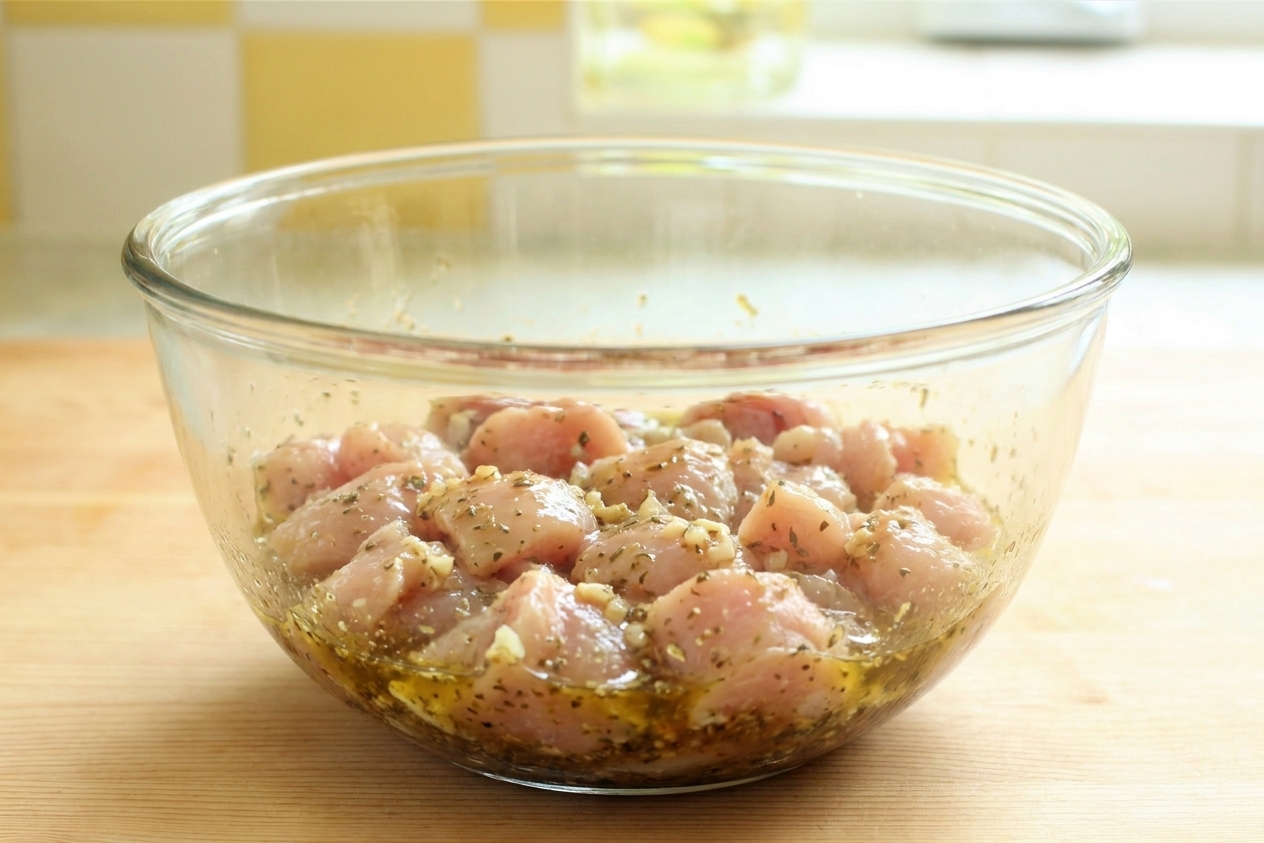
This version is chicken souvlaki with a fast marinade and a creamy tzatziki that comes together while the grill heats up. No special equipment, no mystery ingredients, and yes, you are absolutely allowed to taste the marinade, just do it before the chicken goes in.

Lemon, garlic, olive oil, oregano, yogurt, cucumber, dill, and chicken pieces arranged on a clean kitchen counter ready for prep

Why It Works

  • Big flavor, minimal drama: Lemon, garlic, oregano, and olive oil do the heavy lifting.
  • Juicy chicken with crisp edges: Thighs stay tender and forgiving, even if you cook a minute too long.
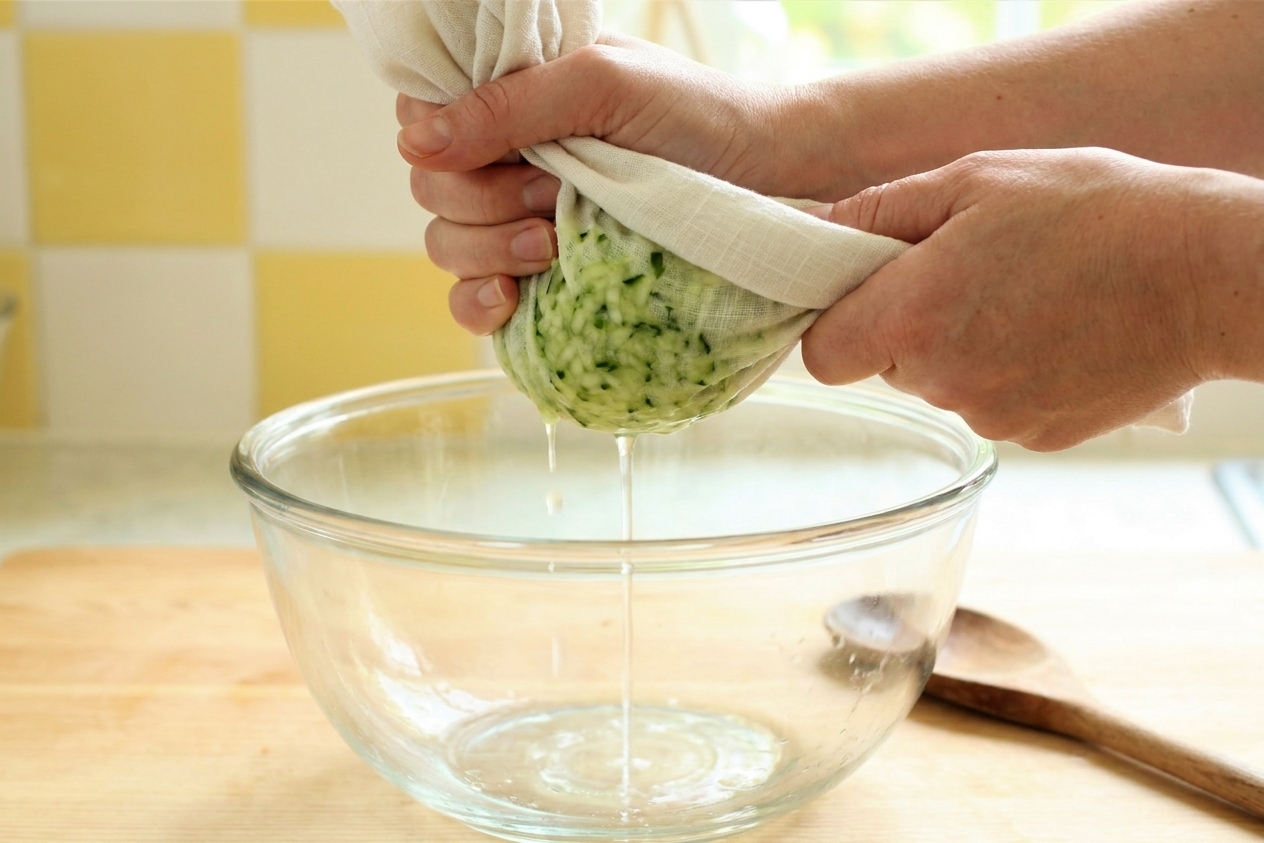
  • Tzatziki with real flavor: Salting and squeezing the cucumber keeps it thick and creamy, not watery.
  • Flexible cooking: Grill is classic, but broiler and stovetop options work great when the weather refuses to cooperate.

Pairs Well With

Storage Tips

Store: Keep cooked chicken in an airtight container in the fridge for up to 4 days. Store tzatziki separately for up to 3 days.

Reheat: Warm chicken gently in a skillet over medium heat with a splash of water, or microwave in short bursts. For crispier edges, a quick trip under the broiler works, just watch it closely.

Freeze: Freeze cooked chicken (off the skewers) for up to 2 months. Thaw overnight in the fridge. I do not recommend freezing tzatziki, it can split and the texture can change.

Leftover move: Chop the chicken and toss it into a salad with cucumbers, tomatoes, feta, and a little extra lemon. Or tuck it into a pita with fries if you are feeling properly Greek about it.

Common Questions

What is souvlaki?

Souvlaki is Greek grilled meat, often cooked on skewers and served a few different ways, like straight off the stick, alongside pita and lemon, or as a pita wrap with toppings and sauces like tzatziki. You may also hear the skewer itself called kalamaki, depending on where you are.

Can I make souvlaki without skewers?

Yep. You can cook the marinated chicken pieces directly on a grill pan or in a skillet. Skewers are fun and make flipping easier, but they are not required for the flavor.

How long should I marinate chicken for souvlaki?

Best is 30 minutes to 8 hours. You will get noticeable flavor even at 30 minutes. Try not to go past 12 hours because the lemon can start to make the texture a little mealy.

Chicken breast or thighs?

Both work, but thighs stay juicier and char better. If using breast, cut it a bit larger and be careful not to overcook.

Do I need to soak wooden skewers?

Soak them in water for 30 minutes so they do not burn on the grill. Metal skewers are the low-maintenance option. If your skewers are too long for your grill pan, trim them or use shorter ones.

Any skewer tips so the chicken does not spin?

If you have wide, flat metal skewers, use those. Otherwise, you can thread each kebab on two skewers side by side for extra stability. It makes turning much easier.

What should I serve with souvlaki?

Pita, tzatziki, tomatoes, cucumbers, red onion, and a squeeze of lemon are the core crew. Rice, Greek salad, or roasted potatoes are all great, too. For extra points, warm pita in a dry skillet for 30 to 60 seconds per side or wrap it in foil and set it on the grill while the chicken rests.

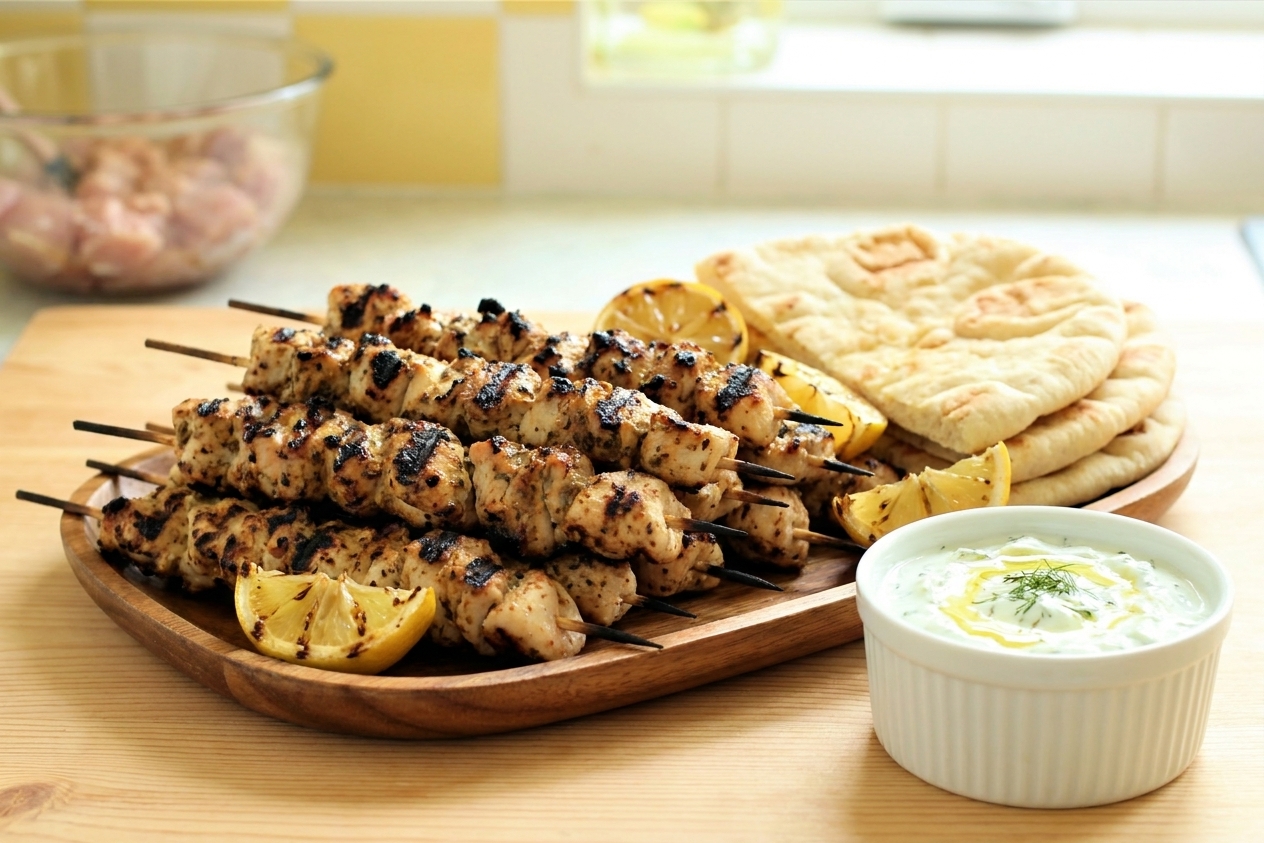
I love souvlaki because it is the perfect intersection of “I put in effort” and “I barely tried.” The first time I made it at home I was convinced I needed a special Greek spice mix, a charcoal grill, and maybe a dramatic breeze coming through my kitchen window. Turns out the real secret is basic: lemon, garlic, oregano, and enough heat to get those crisp edges. Now it is one of my go-to meals when I want something bright and satisfying without turning dinner into a full production.