Mom's Best Recipes
Recipe

Chocoflan

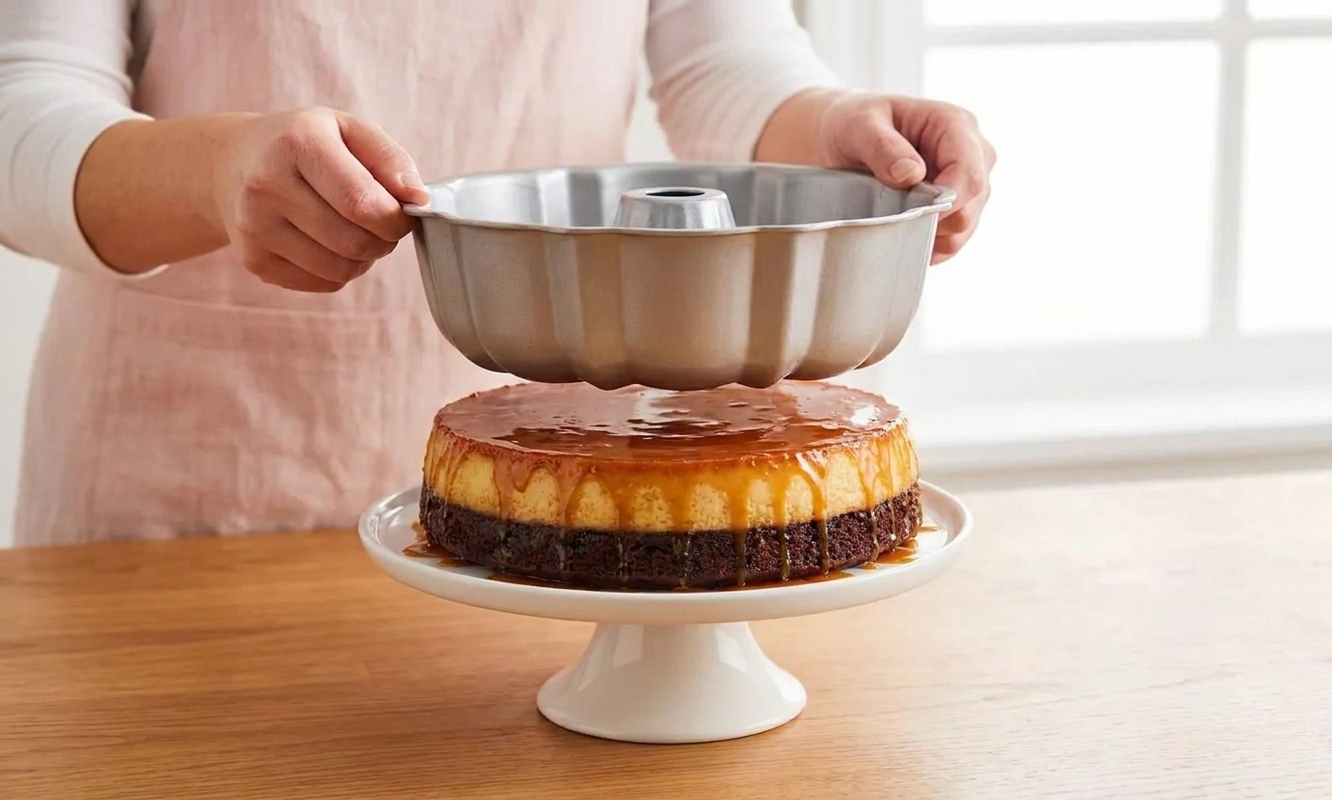
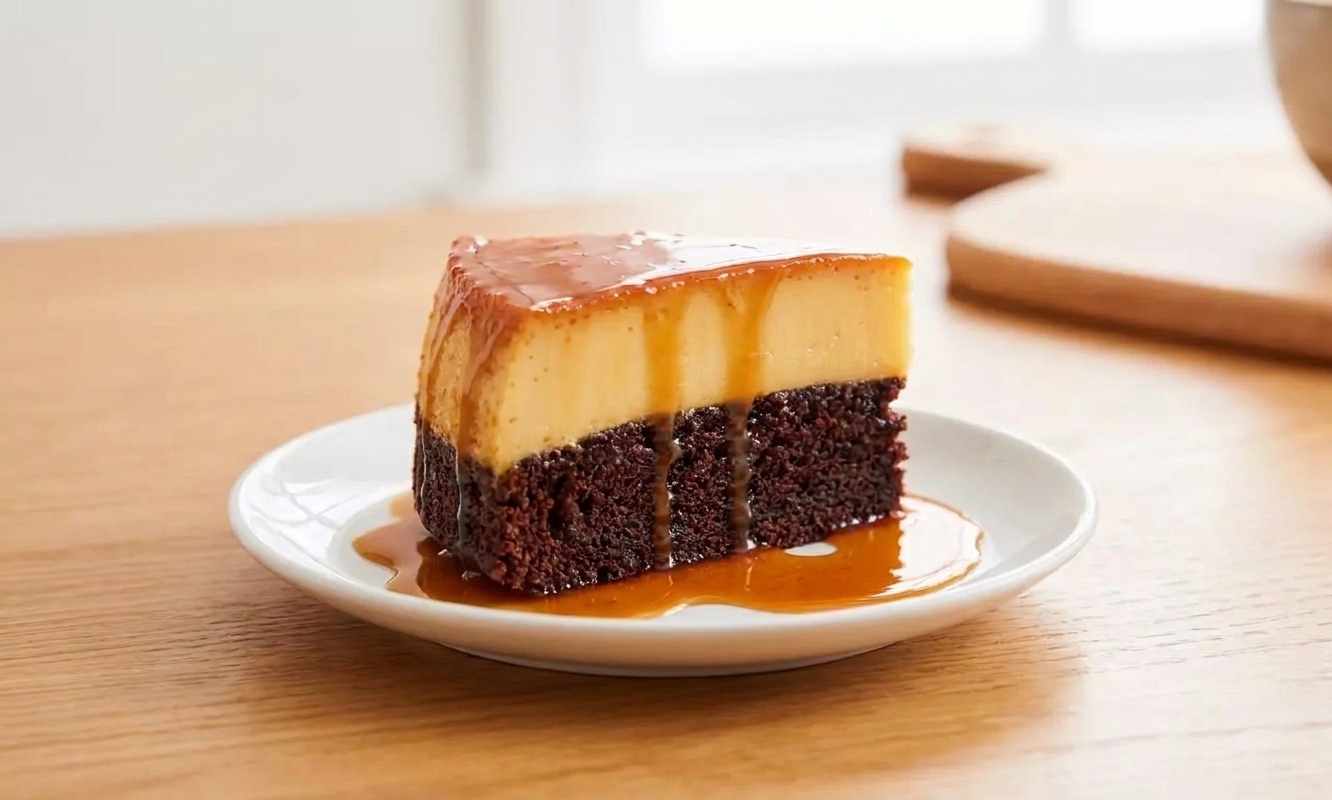
Caramel-topped vanilla flan and tender chocolate cake baked together in a Bundt pan, then flipped into the glossy, crowd-stopping “impossible cake.”

Author By Matt Campbell
4.8
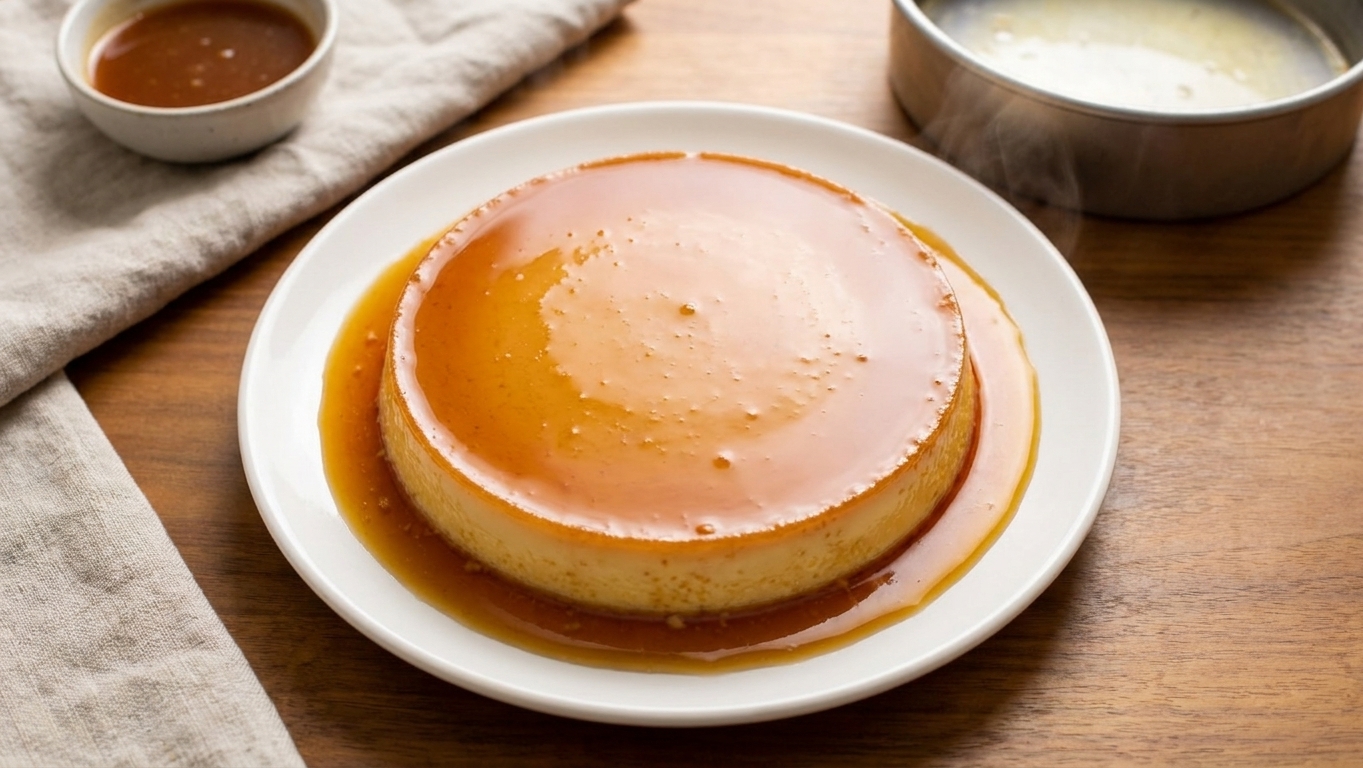
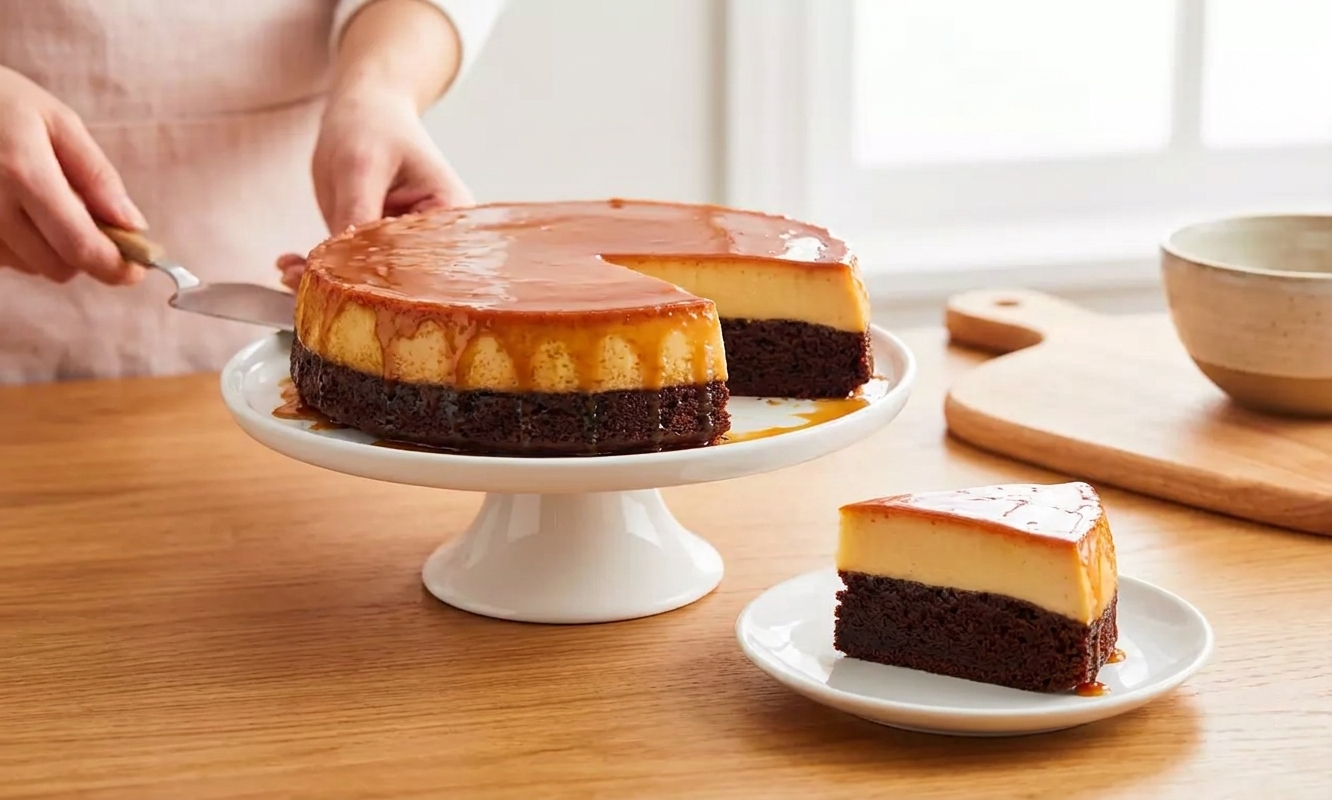
A glossy caramel-topped chocoflan on a white cake stand, with one slice cut to show the flan layer over the chocolate cake layer, on a warm kitchen table

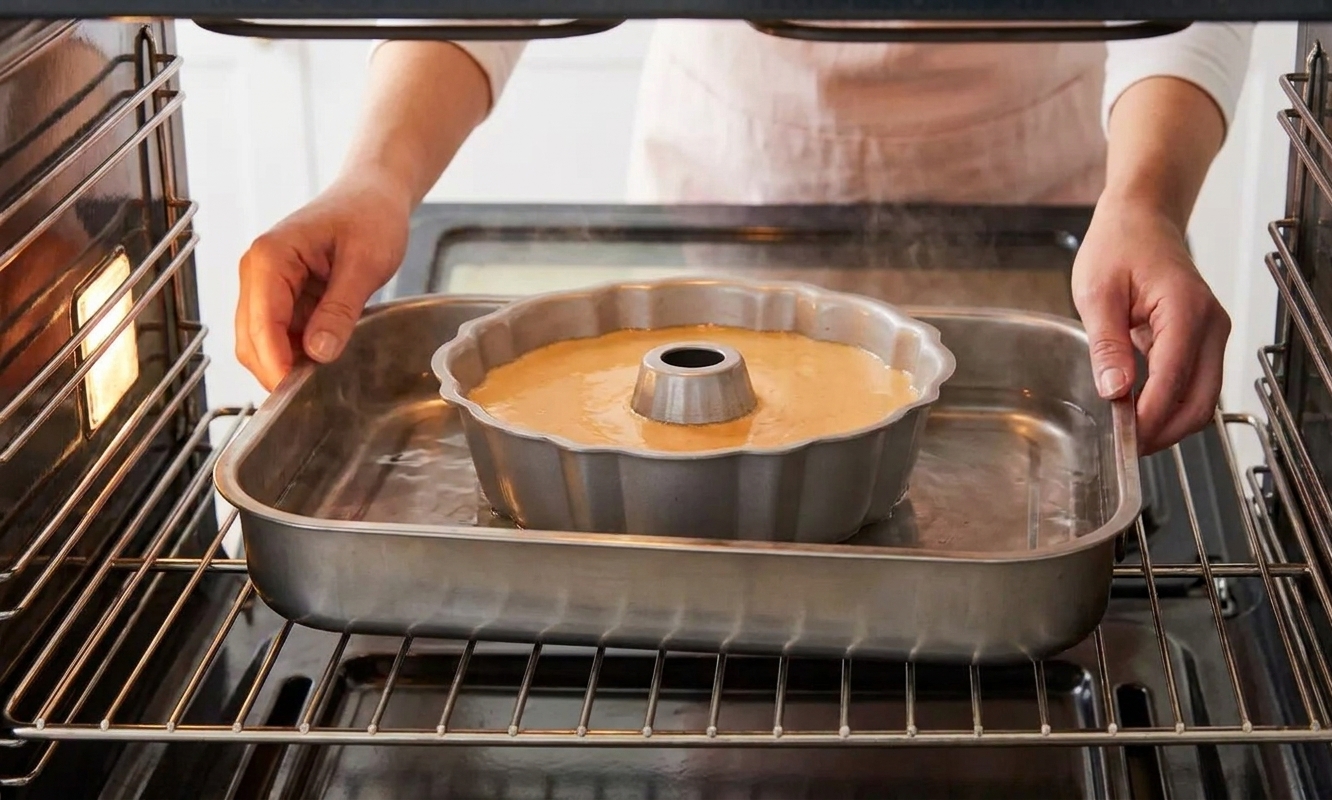
Chocoflan is the dessert equivalent of a magic trick you can eat. You pour caramel, then cake batter, then flan into a Bundt pan, bake it in a water bath, and somehow it comes out with flan on top and cake on the bottom after you flip it. I know. It sounds fake. It is not fake.

This is one of those recipes that looks like you spent all day being a perfectly calm pastry person, when really you were just in your kitchen doing your best and occasionally licking a spoon. The key is simple: a steady water bath, a gentle oven temp, do not rush the chill, and let the caramel do its glossy thing.

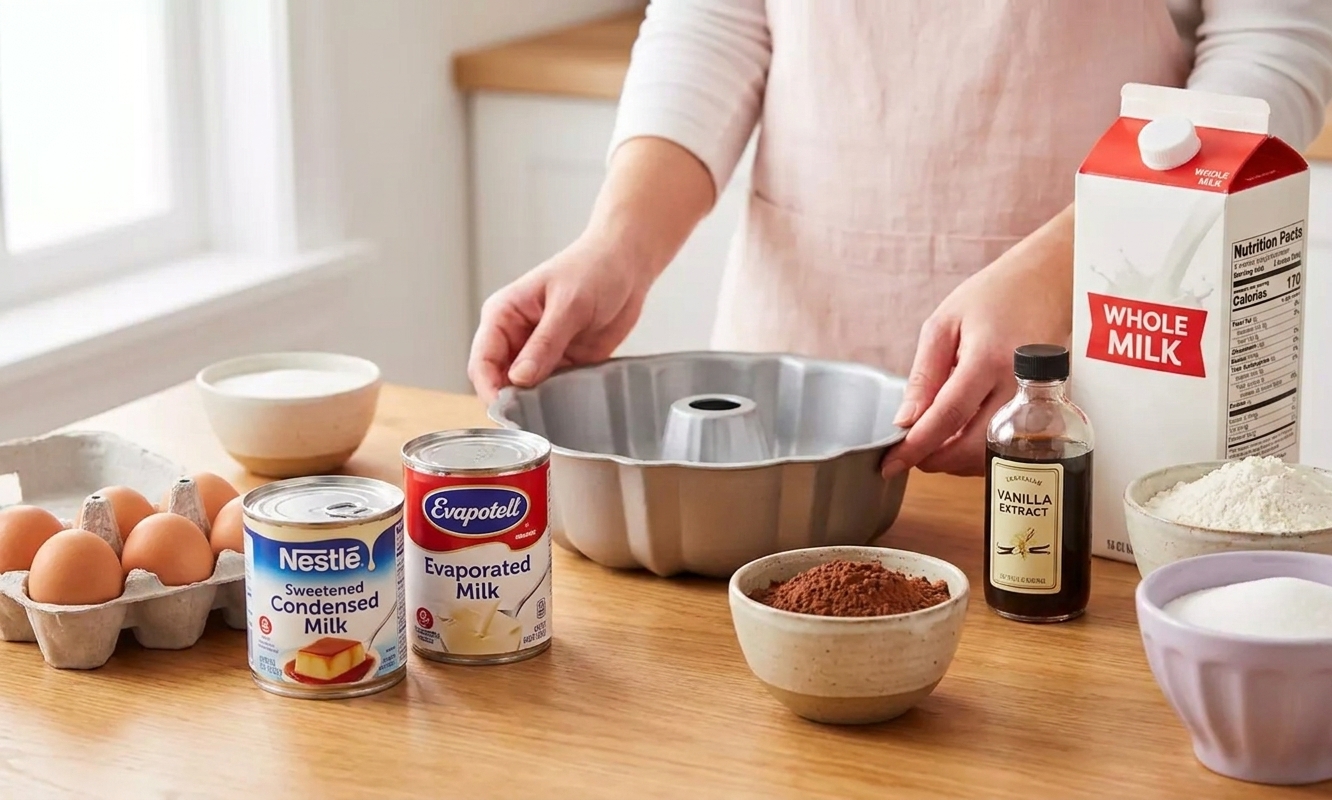
Ingredients for chocoflan arranged on a kitchen counter including eggs, sweetened condensed milk, evaporated milk, milk, vanilla, cocoa powder, flour, sugar, and a Bundt pan

Why It Works

  • Two desserts in one without extra drama: a creamy, gently set flan plus a moist chocolate cake.
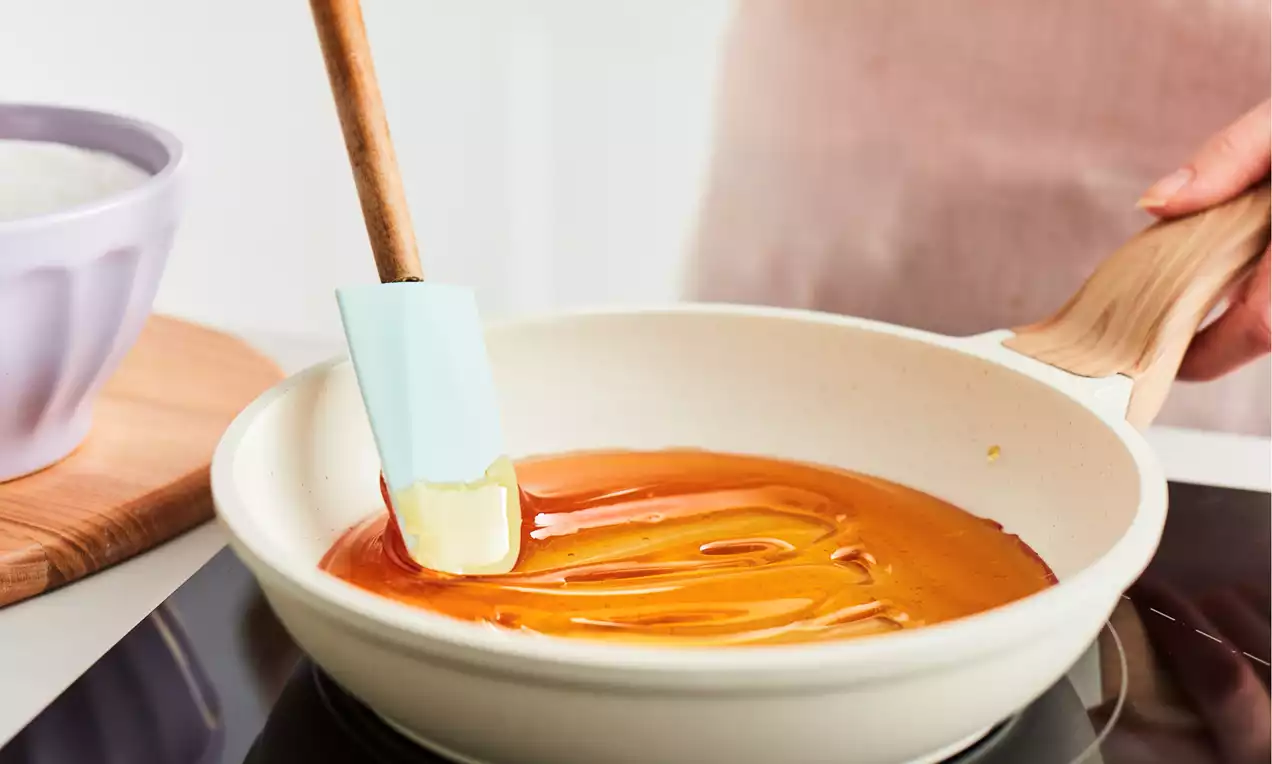
  • Caramel that actually releases because we cook it just to amber and let the cake chill long enough to loosen.
  • Reliable layering with the classic pour order so the layers swap like they are supposed to.
  • Make-ahead friendly: it tastes better after an overnight chill, which is my favorite kind of “hard work.”

Pairs Well With

Storage Tips

How to Store Chocoflan

  • Refrigerator: Cover the cake tightly (or transfer slices to an airtight container). Store for up to 4 days.
  • Freezer: You can freeze slices, but the flan can weep a little when thawed. If you do it anyway (no judgment), wrap individual slices in plastic wrap and then foil. Freeze up to 1 month. Thaw overnight in the fridge.
  • Serving tip: Chocoflan is best served cold or cool. If you like it slightly softer, let slices sit at room temp for 10 to 15 minutes.

Common Questions

Common Questions

Why is it called “impossible” cake?

Because it looks impossible that the layers switch places. During baking, the flan mixture is heavier and sinks while the cake batter rises, and once you invert it, the flan ends up on top with caramel glazing everything.

Do I have to use a water bath?

Yes, I strongly recommend it. The water bath keeps the oven heat gentle and even so the flan sets creamy instead of turning into sweet scrambled eggs along the edges.

Should I cover it with foil?

Usually, no. But if the top is getting too dark before the center is set, tent it loosely with foil for the remaining bake time. Do not seal it tight. Think “little foil hat,” not “tinfoil cocoon.”

My flan has bubbles or little holes. What happened?

Usually it is from overmixing or baking too hot. Blend just until smooth and keep the water bath truly hot. A few small bubbles are not the end of the world, especially under caramel.

How do I know it is done?

The cake should spring back lightly. For the toothpick test, aim near the outer edge of the pan where the cake layer is easiest to reach. A toothpick there should come out with a few moist crumbs. The flan will still have a gentle jiggle but should not slosh like a latte.

What if my caramel hardens in the pan?

Totally normal. It will melt again during baking. Just work quickly and tilt the pan right after pouring so it coats the bottom before it fully sets. If you can, let it creep a little up the sides too.

Can I make this without a Bundt pan?

You can use a 10-inch tube pan. A regular cake pan can work too, but flipping is riskier and the presentation is less dramatic. If you use a cake pan, line the bottom with parchment for extra insurance and keep the water bath.

Why won’t it release from the pan?

Most often it needs more chilling time, or the caramel cooled too pale. Chill at least 6 hours, then dip the pan in warm water for 15 to 20 seconds and run a thin knife around the edges before inverting.

The first time I made chocoflan, I hovered near the oven like I was watching a season finale. I had that very rational fear that I was about to flip a pan and unleash a caramel flood onto my counter. Instead, it unmolded like a dream and I just stood there thinking, okay, wow, we really did something today. Now it is my go-to when I want a dessert that feels like a flex but still uses grocery store basics and a little patience.