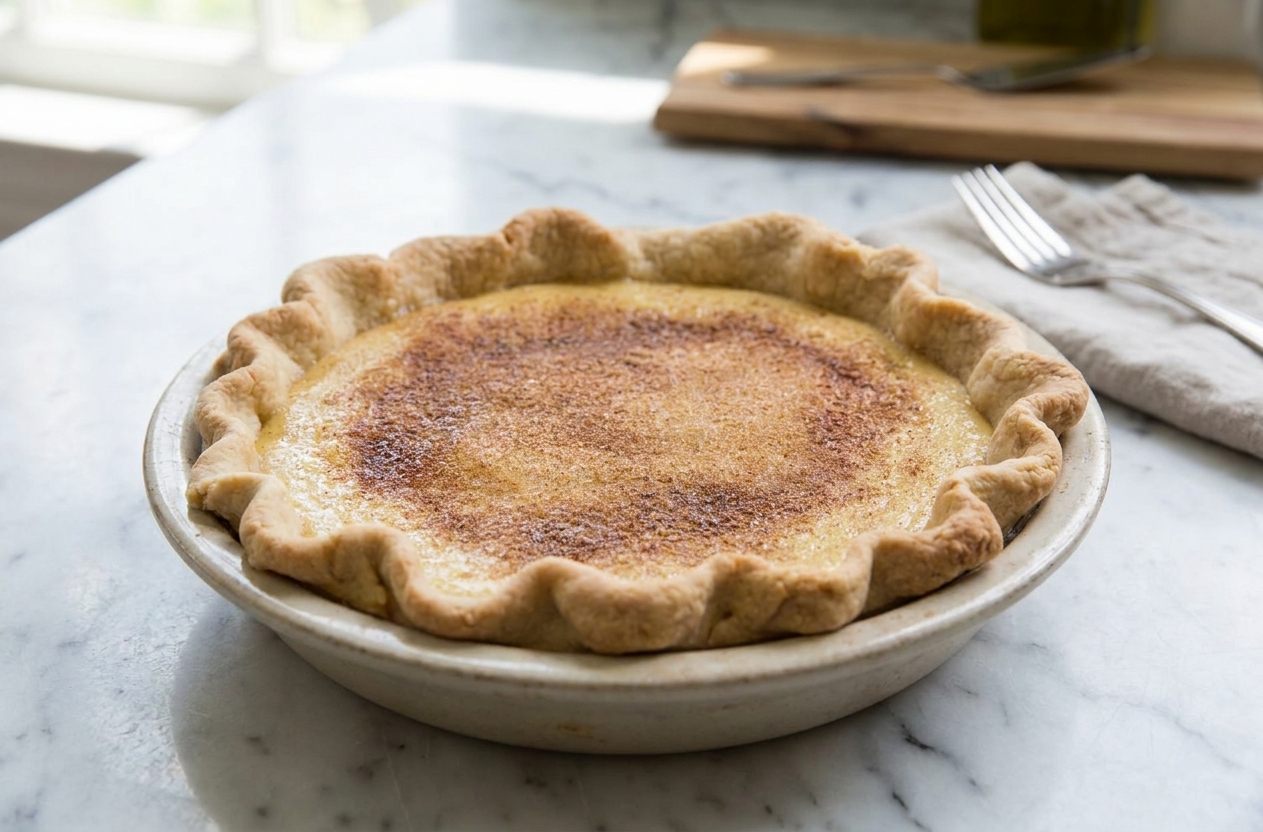
Is sugar cream pie the same as custard pie?
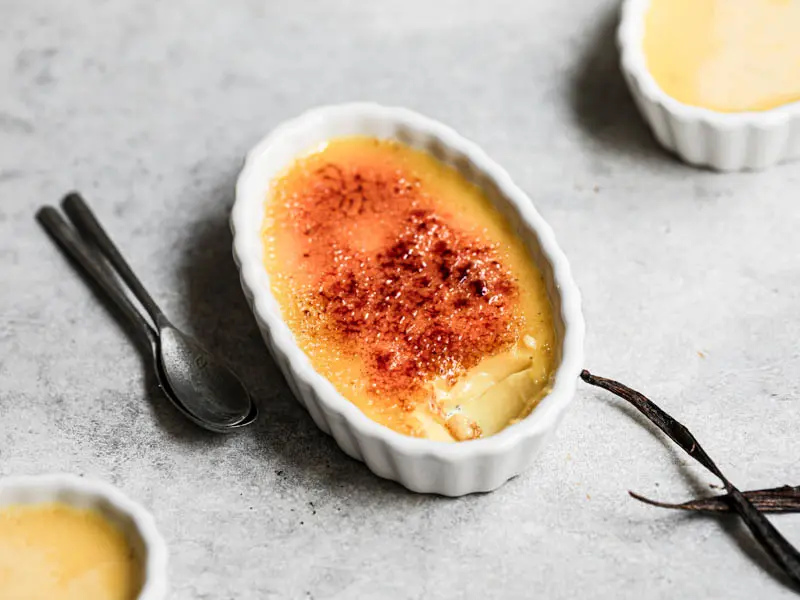
They are cousins, not twins. Many custard pies rely on eggs to set. Indiana-style sugar cream pie is often egg-free and thickened with flour or cornstarch, which makes it extra smooth and a little more forgiving. That said, you will find some older or modern versions that use egg yolks.
Why is my filling runny?
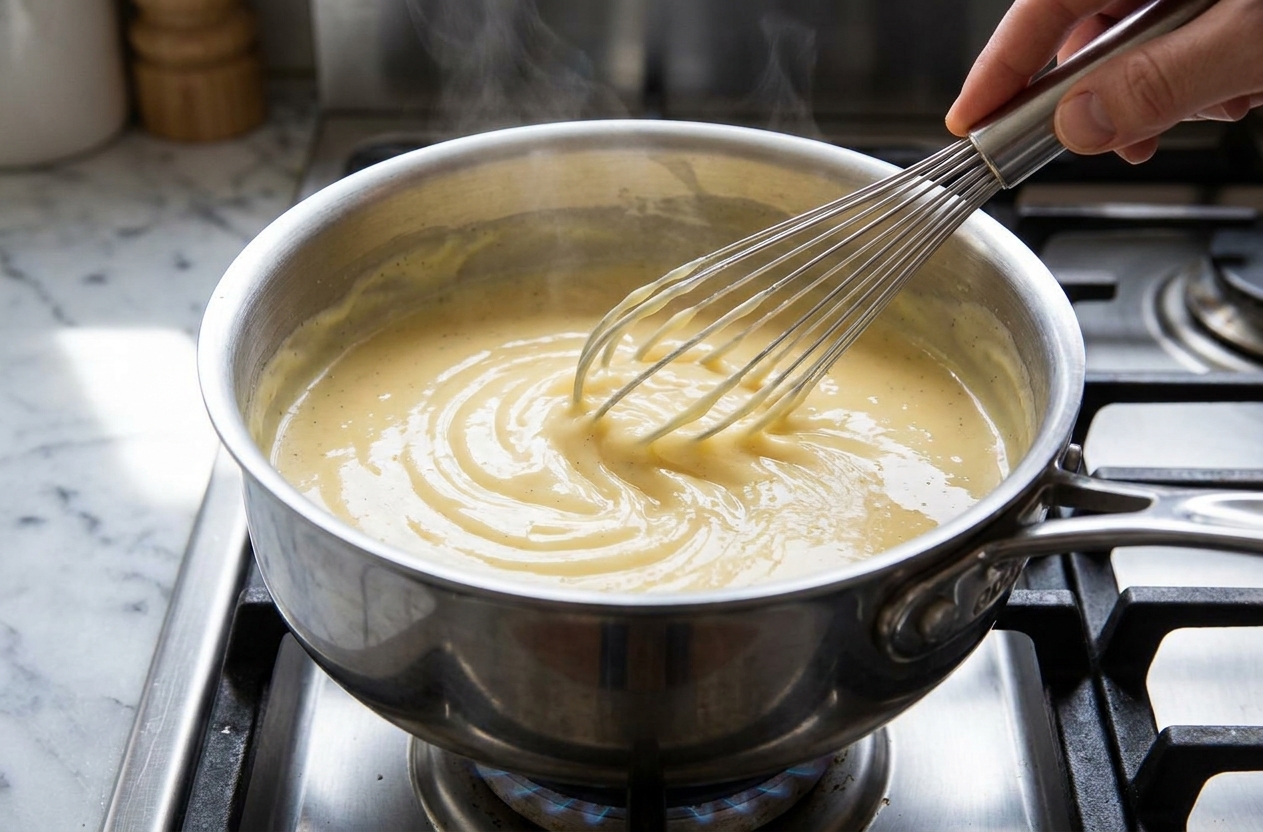
Usually one of three things: the custard did not boil long enough, the measurements were a little off, or it did not chill long enough. You want a true boil with bubbles across the surface for 30 to 60 seconds while whisking, then at least 4 hours of chilling (overnight is even better).
How do I prevent a skin on the custard?
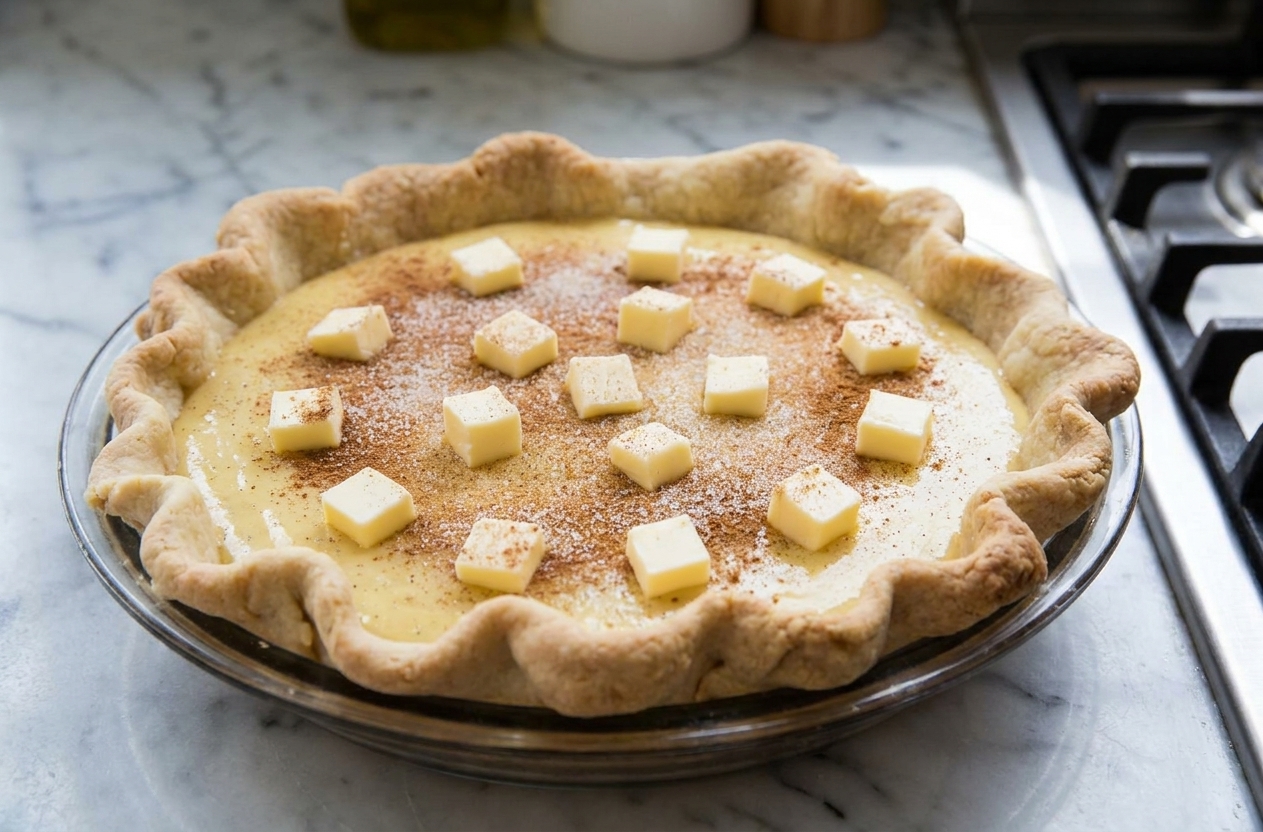
The easiest move is to work promptly: pour the hot custard into the crust right away. If you need to pause, press plastic wrap directly onto the surface of the custard until you are ready to use it.
Can I use all milk instead of cream?
Yes. It will still set, but it will taste a bit less rich. If you go all milk, whole milk is best. You can also do half-and-half in place of the milk and cream combo.
Do I have to blind bake the crust?
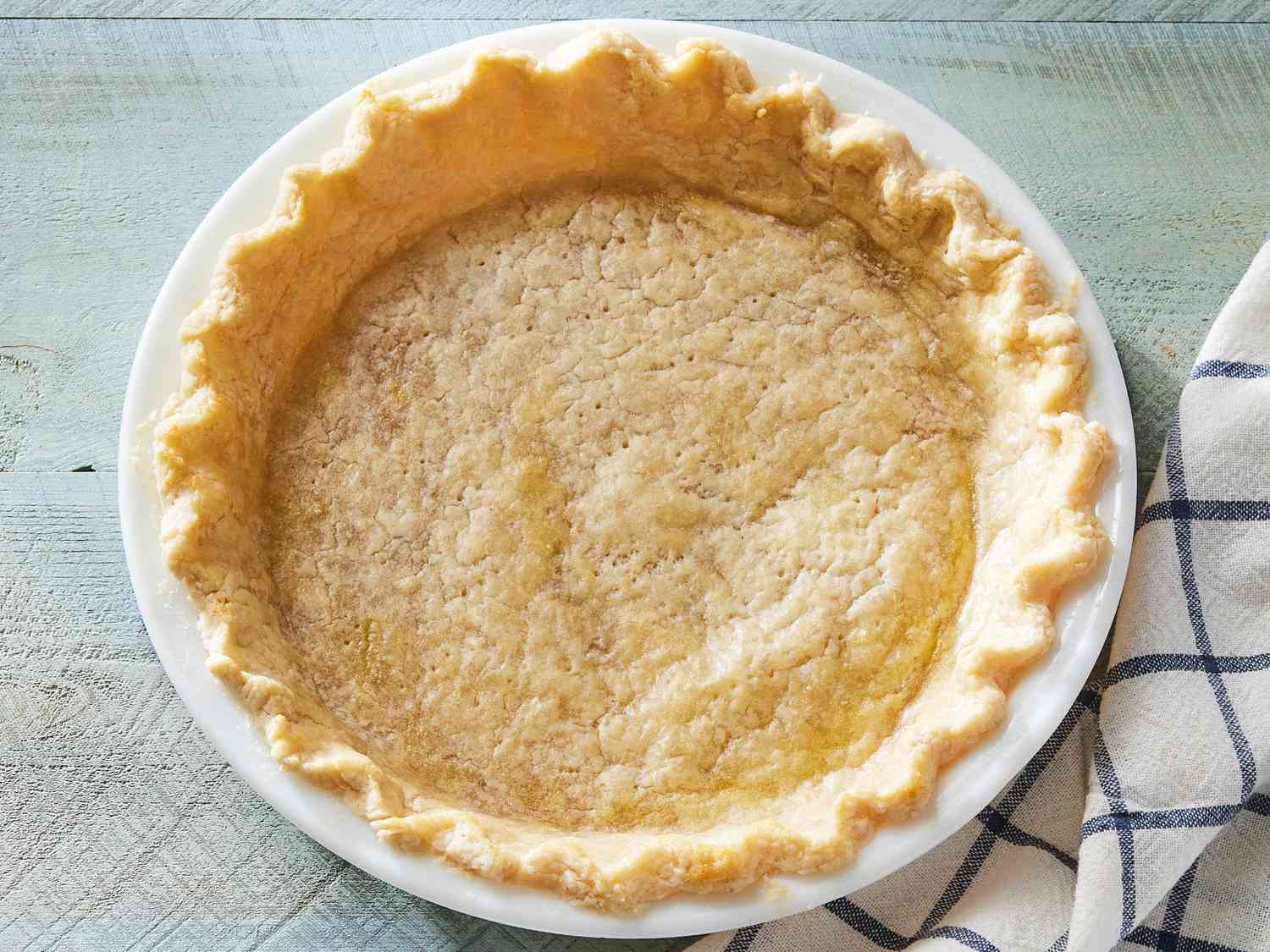
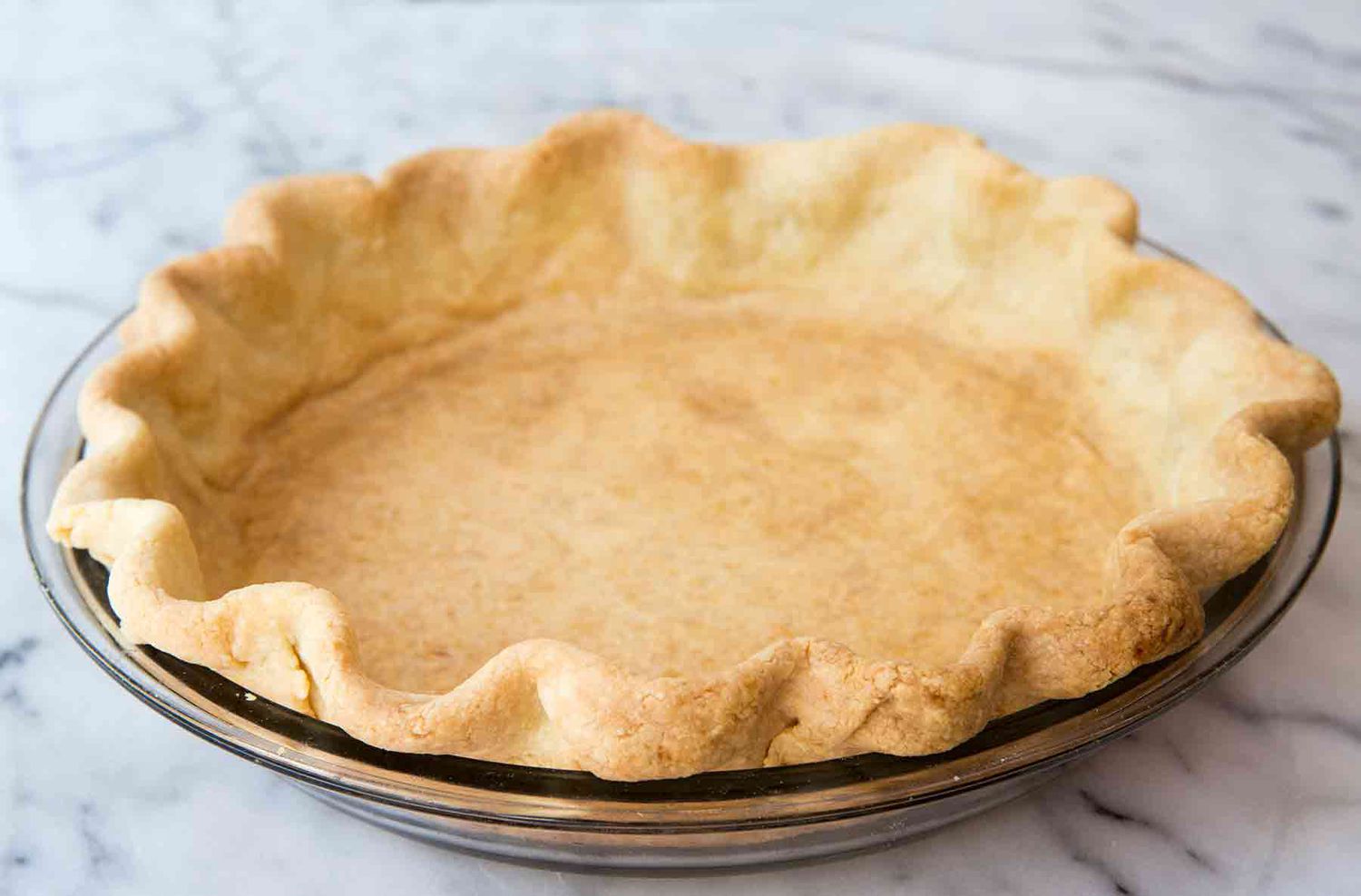
For this pie, yes. The filling is mostly cooked before it hits the oven, so blind baking ensures the crust stays crisp instead of turning soft and a little disappointing.
What is the best way to get a smooth custard?
Whisk constantly once the heat is on, scrape the bottom and corners of the pot, and add the vanilla and butter after you take it off the heat. If you still get a few tiny lumps, strain the custard through a fine-mesh sieve before pouring it into the crust.
How do I get clean slices?
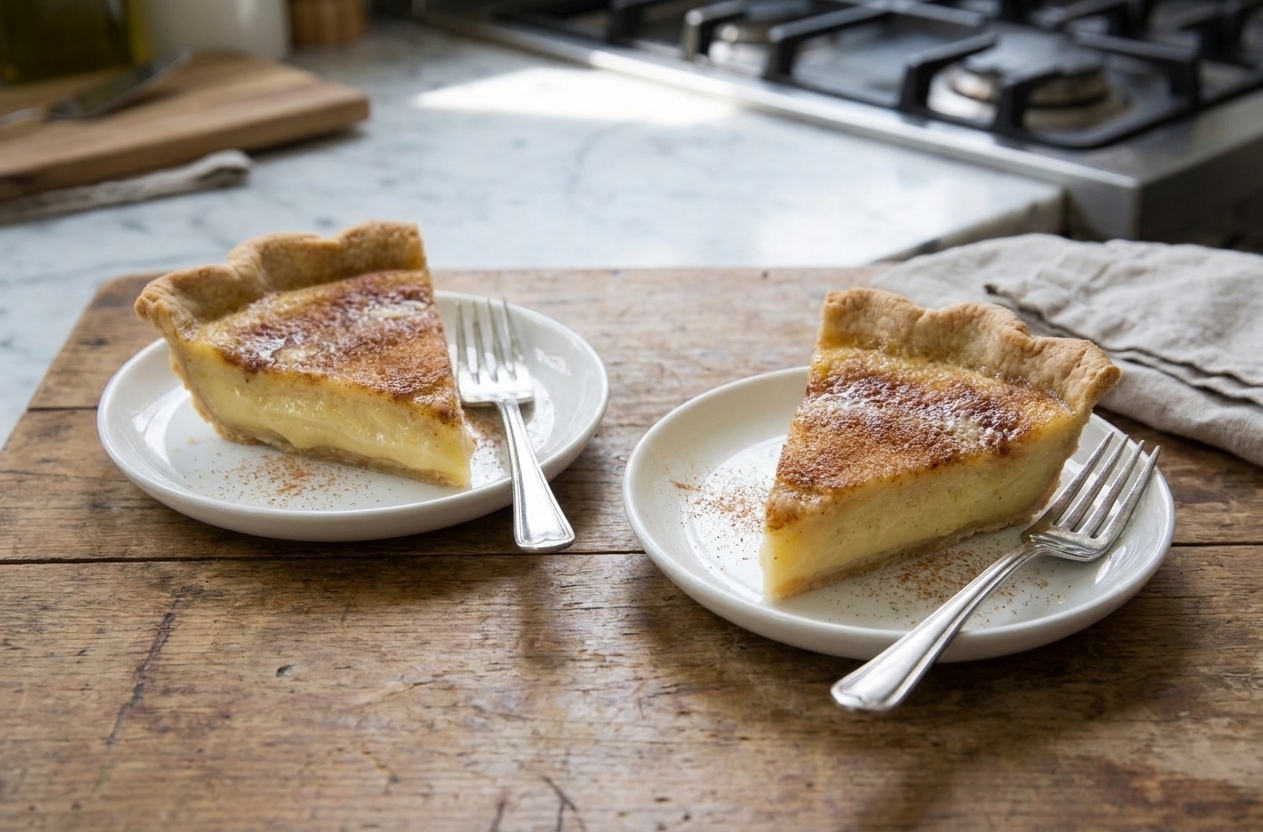
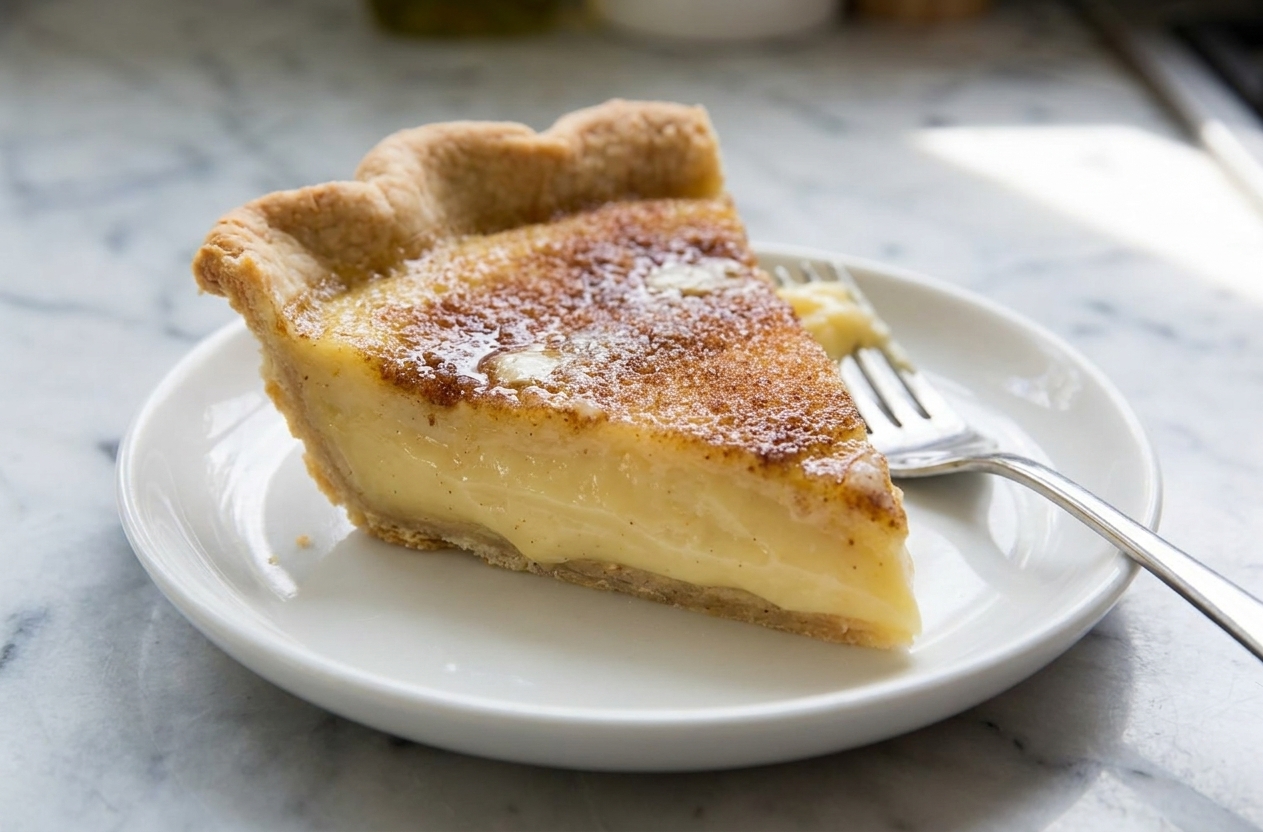
Chill the pie overnight for the neatest slices. Use a sharp knife dipped in warm water, then wipe between cuts.