Mom's Best Recipes
Recipe

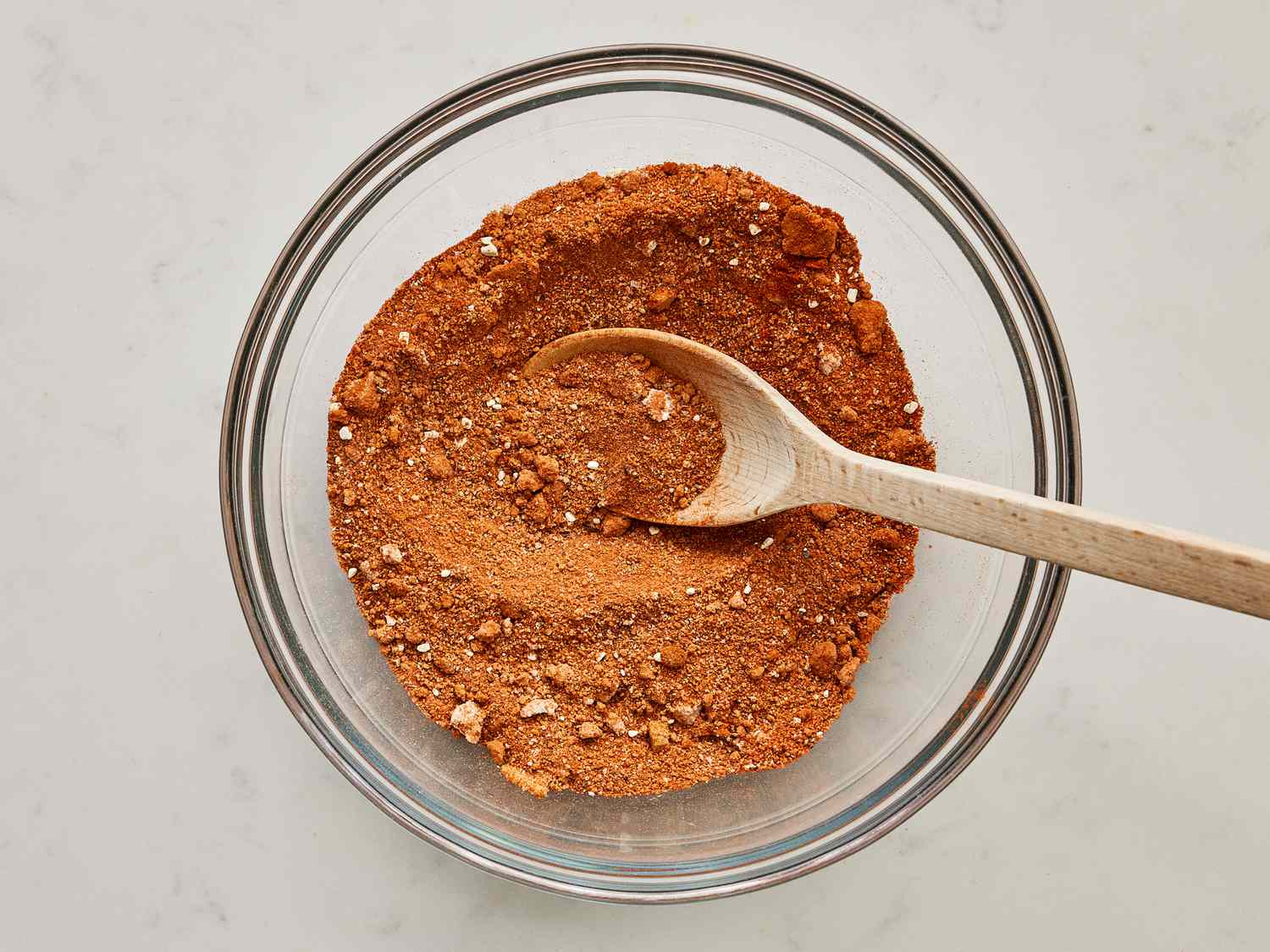
Classic BBQ Rub

A sweet-smoky, savory dry rub that builds bark, boosts flavor, and plays nicely with almost any grill or oven BBQ plan.

Author By Matt Campbell
4.9
A small ceramic bowl of homemade BBQ rub on a light kitchen counter with measuring spoons and a few spices nearby, warm natural light

BBQ rub is the kind of kitchen flex that looks like you planned your whole life around smoked meats, even if you are just trying to get dinner on the table by 7. It is basically seasoning with a purpose: it sticks, it melts, it toasts, and it turns plain protein into something with crisp edges and that deep, savory bite you usually associate with a restaurant smoker.

This is my go-to all-purpose BBQ rub. It is sweet enough to help you build a gorgeous bark, smoky enough to smell like you know what you are doing, and savory enough that it does not taste like dessert on chicken. Keep it in a jar and suddenly ribs, pork shoulder, chicken thighs, burgers, roasted potatoes, and even tofu feel like fair game.

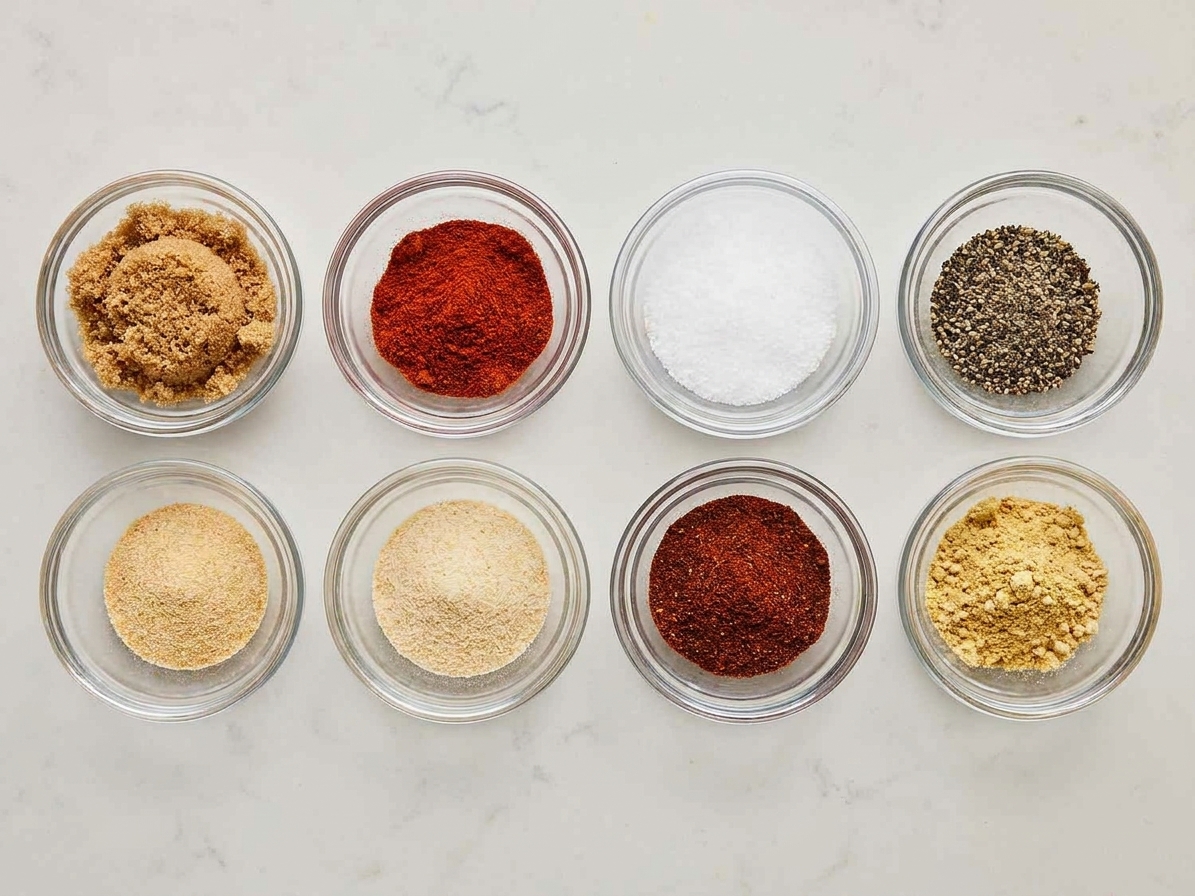
Small bowls of brown sugar, paprika, kosher salt, black pepper, garlic powder, onion powder, chili powder, and mustard powder arranged neatly on a kitchen counter

Why It Works

  • Balanced flavor: Sweet from brown sugar, smoky warmth from paprika, and enough salt and spice to taste like BBQ, not candy.
  • Better bark: The sugar and spices toast on the surface, giving you that dark, crusty exterior whether you grill, smoke, or roast.
  • Flexible heat: Mild by default, easy to crank up with cayenne or chipotle.
  • Works on almost anything: Pork, chicken, beef, veggies, potatoes, even popcorn if you want to have fun with it.

Pairs Well With

Storage Tips

Room temperature: Store the rub in an airtight jar or spice container in a cool, dark cabinet. It is best within 3 to 6 months for maximum aroma, but it is still safe longer if kept dry.

Keep it dry: Do not sprinkle straight from the jar over raw meat. Moisture can clump the rub and shorten its life. Scoop what you need into a small bowl first.

If it clumps: Break it up with a fork or pulse briefly in a spice grinder. If it smells flat, add a fresh pinch of paprika and black pepper to perk it back up.

Common Questions

Common Questions

What is the difference between BBQ rub and seasoning?

A BBQ rub is a seasoning blend designed specifically for meat surfaces. It usually includes sugar for browning and spices that taste great after heat exposure. A general seasoning blend can be salt-forward or herb-heavy and is not always built for bark.

Should I salt the meat before using this rub?

This rub already contains salt, so you can use it as your main seasoning. If you dry brine (salt the meat ahead of time), reduce the salt in the rub by about half, or choose a salt-free version and season separately.

How much rub should I use per pound?

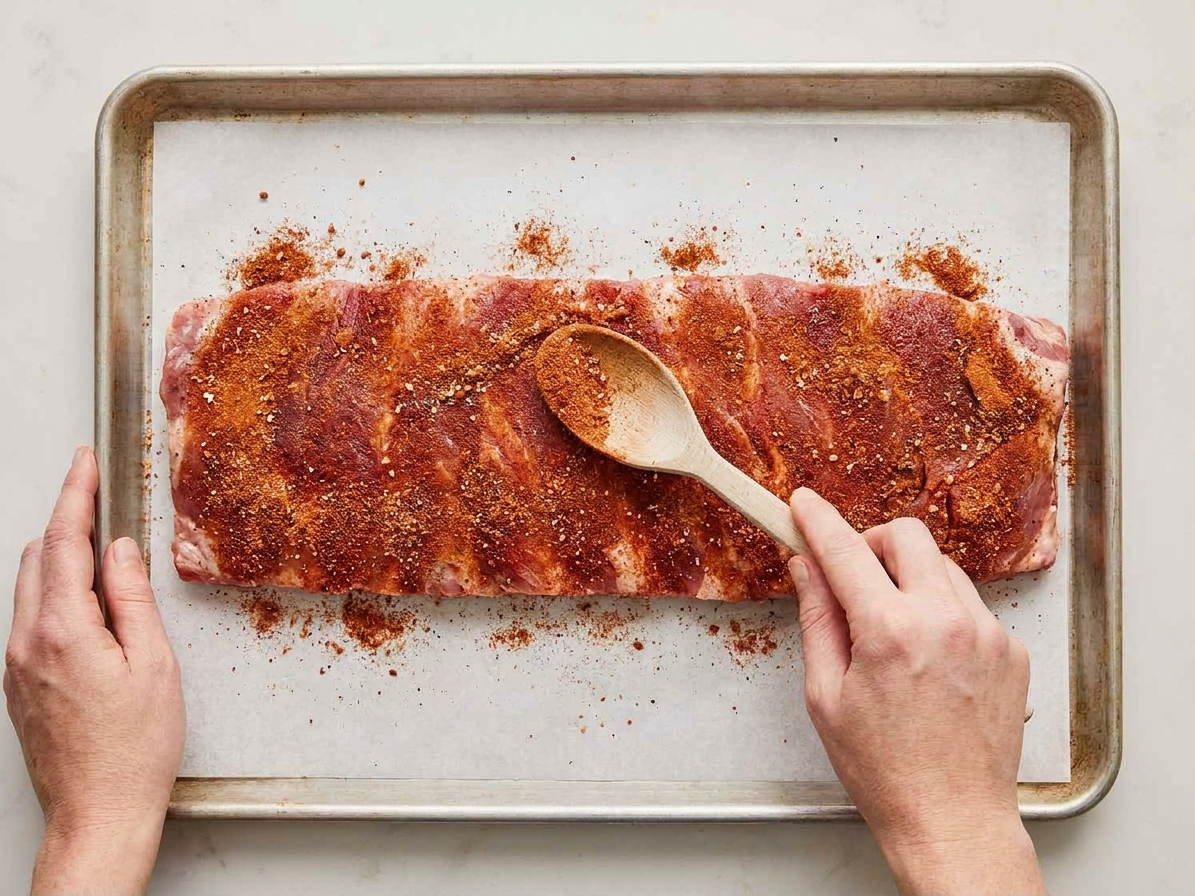
For most meats, use about 1 tablespoon per pound. For ribs or pork shoulder where you want a thicker crust, go closer to 1 1/2 tablespoons per pound.

How long should the rub sit on meat before cooking?

For quick dinners, 15 to 30 minutes is plenty (and you can cook right away if you are in a rush). For deeper flavor, rub and refrigerate uncovered for 2 to 12 hours. If you do let it sit at room temperature, keep it under 2 hours total for food safety. For very sugary rubs, I avoid extremely long rests on delicate cuts because sugar can pull moisture to the surface and soften the bark.

Will the brown sugar burn on high heat?

It can if you blast it. For hot and fast grilling, keep heat medium or use two-zone cooking. For very high heat searing, consider reducing the brown sugar a bit and finishing with sauce later.

Can I make this rub without sugar?

Yes. Swap the brown sugar for a sugar-free brown substitute, or omit it and add 1 teaspoon smoked paprika plus 1 teaspoon ground cumin for more body. The bark will be less glossy and less caramelized, but still flavorful.

What kind of kosher salt should I use?

Kosher salt brands vary a lot by grain size. If you have a scale, use about 10 to 12 grams kosher salt here. If you are using Morton (denser), consider using a slightly light tablespoon. Diamond Crystal is lighter and closer to a full tablespoon.

Any allergy notes?

This rub includes mustard powder. If you are cooking for someone with a mustard allergy, swap it for a little extra paprika or a pinch of ground celery seed.

I did not go the culinary degree route, but I did go all-in on the hands-on stuff, like learning what makes food taste like you meant it. BBQ rub was one of those early lightbulb moments. I remember thinking rub was just seasoning with a cooler name. Then I watched it turn into bark on a rack of ribs and realized it is more like a strategy.

Now I keep a jar of this in the cabinet like a tiny insurance policy. Busy weeknight? Rub chicken thighs, roast them hard, call it BBQ-adjacent and go live your life. Weekend project? Layer it on pork shoulder, take your time, and enjoy the smug smell that makes neighbors suddenly want to stop by.