Mom's Best Recipes
Recipe

Classic Beef Bolognese

A rich, slow-simmered meat sauce with tomato, aromatics, and a silky finish that clings to pasta like it means it.

Author By Matt Campbell
4.8
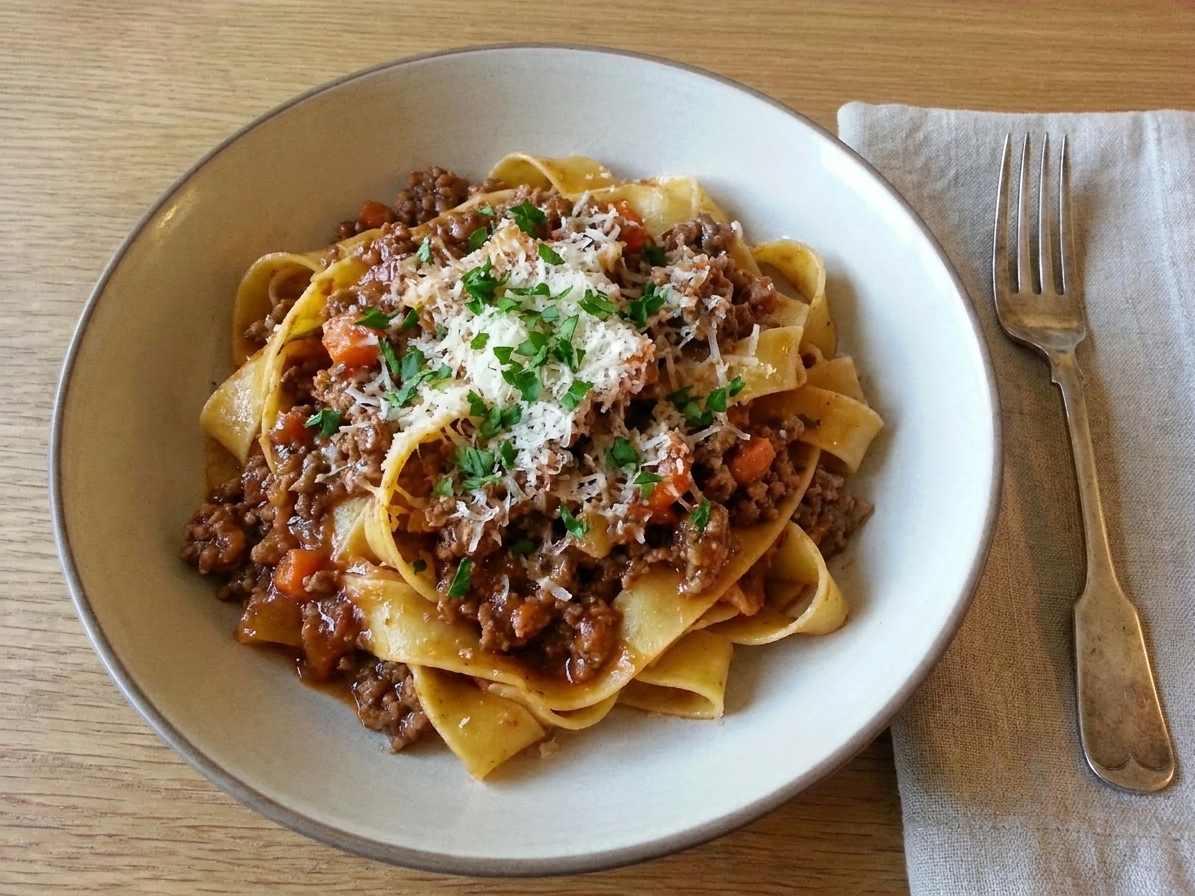
A shallow bowl of pappardelle tossed in glossy beef bolognese, topped with grated Parmesan and a sprinkle of chopped parsley on a neutral-toned dinner table

Beef bolognese is one of those sauces that makes your kitchen smell like you have your life together, even if you are cooking in sweatpants and using a wooden spoon you rescued from an old apartment in 2019. It is cozy, rich, and forgiving. You build a simple base, let it simmer until the flavors deepen and the sauce turns glossy and thick, then you finish it with a little dairy for that signature silky cling.

This version keeps ingredients easy to find and the steps clear. No culinary school gatekeeping, just a sauce that rewards you for tasting as you go and letting time do the heavy lifting.
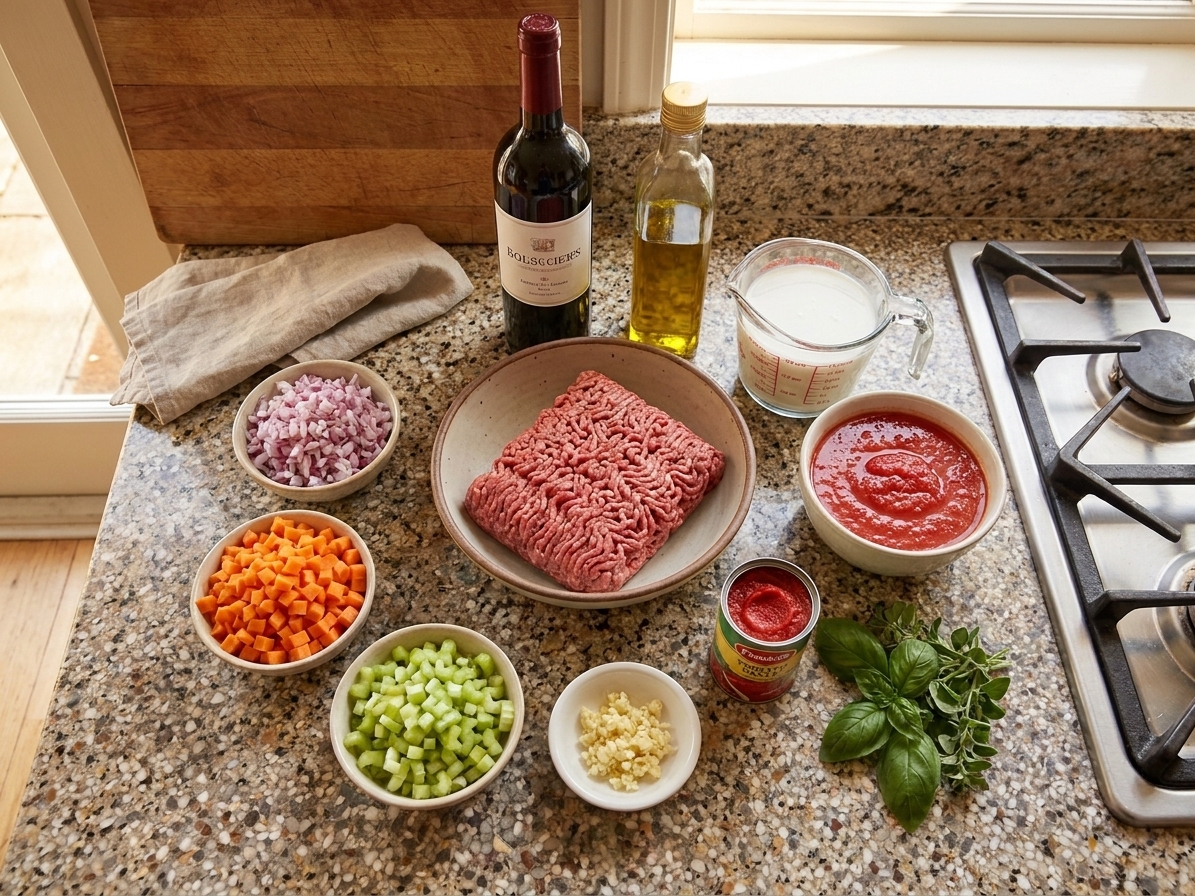
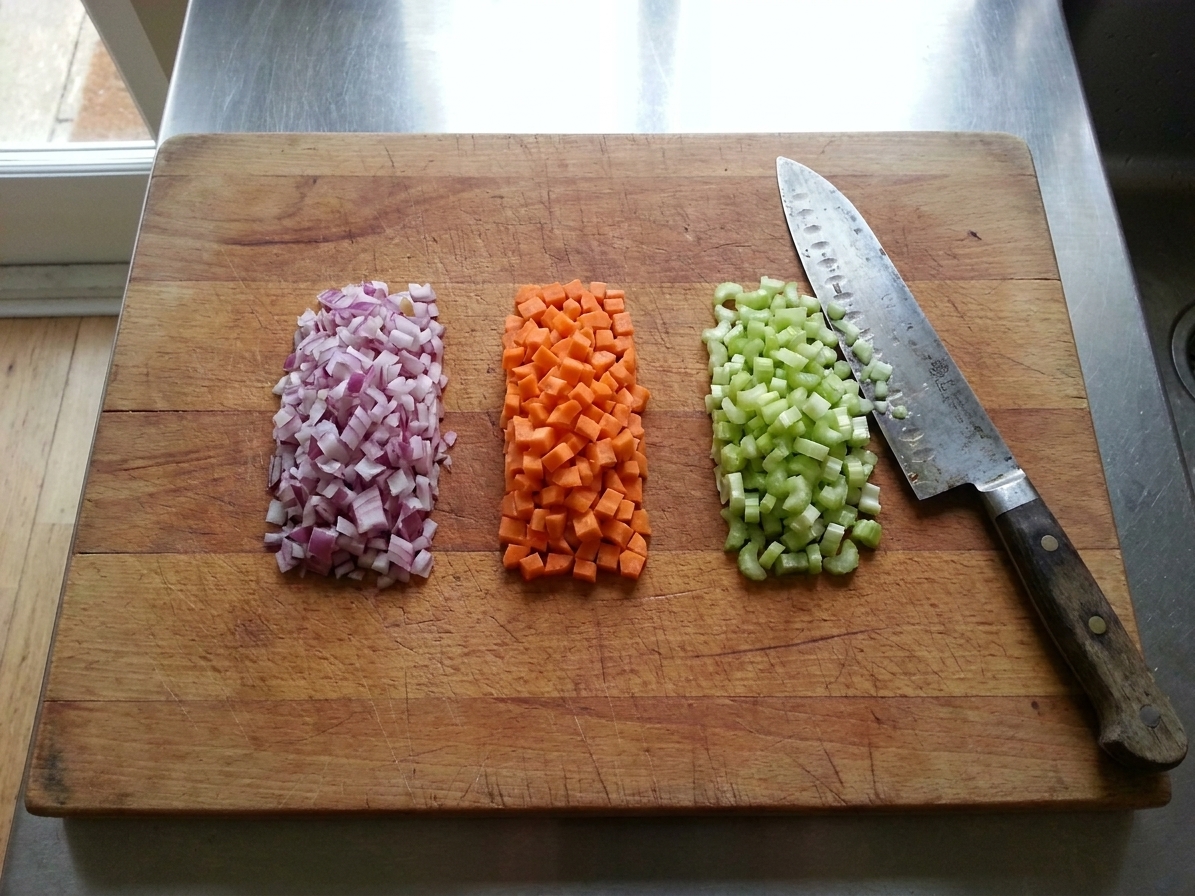
Raw ground beef, onion, carrot, celery, garlic, tomato paste, crushed tomatoes, milk, red wine, olive oil, and herbs arranged on a clean kitchen counter in warm natural light

Why It Works

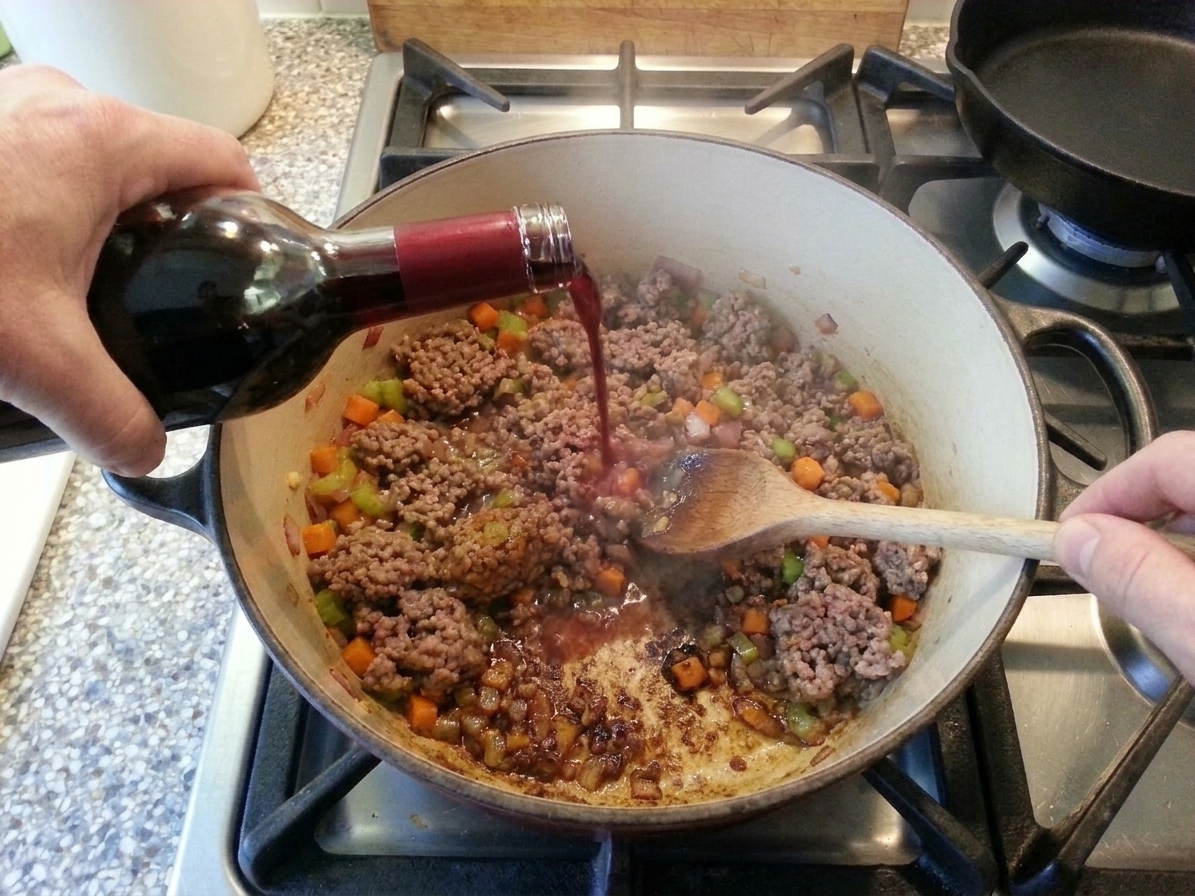
  • Big flavor from simple moves: tomato paste gets cooked until it turns deeper red and sweet, then wine deglazes all the good browned bits.
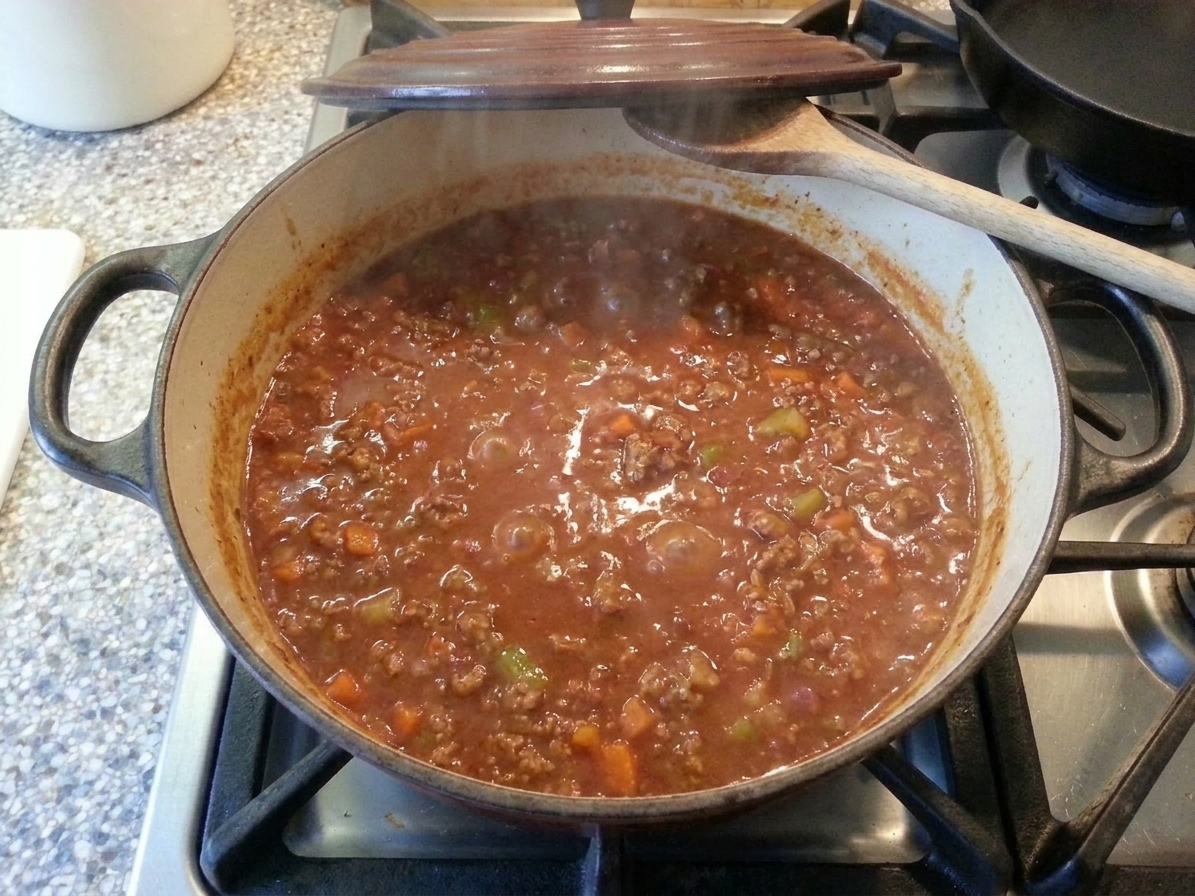
  • Silky, not soupy: a long simmer reduces the sauce and concentrates flavor so it coats pasta instead of pooling at the bottom.
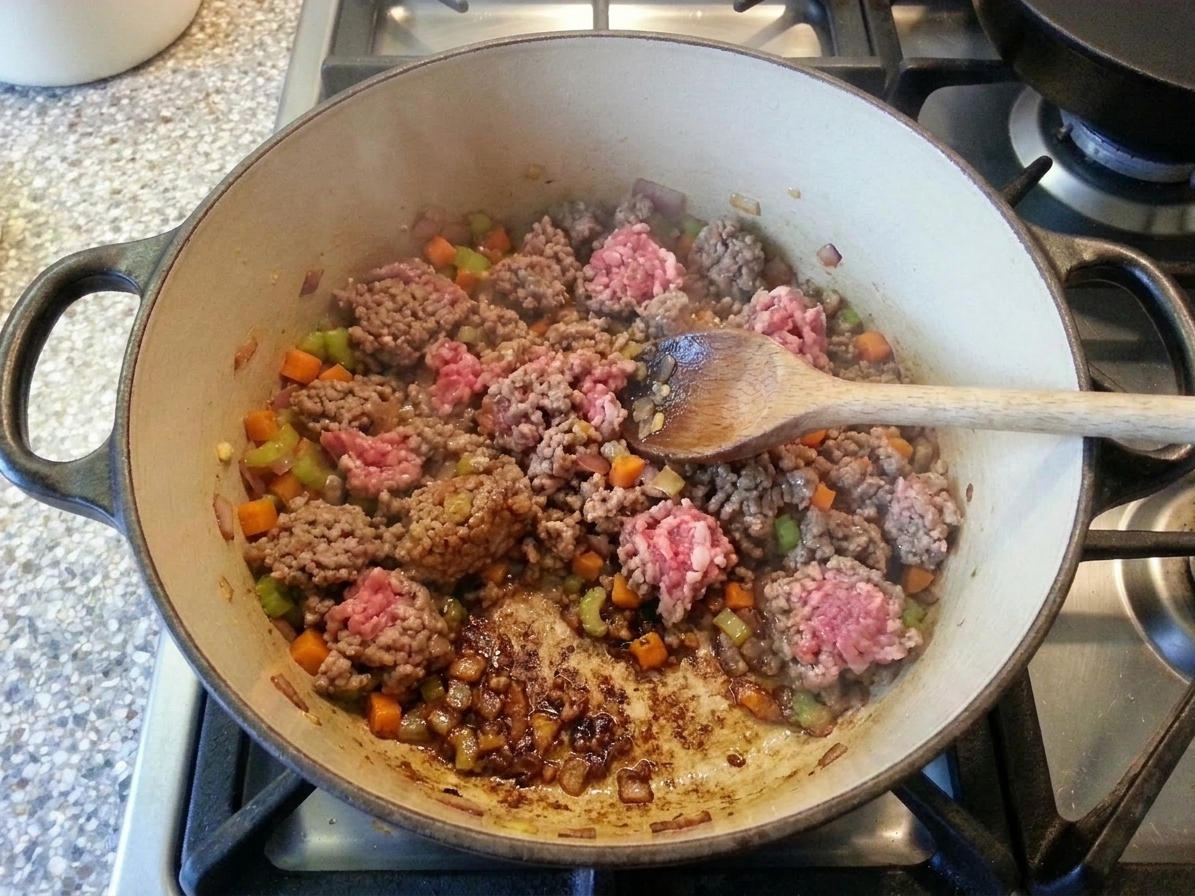
  • Great ground beef texture: browning builds savory flavor, then a gentle simmer keeps the meat tender and the sauce cohesive.
  • Restaurant-style finish: milk (or a splash of cream) softens acidity and gives that classic, velvety bolognese vibe.

Pairs Well With

Storage Tips

Refrigerator: Cool bolognese completely, then store in an airtight container for up to 4 days. The flavor usually gets better on day two.

Freezer: Freeze in flat bags or portioned containers for up to 3 months. Label it, because “mystery red sauce” is a dangerous freezer game.

Reheating: Warm gently in a saucepan over medium-low with a splash of water, broth, or milk to loosen. Stir often so the bottom does not scorch.

Make-ahead tip: If you can, make it a day early and reheat gently. Overnight bolognese is a different level.

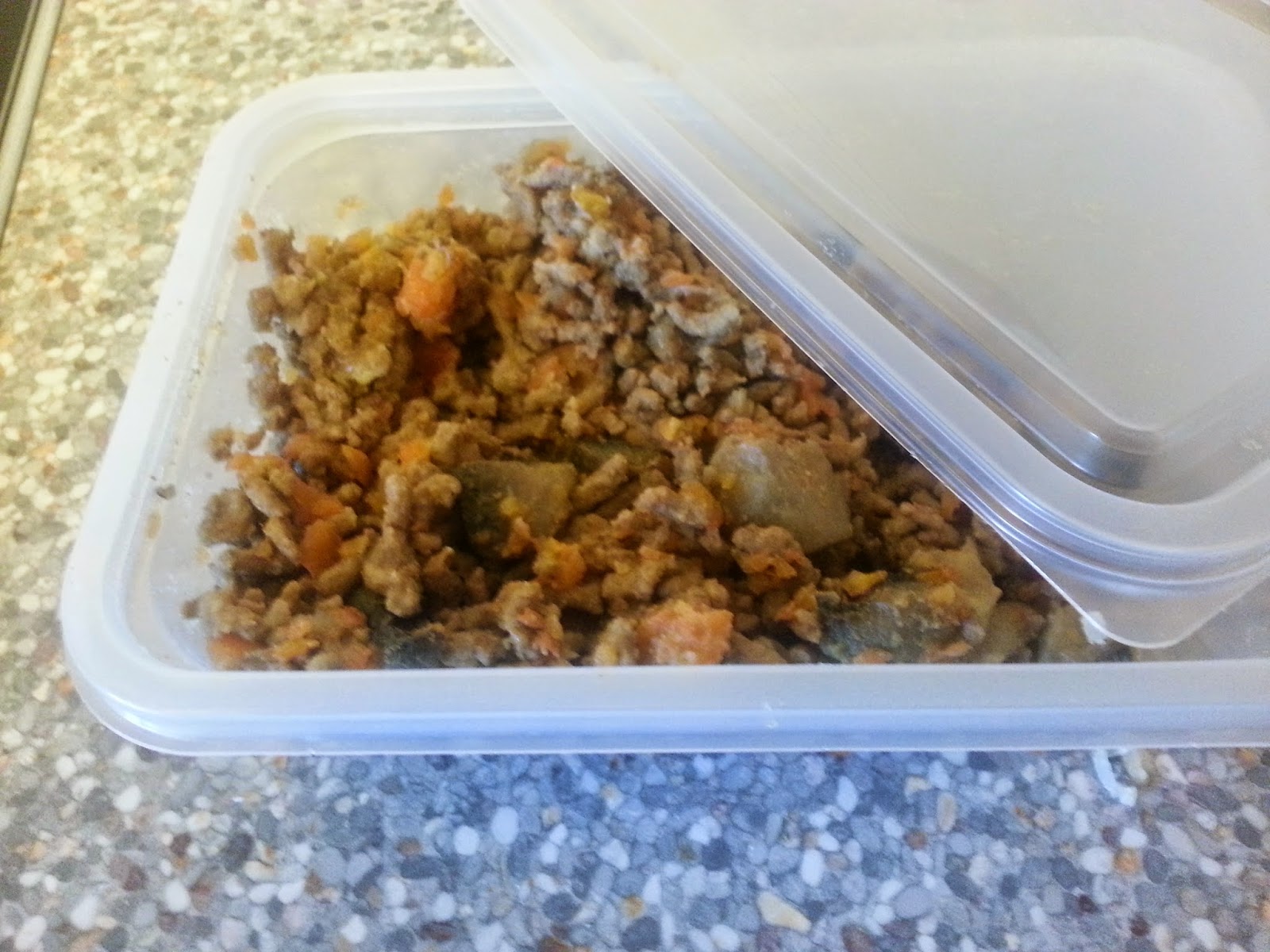
A clear glass storage container filled with beef bolognese sauce with the lid nearby, sitting on a kitchen counter with a spoon and folded towel

Common Questions

Is bolognese the same as spaghetti sauce?

Not quite. Bolognese is a meat-forward sauce that simmers low and slow and is often finished with milk. This version uses enough tomato to keep things cozy and familiar, but the beef still does the heavy lifting.

Do I have to use wine?

No. Wine adds depth, but you can swap it with beef broth. If you do, start with 1 teaspoon balsamic vinegar at the end, then taste and add more if you want a little extra pop.

Why is there milk in bolognese?

Milk softens tomato acidity and helps create a rounder, silkier sauce. It is not about making it creamy like Alfredo. It is about balance.

What pasta is best with bolognese?

Wide noodles are the move: pappardelle, tagliatelle, or fettuccine. Rigatoni also works great if you like sauce caught in little tunnels.

Can I make it in a slow cooker?

Yes, but still brown the beef and sauté the vegetables first for best flavor. Then transfer and cook on low 6 to 8 hours.

The first time I tried to make bolognese, I treated it like a normal weeknight meat sauce and wondered why it tasted fine but not special. The fix was not secret ingredients. It was patience and a couple small moves: letting the tomato paste caramelize a bit, deglazing properly, and simmering long enough that the sauce thickened into something that actually hugs the pasta. Now it is my go-to “cook once, eat twice” comfort meal. It makes the house smell like Sunday even when it is absolutely a Tuesday.