Mom's Best Recipes
Recipe

At-Home Demi-Glace

A deeply savory, glossy brown sauce base made from roasted bones, aromatic vegetables, and a long, gentle simmer.

Author By Matt Campbell
4.8
A small saucepan of glossy beef demi-glace being spooned over sliced steak on a white plate on a warm kitchen counter

Demi-glace sounds like something you only order in a restaurant where the lights are dim and the server says “reduction” like it is a love language. But here is the thing: it is just patience + roasted flavor + a little basic straining. If you can roast a pan of bones and let a pot quietly do its thing, you can make demi-glace.

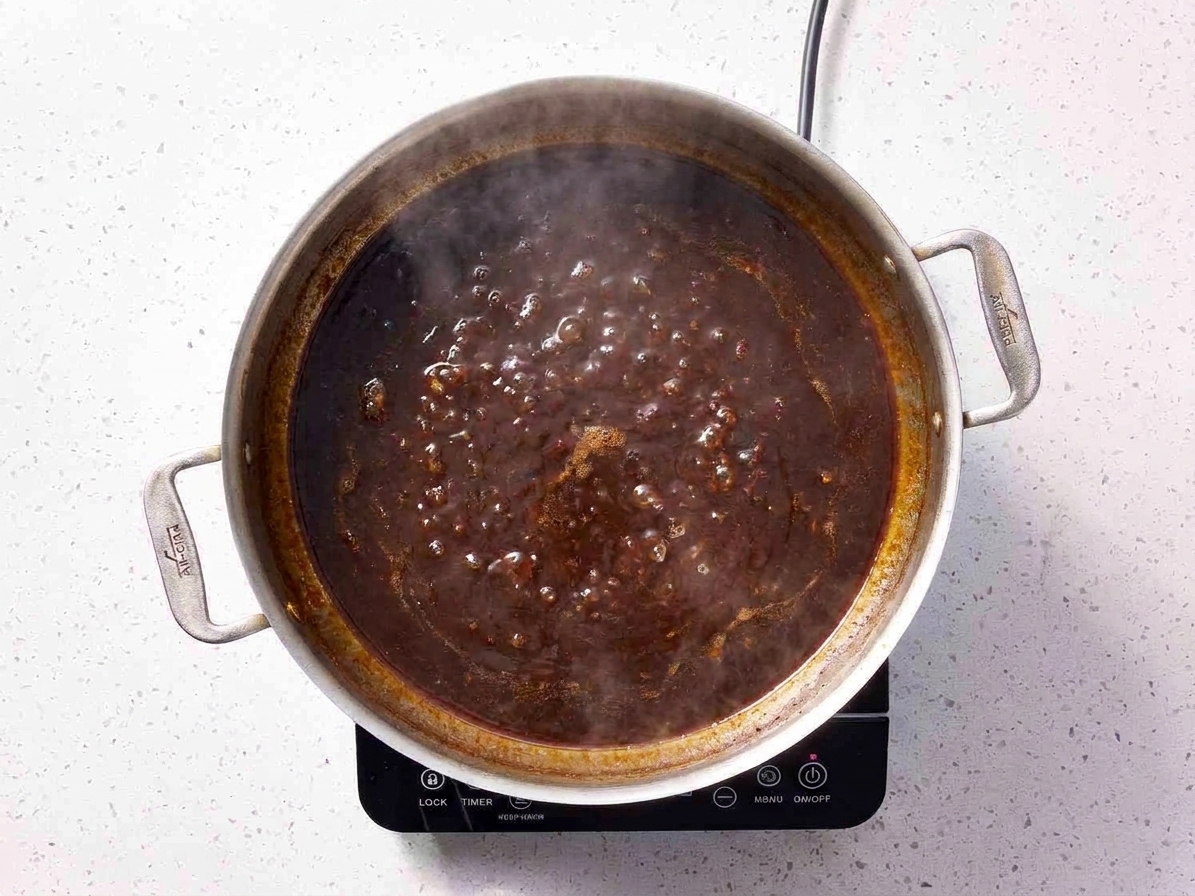
One note for the purists: the classical French version is reduced brown stock plus espagnole. This is the at-home version, where we build a serious brown stock and reduce it until it turns glossy and spoon-coating. Same vibe, same payoff, way more doable in a home kitchen.

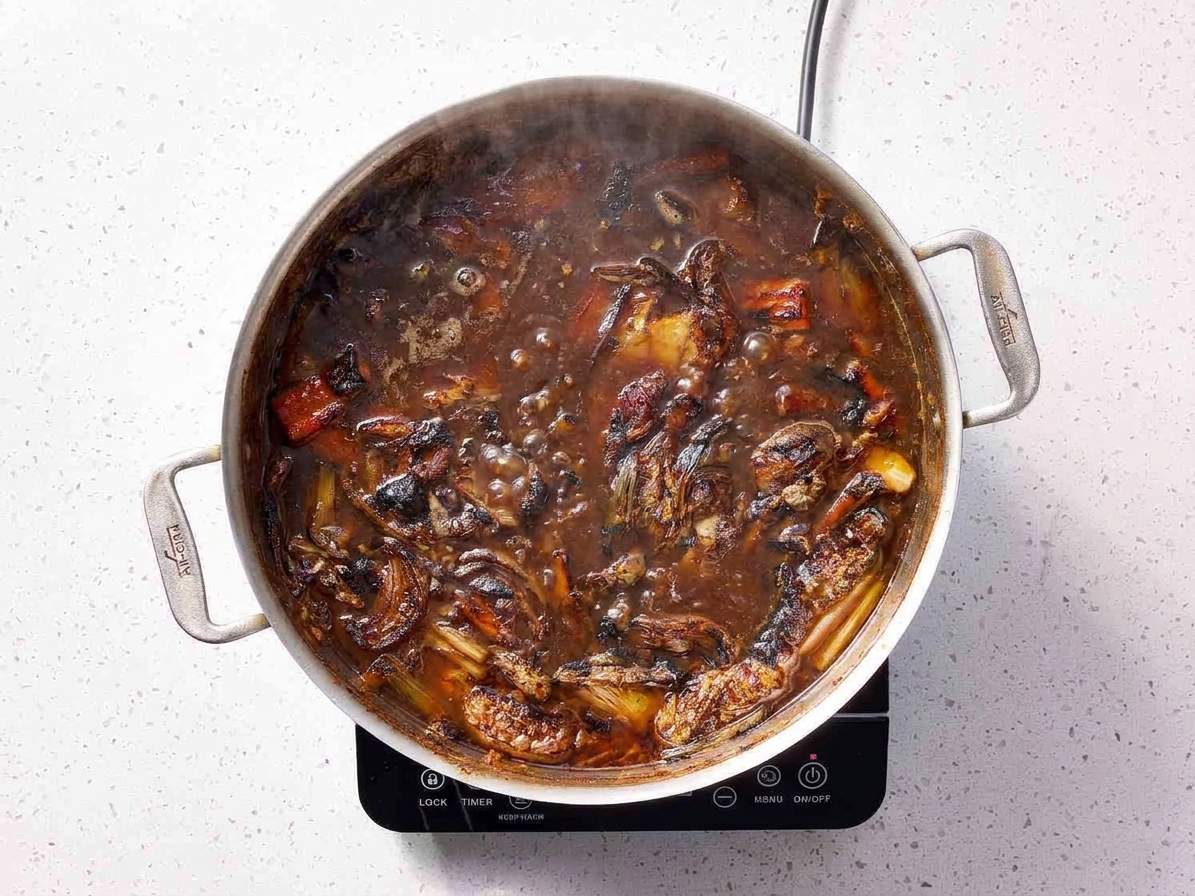
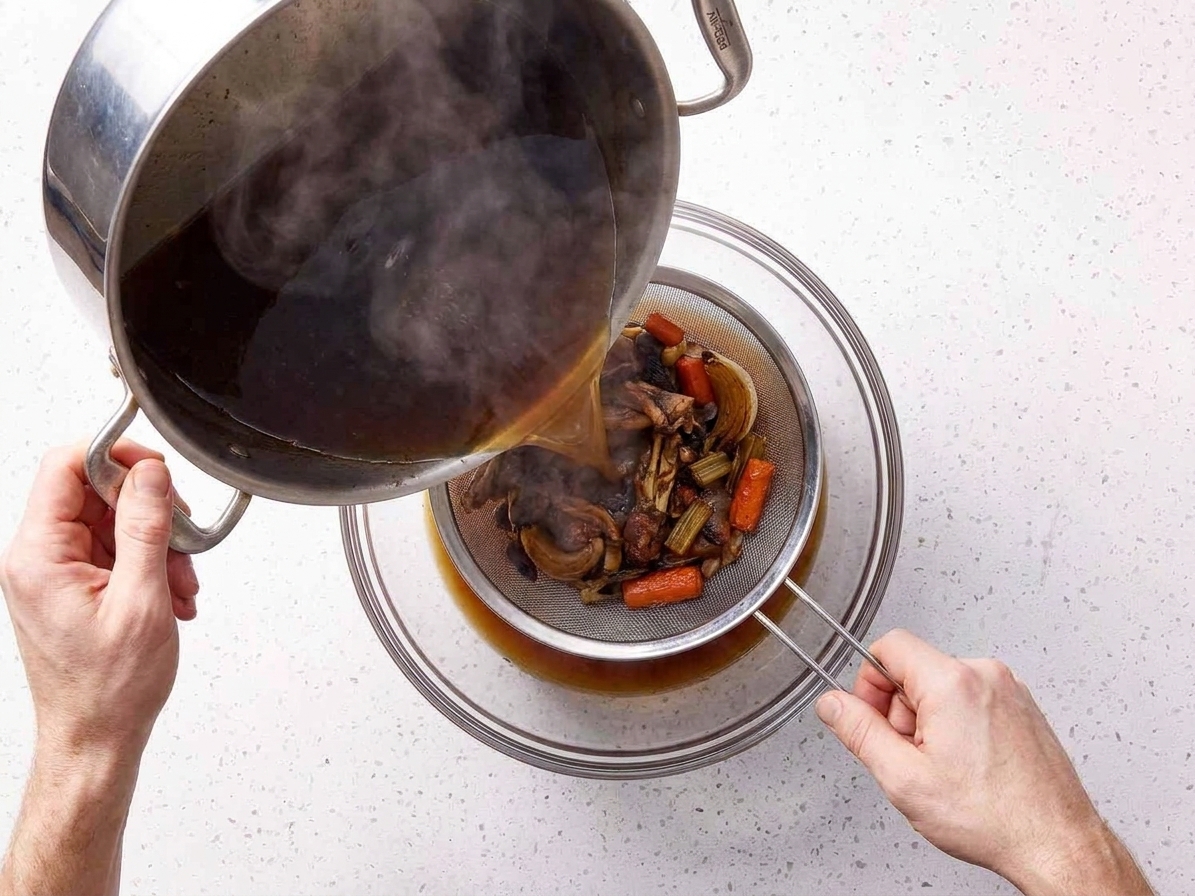
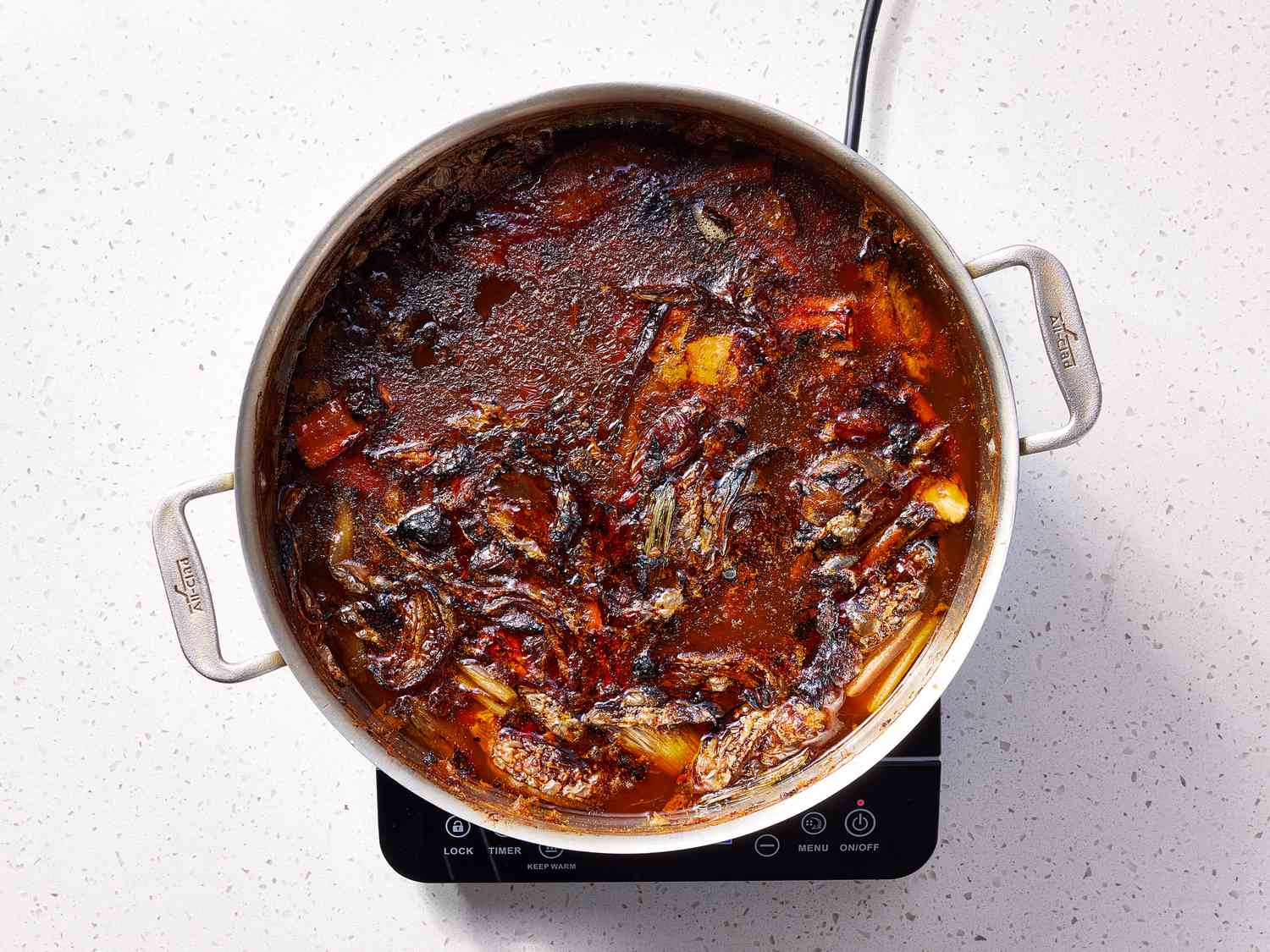
This is one of those kitchen projects that feels ambitious, but the work is mostly front-loaded. Roast everything hard, simmer gently, skim occasionally, then reduce until it turns into that shiny magic that makes weeknight steak taste like you tried harder than you did.
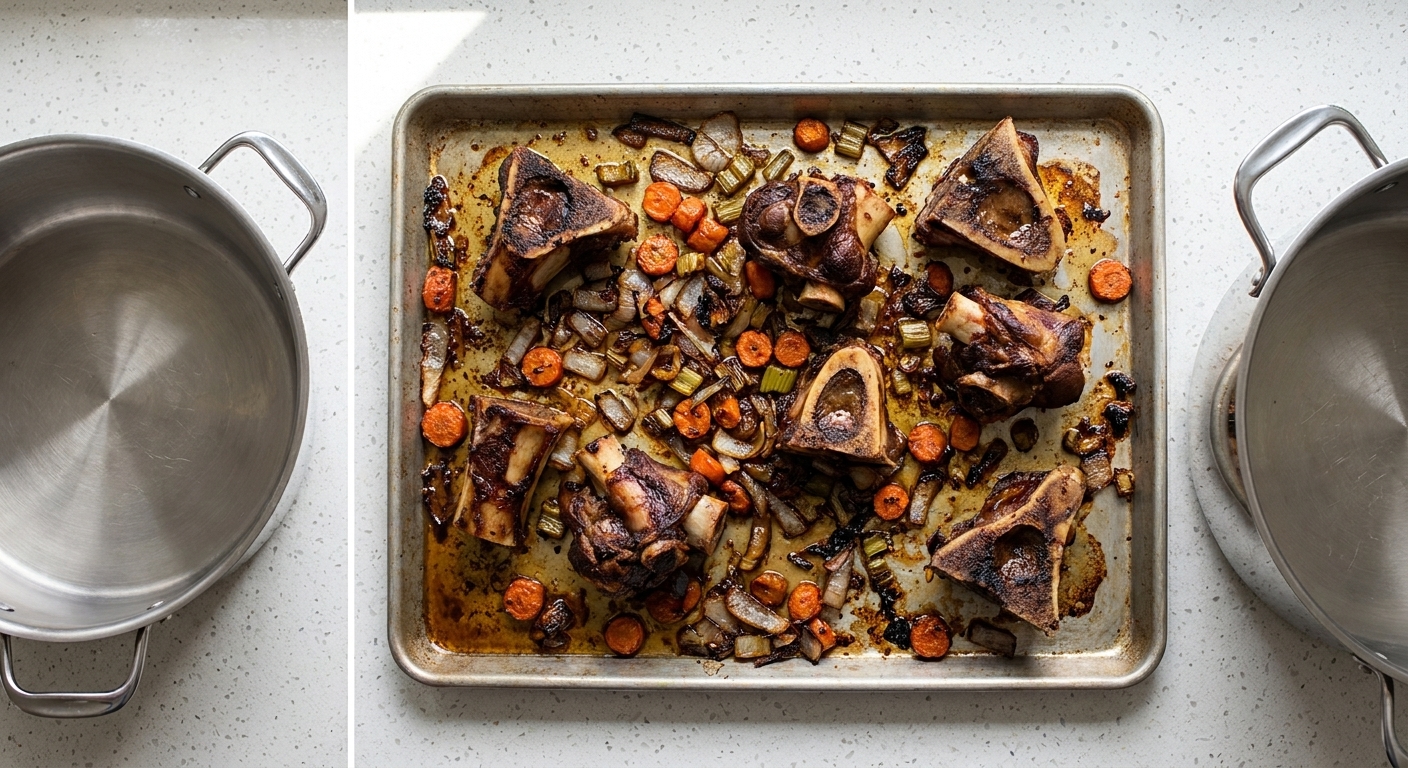
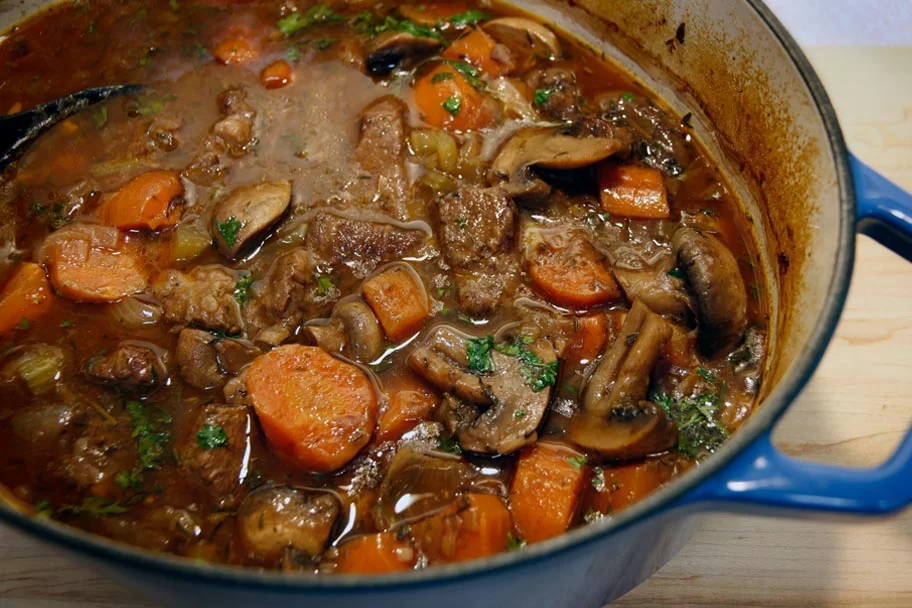
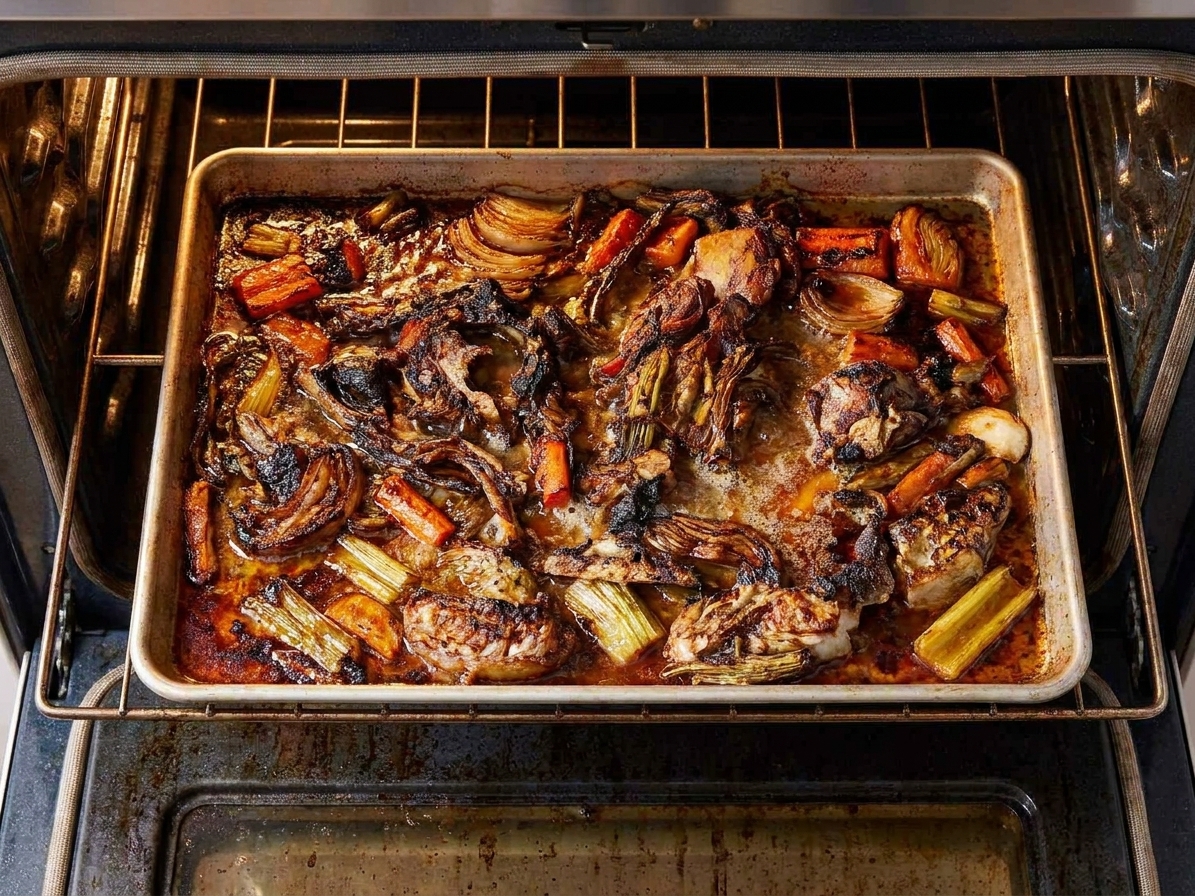
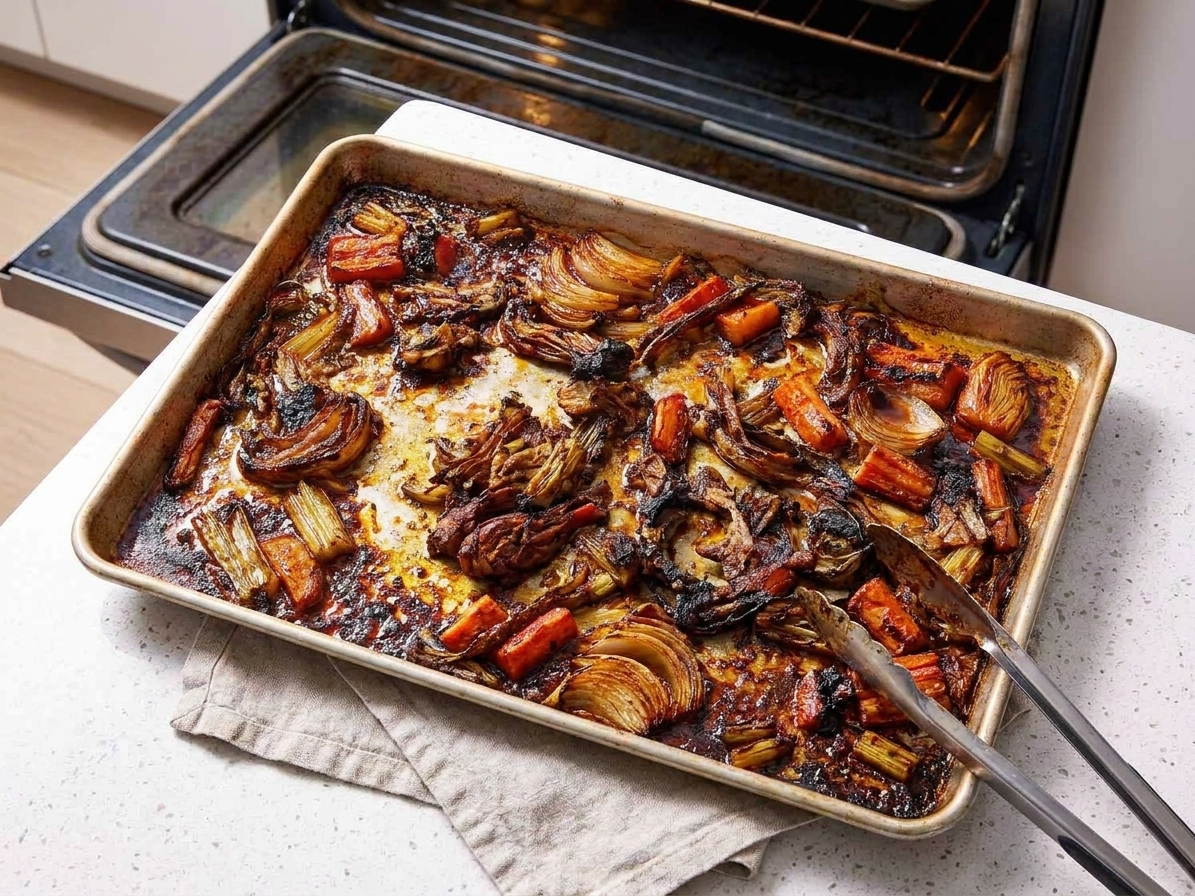
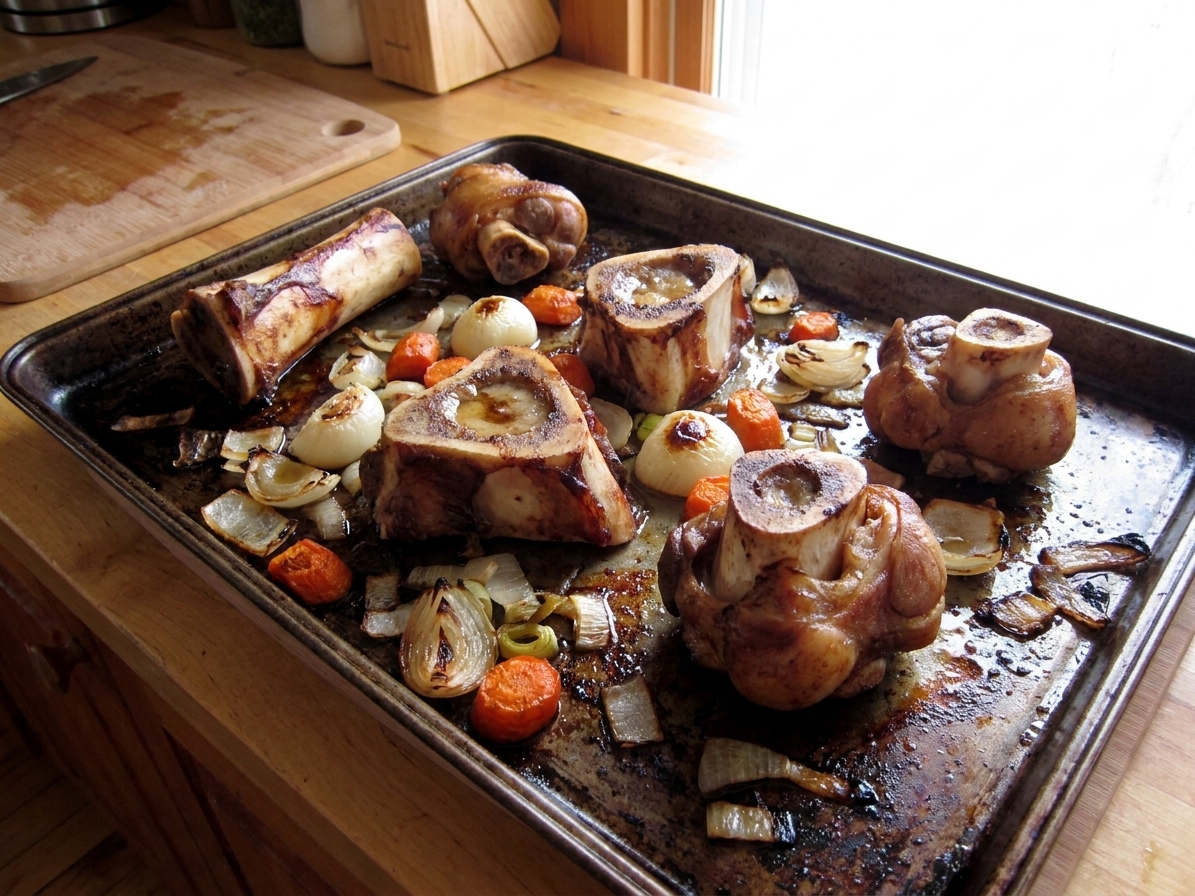
Roasted beef marrow and knuckle bones browned deeply on a sheet pan with caramelized bits, ready to go into a stockpot

Why It Works

  • Big roasted flavor: Roasting bones and tomato paste builds the deep, toasty base demi-glace is known for.
  • Silky texture without mystery: Collagen from knuckle or joint bones gives you that natural body so the sauce turns glossy as it reduces.
  • Freezer friendly: Make a batch once, freeze in small portions, and you have instant sauce power for months.
  • Versatile: Use it to fortify soups, finish pan sauces, or stir a spoonful into gravies and braises for extra depth.

Pairs Well With

Storage Tips

Cool it fast: Strained stock and demi-glace are safest when cooled quickly. Pour into shallow containers, or set the pot in an ice bath and stir. For extra caution, aim to cool it to about 70°F within 2 hours and to 41°F within 4 more hours. Do not leave it out overnight.

Refrigerator: Cool completely, then store demi-glace in an airtight container for up to 3 to 4 days. It will gel when cold. That is a good sign.

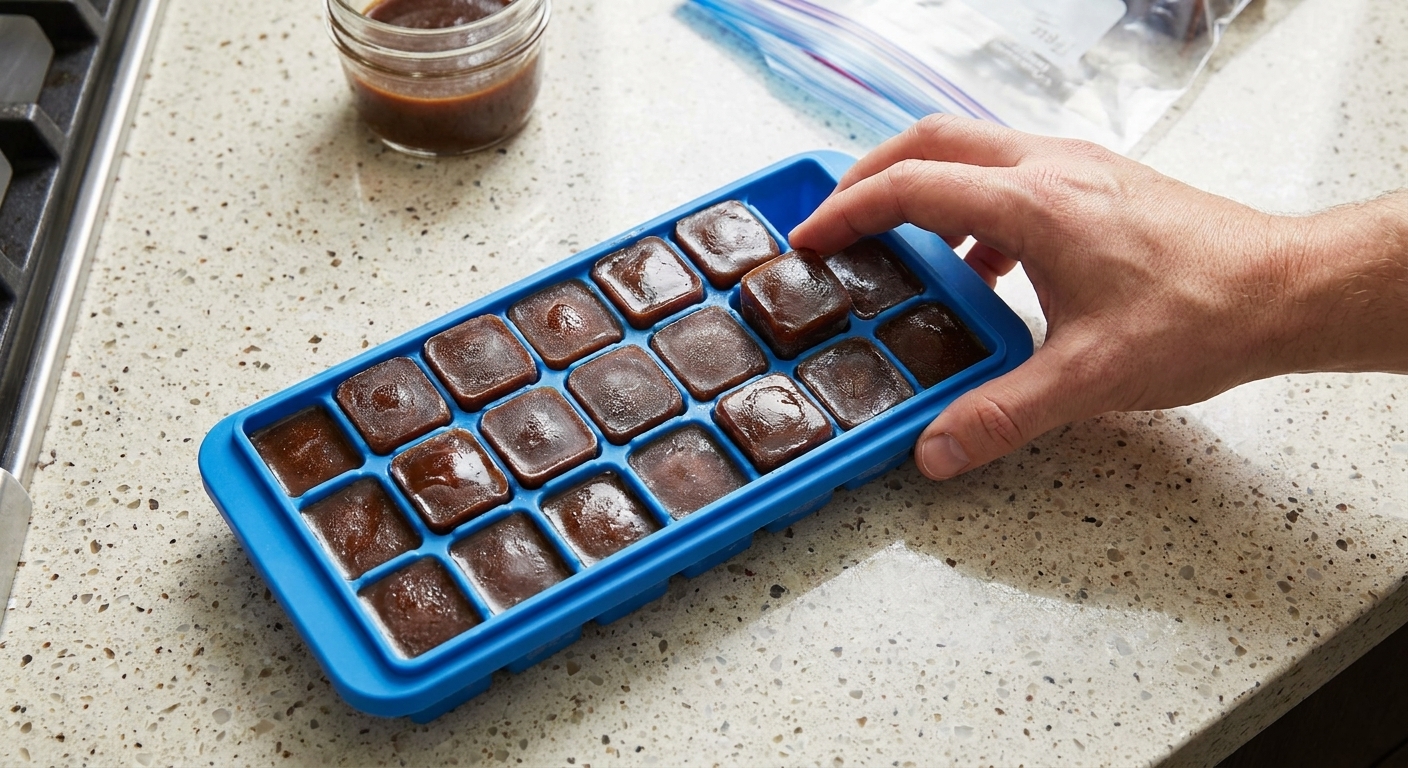
Freezer: Freeze in silicone ice cube trays or small deli containers. For best quality, use within 3 months, but it often keeps its quality closer to 6 months if well sealed.

Best reheating: Warm gently in a small saucepan over low heat. If it is too thick, whisk in a splash of water, stock, or wine until it loosens up.

Frozen demi-glace cubes in a silicone ice cube tray on a kitchen counter, ready for meal prep

Common Questions

What exactly is demi-glace?

Demi-glace is a concentrated brown sauce base made by simmering and reducing a rich brown stock, traditionally combined with espagnole sauce in classic French cooking. This recipe is the at-home demi-glace method, meaning a deeply flavored brown stock reduced until glossy and spoon-coating.

Is demi-glace the same as beef stock?

Not quite. Beef stock is the starting point. Demi-glace is stock that has been reduced until it is thicker, darker, and more intense. Think of stock as a supporting actor and demi-glace as the lead.

Do I have to add flour or a roux?

No. This recipe relies on collagen + reduction for body. You should end up with a natural sheen and thickness without a starchy taste.

Why did my demi-glace turn bitter?

Common causes are burned tomato paste, overly dark roasted veggies, or reducing too aggressively at high heat. Keep the simmer gentle, and during the final reduction, watch it like it owes you money.

How do I use demi-glace in a pan sauce?

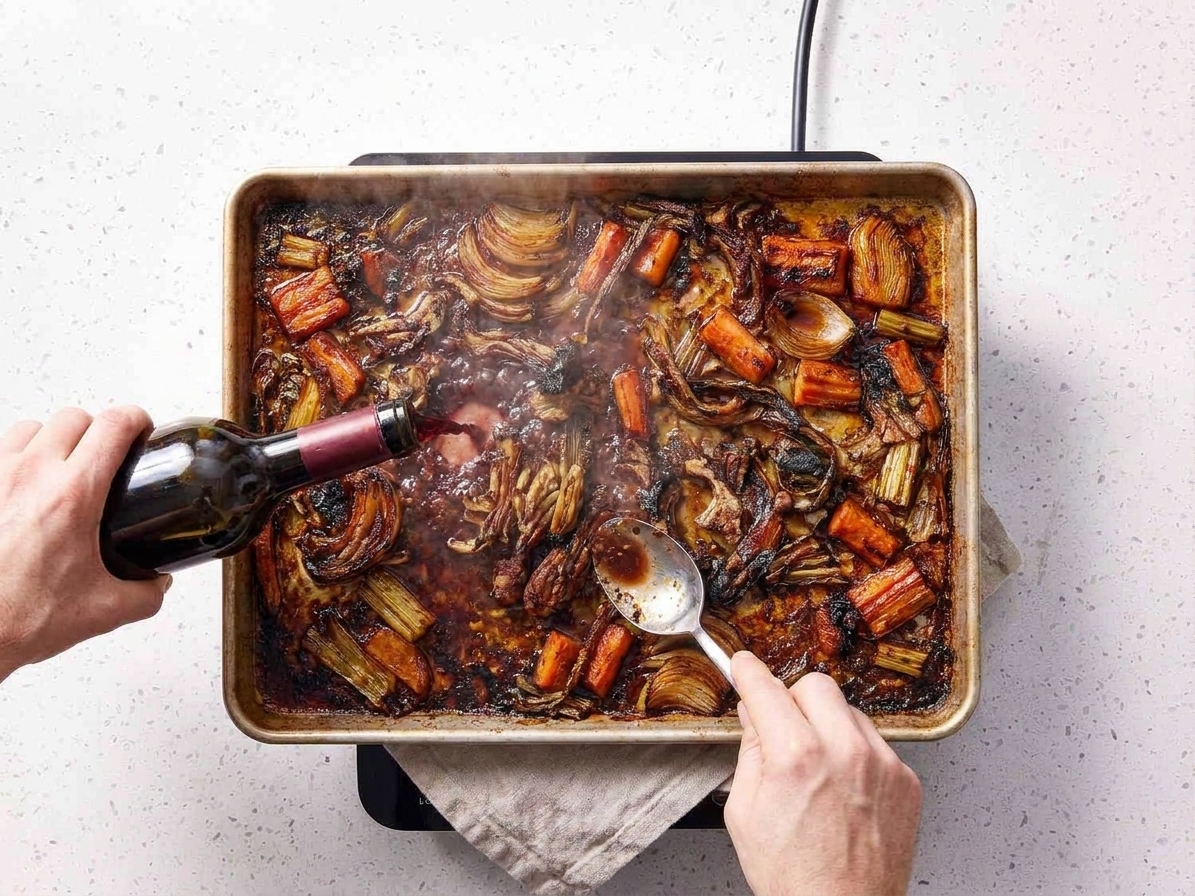
After searing meat, pour off excess fat, deglaze with wine or broth, then whisk in a spoonful of demi-glace and simmer until glossy. Finish with a small knob of cold butter if you want that restaurant shine.

Can I make this without veal bones?

Yes. Veal is traditional, but beef works beautifully. For the best gelatin, use knuckle, joint, or shank bones. Marrow bones add richness but not as much collagen on their own.

The first time I made demi-glace at home, I treated it like a weekend science project. Roasting bones made my kitchen smell like a steakhouse, and I kept checking the pot like it was going to do a trick. Hours later, it finally happened: the liquid turned darker, then glossy, then thick enough to coat a spoon. I dipped a piece of bread in it and just stood there chewing like, okay, wow. Now I keep a stash of frozen cubes because nothing makes a quick dinner feel more intentional than a little homemade sauce magic.