Mom's Best Recipes
Recipe

Classic Egg Custard

Silky vanilla custard baked in a water bath, finished with nutmeg and zero drama.

Author By Matt Campbell
4.8
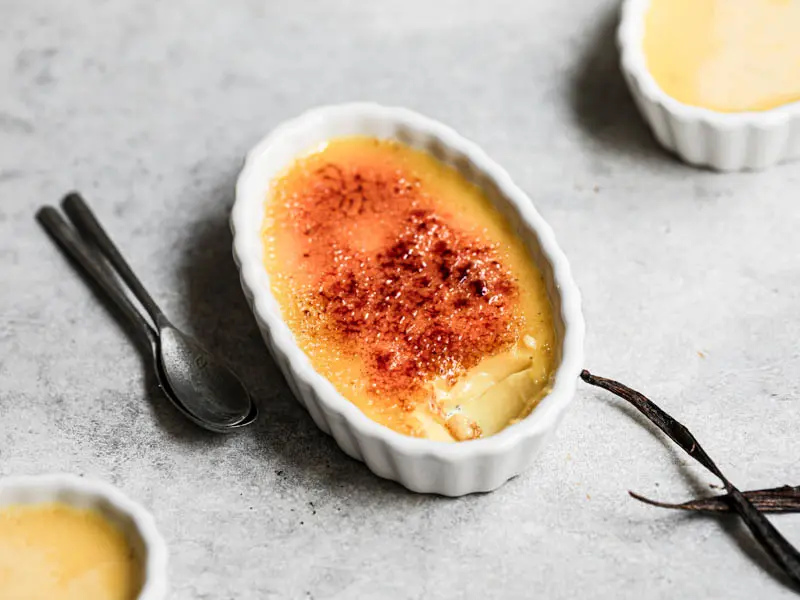
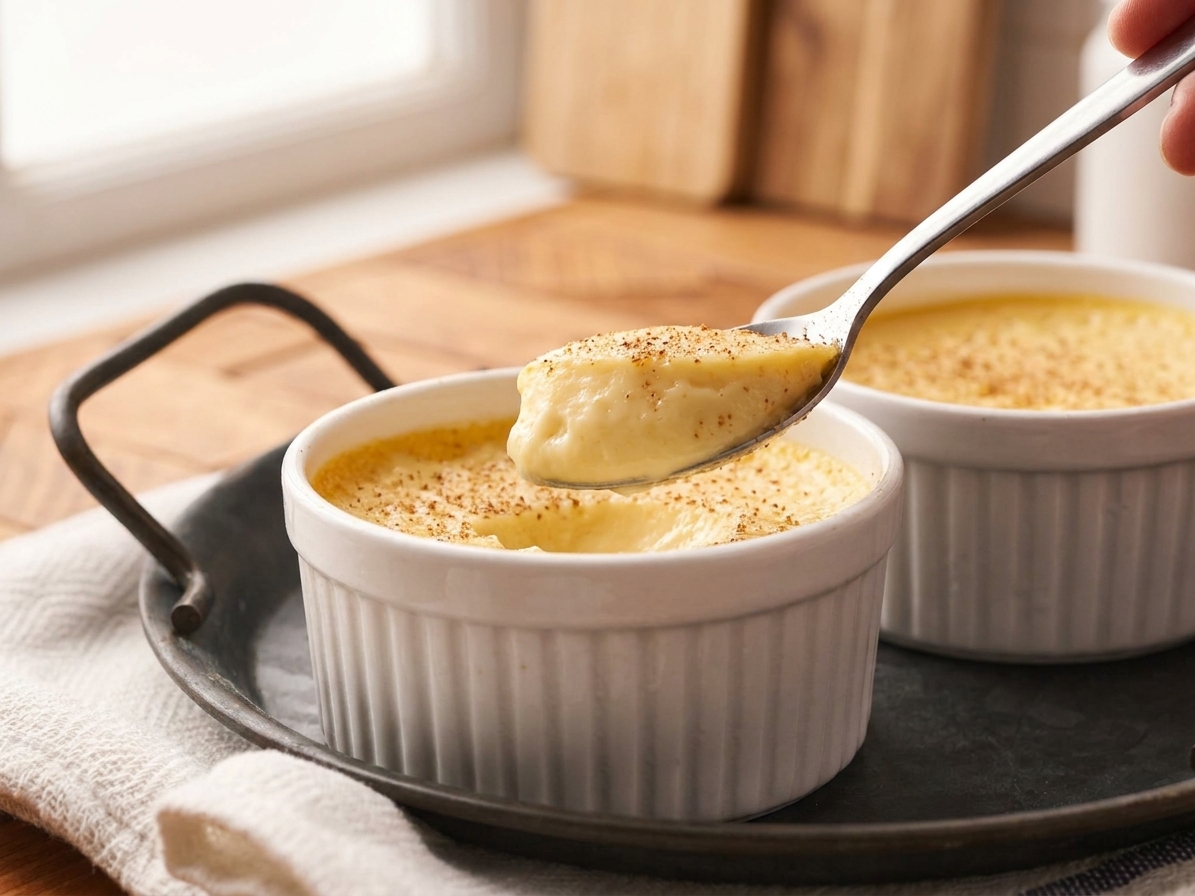
Four small ramekins of baked egg custard with lightly browned tops and a dusting of nutmeg on a neutral linen napkin on a warm kitchen counter, natural window light

Egg custard is one of those quietly great desserts that never needs to show off. It is just milk, eggs, sugar, and vanilla, baked until it goes from liquid to spoonable silk. Done right, it tastes like a cozy hug and has that gentle wobble that makes you feel like you absolutely nailed it.

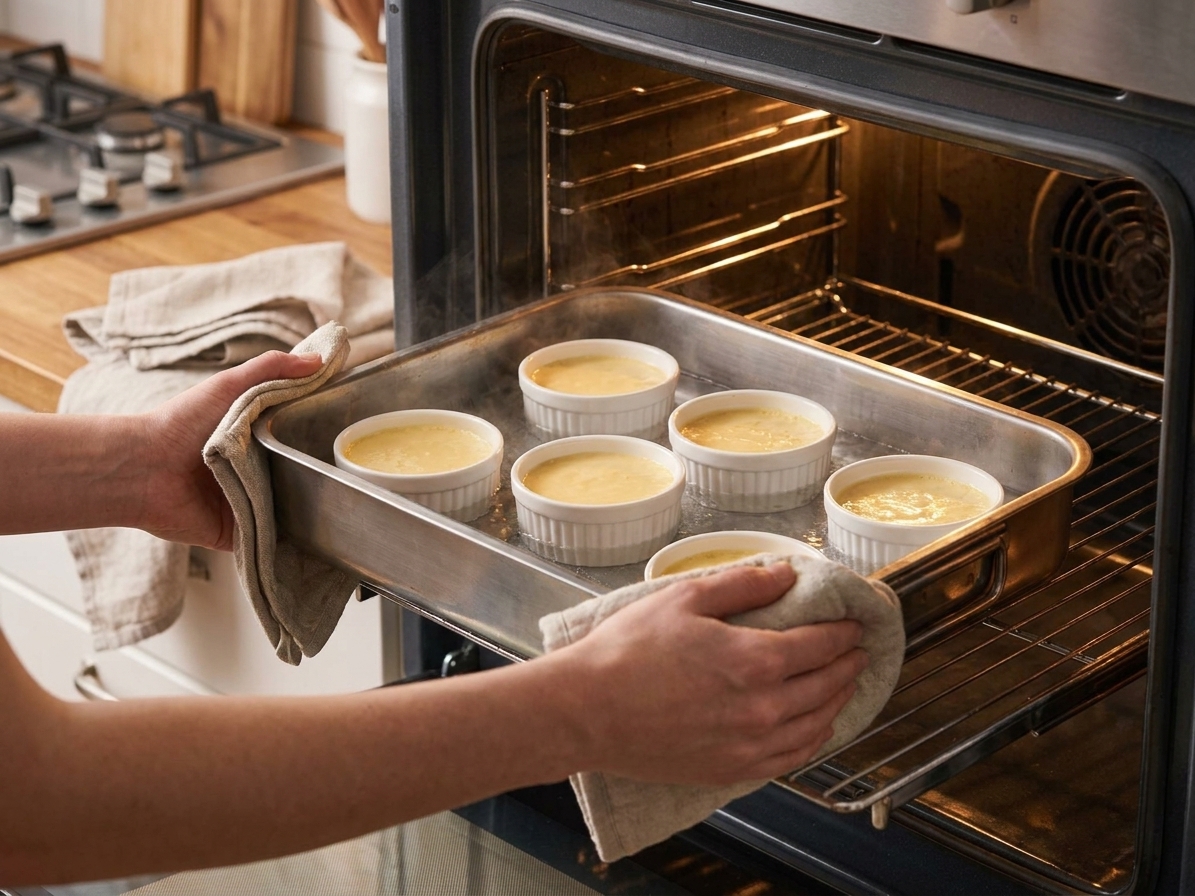
This version is the classic baked kind, not stovetop pudding style. The big secret is low heat and a water bath. That combo keeps the custard creamy and prevents the dreaded scrambled-egg texture. We are going for tender set, not rubber.

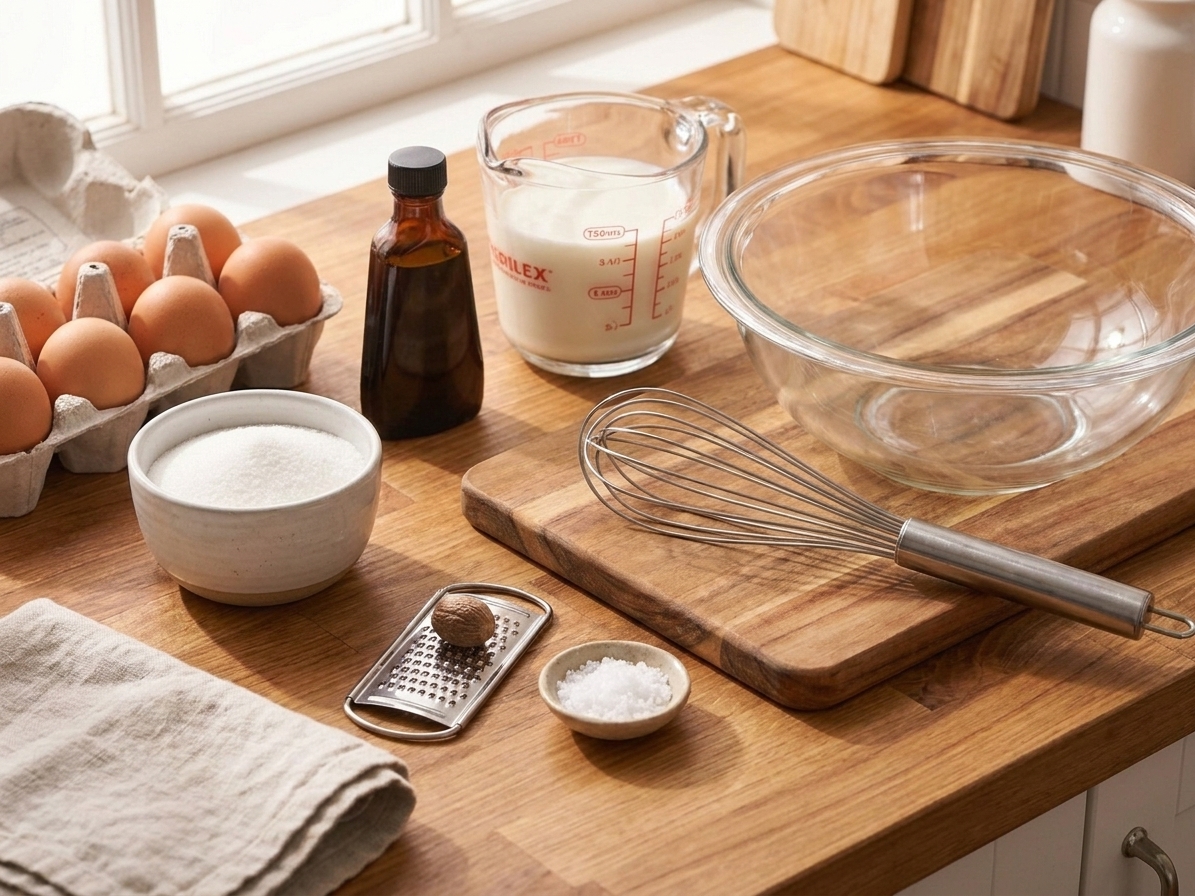
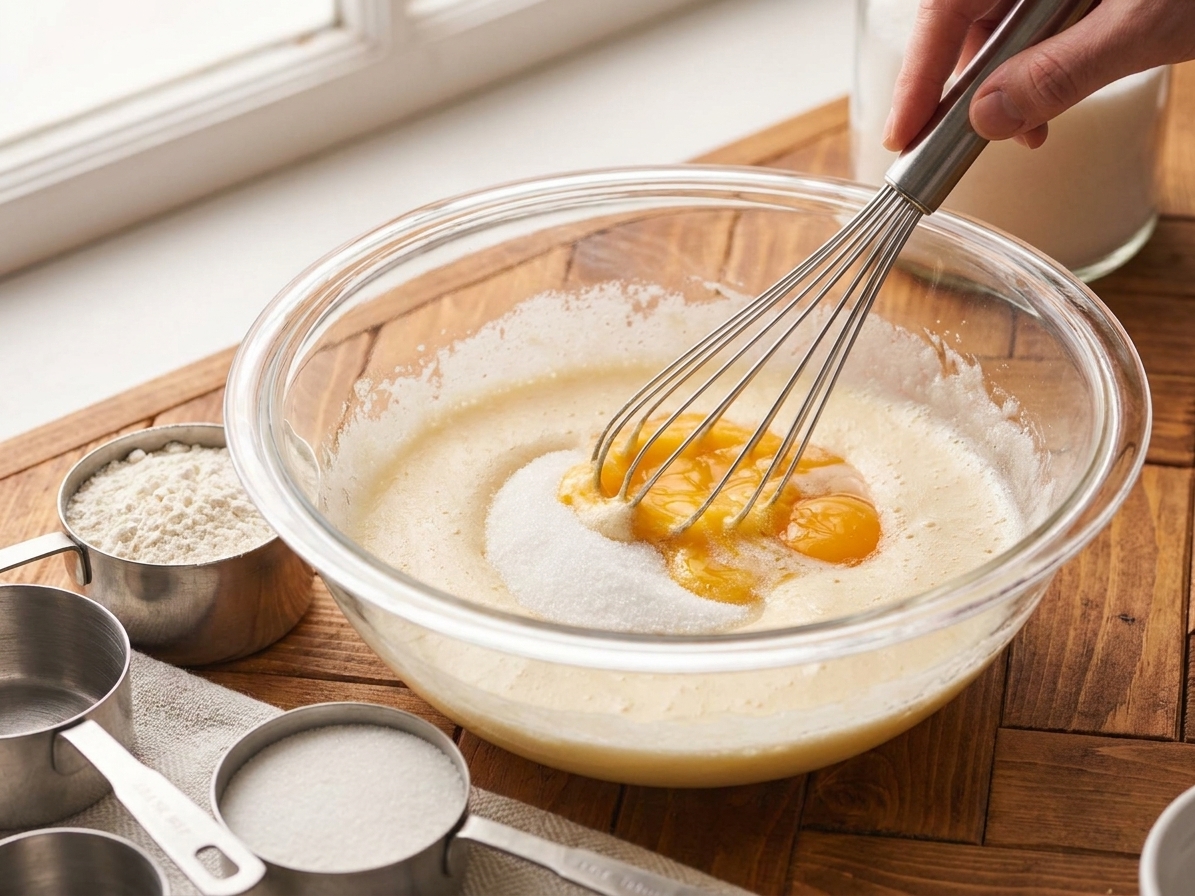
Whole eggs, sugar, vanilla extract, milk, nutmeg, and salt measured on a tidy kitchen counter with a whisk and mixing bowl, warm natural light

Why It Works

  • Silky texture: Gentle baking plus a water bath protects the eggs from high heat so the custard sets smooth.
  • Bright, clean flavor: Vanilla and a pinch of salt make the dairy taste sweeter and more “custardy.”
  • No curdling: Warming the milk and tempering the eggs keeps everything calm and cohesive.
  • Consistent results: You will know exactly when it is done by the jiggle test plus a helpful temperature target.

Pairs Well With

Storage Tips

How to Store Egg Custard

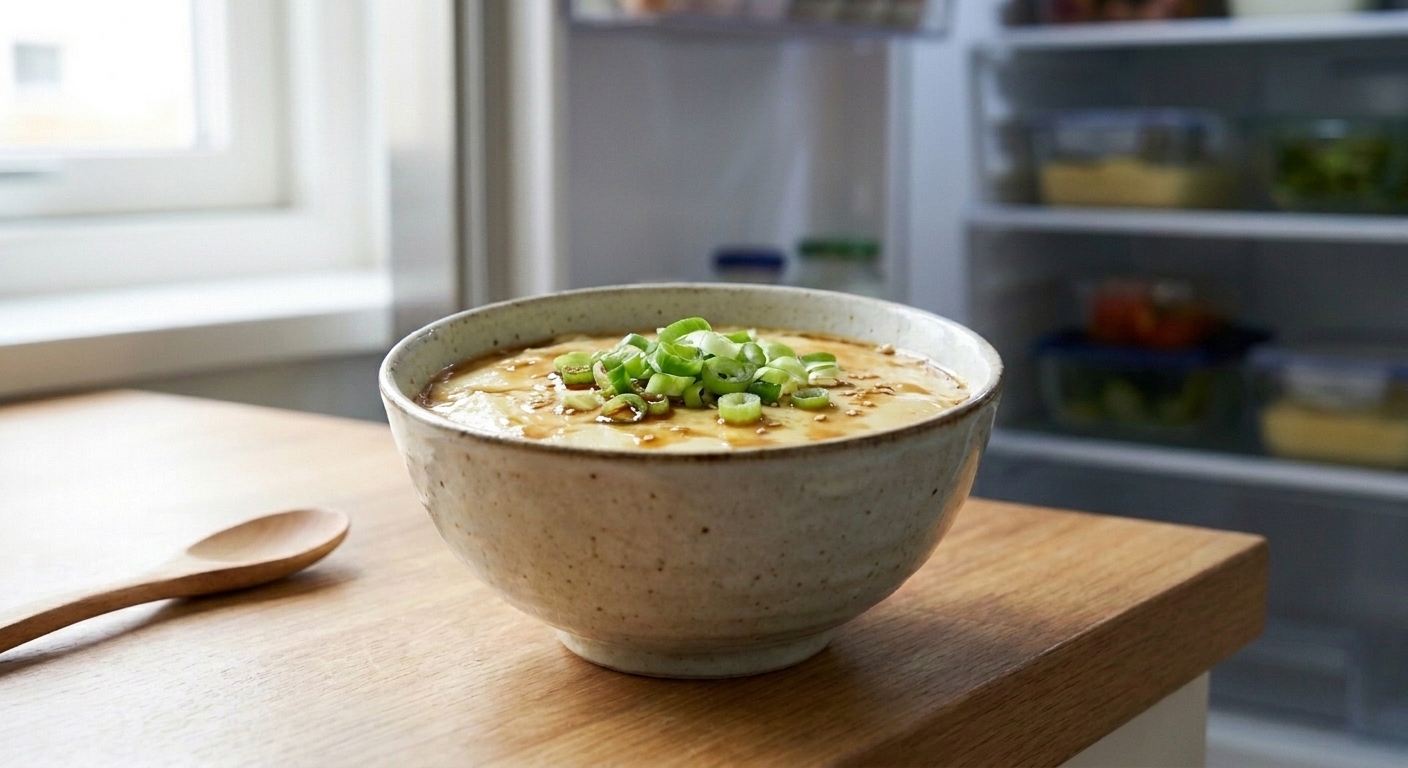
  • Refrigerate: Cover each ramekin (or the whole baking dish) and refrigerate up to 3 days.
  • Make ahead: Custard is happiest after a good chill. Make it the day before and serve straight from the fridge. If you want the nutmeg to really pop, add a fresh dusting right before serving.
  • Serve: Custard is best chilled or just barely cool. If you want it warm, use gentle heat, not the microwave on high.
  • Reheat (if you must): Place ramekins in a baking dish with warm water and heat at 300°F for 8 to 12 minutes, just until slightly warmed through.
  • Freezing: Not ideal. Custard tends to weep and turn grainy after thawing.

Common Questions

Common Questions

How do I know when egg custard is done?

The jiggle test is the main thing. The edges should be set, and the center should still have a gentle wobble, like Jell-O that is trying to act casual. If you have an instant-read thermometer, pull it when the center hits around 170°F (up to 175°F if you like it a touch firmer). Remember it will keep setting as it cools.

Why did my custard turn watery?

Most often it is overbaking or baking at too high a heat, which causes the eggs to tighten and squeeze out liquid (weeping). A water bath helps, but it also matters that the water stays hot, not boiling. Rapid chilling can make weeping more noticeable, so let it cool gradually before refrigerating.

Why is my custard grainy or curdled?

That is heat being too aggressive. Use the water bath, keep the oven at 325°F, and avoid a bubbling or boiling water bath. Also strain the custard before pouring for the smoothest texture.

My custard has bubbles on top. How do I fix that?

Totally normal. After straining, let the mixture sit for a minute, then skim any foam off the surface. You can also tap the filled ramekins gently on the counter to pop bubbles before baking for a smoother top.

Can I make this without ramekins?

Yes. Use a 1 to 1.5 quart baking dish. The bake time will usually be a bit longer, and the jiggle test matters more than the clock.

Can I use half-and-half or cream?

Absolutely. Swapping some milk for half-and-half makes it richer. Just keep the bake gentle. Higher fat is more forgiving, but it can still overbake.

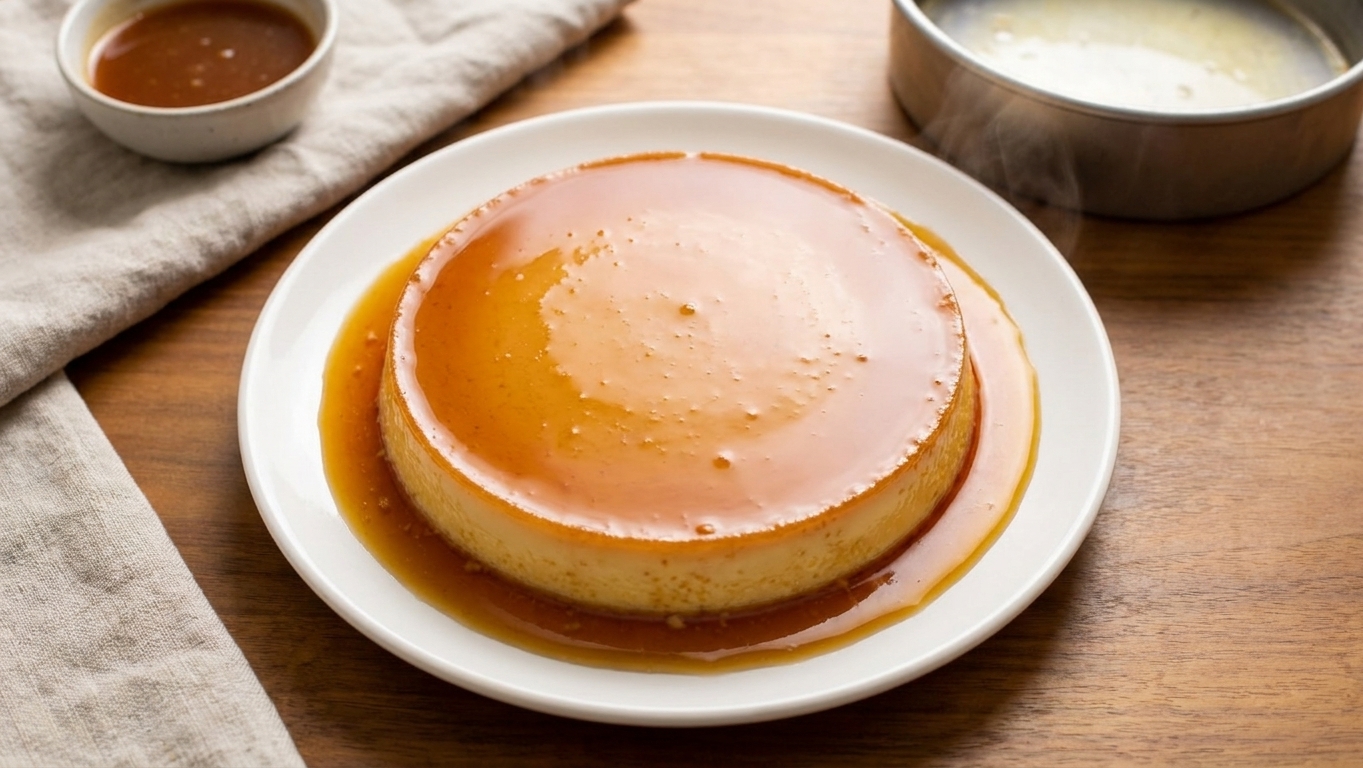
What is the difference between egg custard and flan?

Flan is a custard too, but it is typically baked with a caramel layer and unmolded. This egg custard is served right in the dish, with nutmeg on top and a softer, homey vibe.

Can I make it ahead?

Yes, and it actually gets better. Bake it, cool it, then refrigerate. It is great after 2 hours and even better the next day. Add nutmeg right before serving if you want the freshest aroma.

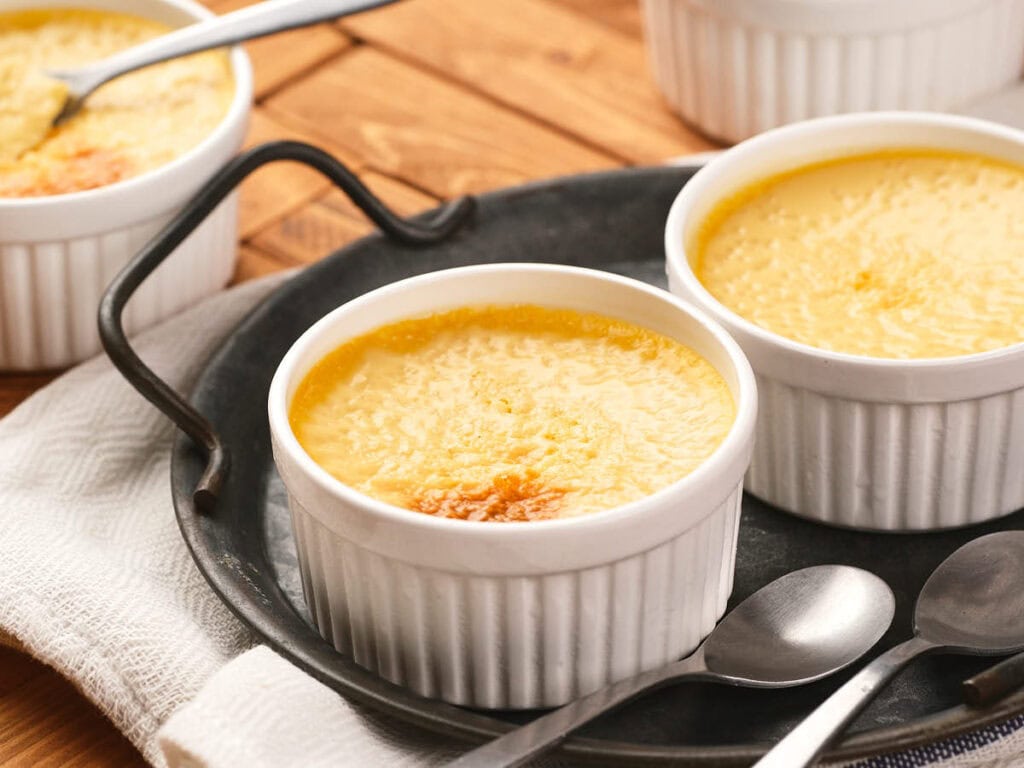
I used to think egg custard was one of those “grandma desserts” you only ate politely. Then I made it myself and realized it is basically the original comfort food cheat code: a handful of pantry ingredients, minimal dishes, and it comes out tasting like vanilla toast dreams. Also, nutmeg on top feels fancy even when you are wearing sweatpants and eating it straight out of the ramekin at the counter. No judgment. That is literally the point.