Mom's Best Recipes
Recipe

Classic German Schnitzel

Crispy, golden cutlets with a bright lemon finish and that signature crunchy crust.

Author By Matt Campbell
4.8
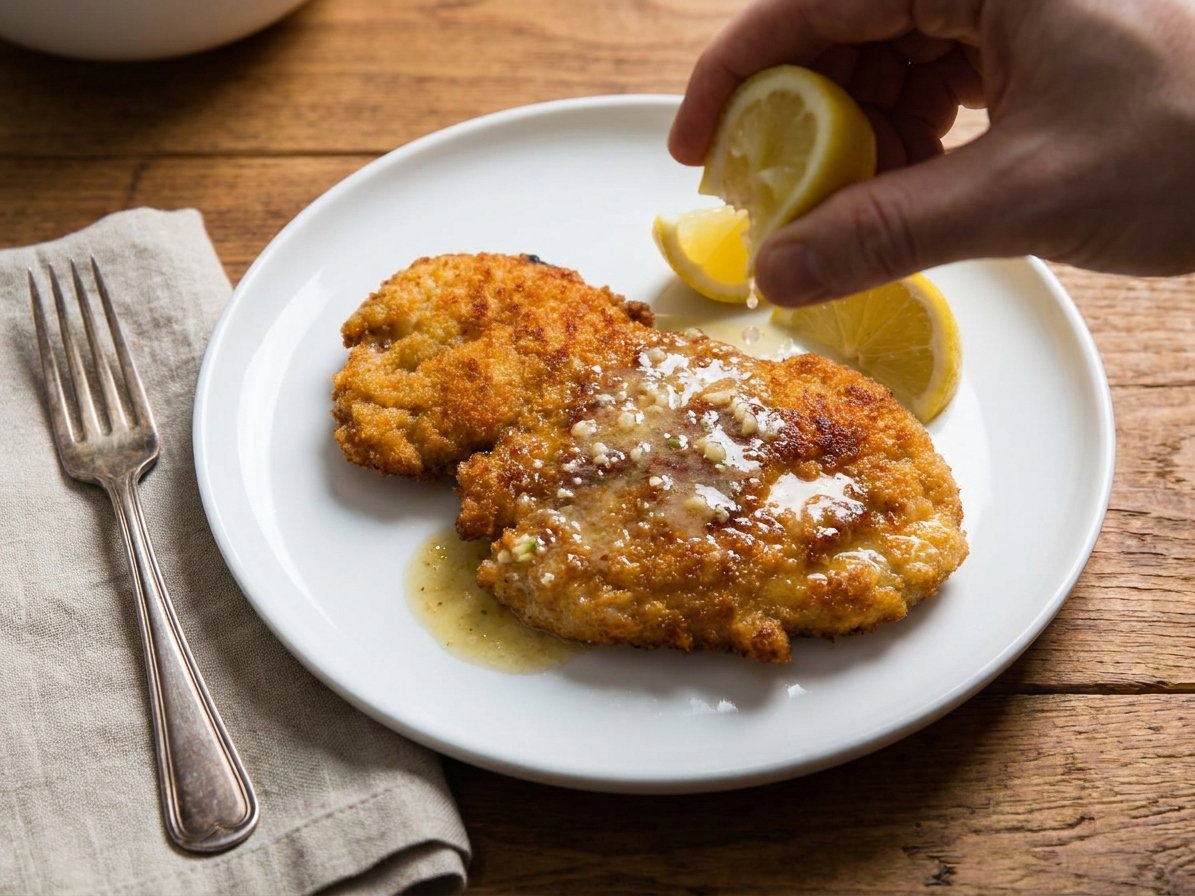
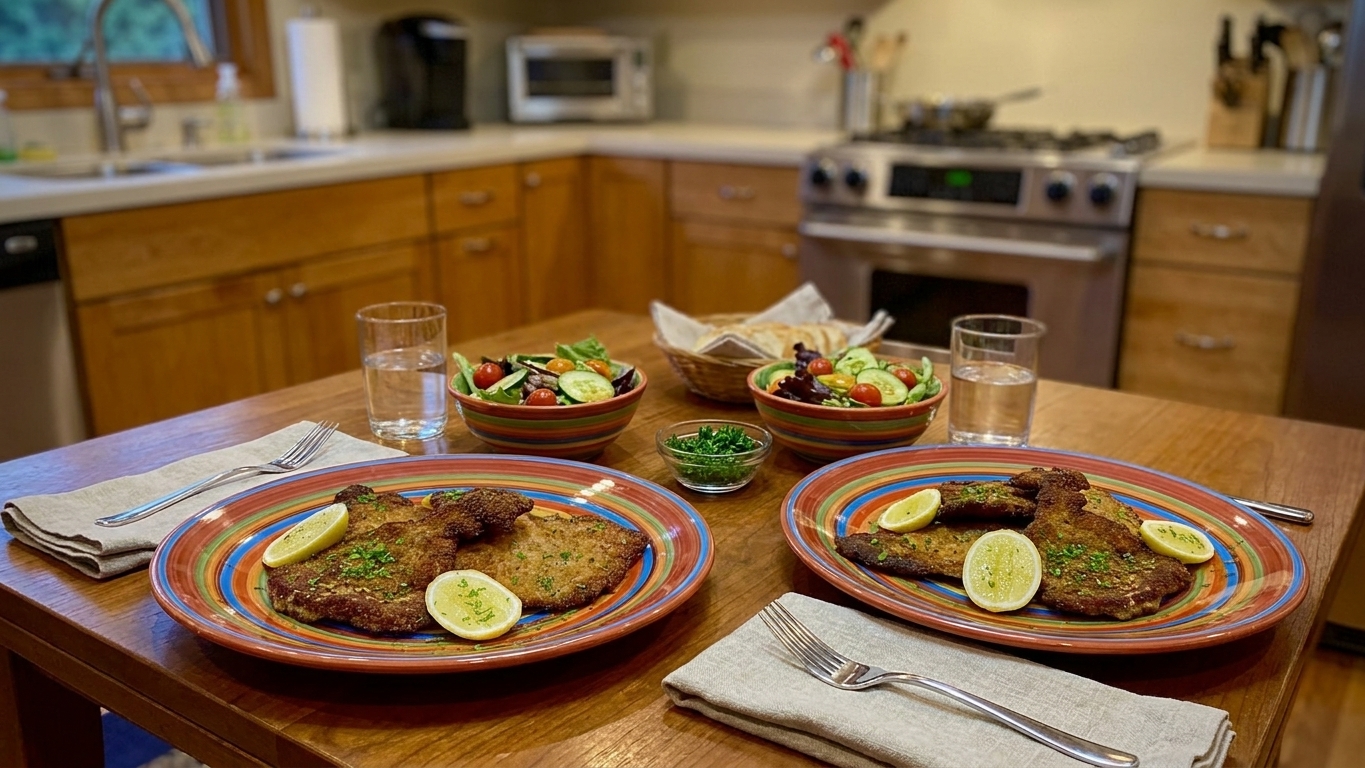
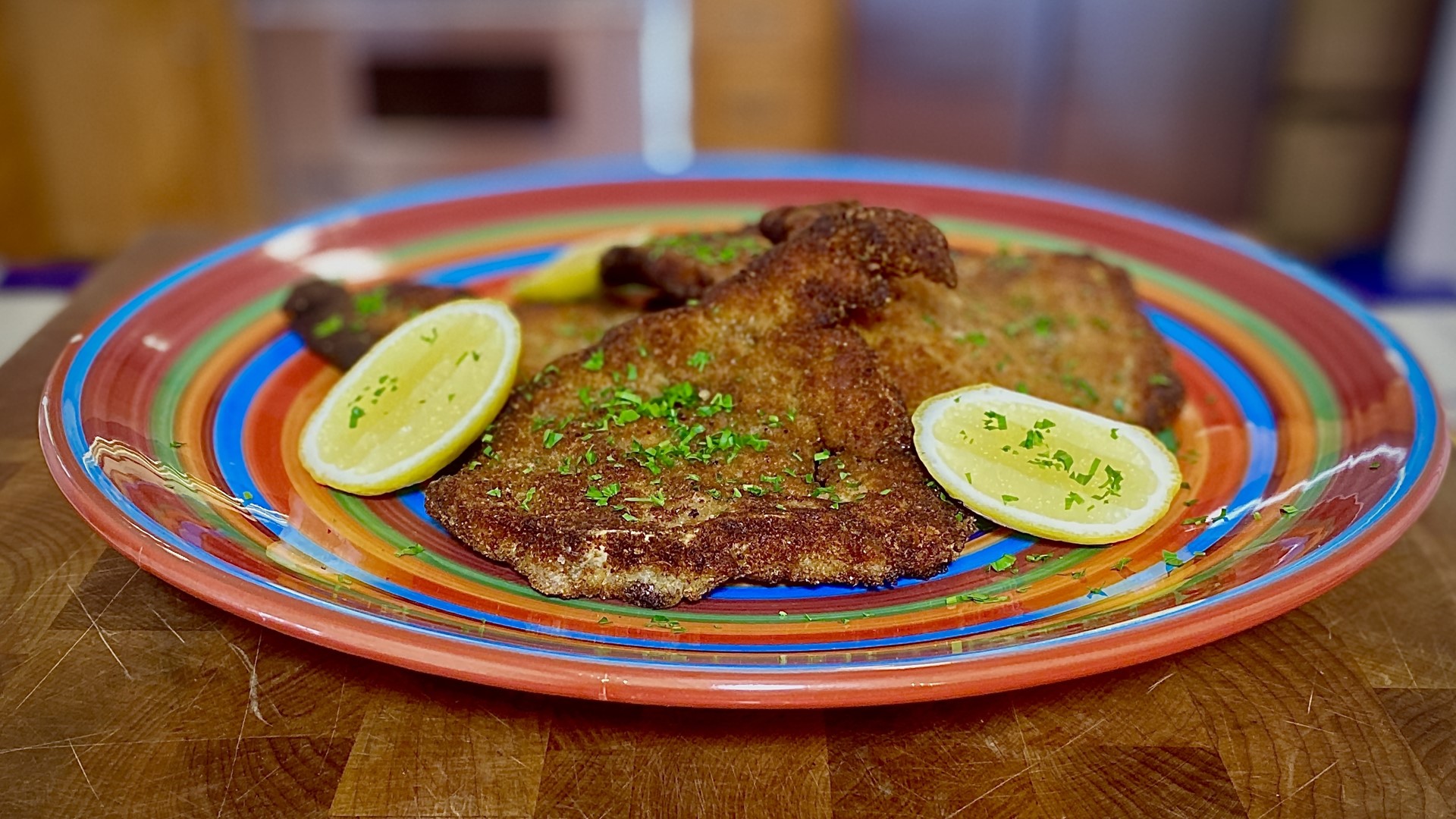
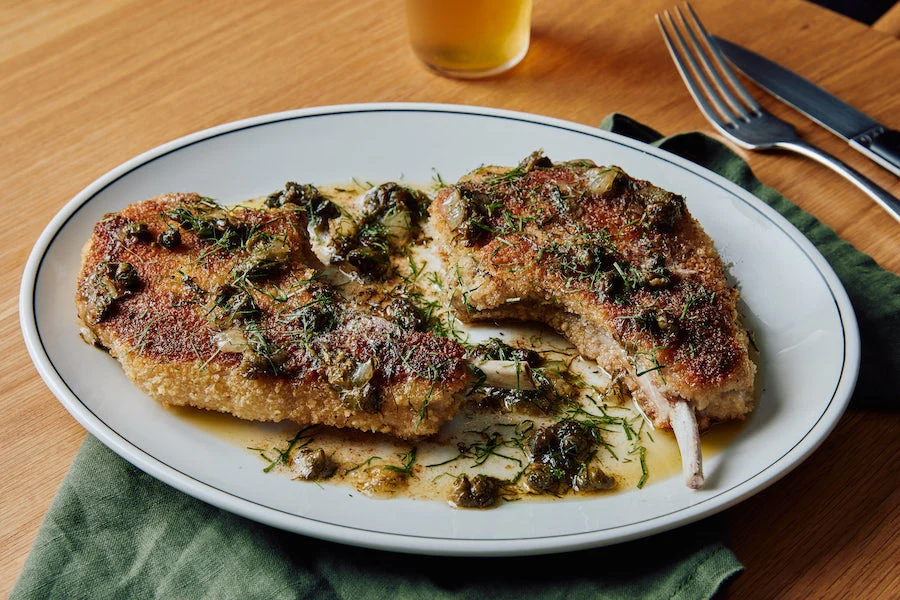
A plated German schnitzel with a crisp golden crust, lemon wedges, and chopped parsley on a simple white plate on a warm kitchen table

German schnitzel is one of those dishes that feels fancy at the table but is basically a weeknight magic trick: thin cutlets, a quick flour–egg–breadcrumb situation, and a shallow fry that turns everything into a golden, crackly dream. It is cozy and crisp at the same time, and that lemon squeeze at the end is the move that wakes the whole thing up.

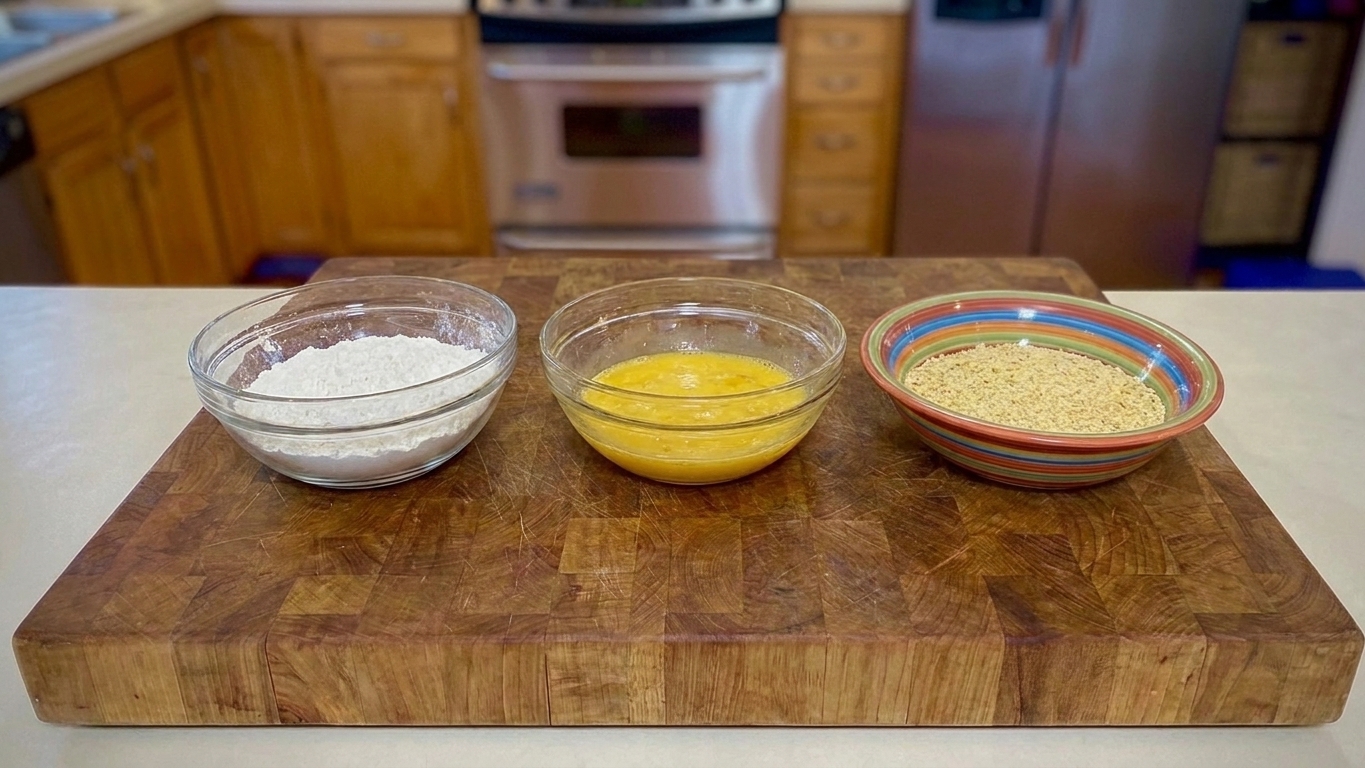
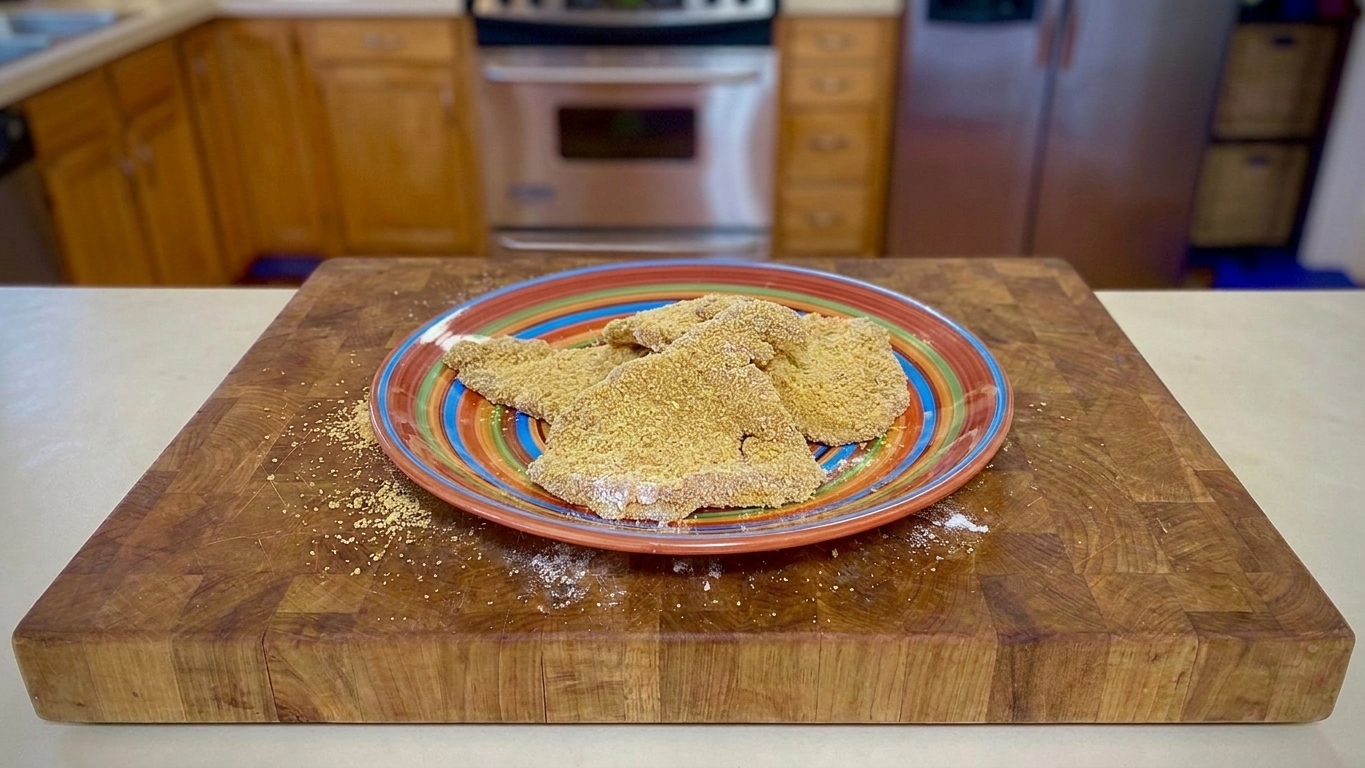
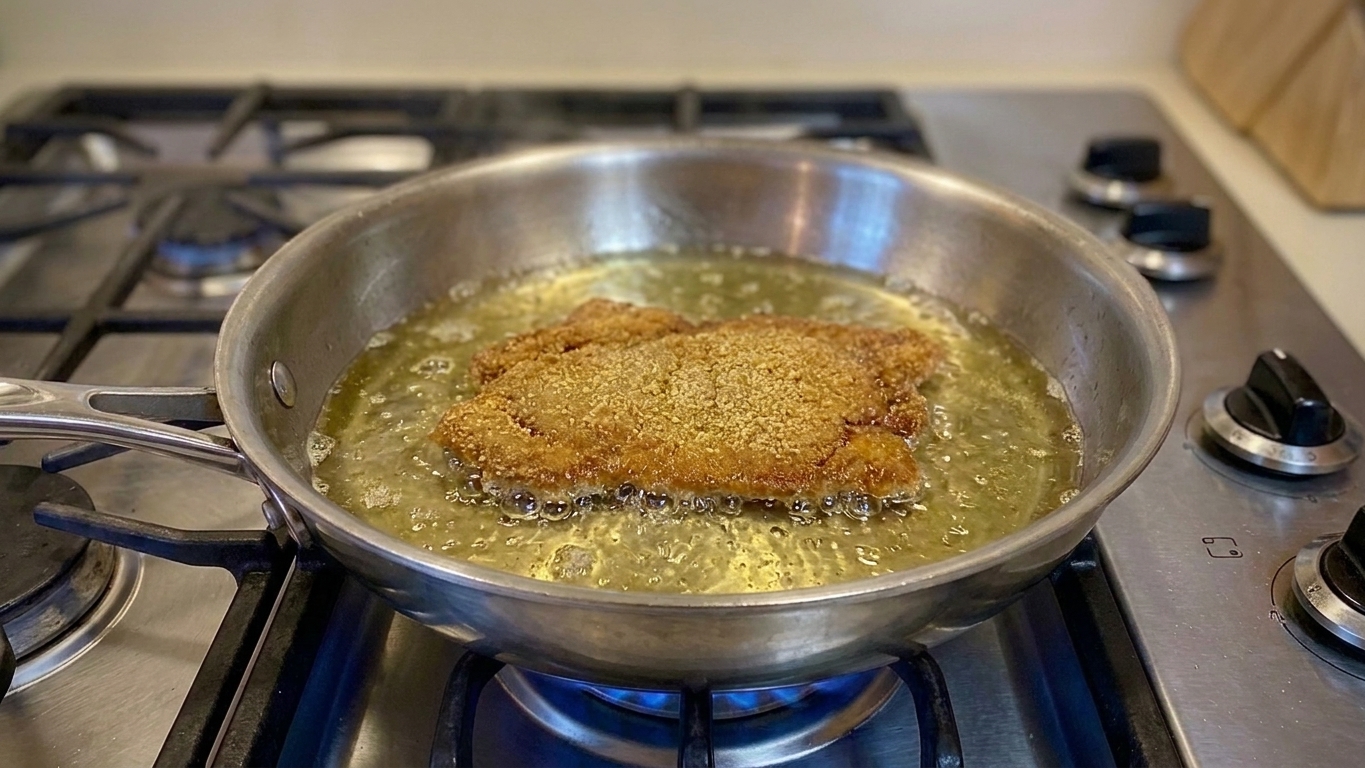
Below is my go-to classic German-style schnitzel that works beautifully with pork (most common), chicken, or veal. The biggest goal is simple: keep the breading dry enough to get crispy, and fry hot enough to blister and brown without burning.
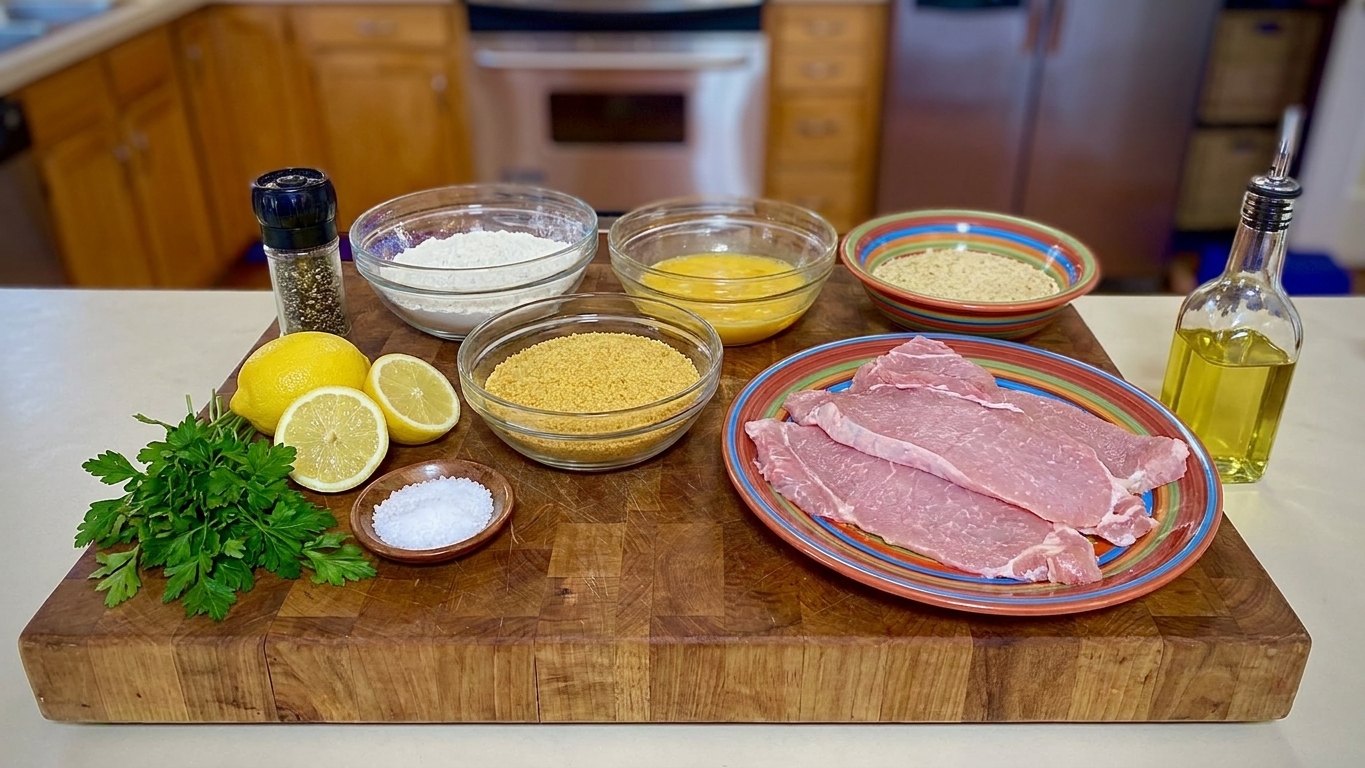

A kitchen counter with schnitzel ingredients laid out: thin cutlets, flour, eggs, breadcrumbs, lemon, parsley, salt, pepper, and neutral oil

Why It Works

  • Crisp edges, tender inside: Thin cutlets cook fast so the crust browns before the meat dries out.
  • Classic flavor: Salt, pepper, lemon, and buttery breadcrumbs taste like the real deal without a spice cabinet scavenger hunt.
  • Low-drama breading: A few small rules keep it from sliding off or turning soggy.
  • Flexible protein: Pork is traditional, but chicken works great and veal is the special-occasion move.
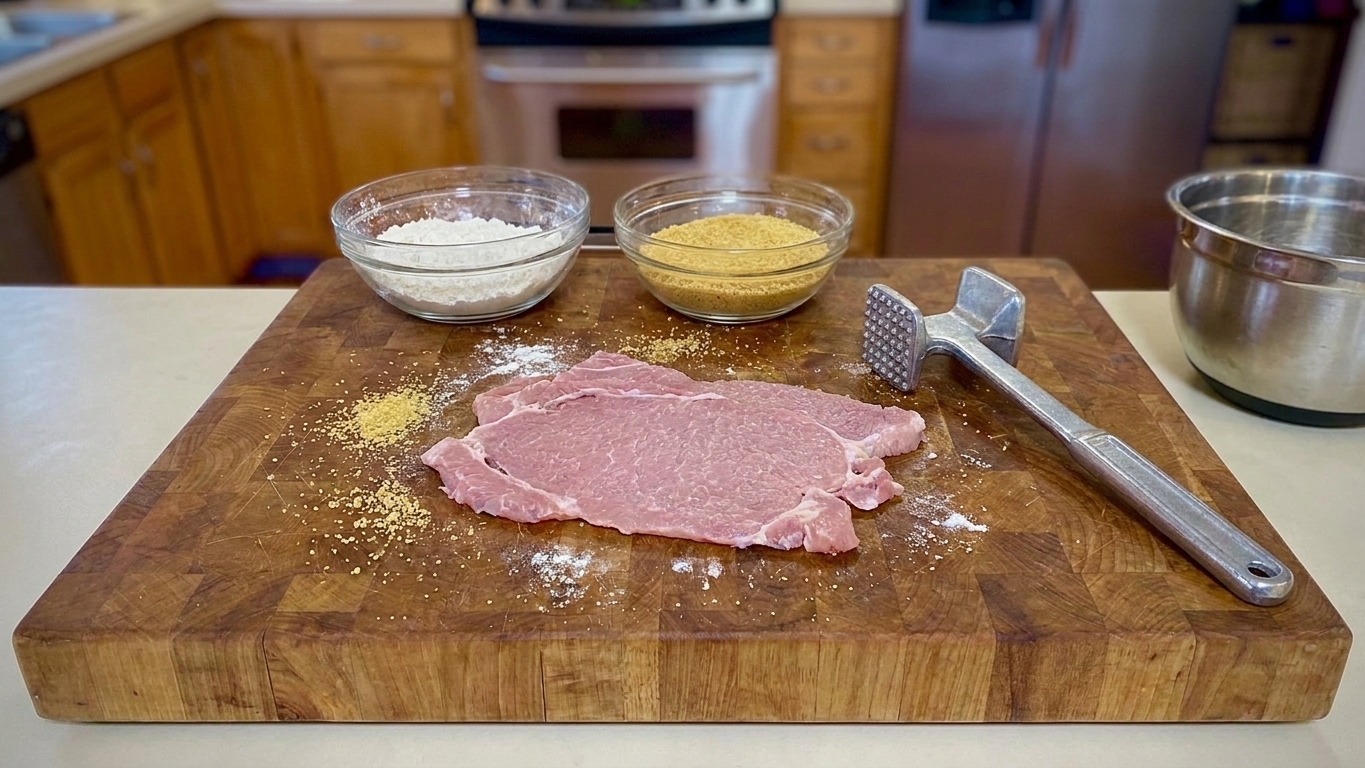
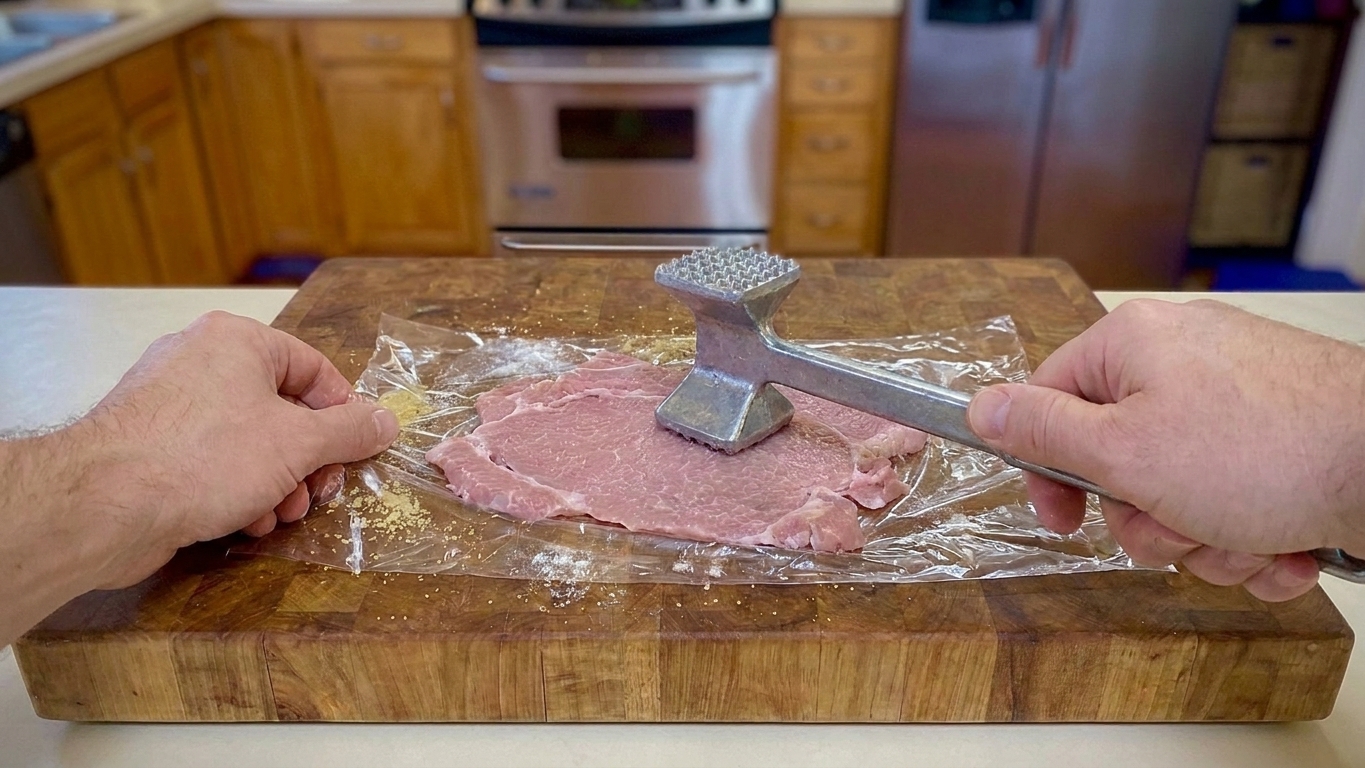
Hands using a meat mallet to pound a pork cutlet between sheets of plastic wrap on a wooden cutting board

Pairs Well With

Storage Tips

Best case: Schnitzel is peak-crispy right after frying. Leftovers are still delicious, just expect the crust to soften a bit.

Refrigerate

  • Cool completely, then store in an airtight container with paper towels above and below the cutlets.
  • Refrigerate up to 3 days.

Reheat (to bring back crunch)

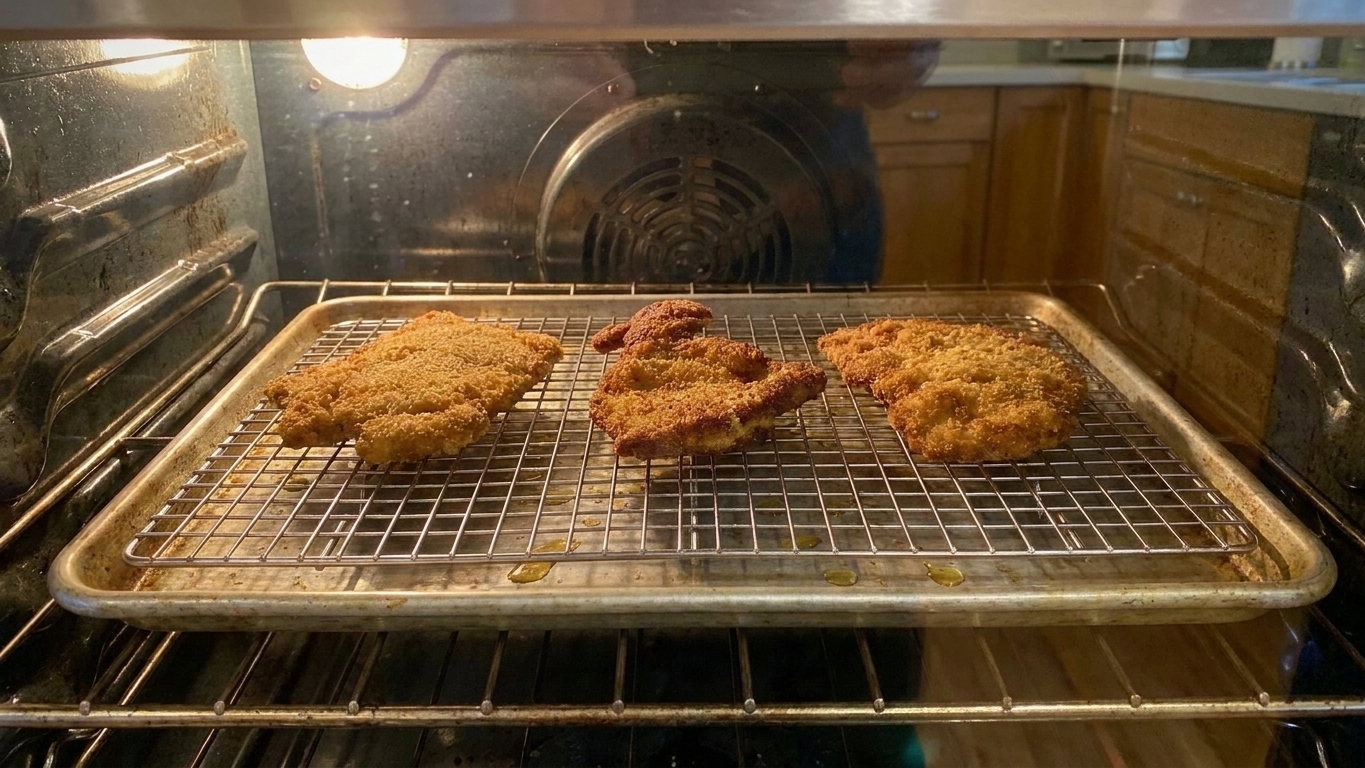
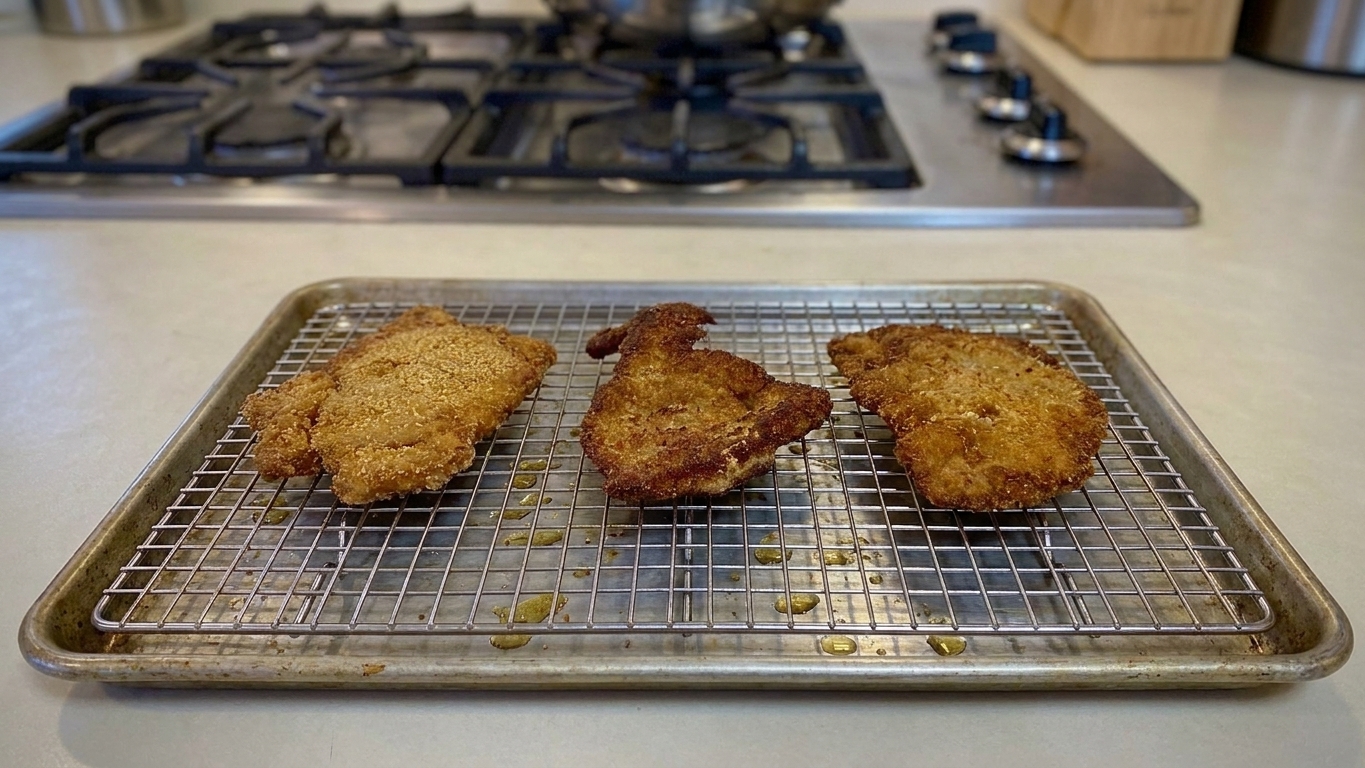
  • Oven: 400°F for 10 to 14 minutes on a wire rack set over a sheet pan, flipping once.
  • Air fryer: 375°F for 6 to 9 minutes, flipping halfway.
  • Avoid: Microwave if you care about crispness. It will go soft fast.

Freeze

  • Freeze cooked schnitzel on a sheet pan until firm, then bag it. Freeze up to 2 months.
  • Reheat from frozen in a 400°F oven for 18 to 22 minutes on a rack.
Breaded schnitzel cutlets reheating on a wire rack over a sheet pan in a home oven

Common Questions

What is German schnitzel made of?

At its core: a thin cutlet (commonly pork in Germany, veal for Wiener Schnitzel, sometimes chicken), seasoned with salt and pepper, then breaded in flour, egg, and breadcrumbs, and shallow-fried until golden. It is traditionally finished with lemon.

What is the difference between schnitzel and Wiener Schnitzel?

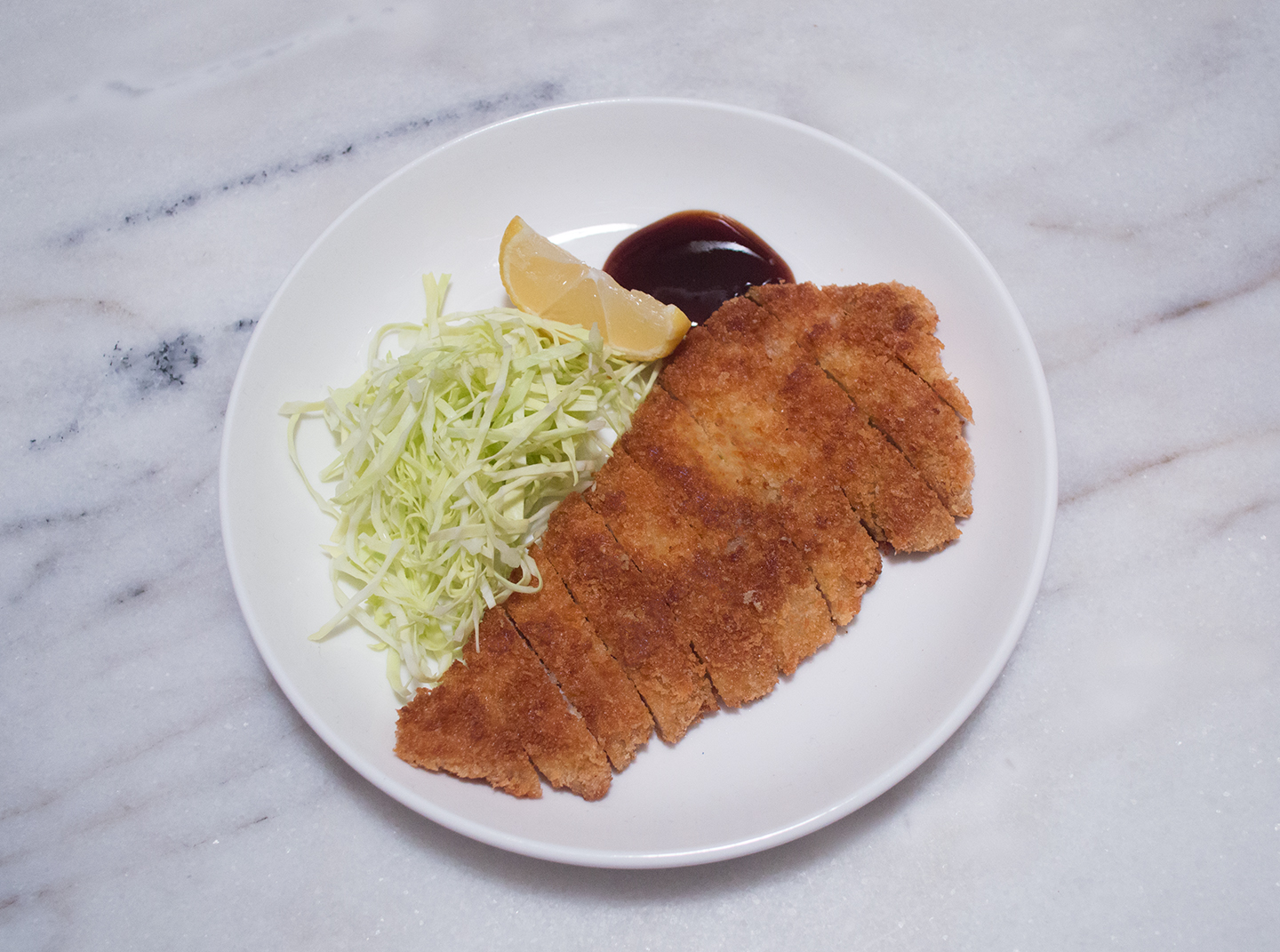
Wiener Schnitzel is traditionally made with veal. In many places and on many menus, the name is reserved for veal, while “schnitzel” on its own often means pork or chicken, which is still totally classic and very common.

Why does my breading fall off?

  • The cutlet was wet. Pat it dry first.
  • You skipped the flour, or did not shake off excess flour. Flour is the glue layer.
  • You pressed the breadcrumbs hard. Lightly coat, do not mash it on.
  • The oil was not hot enough, so the crust soaked instead of setting.

Should I use panko or fine breadcrumbs?

Traditional schnitzel uses fine, dry breadcrumbs for that even, lacy crust. Panko makes a crunchier, more jagged crust. Both are good. If you want the classic look and shatter, go fine breadcrumbs.

Can I make schnitzel without deep frying?

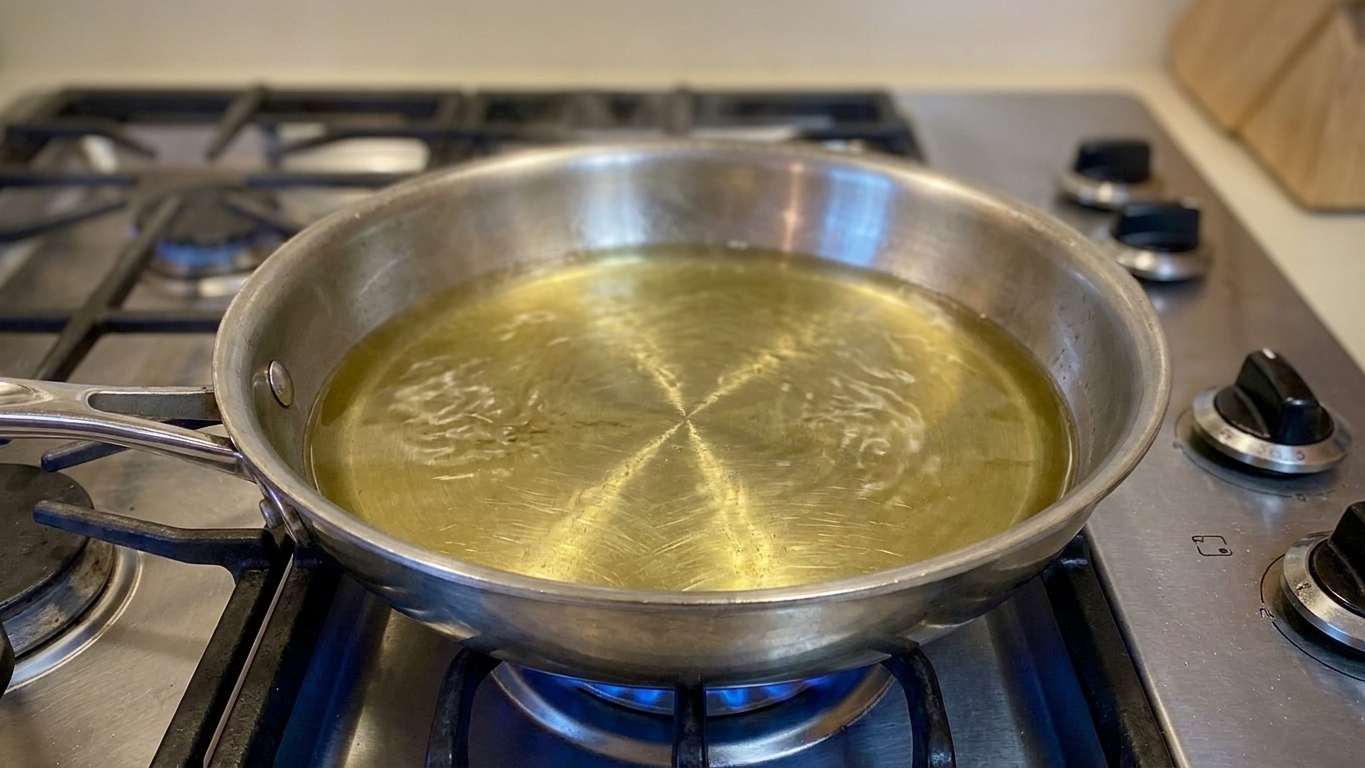
Yes. Classic is shallow fry, not a full deep fry. You only need about 1/4 inch of oil in the pan, and you can add a little more if it drops as you cook.

The first time I made schnitzel at home, I treated it like fried chicken and pressed the crumbs on like I was patching a tire. It tasted great, but the crust came off in sad little sheets. Once I learned the vibe, light breading, hot oil, and a quick lemon finish, it became one of my favorite “I want something cozy but crunchy” dinners. Also, pounding cutlets is weirdly therapeutic. Just do not do it directly on your nicest countertop unless you enjoy chaos in the form of vibrations.