Mom's Best Recipes
Recipe

Crispy Pork Katsu

Golden panko-crusted pork cutlets with a juicy center and quick katsu sauce, ready for rice bowls, curry nights, or straight-off-the-cutting-board snacking.

Author By Matt Campbell
4.8
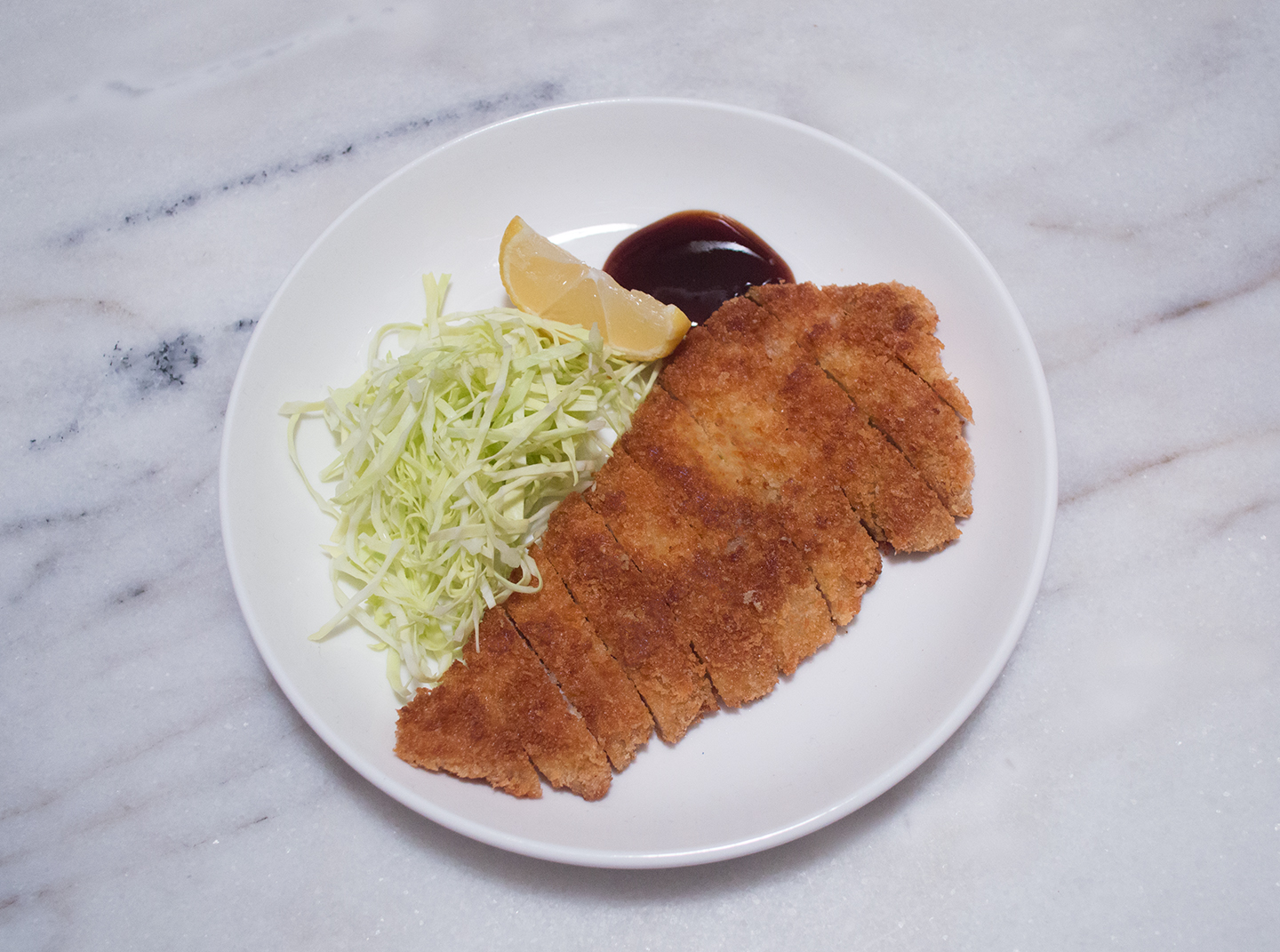
A sliced pork katsu cutlet with a crisp golden panko crust on a plate with shredded cabbage, a lemon wedge, and a small ramekin of katsu sauce on a wooden table

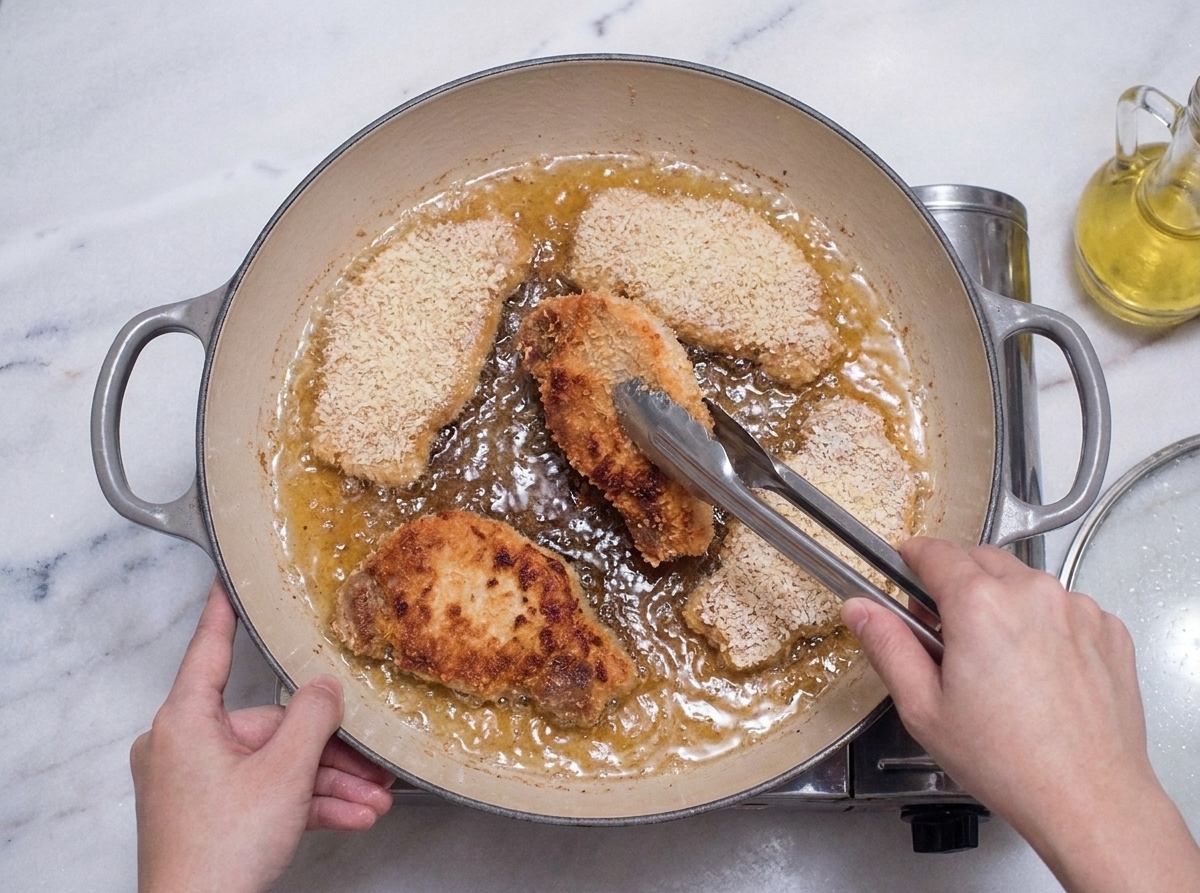
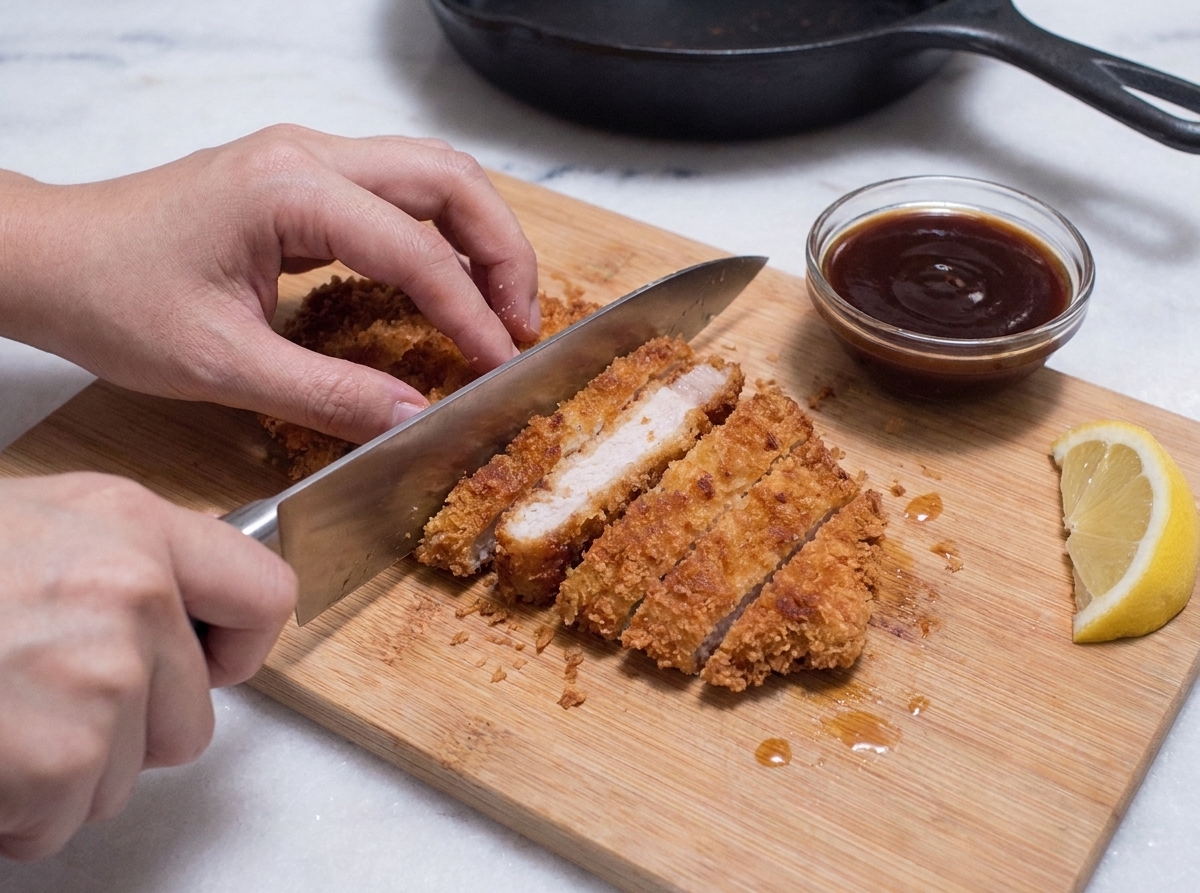
Pork katsu is the kind of dinner that makes everyone mysteriously appear in the kitchen the second you start frying. It is crunchy, cozy, and wildly satisfying in that “how is this so simple?” way. You pound pork thin, give it the classic flour-egg-panko treatment, then fry until it hits that perfect golden-brown crunch that sounds like a tiny applause when you slice it.

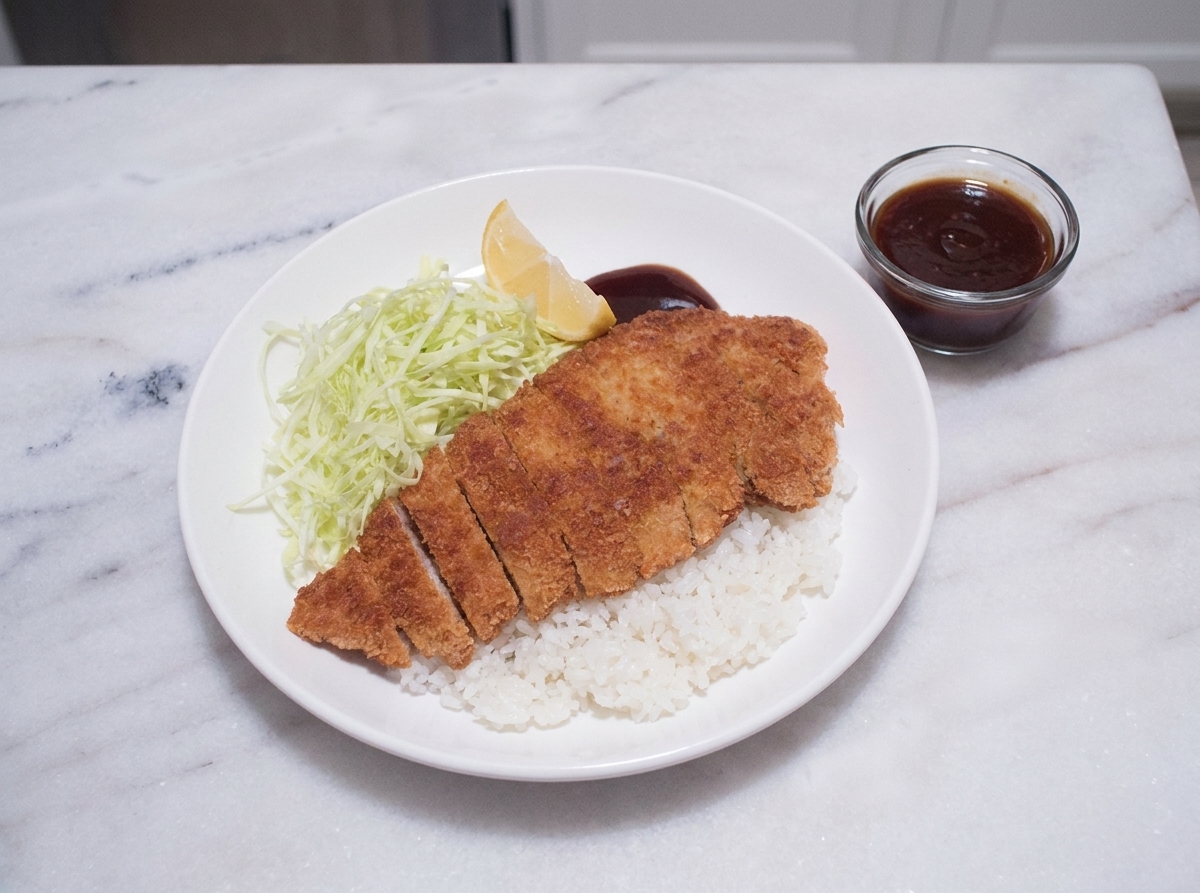
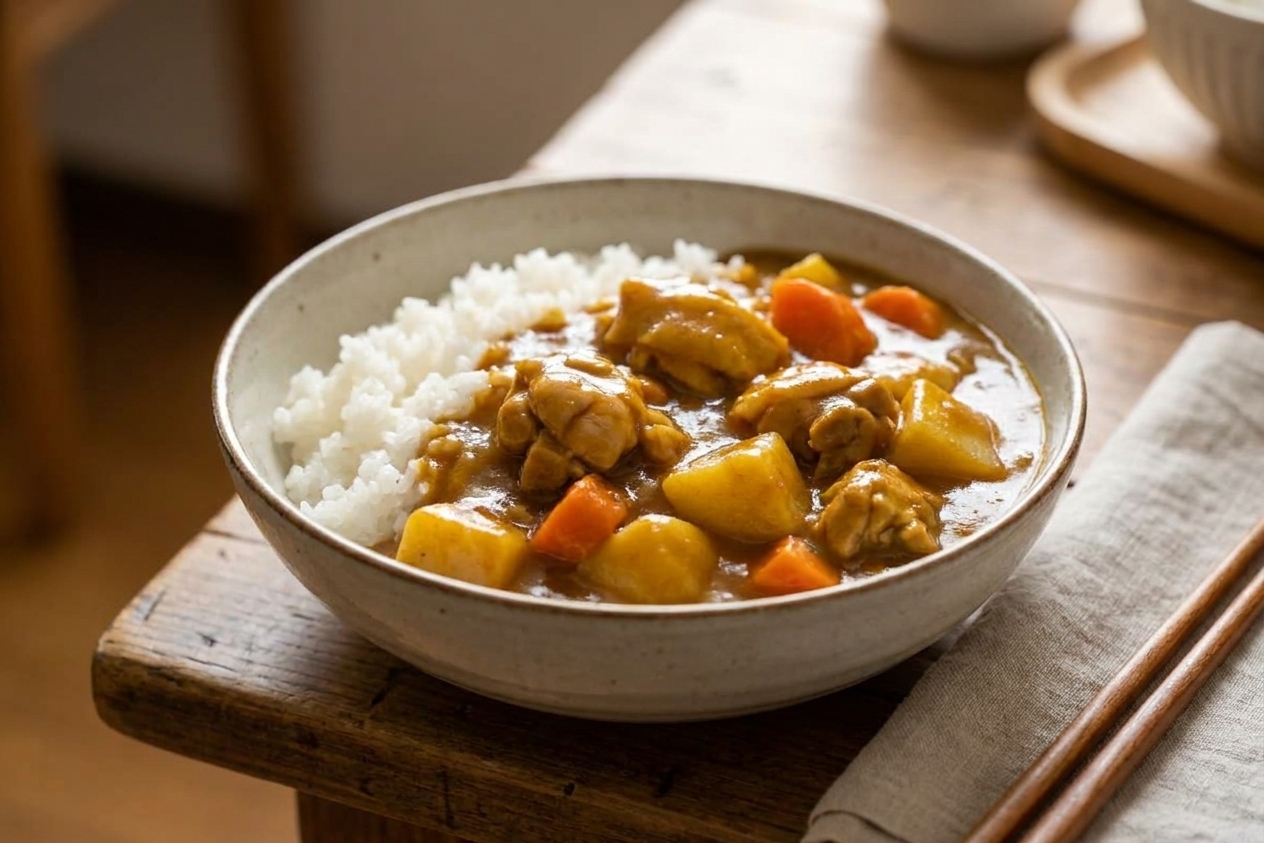
My favorite part is that katsu is flexible. Serve it with rice and shredded cabbage, tuck it into sandwiches, or go full comfort mode and spoon Japanese curry over the top. No fancy ingredients required, just good technique, hot oil, and a gentle reminder to season every layer.
Why It Works

  • Ultra-crispy crust: Panko creates airy crunch and jagged edges that brown beautifully.
  • Juicy pork: Thin cutlets cook fast, so the coating gets crisp before the meat dries out.
  • Flavor in every bite: We season the pork and the flour, then finish with a punchy, sweet-savory katsu sauce.
  • Weeknight friendly: This cooks in minutes once you are breaded and ready.

Pairs Well With

Storage Tips

Katsu is best fresh, but leftovers can still be really good if you reheat it the right way.

Refrigerate

  • Cool completely, then store in an airtight container for up to 3 days.
  • If you can, store sauce separately so the crust stays crisp.

Freeze

  • Freeze cooked, cooled cutlets on a sheet pan until firm, then transfer to a freezer bag.
  • Freeze for up to 2 months.

Reheat (best method)

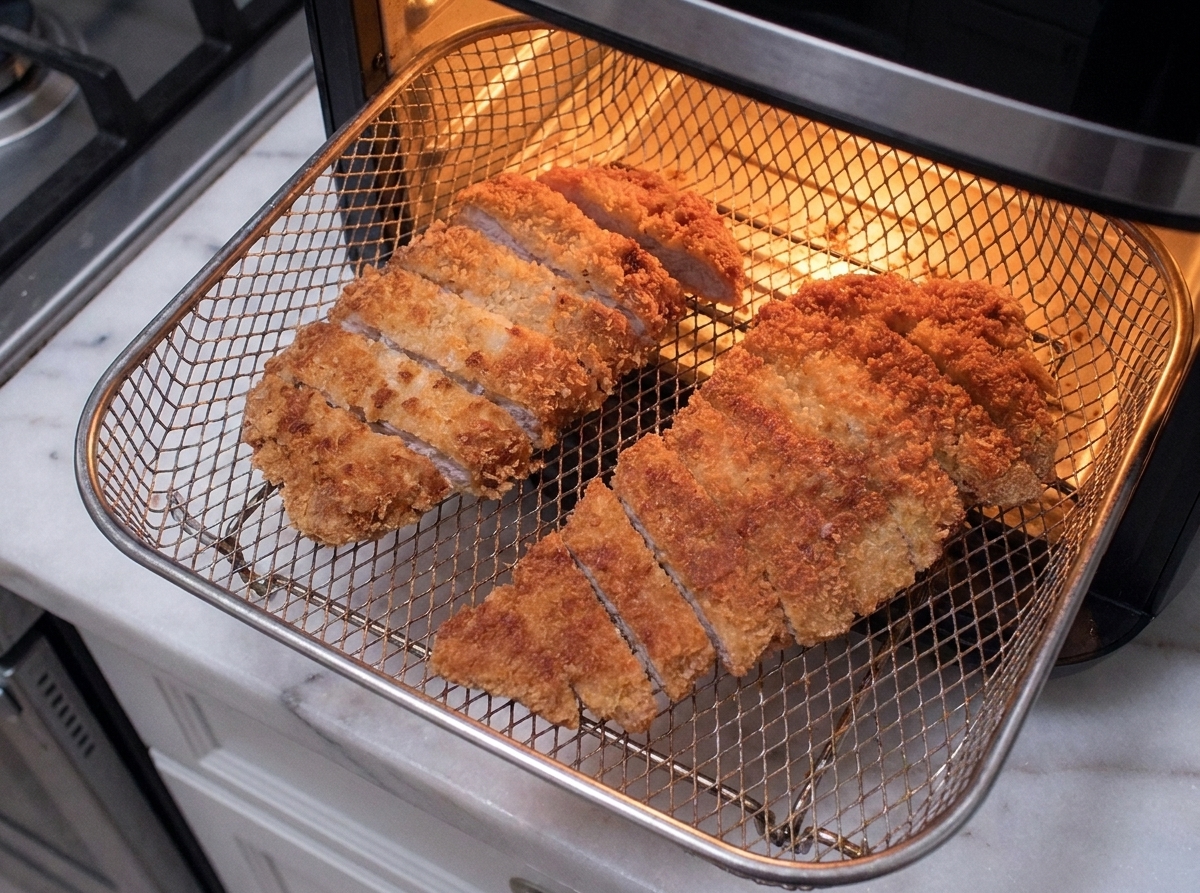
  • Oven or air fryer: 375°F for 8 to 12 minutes (air fryer often closer to 6 to 10), flipping once, until hot and crisp.
  • Avoid the microwave if you care about crunch. It will soften the coating fast.
Slices of leftover pork katsu reheating in an air fryer basket, turning crisp again under warm kitchen lighting

Common Questions

Is pork katsu the same as tonkatsu?

Basically, yes. In many menus, tonkatsu specifically means pork cutlet, while katsu is the broader category (you will also see chicken katsu). At home, if it is pork cutlet + panko + fry, you are in tonkatsu territory.

What cut of pork is best for katsu?

Boneless pork loin chops are a classic pick because they are lean and easy. You will also see pork tenderloin used (super tender, very quick cooking). Boneless pork shoulder works too if you want it richer, just pound it evenly so it cooks through without burning the coating.

How do I stop pork katsu from curling?

If your chops have a fat edge, make a few small cuts (little snips) through the fat cap and any tough membrane along the sides. This helps the cutlet stay flat instead of cupping while it fries.

Why is my breading falling off?

  • Pat the pork dry before breading.
  • Press panko firmly onto the cutlet.
  • Let breaded cutlets sit 5 to 10 minutes before frying so the coating hydrates and adheres.
  • Do not move the cutlets too much right after they hit the oil.

Can I bake pork katsu instead of frying?

Yes. It will be a little less shatter-crisp, but still great. Spray the breaded cutlets generously with oil and bake at 425°F for about 15 to 20 minutes, flipping halfway, until the pork hits 145°F in the center.

What oil should I use for frying?

Use a neutral oil with a higher smoke point like canola, peanut, vegetable, or avocado oil.

Can I use store-bought tonkatsu sauce?

Absolutely. The quick sauce here is my fast pantry version, but a bottle of tonkatsu sauce is a great shortcut and tastes very close to restaurant style.

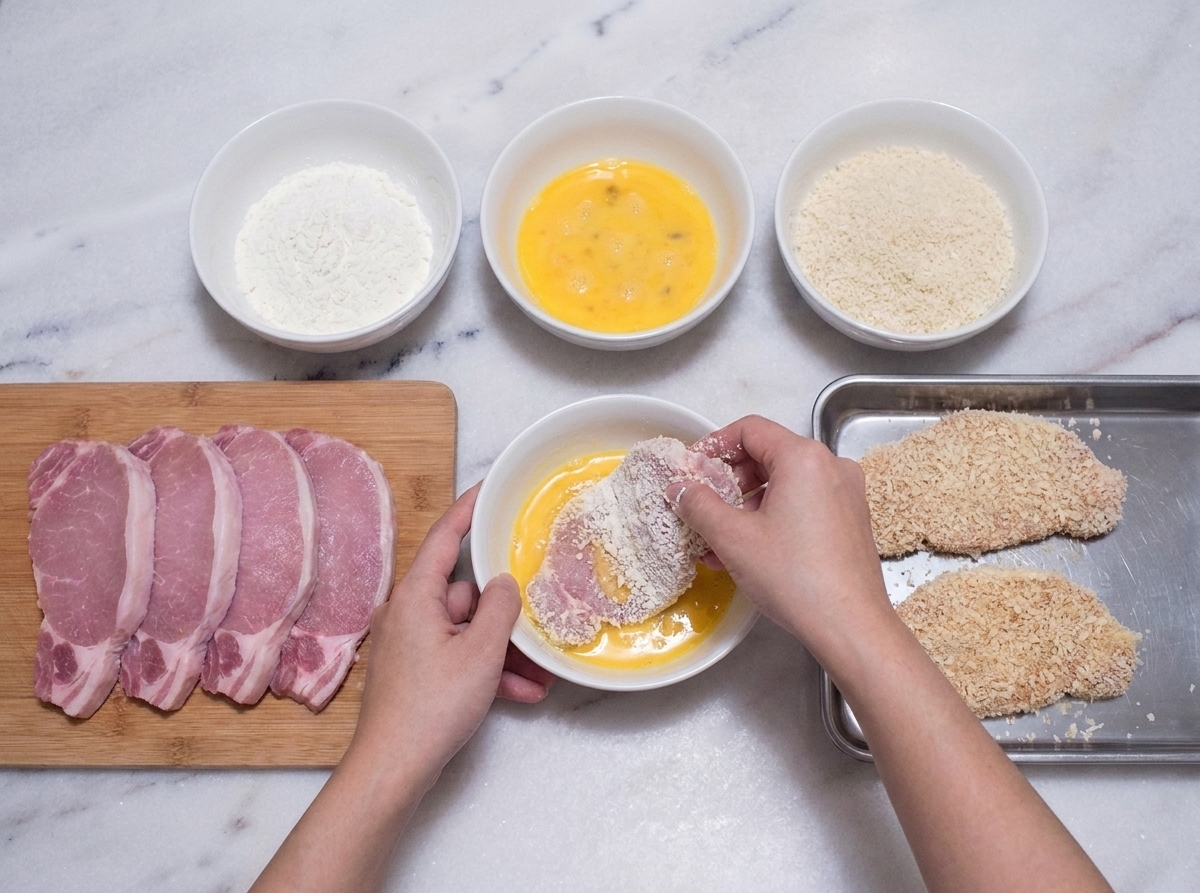
The first time I made pork katsu at home, I treated the breading like a suggestion and wondered why my kitchen looked like a panko snow globe. Now I embrace the little mess. Set up your station, keep one hand “dry” and the other “wet,” and suddenly you are frying crisp, golden cutlets like it is no big deal. It is one of those dishes that feels restaurant-fancy, but secretly it is just smart crunch and a sauce you can stir together while the pork rests.