Mom's Best Recipes
Recipe

Classic Gremolata

A 5-minute parsley, lemon, and garlic topping that adds instant brightness and a little attitude to almost anything.

Author By Matt Campbell
4.8
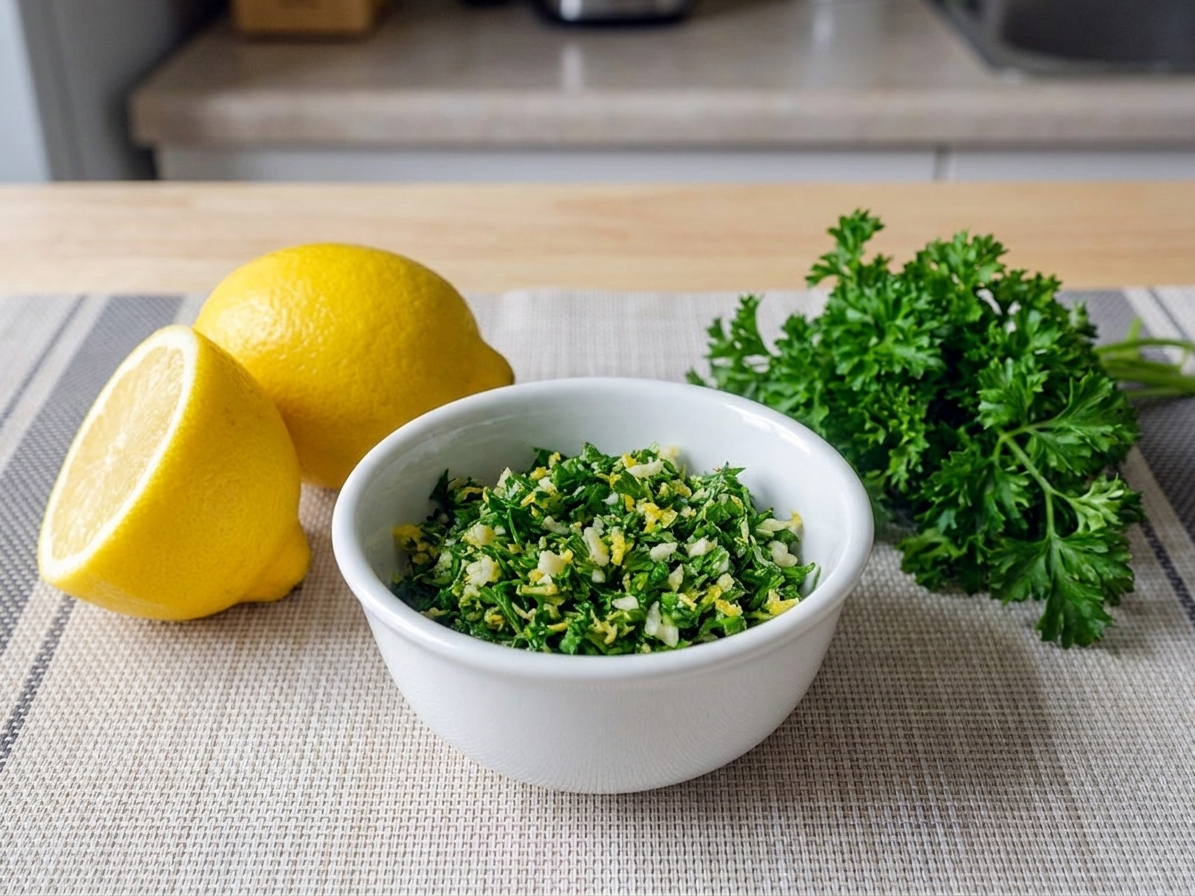
A small white bowl filled with bright green gremolata on a wooden kitchen counter, with a lemon and a bunch of parsley nearby

Gremolata is the kind of finishing move that makes you look like you planned dinner. It is just chopped parsley, lemon zest, and garlic, but it hits like a spotlight: fresh, citrusy, and a little sharp in the best way. Sprinkle it on something cozy and rich and suddenly the whole plate tastes awake.

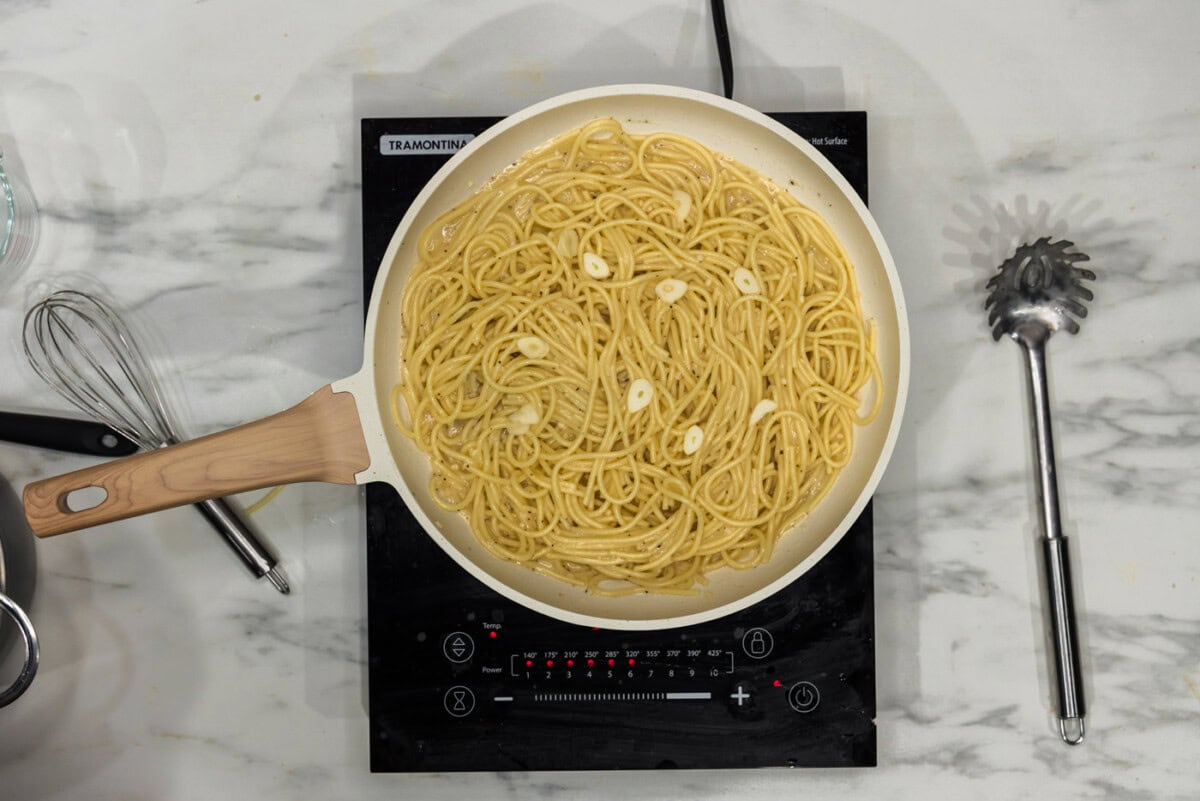
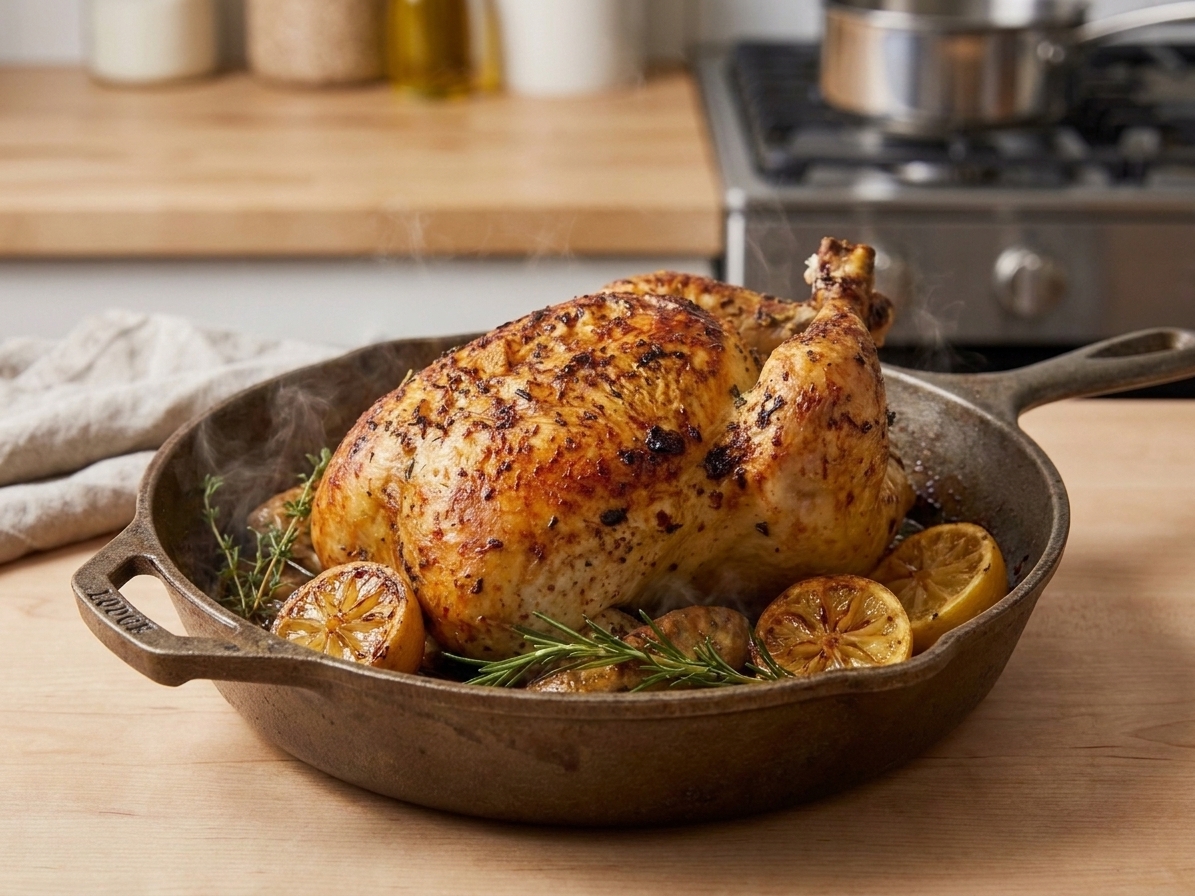
I love it on braises and soups, but I also keep it in my weeknight back pocket for roasted vegetables, sheet pan chicken, and any pasta situation that needs a bright ending. No fancy ingredients, no special tools, and yes, you should taste it as you go.
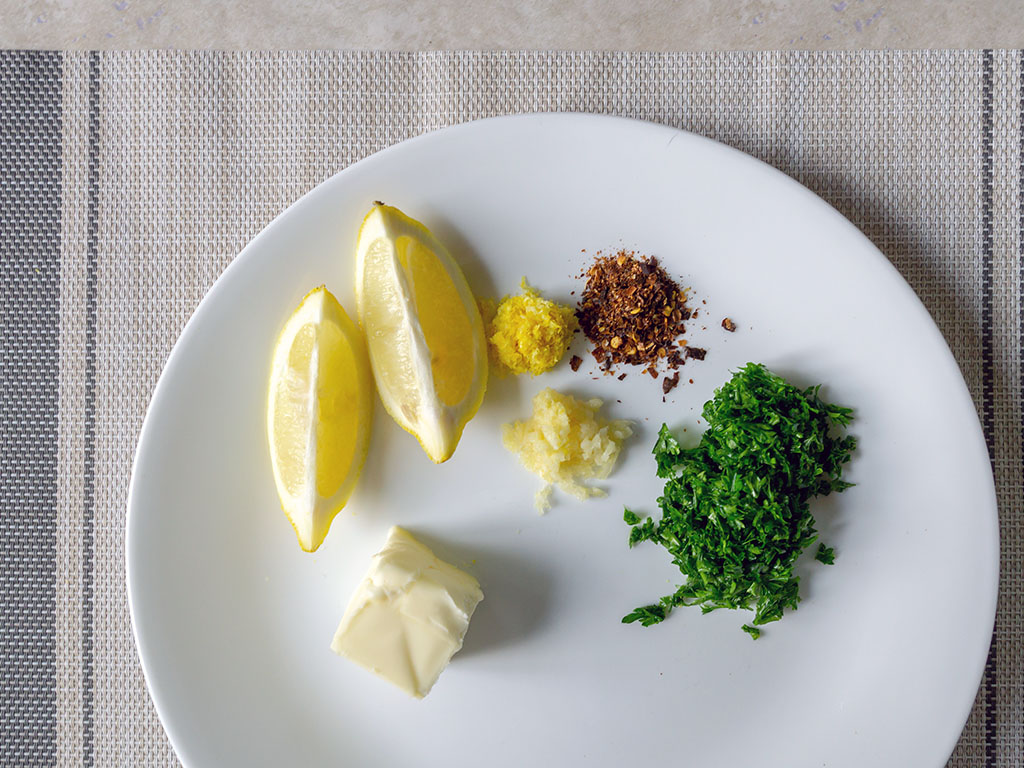
Fresh parsley, whole lemon, garlic cloves, flaky salt, and a microplane laid out on a light kitchen counter

Why It Works

  • Big flavor from tiny effort: you get freshness, acidity, and bite in about 5 minutes.
  • Perfect with rich foods: it cuts through butter, cheese, slow-cooked meats, and creamy sauces.
  • Flexible: swap herbs, add a little heat, or fold in olive oil when you want a more sauce-like finish.
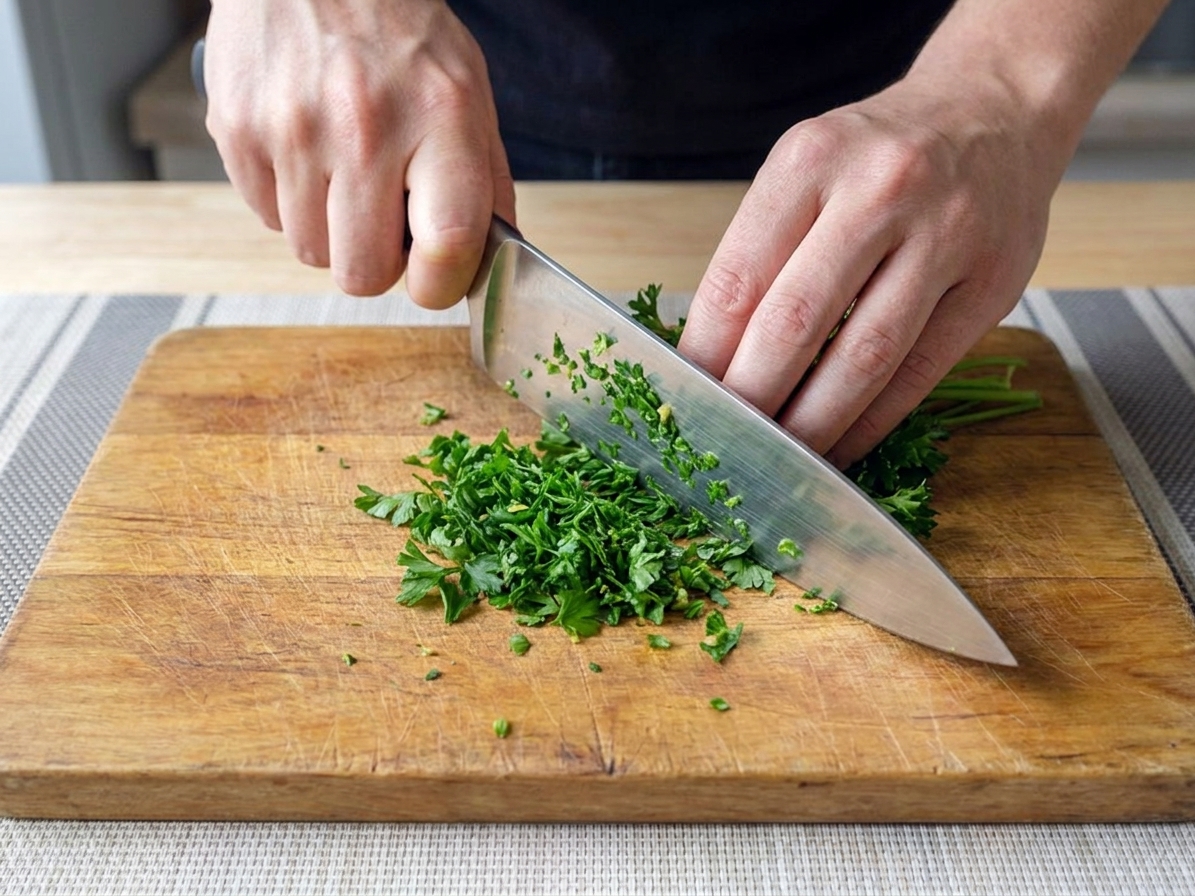
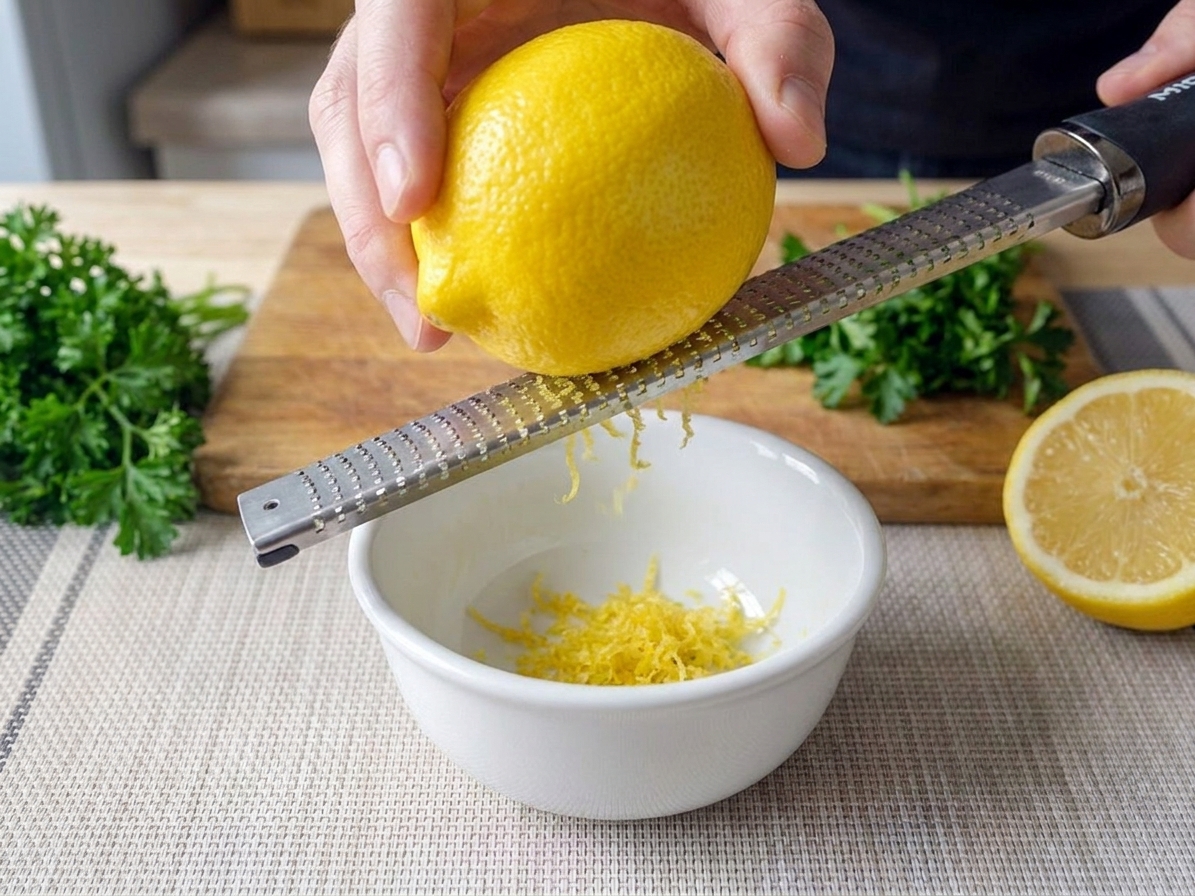
  • Better texture: a fine chop and microplaned zest give you an even sprinkle that actually sticks to food.

Pairs Well With

Storage Tips

Gremolata is best right after you make it, when the parsley is perky and the garlic is lively. That said, you can still prep smart.

Short-term (best quality)

  • Store in an airtight container in the fridge and use within 24 hours for the brightest flavor and color.
  • Press a piece of parchment or plastic wrap directly on the surface to slow browning.

Two-day plan

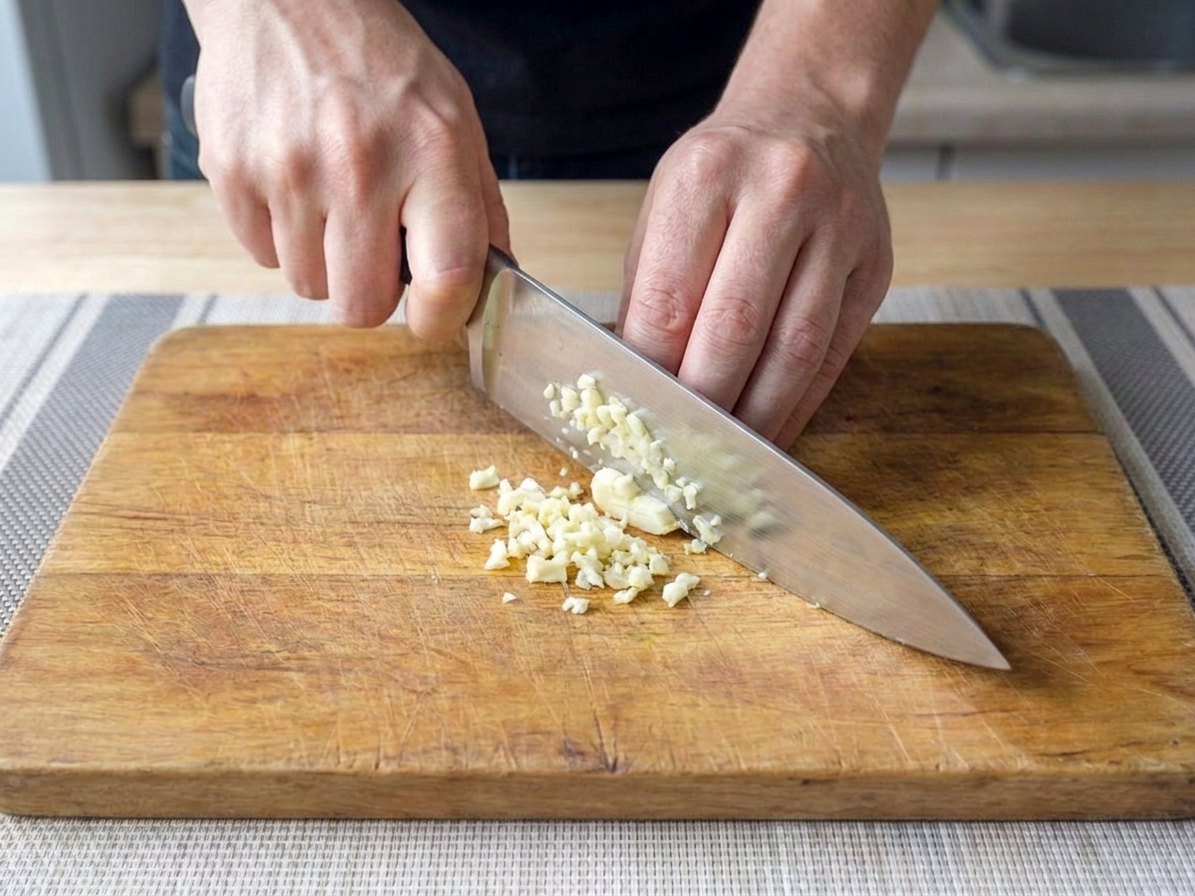
  • Keep the components separate: chopped parsley in one container, lemon zest in another, minced garlic in another.
  • Combine right before serving for the freshest flavor.

Freezing

  • I do not love freezing classic gremolata because parsley texture turns sad.
  • If you must, freeze chopped parsley and zest only. Add fresh garlic at serving time.

Common Questions

What is gremolata made of?

Classic gremolata is flat-leaf parsley, lemon zest, and garlic. Some versions add a pinch of salt, a little olive oil, or extra herbs like mint.

What do you put gremolata on?

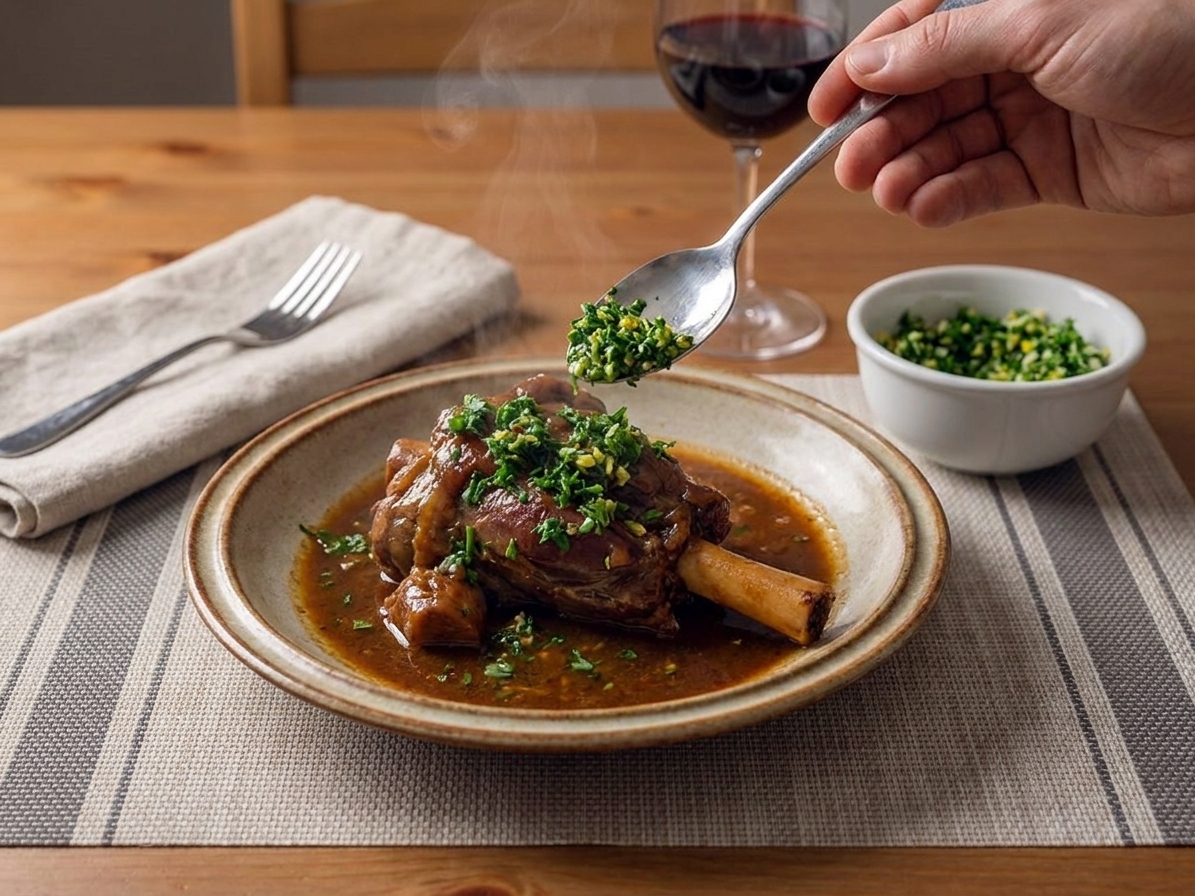
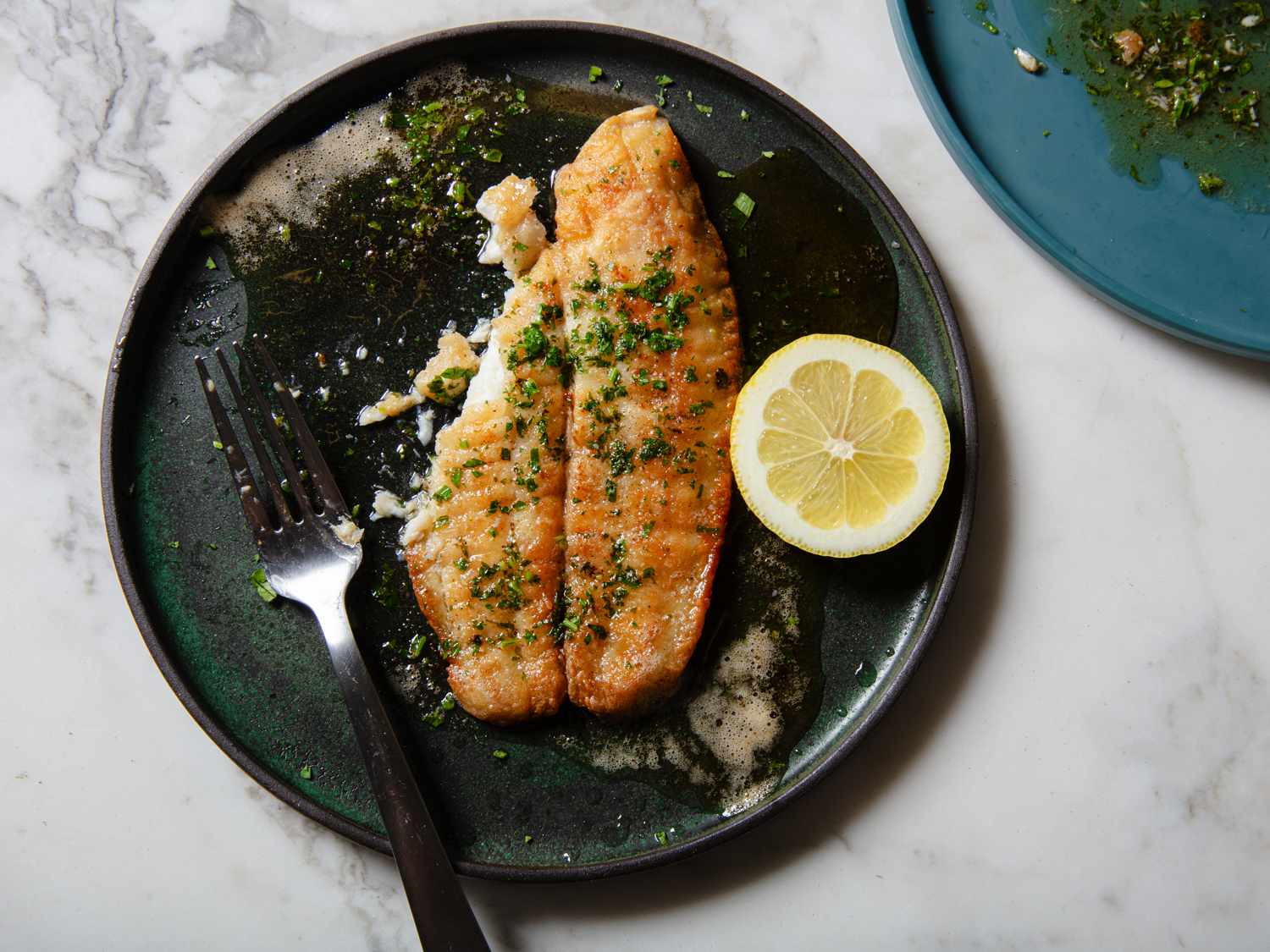
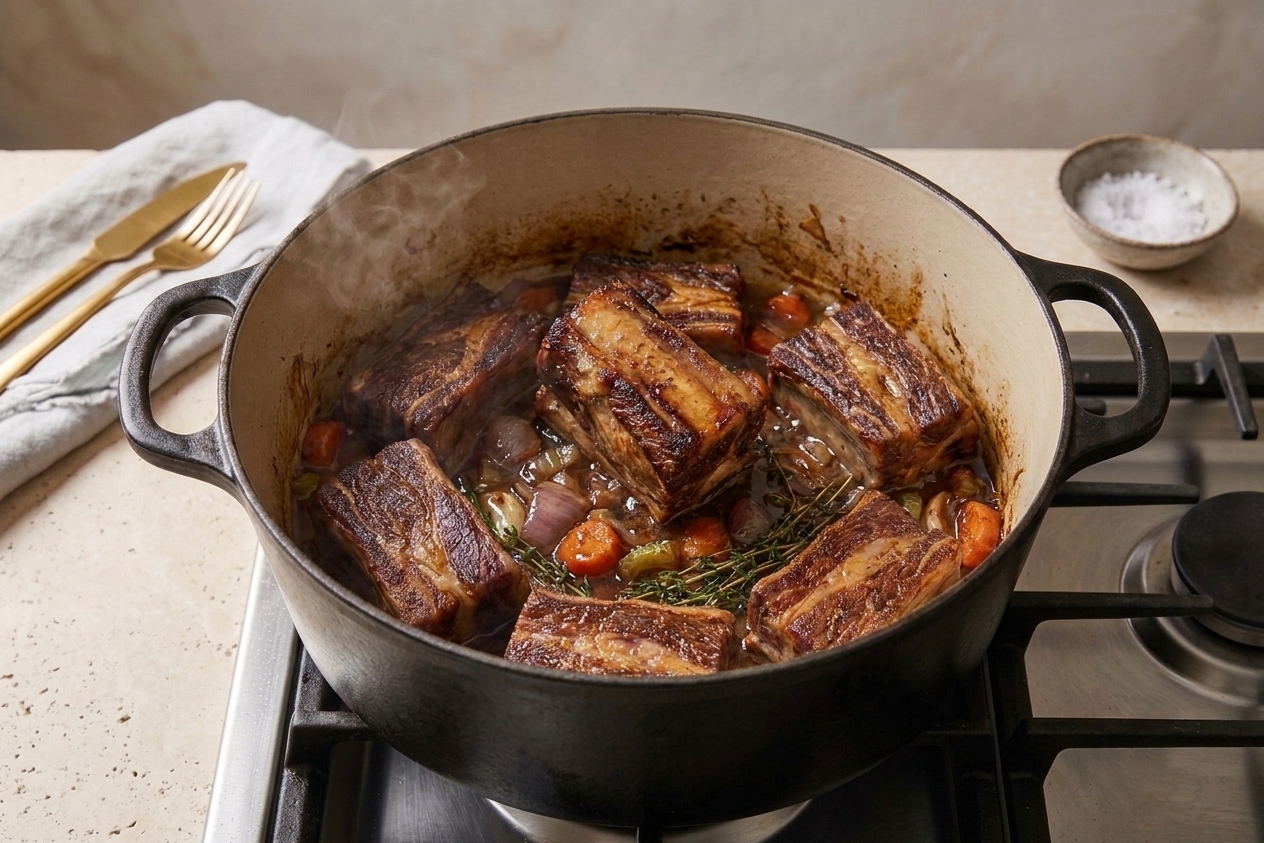
Anything rich or earthy loves it. Try it on osso buco, braised short ribs, lentil soup, roasted carrots, grilled fish, shrimp, creamy pasta, risotto, or even scrambled eggs. If the dish is heavy, gremolata is the lifeline.

Can I make gremolata ahead of time?

Yes, but for best results make it the same day. If you need to get ahead, prep the parsley and zest and keep the garlic separate until serving. Garlic gets sharper and more pungent as it sits, and sometimes a little bitter.

Do I add lemon juice too?

Traditional gremolata uses zest only. Lemon juice can make it wet and shorten the shelf life. If you want more lemon, squeeze juice onto the dish right before serving instead of into the gremolata.

Why did my gremolata turn bitter?

Usually one of three things: you grated lemon pith (the white part), the garlic was very finely grated and had time to sit (it can taste harsher), or the parsley was bruised into paste. Fix it by making a fresh half batch and mixing them together, or folding in a little more zest and parsley to soften the garlic edge.

The first time I really fell for gremolata was during a cold-weather dinner where everything on the table was brown in the most comforting way. Braised meat, roasted potatoes, a pot of something simmered forever. Then someone scattered this green, lemony confetti on top and the whole meal snapped into focus. Now I treat it like a kitchen cheat code: when dinner tastes a little too cozy, gremolata is how I dial the contrast back in.