Mom's Best Recipes
Recipe

Classic Homemade Crumpets

Fluffy, golden crumpets with those iconic little holes, crisp edges, and a soft center made for melting butter.

Author By Matt Campbell
4.8
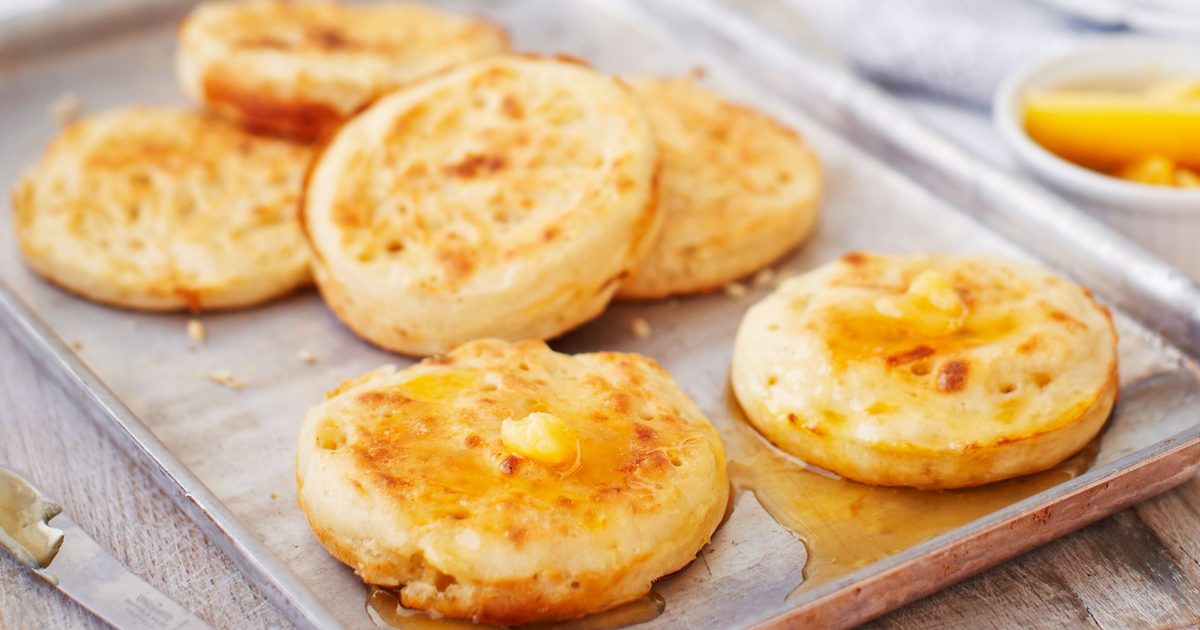
A stack of golden homemade crumpets on a ceramic plate with butter melting into the holes and a small dish of honey on a wooden table in soft morning light

Crumpets are the coziest kind of magic trick. You pour what looks like a thin, sleepy batter into a ring, and a few minutes later it is bubbling like a tiny science fair volcano. Those bubbles set into the signature holes, which means every crumpet becomes a butter delivery system with excellent intent.

This is a straightforward stovetop recipe with accessible ingredients and clear timing. No weird flour blends, no special equipment beyond a skillet and rings, and yes, we are going to talk about how to get the bubbles to show up on time. If you can stir, wait, and resist flipping too early, you can make crumpets that feel like a weekend breakfast win even on a random Tuesday.
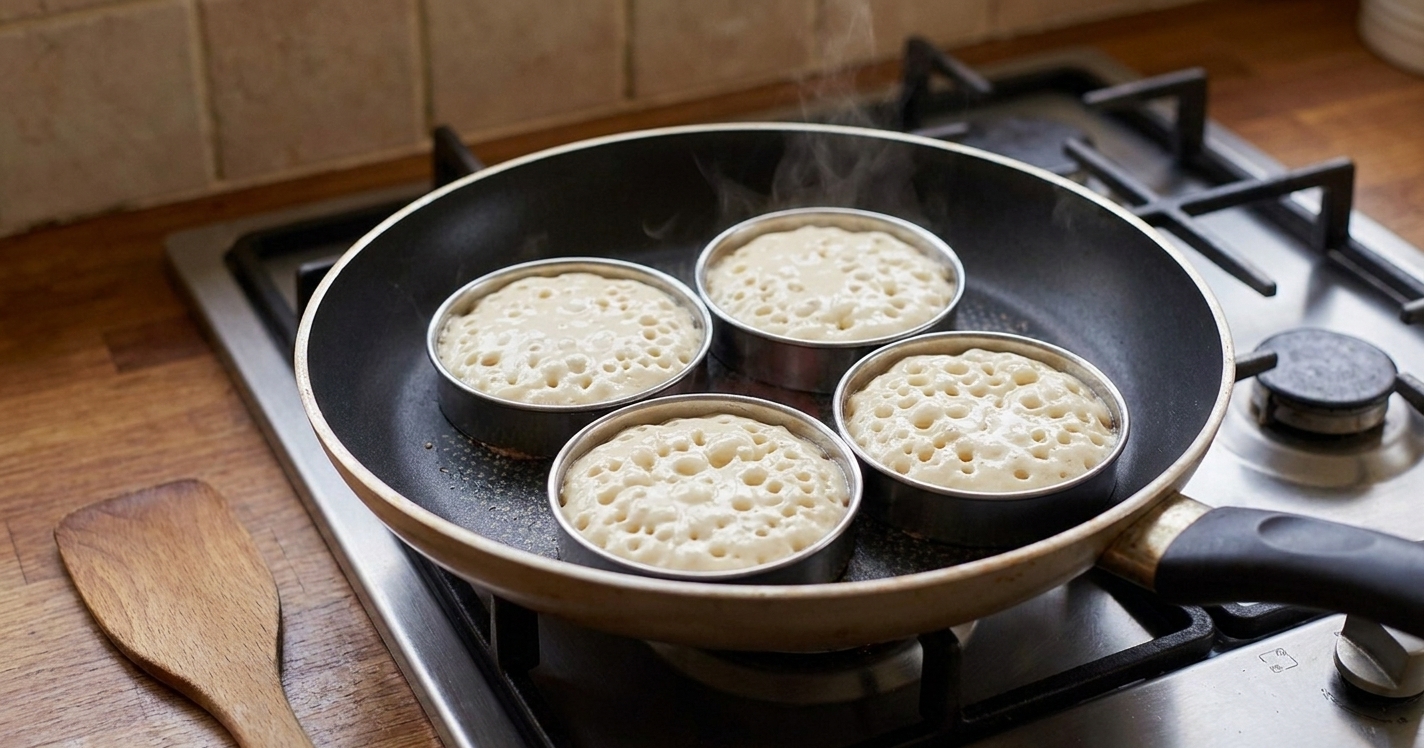
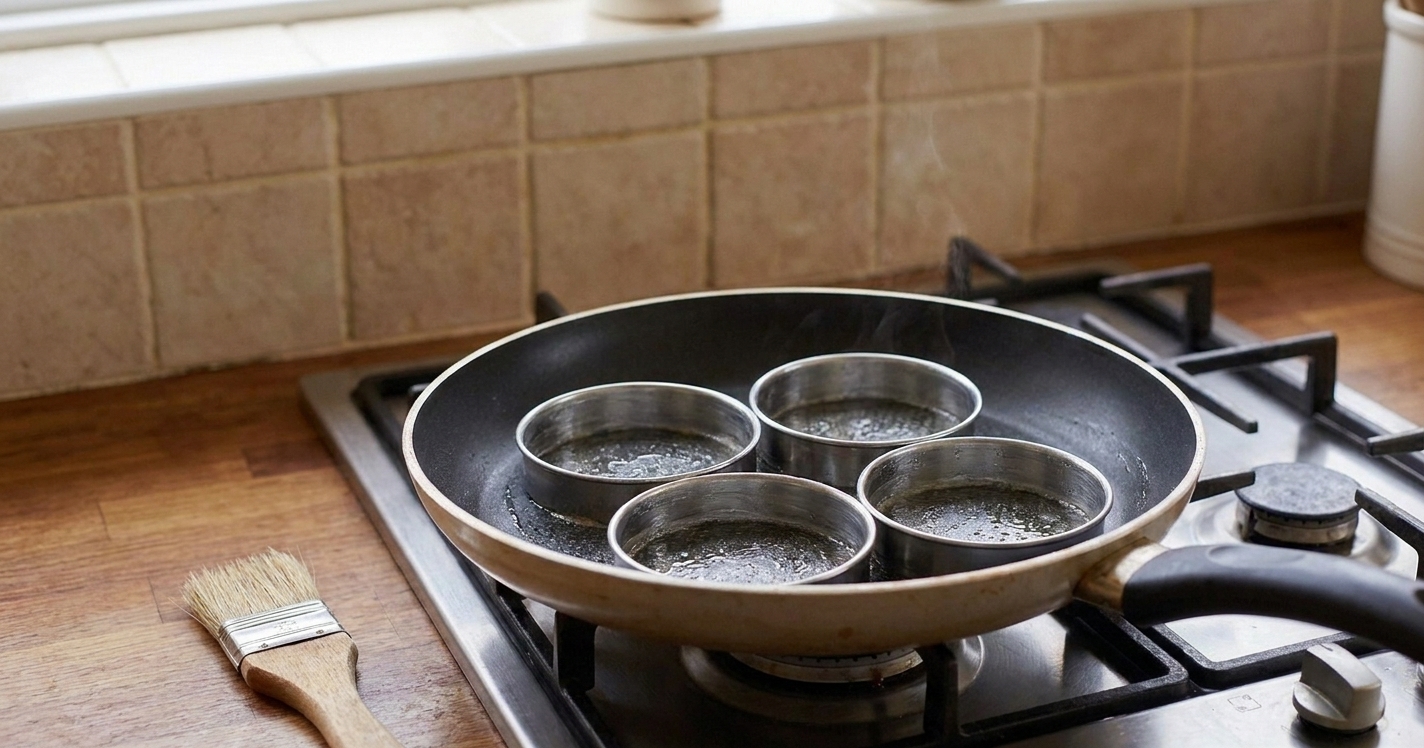
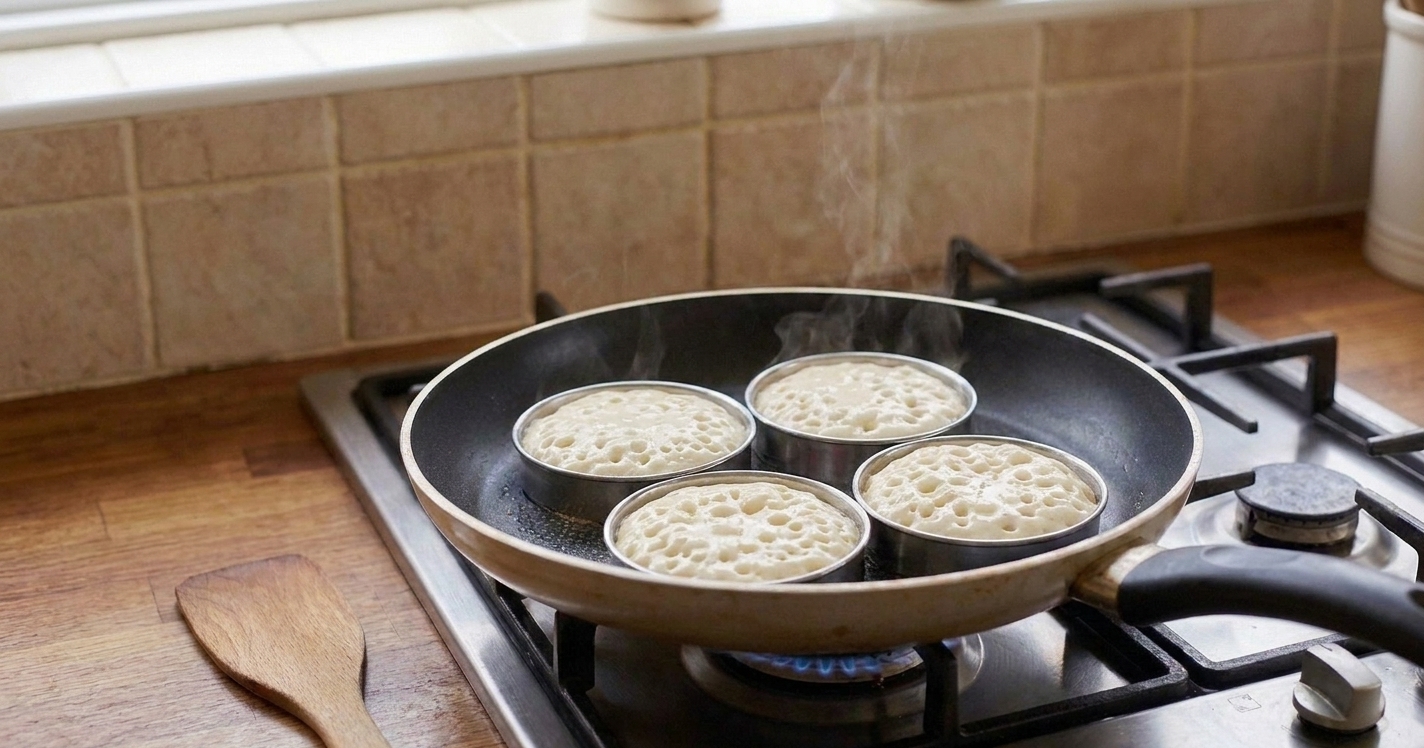
Crumpet batter cooking inside metal rings in a nonstick skillet with visible bubbles forming across the surface under warm kitchen lighting

Why It Works

  • Real holes, not wishful thinking: A wet, yeast-based batter and gentle heat create bubbles that set into the surface.
  • Crisp edges, tender middle: Cooking low and slow dries the sides and sets the crumb without turning the bottom into a brick.
  • Flexible and forgiving: The batter can rest a little longer if life happens, and the finished crumpets freeze beautifully.
  • Designed for toppings: These are lightly sweet, lightly salty, and ready for butter, jam, honey, lemon curd, or even a fried egg.

Pairs Well With

Storage Tips

Room temperature: Keep crumpets in an airtight container for up to 1 day. Re-toast before serving.

Refrigerator: Store in a sealed container for up to 4 days. Toast to bring back the crisp edges.

Freezer: Freeze in a single layer until firm, then transfer to a freezer bag with parchment between layers. Freeze up to 2 months. Toast from frozen on a lower setting, then finish on a higher setting if you want more color.

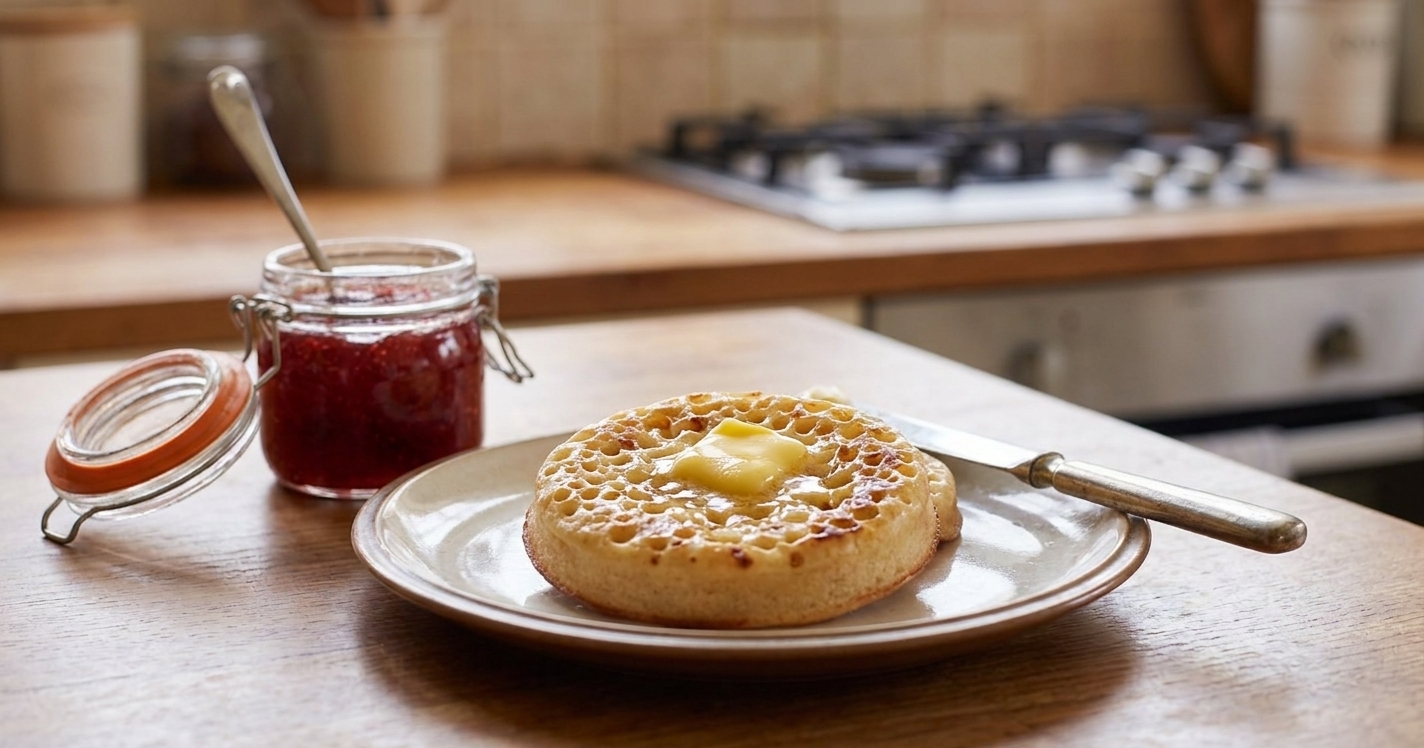
Best reheat: Toast crumpets whole so the top stays beautifully holey and ready for butter. Add butter to the porous top and let it melt right in.

Common Questions

What is a crumpet, exactly?

A crumpet is a yeast-leavened griddle cake cooked in a ring. It is known for a soft, spongy interior and a top surface full of holes created by bubbles as the batter cooks.

Do I need crumpet rings?

Rings make the classic tall shape. If you do not have crumpet rings, you can use wide-mouth mason jar bands or round metal cookie cutters. In a pinch, make free-form “crumpet pancakes.” They will taste great, just be a bit flatter.

Why did my crumpets not get holes?

Usually it is one of these: the batter was too thick, the pan was too hot (sets the top too fast), or the yeast was weak. Aim for a thick pourable batter, cook over low to medium-low heat, and make sure your yeast is active.

Can I make the batter ahead?

Yes. After the first rise, cover and refrigerate up to overnight. Bring it back to room temperature for about 30 to 60 minutes, then stir in the baking soda mixture right before cooking.

Why add baking soda if there is yeast?

Yeast gives flavor and lift over time. Baking soda provides a quick hit of extra bubbles right when the batter hits the heat, which helps the holes form more reliably.

Do crumpets get flipped?

Traditionally they are cooked mostly on one side, then briefly flipped just to set and lightly dry the top. You are not trying to brown the top like a pancake. You are just finishing it.

Do you slice crumpets like English muffins?

No. Crumpets are meant to be toasted and eaten whole, with butter melting into the porous top. Slicing them open turns those little tunnels into a crumbly situation and steals their best trick.

The first time I tried making crumpets, I treated them like pancakes and cranked the heat because I was hungry and impatient. They came out with gorgeous bottoms and sad, sealed tops, like the bubbles got stage fright. Once I slowed down and let the batter do its weird little simmer, everything clicked. Now crumpets are my go-to when I want something that feels special but does not require a full baking project. Also, I love any breakfast where “wait for bubbles” is an actual instruction. It feels like cooking and watching a tiny weather system form in a ring.

A warm crumpet on a plate with butter melting into the holes, with a jar of jam nearby on a wooden table