Mom's Best Recipes
Recipe

Classic Italian Braciole

Stuffed beef rolls braised in tomato sauce until tender, glossy, and restaurant-level cozy.

Author By Matt Campbell
4.8
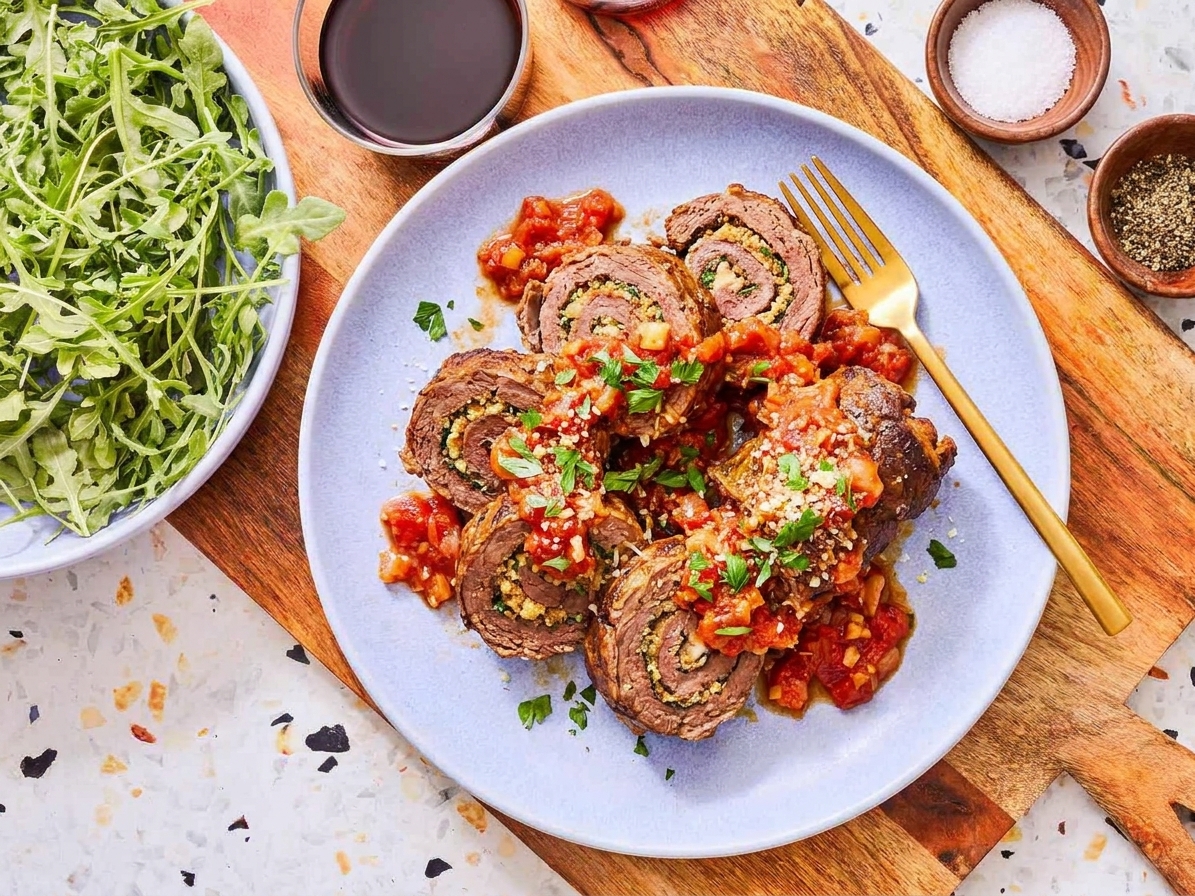
A platter of sliced Italian braciole arranged in a pool of rich tomato sauce, garnished with parsley on a rustic wooden table

Braciole is one of those dishes that makes your kitchen smell like you have your life together, even if you are basically freelancing it with a wooden spoon and good intentions. It is thin beef rolled up with a punchy filling, browned for those crisp edges, then braised in tomato sauce until it turns fork-tender and absurdly comforting.

This is the kind of meal I make when I want Sunday dinner vibes without needing a culinary degree and a nonna standing over my shoulder. The ingredients are approachable, the steps are straightforward, and the payoff is huge: a rich, savory sauce and slices of beef that feel special on a weeknight if you plan ahead.

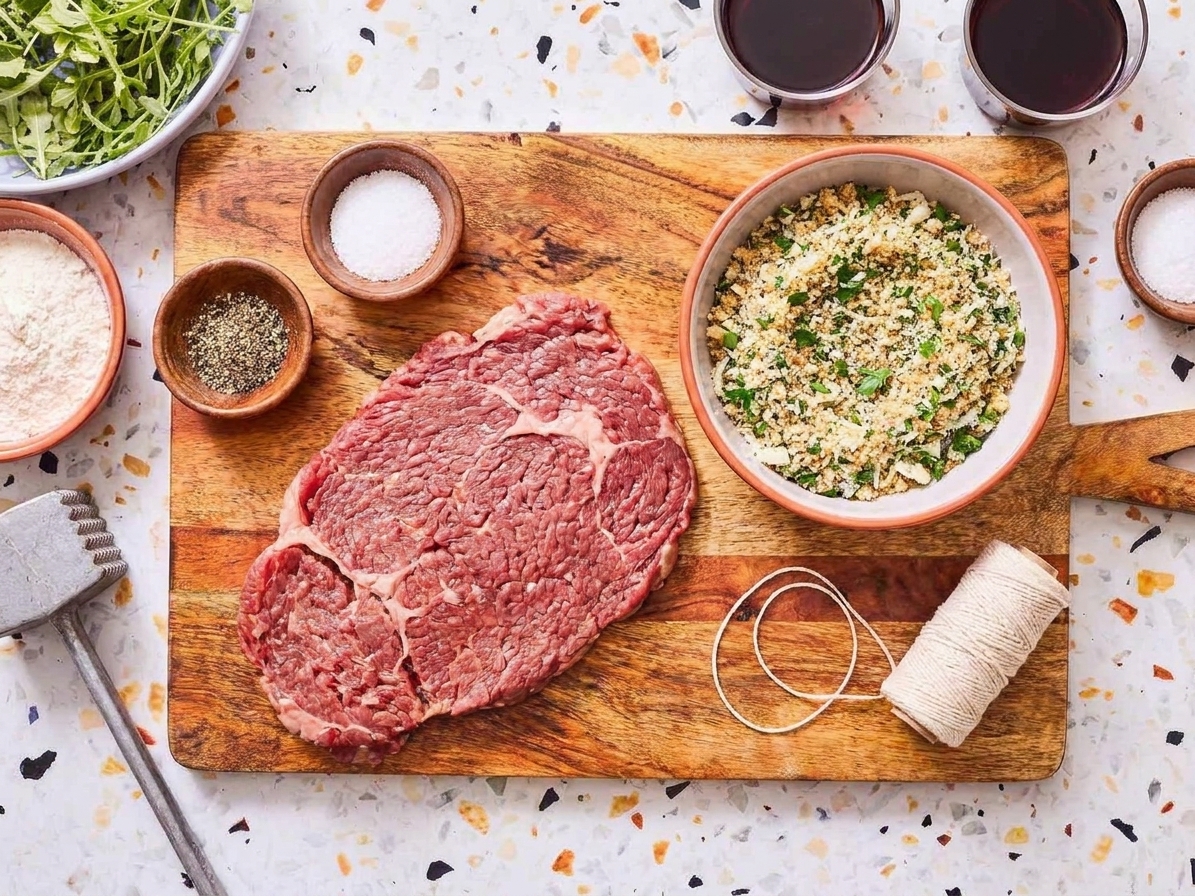
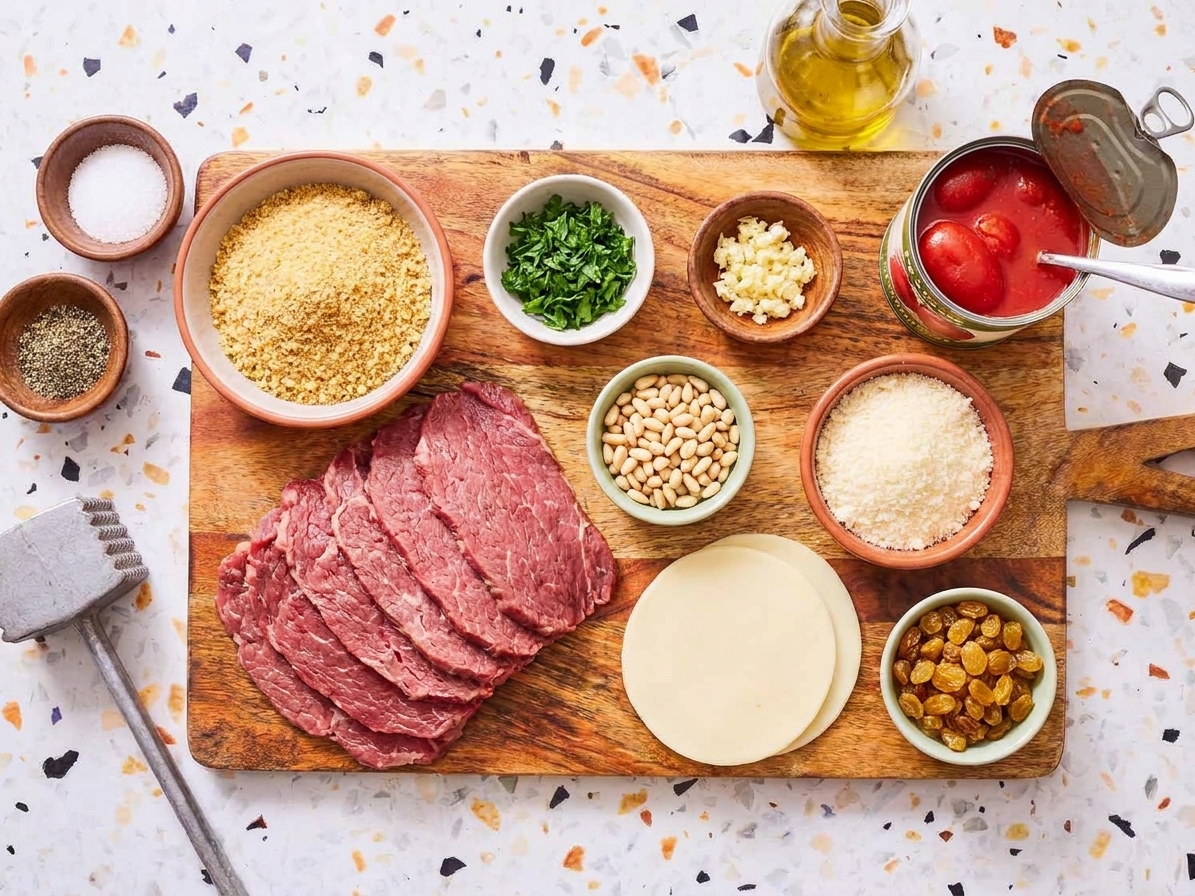
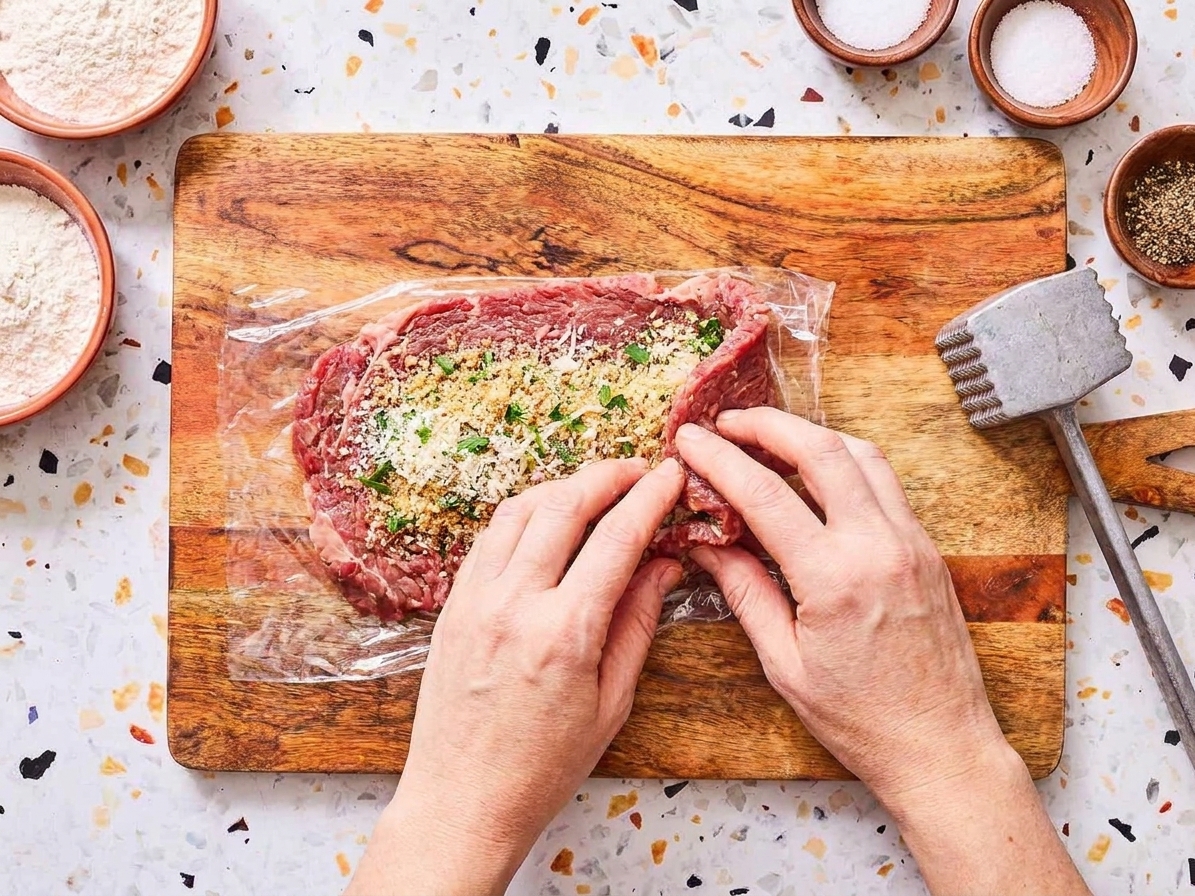
A tidy setup of braciole ingredients with a bowl of breadcrumb, herb, and cheese filling ready on the kitchen counter

Why It Works

  • Tender meat without stress: A slow braise in tomato sauce turns a budget-friendly cut into something you can cut with a fork.
  • Big flavor from simple stuff: Garlic, herbs, cheese, and a little salty cured meat give the filling that “pause mid-bite” seasoning.
  • Two wins in one pot: You get braciole and a deeply flavored sauce for pasta.
  • Make-ahead friendly: Like most braises, it tastes even better the next day.

Pairs Well With

Storage Tips

How to Store Braciole Leftovers

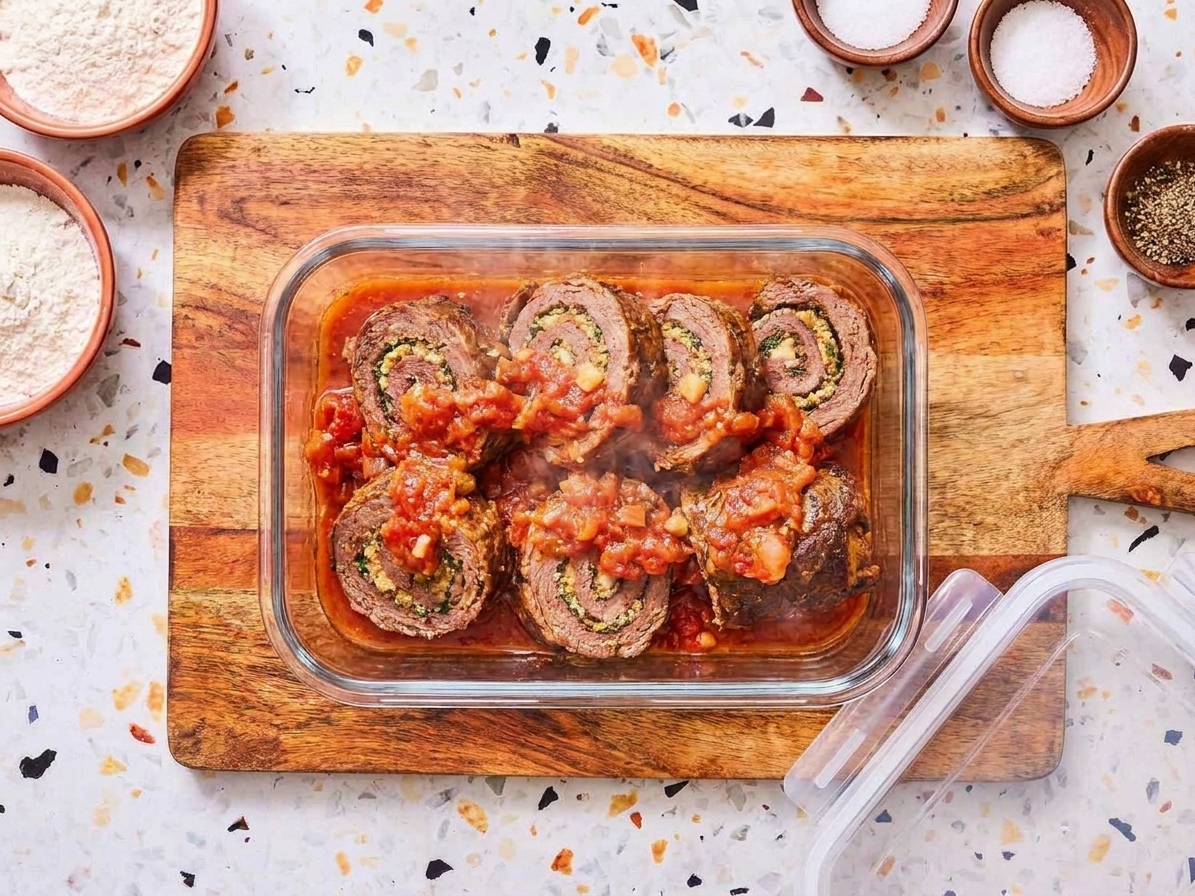
Refrigerator: Store braciole tucked in the sauce in an airtight container for up to 4 days. Keeping it in sauce is the difference between juicy leftovers and sad beef.

Freezer: Freeze braciole in sauce for up to 3 months. Thaw overnight in the fridge before reheating.

Reheat: Warm gently in a covered saucepan over low heat, adding a splash of water if the sauce has thickened too much. Microwave works too, but go in shorter bursts so the meat stays tender.

Sliced braciole stored in a glass container, covered with tomato sauce and ready for reheating

Common Questions

Common Questions

What cut of beef is best for braciole?

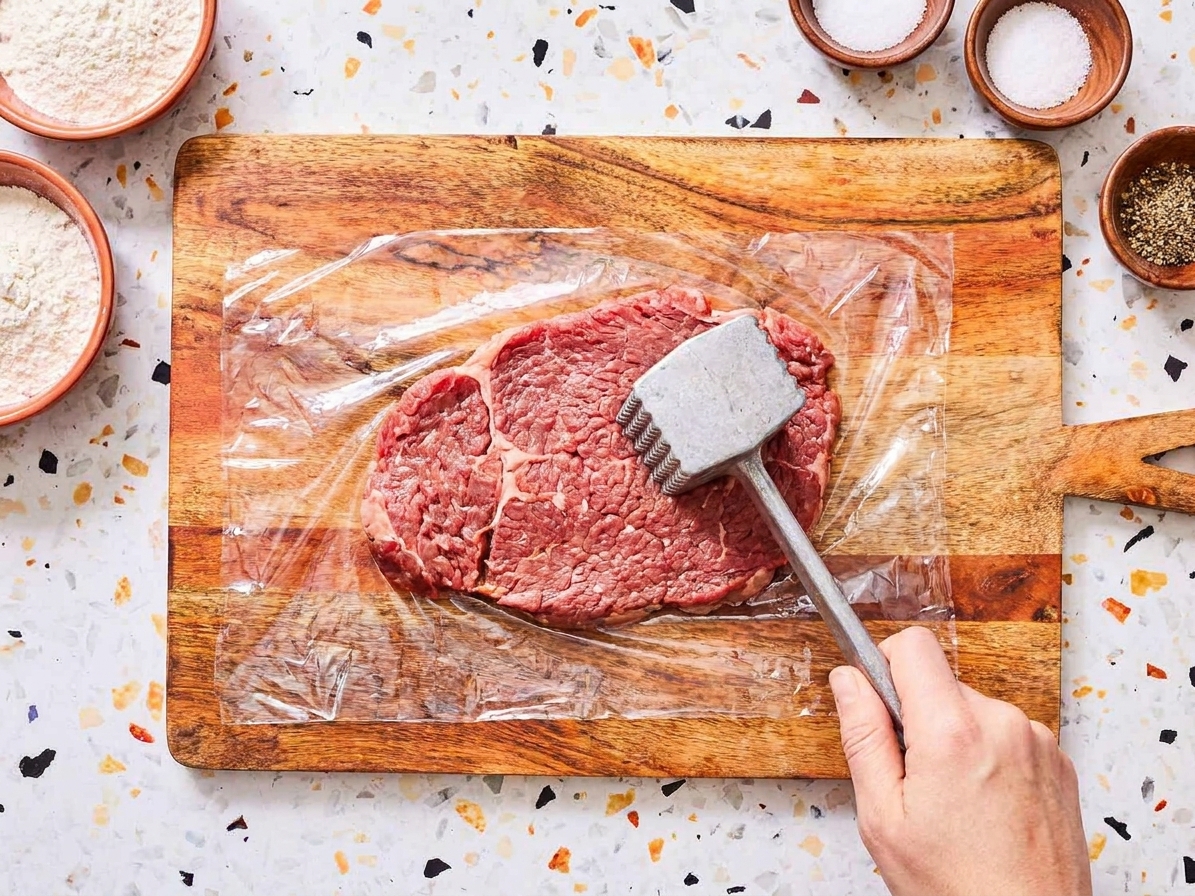
Look for thin-sliced top round cutlets (often labeled “braciole,” “thin-sliced round,” or “scaloppine” depending on the butcher). You want pieces that can be rolled without tearing. If what you see looks more like shaved beef (very thin, floppy, hard to roll), skip it and ask the butcher for top round cutlets you can pound to about 1/4 inch.

Do I have to use toothpicks or kitchen twine?

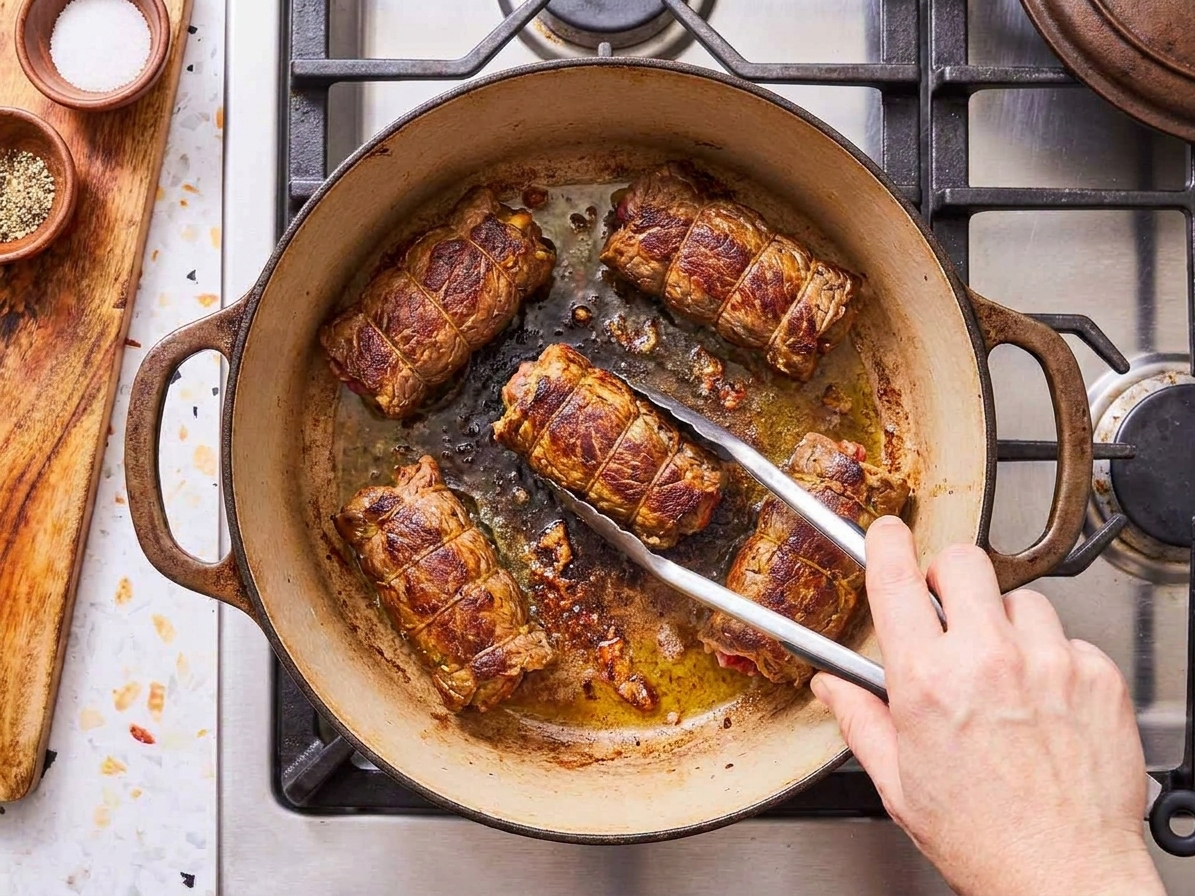
You need something to keep the rolls from unspooling while browning and simmering. Toothpicks are fastest. Twine is a little neater. Either works. If using twine, tie 2 to 3 loops per roll and snip them off before slicing.

Why did my braciole turn tough?

Usually one of three things: the beef was cut too thick, it did not cook long enough, or the simmer was too aggressive. Keep it at a gentle simmer and give it time. Tough braciole often becomes tender if you keep cooking it another 20 to 40 minutes.

Can I make braciole without cured meat?

Yes. The pancetta or prosciutto adds salty depth, but you can skip it and add an extra tablespoon of Parmesan plus a pinch more salt to the filling.

What do you serve with braciole?

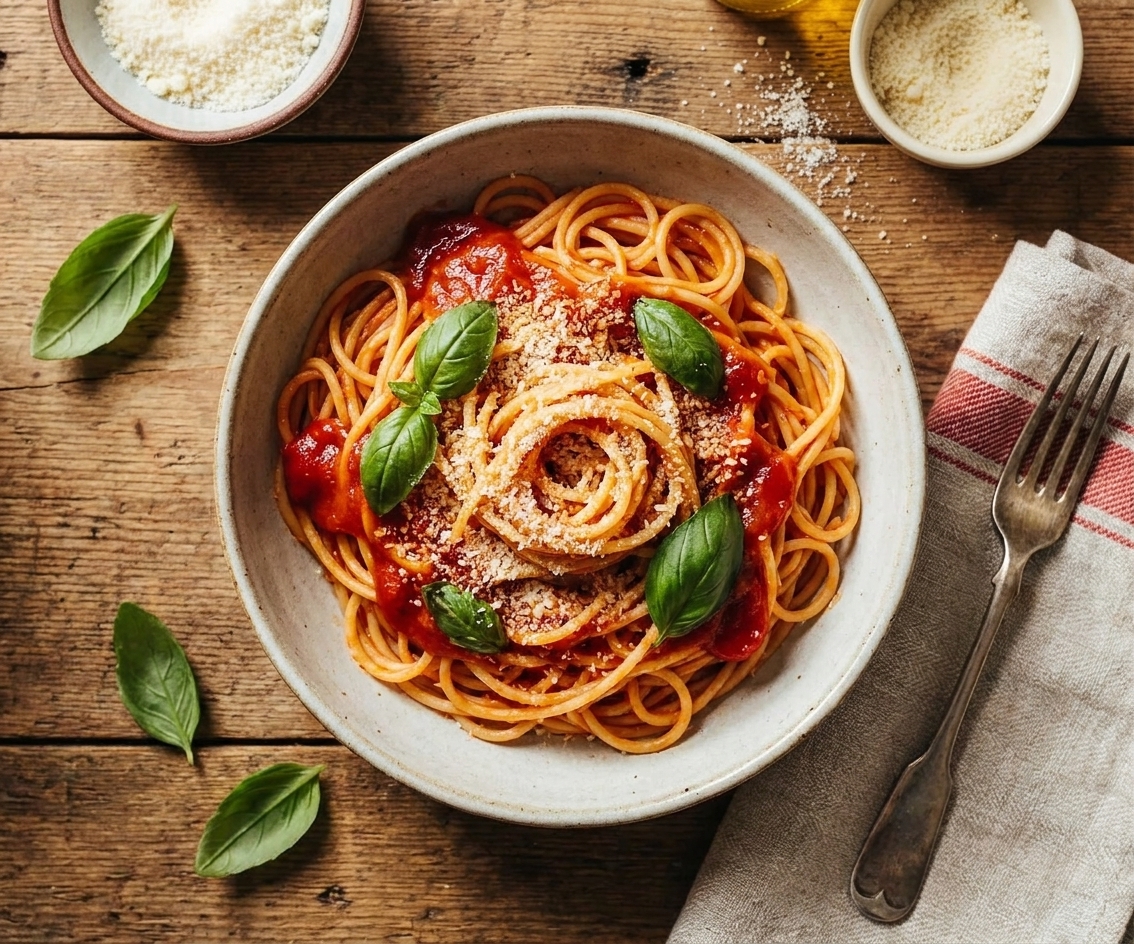
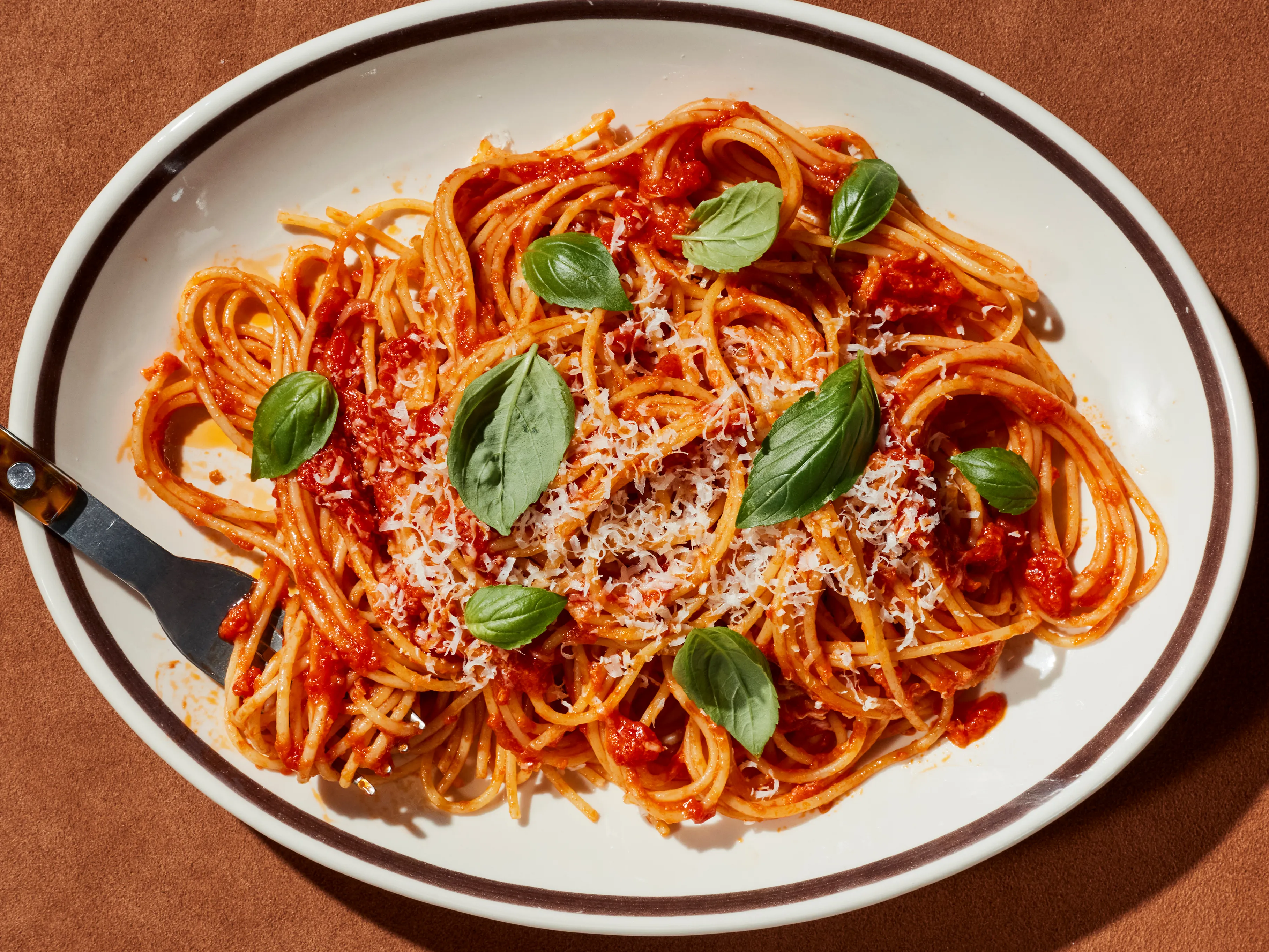
My favorite: pasta (rigatoni or spaghetti) tossed with some of the sauce, plus a salad and bread for wiping the plate. Polenta and roasted broccoli are also excellent. If you want the classic flow: pull the braciole out to rest, toss pasta with the sauce, then slice the braciole and spoon more sauce on top.

Can I cook braciole in the oven instead of the stove?

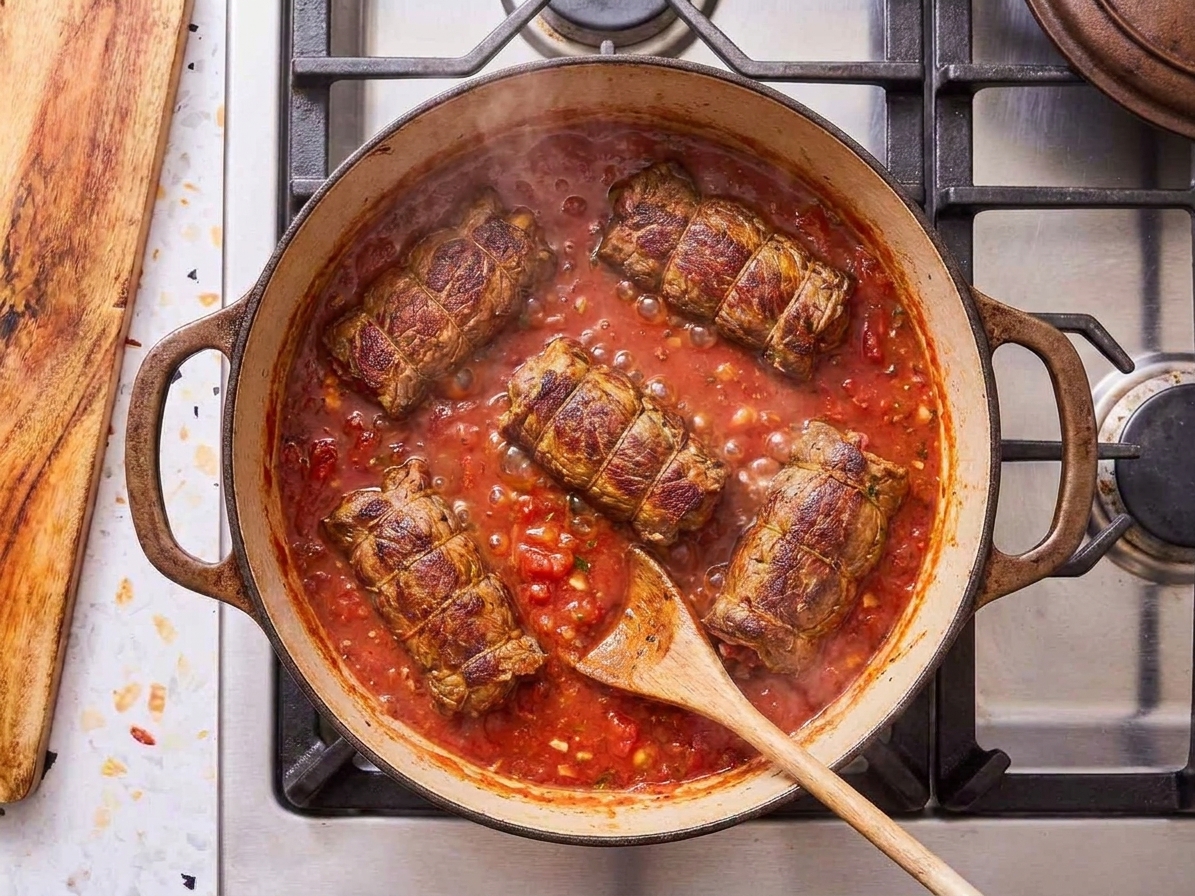
Yep. After browning and adding sauce, cover and braise at 300°F until the rolls are knife-tender, usually 1 hour 30 minutes to 2 hours depending on thickness. Same rule as stovetop: doneness is tenderness, not a specific internal temperature.

Isn’t two big cans of tomatoes a lot?

It is generous, but that is part of the charm. You will have plenty of sauce for pasta and leftovers. If you want less sauce, you can use 1 (28-ounce) can crushed tomatoes plus 1/2 to 1 cup broth or water, then simmer a little uncovered at the end if you want it thicker.

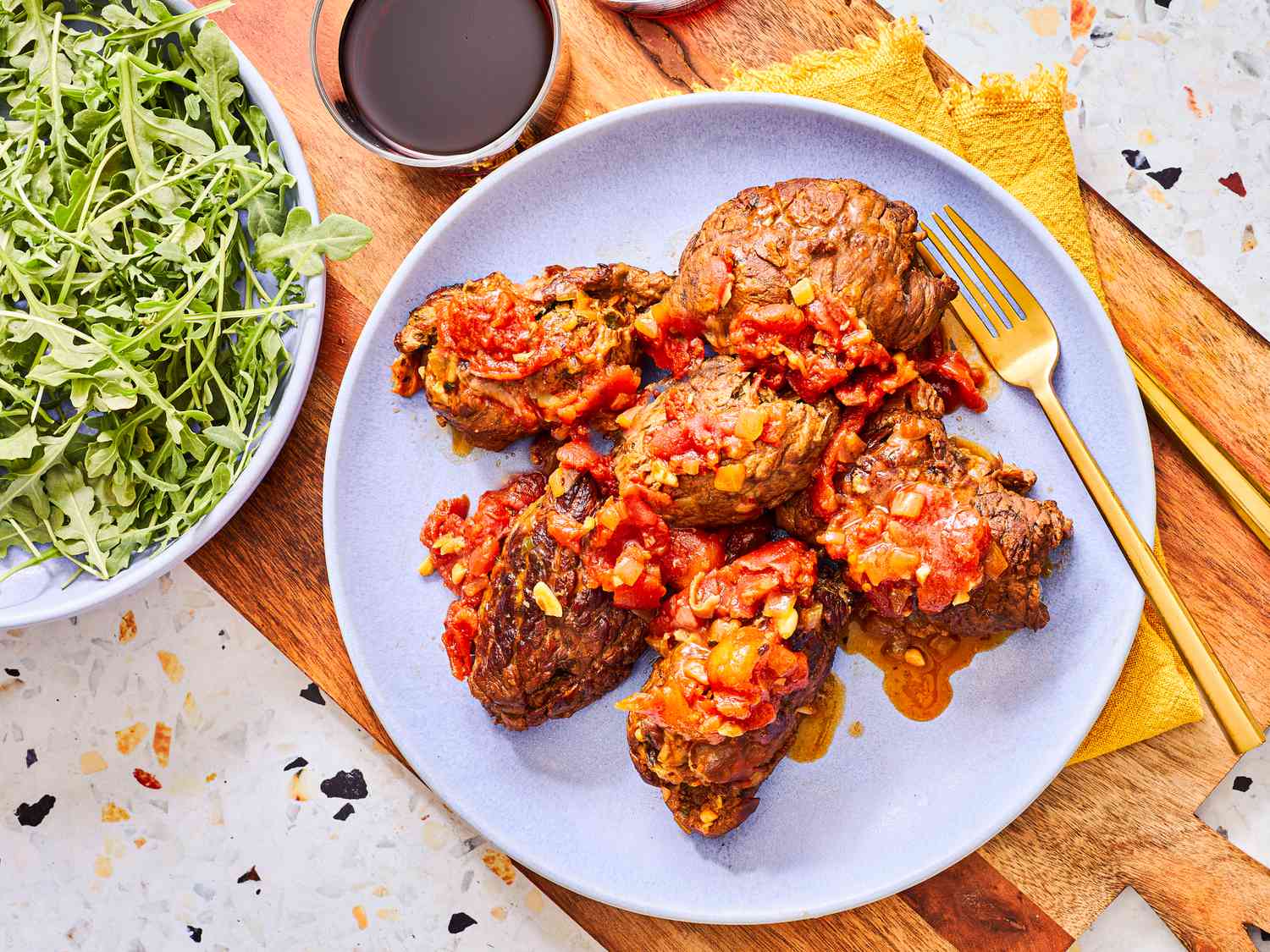
I am a sucker for any recipe where the sauce does half the work and your kitchen smells like you have been cooking all day. Braciole is that for me. The first time I made it, I overstuffed every roll because I thought more filling meant more happiness. It did, but it also meant toothpicks everywhere and a little chaos in the pot. Now I keep the filling balanced, brown it well for flavor, and let the gentle braise do the tenderizing. It is cozy, dramatic in a good way, and it makes plain pasta feel like a celebration.