Mom's Best Recipes
Recipe

Pasta Pomodoro

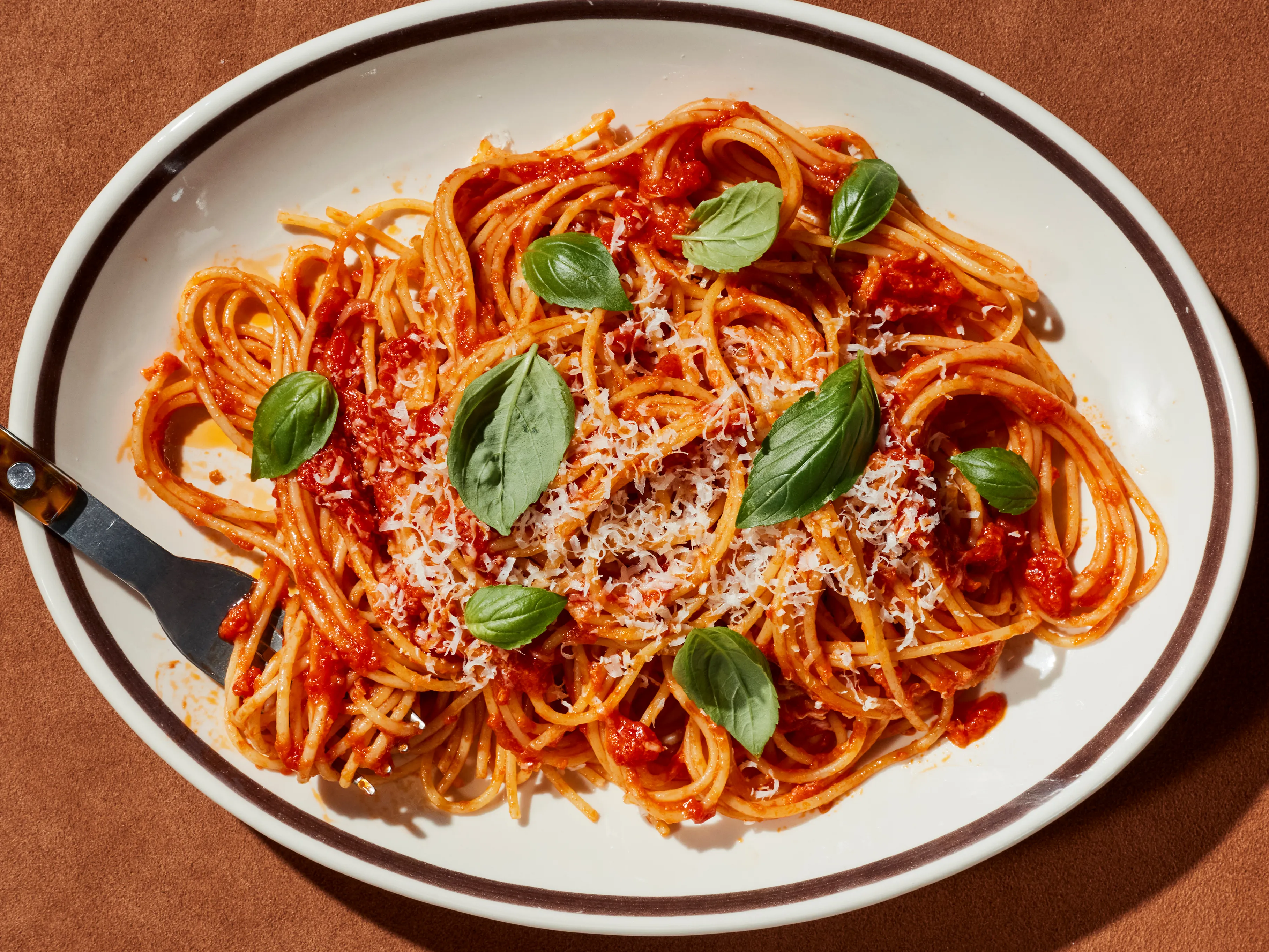
A fast Italian classic with a glossy tomato sauce, fresh basil, and plenty of Parmesan. Simple ingredients, big flavor, zero drama.

Author By Matt Campbell
4.8
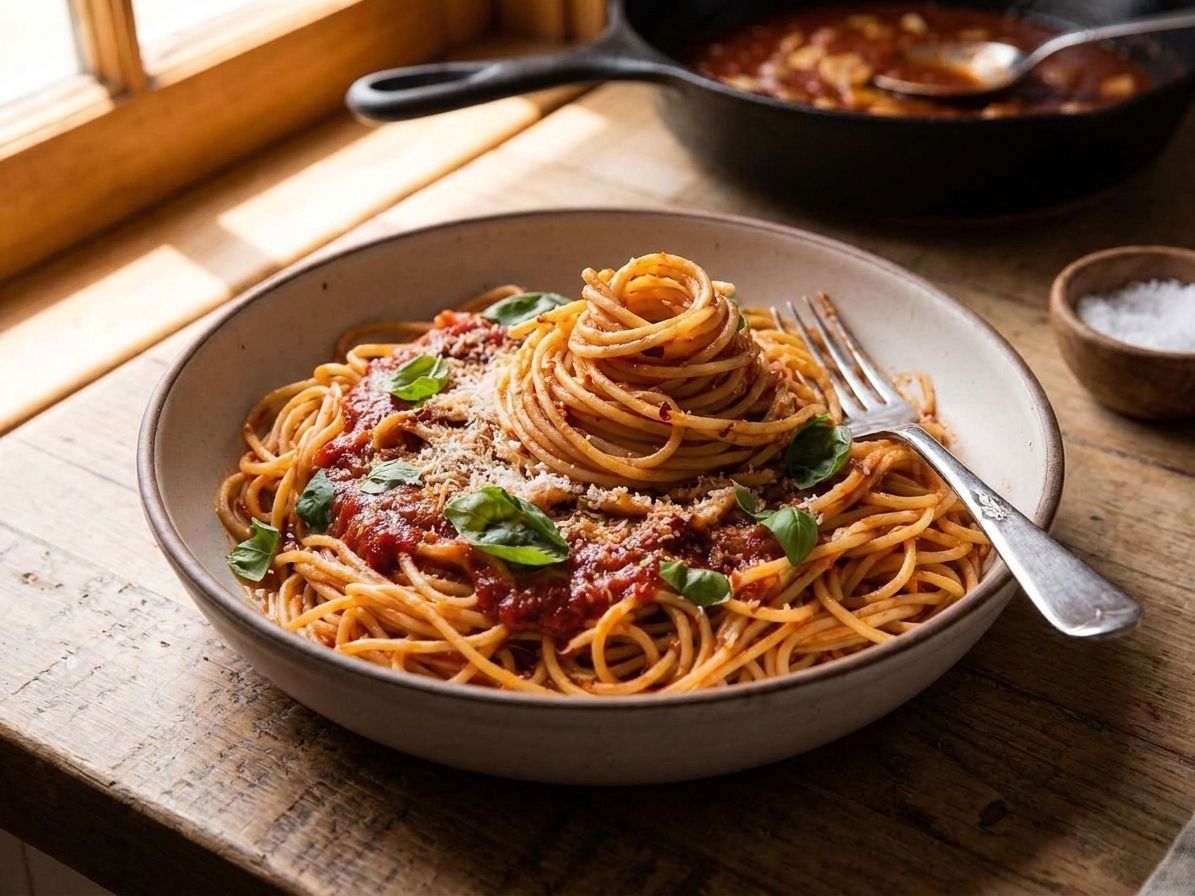
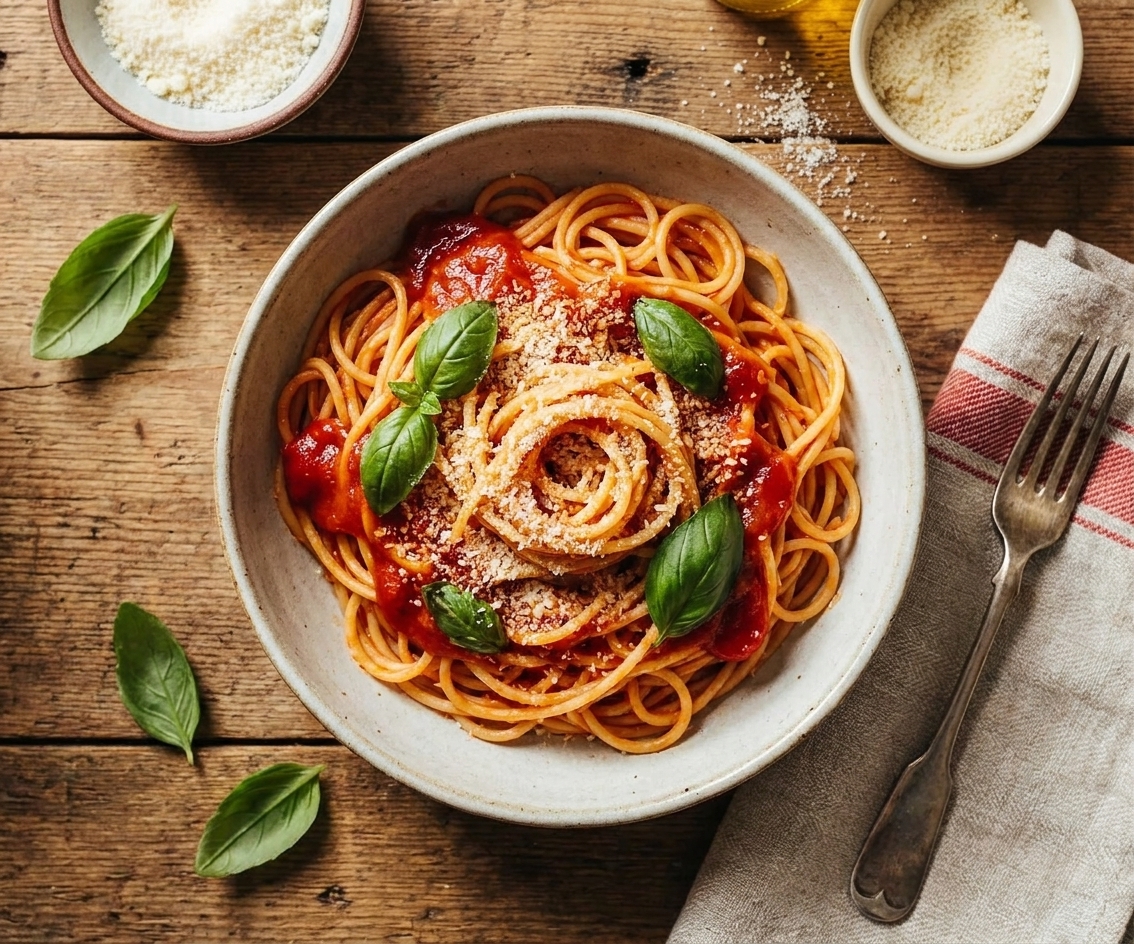
A white bowl of pasta pomodoro with glossy tomato sauce, fresh basil leaves, and grated Parmesan on a wooden table with soft natural light

Pasta pomodoro is my definition of a perfect weeknight win. It is simple, it is cozy, and when you treat the tomatoes like they deserve a tiny bit of respect, it tastes way bigger than the ingredient list suggests.

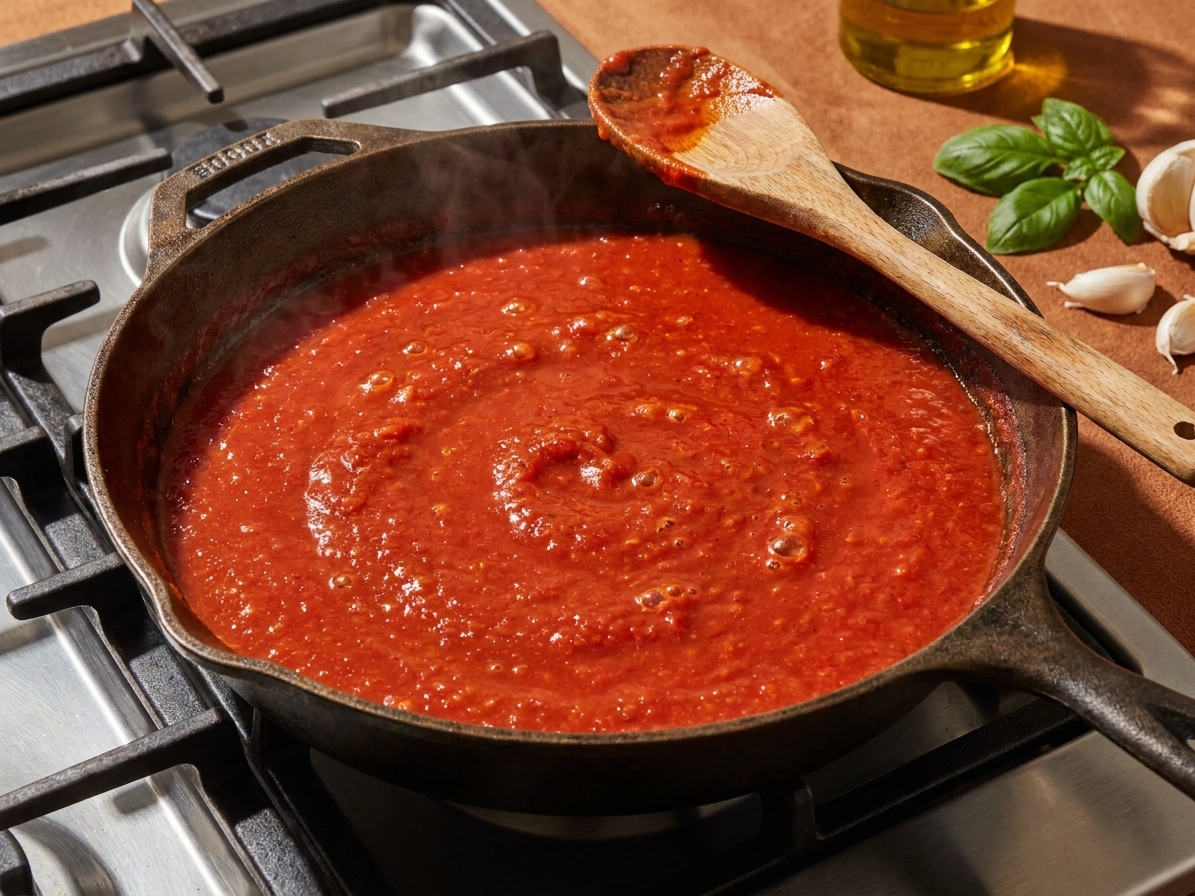
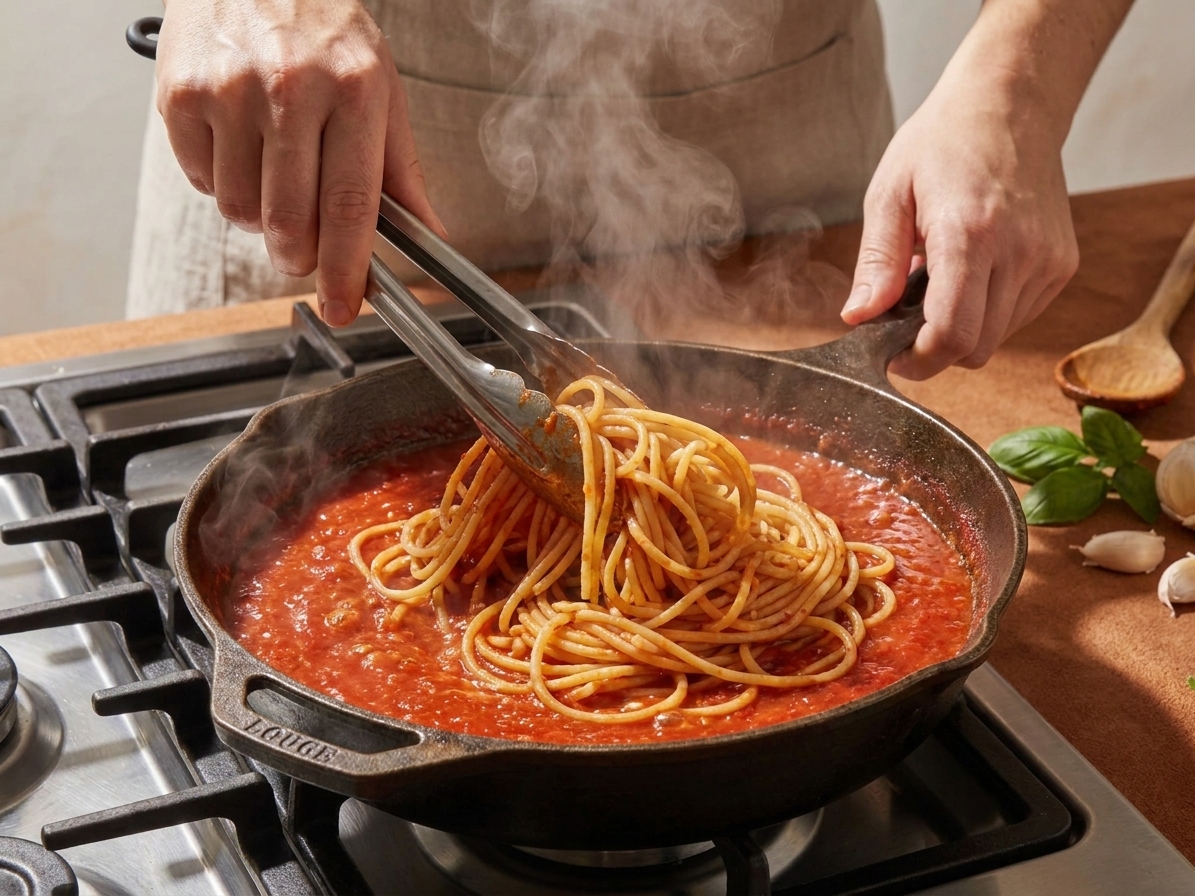
Here is the move: build a quick garlic and olive oil base, let good tomatoes simmer just long enough to mellow, then finish the pasta in the sauce with a splash of pasta water. That last part is the difference between “pasta with tomato sauce” and “why is this so silky and restaurant-y.”

If you are wondering why I reach for whole peeled tomatoes, it is because they are often packed at peak ripeness and tend to taste cleaner than some crushed tomatoes. You get more control too: crush them chunky or smooth, depending on your mood.
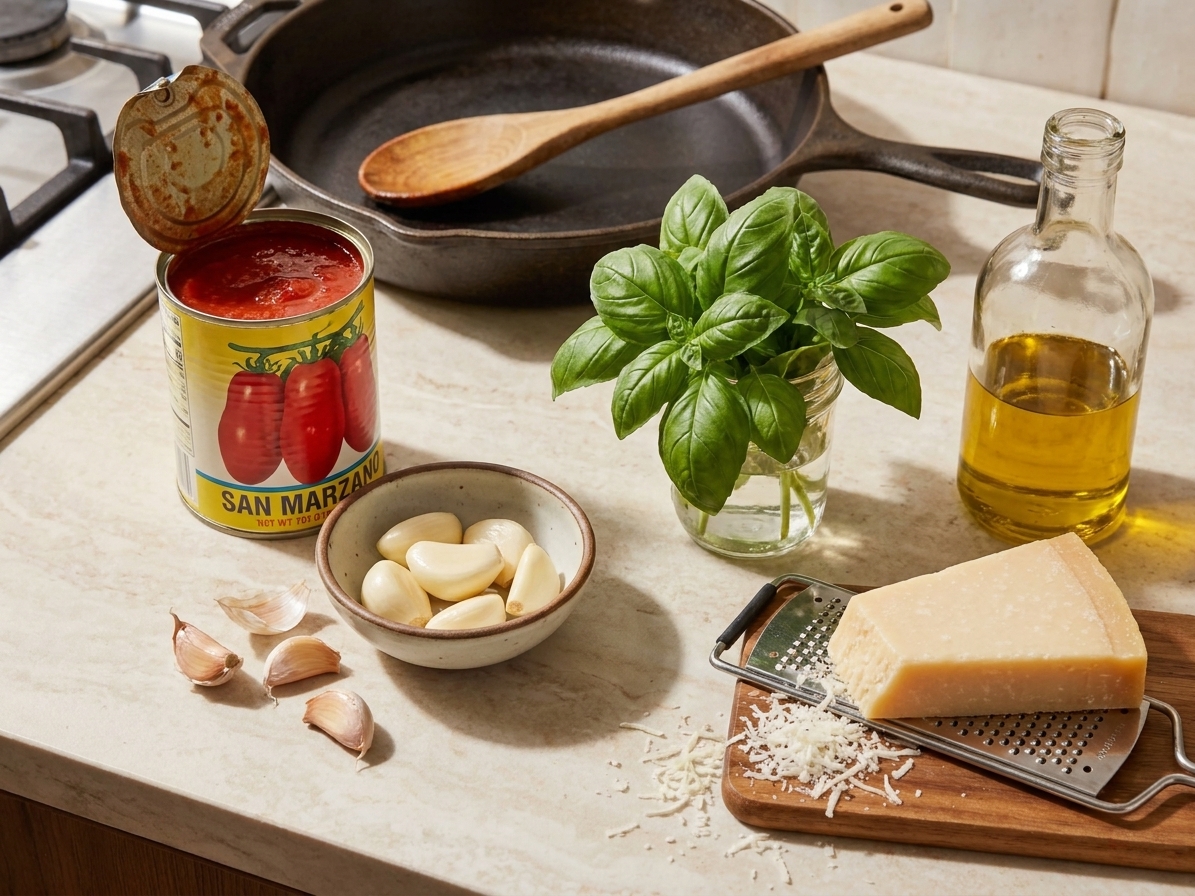
Canned San Marzano tomatoes, whole garlic cloves, fresh basil, olive oil, and Parmesan arranged on a light kitchen counter

Why It Works

  • Bright tomato flavor without tasting raw: a short simmer plus a pinch of salt brings the sweetness forward.
  • Glossy, clingy sauce: pasta water and a final toss emulsify everything so the sauce hugs each noodle.
  • Accessible ingredients: pantry tomatoes, garlic, olive oil, basil if you have it, and Parmesan.
  • Flexible: make it spicy, add butter, or fold in mozzarella. The base stays solid.

Pairs Well With

Storage Tips

Refrigerate: Store leftovers in an airtight container for up to 4 days.

Reheat (best method): Warm in a skillet over medium-low with a splash of water. Stir and let it loosen slowly, then finish with a drizzle of olive oil and a little Parmesan.

Microwave: Totally fine. Add a tablespoon or two of water first, cover loosely, and heat in short bursts, stirring between.

Freezing: If you want to freeze, freeze the sauce for up to 3 months. Pasta texture suffers a bit after freezing, so I prefer cooking fresh pasta when you reheat the sauce.

Common Questions

What is the difference between marinara and pomodoro?

They overlap a lot, and the “rules” vary by cook and region. Pomodoro is typically a simpler, tomato-forward sauce with olive oil, garlic, basil, and a relatively short simmer. Marinara can be just as quick, but it often includes extra aromatics or herbs (like onion and oregano) and can be simmered longer depending on the style.

Can I use fresh tomatoes instead of canned?

Yes. Use about 2 to 2 1/2 pounds ripe tomatoes (Roma or vine-ripened). Score, blanch, peel if you feel like being fancy, then chop. You may need a slightly longer simmer to concentrate the flavor.

Why did my sauce taste acidic?

It is often the tomato brand or variety, plus a sauce that needs a little more time or salt. Simmer 5 to 10 minutes more, add a pinch more salt, and consider a small knob of butter. A tiny pinch of sugar is allowed too, no shame.

Do I really need pasta water?

It is the easiest way to get a silky sauce. The starch in the water helps the sauce cling to the pasta. If you forget, add a splash of hot water and toss a bit longer, but pasta water is the real MVP.

What pasta shape works best for pomodoro?

Spaghetti and linguine are classics. Rigatoni and penne are great if you want more sauce in every bite. Use what you have, just cook it al dente and finish it in the sauce.

Pomodoro is the dish I make when my brain is tired but my taste buds still want a little drama. It is also the one that taught me a restaurant habit I now refuse to quit: finish the pasta in the sauce. The first time I watched a line cook do it, it looked almost too simple, like a magic trick with no secret. Turns out the secret is just paying attention for the last two minutes and tasting like you mean it.