Mom's Best Recipes
Recipe

Classic Italian Focaccia

Olive oil rich, dimpled, golden focaccia with rosemary, flaky salt, and a chewy, airy crumb.

Author By Matt Campbell
4.8
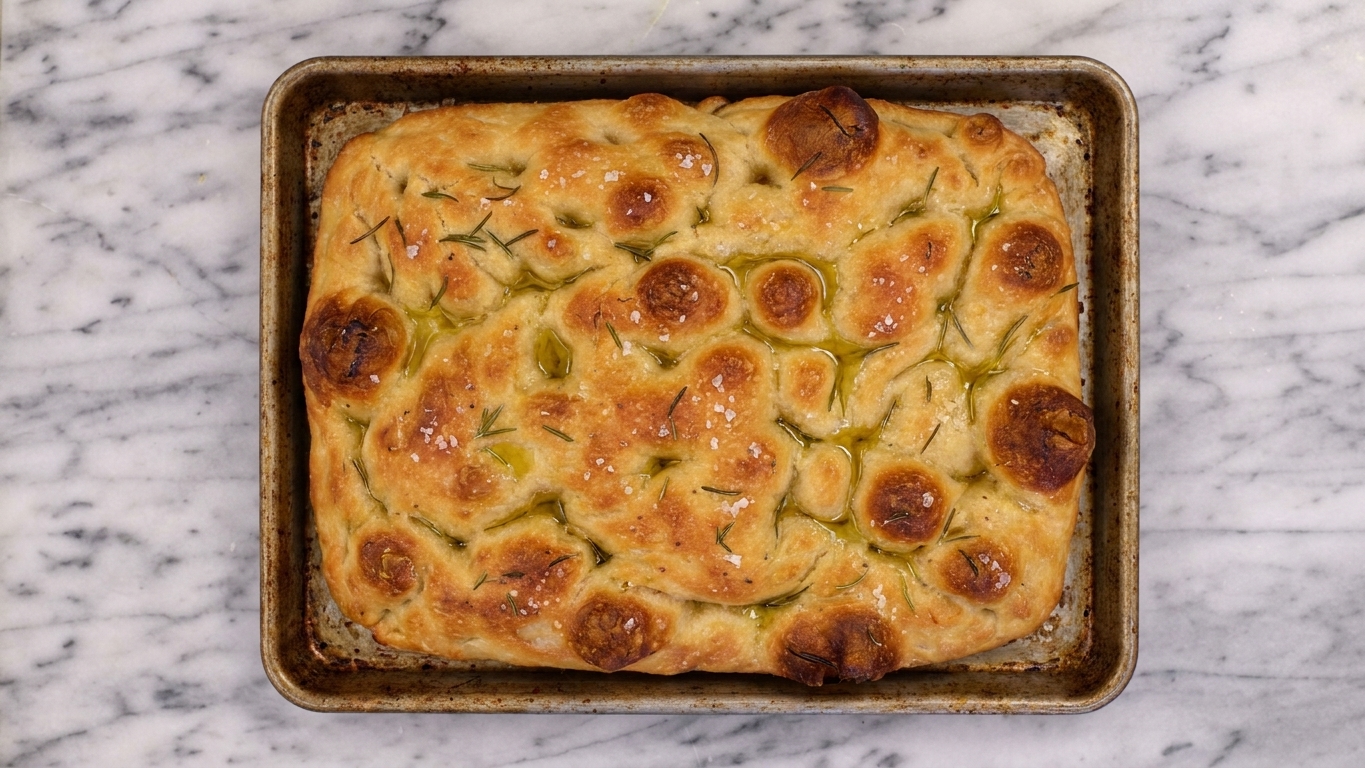
A golden Italian focaccia on a metal sheet pan, deeply dimpled with olive oil pools, topped with rosemary needles and flaky salt

Focaccia is the kind of bread that makes you feel like a hero even if you are wearing sweatpants and your kitchen timer is going off for something unrelated. It is forgiving, it loves olive oil, and it rewards a little patience with the best possible combo: crisp, fried-in-olive-oil edges and a soft, airy middle that begs for one more tear-off piece.

This is my go-to classic Italian focaccia with rosemary and flaky salt. The dough is wet and a little sticky, which is exactly how you get that pillowy crumb. The method is simple: mix, rest, fold, rise, dimple, bake. No drama, just good bread energy.
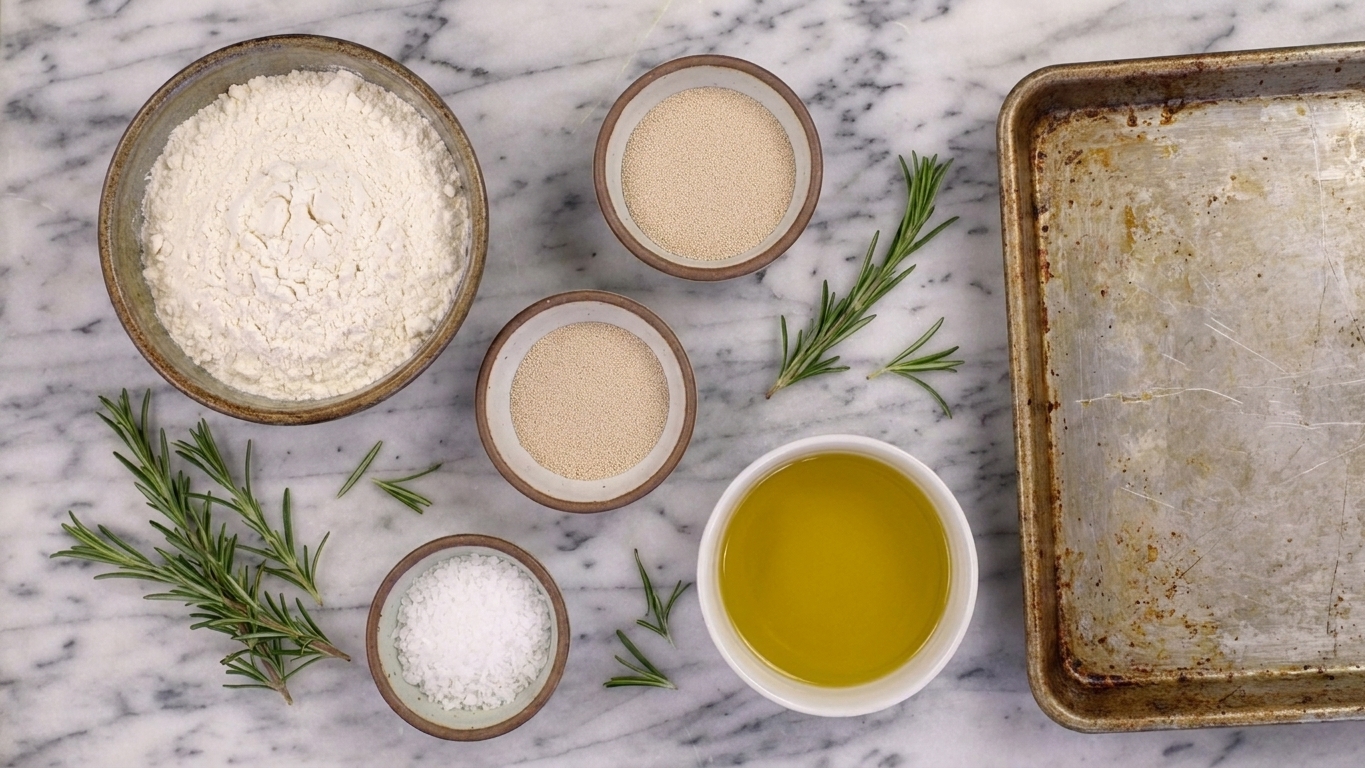
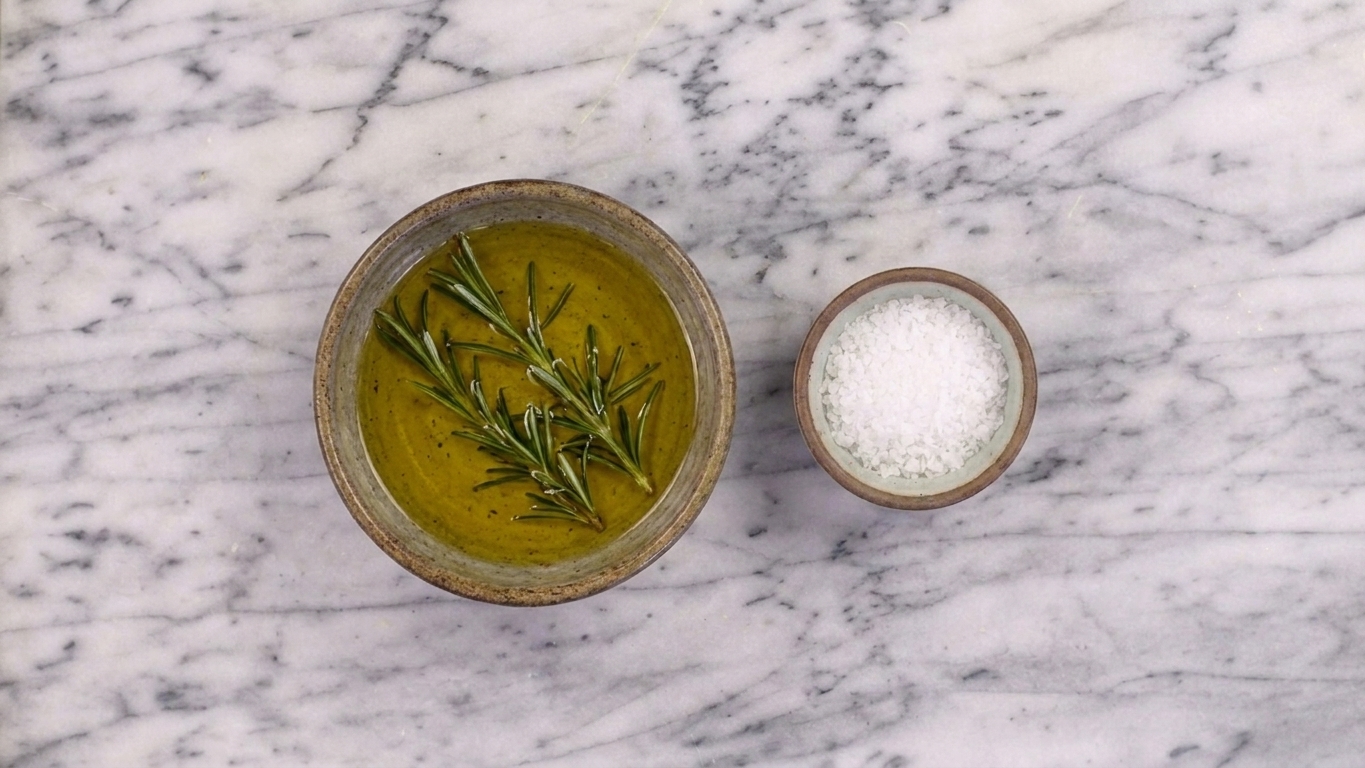
Bowls of flour, yeast, kosher salt, olive oil, and fresh rosemary arranged on a clean kitchen counter with a baking pan nearby

Why It Works

  • High hydration dough makes the interior airy and tender instead of dense.
  • Olive oil in the pan essentially shallow-fries the bottom for that signature golden, crisp edge.
  • Dimples trap little pools of oil and brine so every bite tastes seasoned, not bland.
  • Two-stage rise builds flavor and structure without complicated technique.

Pairs Well With

Storage Tips

Focaccia is best the day it is baked, but leftovers are still very much worth your time.

Room temperature (best for 1 to 2 days)

Cool completely, then store in an airtight container or tightly wrapped. If your kitchen is humid, add a paper towel under the lid to reduce sogginess.

Reheating (to bring back the crisp)

  • Oven: 350°F for 8 to 12 minutes directly on the rack or on a sheet pan. If the top is browning before the center is warm, lay a piece of foil loosely over it for the last few minutes.
  • Skillet: Medium heat, a quick drizzle of olive oil, 2 to 4 minutes to re-crisp the bottom.

Freezing (up to 2 to 3 months)

Slice or portion, wrap tightly, then seal in a freezer bag. For easy single slices, separate pieces with parchment so they do not freeze together. Thaw at room temp and reheat at 350°F until warm and crisp.

Common Questions

Why is my focaccia dense?

Usually one of three things: the yeast was old, the dough did not rise enough, or you added too much flour. This dough should feel sticky and loose. If it is firm like pizza dough, it will bake up tighter.

Do I need bread flour?

No. All-purpose flour works great here. Bread flour will give a slightly chewier crumb, but it is not required.

Can I make focaccia the night before?

Yes, and it is actually fantastic. After the first rise, cover and refrigerate the dough overnight. The next day, let it come to room temperature for 60 to 90 minutes, then proceed with the pan rise, dimpling, and baking.

What toppings work besides rosemary?

Cherry tomatoes, thin sliced onion, olives, roasted garlic, or a shower of grated Parmesan. Add delicate things like fresh herbs after baking if you want them super bright.

Why did my topping burn?

Rosemary can get toasty fast. If your oven runs hot, press the rosemary into the dough (so it is coated in oil) and consider adding a little halfway through baking next time.

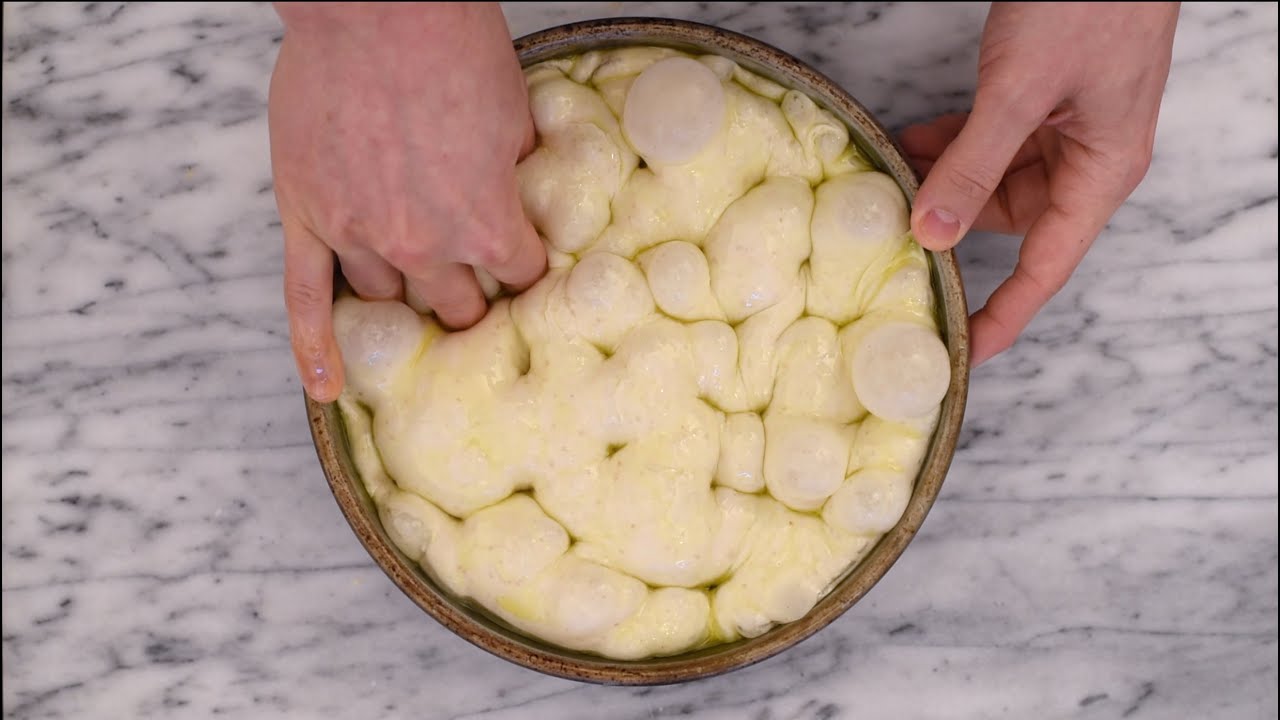
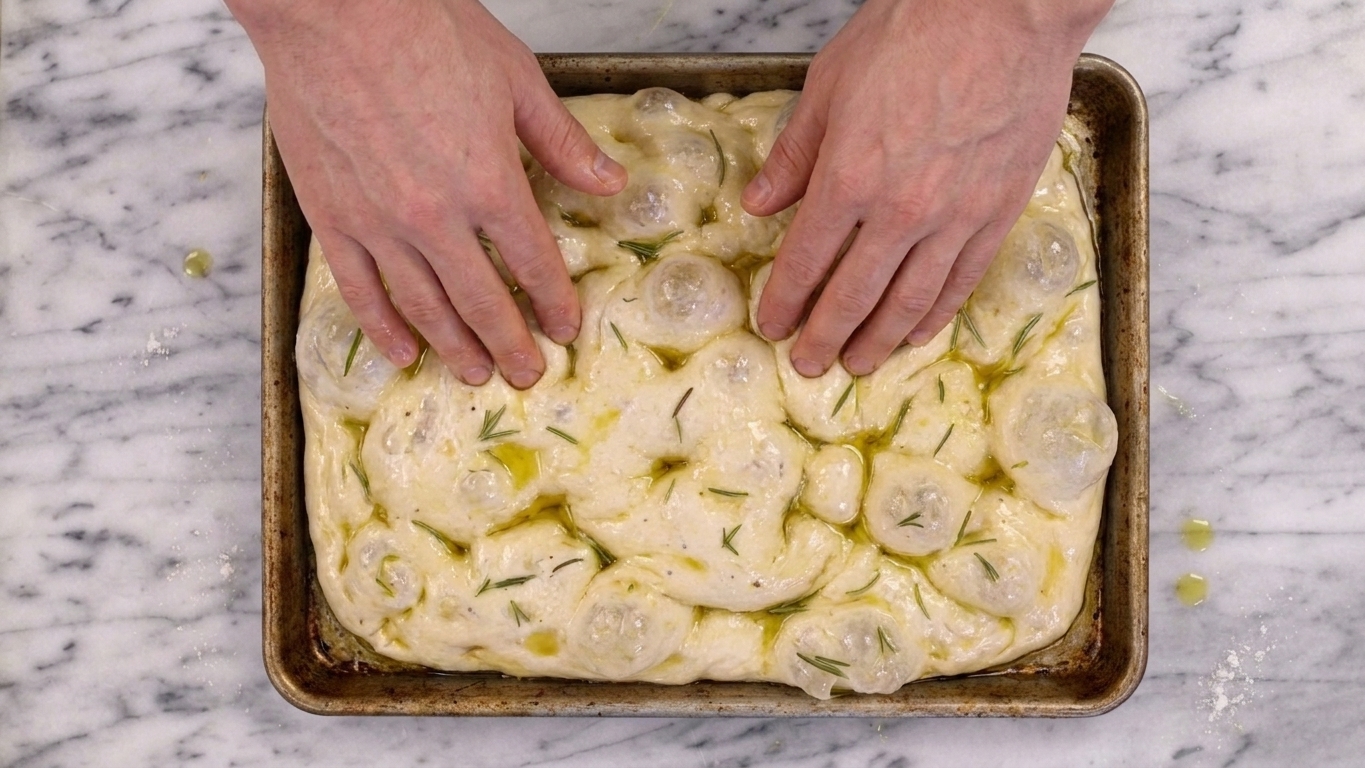
A sheet pan filled with risen focaccia dough being dimpled with fingertips, with olive oil glistening in the indentations

I used to think bread had to be a whole production, like you needed special tools and the emotional steadiness of a pastry chef. Focaccia fixed that for me. The first time I made it, I was mostly motivated by the idea of crispy edges and olive oil. I ended up standing at the counter tearing off “test pieces” until I realized I had basically eaten lunch.

Now it is my favorite bread to make when I want something impressive but low-drama. It is the bread equivalent of showing up to a potluck with great hair when you actually just used dry shampoo. Nobody needs to know.