Mom's Best Recipes
Recipe

Classic Italian Spaghetti Carbonara

Silky egg-and-cheese sauce, crispy guanciale, and a snowstorm of black pepper. A real-deal Roman carbonara that stays creamy without a drop of cream.

Author By Matt Campbell
4.8
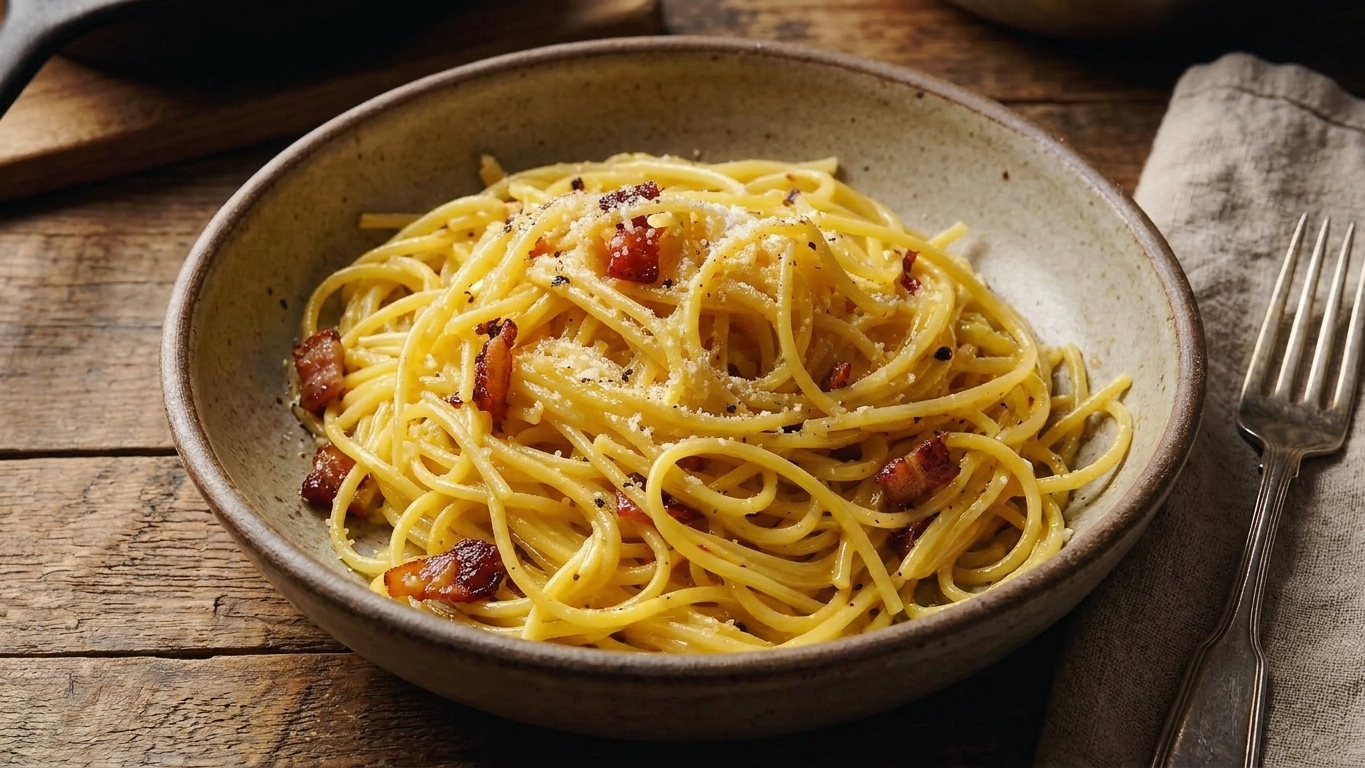
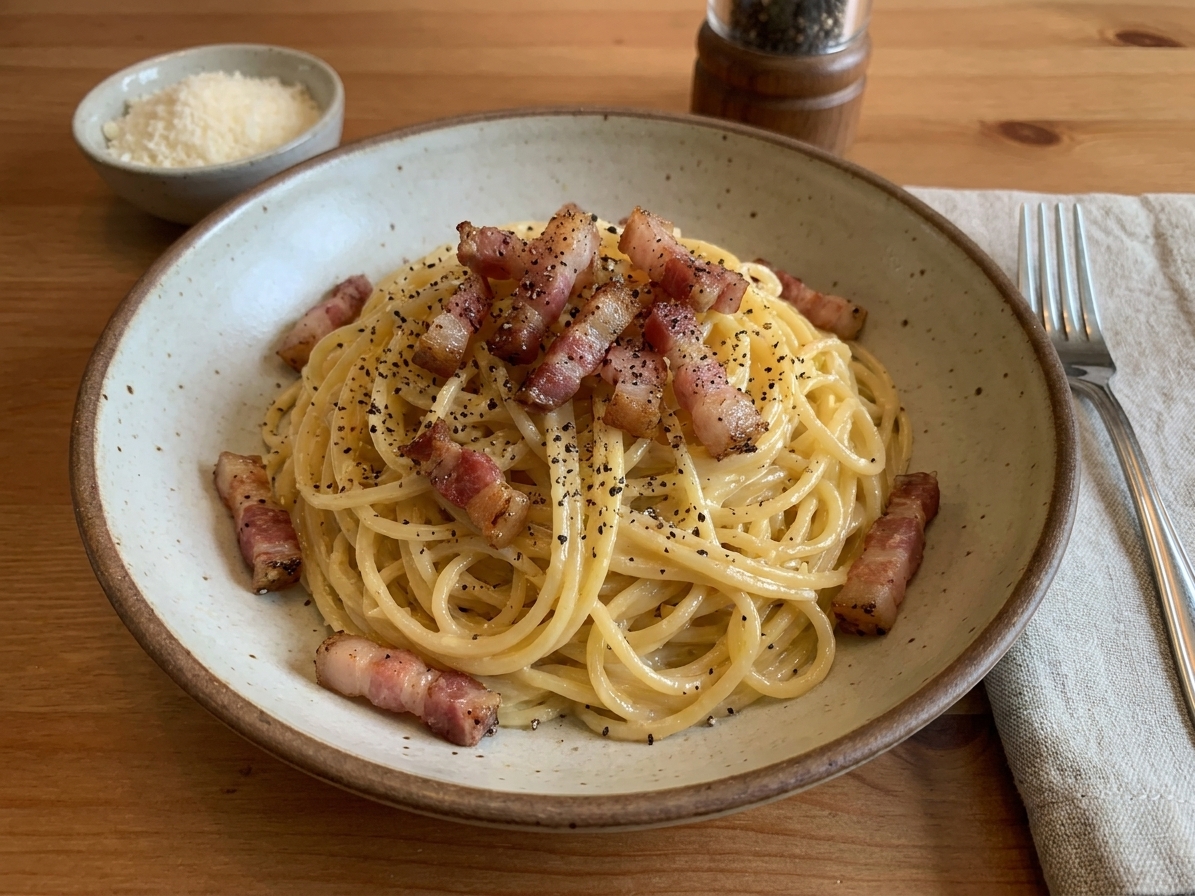
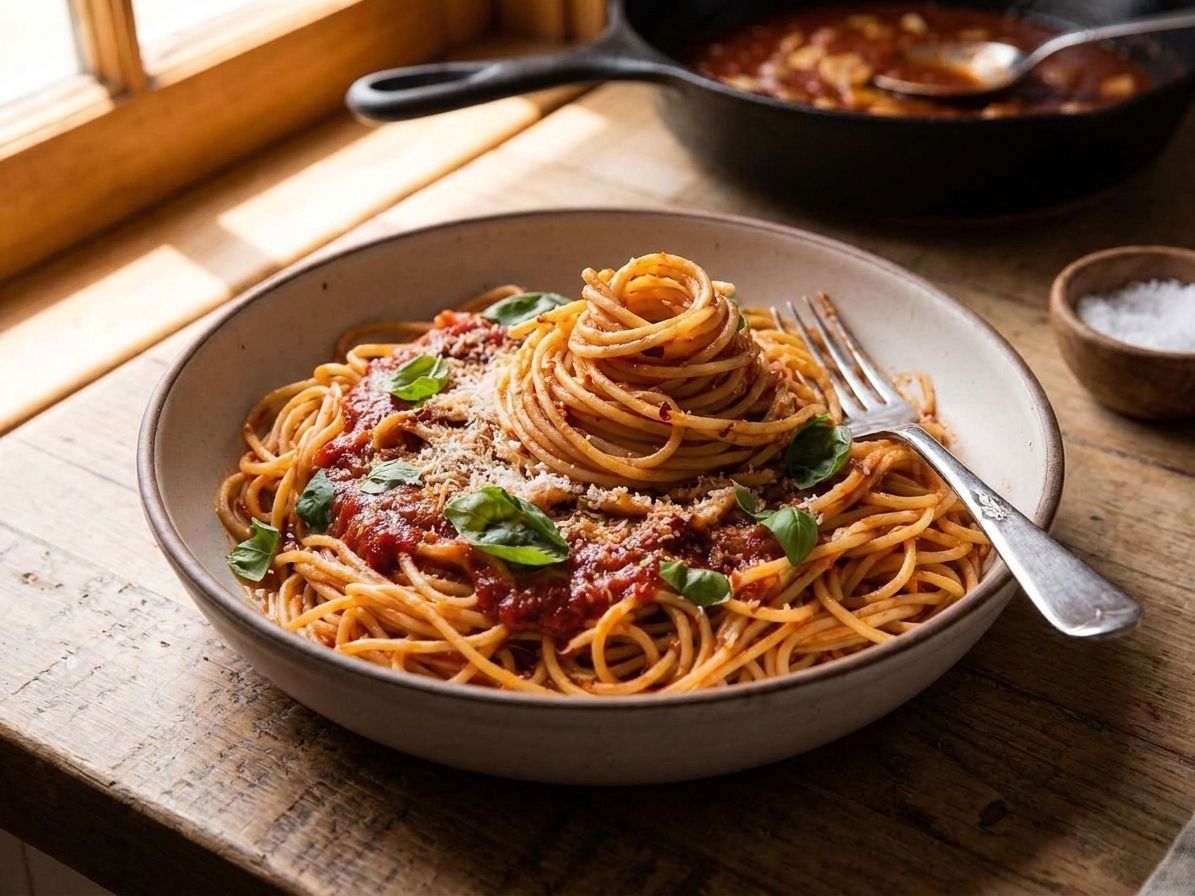
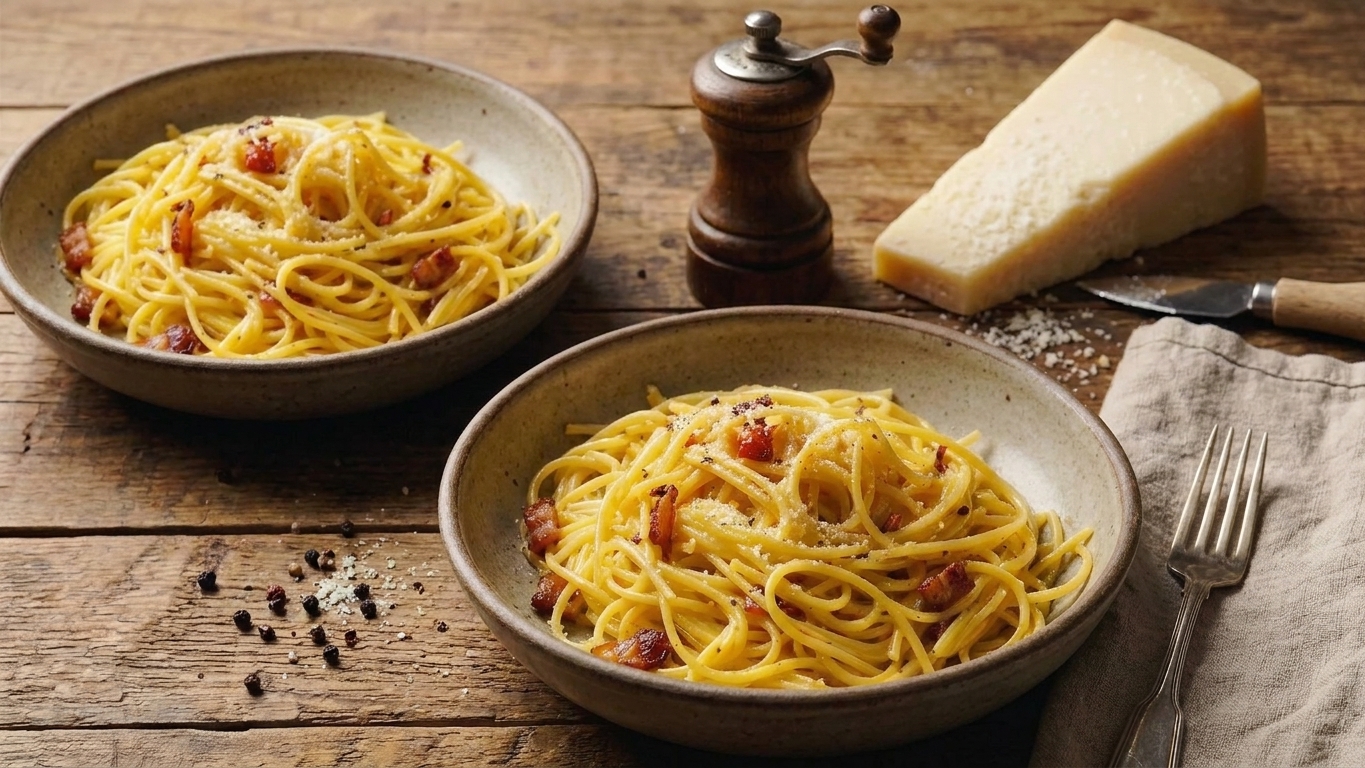
A plated bowl of spaghetti carbonara with glossy strands, crispy guanciale pieces, and freshly cracked black pepper on top on a stoneware plate at a warm kitchen table

Carbonara is one of those dishes that feels like a magic trick: a handful of ingredients, one pan, and suddenly you are twirling up something that tastes like a cozy Roman trattoria on a Tuesday night.

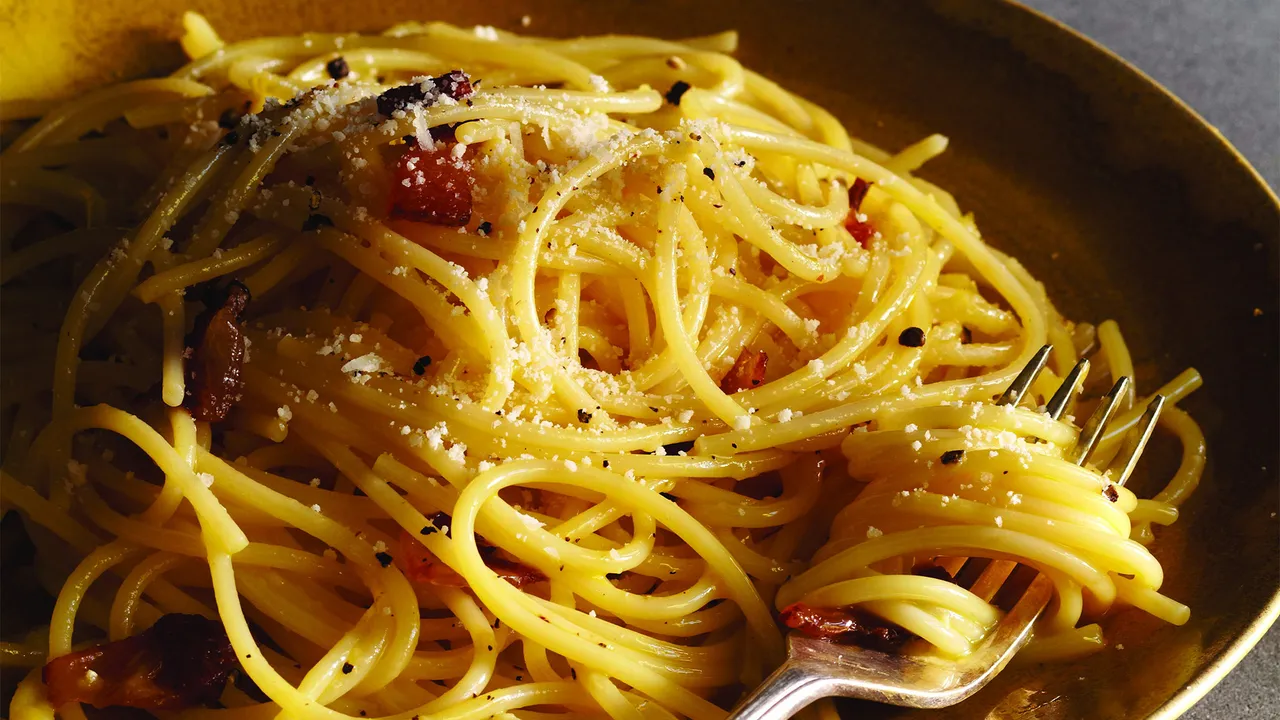
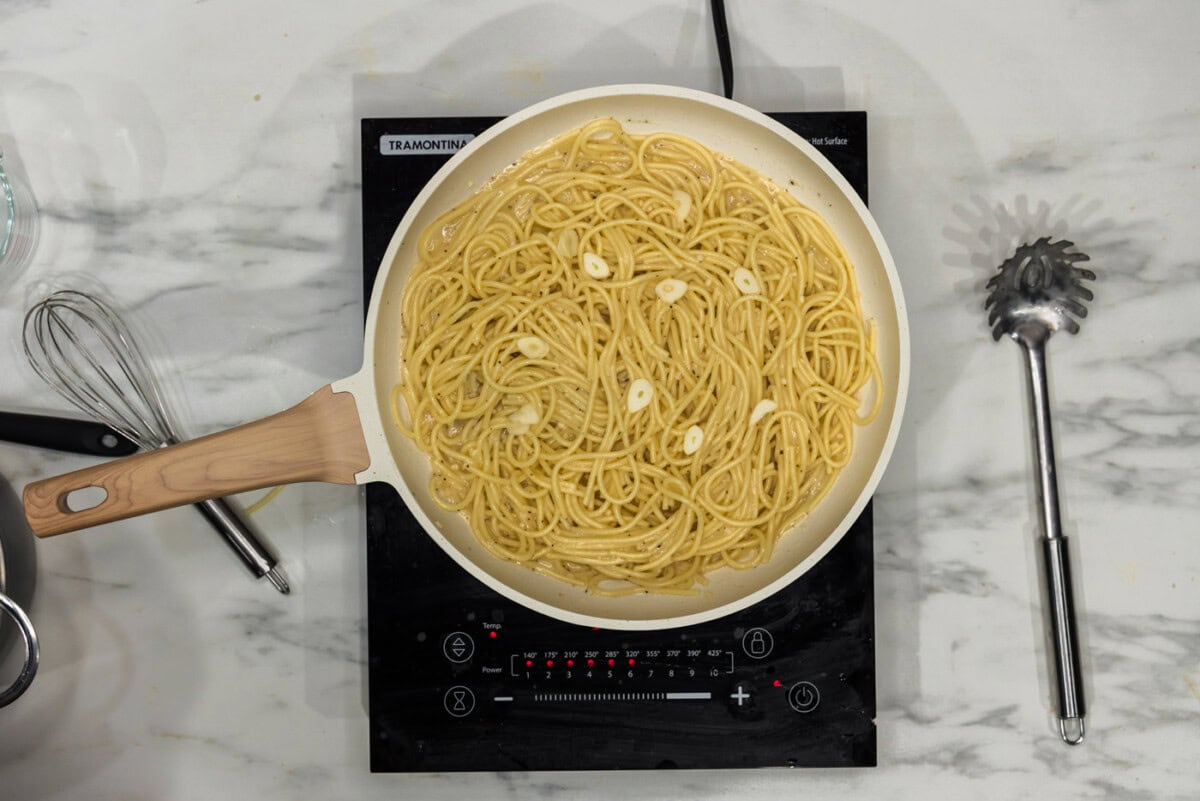
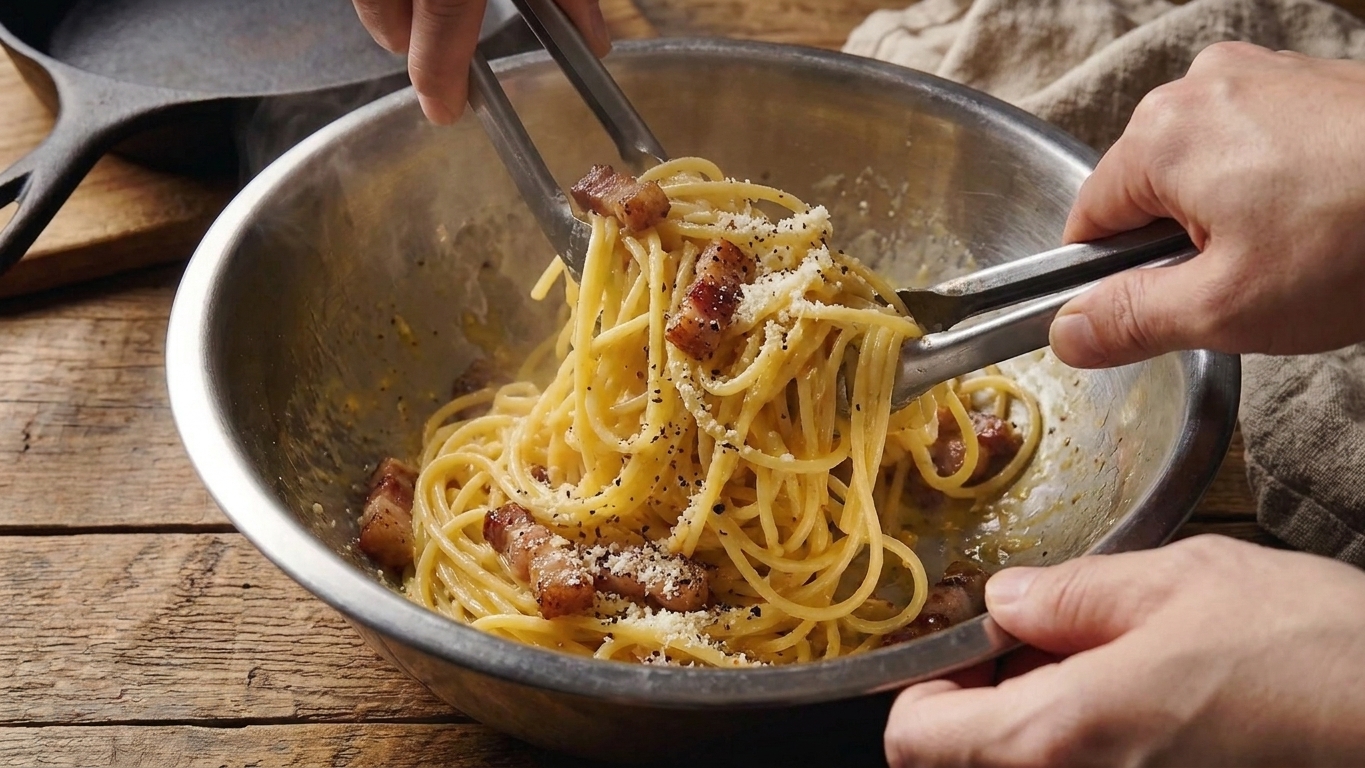
Here is the deal though. Real Italian spaghetti carbonara is not a cream sauce. The creaminess comes from eggs, cheese, rendered pork fat, and starchy pasta water, gently coaxed into a glossy sauce that clings to every strand. We are aiming for silky, not scrambled. Crisp pork, loud black pepper, and a sauce that makes you pause mid-bite like, okay, wow.

Carbonara ingredients arranged together: spaghetti, guanciale, eggs, Pecorino Romano, Parmesan, and a pepper grinder

Why It Works

  • Glossy, creamy sauce without cream by using a warm bowl, off-heat mixing, and pasta water like it is liquid gold.
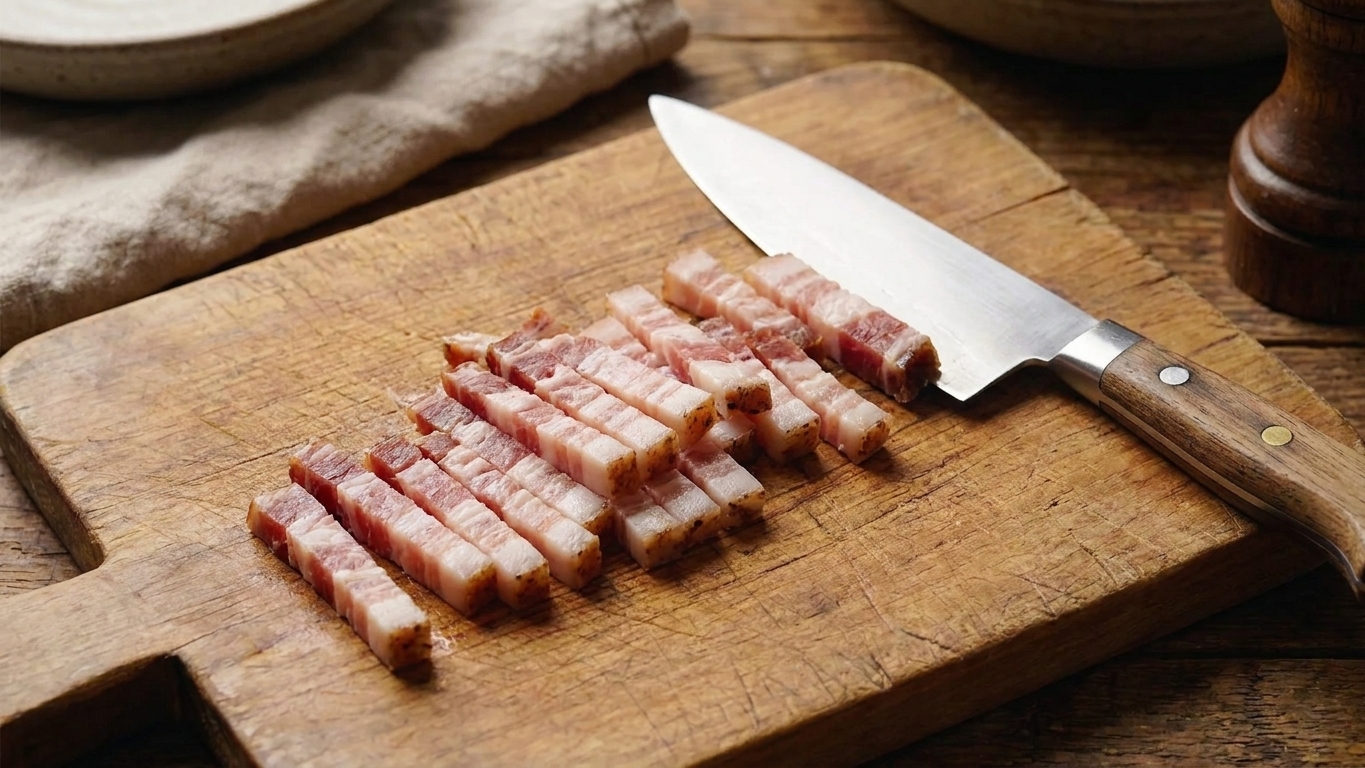
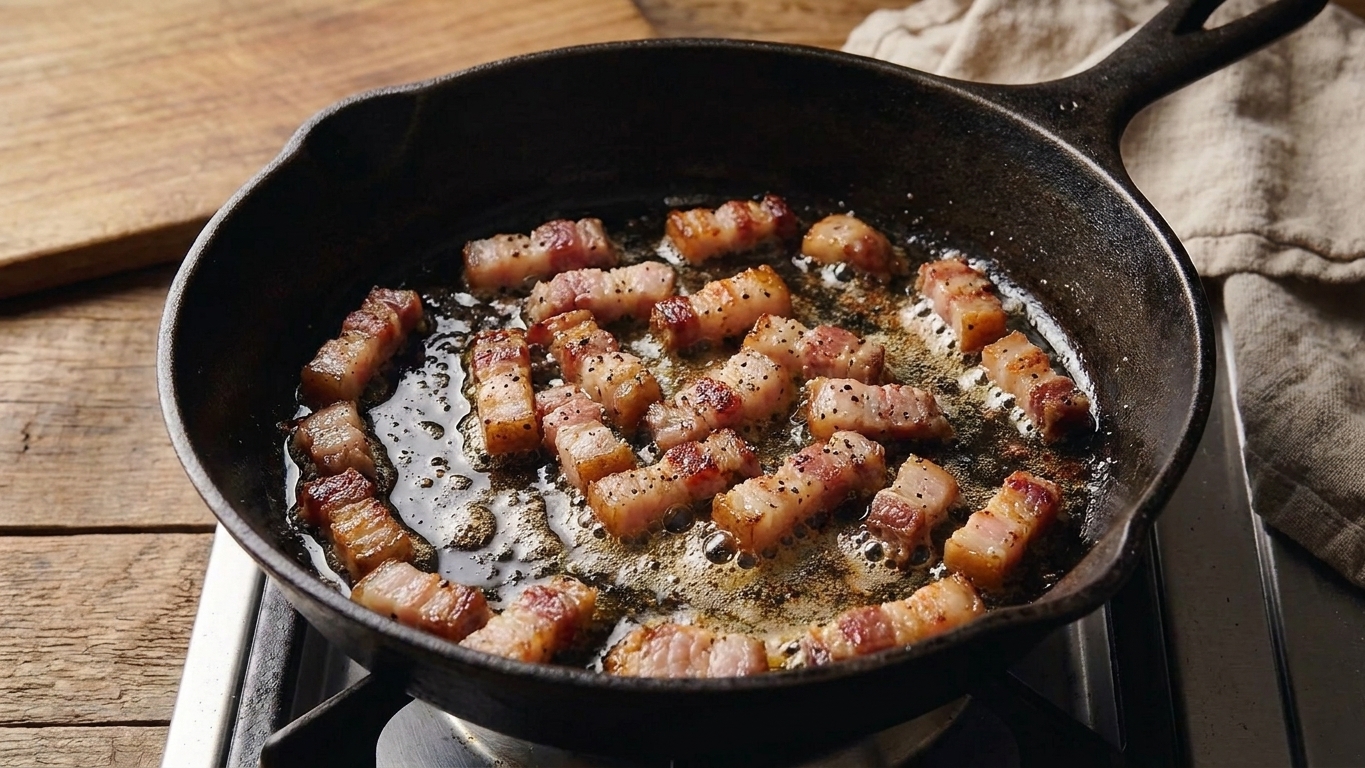
  • Big flavor from few ingredients since guanciale (or pancetta) brings the savory punch and the fat becomes part of the sauce.
  • Zero drama steps that prevent curdling: temper with hot pasta water, then toss off heat until it turns silky.
  • Restaurant-level texture with crisp edges on the pork and pepper that actually tastes like something.

Pairs Well With

Storage Tips

Carbonara is best right away, but leftovers happen and I respect the hustle.

Refrigerate

Cool it down quickly, then store in an airtight container. For best texture, eat within 24 hours, but it will keep up to 2 days.

Reheat (without turning it into scrambled egg pasta)

  • Best method: Add pasta to a skillet over low heat with a splash of water. Toss constantly until just warmed and loosened. Take it off the heat while it is still a touch glossy, because it keeps thickening.
  • Microwave method: Use 50% power in short bursts, stirring often, with a teaspoon or two of water.

Freezing

I do not recommend freezing carbonara. The sauce tends to break and go grainy once thawed.

Common Questions

Is carbonara Italian if it uses cream?

It is still a tasty pasta, but traditional Roman carbonara does not use cream. The classic method relies on eggs + Pecorino + rendered guanciale fat + pasta water for that creamy, glossy texture.

Guanciale vs pancetta vs bacon, what should I use?

  • Guanciale: Traditional. Cured pork jowl. Deep flavor, beautiful fat rendering.
  • Pancetta: Very common substitute and still very Italian.
  • Bacon: Works in a pinch, but it is smokier and can pull the dish in a different direction. If using bacon, consider reducing salt slightly.

Why did my carbonara turn into scrambled eggs?

Heat was too high or the pan was still ripping hot. Fix it next time by turning off the burner and removing the skillet from the heat, letting it cool for 30 to 60 seconds, then tossing with the egg mixture and pasta water. Also, keep tossing like your life depends on it.

Can I use whole eggs or just yolks?

Both work. Whole eggs give a lighter sauce. Extra yolks make it richer and silkier. This recipe uses 2 whole eggs + 2 yolks for the best of both worlds.

What cheese is best for carbonara?

Pecorino Romano is the classic. It is salty, sharp, and perfect here. I like a small blend with Parmesan for balance, but you can go 100% Pecorino if you love that bold bite.

How do I scale this recipe to 1 pound of pasta?

Easy math. For 1 lb pasta, use about 6 to 8 oz guanciale, 3 whole eggs + 3 yolks, and about 1 1/2 cups grated Pecorino (plus a little extra to finish). Then adjust pasta water until it turns glossy and coats the noodles.
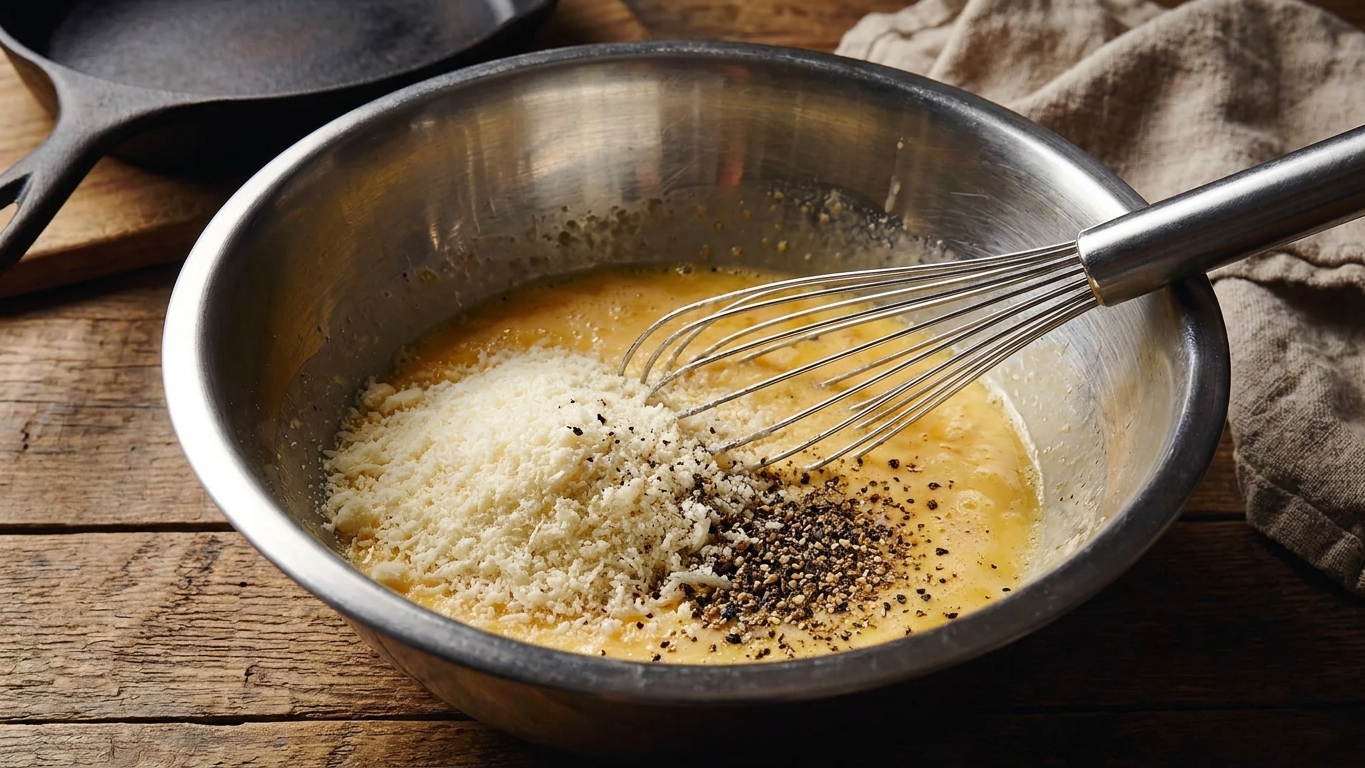

A stainless steel mixing bowl with whisked eggs, grated Pecorino Romano, and cracked black pepper ready to be tossed with hot pasta

The first time I tried to make carbonara, I treated it like Alfredo. I cranked the heat, got impatient, and ended up with pasta wearing tiny egg curds like a sad sweater. The fix was not fancy. It was learning to step back, turn the heat off, move the pan off the burner, and trust the residual warmth. Now carbonara is my go-to when I want something impressive without pulling out a dozen ingredients. It is chaotic in the best way: sizzling pork, pepper everywhere, and that moment when the sauce turns glossy and you know dinner is handled.