Mom's Best Recipes
Recipe

Spaghetti Pomodoro

A bright, basil-forward tomato sauce that coats spaghetti beautifully, made with accessible ingredients and a couple of pro-level tricks.

Author By Matt Campbell
4.8
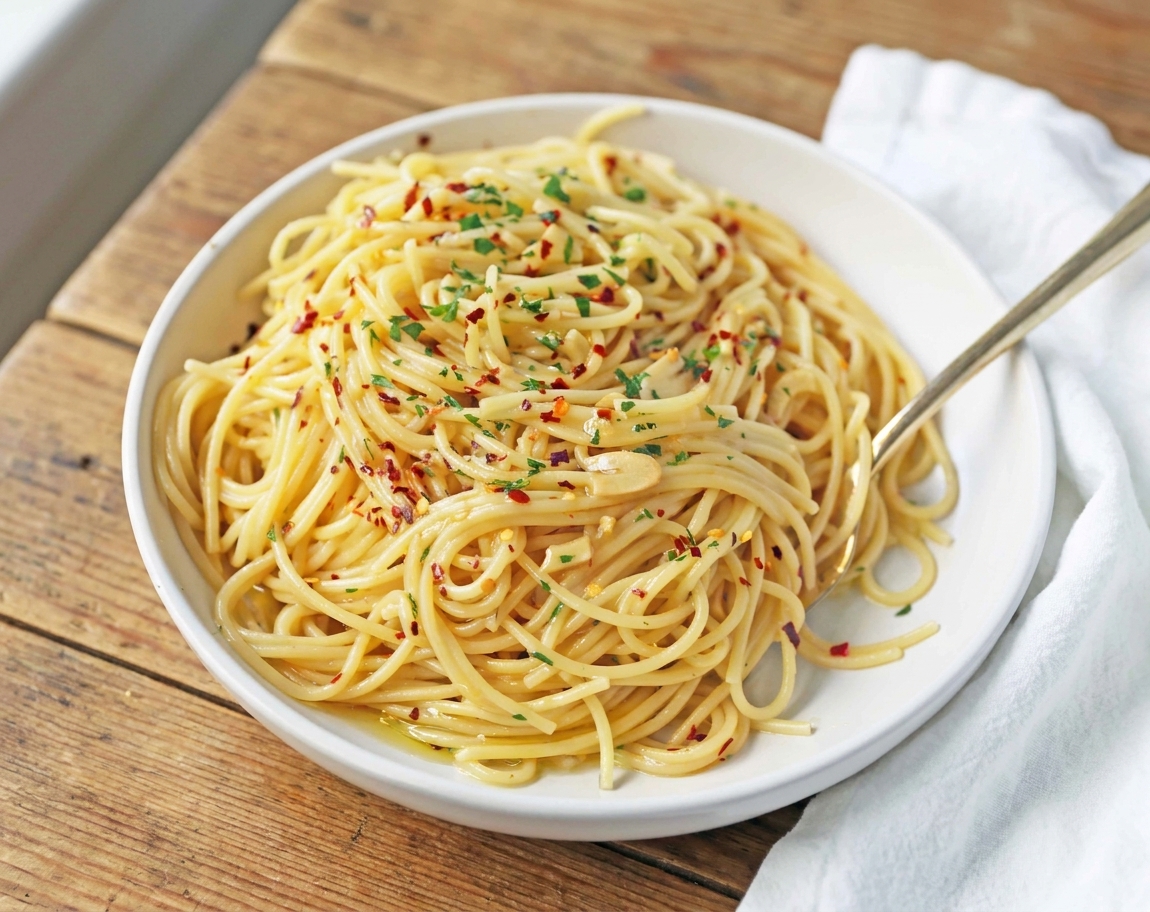
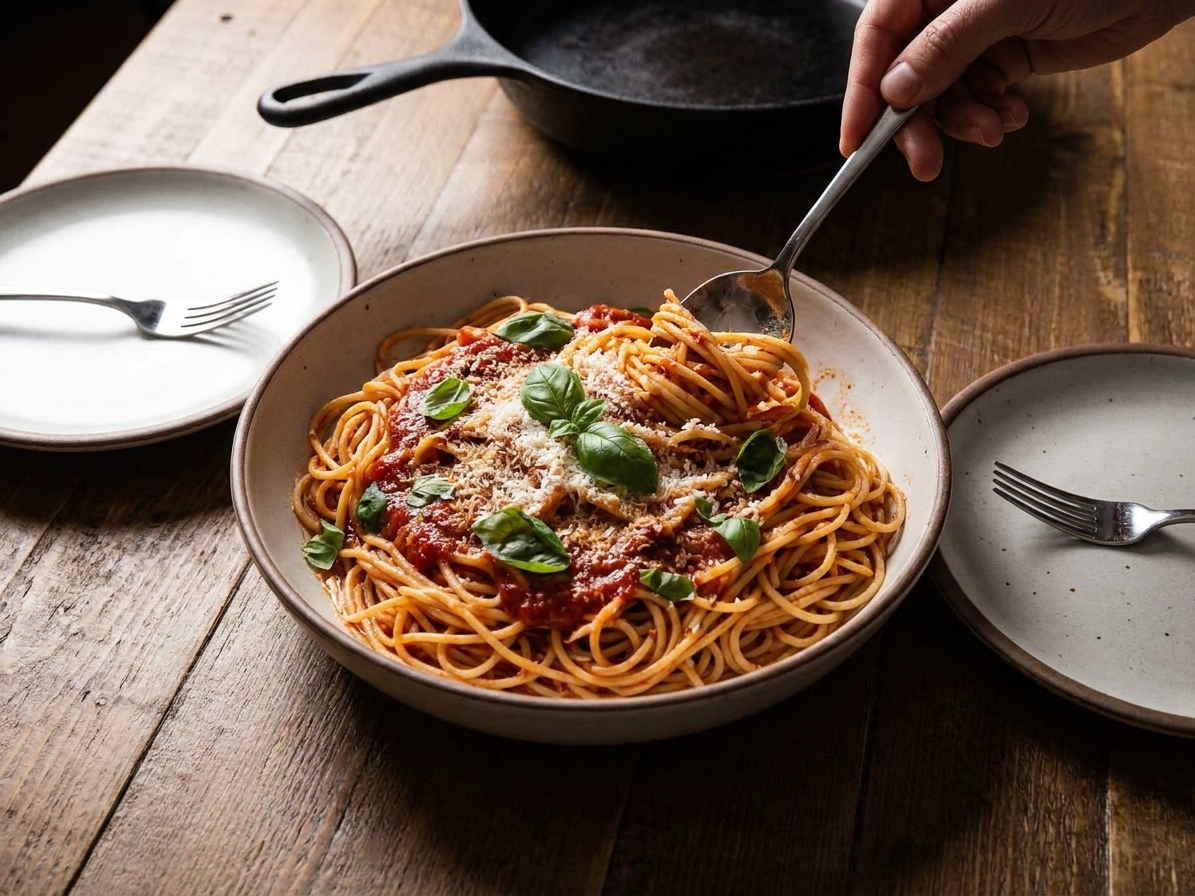
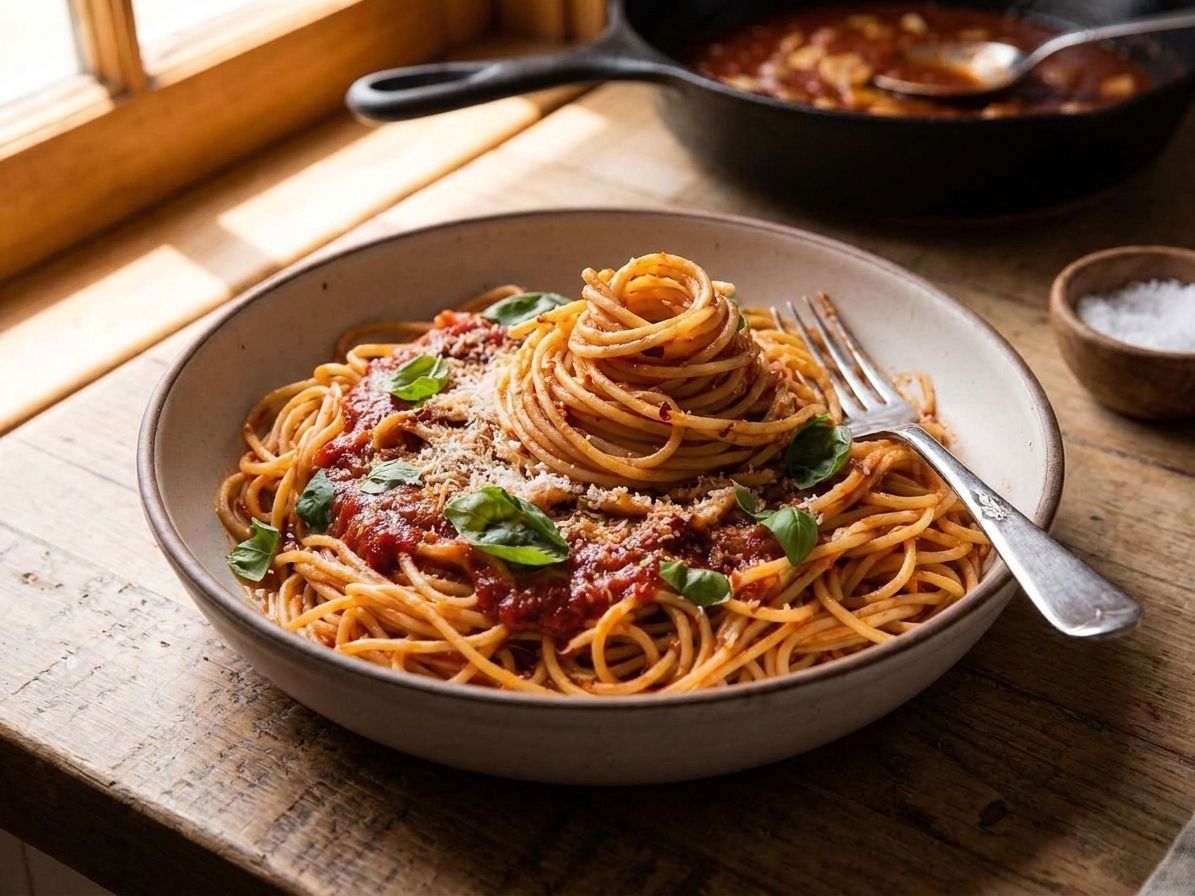
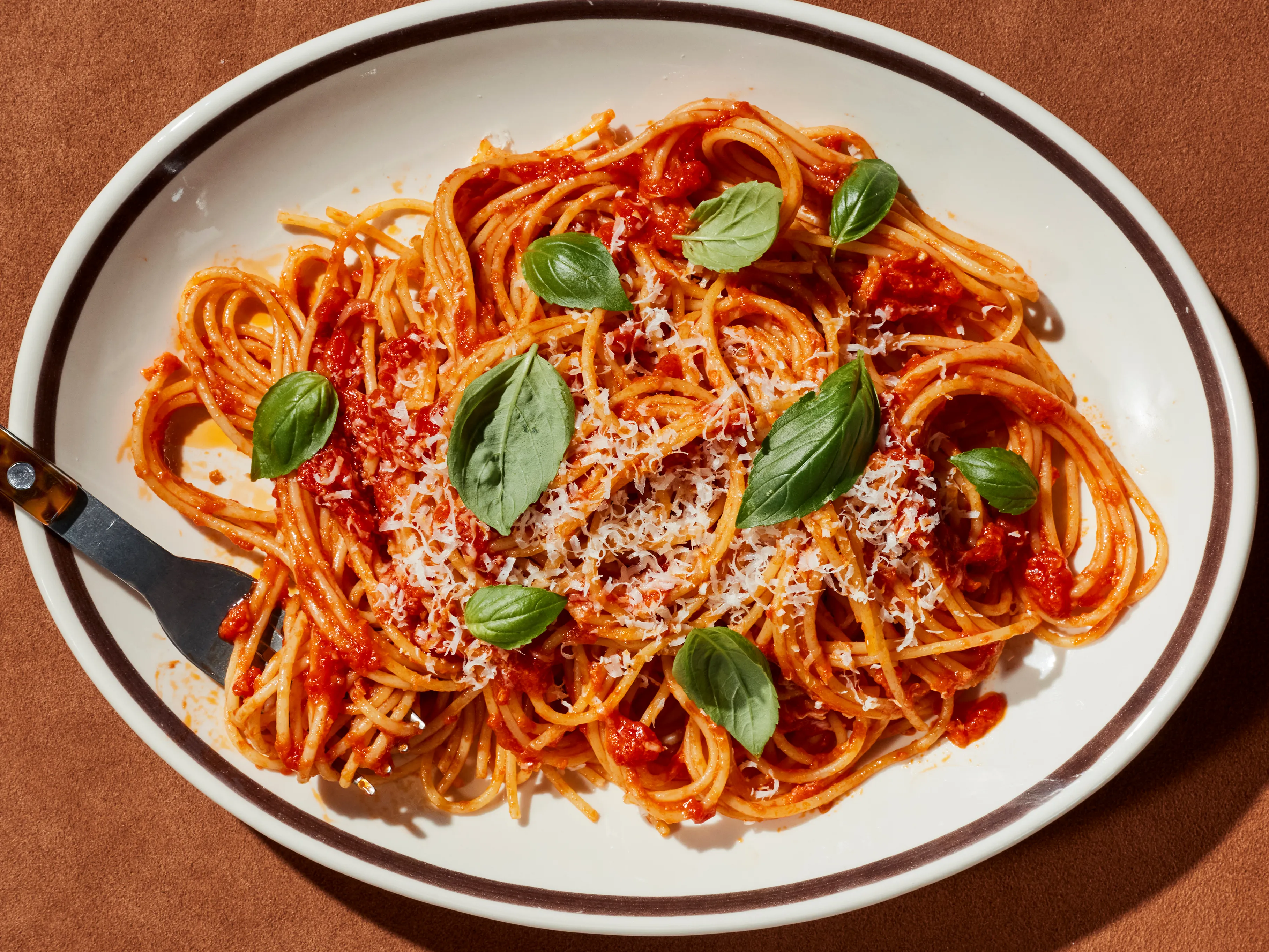
A bowl of spaghetti pomodoro twirled high with glossy tomato sauce, fresh basil leaves, grated Parmesan, and a fork resting on the rim on a warm kitchen table

Spaghetti pomodoro is one of those dishes that looks almost too simple to be exciting, and then you taste it and remember why it has held strong for generations. When it is done right, it is not just “pasta with tomato sauce.” It is bright, a little garlicky, deeply tomato-y, and glossy enough to cling to every strand like it meant to be there.

My version is weeknight-friendly but still has that tiny bit of kitchen chaos I love. We bloom garlic in olive oil, let good tomatoes do the heavy lifting, and use pasta water like the secret sauce ingredient it is. If you have basil, use it. If you do not, we can still make it sing.
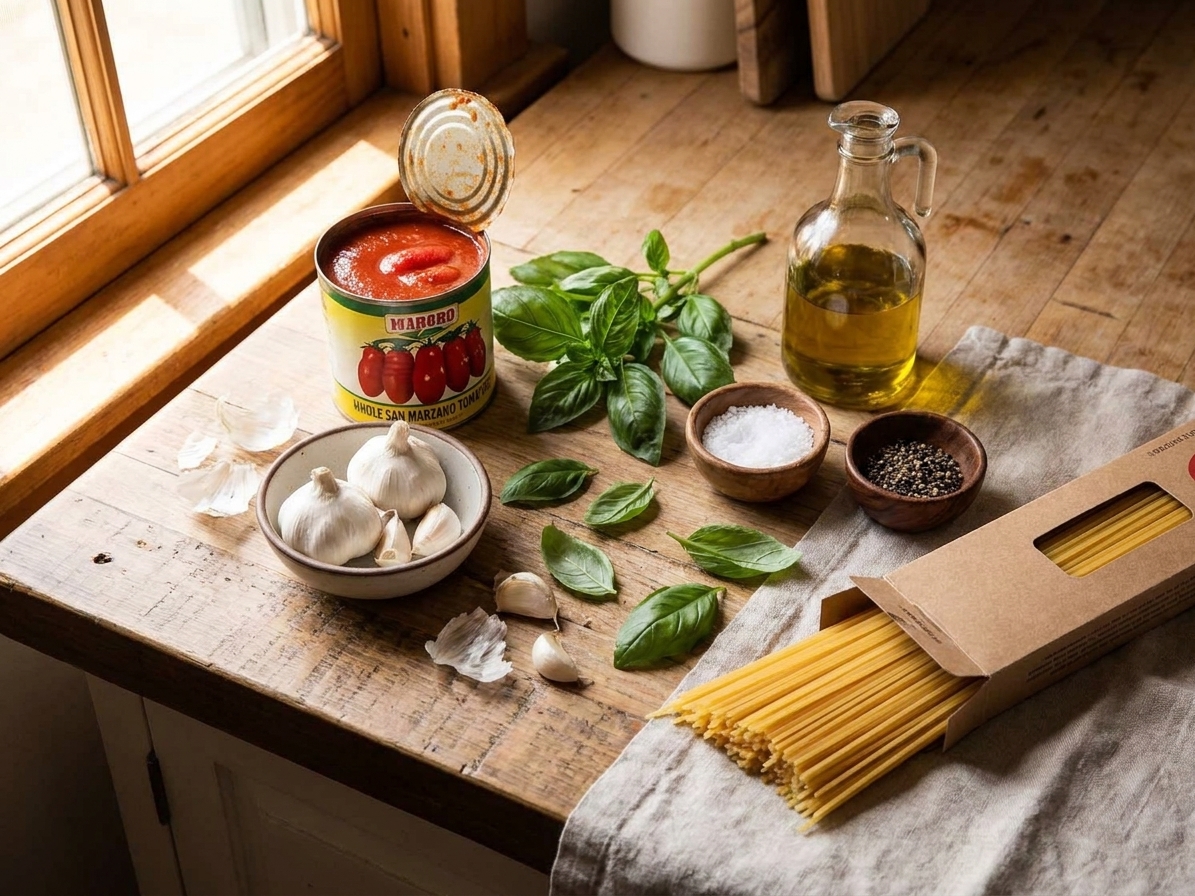
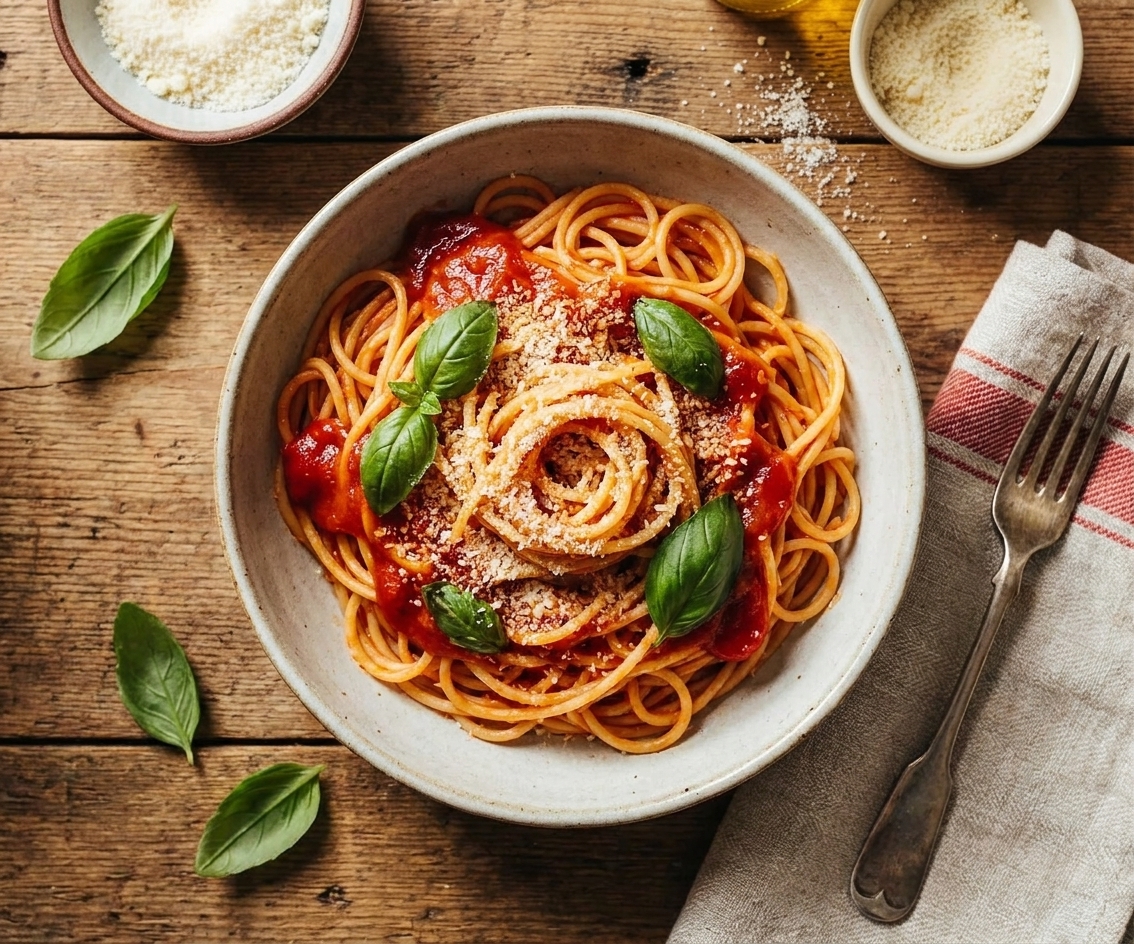
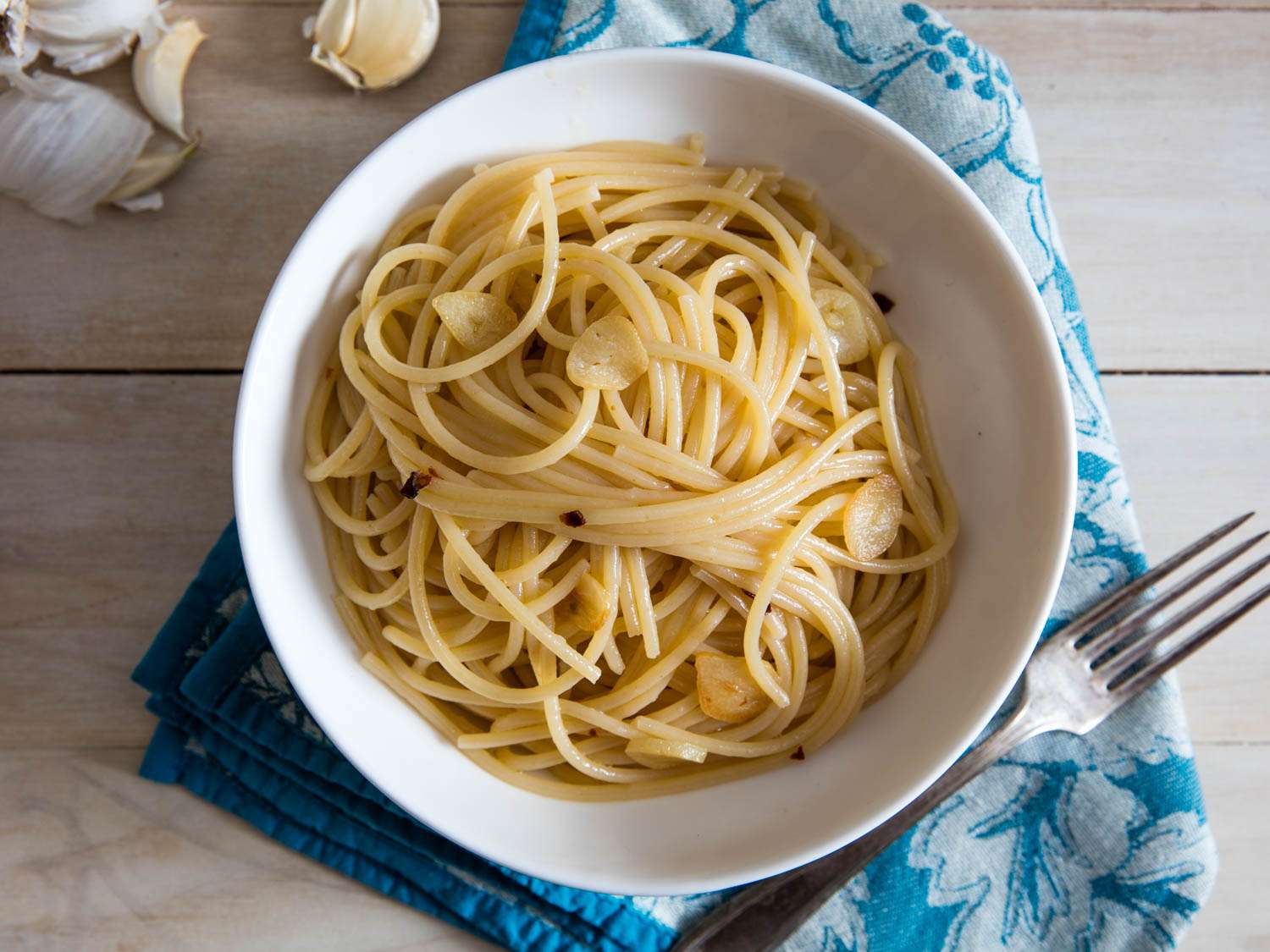
Whole canned San Marzano tomatoes, garlic cloves, fresh basil, olive oil, salt, pepper, and a box of spaghetti arranged on a tidy kitchen counter with warm natural light

Why It Works

  • Clean, bright tomato flavor: using quality canned whole tomatoes (or peak-season fresh) keeps the sauce fresh instead of flat.
  • Glossy sauce that clings: starchy pasta water plus a quick finish in the pan emulsifies the sauce so it hugs the noodles.
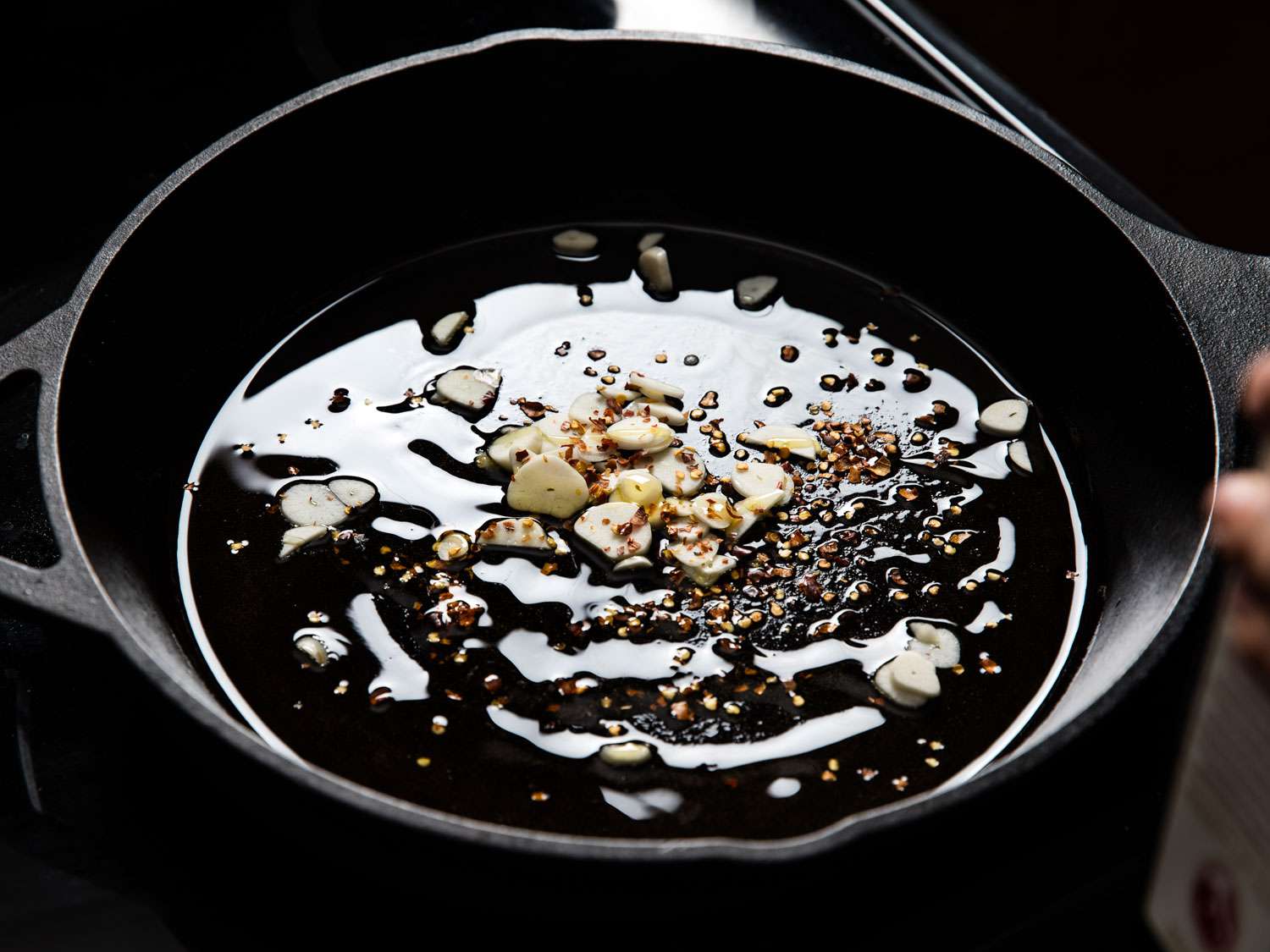
  • Garlic without bitterness: we gently sizzle it until fragrant, not browned into something harsh.
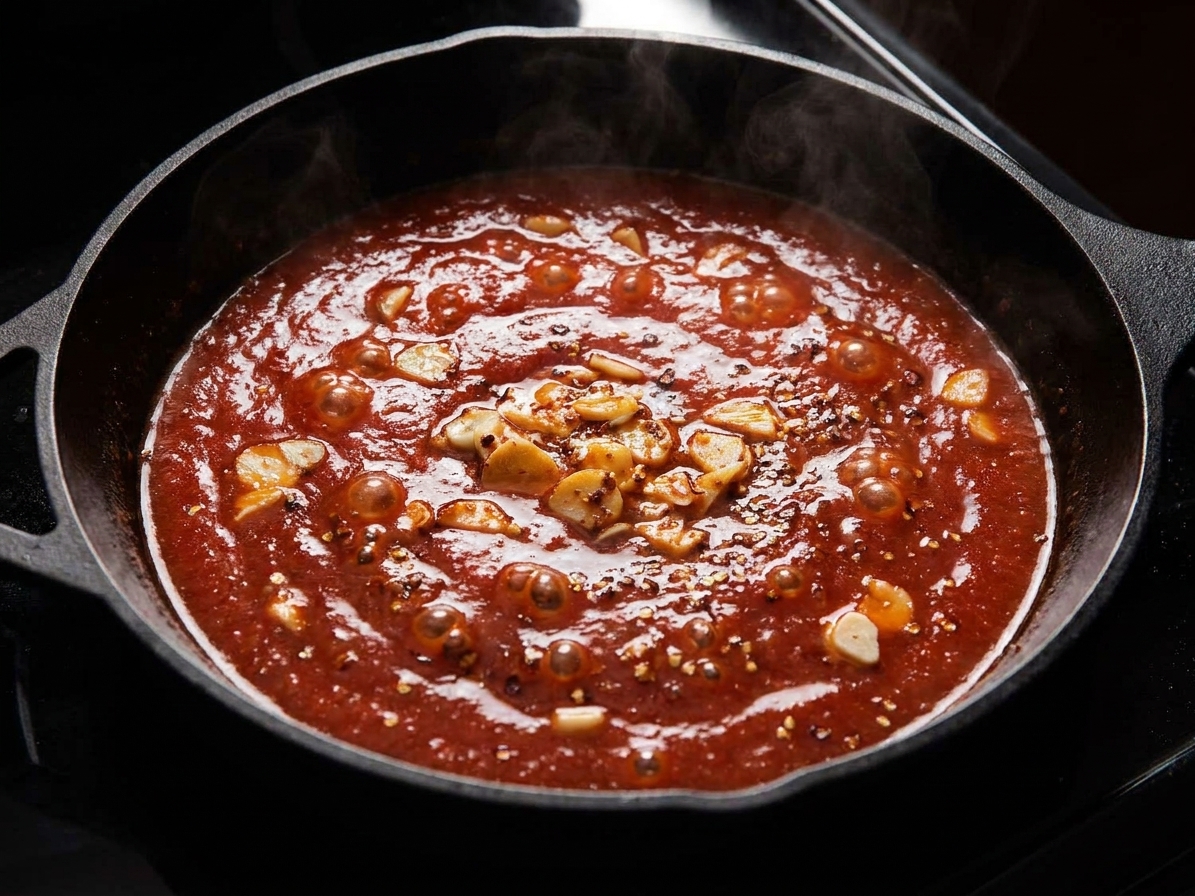
  • Fast but not rushed: the sauce simmers while the pasta cooks, so dinner lands in about 25 minutes.

Pairs Well With

Storage Tips

Refrigerate: Store leftovers in an airtight container for up to 4 days. If you can, store pasta and sauce separately. It reheats better and the pasta stays less soggy.

Freeze: Pomodoro sauce freezes great for up to 3 months. Freeze the sauce on its own in a zip-top freezer bag laid flat. Thaw overnight in the fridge or warm gently in a saucepan.

Reheat like you mean it: Warm sauce in a skillet with a splash of water. Add pasta and toss until glossy again. If it looks tight, add another spoonful of water. Finish with olive oil or butter and basil.

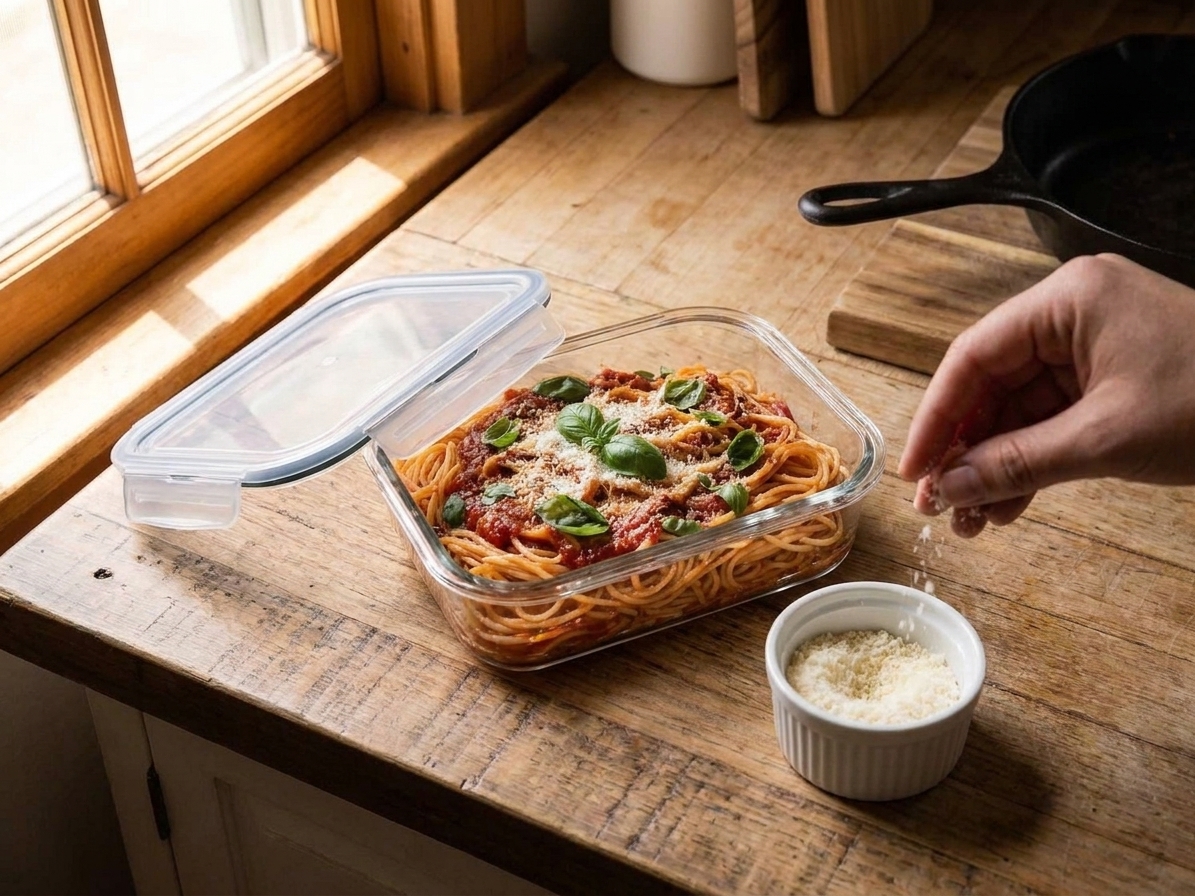
A glass meal prep container filled with spaghetti pomodoro and basil, lid set beside it on a kitchen counter next to a small ramekin of grated Parmesan

Common Questions

Is pomodoro sauce the same as marinara?

They are close cousins, not twins. Pomodoro is usually simpler and lighter, focused on tomatoes, olive oil, garlic, and basil. Marinara often leans more savory and can include onion and more dried herbs.

Can I use fresh tomatoes?

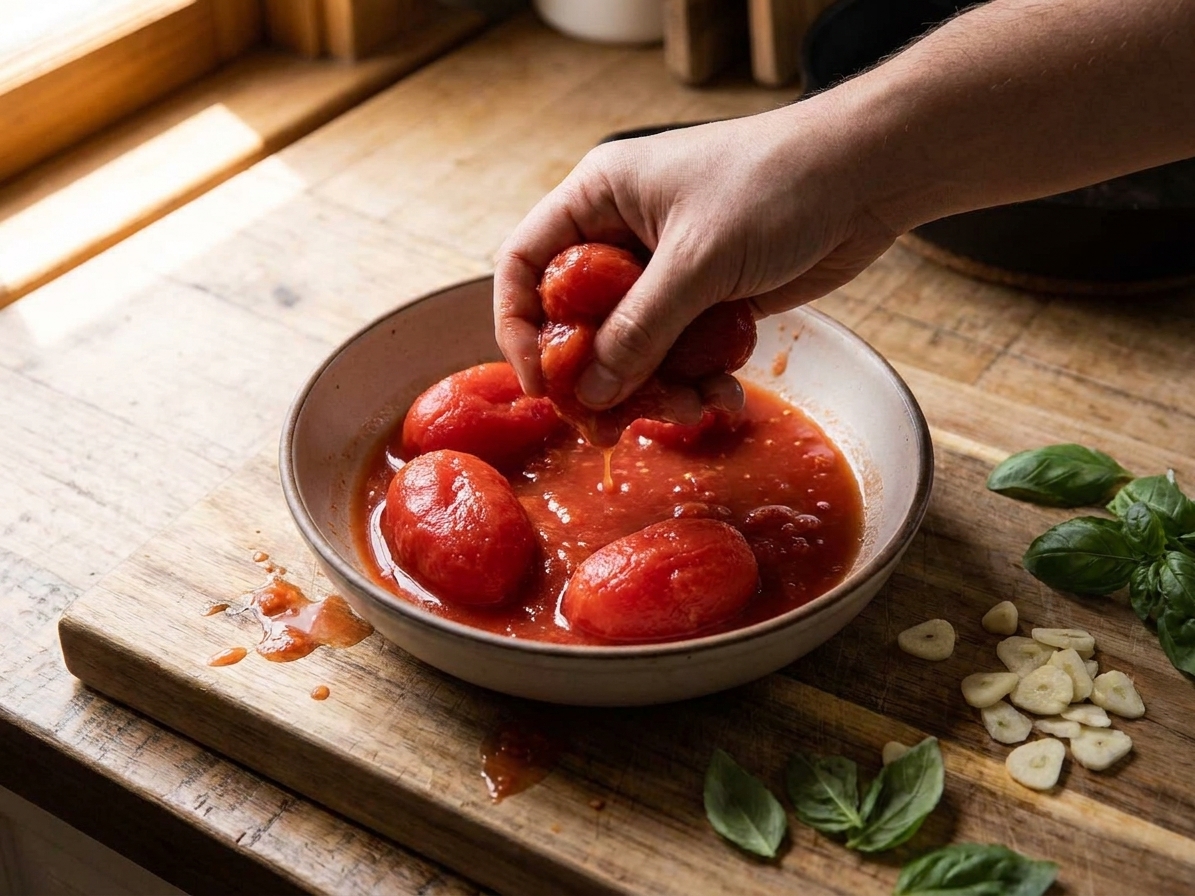
Yes, especially in late summer. Use about 2 pounds ripe tomatoes (Roma or similar). Score the bottoms, blanch 30 seconds, peel, and crush. Fresh tomatoes can be wetter, so simmer a bit longer to concentrate.

Why add pasta water?

Pasta water has starch and salt. The starch helps the sauce emulsify with olive oil, giving you that restaurant-style gloss and cling.

Should I add sugar?

Usually no if you are using good tomatoes. If your sauce tastes sharp, try a pinch of sugar or my preferred fix: add a tablespoon of butter at the end to round edges without making it sweet.

Can I make it spicy?

Absolutely. Add 1/4 to 1/2 teaspoon red pepper flakes when the garlic hits the oil.

Parmesan or Pecorino?

Either works. Parmesan is nutty and mellow. Pecorino is saltier and sharper. Use what you love, or skip cheese entirely and finish with a good drizzle of olive oil.

What tomatoes should I buy?

Whole peeled tomatoes are ideal because they tend to taste cleaner and less metallic than many pre-crushed options. “San Marzano style” means the tomatoes are made in the San Marzano tradition, but they are not always DOP-certified. The good news: if it tastes great straight from the can, it will taste great in your sauce.

This is the pasta I make when I want to feel like I have my life together, even if the kitchen says otherwise. Pomodoro is my “reset” recipe. It is forgiving, fast, and it rewards you for tasting as you go. The first time I realized pasta water could turn a thin tomato sauce into something glossy and clingy, I genuinely stopped mid-stir like, okay wow. Now it is non-negotiable.

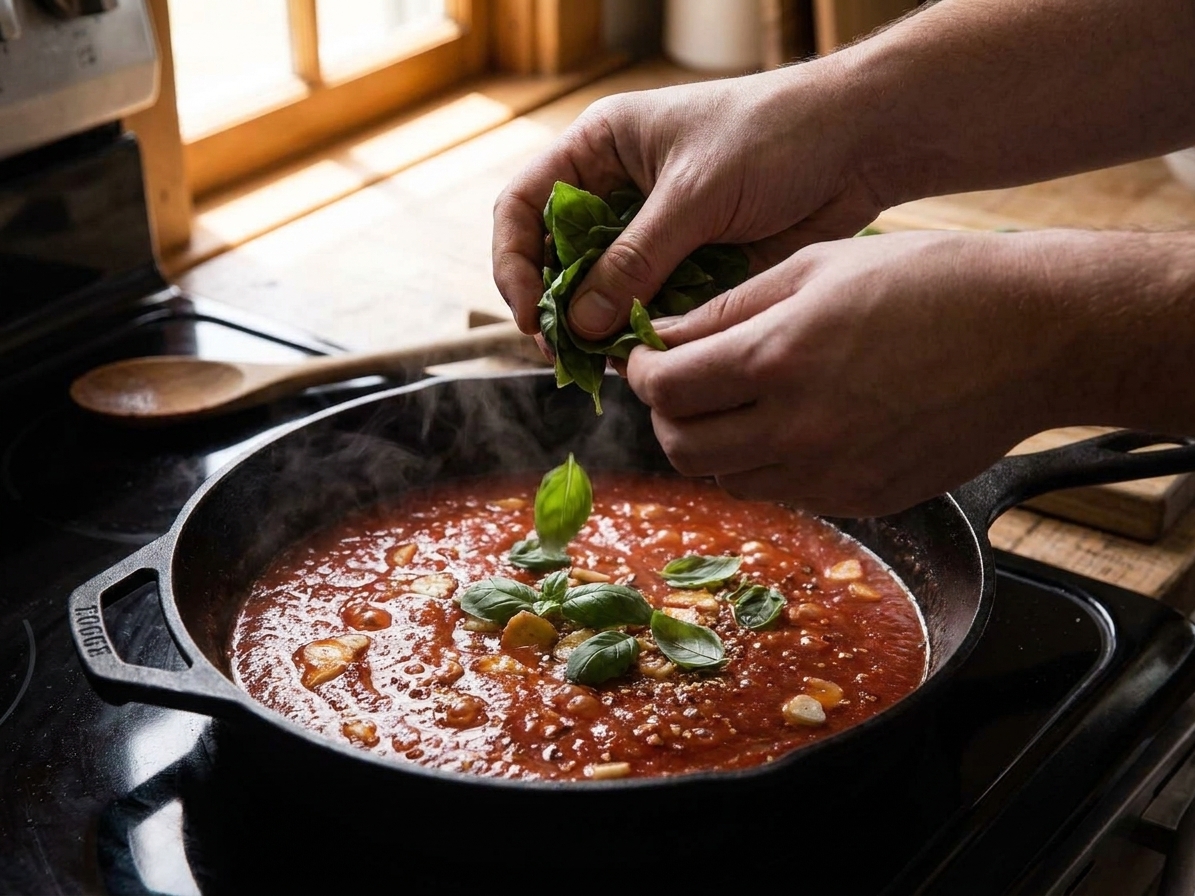
Also, if you catch me tearing basil with my hands like a raccoon guarding a herb garden, mind your business. It feels like it tastes better, and there is a real reason: tearing bruises the leaves less than chopping, so you get a fresher basil hit.

A cook's hands tearing fresh basil leaves over a skillet of simmering tomato sauce on a home stove with warm kitchen lighting