Mom's Best Recipes
Recipe

Classic Leche Flan

A smooth, rich caramel custard with a glossy top and clean slices, baked gently in a water bath for a silky finish.

Author By Matt Campbell
4.8
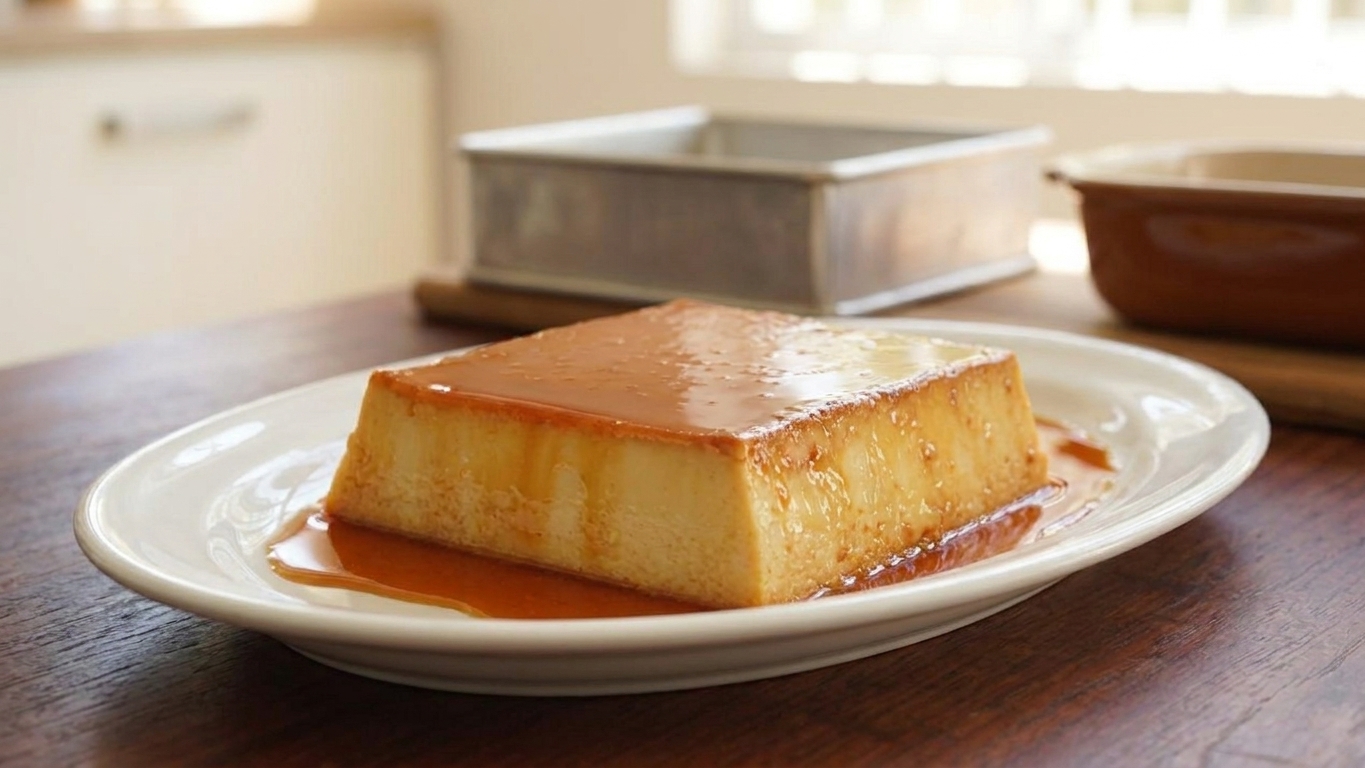
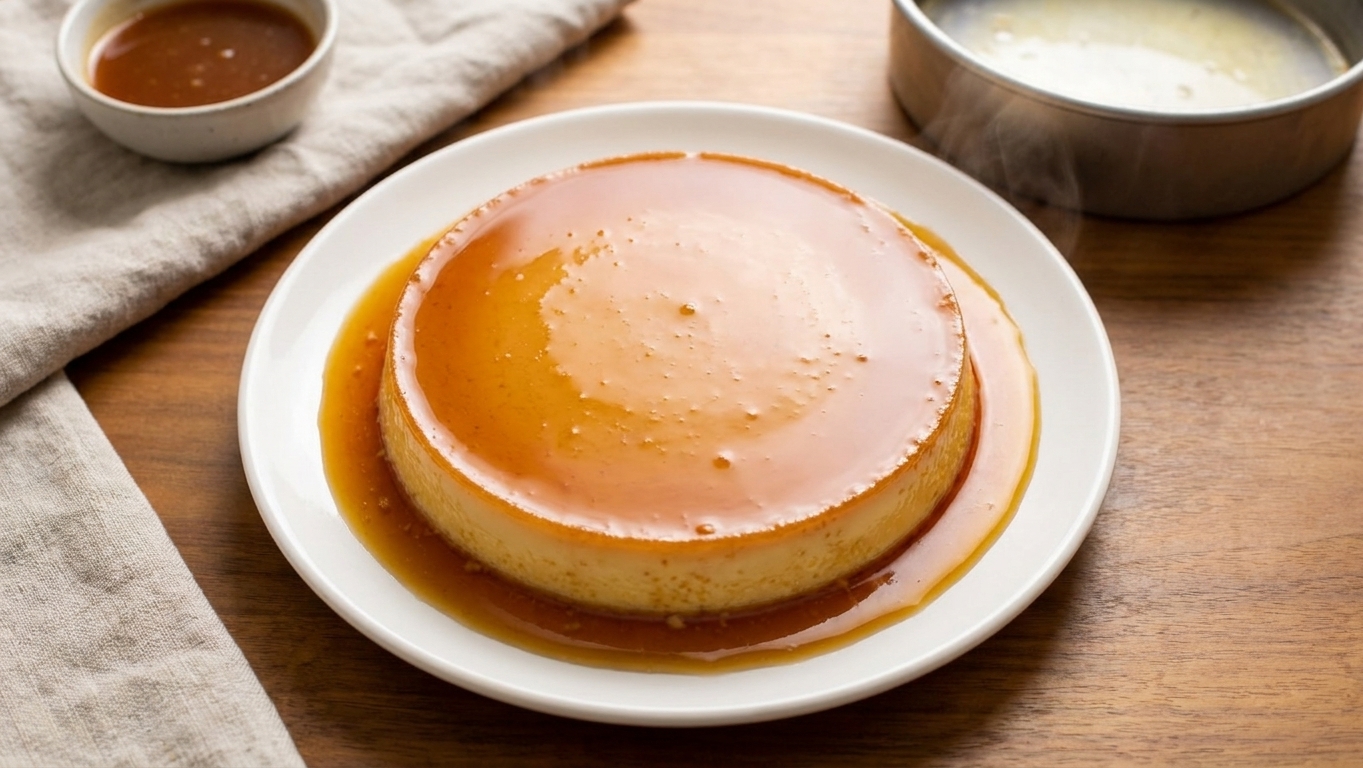
A glossy, golden leche flan unmolded onto a white serving platter with caramel syrup pooling around it on a warm-toned kitchen table

Leche flan is the kind of dessert that looks fancy, tastes nostalgic, and somehow makes everyone hover near the kitchen like they are “just passing through.” It is silky custard topped with dark caramel that drips down the sides when you flip it out. Simple idea, big payoff.

My goal here is a classic, reliable leche flan you can pull off without special gadgets or a culinary degree. We are keeping ingredients accessible, instructions clear, and the vibe calm. The only dramatic moment should be the unmold, when the caramel finally does its thing.

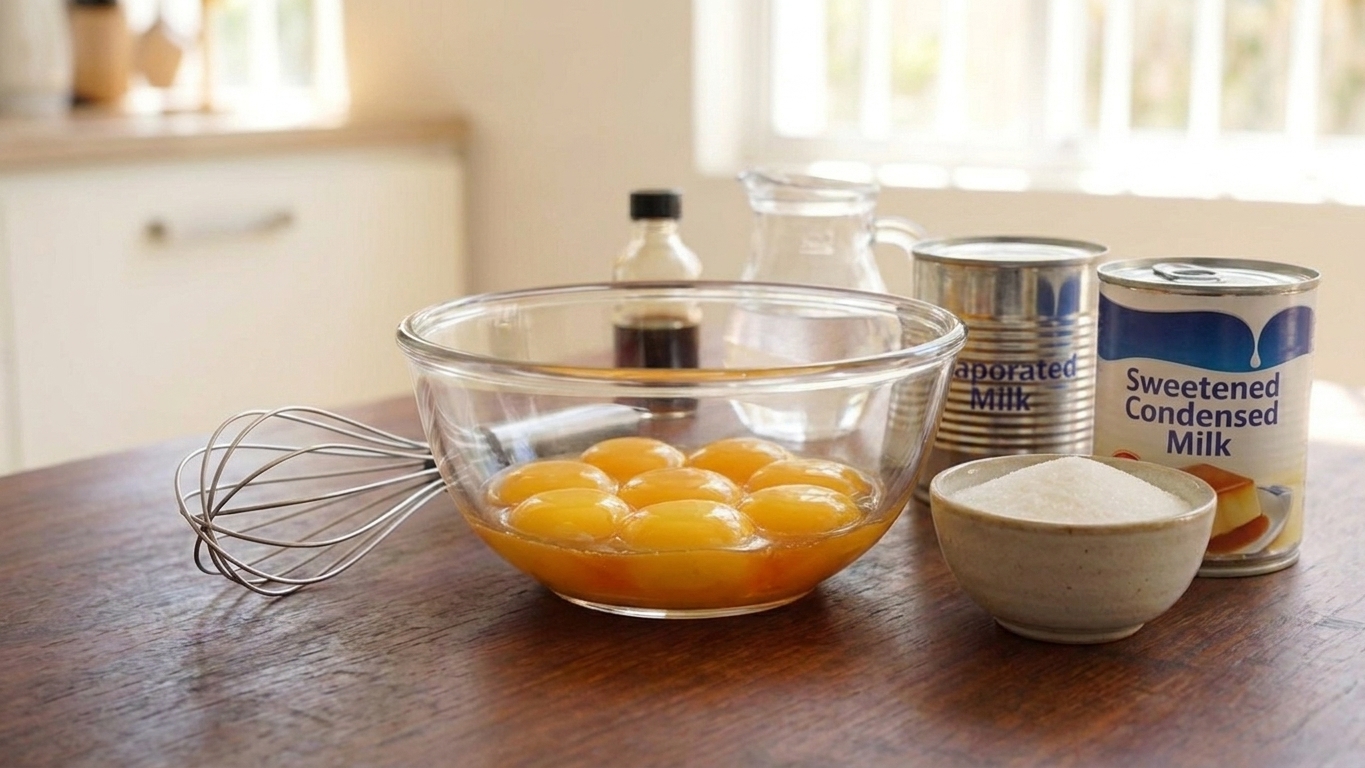
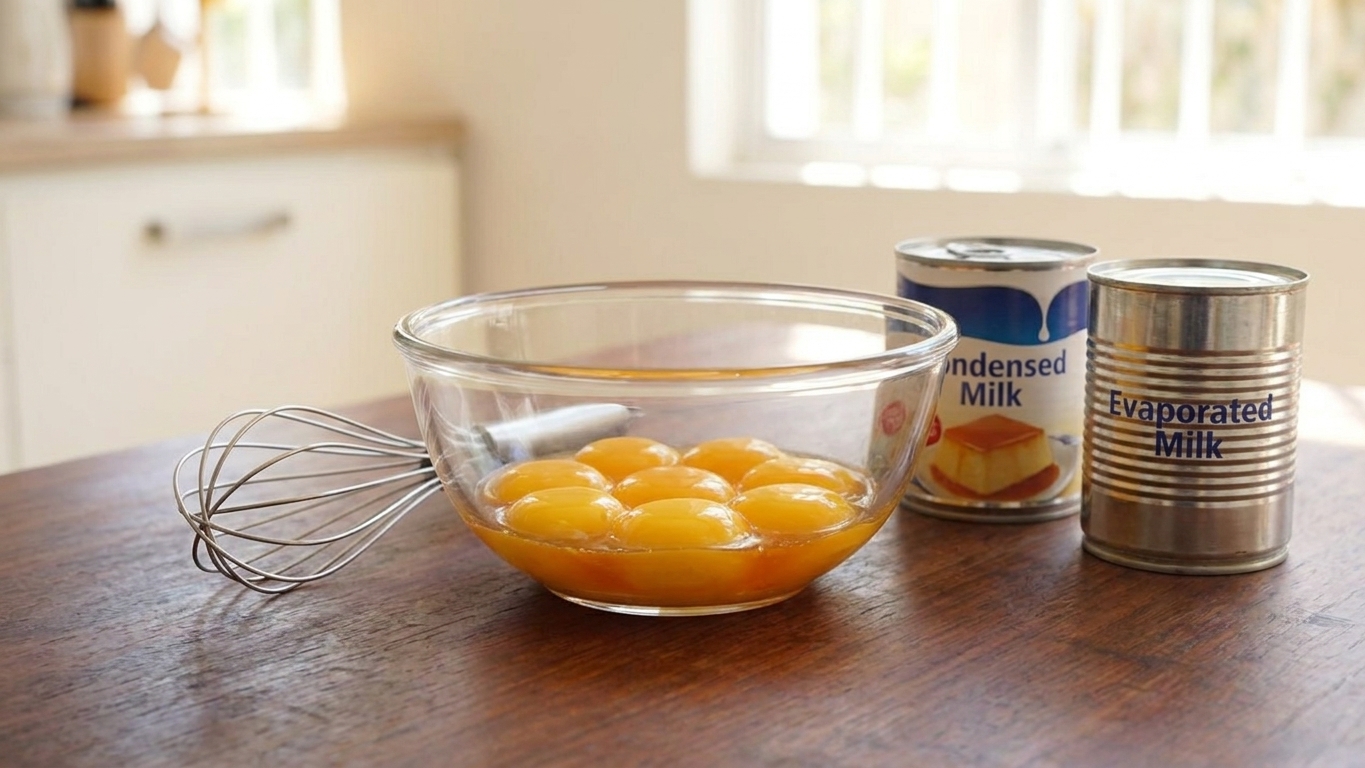
Evaporated milk, sweetened condensed milk, egg yolks, sugar, vanilla, and a small pitcher of water arranged on a tidy kitchen counter in natural light

Why It Works

  • Silky texture, not spongy: We gently mix (not whip) and strain the custard to avoid bubbles.
  • Deep caramel flavor: Cooking the sugar to a true amber gives that lightly bitter edge that keeps the dessert from tasting one-note sweet.
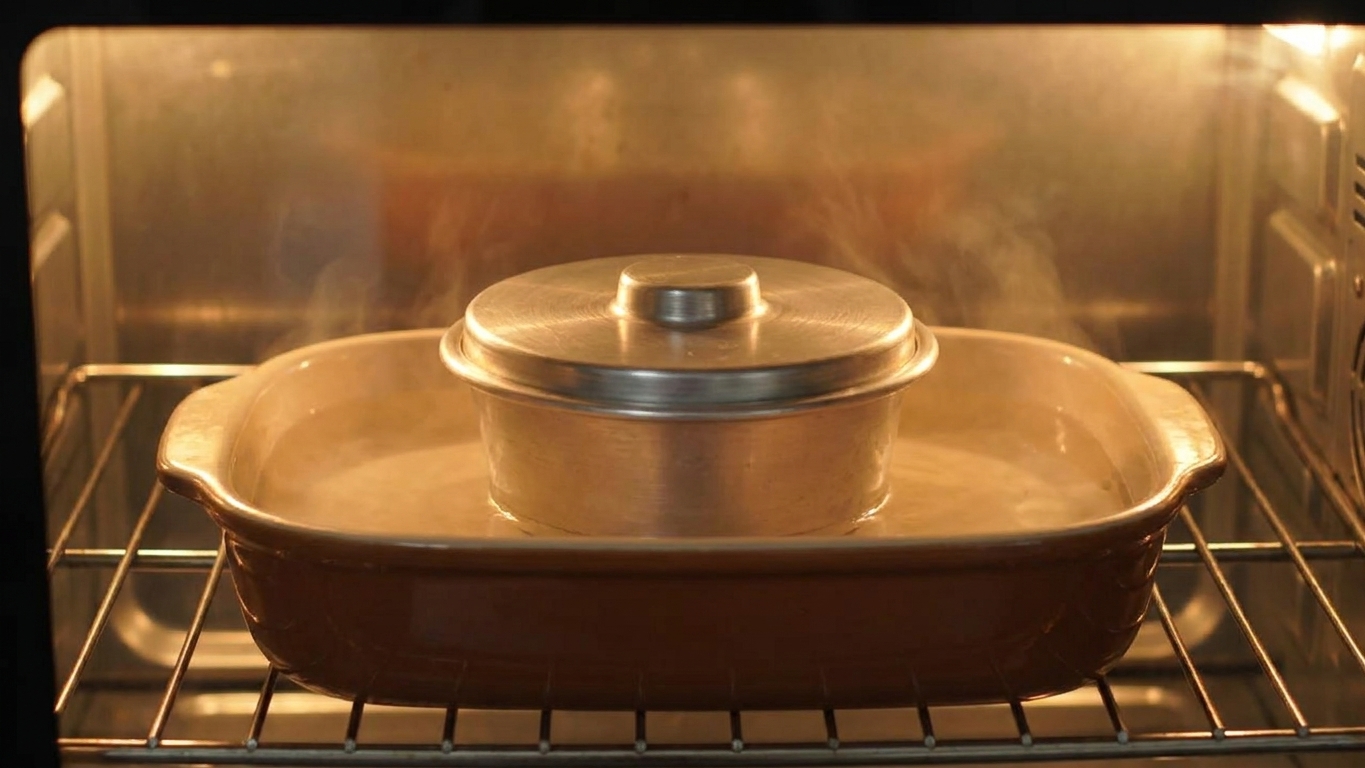
  • Even bake: A water bath plus moderate heat prevents curdling, cracks, and rubbery edges.
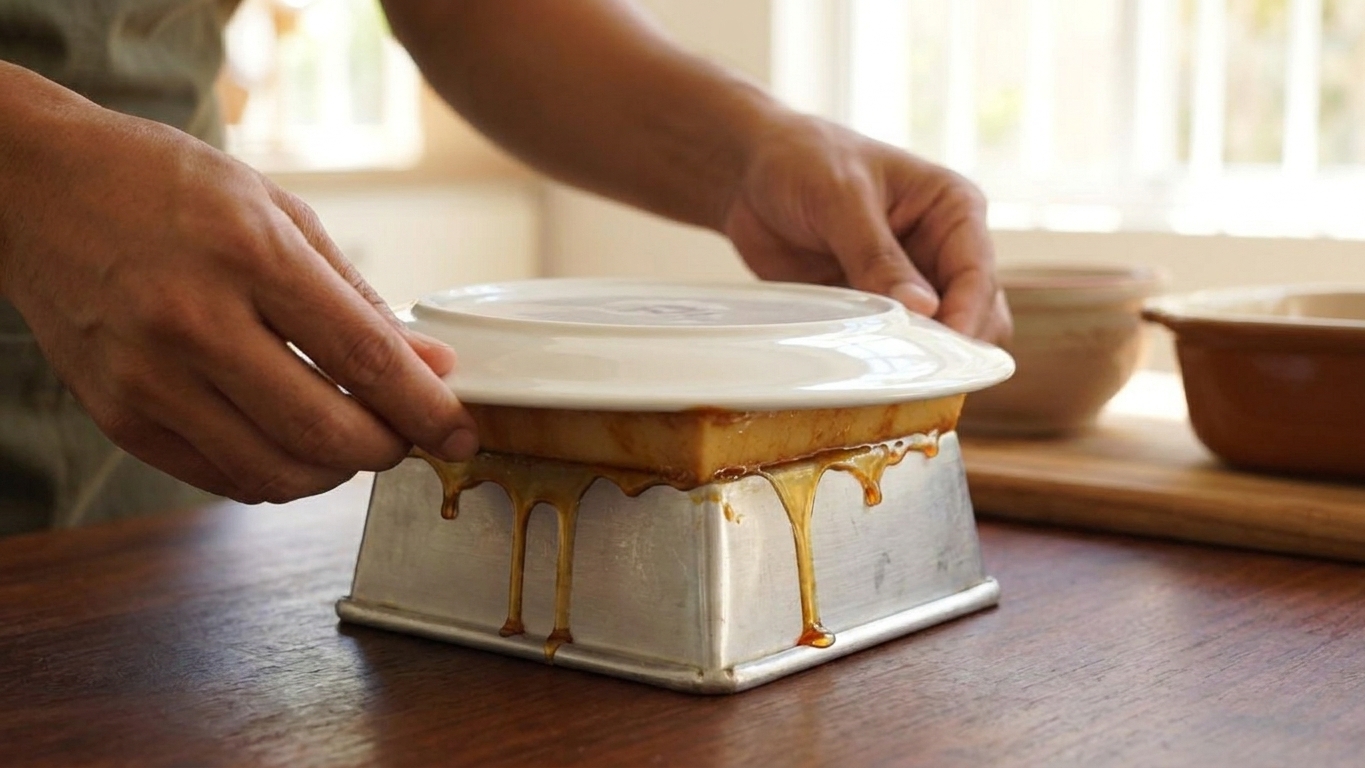
  • Clean release: A quick warm-up and a steady flip gets you that glossy caramel top every time.
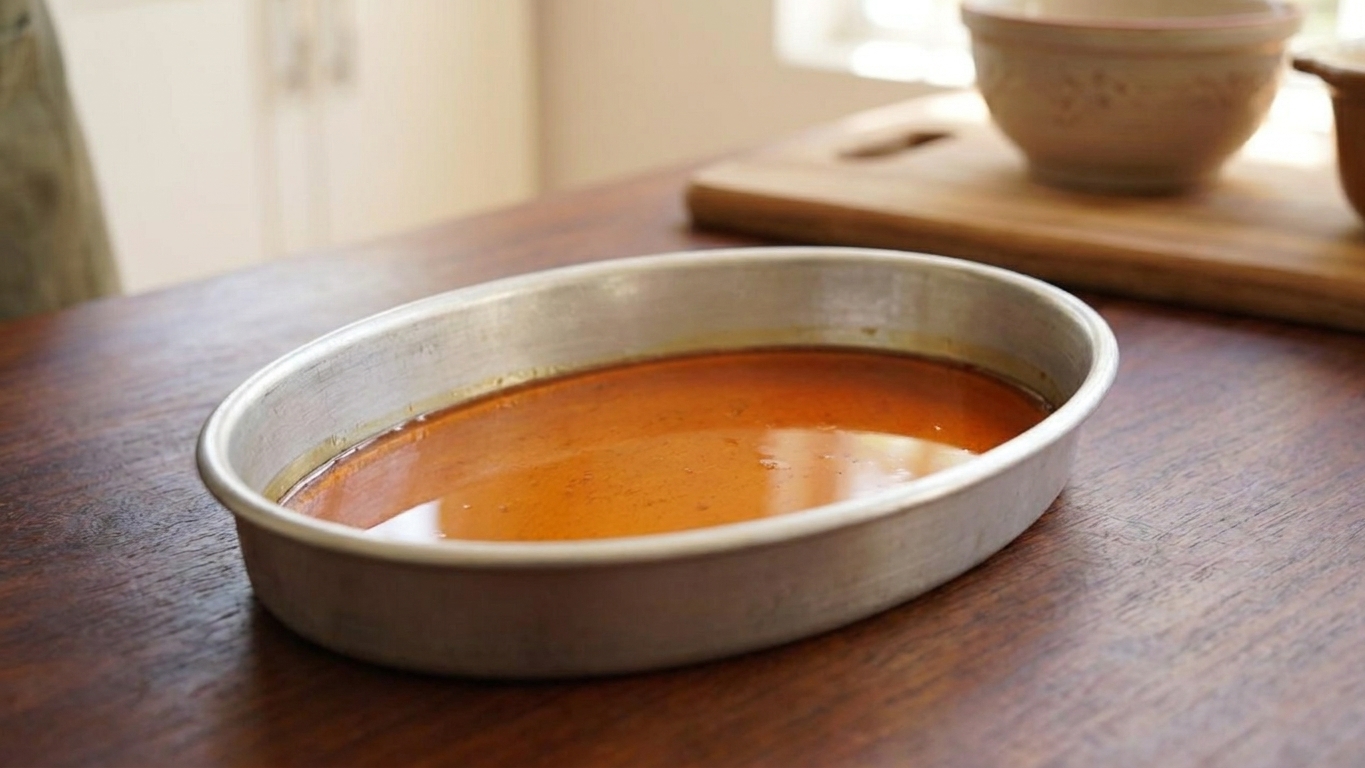
Freshly cooked amber caramel coating the bottom of an oval metal flan mold on a kitchen counter

Pairs Well With

Storage Tips

Refrigerate: Cover leftover leche flan tightly and refrigerate for up to 3 to 4 days. It often slices even cleaner on day two.

Keep it in the mold if you can: If you have not unmolded it yet, store it in the llanera covered. Unmold right before serving for the glossiest top.

Already unmolded: Transfer to a rimmed plate or shallow container so the caramel stays with the flan. Cover lightly with plastic wrap or a lid.

Freezing: I do not recommend freezing. The custard can weep and turn grainy after thawing.

Common Questions

What is leche flan made of?

Classic leche flan is made from egg yolks, sweetened condensed milk, evaporated milk, and vanilla, with a caramel layer made from sugar. Some families add a little citrus zest or a pinch of salt, but the base is beautifully simple.

Why is my leche flan full of bubbles?

Bubbles usually come from overmixing or too-hot baking. Mix gently, strain the custard, and bake in a water bath at moderate heat. Also, let the flan cool gradually.

How do I know when leche flan is done?

It should be set at the edges and still have a soft jiggle in the center, like gelatin. A knife inserted near the center may come out with a few moist streaks even when it is done, so use it as a guide, not a strict pass or fail. For extra confidence, check the center with an instant-read thermometer. Aim for about 170 to 175°F (77 to 79°C).

Can I use whole eggs instead of yolks?

You can, but the texture shifts. Yolks give the classic rich, velvety bite. Whole eggs make it a little lighter and more “eggy.” If you want to experiment, start with 8 yolks + 2 whole eggs as a middle ground.

Do I need a llanera?

No. A loaf pan, round cake pan, or any oven-safe metal pan works. The key is a snug fit in the water bath and enough height to hold the custard.

Why did my caramel turn grainy?

That is sugar crystallization. Use a clean pan, avoid stirring once it starts boiling, and if crystals appear on the sides, brush them down with a little water using a pastry brush.
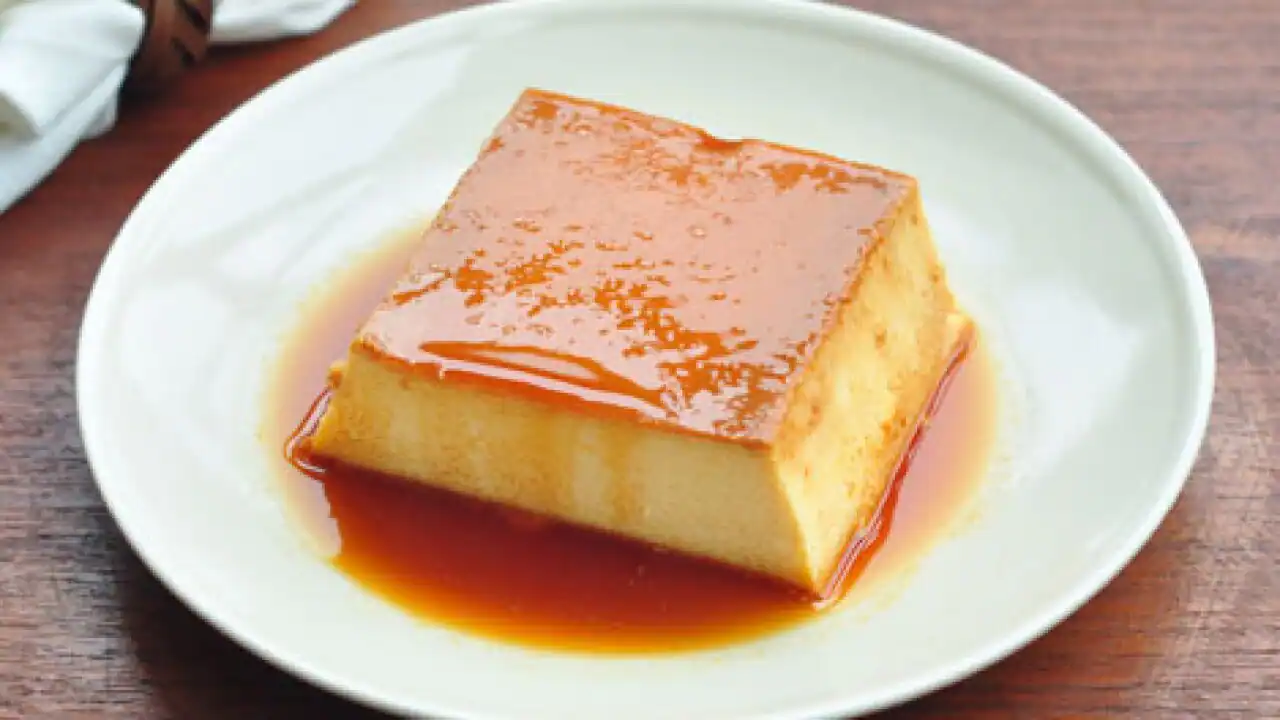

A close-up slice of leche flan showing a smooth, creamy custard interior and a thin dark caramel layer on top with caramel sauce on the plate

I love desserts that look like you tried harder than you did. Leche flan is exactly that. The first time I made it, I whisked like I was training for a cooking show and ended up with a custard full of tiny bubbles. Still delicious, still gone in one night, but it taught me the flan lesson I live by now: slow down. Gentle mixing, moderate heat, and a water bath. It is not fussy, it is just patient. And honestly, that is the energy I want in my kitchen most days.