Mom's Best Recipes
Recipe

Classic Lemon Tart

A crisp, buttery tart shell filled with smooth, punchy lemon custard that slices clean and tastes like sunshine.

Author By Matt Campbell
4.8
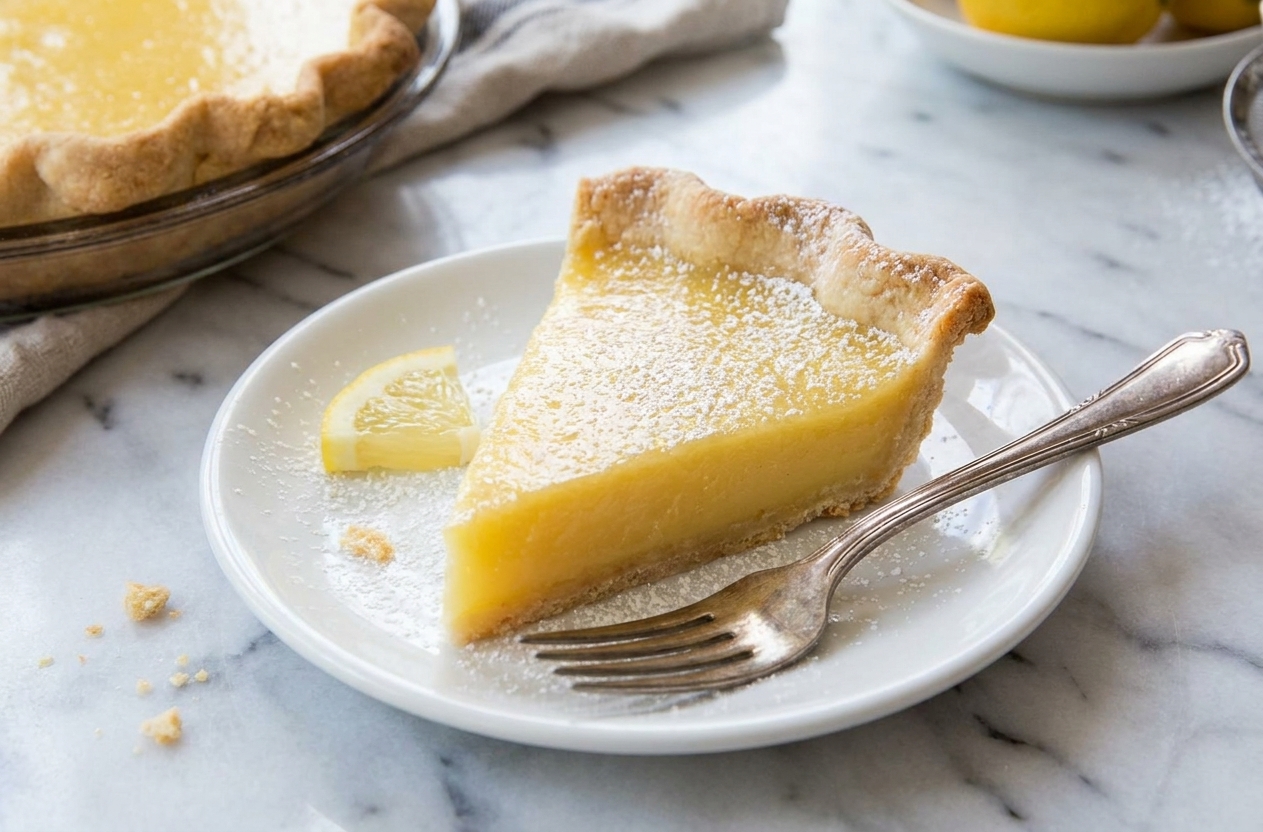
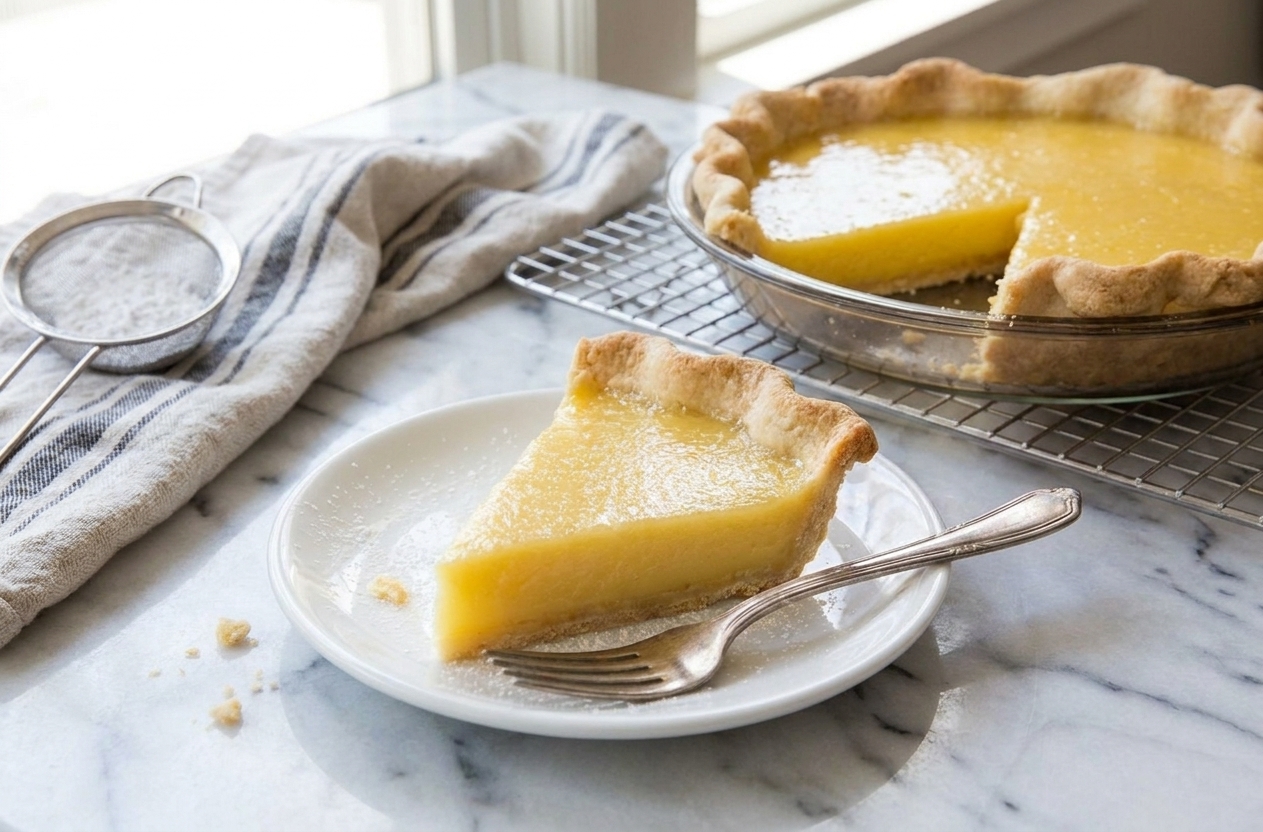
A glossy slice of lemon tart on a small dessert plate, with a crisp golden crust and a clean wedge missing from the tart, set on a bright kitchen table with soft natural light

I love a dessert that feels fancy but behaves like a weeknight recipe once you know the moves. Lemon tart is that friend. It shows up glossy, bright, and dramatic, then quietly turns out to be butter, eggs, sugar, lemons, and a little patience.

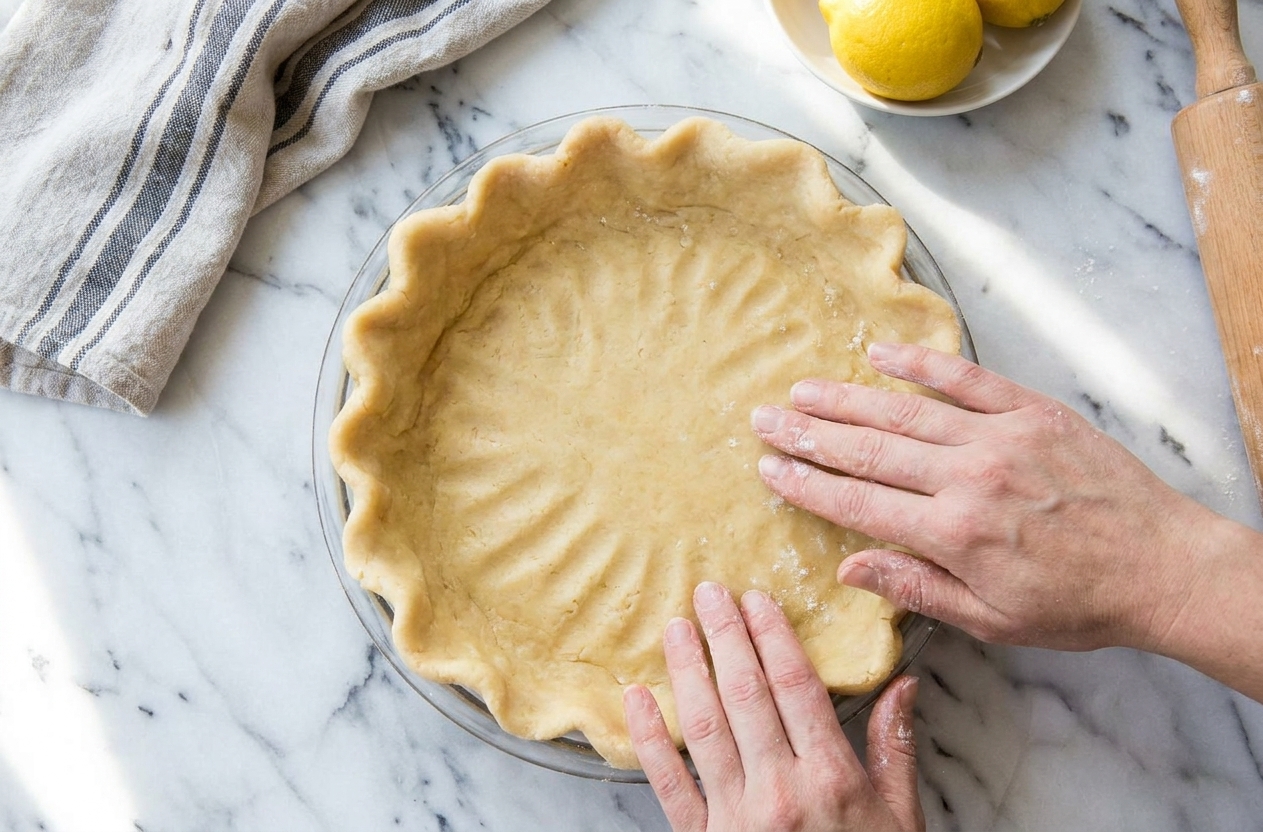
This version keeps things accessible: a simple shortcrust you can press and patch without shame, plus a lemon filling that sets silky and slices clean. The vibe is tart (in a good way), creamy, and not overly sweet. You know that moment when you take a bite and your brain goes, “Okay, wow.” That.
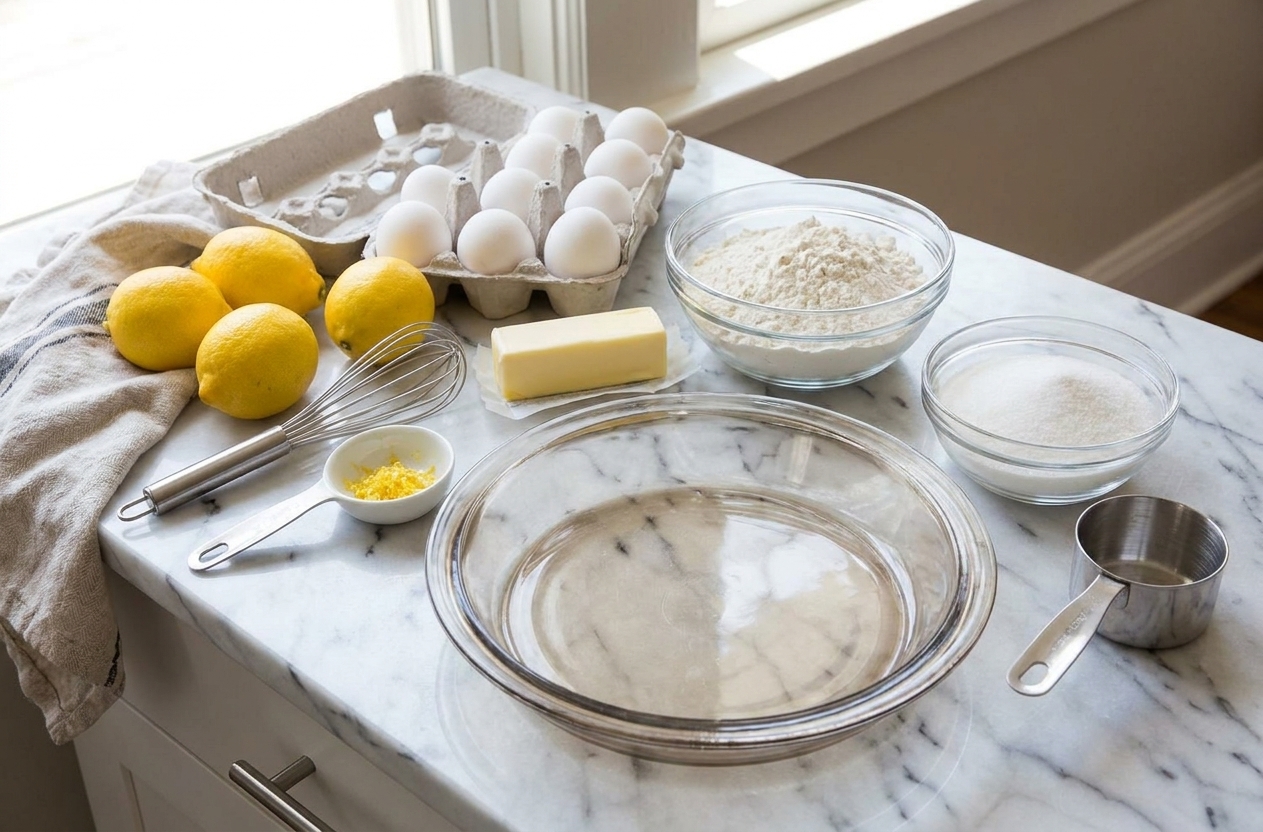
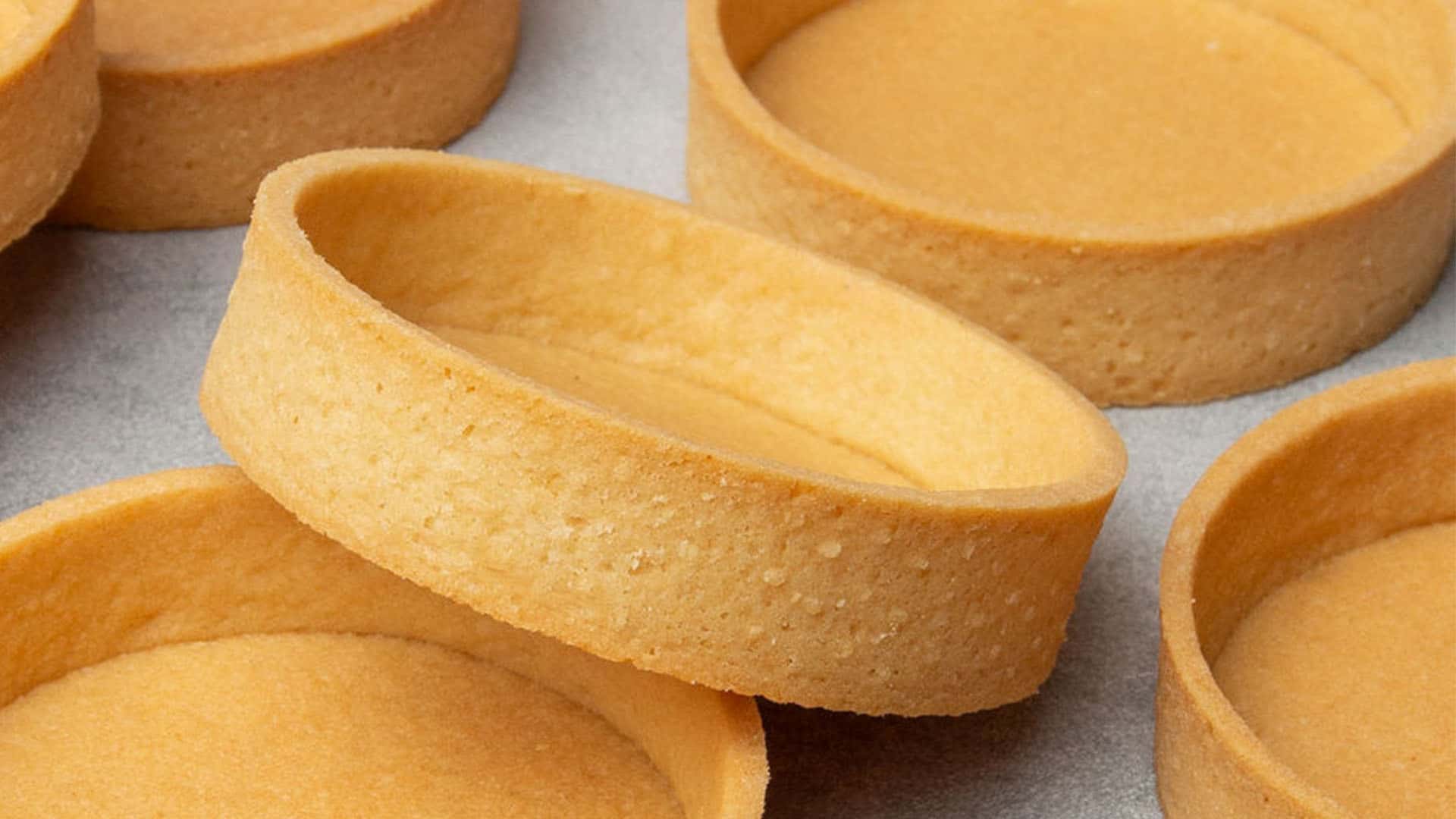
All the ingredients for a lemon tart arranged on a light kitchen counter, including lemons, eggs, butter, flour, sugar, and a tart pan

Why It Works

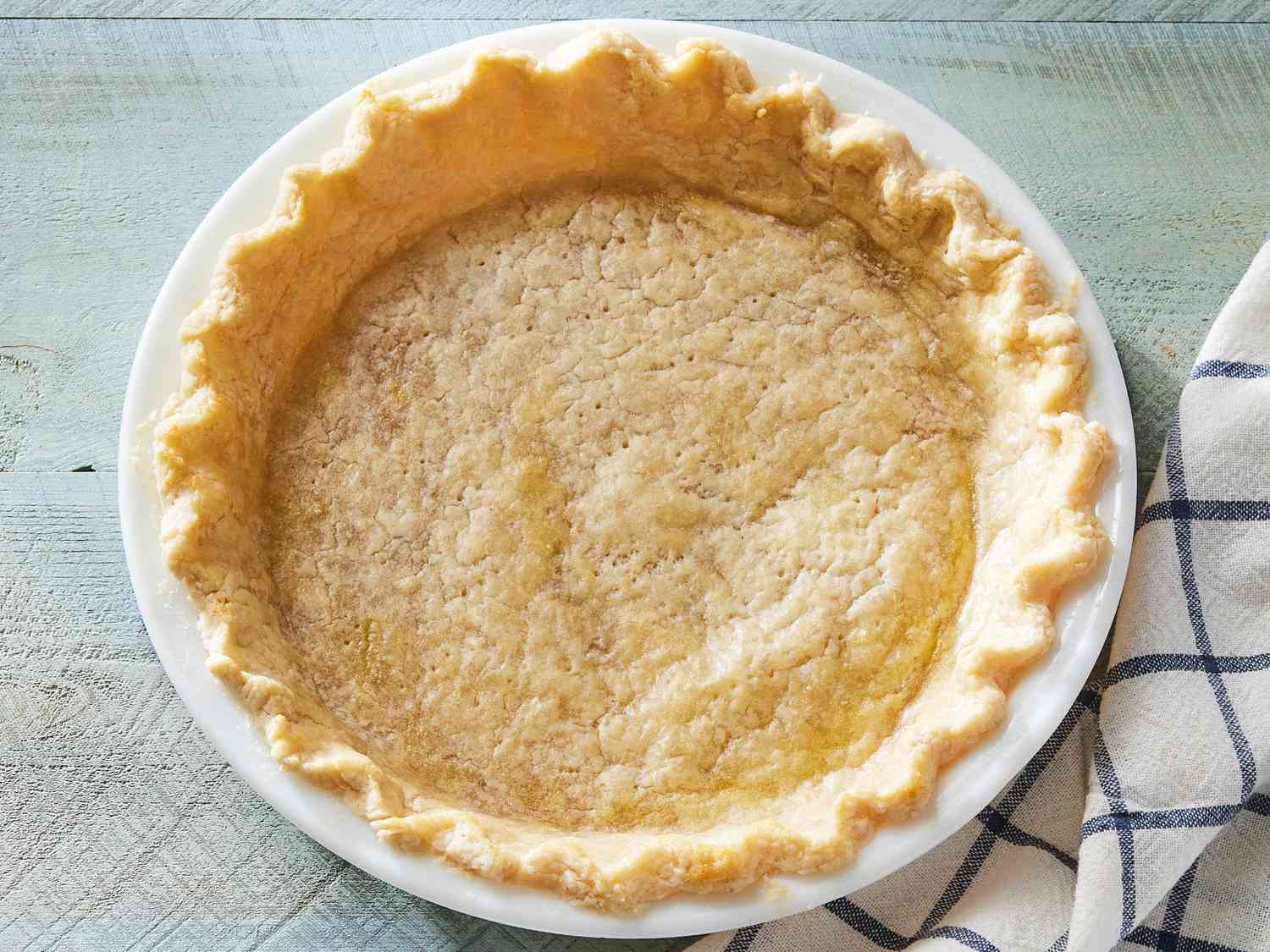
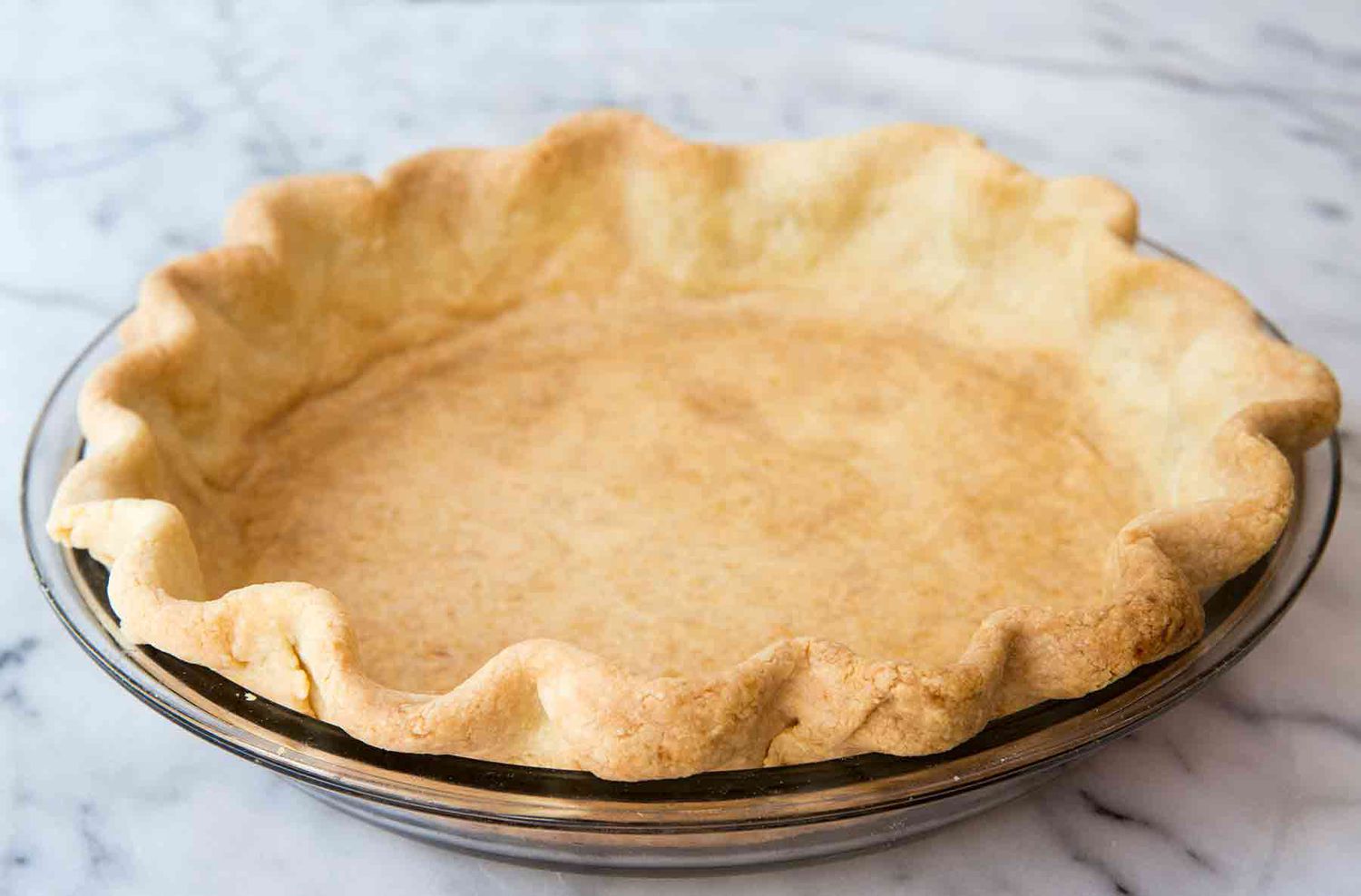
  • Crisp crust, no soggy bottom: We blind bake the shell until it is lightly golden, so it stays snappy under the custard.
  • Smooth, bold lemon flavor: Fresh zest plus juice gives you that bright punch without tasting harsh.
  • Silky set that still feels creamy: Baking the filling gently (low and slow) helps prevent curdling and keeps the texture plush.
  • Clean slices: A full chill firms everything up so the tart cuts like a dream.

Pairs Well With

Storage Tips

Refrigerator: Cover the tart (or individual slices) and refrigerate for up to 4 days. The crust will soften slightly over time, but the flavor stays great.

Best way to cover: Chill uncovered for 30 minutes first so the top firms up, then cover with foil or a domed lid to avoid smudging the surface.

Freezing: You can freeze slices for up to 1 month. Wrap each slice tightly in plastic wrap, then foil. Thaw overnight in the fridge. Note: custard tarts can sometimes weep a bit after freezing, so results may vary, but this one generally holds up well.

Common Questions

Can I use bottled lemon juice?

Fresh is strongly recommended here. Bottled juice can taste flat or slightly bitter, and lemon tart is basically a lemon megaphone. If you must, use bottled for some of the juice, but still use fresh zest.

How do I know when the lemon tart is done?

The edges should be set and the center should have a gentle wobble, like set Jell-O, not a slosh. If you like numbers, aim for an internal temp around 170 to 175°F in the center. It will continue to firm as it cools.

Why did my filling crack?

Usually it was baked a little too long or too hot. Pull it when it still jiggles in the middle. Baking gently helps a lot, but overbaking can still cause cracks. Also try baking on the center rack and avoiding convection if your oven runs strong.

Do I have to blind bake the crust?

Blind baking is strongly recommended if you want a crisp shell. Lemon filling is wet, and skipping this step often leads to a softer, less crisp bottom. If you are determined to skip it, you will want another strategy like partially baking the shell or sealing it with a quick egg white wash, but blind baking is the simplest, most reliable move.

Can I make it ahead?

Absolutely. Lemon tart is better after a long chill. Make it the day before, refrigerate, and serve straight from the fridge or after 10 minutes at room temp.

I used to think lemon tart was a “pastry people only” dessert. Then I started making it the same way I cook everything else: with a little curiosity, a little chaos, and a lot of tasting. The first time I nailed the set, I stood at the counter like a proud goblin guarding a shiny treasure, taking tiny fork bites straight from the pan. Now it is my go-to when I want something that looks like I tried really hard, even if I was in sweatpants the entire time.