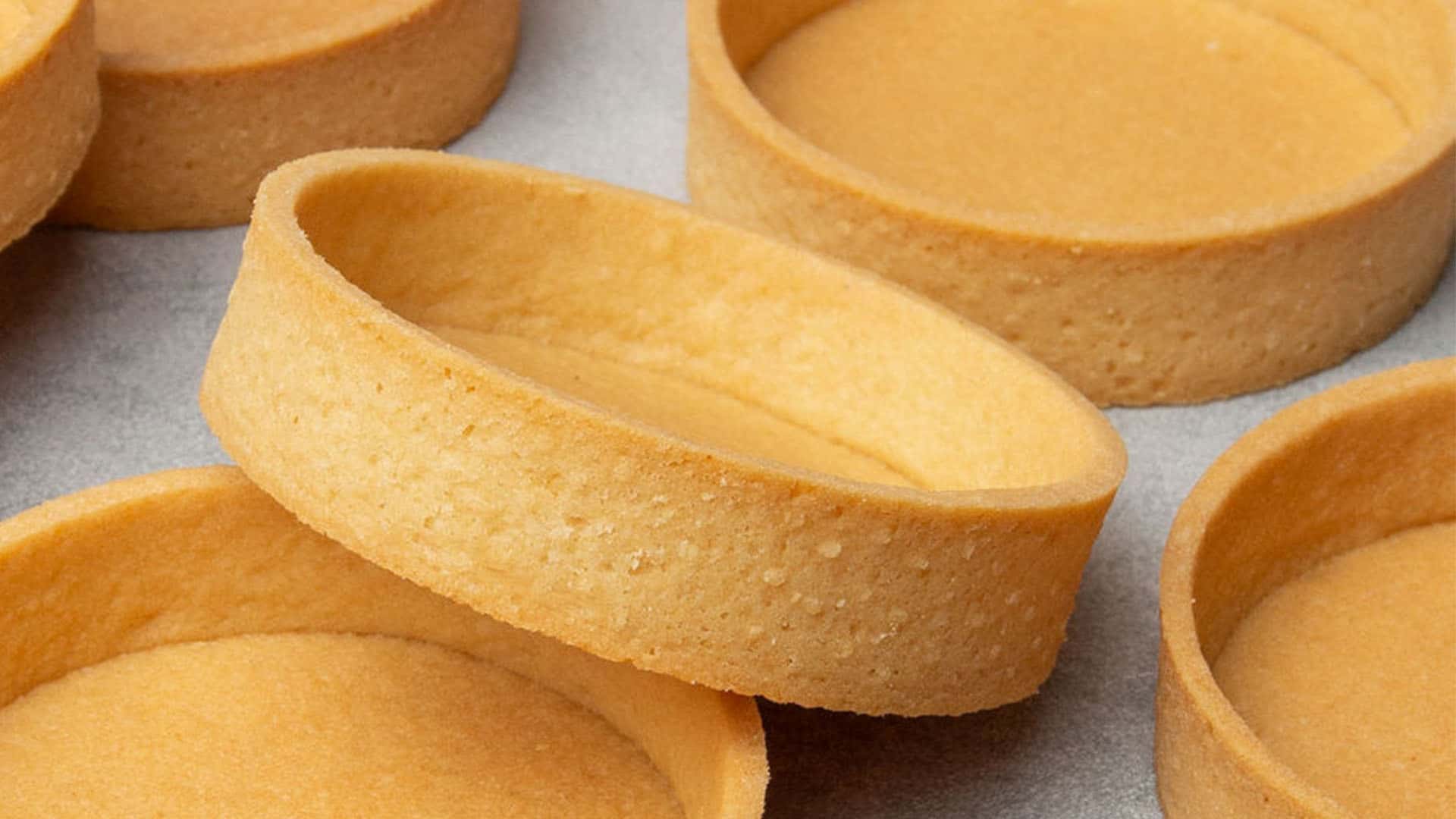
Mom's Best Recipes
Recipe

All-Butter Pastry Dough

Flaky, tender pie dough with crisp edges, zero drama, and a few chef-y tricks that make it consistent.

Author By Matt Campbell
4.8
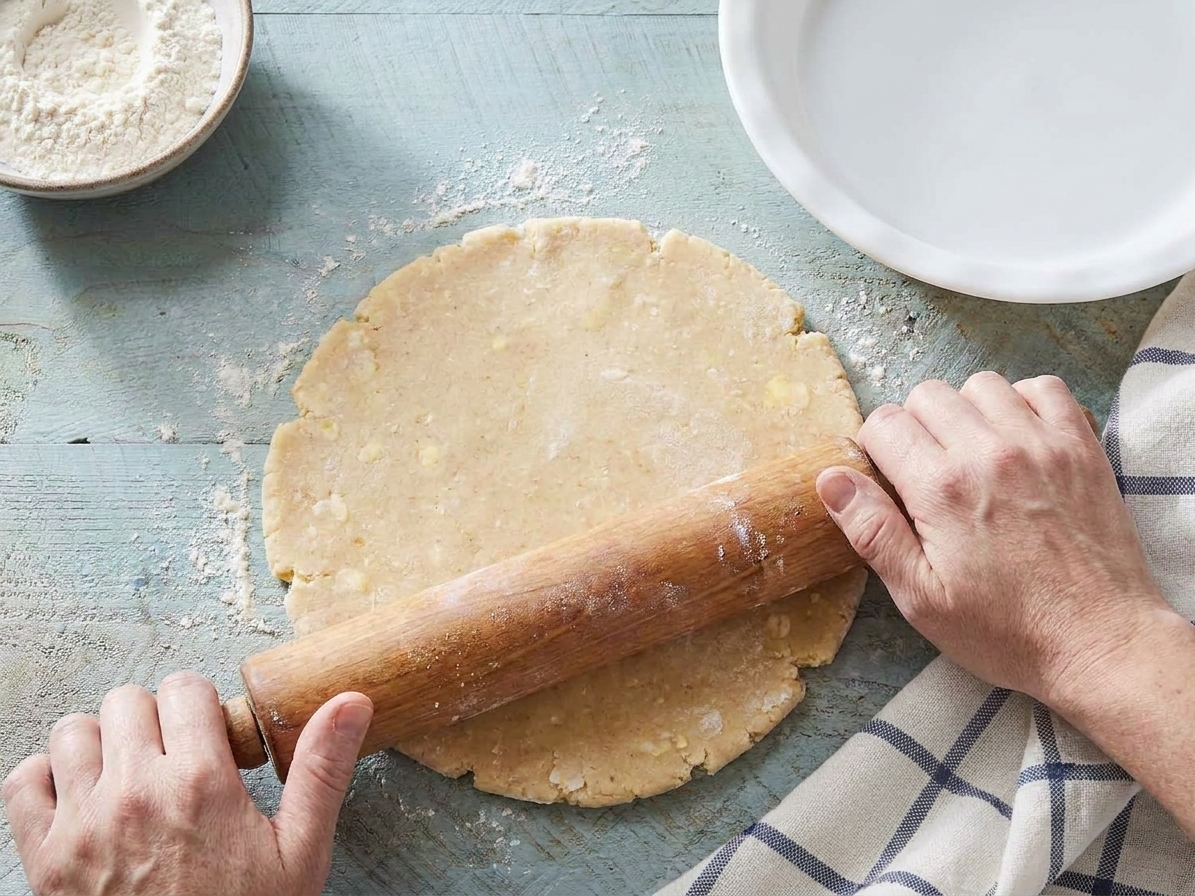
A round of all-butter pastry dough rolled out on a lightly floured stone-colored countertop with a wooden rolling pin nearby and soft natural kitchen light

Pastry dough has a reputation for being fussy. I get it. Butter gets warm, flour gets tough, and suddenly your “quick pie” turns into a minor emotional event.

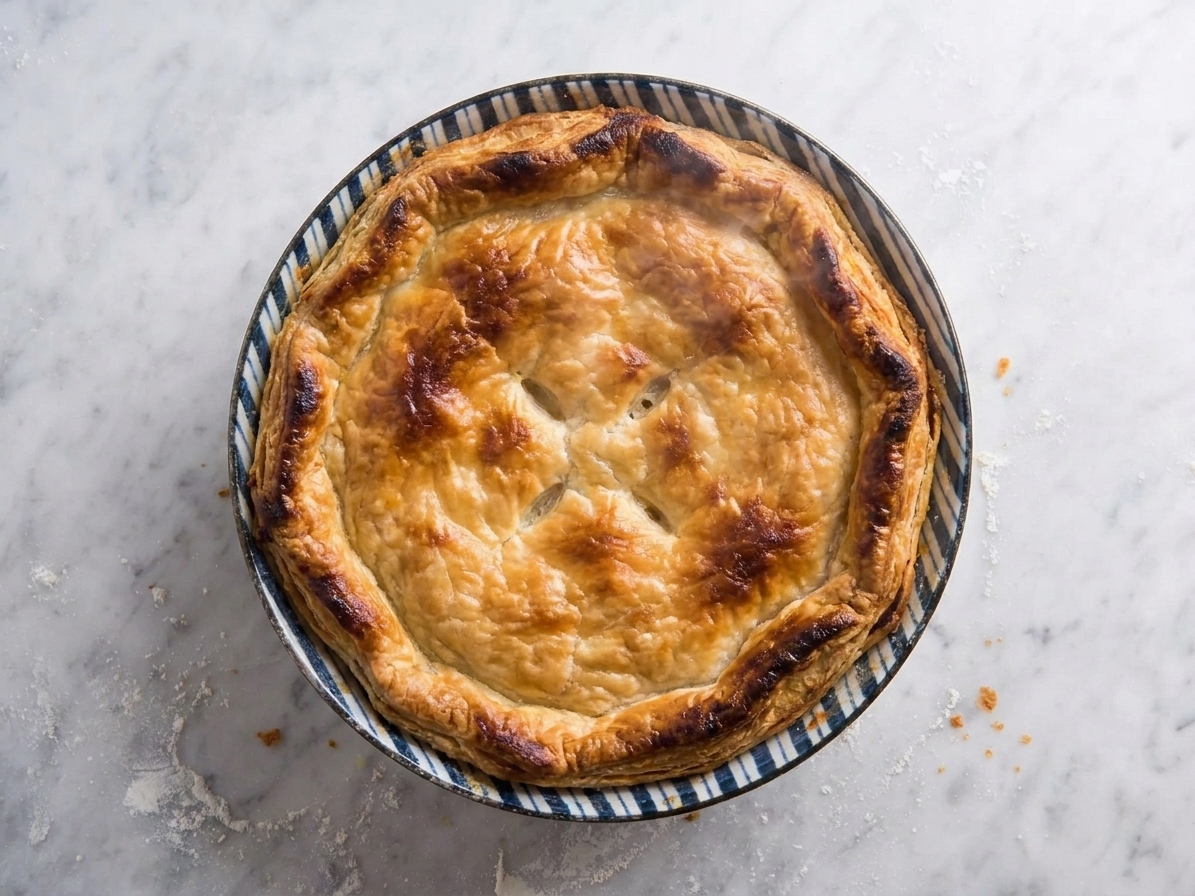
This is my go-to all-butter pastry dough for pies, tarts, and galettes. It is flaky, sturdy enough to crimp, and tender enough to make you pause mid-bite. The method is simple: keep things cold, do less mixing, and give the dough time to chill so it can relax before you ask it to do anything impressive.

You can make this by hand with a pastry cutter or with a food processor. Either way, I will walk you through what the dough should look like at each step, plus how to fix the most common issues without spiraling.
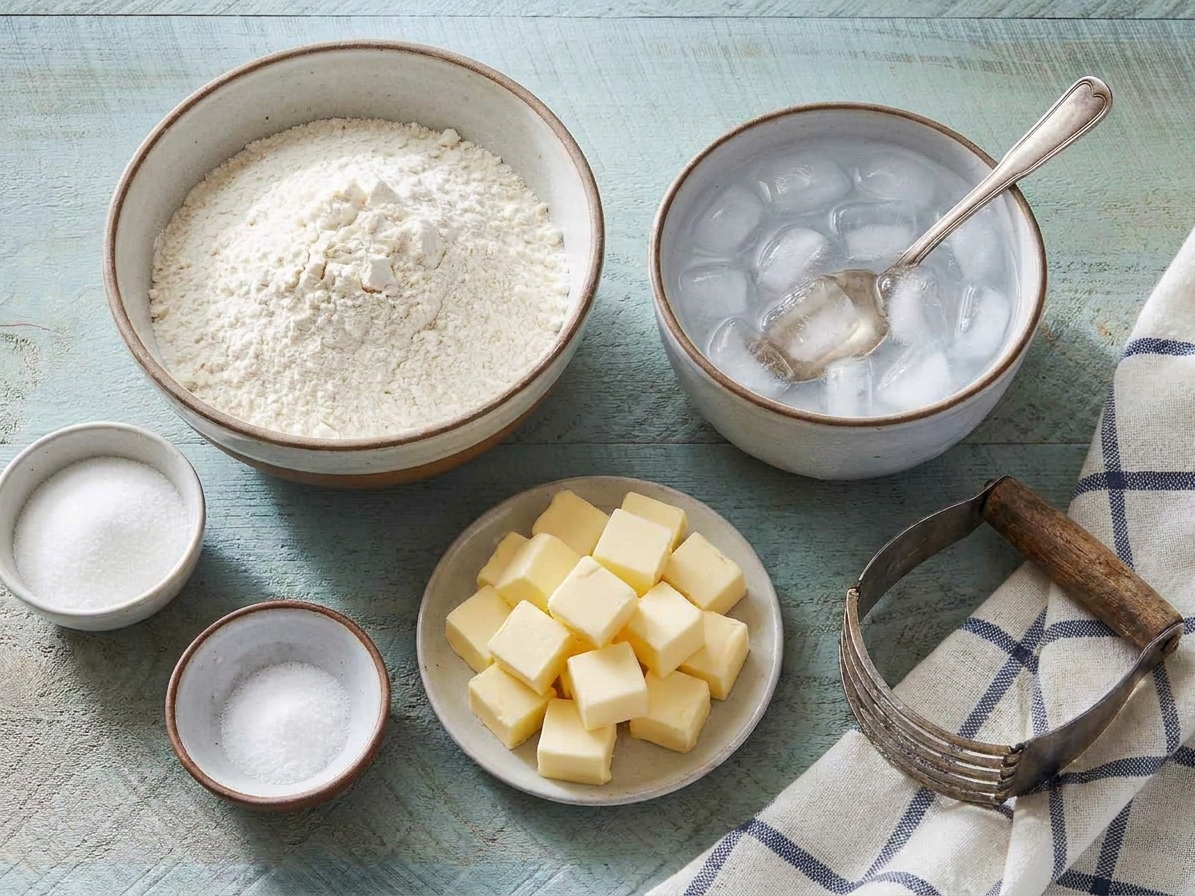
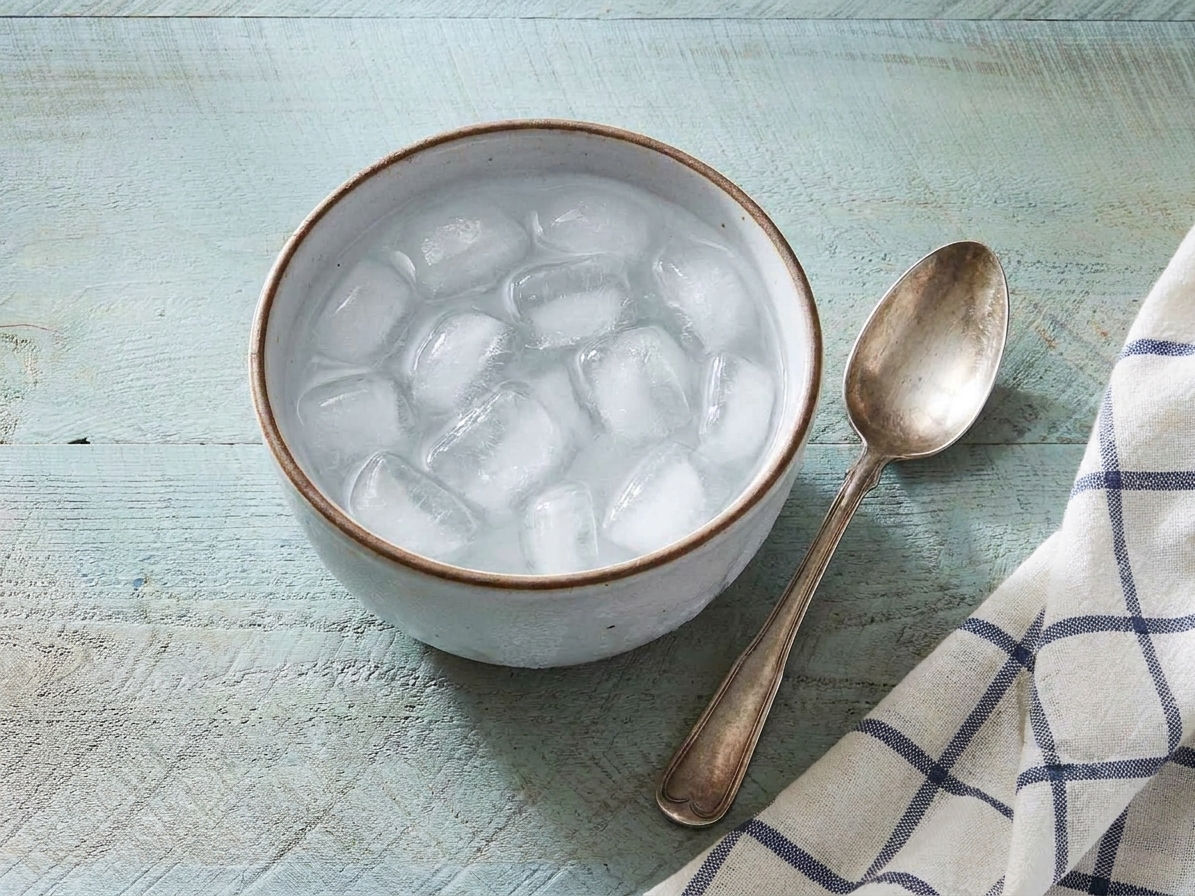
Measured flour, sugar, salt, cubed cold butter, and a small bowl of ice water arranged on a clean kitchen countertop

Why It Works

  • All butter flavor: clean, rich, and not greasy.
  • Flaky layers: we leave visible butter pieces so they steam and lift in the oven.
  • Tender bite, not tough: minimal mixing keeps gluten from turning your crust into a cracker.
  • Works for sweet or savory: the sugar is optional and small, just enough to help browning if you want it.
  • Make-ahead friendly: fridge and freezer instructions included, because future you deserves a break.

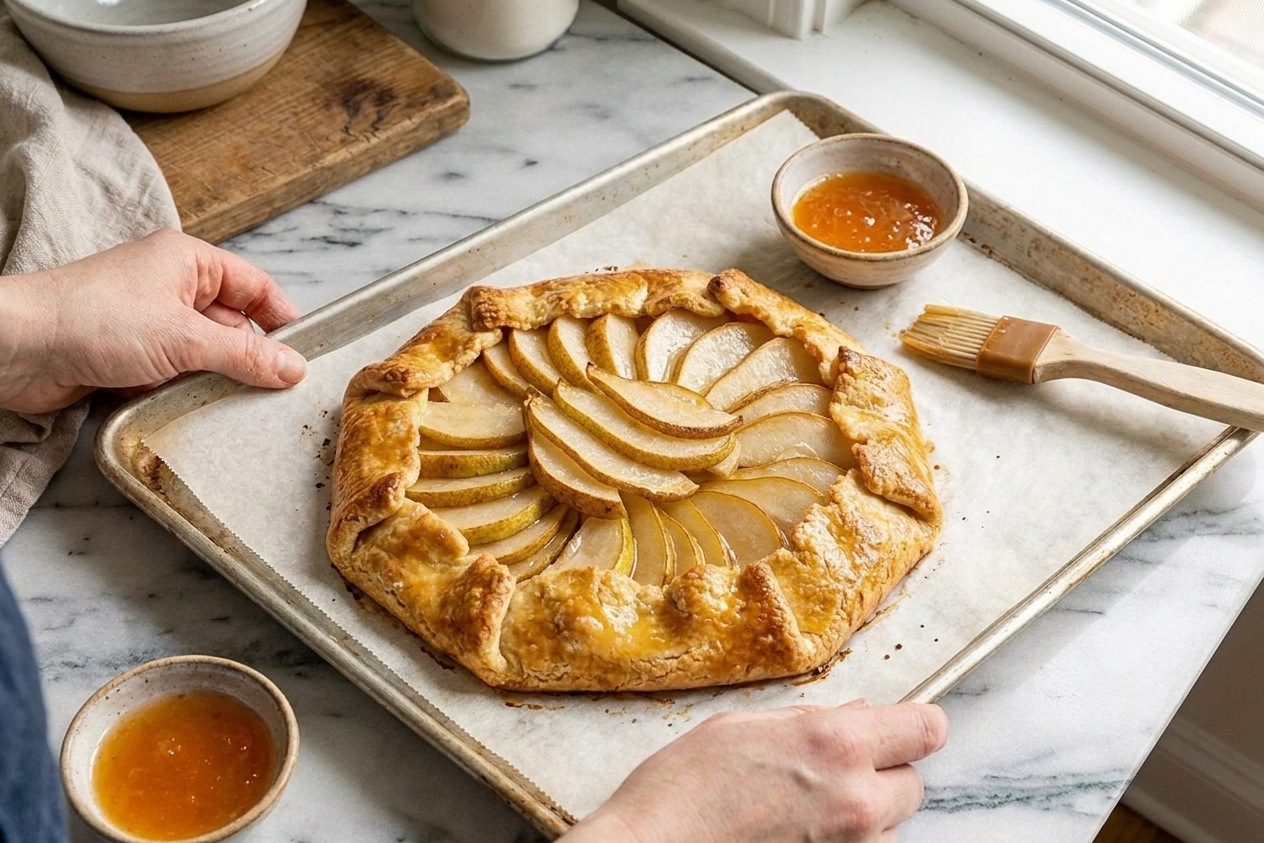
Best uses: double-crust fruit pies (standard 9-inch), quiche, pot pie, slab pie, hand pies, galettes, and tart shells.

Pairs Well With

Storage Tips

How to Store Pastry Dough

  • Refrigerator: Wrap each disk tightly in plastic wrap, then tuck into a zip-top bag. Refrigerate up to 3 days.
  • Freezer (best for planning): Freeze wrapped disks up to 3 months. Thaw overnight in the fridge.
  • Rolled-out dough: Roll between parchment sheets, slide onto a baking sheet, and chill. This is a lifesaver if your kitchen runs warm.
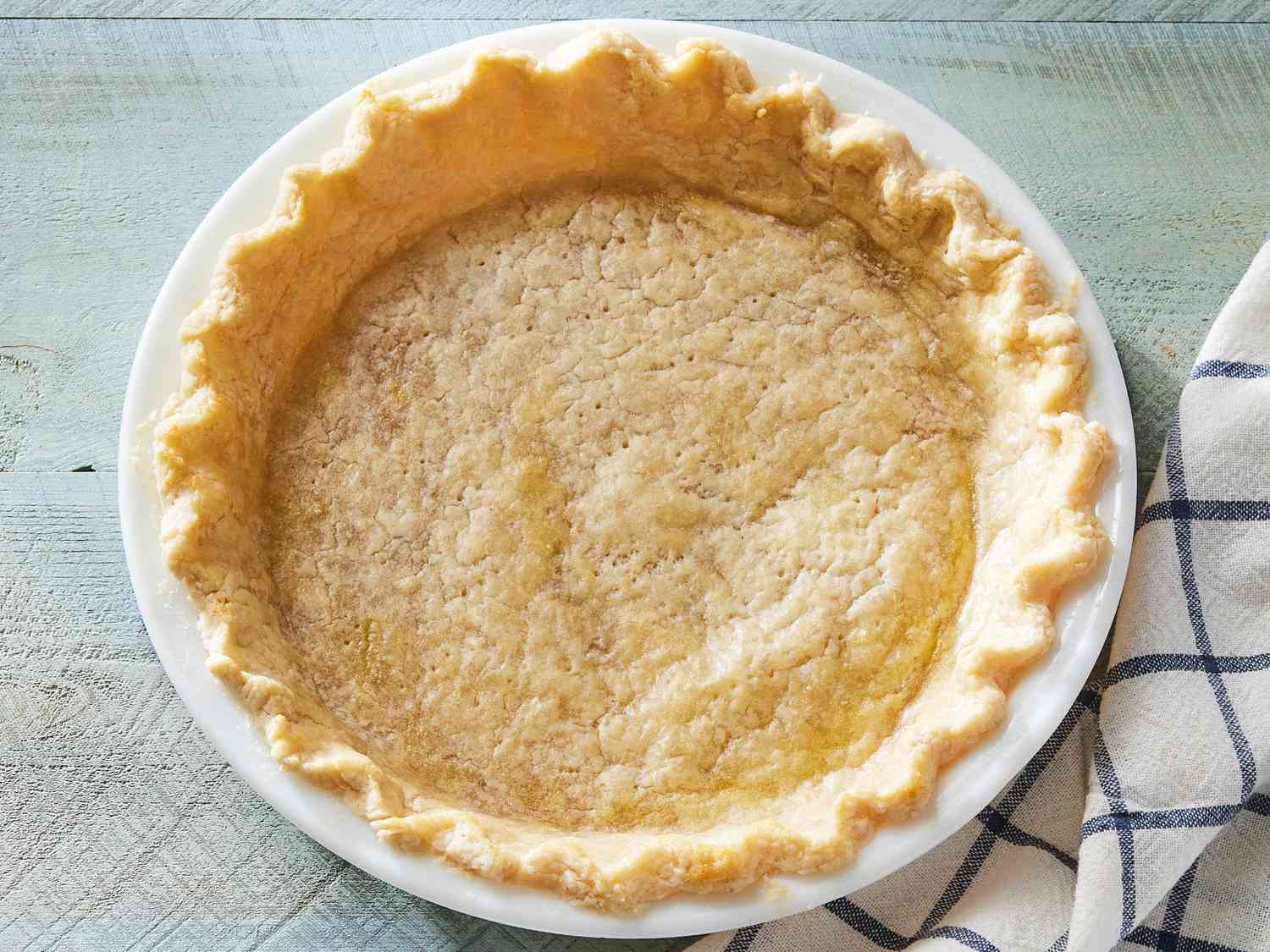
  • Par-baked or baked crust: Cool completely, wrap well, and keep at room temp for 1 day or freeze up to 1 month. Re-crisp in a 350°F oven for 8 to 12 minutes.

Pro tip: If the dough cracks when you unwrap it, it is likely too cold. Let it sit at room temperature for 5 to 10 minutes, then try again.

Common Questions

Common Pastry Dough Questions

Why is my pastry dough tough?

Tough crust usually comes from too much gluten development, which happens when you add more water than you need and then work the dough too much. Once the dough starts looking cohesive, stop. You are not kneading bread here. Also, measure flour correctly. Spoon into the cup and level it, or use a scale.

What does “pea-sized butter” actually mean?

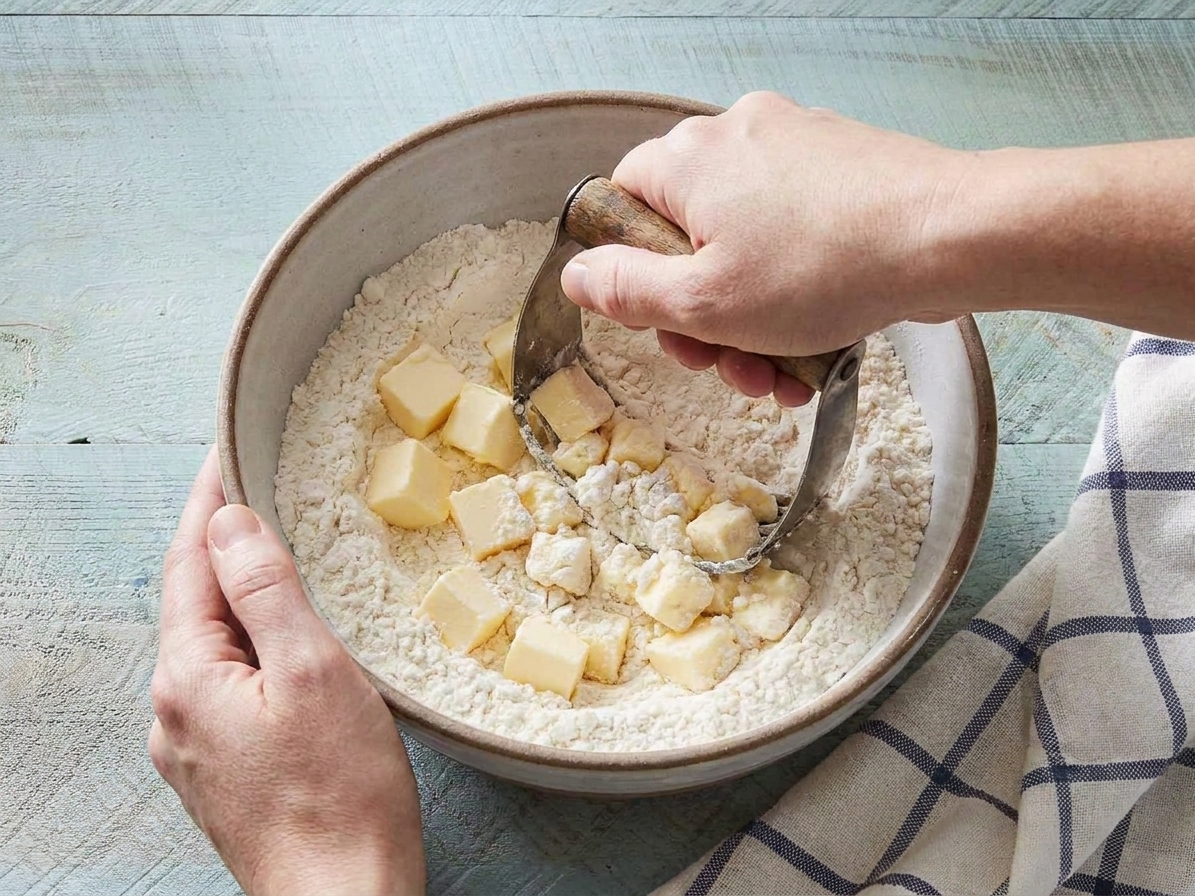
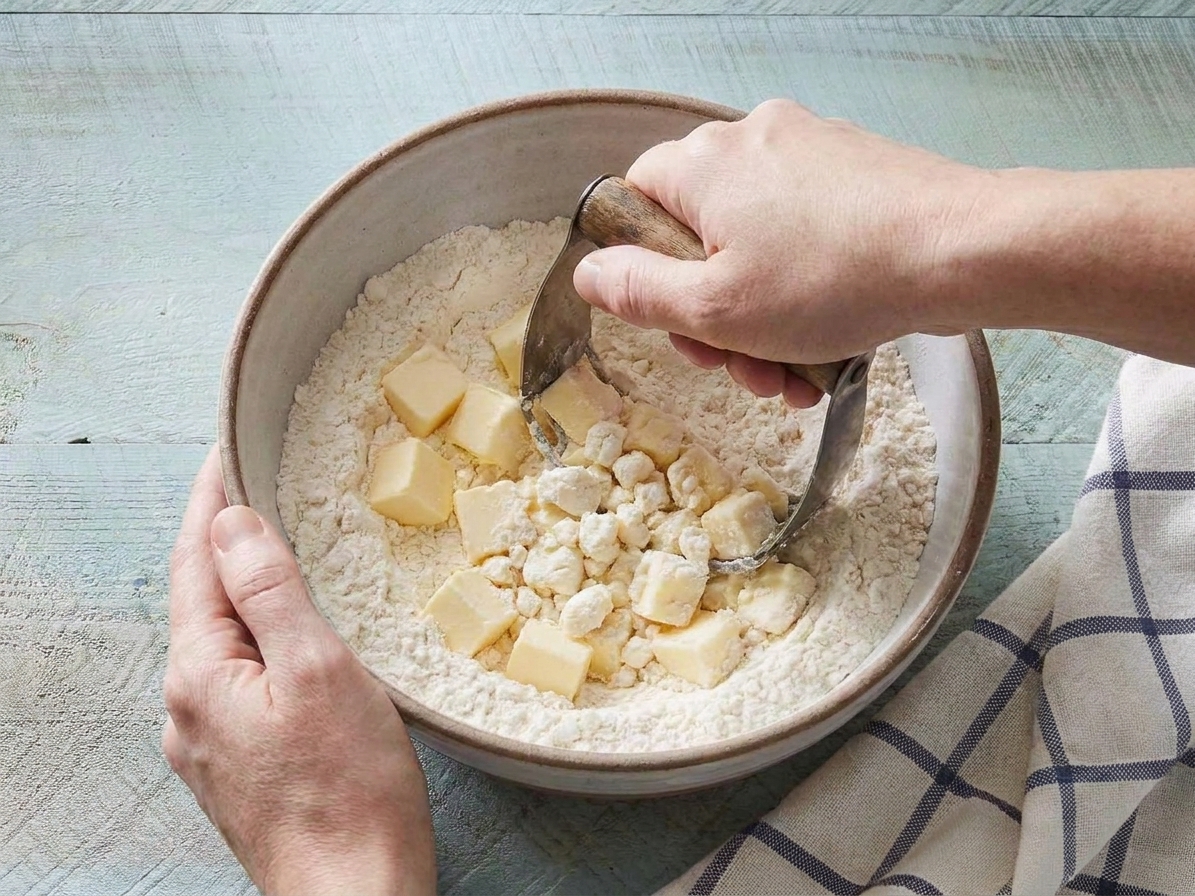
Think a mix of sizes: some pieces like small peas, some like almonds. Those bigger butter bits create the flaky layers. If it looks like wet sand with zero visible butter, it will still work, but it tends to bake up more mealy and tender than boldly flaky.

Can I use salted butter?

Yes. Salt levels vary by brand, so reduce the added salt to 1/4 to 1/2 teaspoon for the full batch, then make a note for next time based on how it tastes with your filling.

Do I need a food processor?

Nope. A pastry cutter, two forks, or even your fingertips work. If you use your hands, move fast so you do not melt the butter.

Why does my crust shrink in the oven?

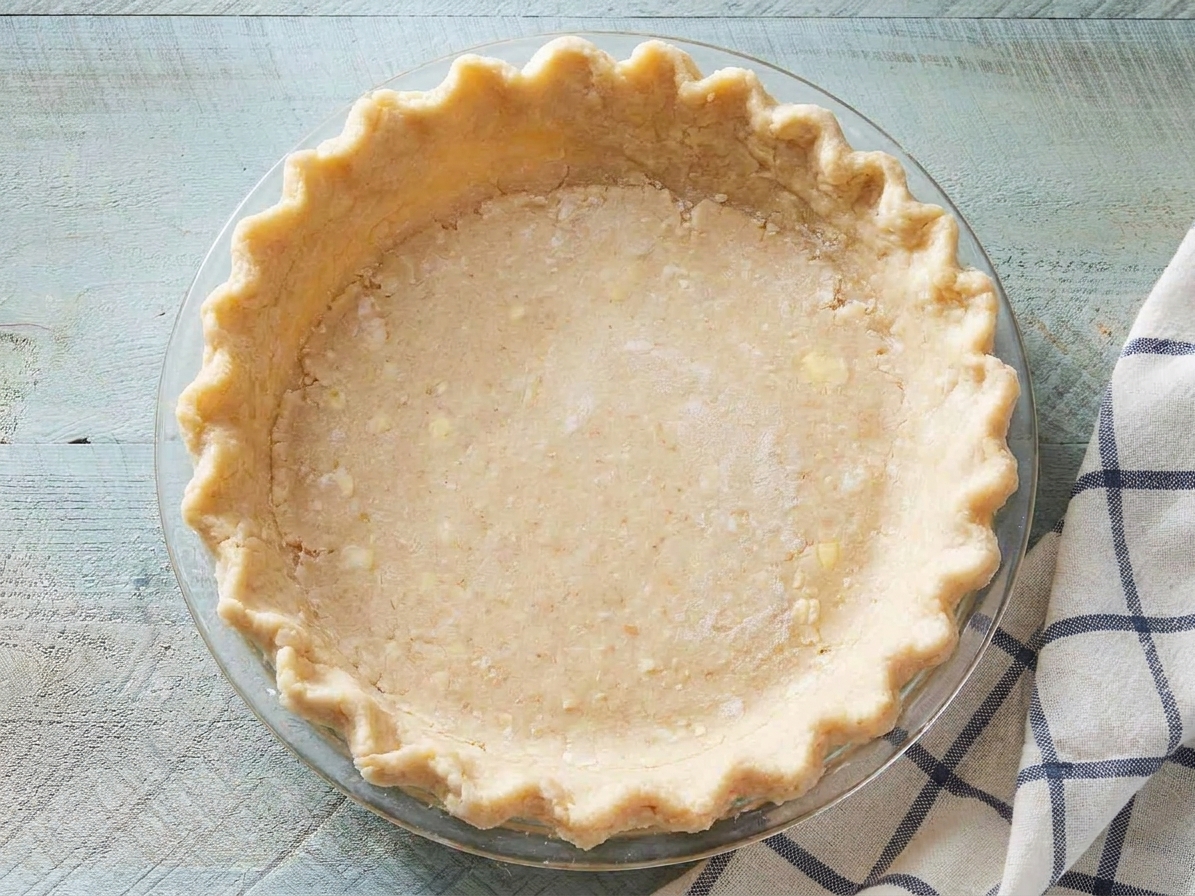
Usually it is not rested enough or it was stretched to fit the pan. Chill the shaped crust at least 30 minutes before baking. When fitting it into a pie dish, lift and settle it instead of pulling it tight.

How do I avoid a soggy bottom?

  • Start with a hot oven.
  • Chill the shaped crust before baking.
  • For juicy fillings, consider a par-bake or use a baking stone or steel on the lower rack.
  • Brush the bottom with egg wash before filling for an extra moisture barrier.
Hands using a pastry cutter to cut cold butter into flour in a large mixing bowl on a kitchen counter

I used to treat pastry dough like it was a test I could fail. Then I worked enough stations and cooked enough family meals to learn the truth: dough just wants you to pay attention. Keep it cold, do less mixing, and give it a little rest. Now it is one of my favorite kitchen flexes, not because it is fancy, but because it turns basic butter and flour into something that feels like a weekend.