Mom's Best Recipes
Recipe

Shortcrust Pastry

A buttery, tender, crisp shortcrust dough that rolls easily and bakes up lightly flaky. Perfect for sweet or savory pies, tarts, and quiche.

Author By Matt Campbell
4.8
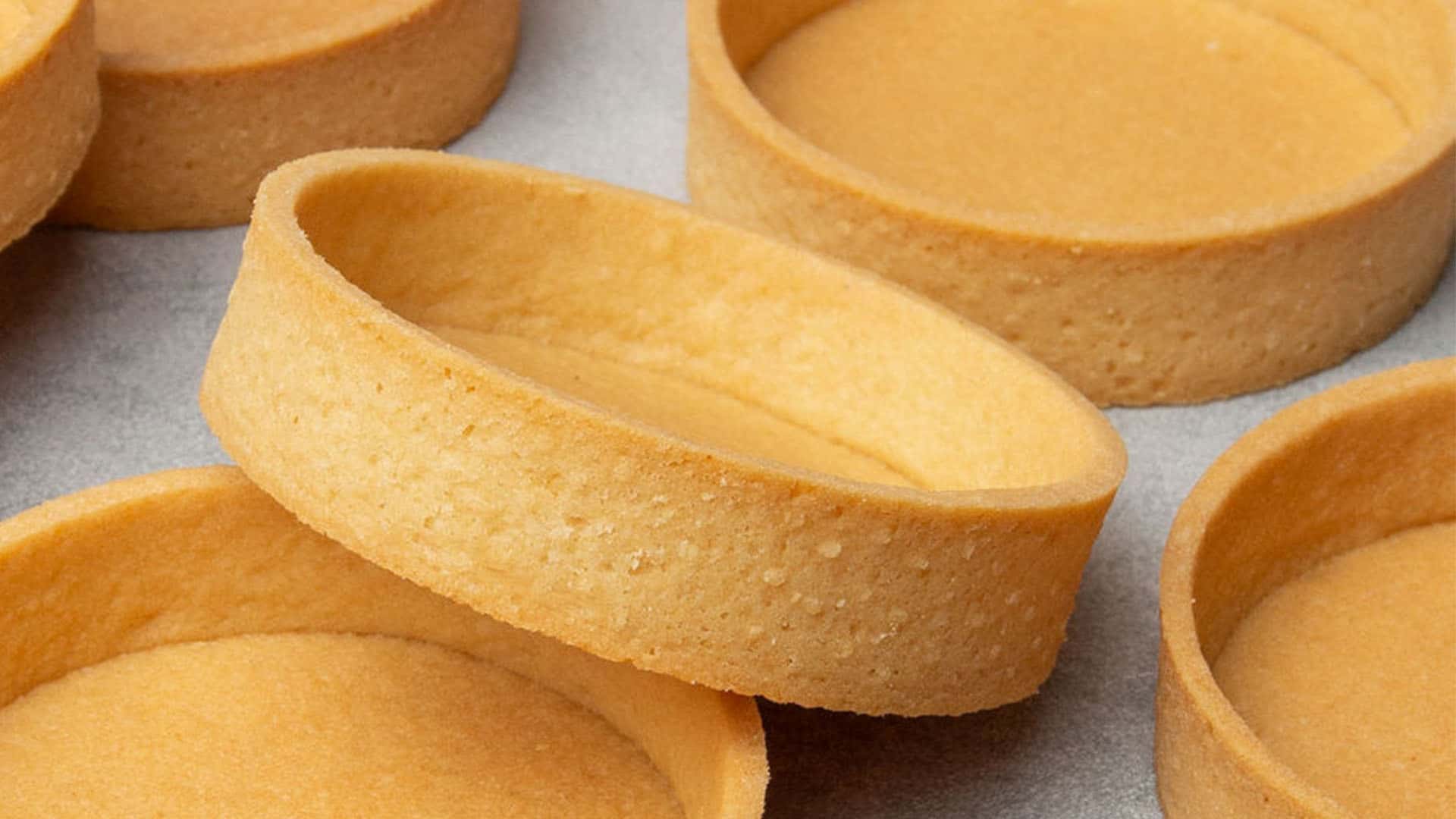
A golden baked shortcrust pastry tart shell on a light stone countertop with a wooden rolling pin nearby, natural window light

Shortcrust pastry is one of those kitchen skills that feels fancy until you realize it is basically: flour + cold butter + a little water + patience. The patience part is mostly the chill time, which is great because it means you can clean up your flour situation before you pretend it never happened.

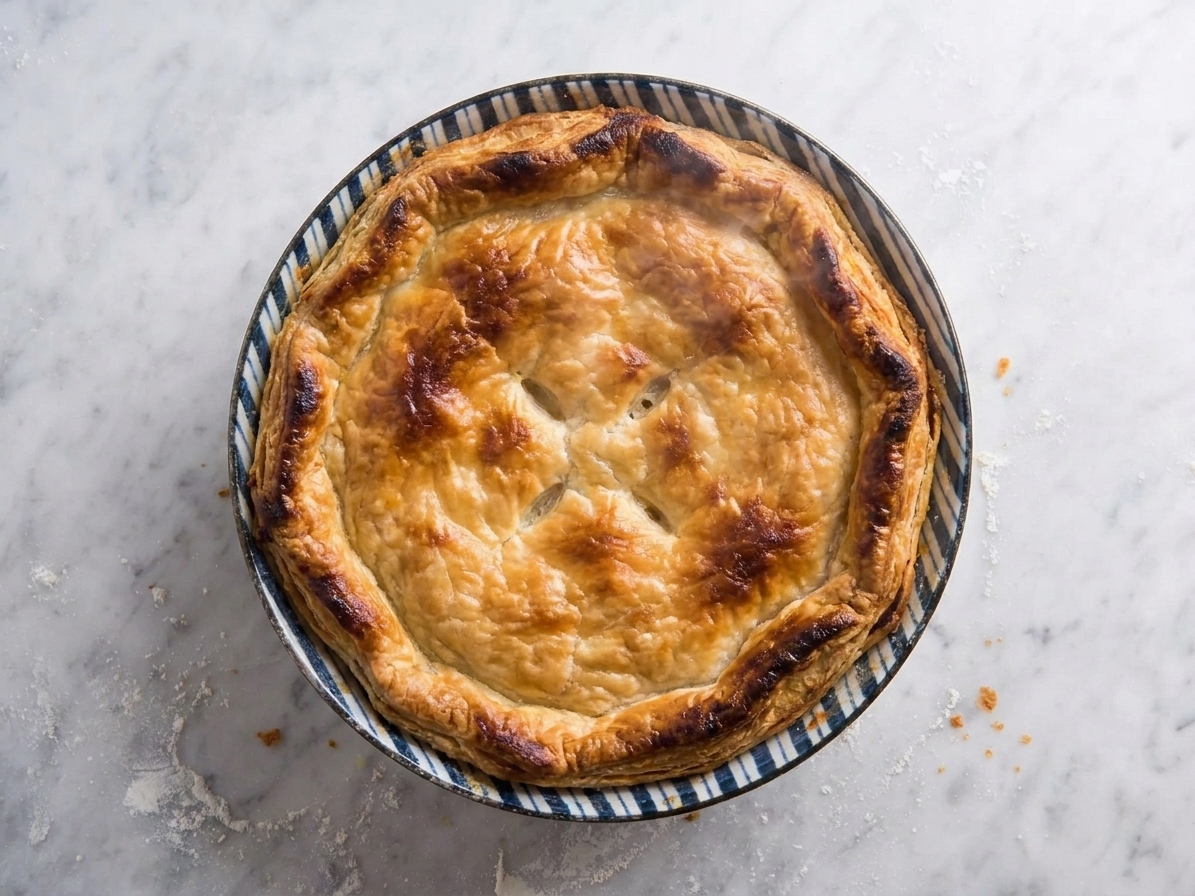
This is my go-to shortcrust for everything from a cozy chicken pot pie to a lemon tart that makes you sit up straight after the first bite. It is tender, crisp at the edges, and sturdy enough to hold a juicy filling without turning into a soggy mess.

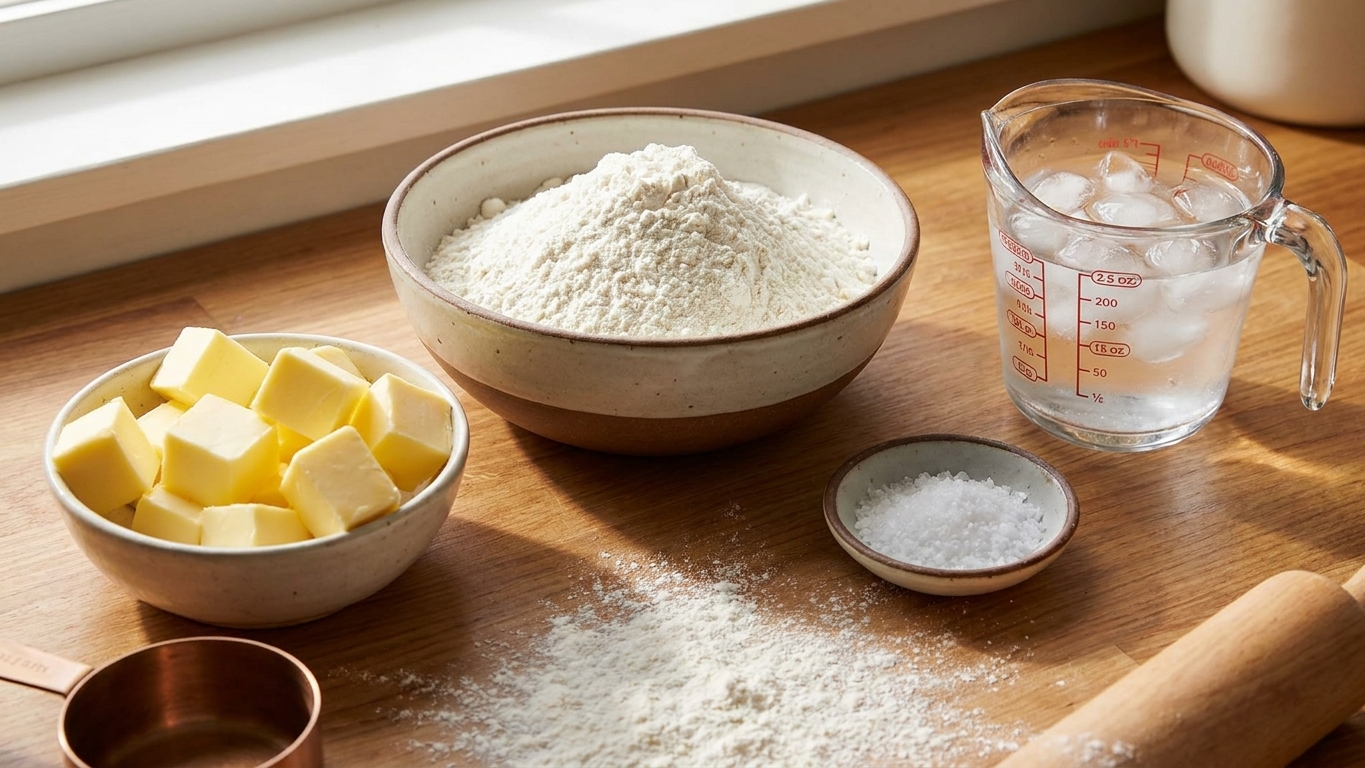
Flour, cubed cold butter, a small bowl of salt, and a cup of ice water arranged on a home kitchen counter

Why It Works

  • Cold butter, minimal mixing: keeps the crust tender and lightly flaky instead of tough.
  • Just enough water: helps the dough come together without turning sticky, so you are less tempted to add lots of flour while rolling.
  • Chilling twice: first to relax gluten and hydrate flour, second after shaping to help the crust hold its edges.
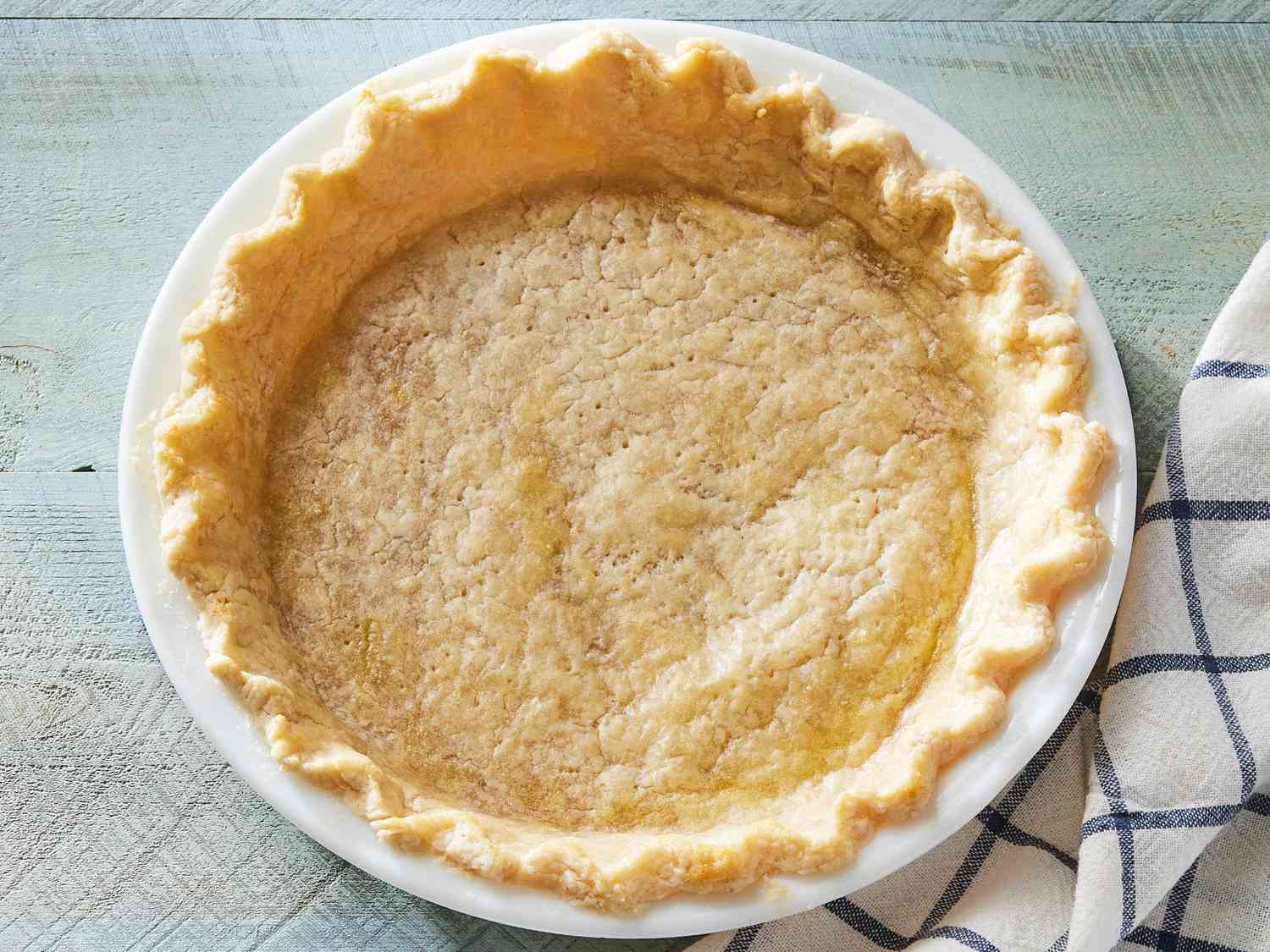
  • Blind baking options: you get a crisp bottom whether your filling is wet (quiche) or fully baked (custard tart).

Pairs Well With

Storage Tips

Make-Ahead and Storage

Unbaked dough (wrapped): Refrigerate up to 3 days. Let it sit at room temp 5 to 10 minutes before rolling so it does not crack.

Freeze the dough disk: Wrap tightly in plastic wrap, then tuck into a freezer bag. Freeze up to 3 months. Thaw overnight in the fridge.

Freeze a shaped crust: Roll and line your pie plate or tart pan, freeze until firm, then wrap well. Bake from frozen, adding a few extra minutes.

Baked crust: Cool completely, then store at room temp loosely covered for 1 day, or freeze up to 1 month. Re-crisp in a 325°F oven for 8 to 10 minutes.

Common Questions

Common Questions

What is the difference between shortcrust pastry and pie crust?

In everyday home cooking, they overlap a lot. Shortcrust usually means a tender, crumbly, buttery dough that can be used for both savory and sweet bakes. Some American-style pie crusts aim for extra flake with techniques like larger butter pieces, folding, or a touch of vinegar. This recipe lands right in the sweet spot: tender with light flake and very dependable.

Why did my shortcrust shrink in the oven?

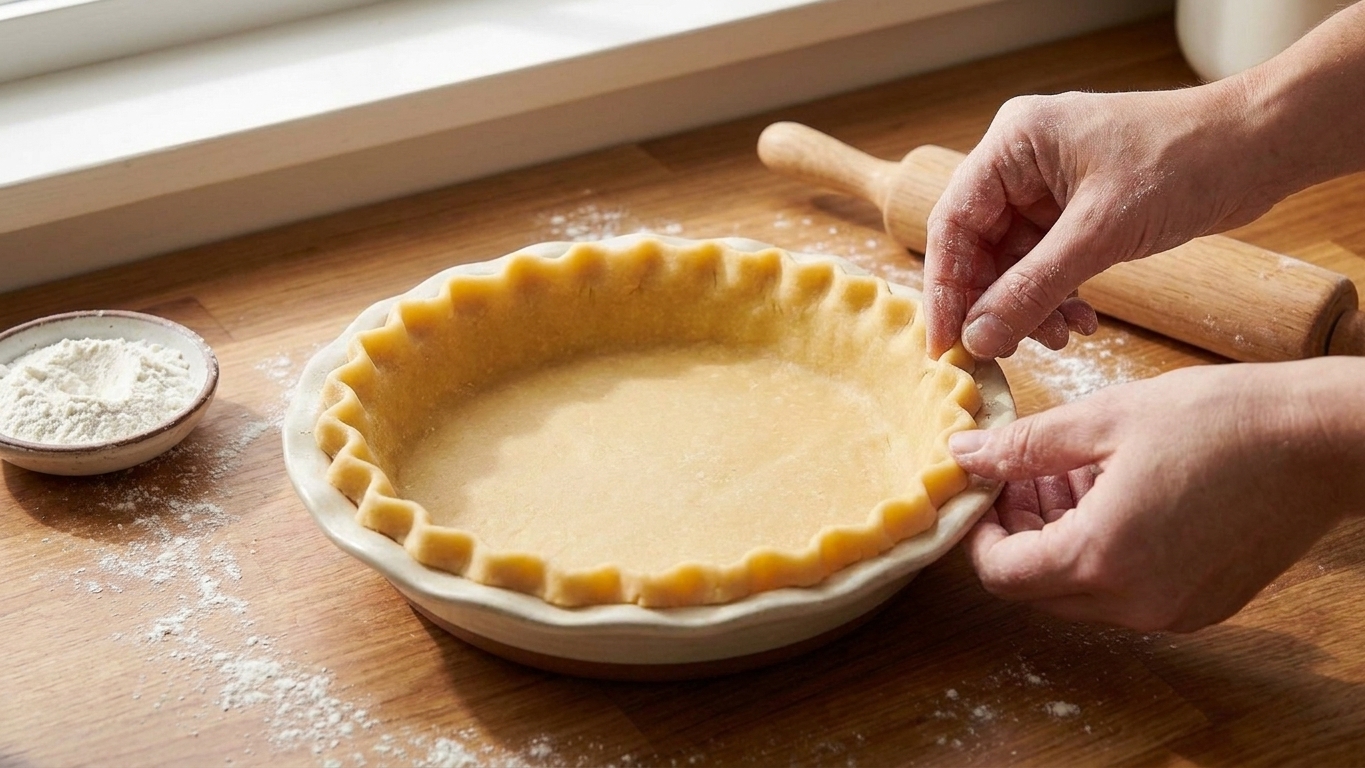
Usually one of three things: the dough was worked too much, it was not chilled enough after shaping, or it was stretched into the pan. To fix it, lift and set the dough into the corners rather than pulling it, then chill (or freeze) the lined pan 20 to 30 minutes before baking.

Can I make this without a food processor?

Absolutely. Use a pastry cutter, two knives, or your fingertips. Work quickly so the butter stays cold.

Can I use salted butter?

Yes. Reduce the added salt to 1/4 teaspoon.

How do I blind bake without pie weights?

Use dried beans, rice, or even granulated sugar. Line with parchment first so nothing bakes into the crust. If you use sugar, let it cool completely, then save it for future blind bakes or for baking recipes where toasted sugar is welcome.

Sweet or savory?

This base is neutral. For sweet desserts, add 1 to 2 tablespoons sugar. For savory bakes, keep it as-is or add a pinch of black pepper.
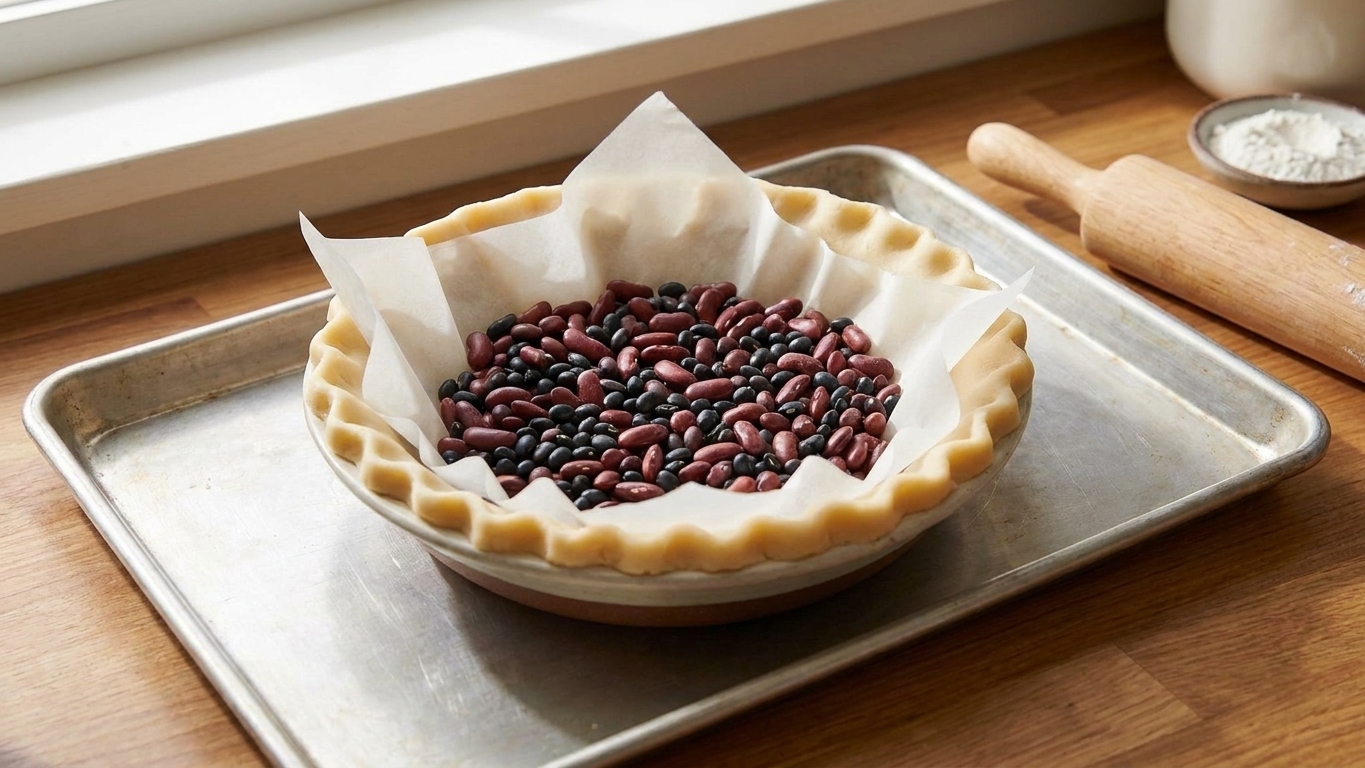

A chilled unbaked shortcrust-lined pie dish filled with parchment paper and dried beans on a baking sheet

I was the person who used to overthink crust. I would baby it, knead it “just a little more,” then act shocked when it baked up tough. The turning point was treating shortcrust like a low-drama friend: keep it cold, handle it less, and give it a proper chill so it can relax. Now it is the thing I make when I want dinner to feel like I tried, even if the filling is basically whatever is in the fridge.

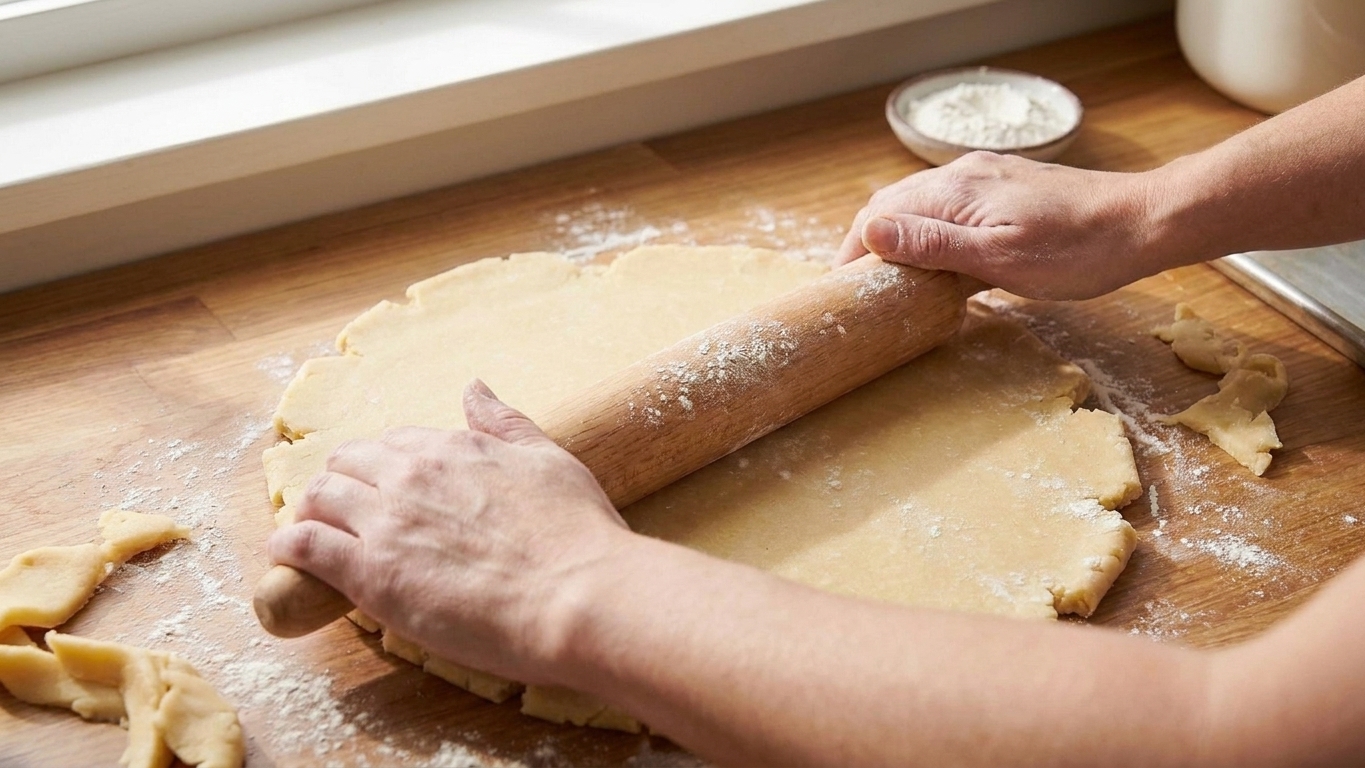
A pair of hands rolling out shortcrust dough on a lightly floured countertop with a wooden rolling pin