Mom's Best Recipes
Recipe

Classic Oyster Dressing

Moist, savory, and just briny enough, with crisp edges and lots of herbs. A true holiday side that tastes like tradition in the best way.

Author By Matt Campbell
4.8
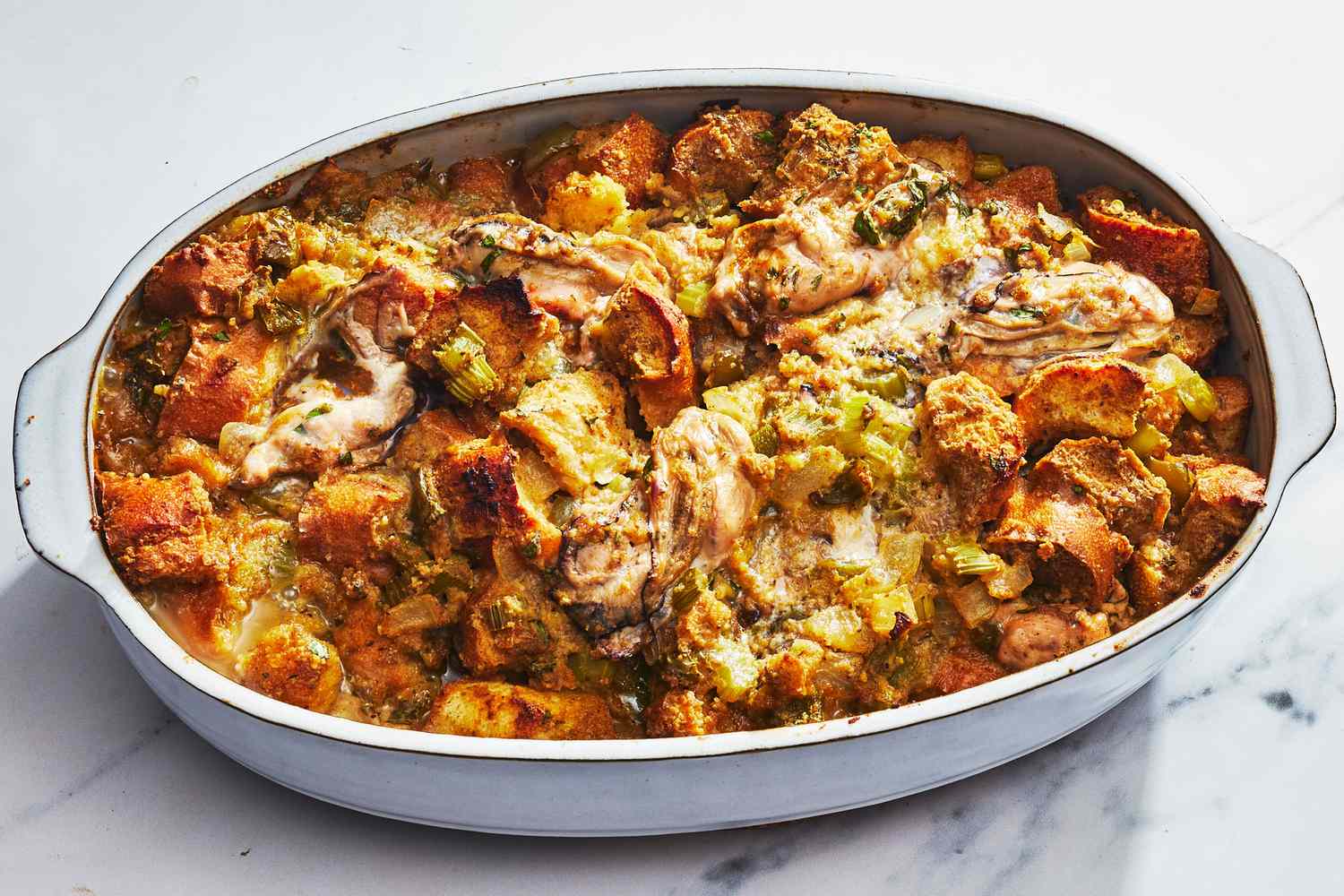
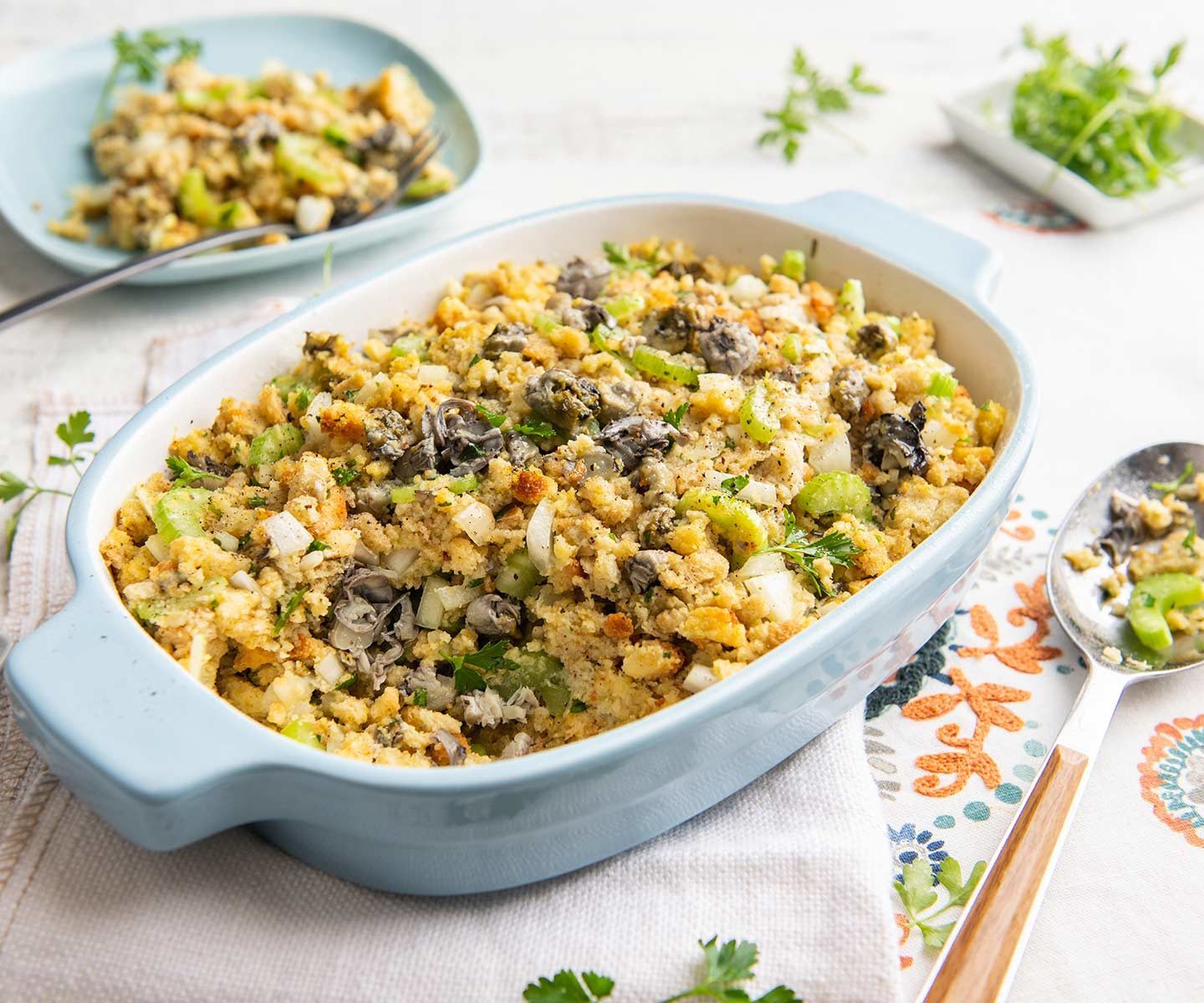
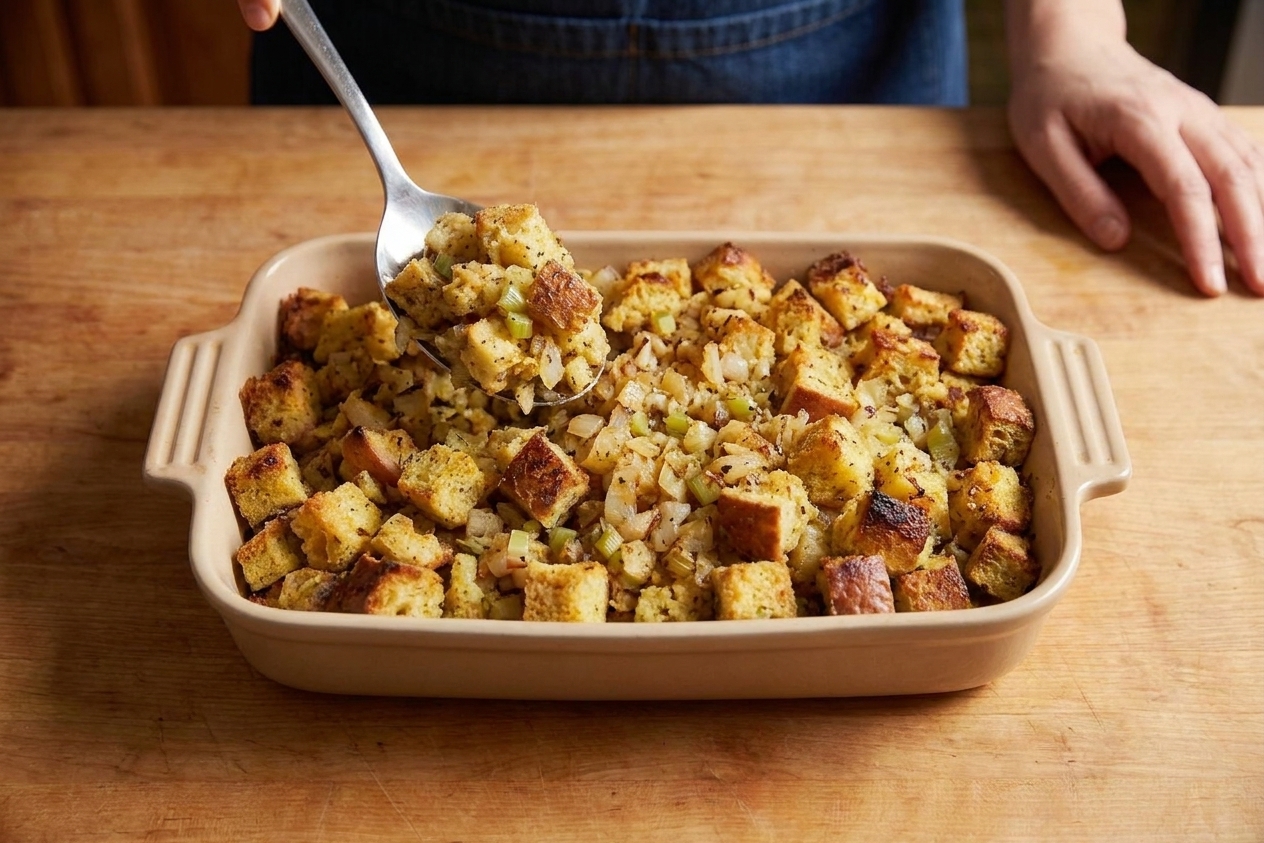
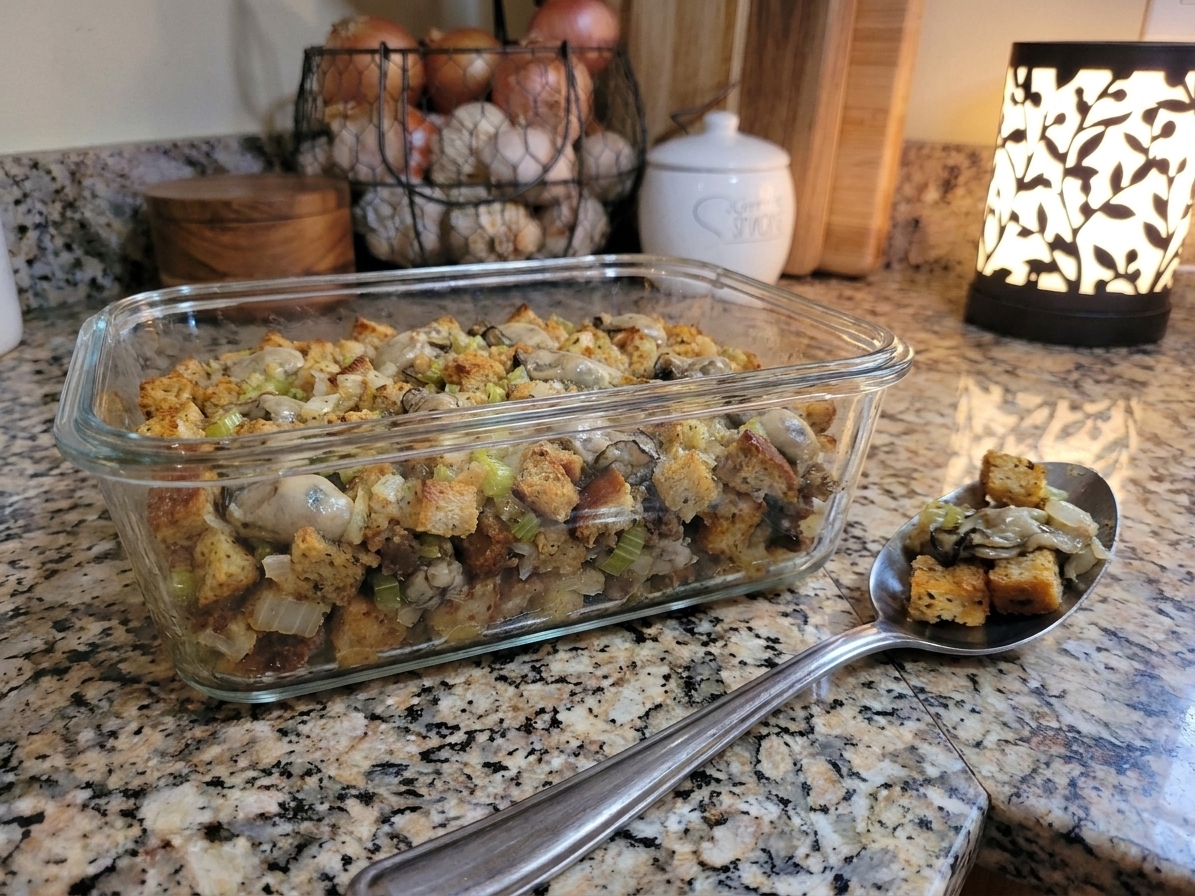
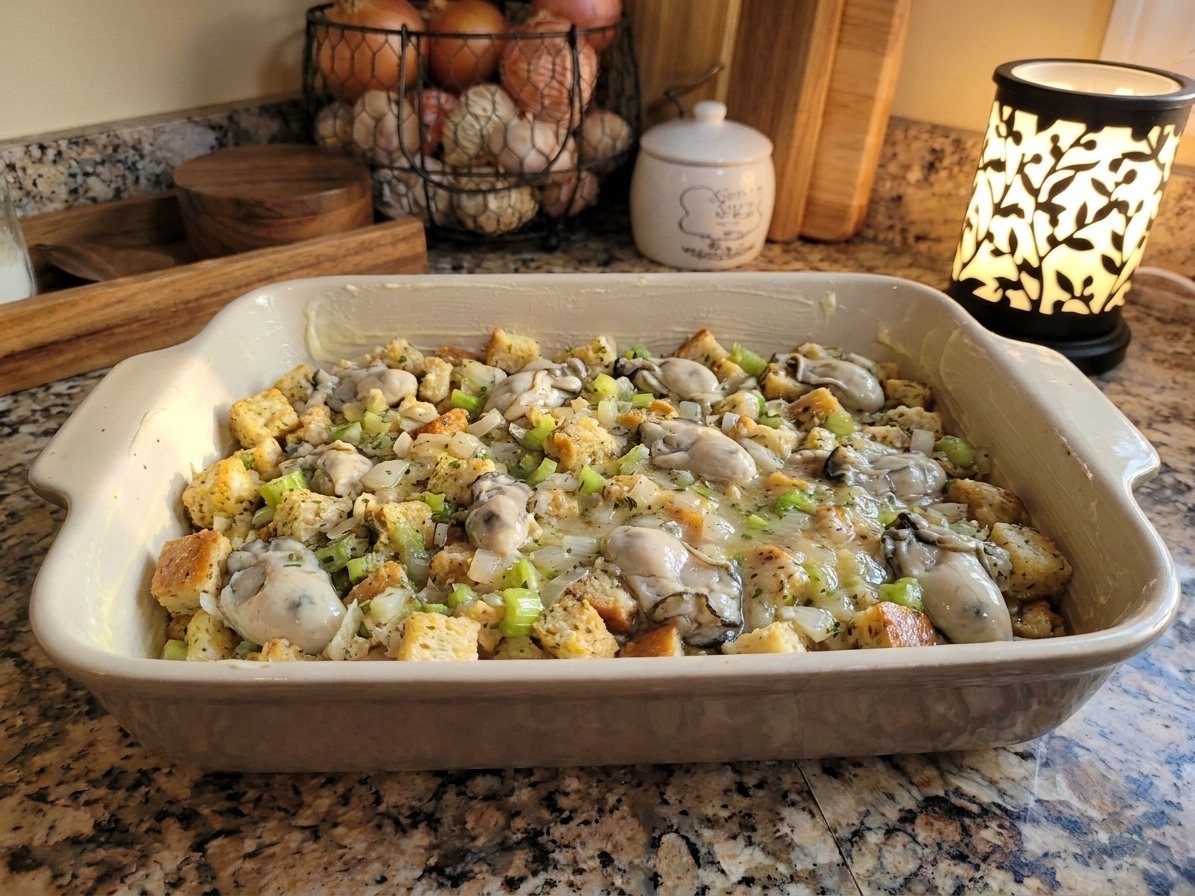
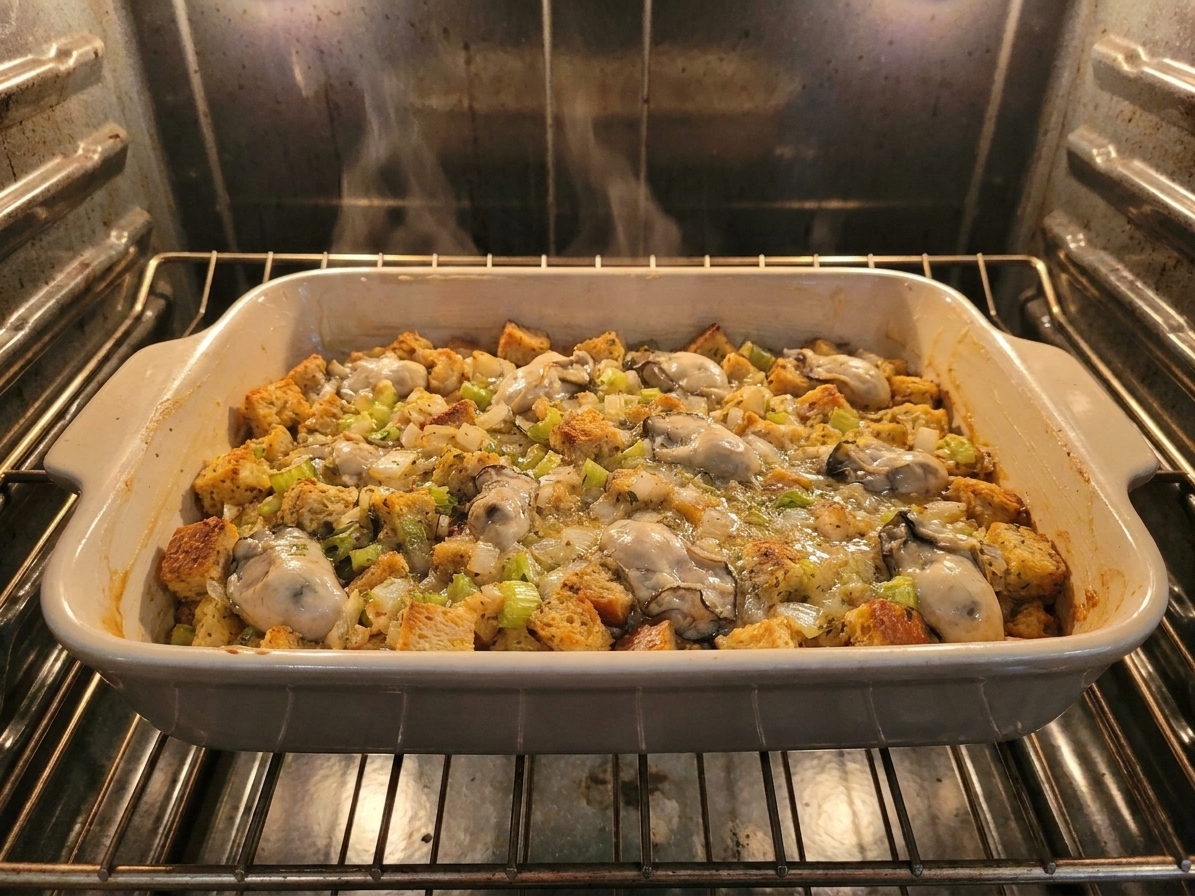
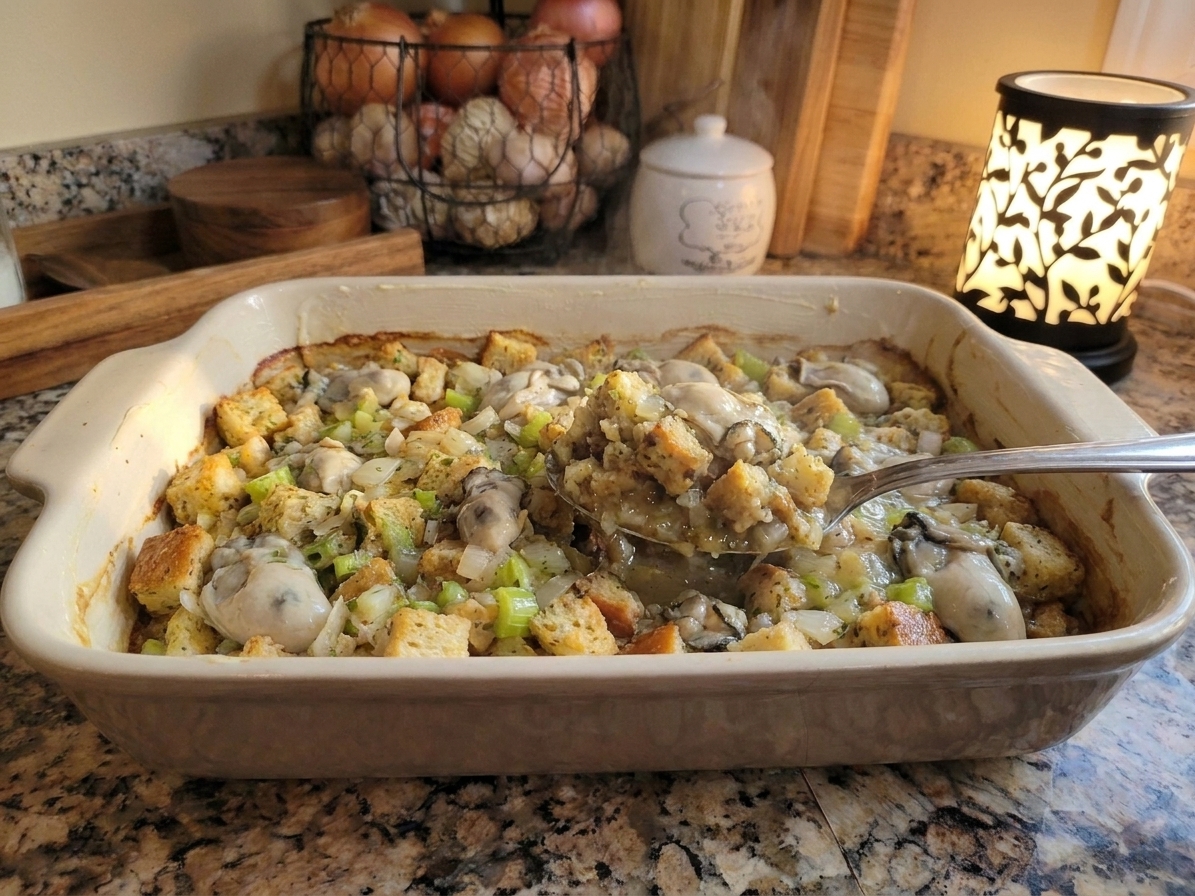
A golden baked oyster dressing in a ceramic casserole dish on a wooden table, crisp browned edges and a spoon scooping out a moist portion

Oyster dressing is one of those dishes that makes people lean in. The skeptics get suspicious, the fans get loud, and somebody always says, “My grandma used to make it.” I love it for that exact reason. It is comforting and a little coastal, like stuffing took a quick vacation and came back with better stories.

This version stays classic: buttery bread, celery and onion, lots of herbs, and oysters that melt into the background in the best way. You taste them, but they are not shouting. The goal is a dressing that is moist in the center, crisp on top, and seasoned like you meant it.

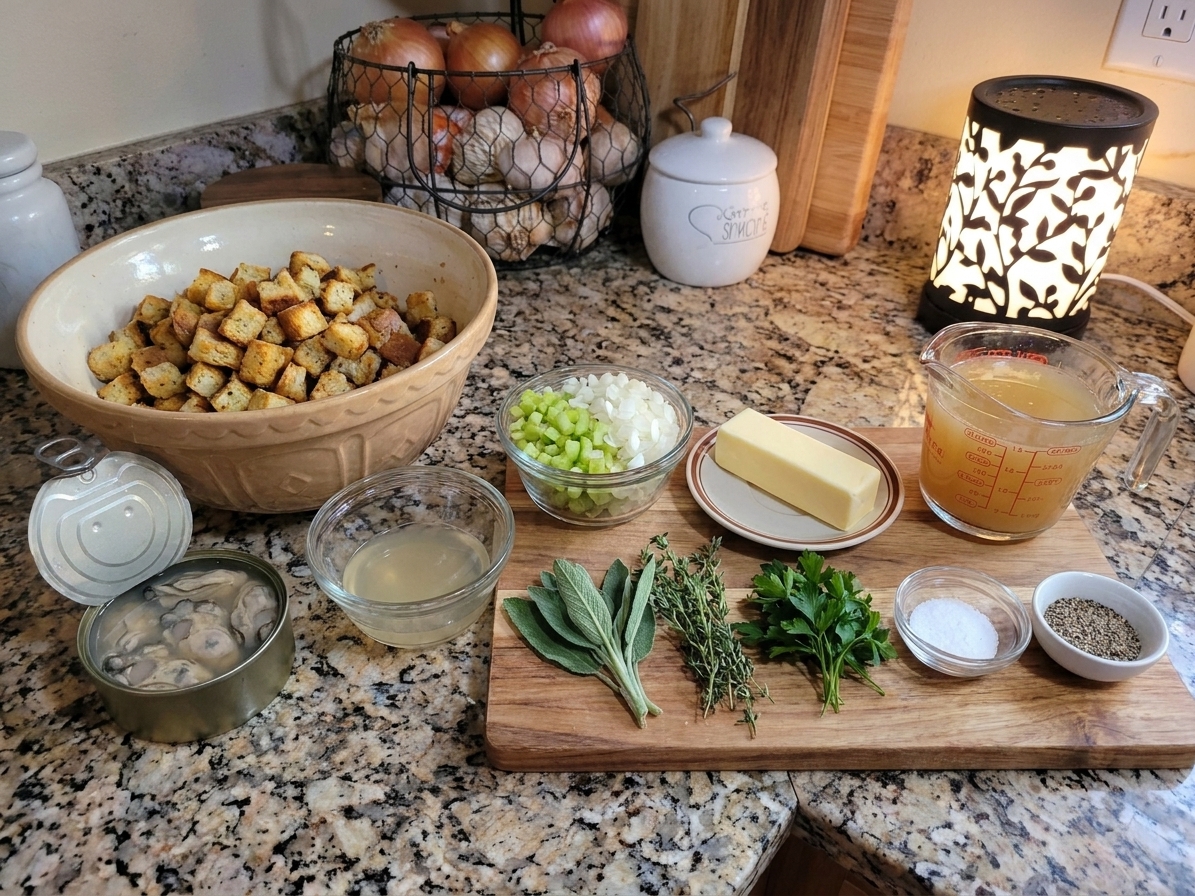
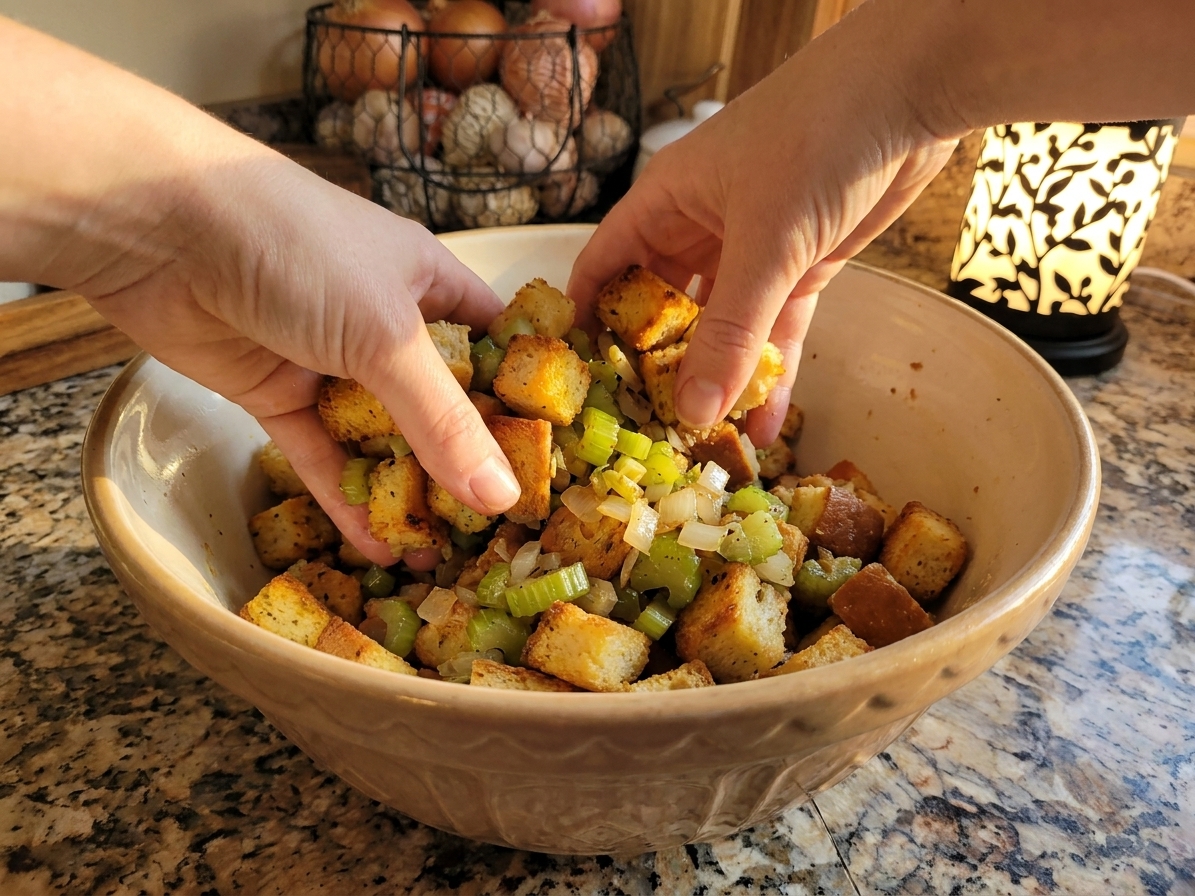
All ingredients for oyster dressing arranged on a bright kitchen counter, including bread cubes, canned oysters with liquor, celery, onion, butter, herbs, and stock

Why It Works

  • Balanced brine: Using a measured amount of oyster liquor plus stock gives that classic flavor without turning the whole pan into seafood stuffing.
  • Moist but not soggy: Dry bread cubes plus gradual liquid additions help you hit the sweet spot.
  • Crisp edges on purpose: A hot bake at the end sets the top and gives you those crunchy corner bites everyone fights over.
  • Make-ahead friendly: You can prep the base a day early, then add eggs and fold in oysters right before baking.

Pairs Well With

Storage Tips

Refrigerate: Cool dressing completely, then cover tightly or transfer to an airtight container. Refrigerate up to 3 days (or up to 4 days if that matches your kitchen standards and comfort level).

Reheat: For best texture, reheat in a 350°F oven until hot in the center, about 15 to 25 minutes depending on thickness. Add a splash of stock if it looks dry. Microwave works, but the oven brings back the crisp top.

Freeze: Freeze baked, cooled portions wrapped well for up to 2 months for best quality. Thaw overnight in the fridge, then reheat covered at 350°F until hot, uncovering for the last 10 minutes to re-crisp.

Leftover oyster dressing stored in a clear airtight container on a kitchen counter with a serving spoon nearby

Common Questions

Is oyster dressing the same as oyster stuffing?

They are essentially the same idea, and the name often depends on where you are from and what your family calls it. Some folks use “stuffing” for anything, while others use “dressing” when it is baked in a dish (which is how I do it for food safety and those crisp edges).

Do I have to use fresh oysters?

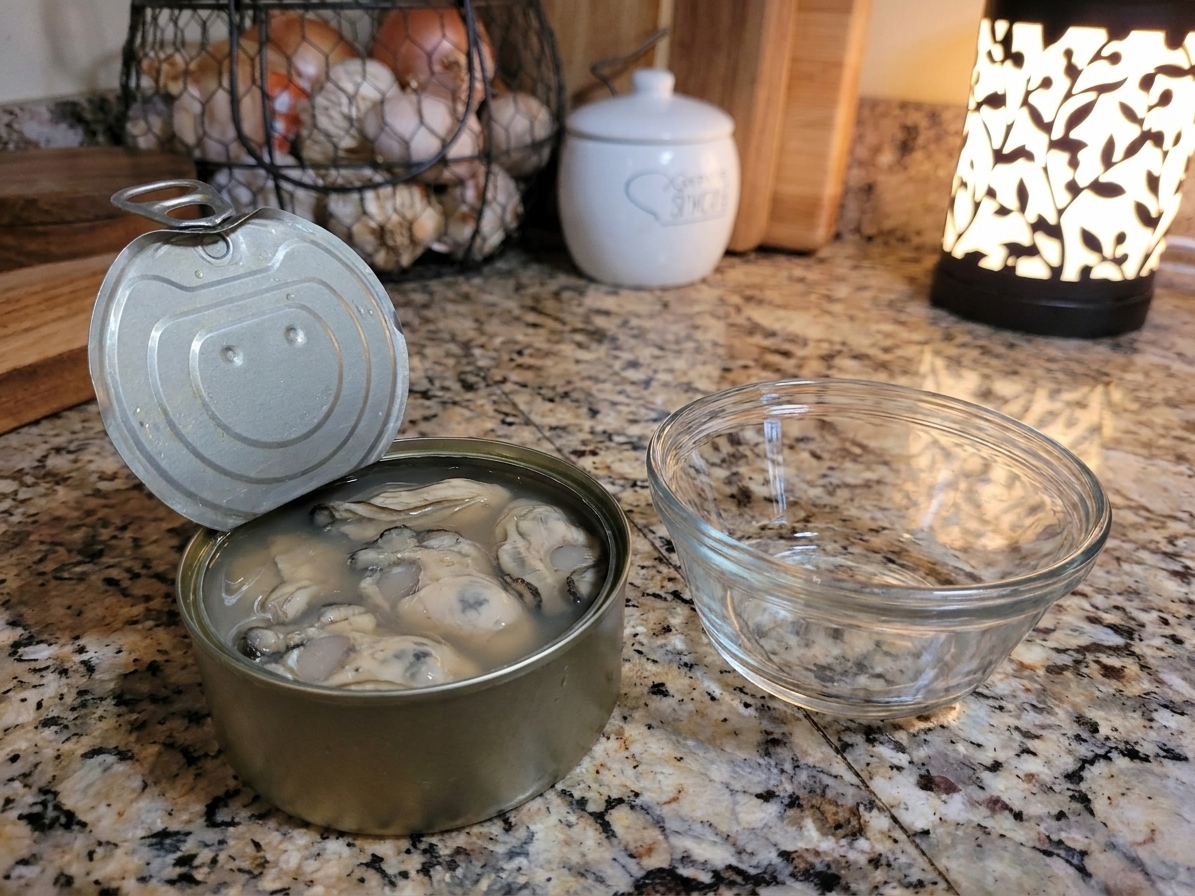
No. Canned oysters are classic for dressing and honestly very convenient. They come with liquor, which is flavor you do not want to waste. If you use fresh shucked oysters, you can swap in bottled clam juice or extra stock to make up for missing liquor.

Will it taste super fishy?

It should taste savory and lightly briny, not fishy. If you are worried, use less oyster liquor and make up the difference with stock, and do not overbake the oysters.

Can I make it ahead?

Yes. You can prep the bread cubes and sauté the aromatics up to a day ahead. If you want to assemble ahead, mix everything except the eggs and oysters, refrigerate up to 24 hours, then add the eggs and fold in the oysters right before baking. If it feels dry after chilling, splash in a little warm stock. Plan to add 5 to 10 minutes to the covered bake time if you are baking it straight from the fridge.

What if my dressing is too dry or too wet?

Too dry: Drizzle warm stock over it a little at a time, mix gently, and let it sit 5 minutes to absorb. Too wet: Spread it into the baking dish and bake uncovered a bit longer, or stir in a handful of extra dried bread cubes.

The first time I made oyster dressing on my own, I treated it like a high-stakes science project. I drained the oysters like they had wronged me, under-seasoned the whole thing, and wondered why it tasted flat. Turns out the “secret” is not secret at all: use the liquor (a measured amount), taste the bread and aromatics before the eggs go in, and do not be shy with herbs and black pepper. Now it is one of my favorite sides because it feels old-school and a little weird in a charming way. Like the friend who shows up to the potluck with something you did not know you needed.