Do I need a panettone mold?
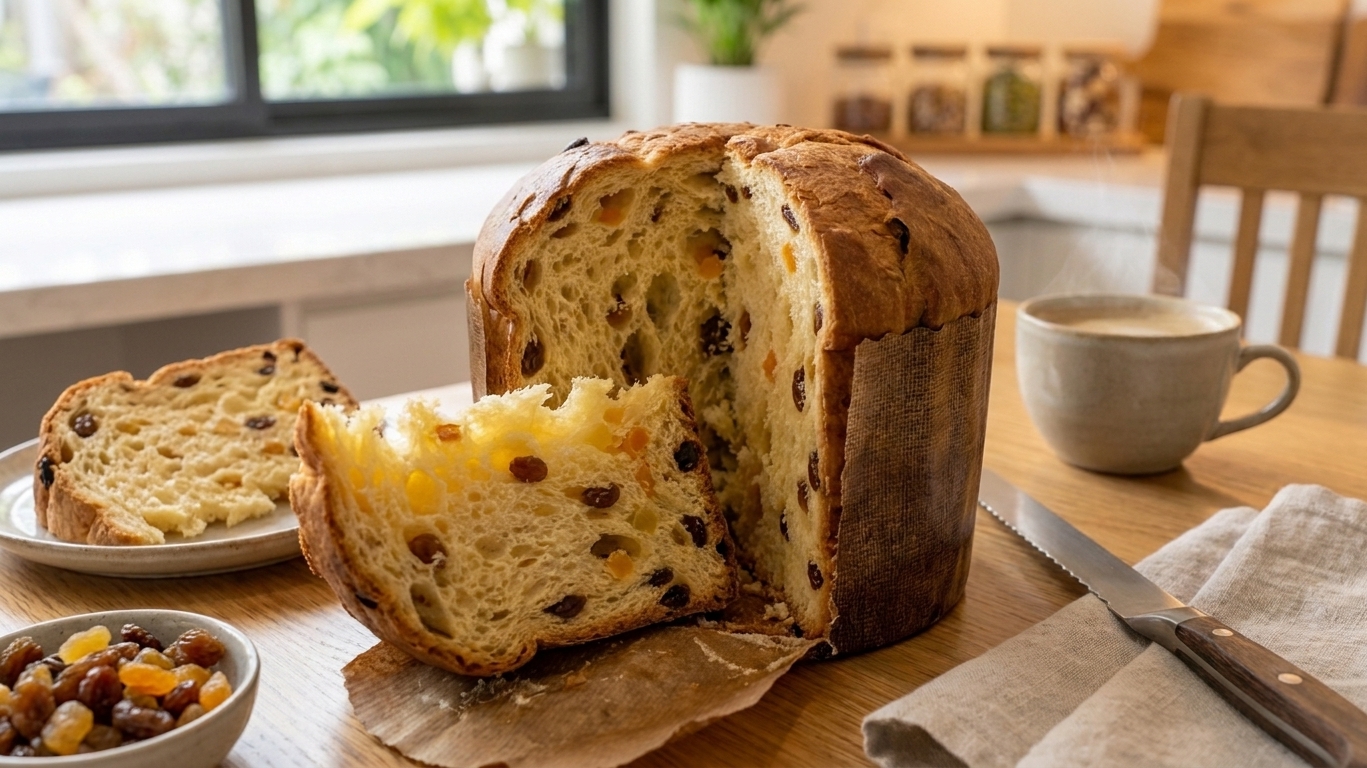
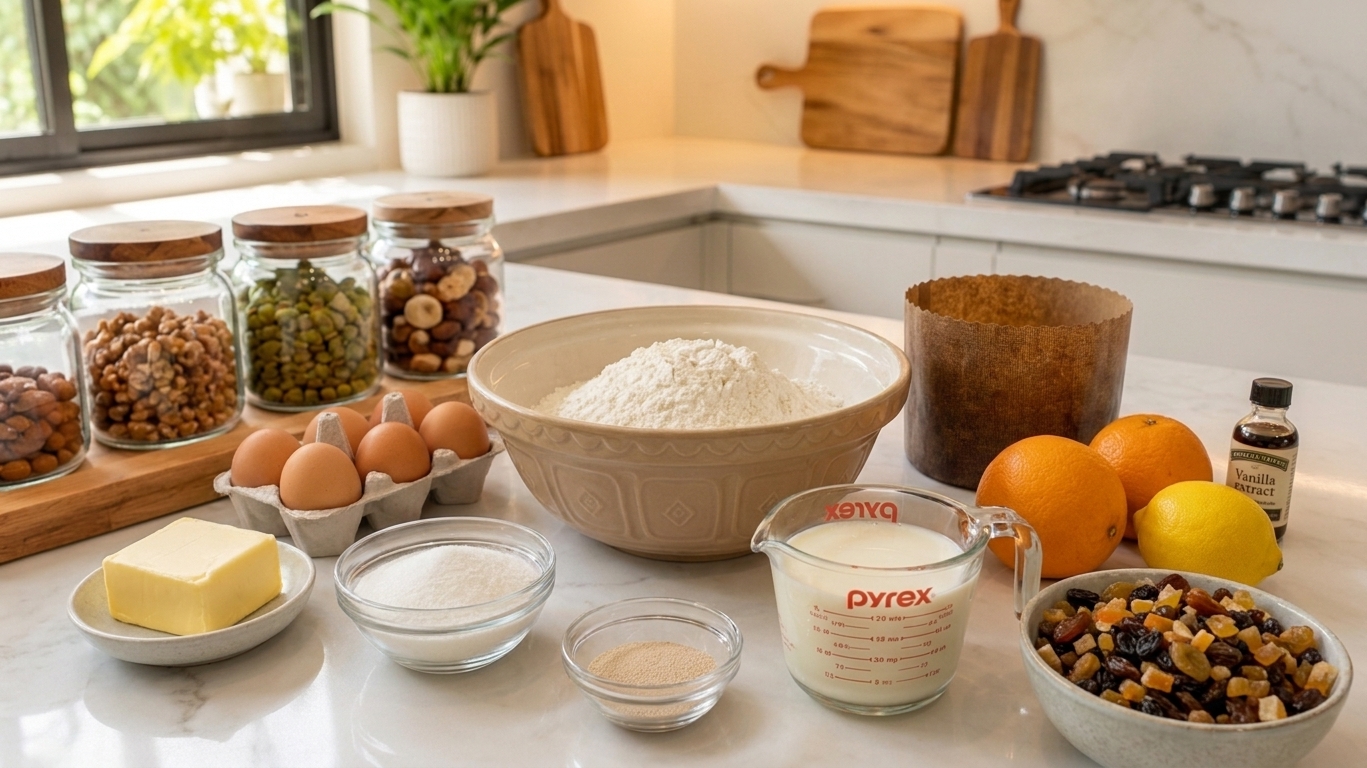
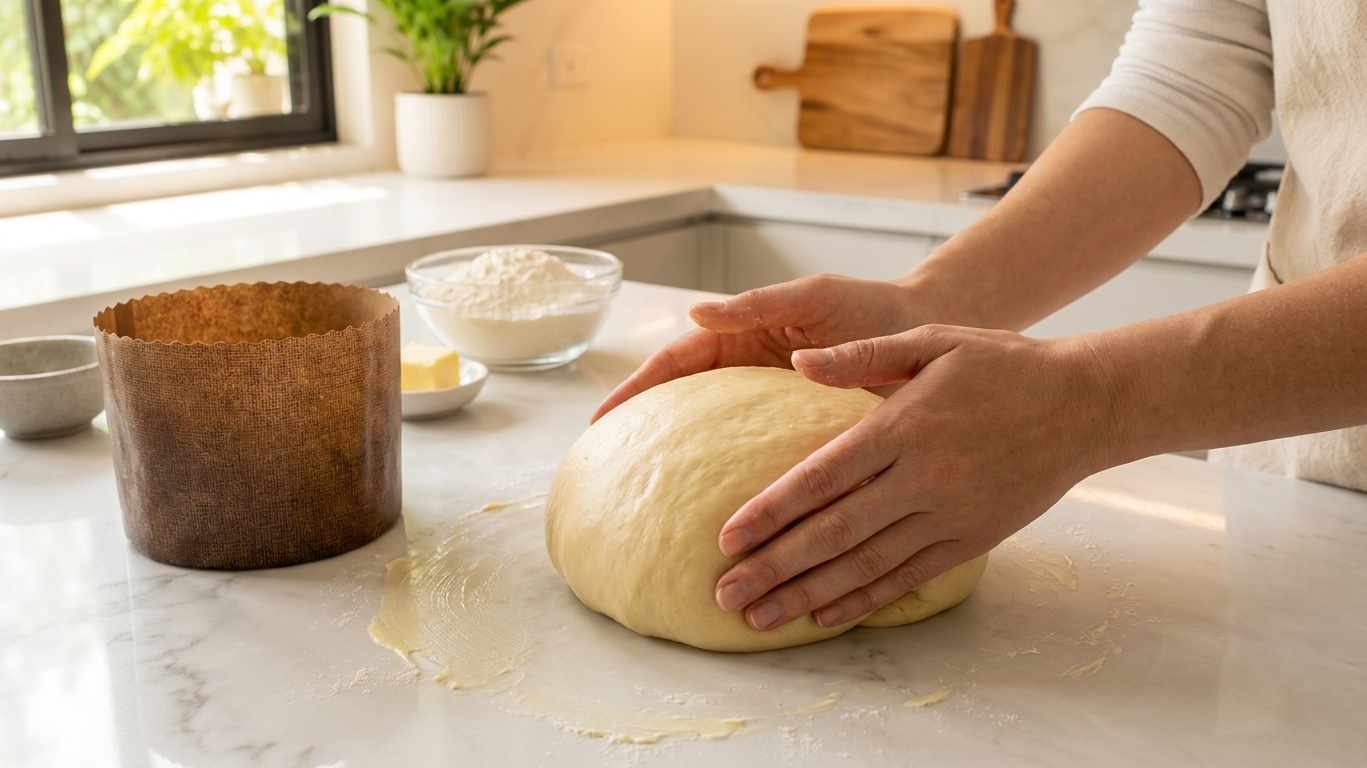
For the classic tall shape, yes, it helps. Use a 6-inch panettone paper mold (the common home size), ideally the kind sold as a 750 g / 1 lb mold. If you do not have one, you can use a tall soufflé dish or high-sided cake pan lined with a tall collar of parchment, but the mold makes life easier.
Traditional panettone uses a starter. Is this one authentic?
Traditional panettone often uses a stiff natural starter and a long, careful schedule. This is a yeast-based home method that delivers the classic flavor notes and texture without turning your kitchen into a sourdough laboratory.
What flour should I use?
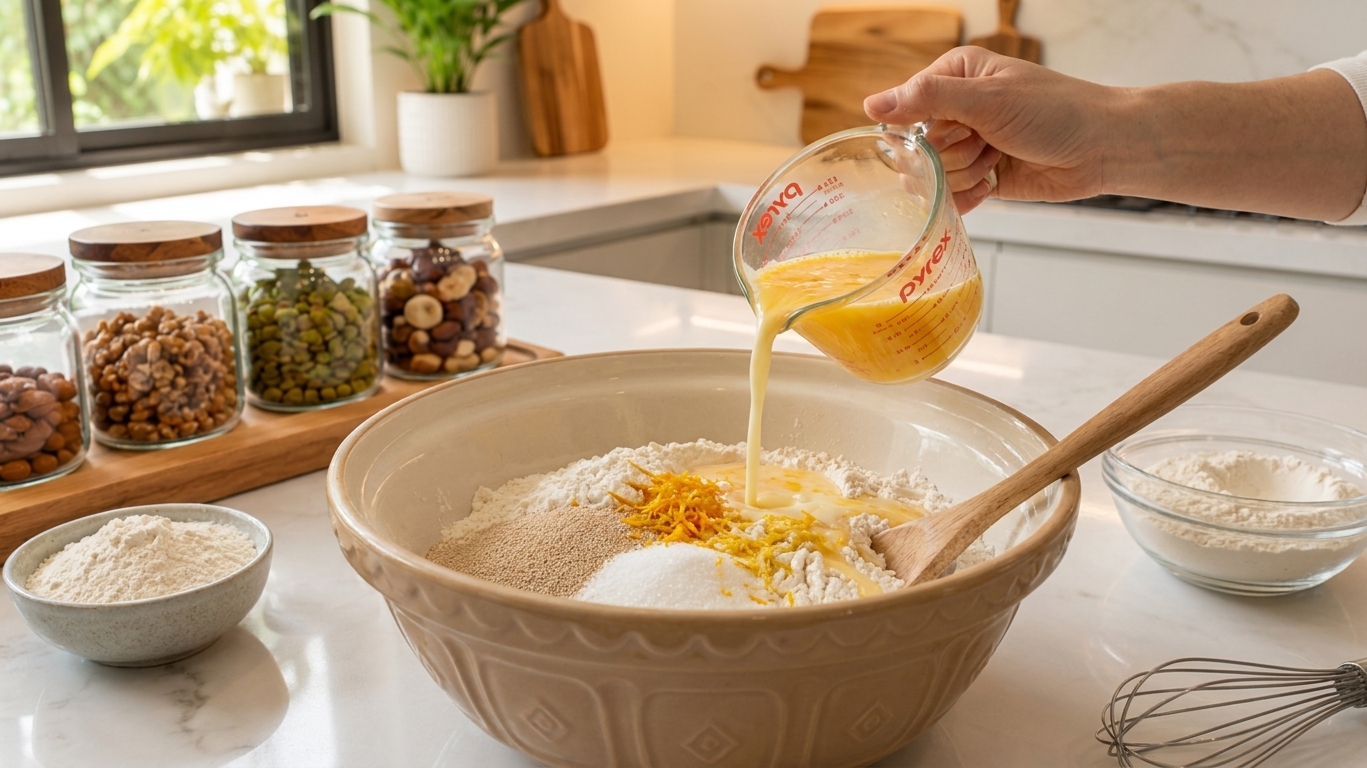
Use bread flour (higher protein). Panettone dough needs strong gluten to climb and hold its shape. All-purpose flour can work in a pinch, but the loaf is usually shorter and less shreddable.
Why is my dough not rising?
Most often: the kitchen is cold, the yeast is old, or the dough is under-kneaded. Aim for a cozy rise around 75°F to 80°F. If your oven has a proof setting, use it. Otherwise, turn the oven on for 1 minute, turn it off, and proof inside with the light on. Also, watch the dough more than the clock. Enriched dough can take longer than you think.
My dough looks greasy or is tearing after I add the butter. What happened?
Usually the dough is too warm, or the butter went in before the gluten was ready. Pause, cover the bowl, and chill the dough for 10 to 15 minutes, then continue mixing. The dough should look elastic and shiny, not oily. If it is truly slick and broken, a short chill and a few more gentle minutes of mixing often brings it back.
Why did my panettone bake up gummy or dense?
Two common culprits: under-proofing and under-baking. Let the final proof go until the dough is visibly puffy and domed, and bake until the center reads 200°F to 205°F for the most reliably set crumb.
Can I skip the dried fruit?
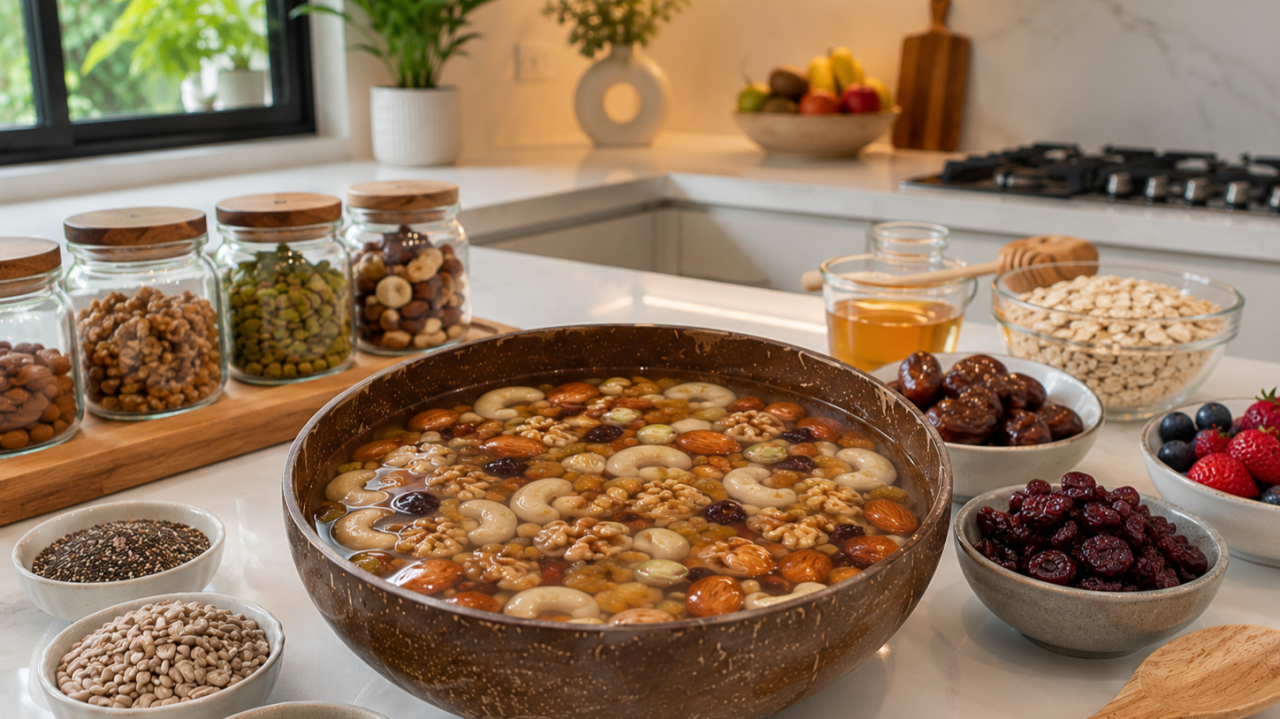
Absolutely. You can make it plain, or swap in chocolate chips. Just keep the add-ins around the same total amount so the dough is not overloaded.
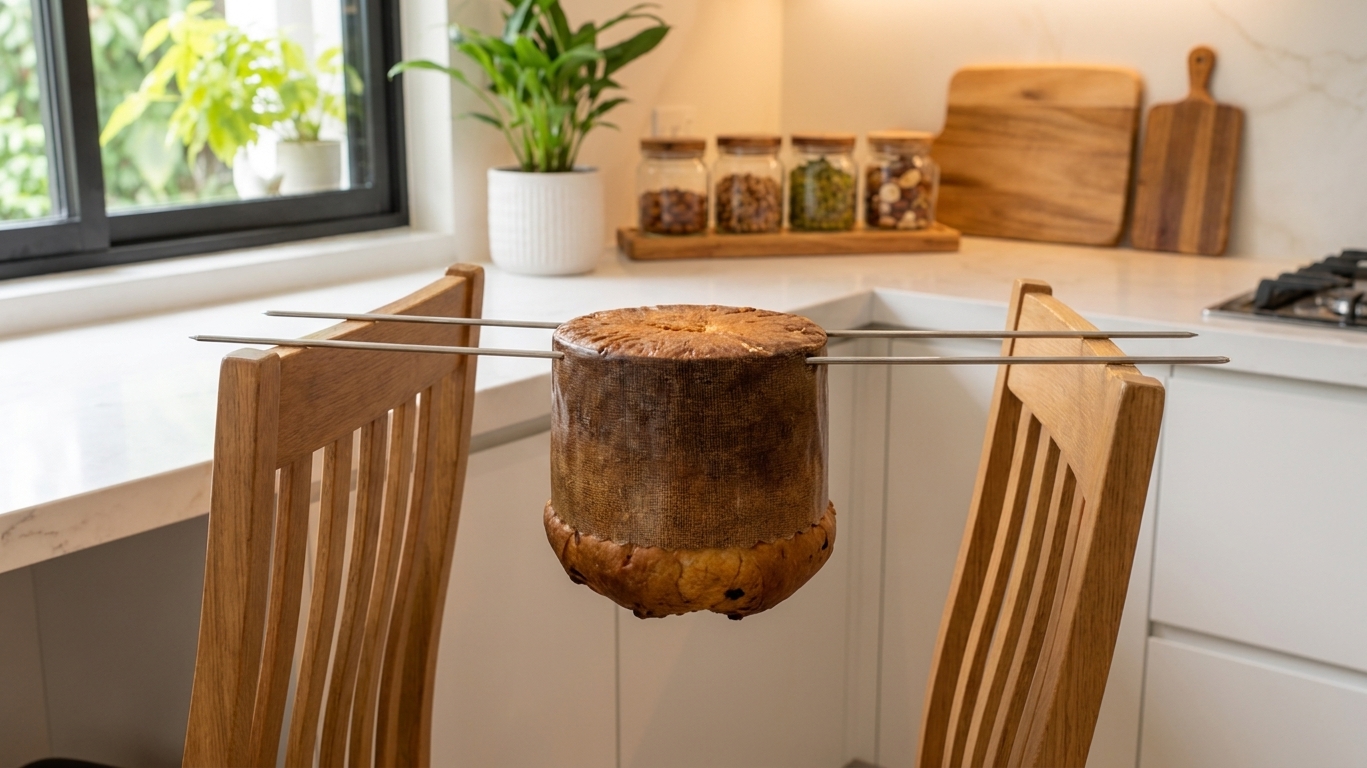
Do I really need to hang it upside down?
It is not mandatory, but it is the easiest way to prevent the dome from sinking while the loaf is still delicate. If you do it, push the skewers through the loaf near the base (through the paper mold), make sure your supports are stable, and cool it completely before slicing. If you skip hanging, cool the panettone on its side and rotate it a few times while it cools.
How do I keep the dough from drying out while it proofs?
Cover the bowl and mold with plastic wrap or a snug reusable cover. A towel can work, but it sometimes lets the surface dry and form a skin, which slows rising.