Mom's Best Recipes
Recipe

Classic Russian Borscht

Bright, savory beet soup with tender beef, cabbage, and potatoes, finished with sour cream and dill.

Author By Matt Campbell
4.8
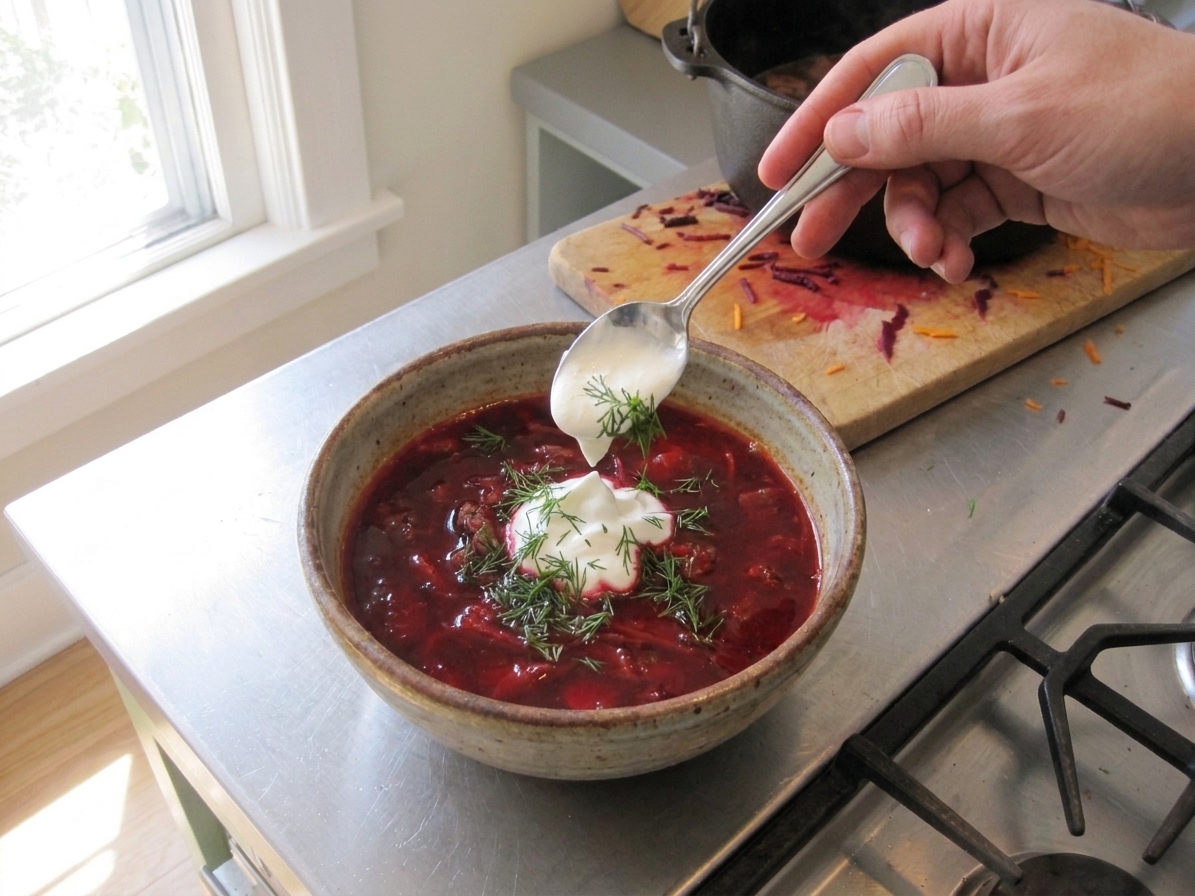
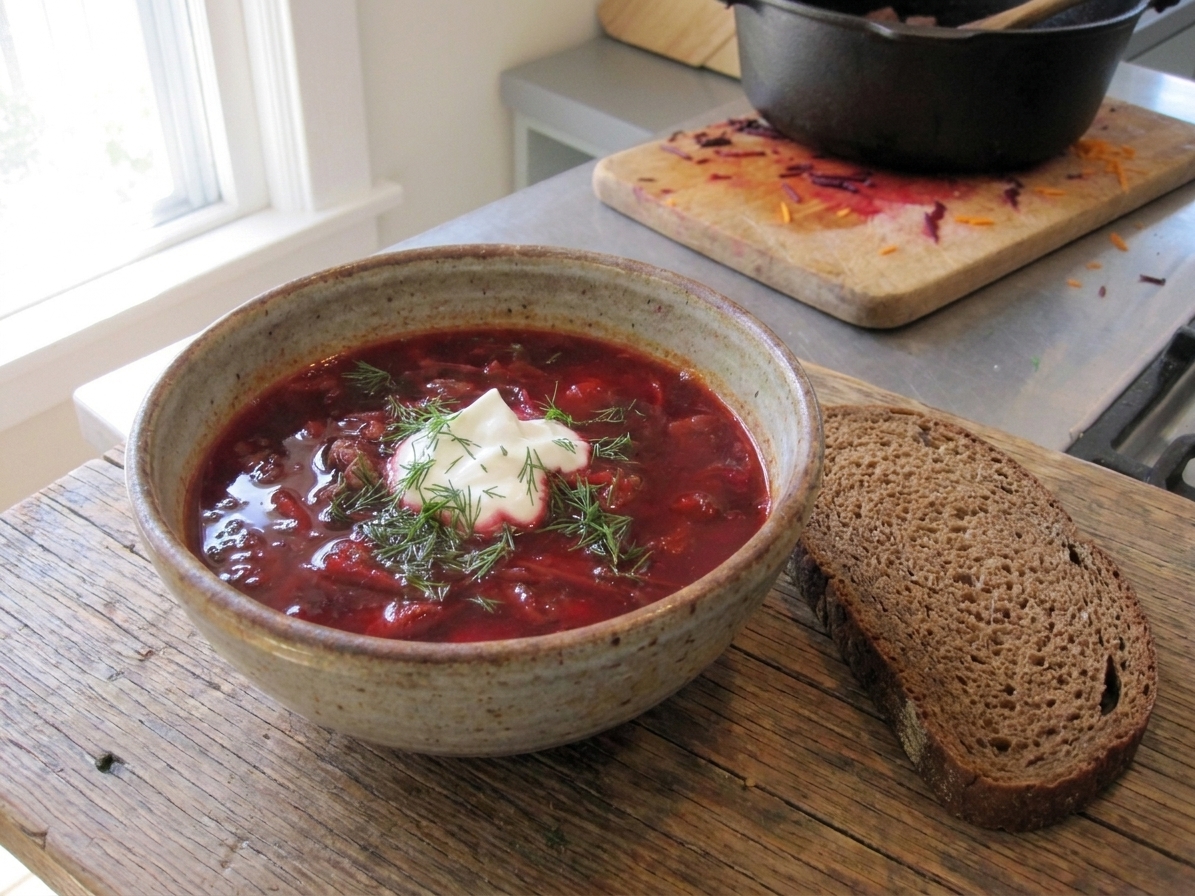
A deep red bowl of borscht topped with a generous spoonful of sour cream and fresh dill, set on a wooden table with a slice of rye bread

If there is one dish that screams Russian kitchen energy, it is borscht. It is bright and earthy from beets, savory from beef and aromatics, and just tangy enough to keep you coming back for another spoonful. Also, it is the kind of soup that makes your fridge feel like it is doing you a favor.

This version is built for real life. Accessible ingredients, clear steps, and a couple of low-key chef tricks that make it taste like it simmered all day even if you are running it on a weeknight timeline. Serve it with rye bread, a strong spoonful of sour cream, and the confidence to taste as you go.
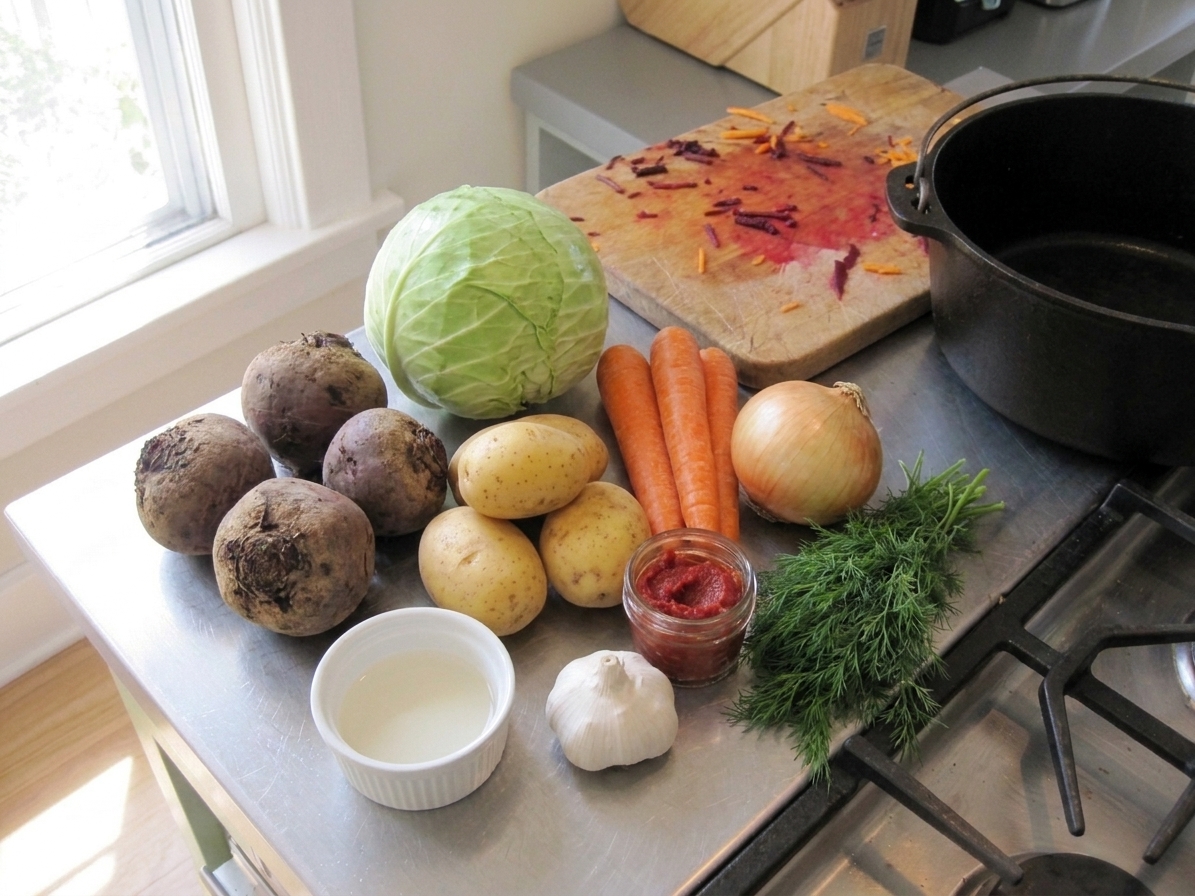
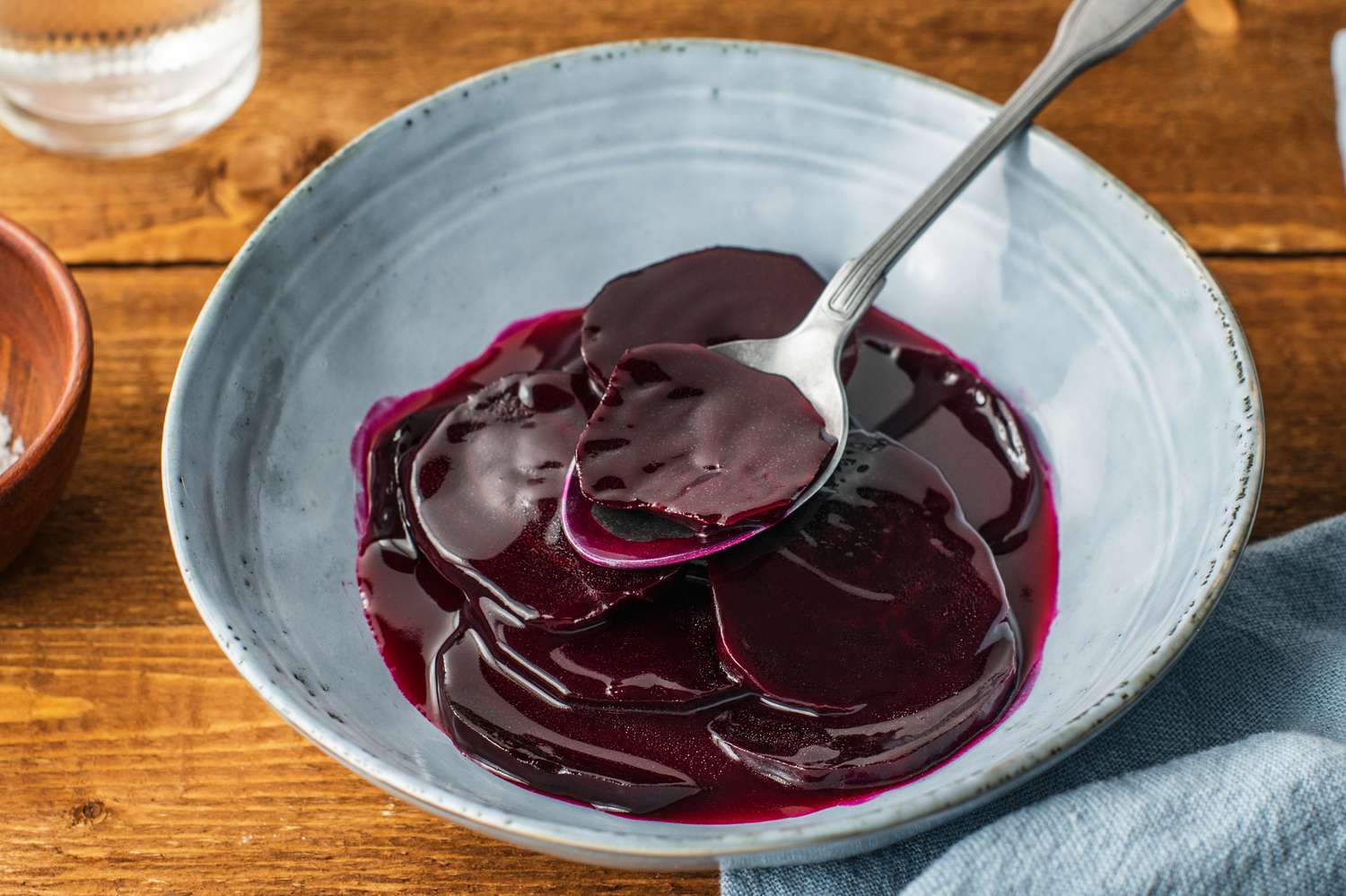
Whole beets, green cabbage, potatoes, carrots, onion, garlic, tomato paste, dill, and a small bowl of vinegar arranged on a kitchen counter

Why It Works

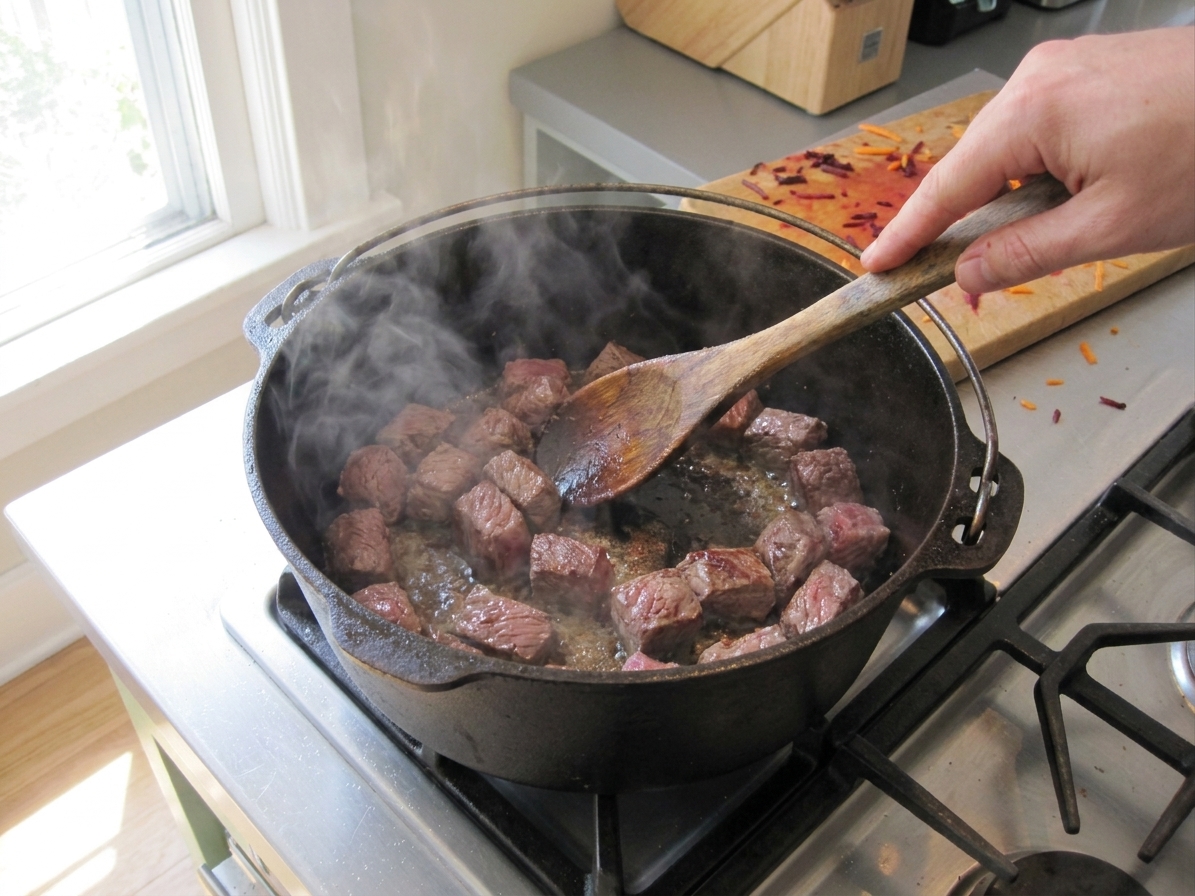
  • Deep flavor without drama: a quick sear on the beef and a tomato paste toast build a richer broth fast.
  • Bright color that stays bright: keep a gentle simmer and finish with vinegar for that clean, lively beet punch.
  • Perfect texture: potatoes go tender, cabbage stays pleasantly silky, and the beets keep a gentle bite.
  • Better tomorrow: borscht is a leftovers champion. The flavors knit together overnight in the best way.

Pairs Well With

Storage Tips

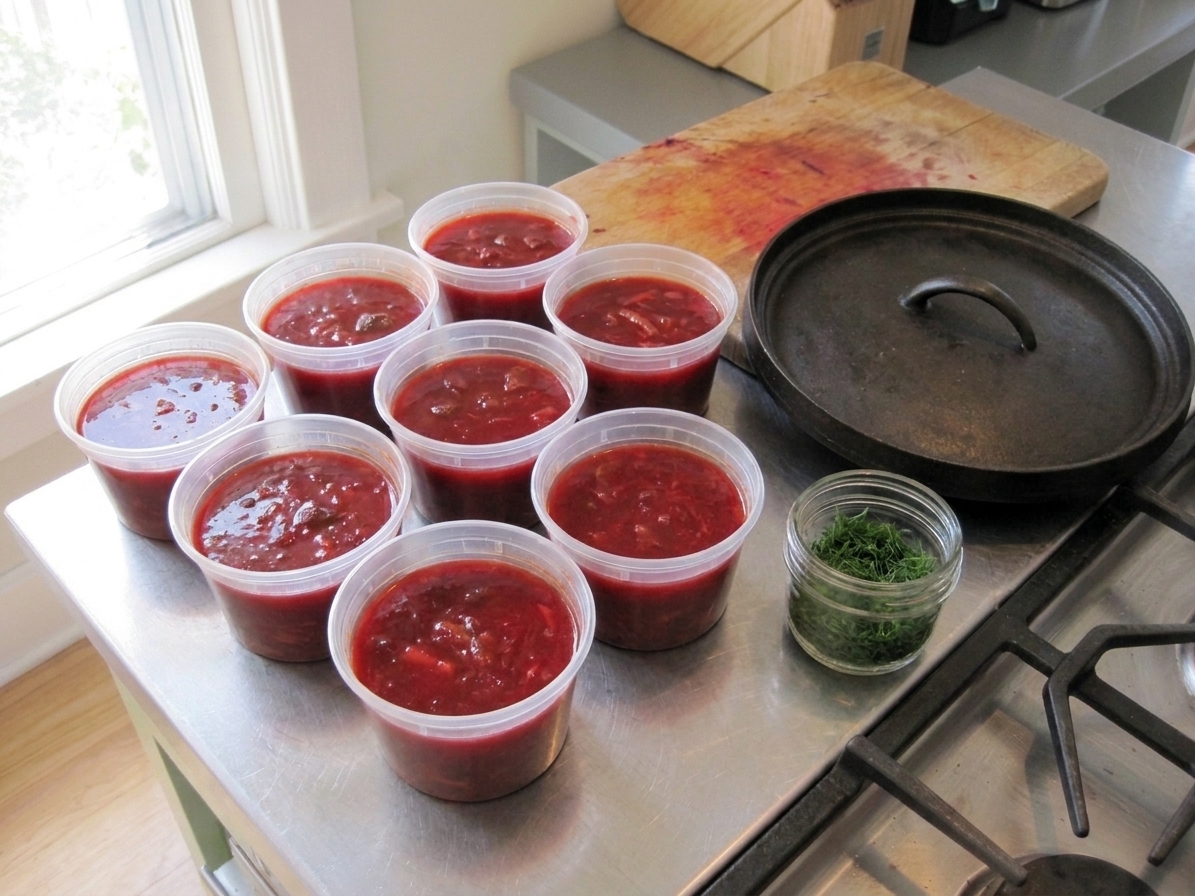
Refrigerator: Cool completely, then store in an airtight container for up to 4 days. Keep sour cream and dill separate and add when serving.

Freezer: Freeze borscht in freezer-safe containers for up to 3 months. Leave a little headspace since soup expands. Thaw overnight in the fridge. Note: the potatoes and cabbage may soften a bit after freezing, but the flavor is still excellent.

Reheat: Warm gently on the stovetop over medium-low heat, stirring occasionally. Avoid a hard boil if you want that beet color to stay vivid. Add a small splash of vinegar at the end if it tastes a little flat after reheating.

Portion containers filled with red borscht cooling on a kitchen counter next to a lid and a small container of chopped dill

Common Questions

Is borscht Russian or Ukrainian?

Borscht is widely associated with Ukraine and is eaten across Eastern Europe, with countless regional and family variations. It is also a beloved staple in many Russian home kitchens. (A quick cultural note: in 2022, UNESCO recognized the culture of Ukrainian borscht cooking as part of Ukraine’s intangible cultural heritage.)

Do I have to use beef?

No. You can use pork shoulder, bone-in chicken thighs, or go vegetarian with beans or mushrooms. If you skip meat, use a flavorful broth and bump the umami with sautéed mushrooms or a spoon of miso at the end.

Why did my borscht turn brown?

Usually it is beet color fading from too much heat (a hard boil), too long of a cook, or not enough acidity to keep that ruby color lively. Keep the soup at a steady simmer, and use vinegar or lemon to brighten it. Many cooks add a little acid toward the end for the freshest pop, and you can also add a splash earlier if your beets tend to dull quickly.

Can I use pre-cooked beets?

Yes, and it makes borscht ridiculously fast. Add grated or diced cooked beets in the last 10 to 15 minutes so they warm through without losing color.

What do Russians serve with borscht?

Common favorites are rye bread, sour cream, fresh dill, and sometimes garlic rubbed on bread. If you want a full spread, add pickles and a simple cucumber and dill salad.

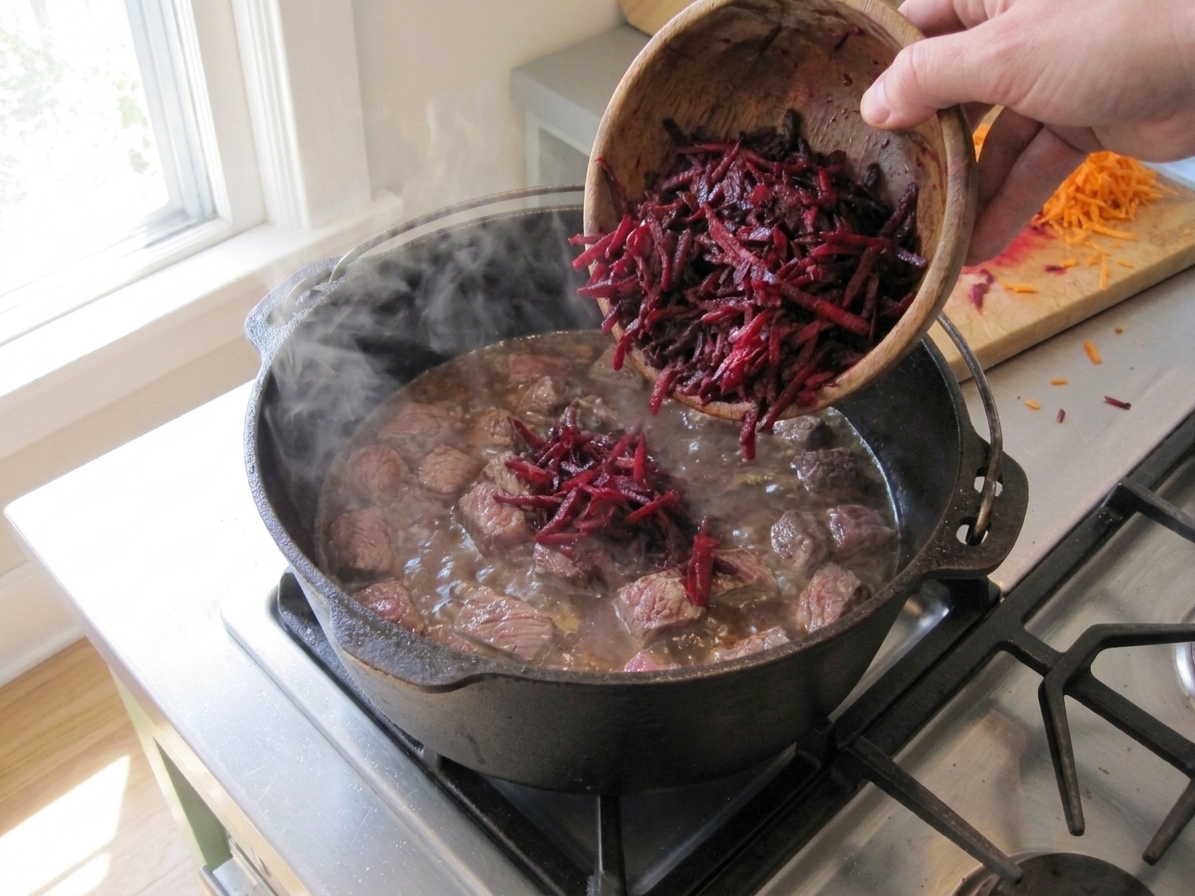
I love Russian cooking because it is practical in the most comforting way. It is not trying to impress anyone, but somehow it still does. The first time I made borscht at home, I was convinced it would be an all-day project. Then I realized most of the magic is just layering. Sear something. Sweat the aromatics. Toast the tomato paste. Add beets. Taste. Adjust. Repeat until it makes you pause mid-spoon and go, okay, wow.

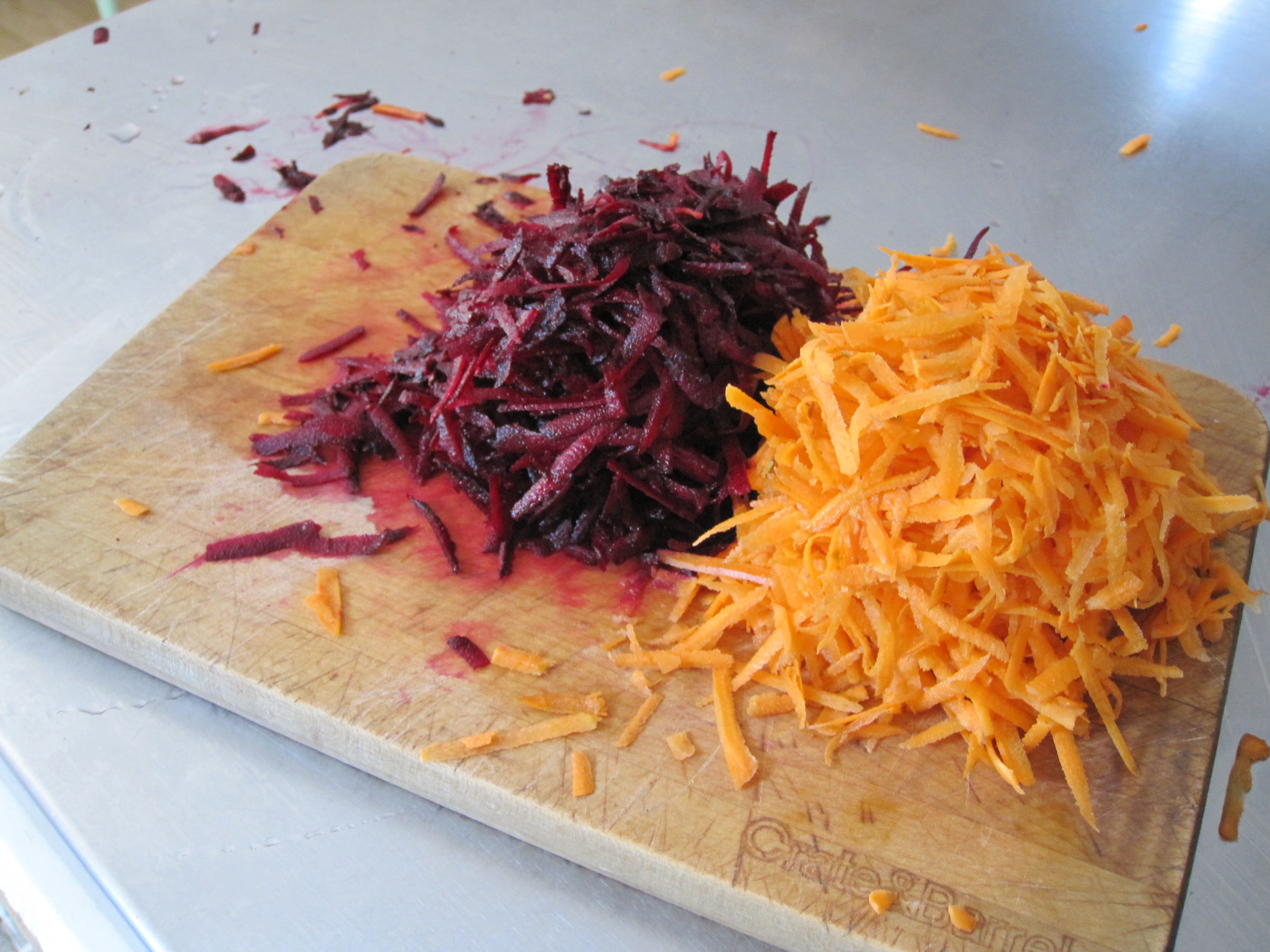
Also, borscht is chaotic in the best way. Your cutting board looks like a beet crime scene, your pot is basically ruby-colored happiness, and tomorrow’s leftovers taste like you secretly hired a grandma. That is a win.