Mom's Best Recipes
Recipe

Classic-Style Bolognese

A cozy, slow-simmered meat sauce with soffritto, tomato, and a silky milk finish for that classic-style Italian depth.

Author By Matt Campbell
4.8
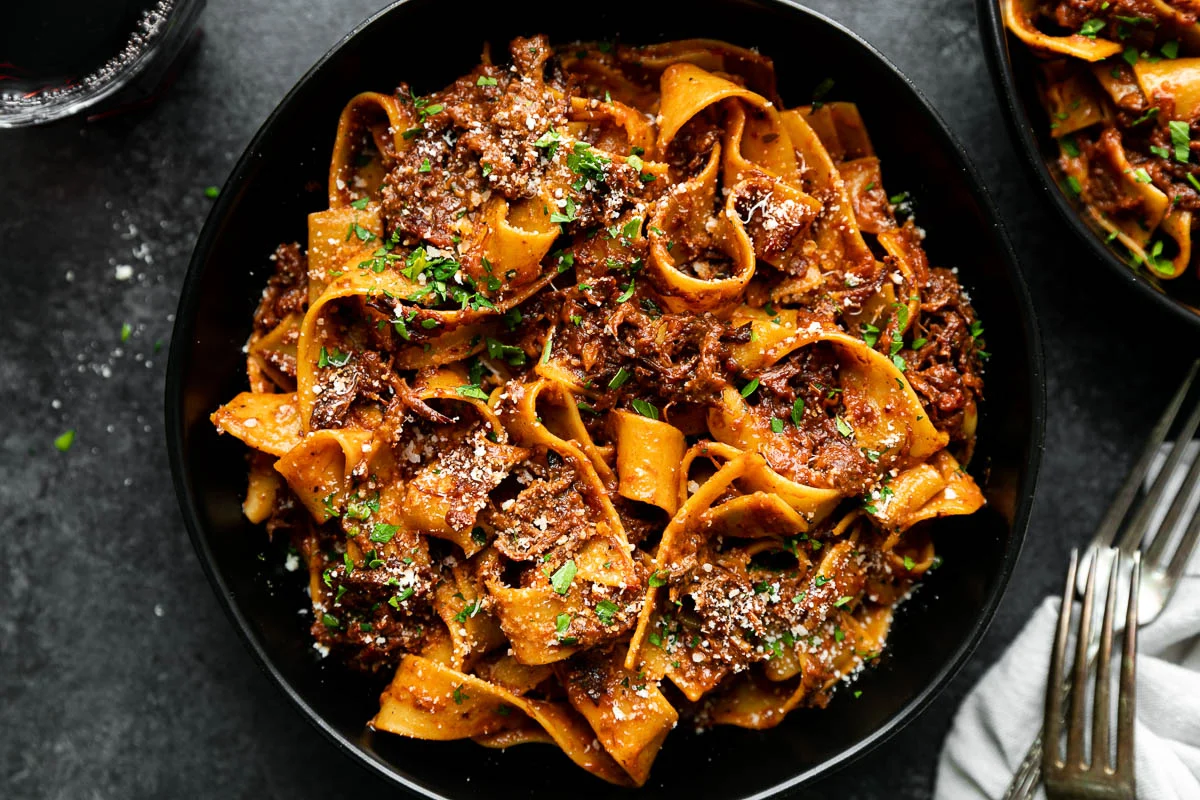
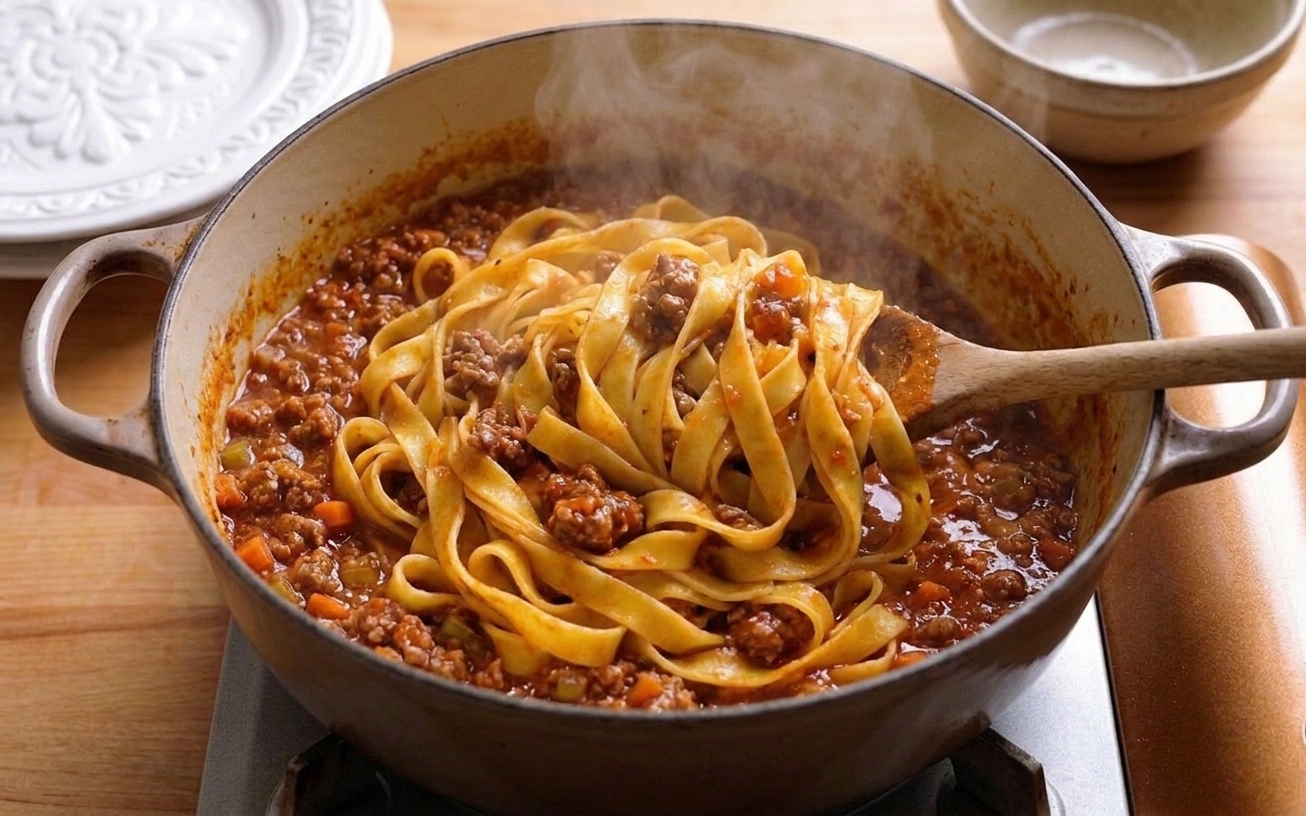
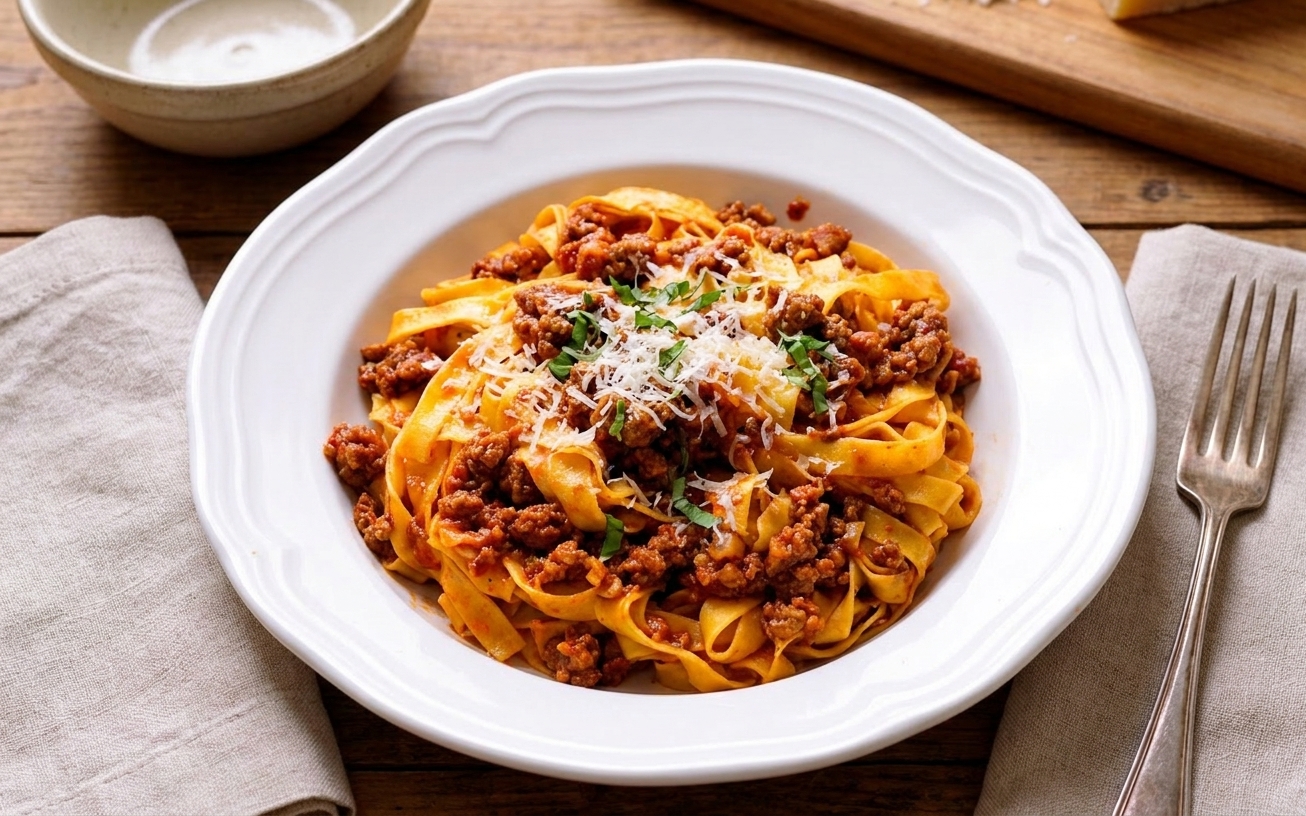
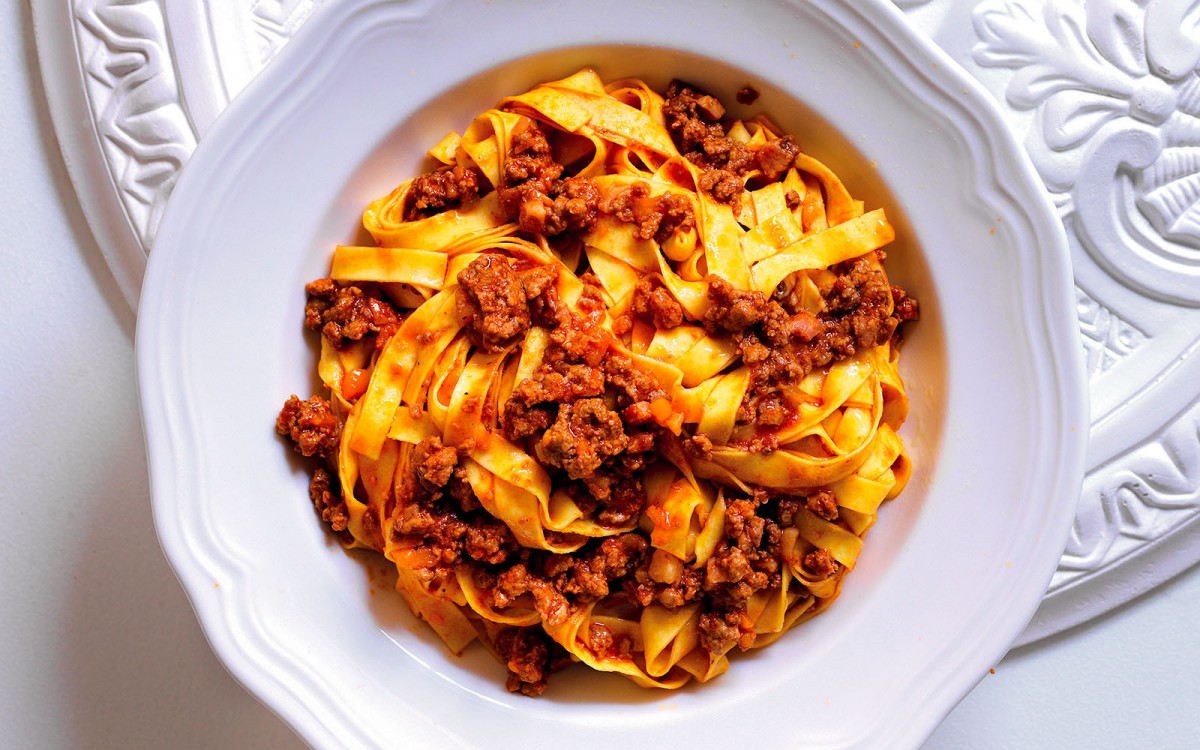
A shallow bowl of tagliatelle topped with bolognese sauce and finely grated Parmesan on a wooden table with a simple linen napkin

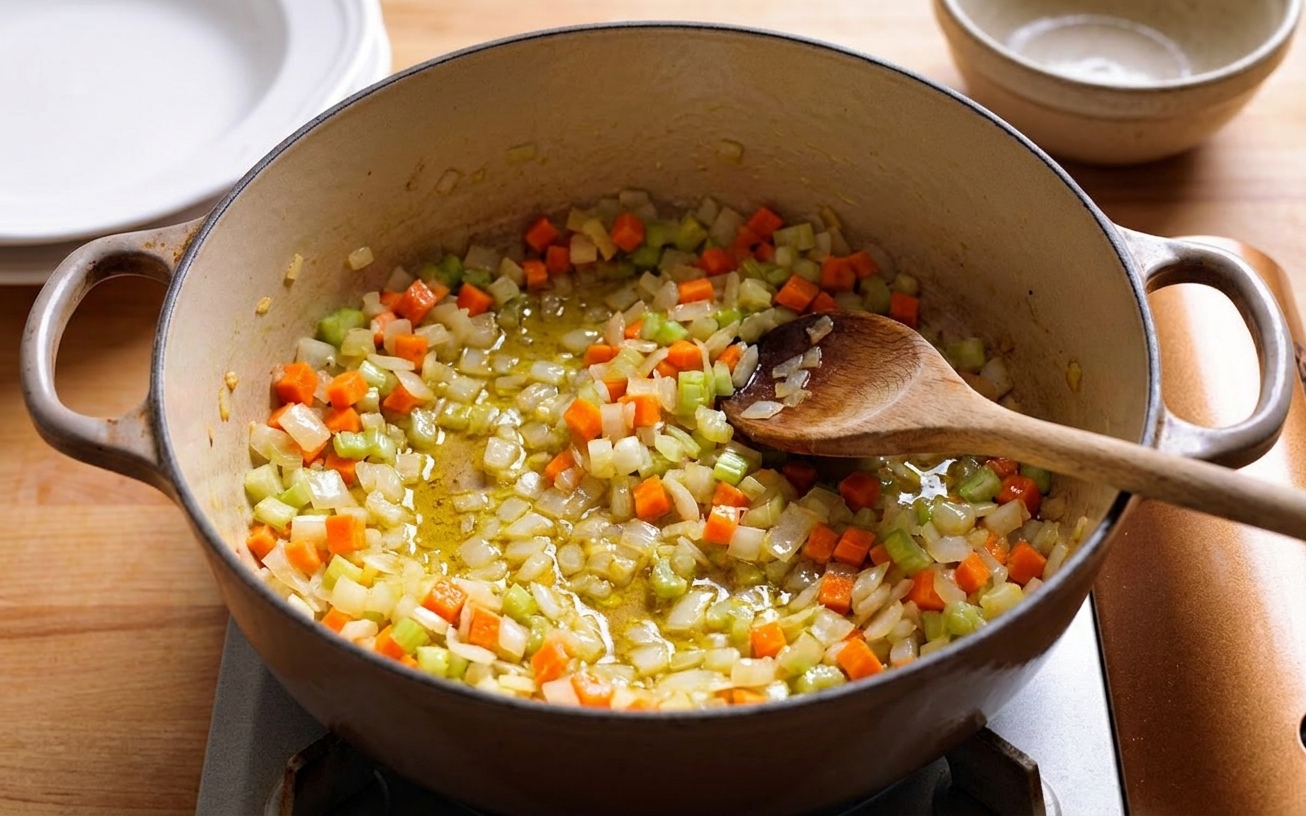
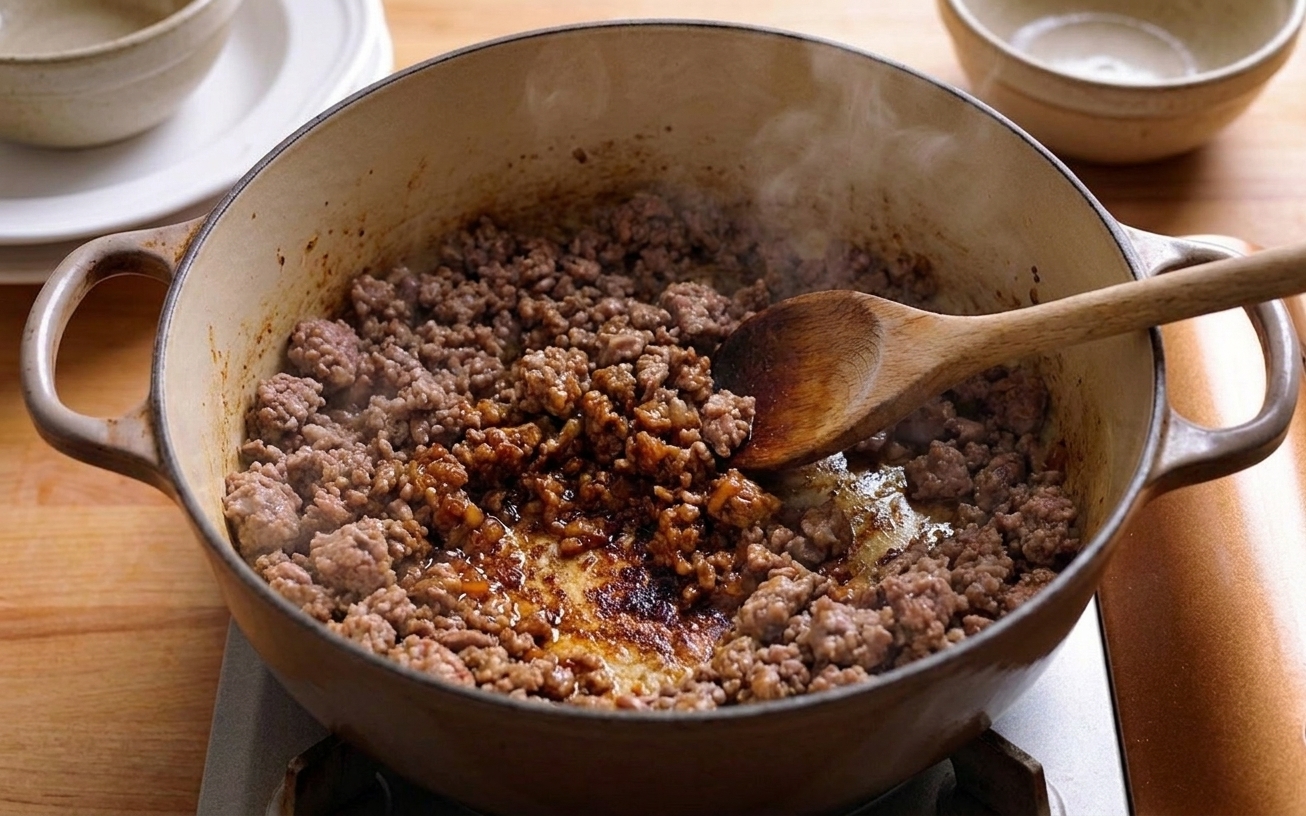
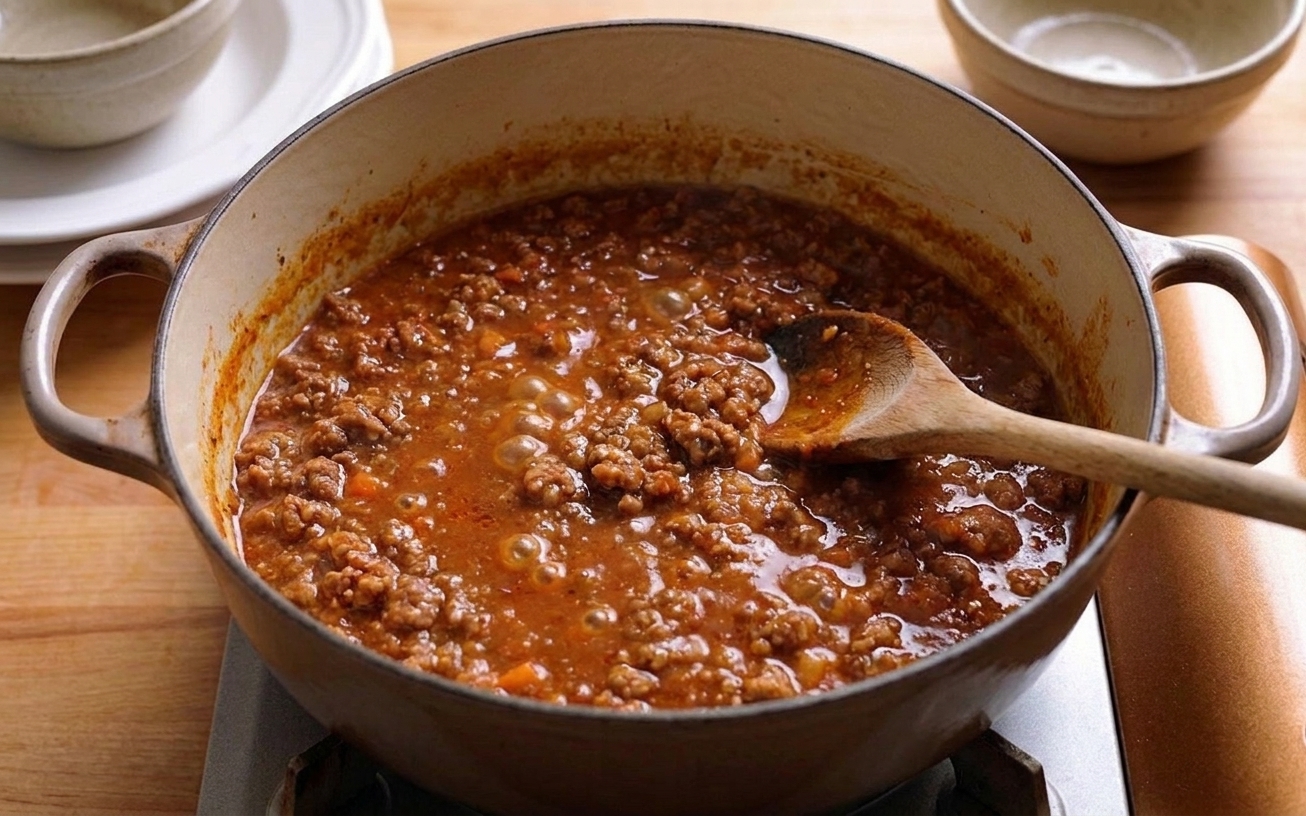
Bolognese is one of those sauces that feels fancy, but it is really just a series of very doable little moves that stack flavor. You brown meat until it actually tastes like something, you sweat a humble soffritto until it turns sweet, and you let the whole thing simmer low and slow until it becomes that rich, spoon-coating situation we all want.

This is my go-to classic-style bolognese for home cooks. Ingredients are accessible, instructions are clear, and you will learn the small tricks that make it taste like you babysat it all day, even if you mostly just walked by the pot and stirred with confidence.

Quick expectation setter: Compared with some traditional Ragù alla Bolognese versions, this is a little more tomato-forward and weeknight-pantry friendly, while still keeping the long simmer, the soffritto foundation, and that classic milk finish.
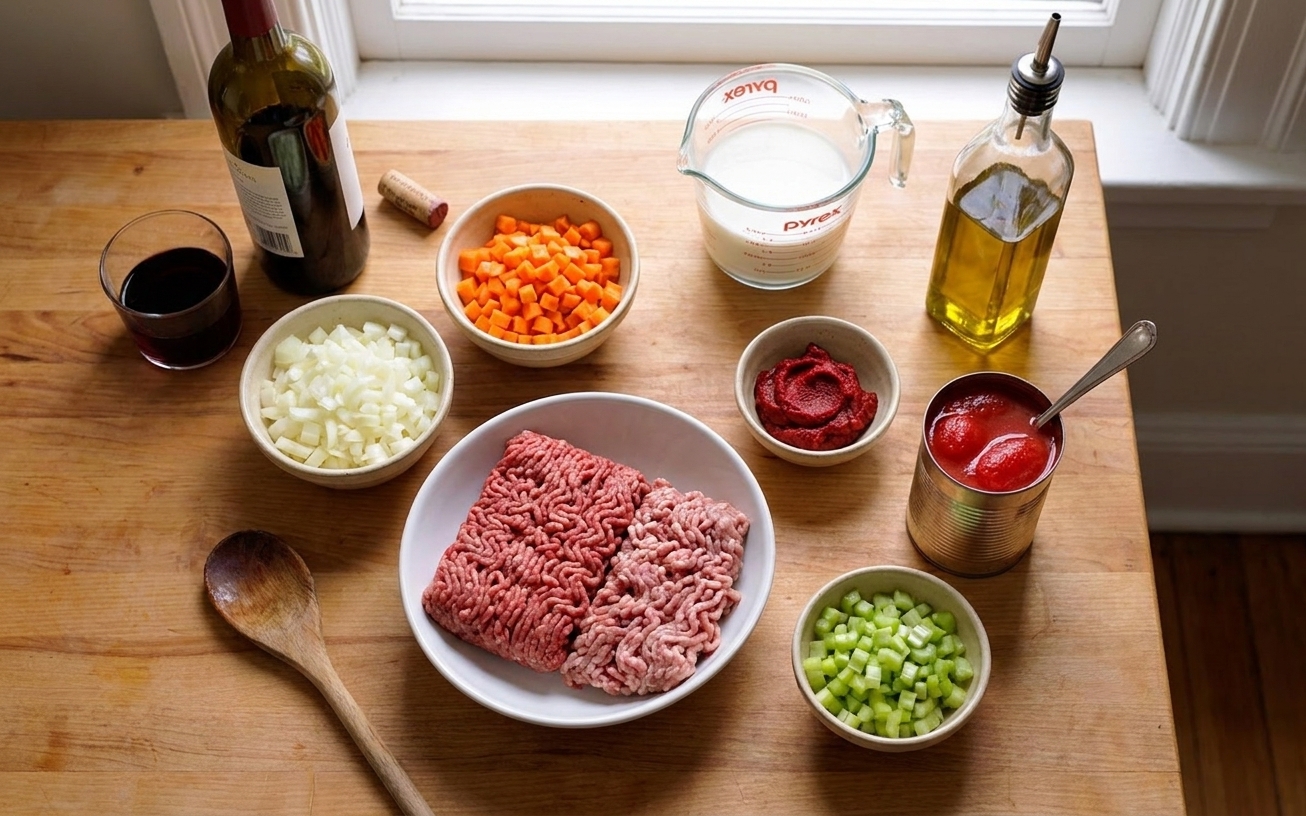
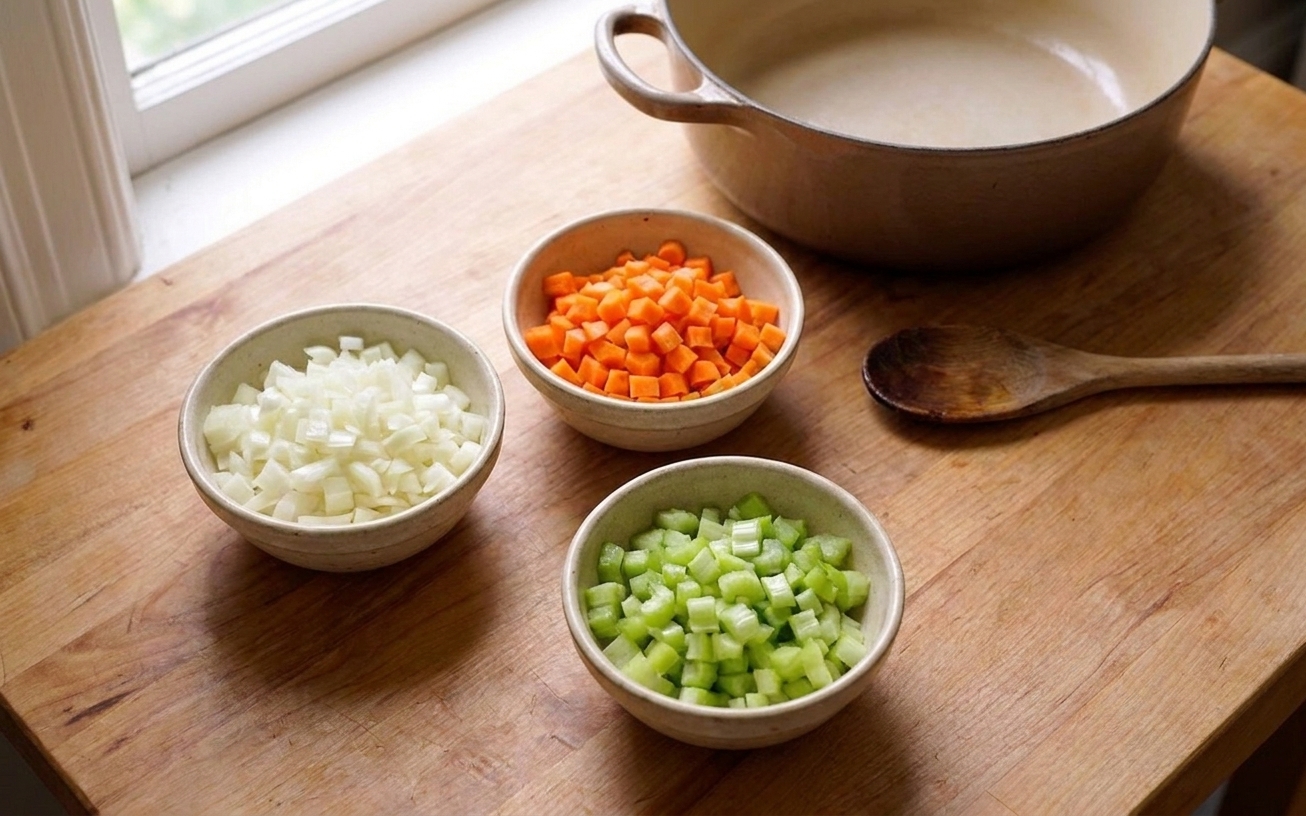
A kitchen counter with bowls of ground beef and pork, diced onion, carrot, celery, tomato paste, canned tomatoes, milk, wine, and olive oil ready for bolognese

Why It Works

  • Deep, savory flavor from properly browning the meat and tomato paste. This is where bolognese gets its backbone.
  • Silky, mellow finish thanks to a splash of milk near the end, which smooths the sauce and helps it cling to pasta.
  • Low drama technique: a steady simmer, a few smart seasonings, and you can adjust thickness easily without panic.
  • Make-ahead friendly: it tastes even better tomorrow, which is basically bolognese’s love language.

Pairs Well With

Storage Tips

Refrigerator: Cool the sauce, then store in an airtight container for up to 4 days. The fat will rise and firm up on top. That is normal and honestly helpful for keeping it moist.

Freezer: Freeze in portioned containers or zip-top bags (laid flat) for up to 3 months. Label it with the date and your future self will feel deeply supported.

Reheat: Warm gently in a saucepan over medium-low with a splash of water, broth, or milk to loosen. Stir often so the bottom does not scorch. If reheating with pasta, add a little pasta water and toss until glossy.

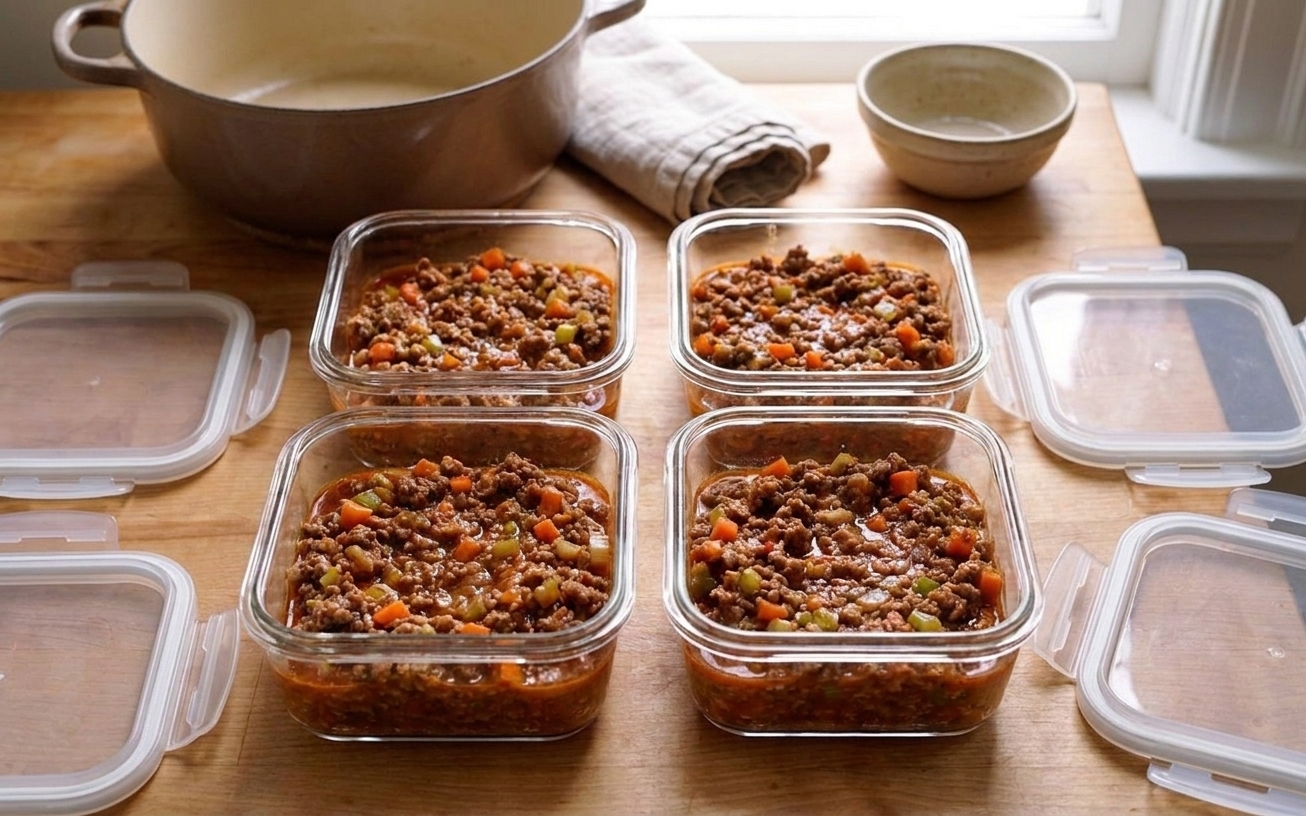
Portion containers filled with cooled bolognese sauce with lids nearby, ready for refrigeration or freezing

Common Questions

Common Questions

What is the difference between bolognese and spaghetti sauce?

Bolognese is a meat-forward sauce that starts with a soffritto base (onion, carrot, celery), uses some tomato (often less than a typical marinara), and often includes milk for richness. Many “spaghetti sauces” are more tomato-forward and can be lighter or more herb-heavy.

Do I have to use milk?

You do not have to, but it is classic for a reason. Milk softens perceived acidity, adds richness and body, and helps the sauce turn smooth and cohesive. Whole milk is best. Half-and-half works. If you avoid dairy, you can skip it and finish with extra olive oil for richness.

Can I make bolognese without wine?

Yes. Substitute beef broth or even water with a small squeeze of lemon at the end for brightness. Wine adds complexity, not magic.

What pasta is best with bolognese?

Traditionally: tagliatelle. At home: tagliatelle, pappardelle, rigatoni, or even spaghetti if that is what you have. Wider noodles and ridged tubes grab sauce best.

Why is my bolognese watery?

It usually needs either more simmer time (lid slightly ajar) or a bit more heat so it reduces. Also, crushed tomatoes vary a lot in wateriness. If your brand is very loose, add broth gradually instead of all at once. You can also stir in a spoonful of tomato paste and simmer 10 more minutes to tighten it up.

Why does my bolognese taste flat?

Try one or more of these: add a pinch more salt, a few grinds of black pepper, a small splash of wine or a teaspoon of vinegar for lift, or a little extra tomato paste browned in the pot. Also: Parmesan at the table counts as seasoning.

I used to think bolognese was supposed to be this precious, untouchable “chef sauce” that required a perfect pantry and three days of simmering. Then I started cooking it like a normal person with a normal schedule: brown hard, stir often, simmer patiently, taste constantly. The first time I finished it with milk and realized the sauce got calmer and silkier right in front of me, I actually stopped mid-stir like, wait, that is why everyone does it.

Now it is my favorite kind of cooking. The kind where the pot does most of the work, your kitchen smells unreal, and dinner feels like you did something big even if you were mostly just hanging out nearby.