What is this “binder,” really?
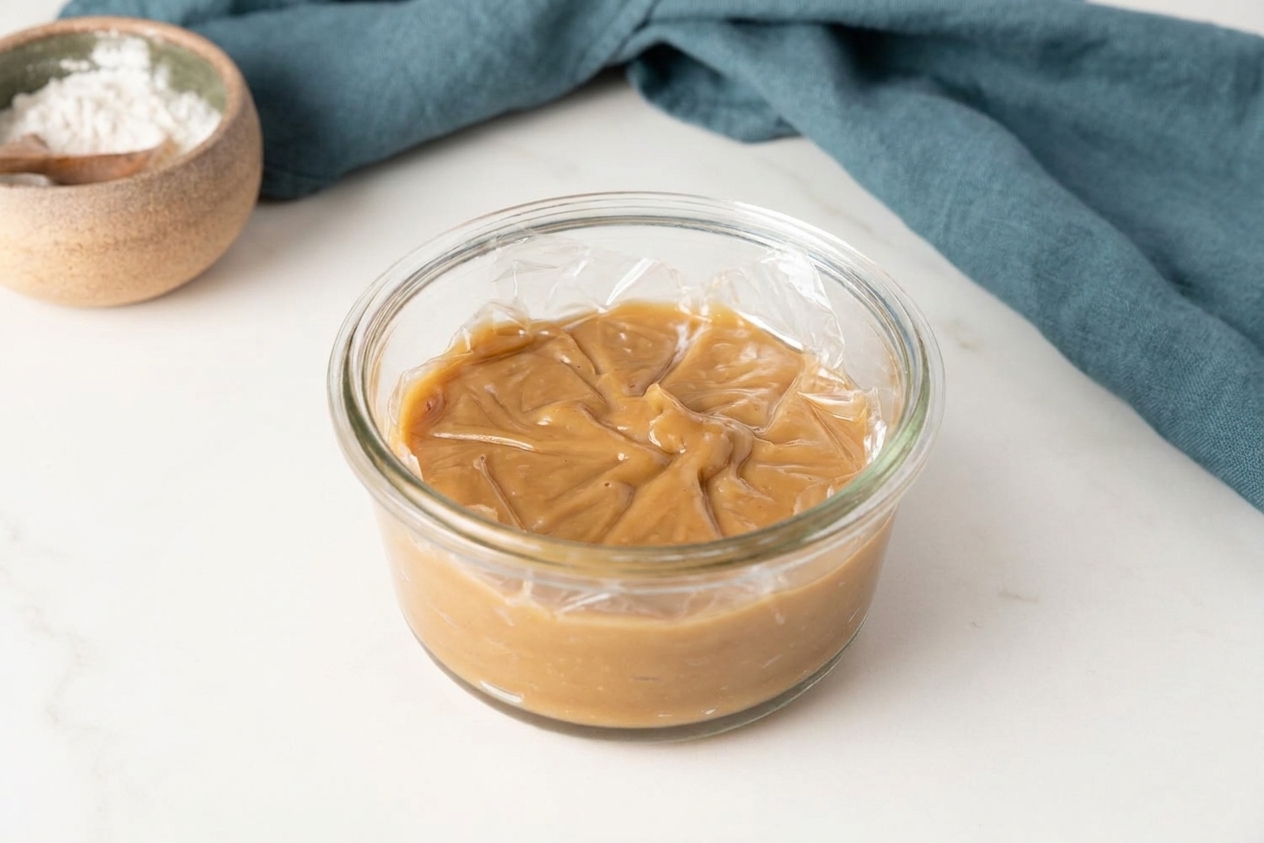
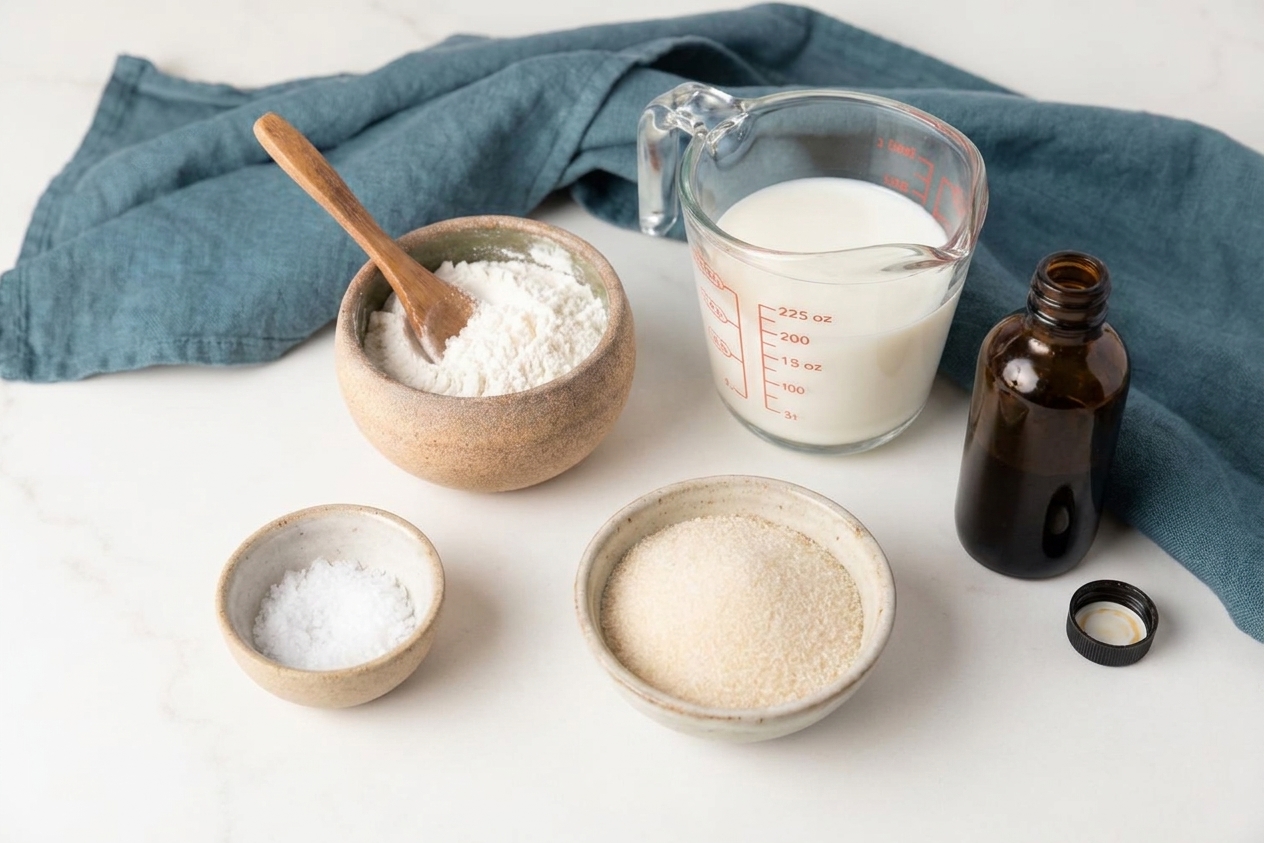
Fair question because “binder” is not standard baking terminology. This is a cooked flour-and-milk roux, basically a simple gelatinized starch paste (similar in spirit to tangzhong, and also similar to the cooked milk base used in ermine frosting). I call it binder here because it can help bind in moisture and act as a thin, tacky layer so frosting, crumbs, or sprinkles stick a bit more easily.
Is this the same as tangzhong or water roux?
Same idea, different use. Tangzhong is most often used in bread doughs to improve softness and shelf life. This version is aimed at cake work, especially as a paper-thin “helper” layer under a crumb coat or on spots where you want toppings to grab on.
Will my cake taste like flour?
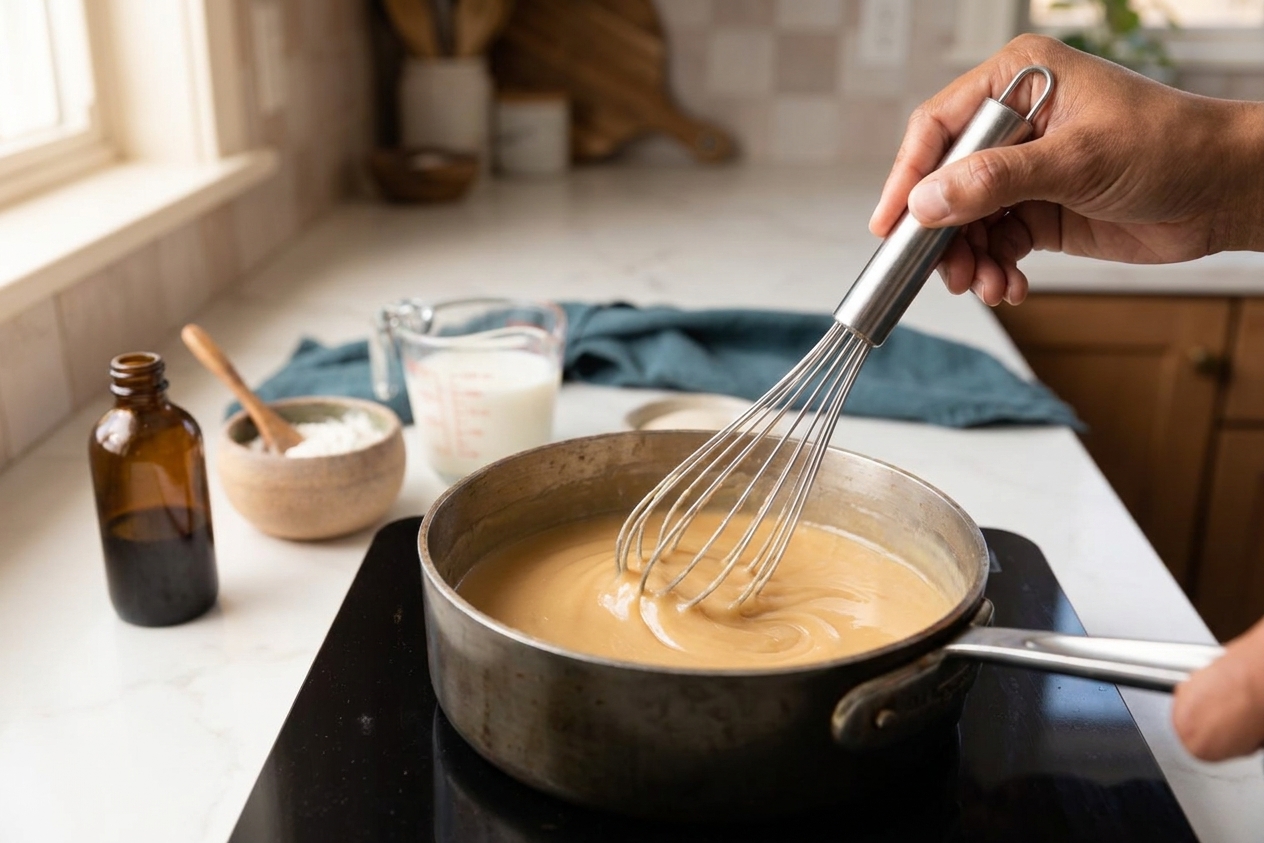
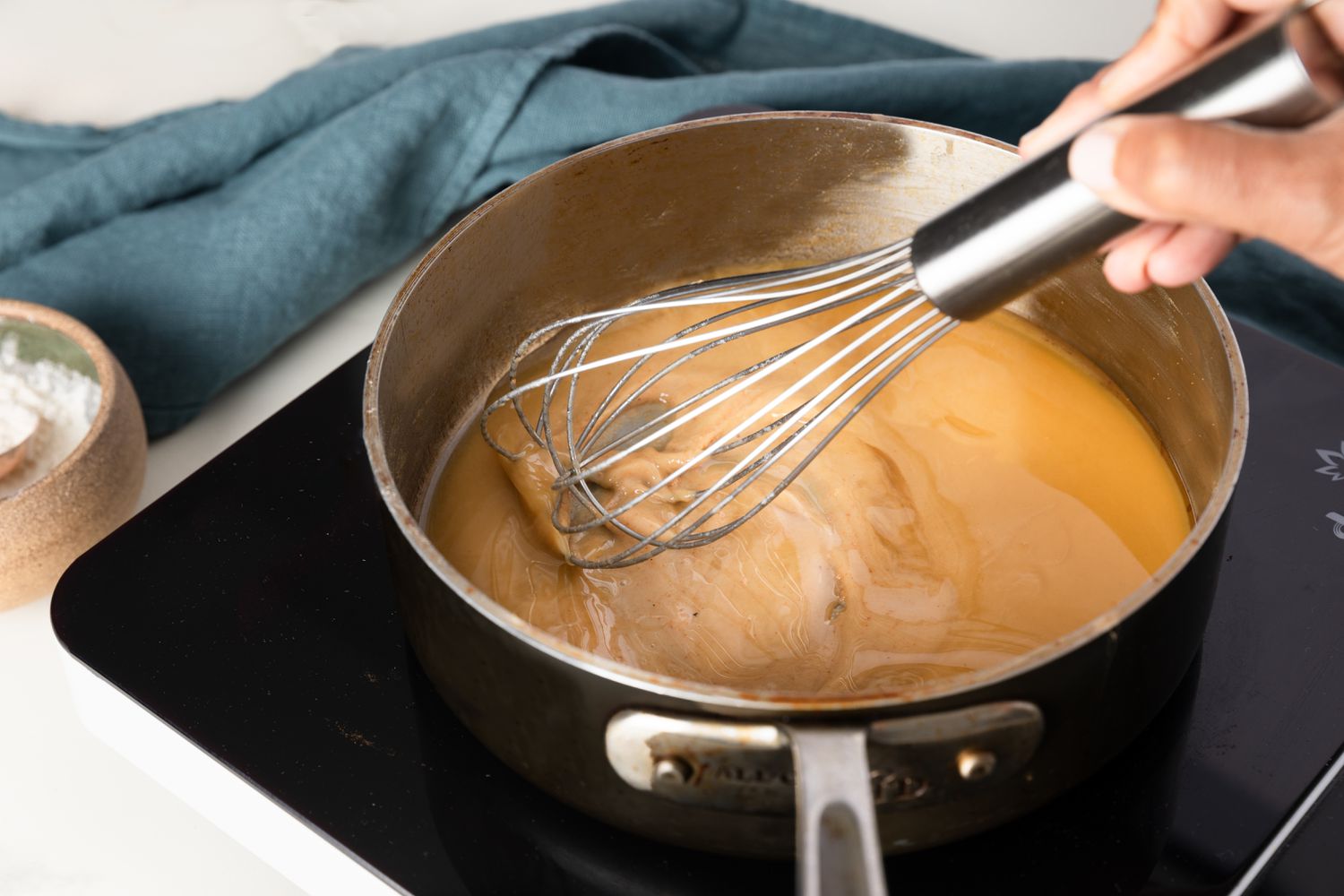
Not if you cook it long enough. Keep it at a gentle simmer while whisking, and once it thickens and turns glossy, keep cooking for 1 to 2 minutes more (you should see slow bubbles and the whisk should leave clear tracks). That extra minute helps remove raw flour taste.
How do I use it on a cake?
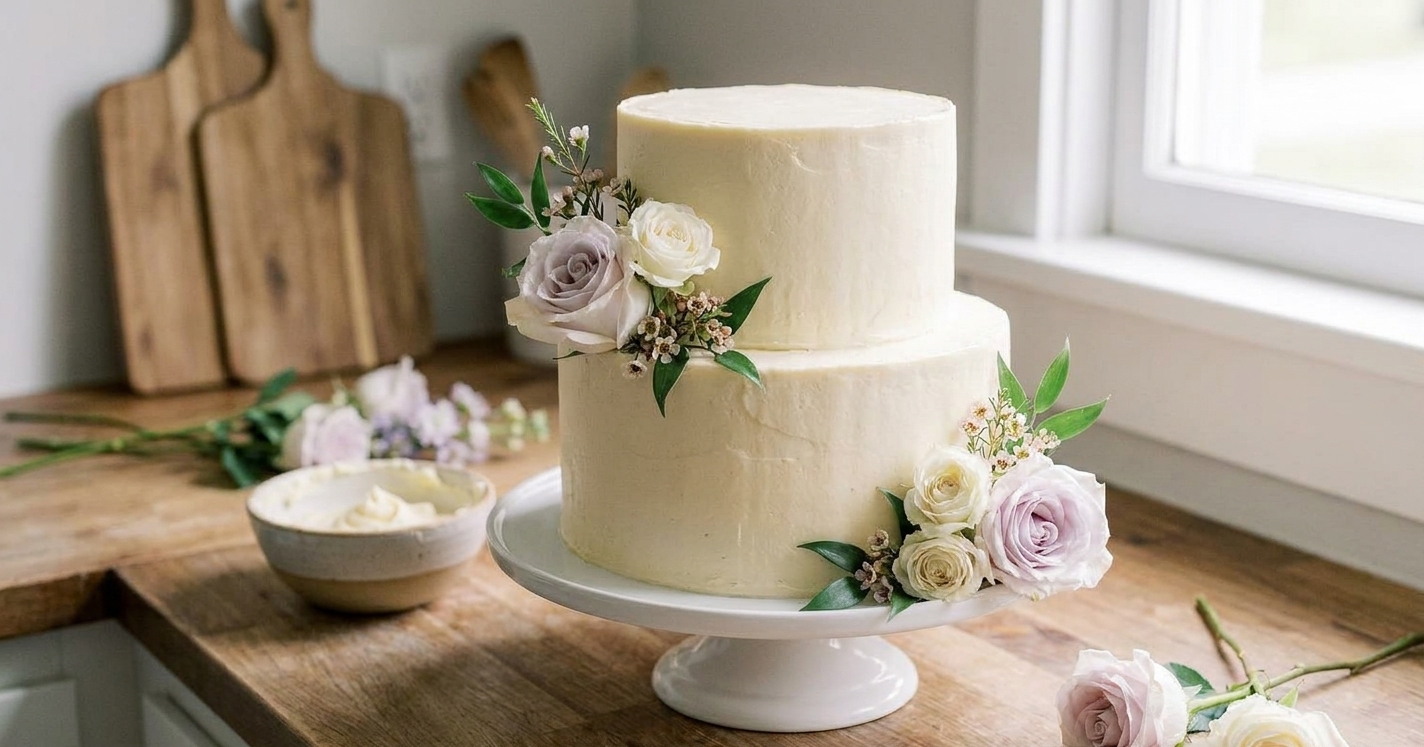
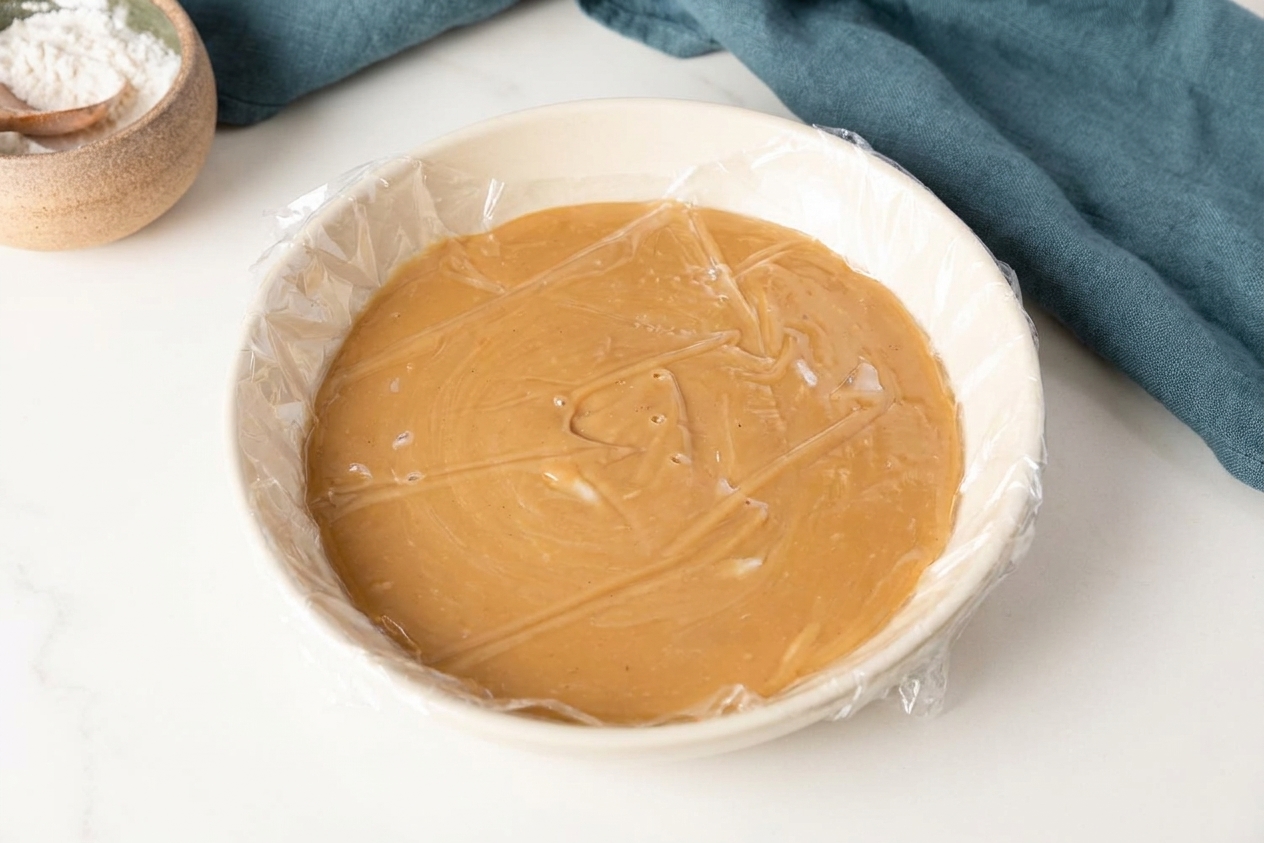
Cool it completely, then spread a very thin layer on the cake surface before frosting or a crumb coat. Think tacky, not wet. For easiest spreading, apply it to a leveled, chilled cake layer (room temperature works too, chilled just behaves better). For a typical 8-inch layer, start with about 1 to 2 teaspoons per exposed surface and adjust as needed.
Is it a professional substitute for syrup or ganache?
No. This is not a standard replacement for simple syrup, buttercream, or ganache. It is more like a light starch film that can add a little tack, especially for crumbs and sprinkles or a stubborn crumb coat.
Can I add this to cake batter?
You can, but do it thoughtfully. Adding a gelatinized starch paste changes hydration and can affect rise and crumb depending on the recipe. It tends to behave best in butter cakes, sponge-style cakes, and sturdy layer cakes rather than very delicate chiffon or angel food cakes. Start small: try 2 tablespoons per 2-layer 8-inch cake batch. If you like the result and want more effect, go up to 4 tablespoons next time. If the batter looks looser than usual, consider reducing other liquid by 1 to 2 tablespoons in the next test. When in doubt, test a small batch first.
Can I make it chocolate or citrus?
Yes. For chocolate, whisk in 1 tablespoon cocoa with the flour before cooking. Dutch-process or natural cocoa both work. If it turns thicker than you want, whisk in 1 to 2 teaspoons milk at the end. For citrus, add 1 to 2 teaspoons finely grated zest after cooking (off heat) so it stays bright.
Can I use non-dairy milk?
Usually, yes. Unsweetened soy or oat milk tends to work well. Results can vary by brand because thickness and protein content differ. If it sets up thinner than expected, cook it a touch longer at a gentle simmer.
Can I scale it up or down?
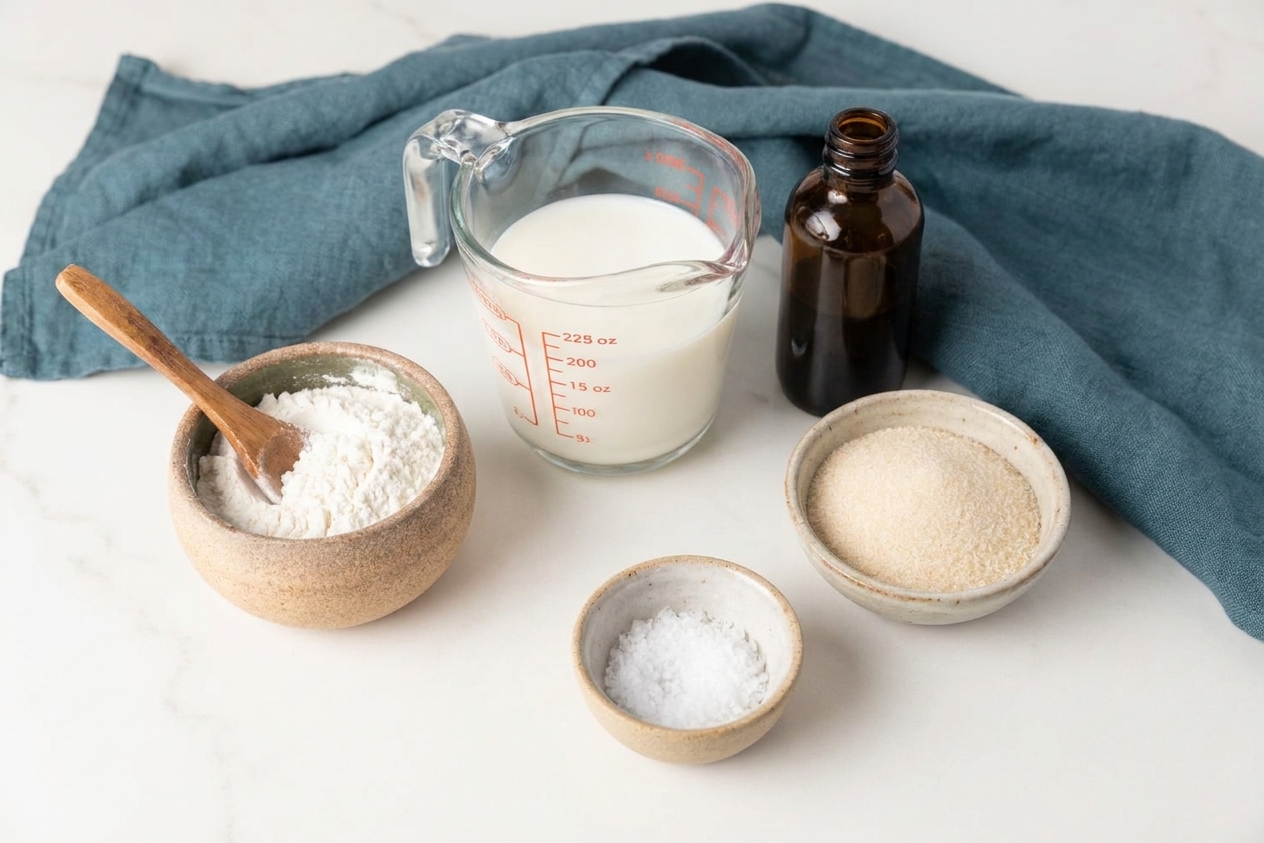
Yes. The base ratio is about 1 part flour to 3 parts milk by volume. Scale as needed, but keep the same gentle heat and keep whisking so it does not scorch.
Troubleshooting
- Lumpy: Whisk hard while it is still cool. If lumps happen anyway, press through a fine-mesh strainer or blend briefly with an immersion blender.
- Scorched or tastes “toasty”: Heat was too high or the pan was too thin. Lower the heat and use a heavier-bottom saucepan.
- Too thin: Keep cooking at a gentle simmer for another 1 to 2 minutes, whisking constantly.
- Too thick: Whisk in milk 1 teaspoon at a time until it loosens up.