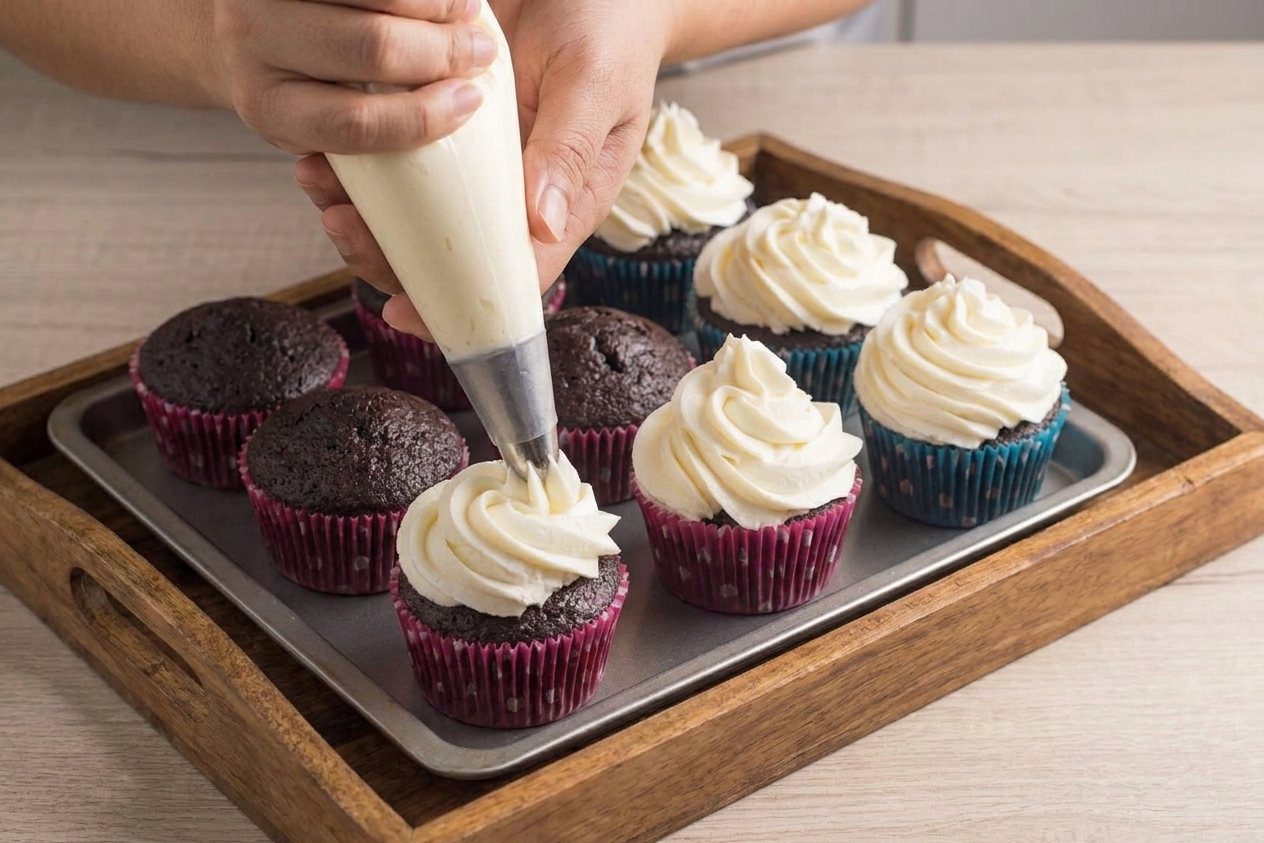
Mom's Best Recipes
Recipe

Classic Vanilla Cupcake Icing

Fluffy, buttery, pipeable vanilla icing that spreads smoothly and holds pretty swirls without being overly sweet.

Author By Matt Campbell
4.8 (214)
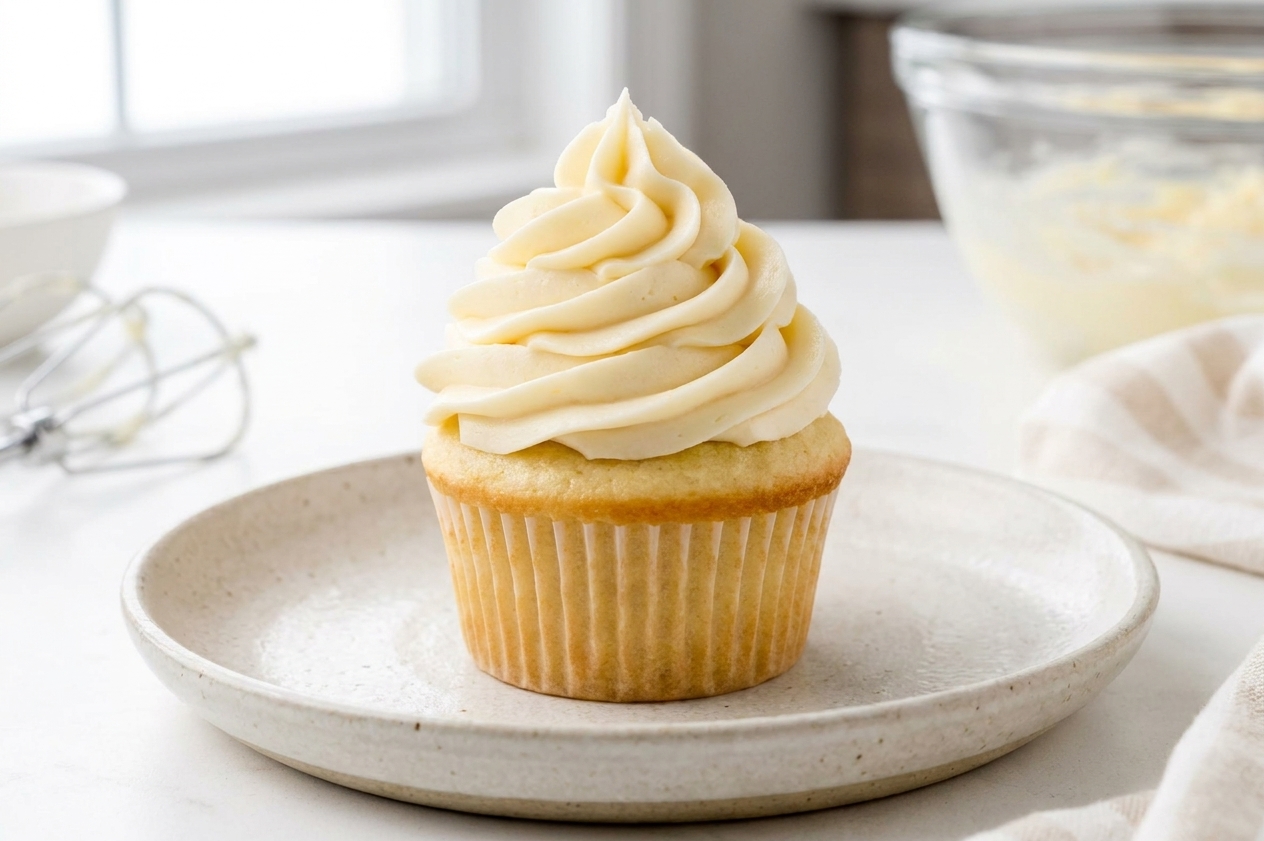
A single vanilla cupcake topped with a tall swirl of creamy vanilla buttercream, set on a light stoneware plate on a bright kitchen counter

There are two kinds of cupcake icing days. The first is a casual Tuesday where you just want something sweet and comforting. The second is a bring these to the party moment where you need icing that pipes clean, holds its shape, and does not melt into a sad puddle before you even find the sprinkles.

This is my go-to classic vanilla cupcake icing. It is buttery, fluffy, and reliable, with that bakery-style finish that makes you pause mid-bite and go, “Okay, wow.” It uses simple ingredients, comes together fast, and I packed in the little fixes that save a batch when your kitchen decides to get quirky.

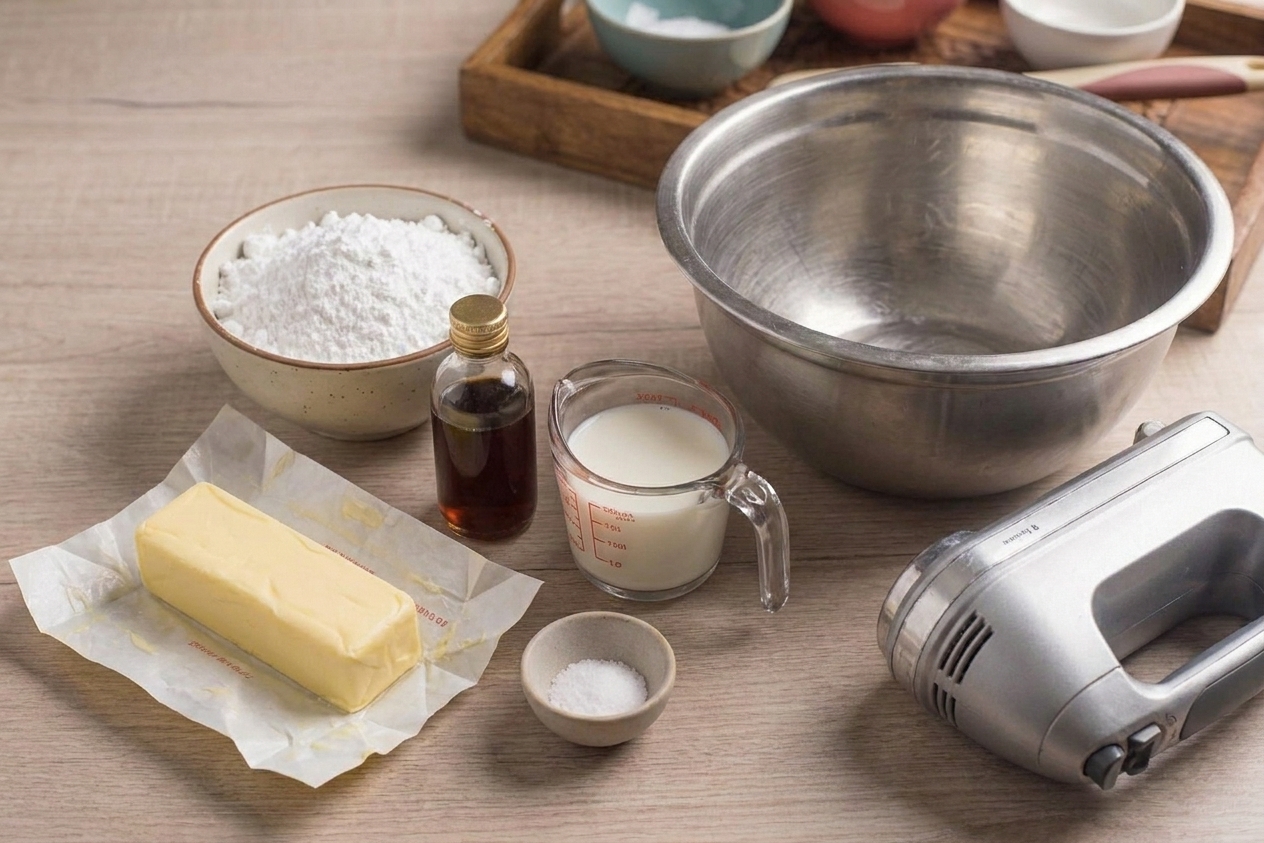
Butter, powdered sugar, vanilla extract, milk, and salt measured on a tidy kitchen counter with a mixing bowl and hand mixer nearby

Why It Works

  • Texture that behaves: Whipped for airiness, with an option to mix briefly on low to smooth out bubbles.
  • Sweetness with balance: A pinch of salt and real vanilla keeps it from tasting like straight sugar.
  • Pipeable and spreadable: Easy to adjust thickness for a knife-swipe, swoosh, or tall spiral.
  • Forgiving: Includes built-in troubleshooting for runny, grainy, or curdled-looking icing.

Pairs Well With

Storage Tips

At room temperature: If your kitchen is cool, you can keep frosted cupcakes out for up to 1 day. Cover them to prevent drying. If it is warm or humid, refrigerate, especially if you used milk or cream.

Refrigerator: Store icing in an airtight container for up to 7 days. Let it sit at room temp 30 to 60 minutes, then re-whip for 1 to 2 minutes to bring back the fluff.

Freezer: Freeze icing in a sealed container for up to 3 months. Thaw overnight in the fridge, then come back to room temp and re-whip. If it looks a little separated at first, keep mixing. It usually snaps back.

Pro tip: If you frosted cupcakes and refrigerated them, let them sit out 20 to 30 minutes before serving so the buttercream softens and tastes buttery again, not fridge-cold.

Common Questions

How much icing do I need for cupcakes?

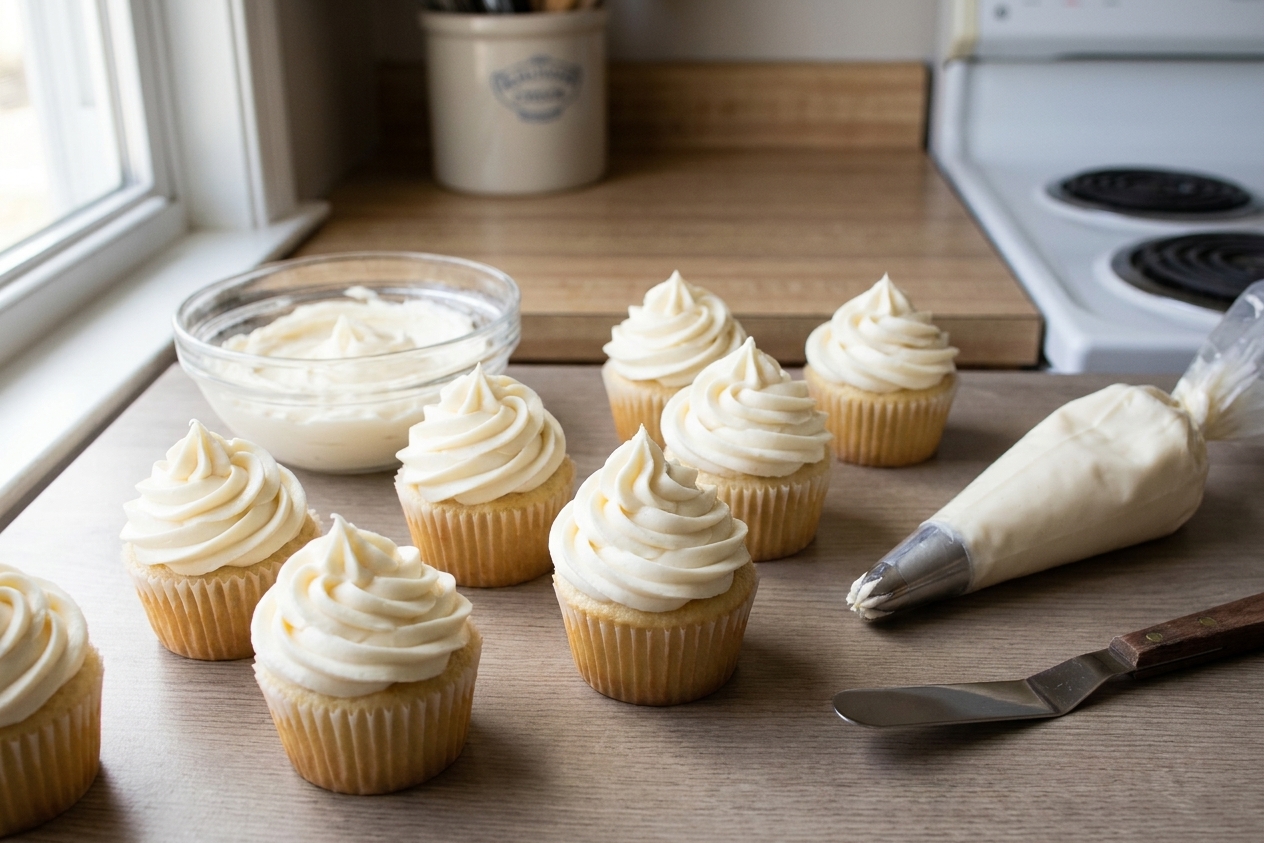
This recipe makes enough for about 12 cupcakes with a generous swirl, depending on your piping tip and how tall you go. If you are doing a simple spread with a knife, you may be able to cover 14 to 16.

Approximate yield: about 4 1/2 cups of icing.

Why is my cupcake icing runny?

Usually one of three things: the butter was too warm, you added too much milk, or your kitchen is hot. Fix it by mixing in 2 to 4 tablespoons powdered sugar and chilling the bowl for 10 minutes, then whipping again.

Why does my frosting taste gritty?

Powdered sugar lumps. Sift it if you can, and make sure you mix long enough. If it is still gritty, let the frosting sit for 10 minutes then whip again. That rest time helps the sugar fully hydrate.

Can I make this icing less sweet?

You can reduce sweetness a bit with an extra pinch of salt and using heavy cream instead of milk for richness. Reducing powdered sugar too much can make it loose and hard to pipe. If you want a noticeably less sweet option, a cream cheese frosting is usually the move.

Can I color this icing?

Yes. Use gel food coloring so you do not thin the icing. Add a tiny amount at a time and mix well.

Can I make it chocolate or other flavors?

Absolutely.

Chocolate: Replace 1/2 cup of powdered sugar with 1/2 cup (about 40 to 50 g) unsweetened cocoa powder. Cocoa thickens and deepens the flavor, so plan on adding 1 to 2 extra tablespoons milk or cream (a little at a time) to get back to a smooth, pipeable texture.

Lemon: Add 1 to 2 teaspoons lemon zest and swap in lemon juice for part of the milk, 1 teaspoon at a time. For best texture, keep lemon juice to about 1 to 2 tablespoons total and let the zest do most of the heavy lifting.

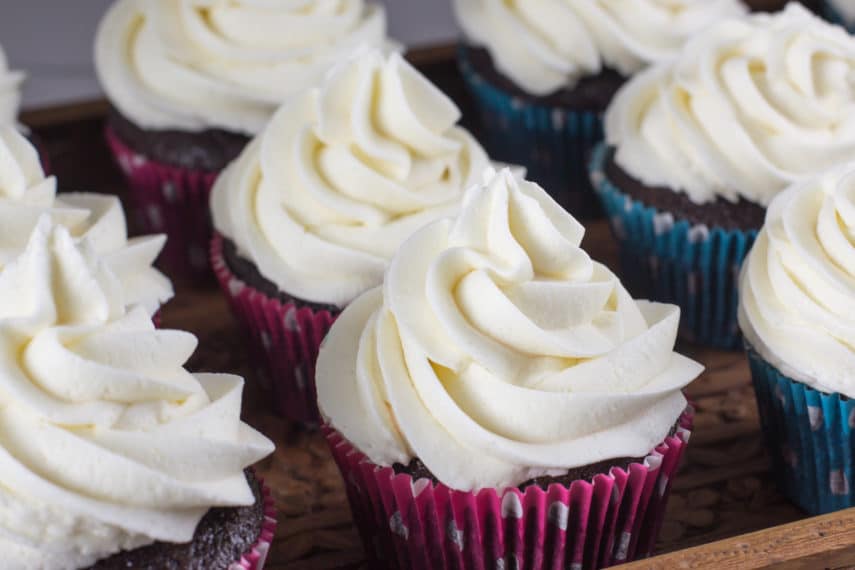
I used to think cupcake icing was either “easy” or “mysterious bakery magic,” with no middle ground. Then I started treating it like a sauce: temperature matters, seasoning matters, and you have to taste as you go. The first time I nailed that fluffy, not-too-sweet balance, I immediately started icing anything that would sit still. Graham crackers. Leftover banana bread. A spoon. No regrets.