Is rump roast healthy?
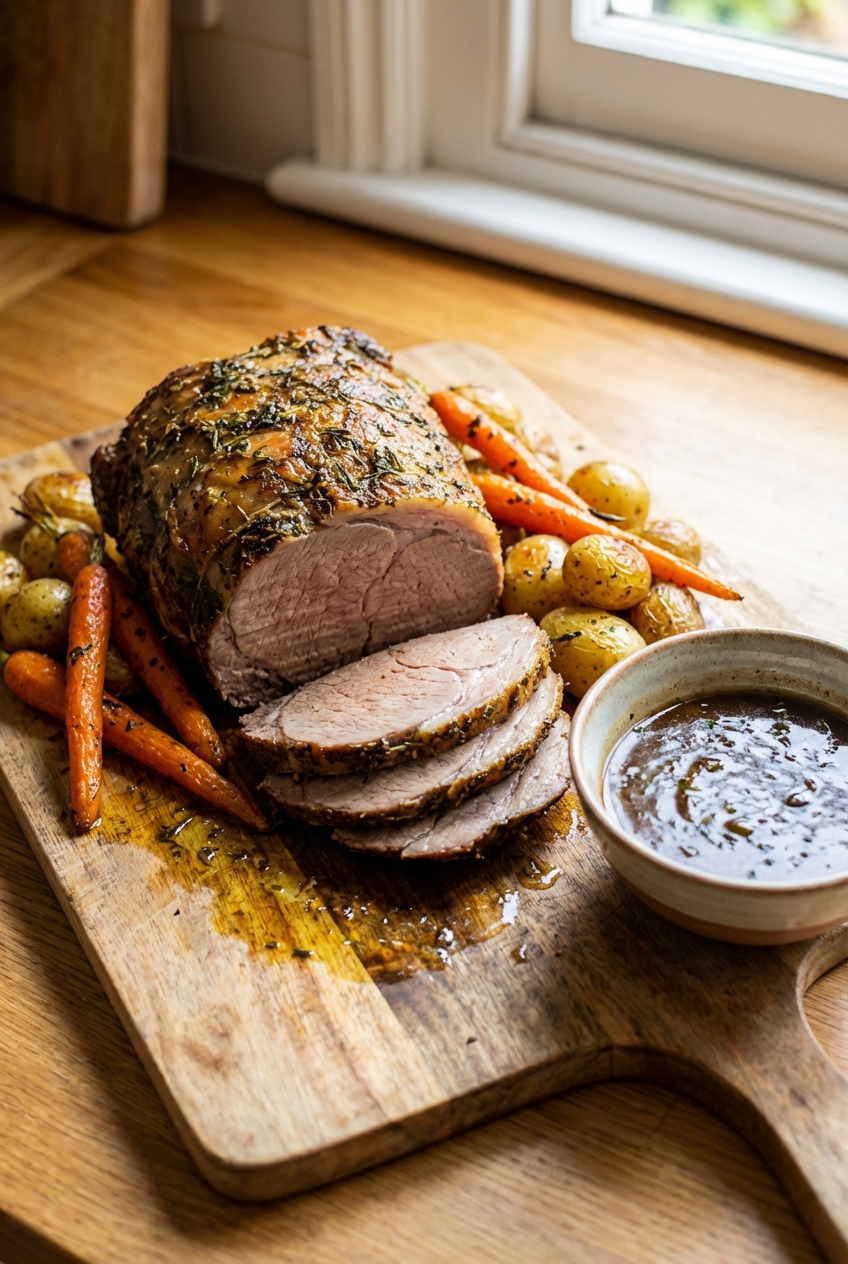
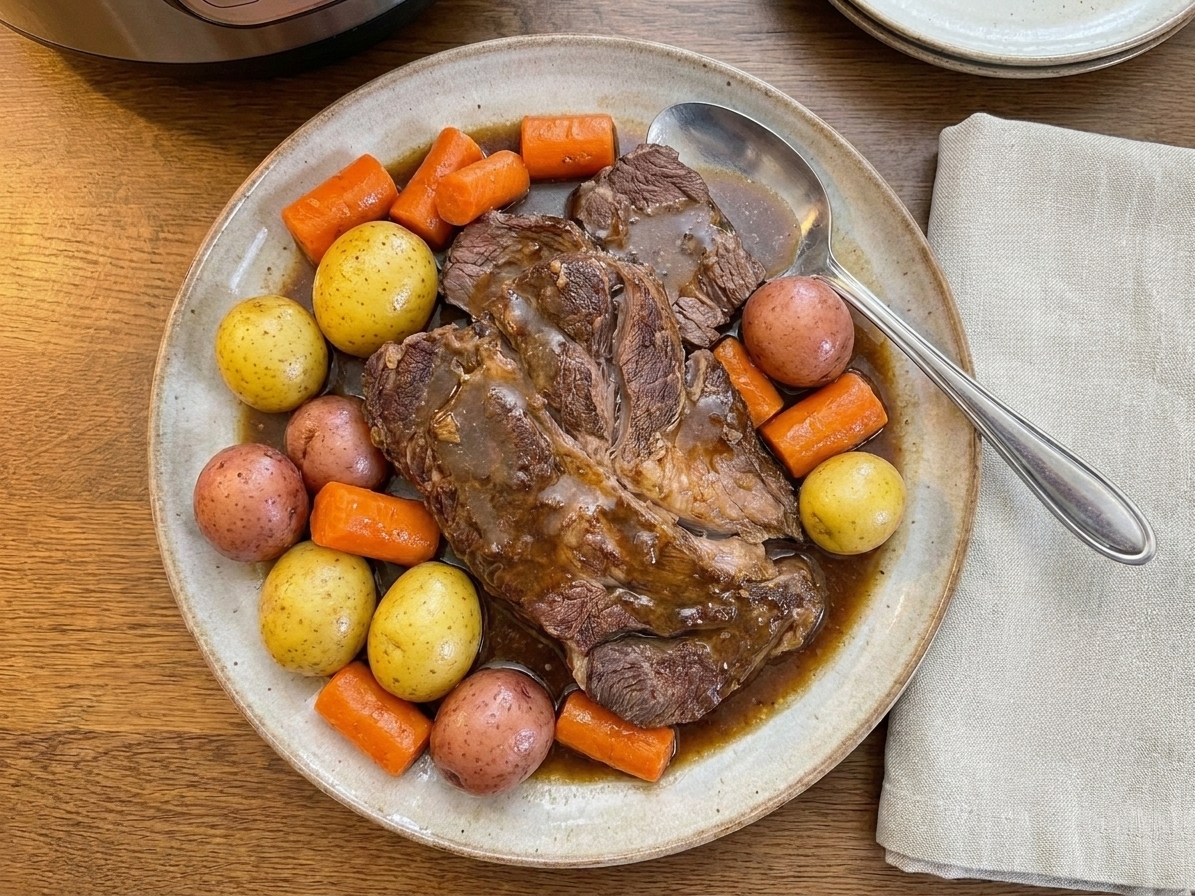
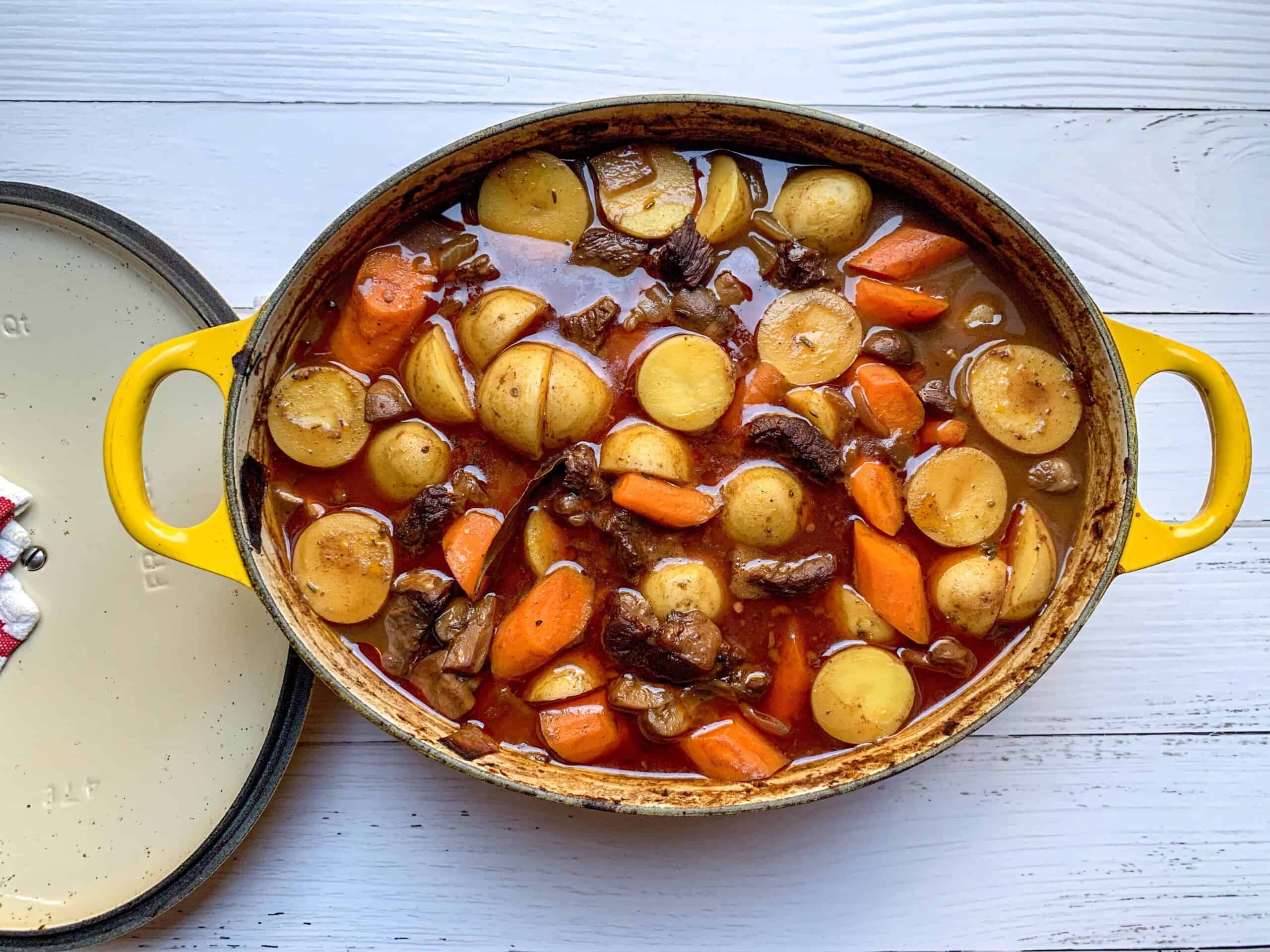
Rump roast is often a leaner cut of beef than chuck, especially if it is well-trimmed. That means it can fit nicely into a wholesome dinner, particularly when you cook it with lots of vegetables and a broth-based sauce like we do here.
Why is my rump roast tough?
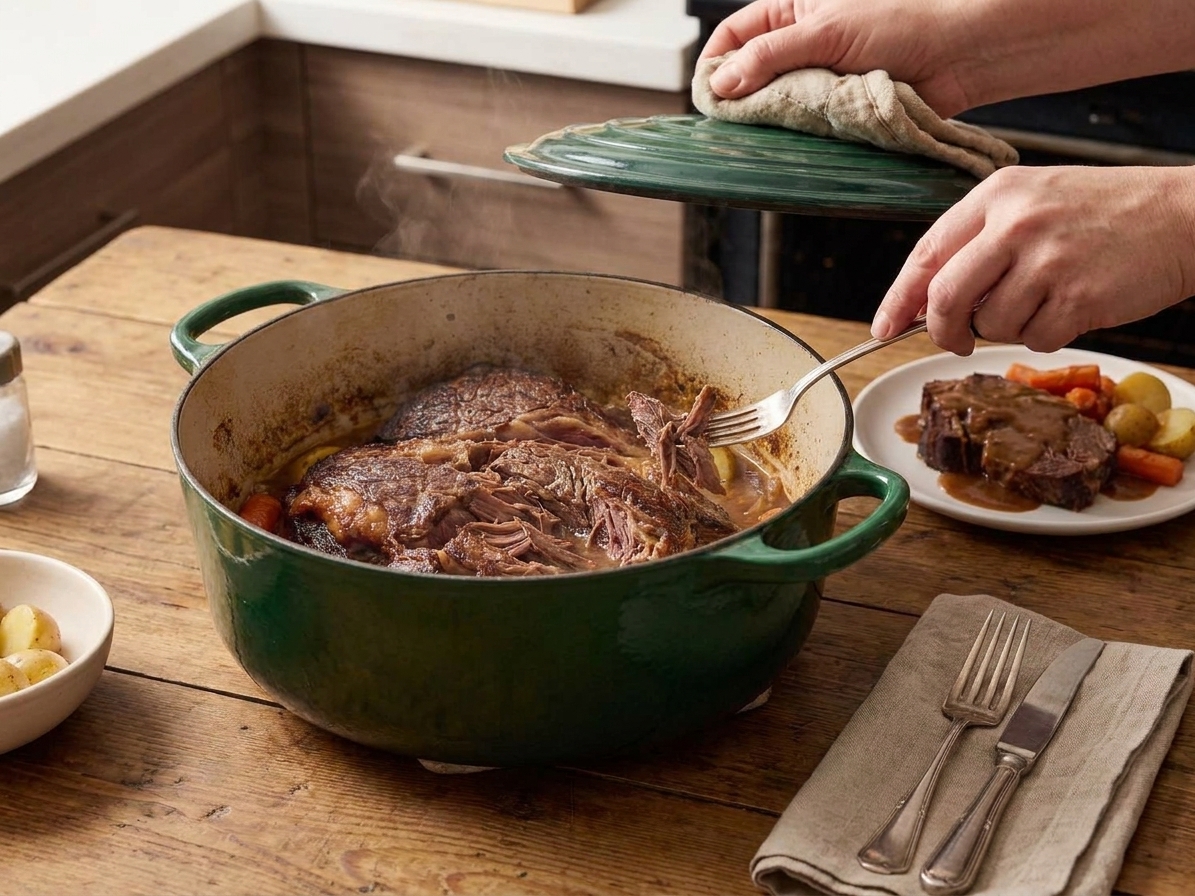
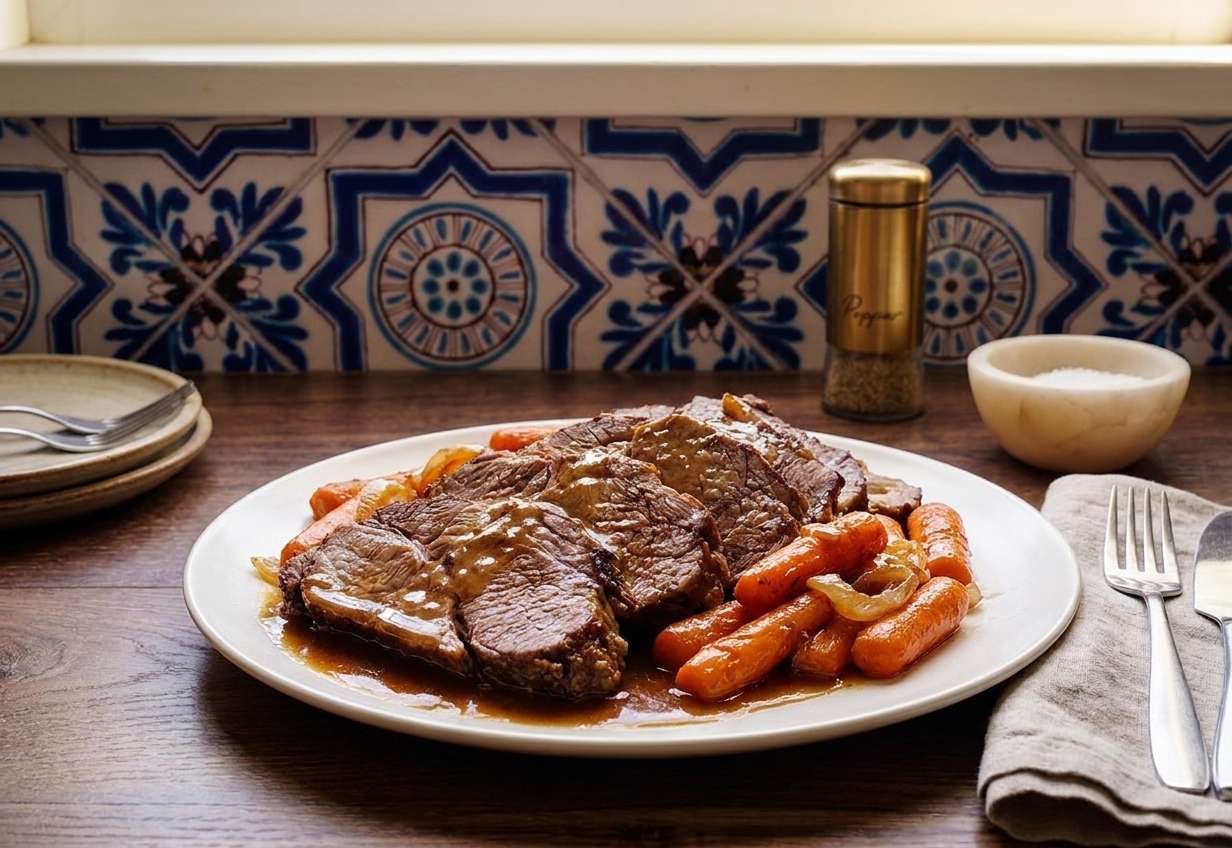
Rump roast can turn tough for a couple of reasons. Sometimes it simply needs more time at low heat to become tender. Other times it gets dry because it is a lean cut and it cooked too hot, too long, or without enough braising liquid. Keep the oven around 300°F, keep the lid on, and cook until it is fork-tender. Also, slice against the grain for the most tender bite.
Can I make this in a slow cooker?
Yes. Sear the roast first, then cook on LOW for about 8 to 9 hours or HIGH for about 4 to 5 hours until fork-tender. Slow cookers vary a lot, so start checking tenderness on HIGH around the 4-hour mark, and on LOW around the 7-hour mark. Add potatoes and carrots for the last 3 to 4 hours on LOW so they do not turn to mush.
Can I skip the sear?
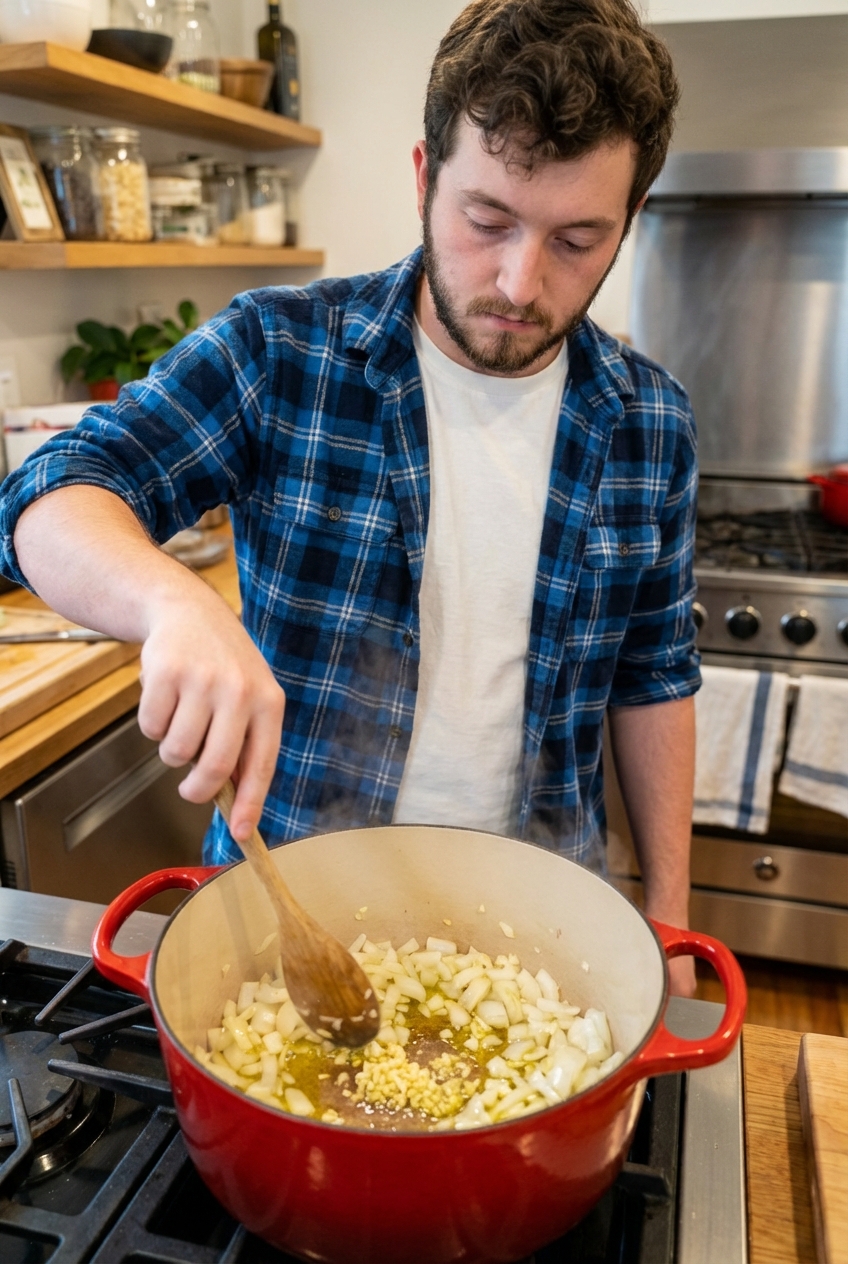
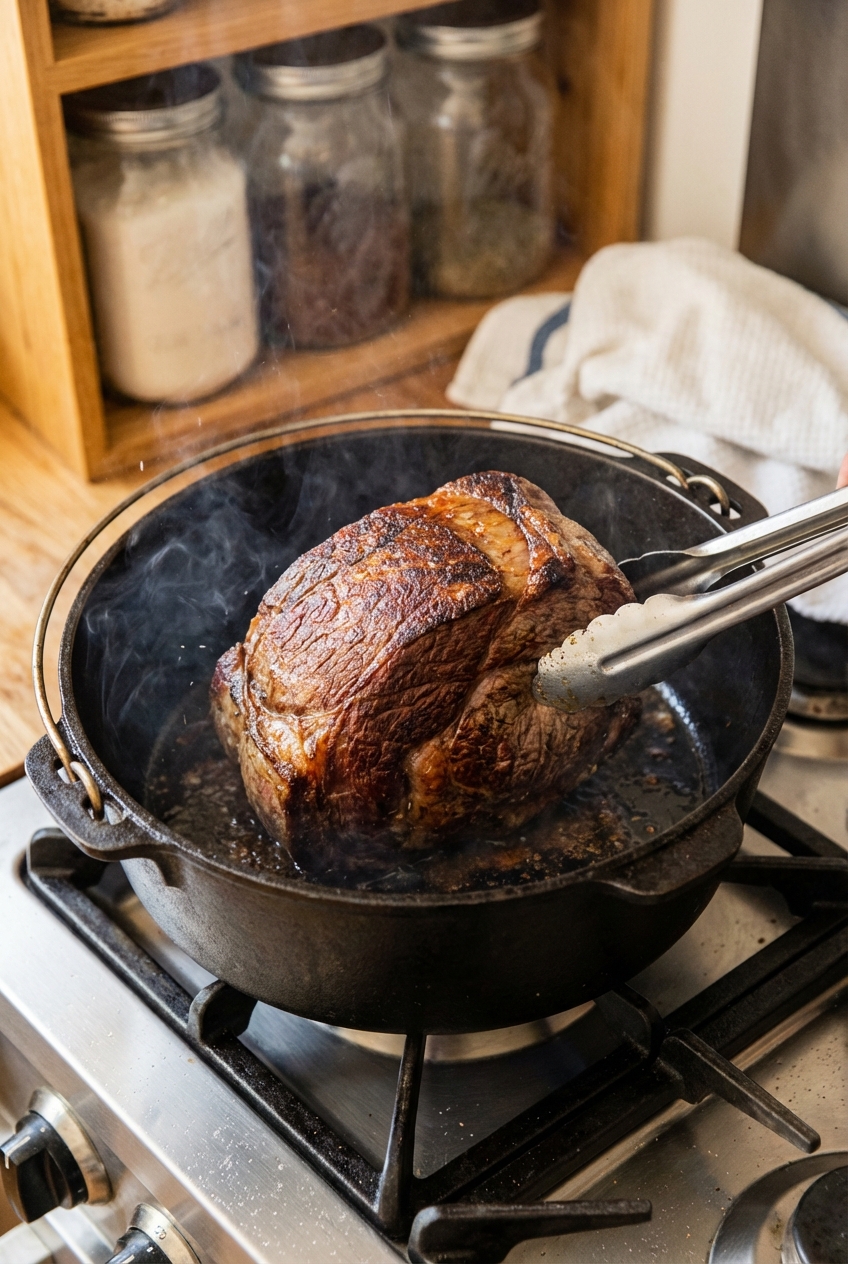
You can, but you will miss the deep roasted flavor. That browned crust is basically free seasoning. If you are short on time, at least brown two sides.
How do I keep the gravy from getting gummy?
Mix cornstarch with cold water first, then whisk it into simmering liquid a little at a time. Let it bubble for 1 to 2 minutes, then stop. Overcooking thickened gravy can make it tighten up.
Do I need an internal temperature?
For braises, temperature is less useful than texture. The best cue is: it should be fork-tender and easy to slice. If you like a number anyway, many braised roasts feel tender somewhere in the 190°F to 205°F range, but treat that as a rough reference and trust the fork.