Mom's Best Recipes
Recipe

Garlic Herb Shoulder Roast

Fork-tender shoulder roast with crisp edges, sweet onions, and a lemony pan gravy.

Author By Matt Campbell
4.8
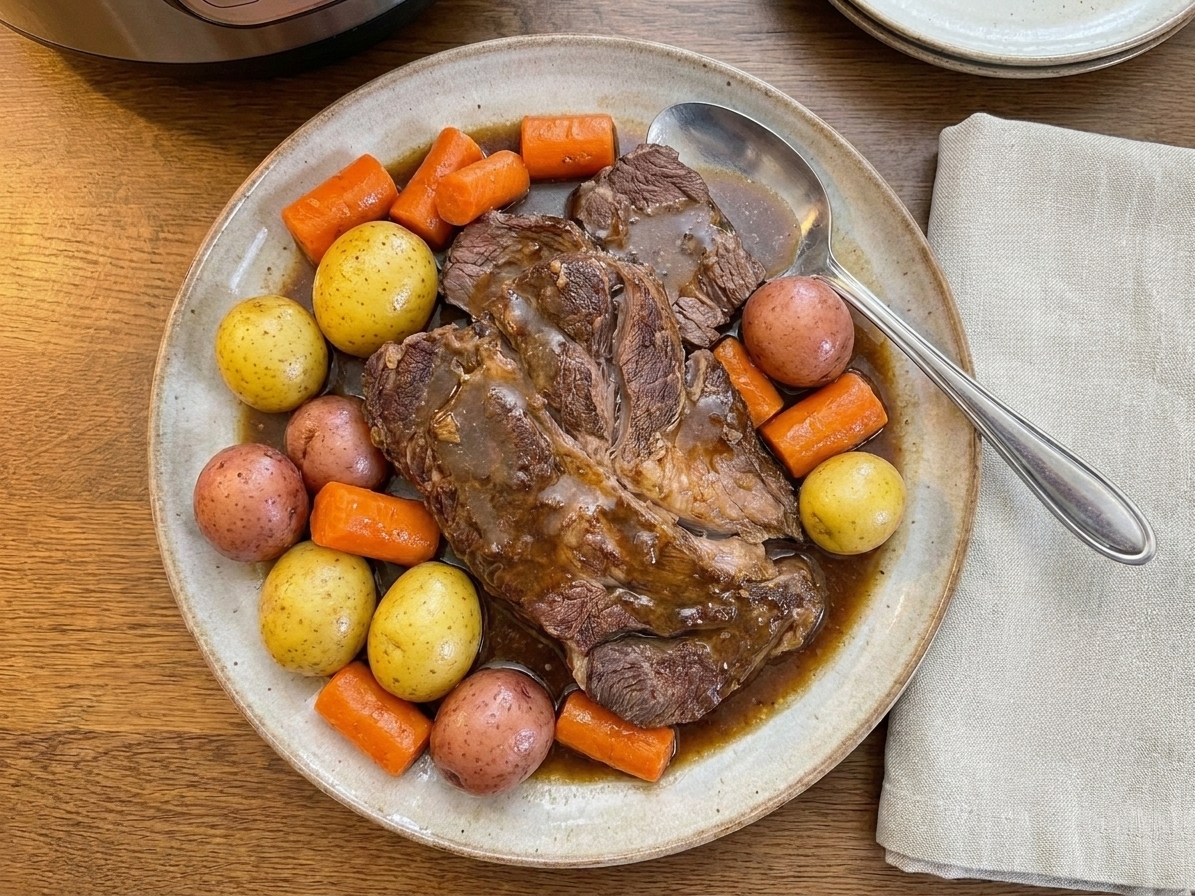
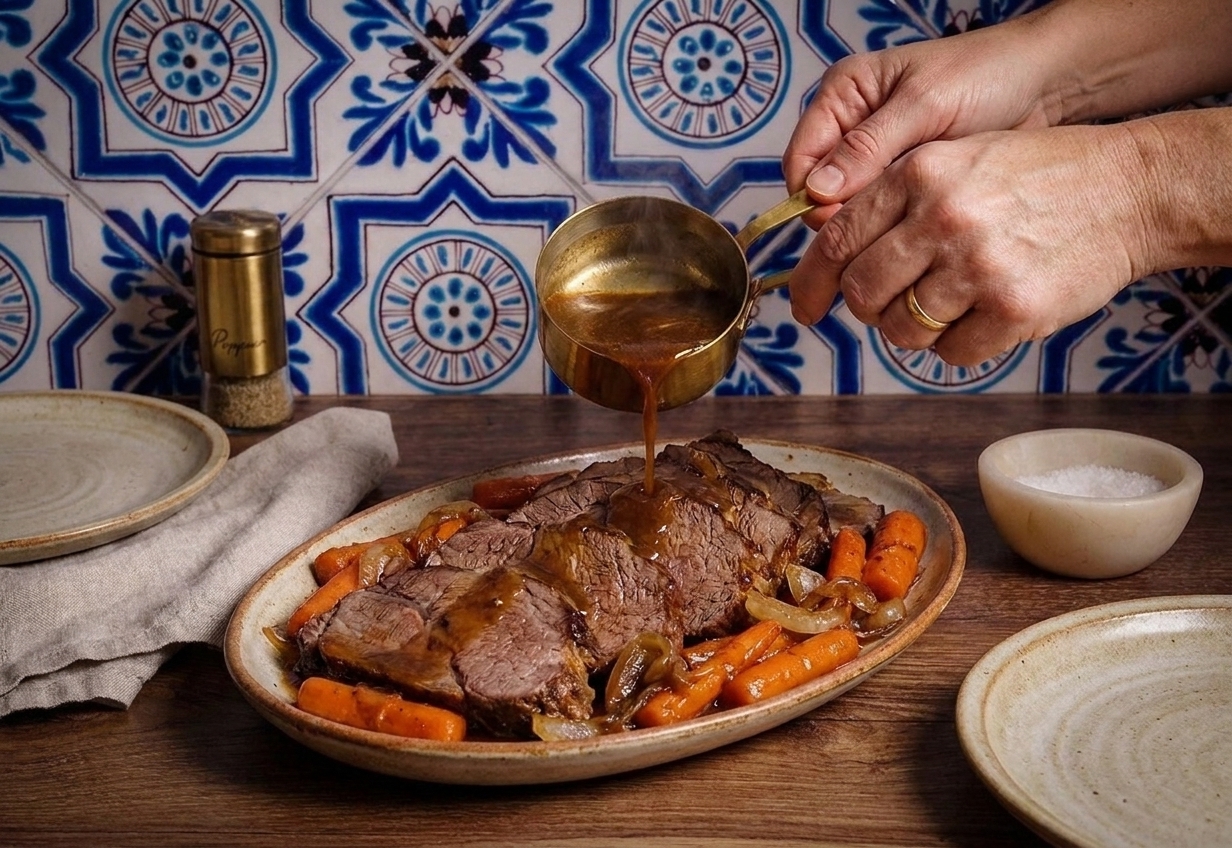
A plated garlic herb shoulder roast sliced thick, with glossy pan gravy and roasted carrots on a simple white dinner plate under warm kitchen lighting

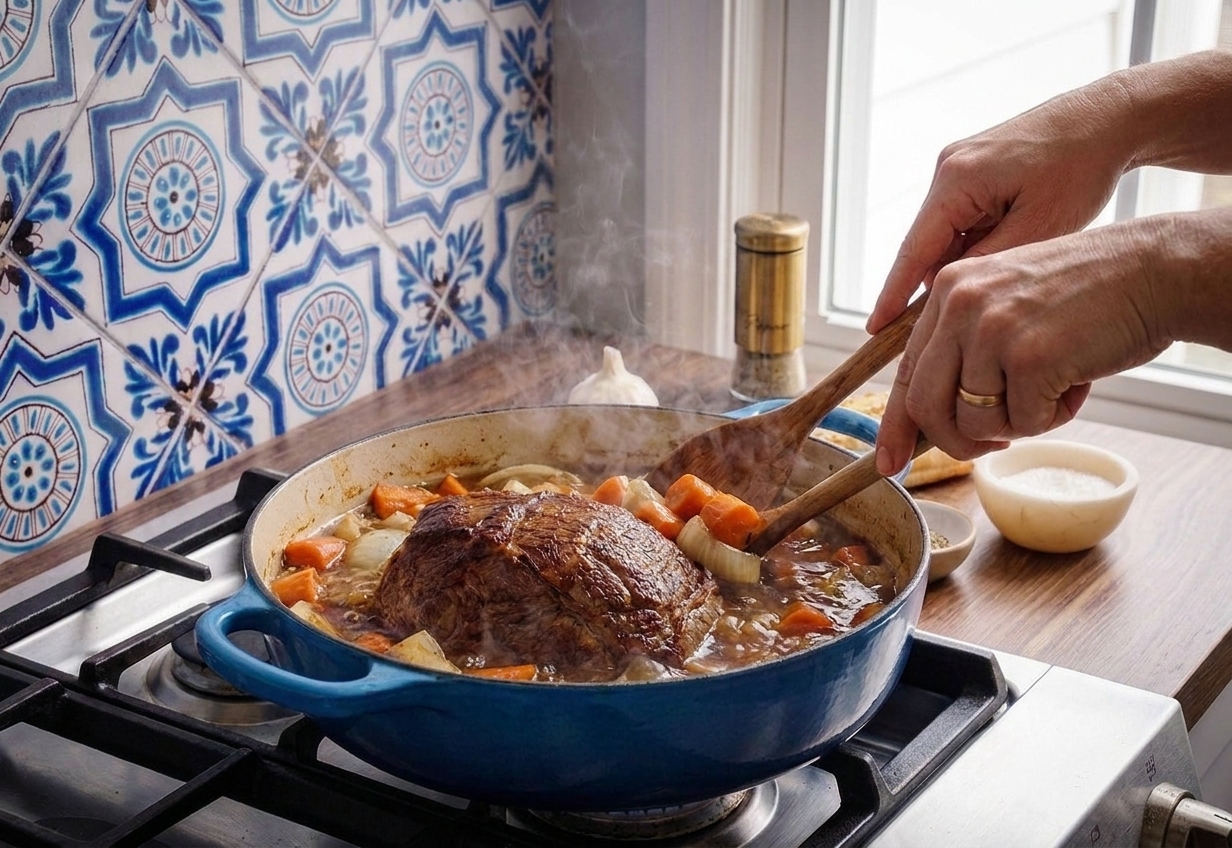
Shoulder roast is one of my favorite "feed everybody, impress nobody" cuts, and I mean that as the highest compliment. It is built for real life. You season it like you mean it, give it time in the oven, and it pays you back with tender meat, cozy drippings, and the kind of gravy that makes mashed potatoes feel like a purpose.

This version keeps things accessible: garlic, rosemary, a little tomato paste for depth, and a quick splash of lemon at the end to wake everything up. The vibe is relaxed Sunday dinner, but the effort is mostly "put it in the oven and go be a person."

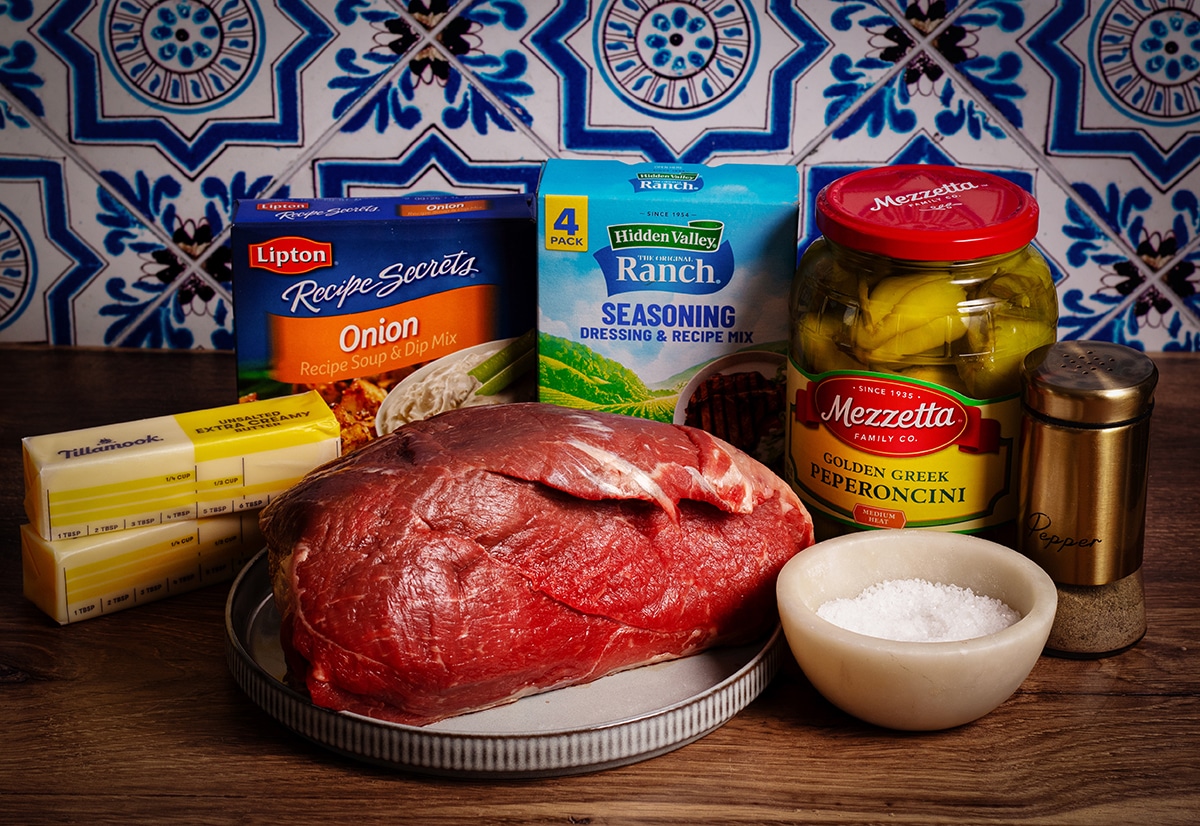
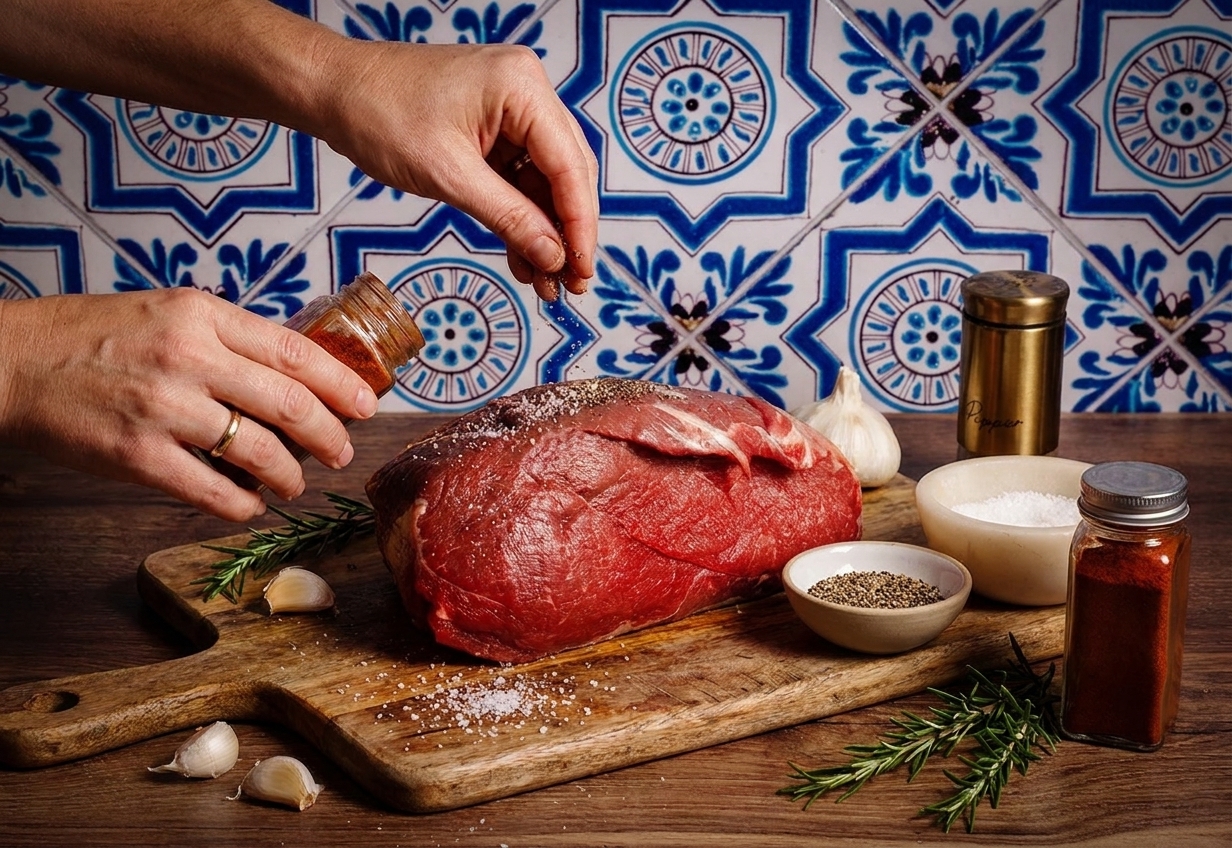
Ingredients for garlic herb shoulder roast arranged on a warm kitchen counter: a beef shoulder roast on a cutting board with bowls of salt, pepper, garlic, rosemary, and a bottle of oil nearby

Why It Works

  • Deep flavor without drama: a hard sear plus a slow braise means rich, beefy results even if your roast is a budget-friendly cut.
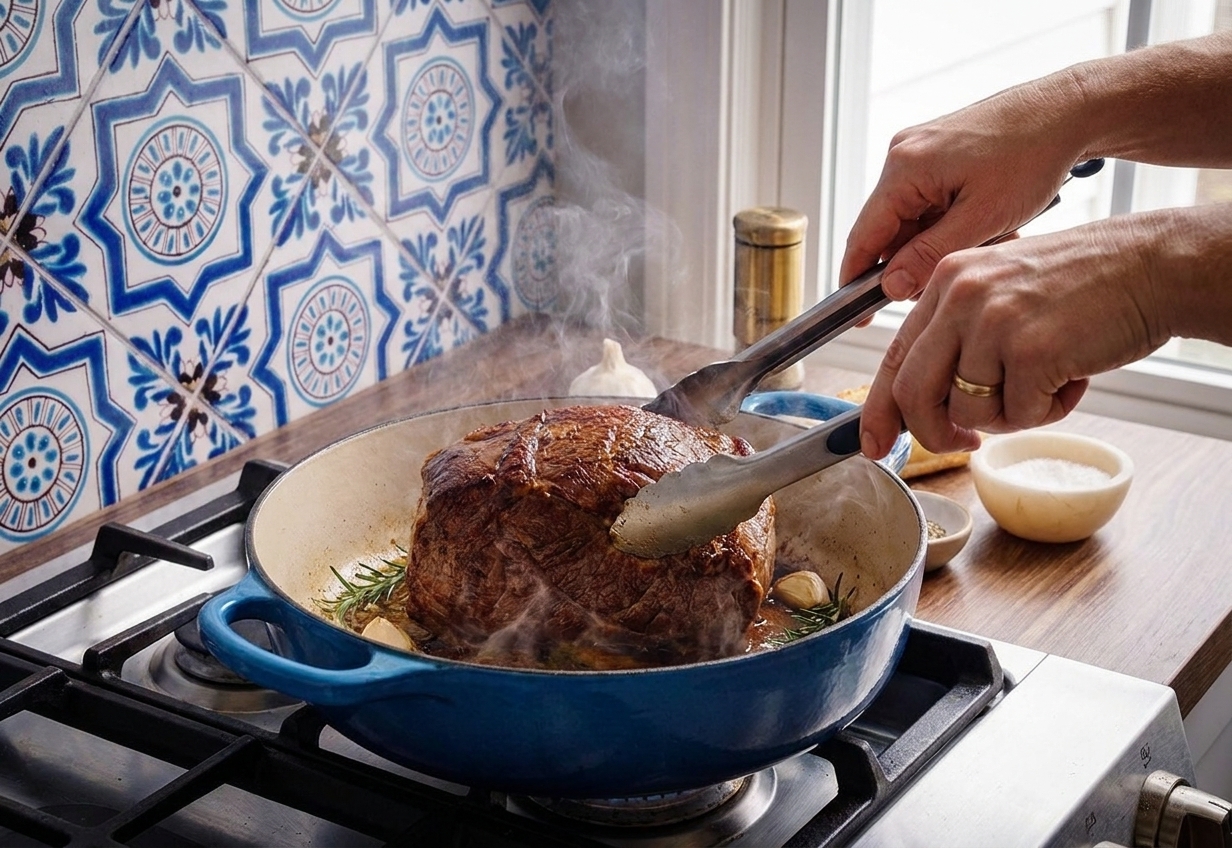
  • Texture you actually want: crisp edges from searing, then buttery tenderness from the covered oven time.
  • Gravy that tastes alive: tomato paste and Worcestershire add savoriness, then lemon at the end keeps it from tasting flat.
  • Flexible finish: slice it for a classic roast dinner or shred it for sandwiches and tacos the next day.

Pairs Well With

Storage Tips

Refrigerate: Store roast and vegetables in an airtight container for up to 4 days. Keep some gravy with the meat so it stays juicy.

Freeze: Freeze sliced or shredded roast with a bit of gravy for up to 3 months. Thaw overnight in the fridge.

Reheat (best method): Warm in a covered skillet or saucepan with a splash of broth or water over medium-low heat until hot. Microwave works too, just cover it and stir gravy halfway through so it heats evenly.

Make-ahead tip: If you know you want neat slices, chill the roast in its juices overnight, then slice cold and rewarm in the gravy. It is oddly satisfying and very low effort.

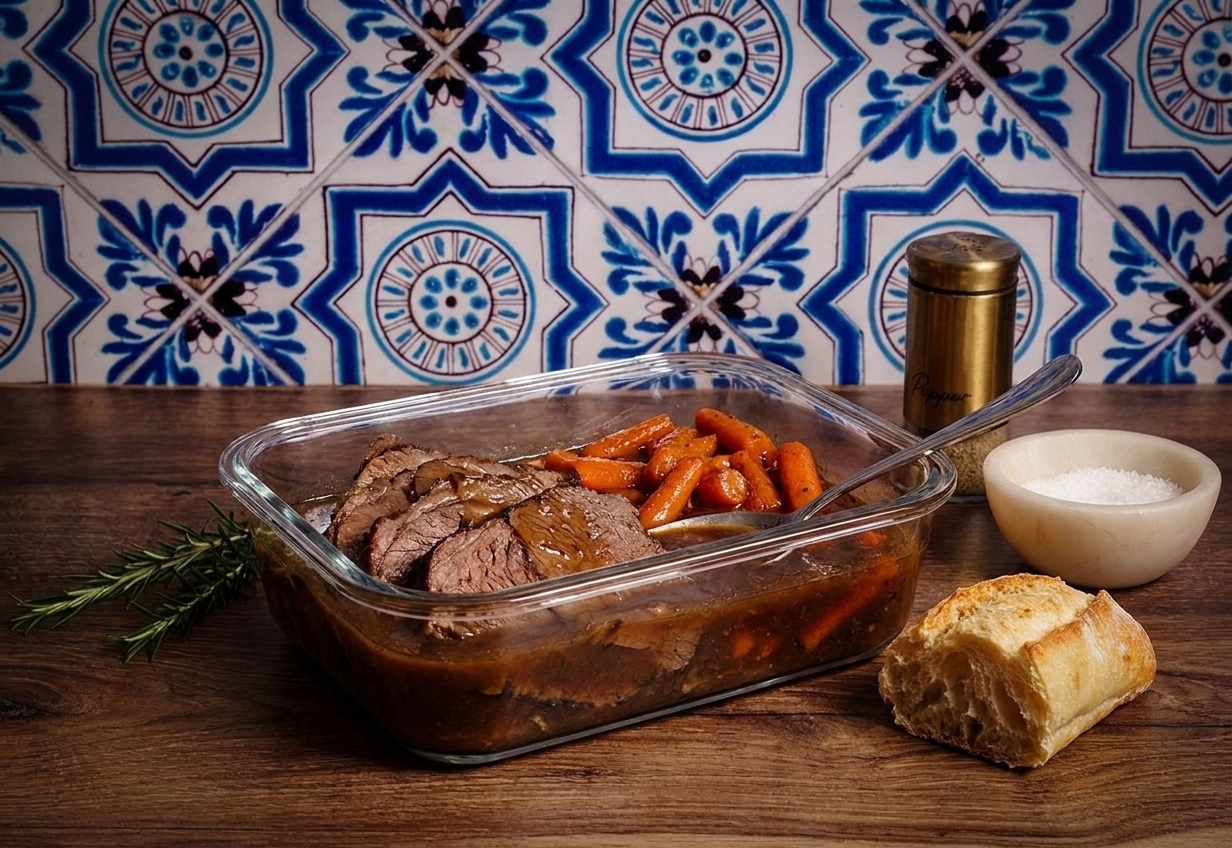
Sliced shoulder roast stored in a glass meal prep container with carrots and pan gravy, sitting on a warm-toned kitchen counter

Common Questions

What is a shoulder roast, exactly?

Shoulder roast is a general label that usually means a cut from the chuck or shoulder area. It is flavorful but has connective tissue, which is why it shines with slow cooking like braising or roasting covered.

Is shoulder roast the same as chuck roast?

Sometimes, but not always. Store labels vary, and “shoulder” can refer to different muscles. The good news is this recipe works for most well-marbled chuck or shoulder roasts meant for braising (chuck roast, chuck shoulder, shoulder pot roast). Aim for 3 to 4 pounds with visible marbling.

Why is my shoulder roast tough?

Tough usually means it needs more time, not less. Keep it covered and cook until it is fork-tender. If it is still chewy at 3 hours, give it another 30 to 60 minutes and check again.

What internal temperature should I aim for?

For a braised roast, temperature is a loose guide and tenderness is the real test. Many roasts turn the corner somewhere around 190°F, and are often in the 195 to 205°F zone when the collagen has truly relaxed. Start checking around 190°F, then go by “fork slides in easily and it wants to pull apart.”

Can I make this in a slow cooker?

Yes. For the best flavor, sear the roast and saute the aromatics first. Then cook on low for about 7 to 9 hours or high for about 4 1/2 to 6 hours, until fork-tender. Slow cookers vary a lot, so start checking for tenderness early (around 7 hours on low). If you want a thicker gravy, reduce the liquid on the stovetop after.

Can I add potatoes?

Absolutely. Add Yukon gold or red potatoes (halved) during the last 75 to 90 minutes so they do not turn to mush.

Can I make it ahead?

Yes, and it might be even better the next day. Cool the roast in its juices, refrigerate overnight, then reheat gently with the gravy. The flavor settles in and the slicing is easier when it is chilled first.

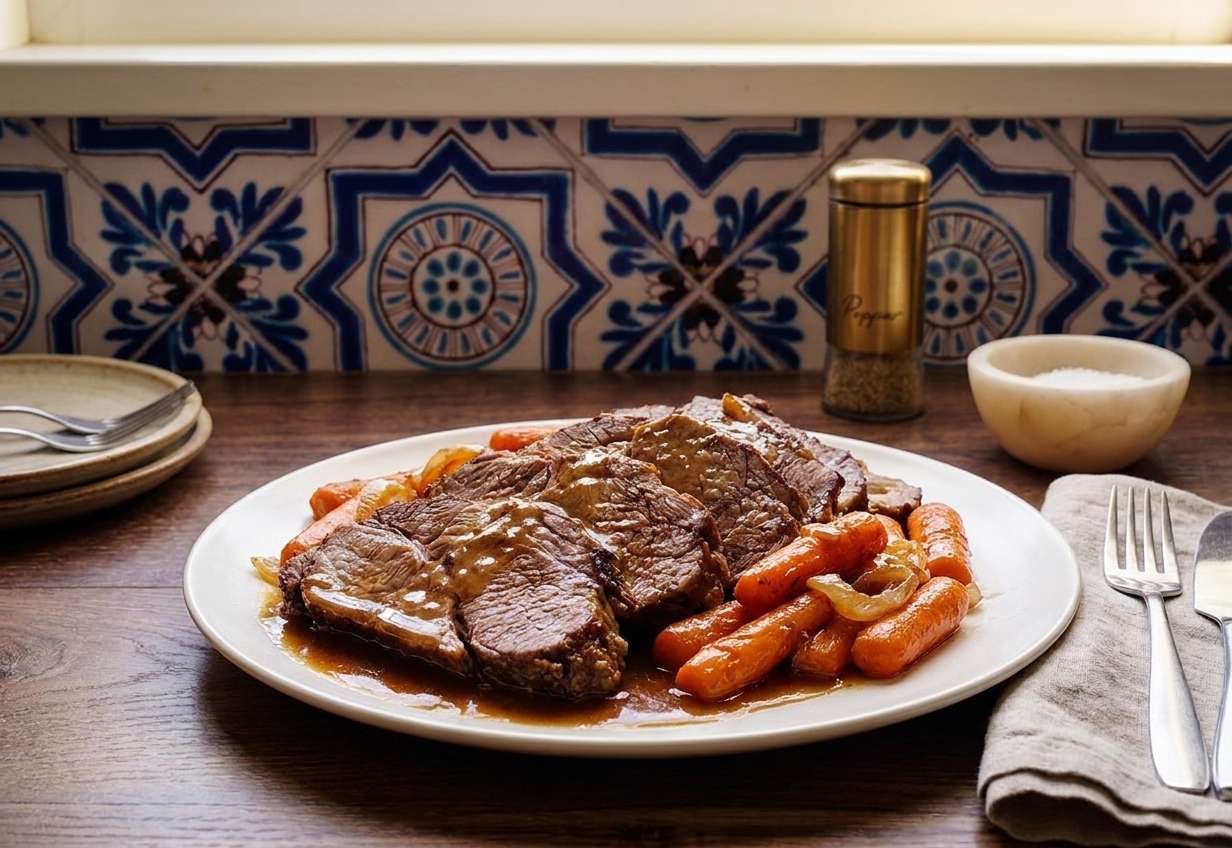
I like shoulder roast because it feels like cooking with your future self in mind. You do a little work up front, then the oven takes over and your kitchen starts smelling like you have your life together. The next day, you open the fridge and there it is, already rich and saucy, basically begging to be turned into sandwiches. It is comfort food with a plan.