Mom's Best Recipes
Recipe

Cozy Beef Pho (Stovetop Shortcut)

Toasty spices, savory broth, tender beef, and a mountain of herbs. Big pho energy without a full-day simmer.

Author By Matt Campbell
4.8
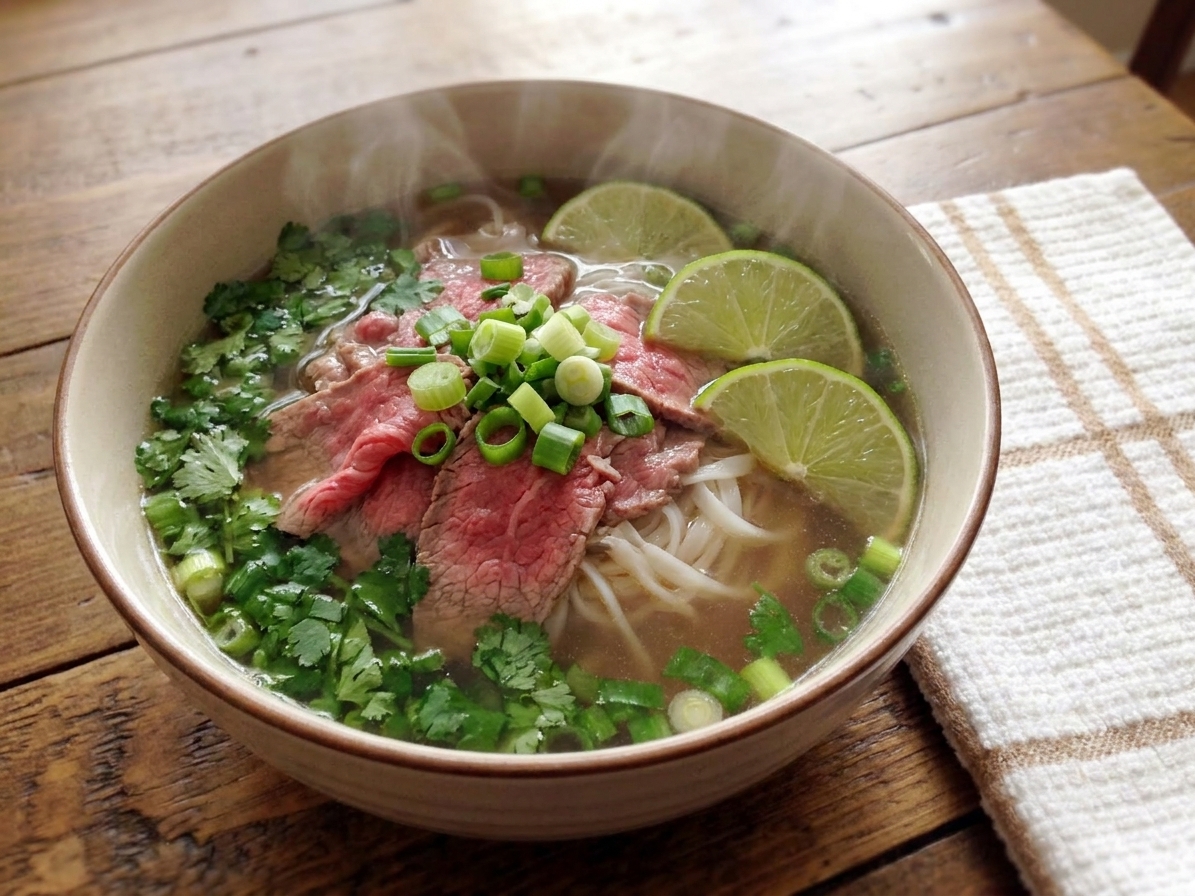
A steaming bowl of beef pho with rice noodles, thin slices of beef, cilantro, scallions, and lime wedges on a wooden table in warm natural light

Pho is one of those meals that makes your whole kitchen smell like you have your life together. The broth is warm and fragrant, the noodles are slippery in the best way, and the toppings are basically a choose-your-own-adventure of crunch, heat, and brightness.

This version is my realistic home-cook pho. We still toast the spices because that is where the magic lives. But we use a smart combo of good store-bought beef broth plus a shorter simmer with aromatics to get something deeply satisfying on a normal day. Is it the same as an all-day bone broth? No. Is it wildly delicious and absolutely pho enough to make you pause mid-bite and go, “Okay, wow”? Yes.
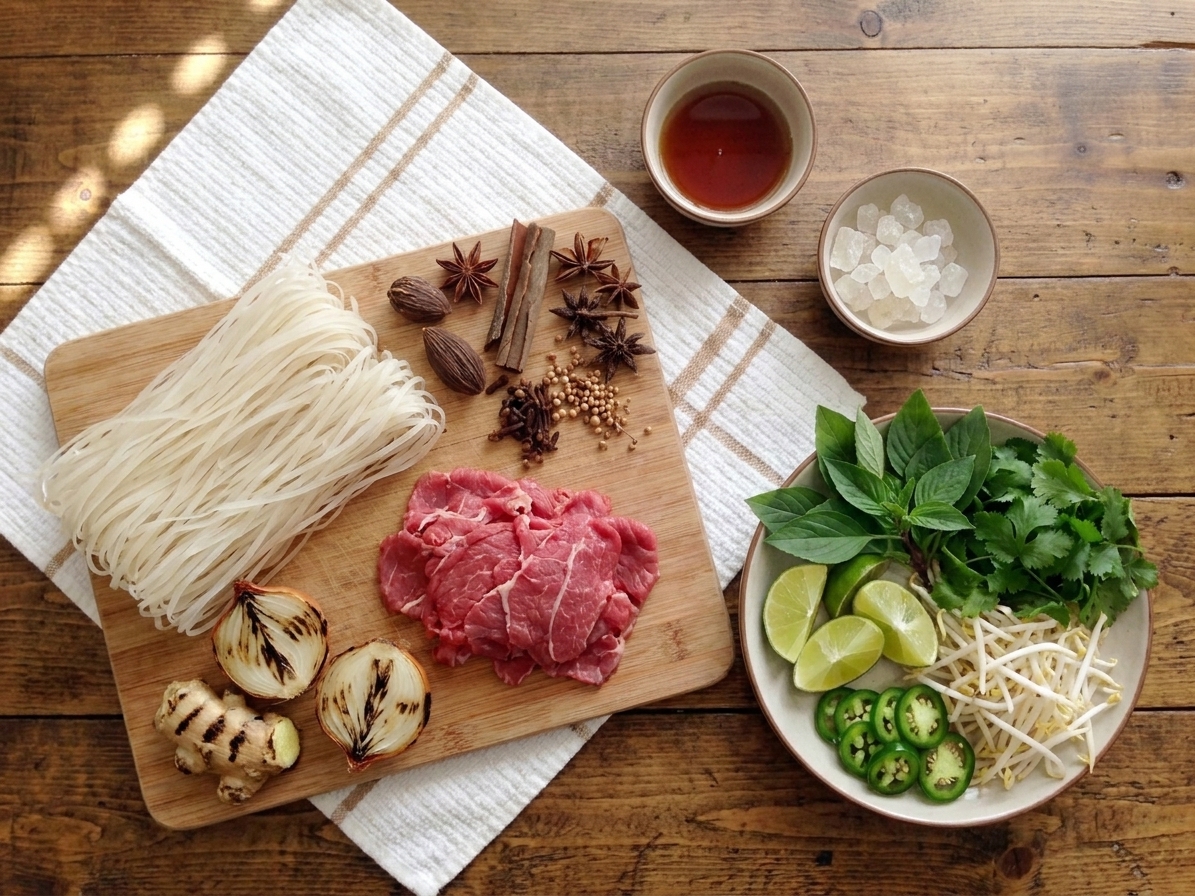
Ingredients for pho arranged for cooking including rice noodles, thinly sliced beef, onions, ginger, star anise, cinnamon, fish sauce, and fresh herbs

Why It Works

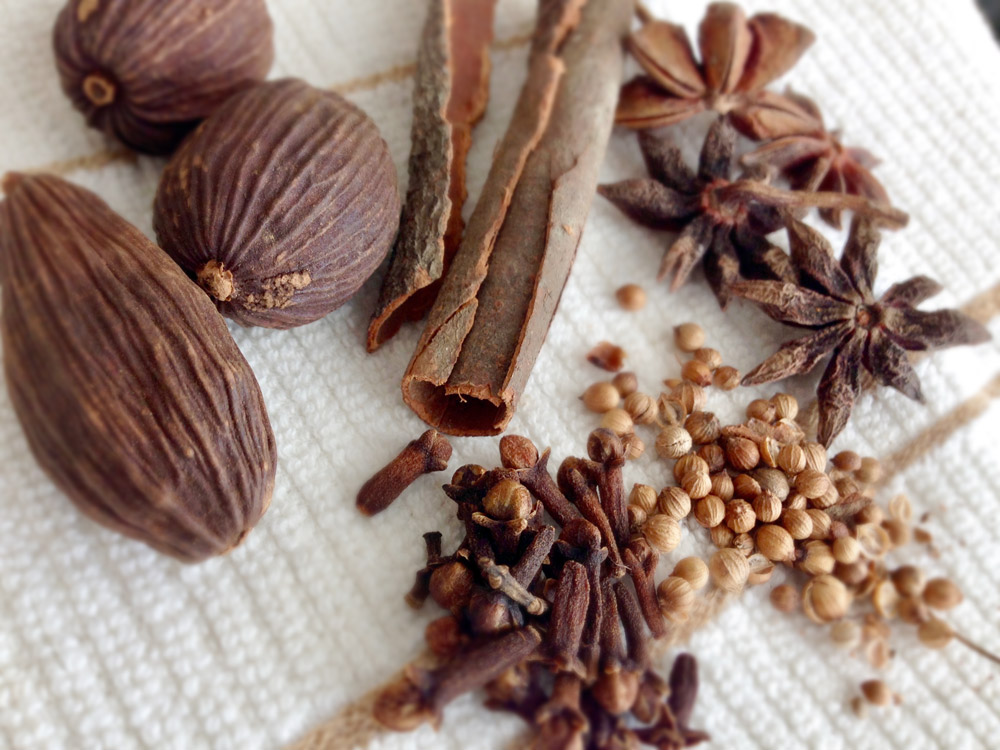
  • Toasted spice flavor without extra chaos: a quick dry-toast wakes up star anise, cinnamon, cloves, and coriander fast.
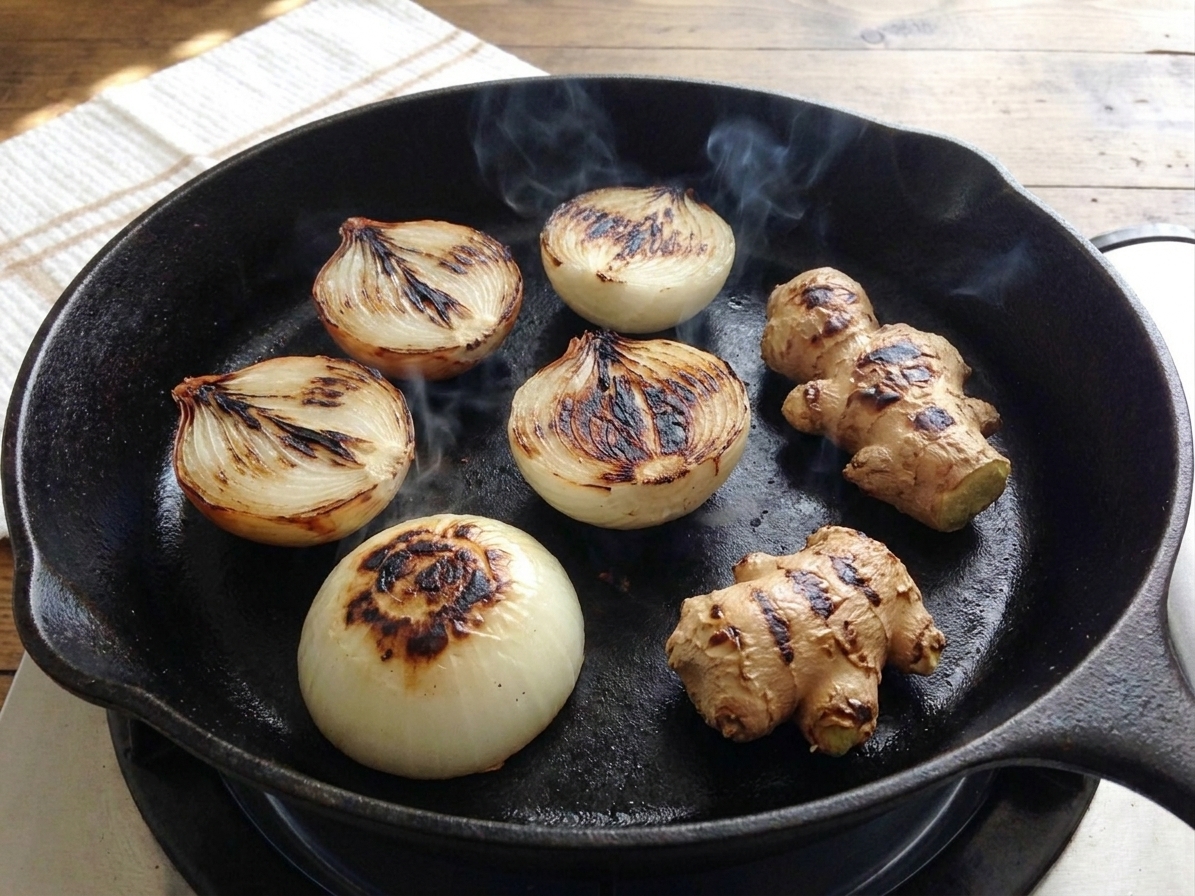
  • Broth that tastes built, not bought: charring onion and ginger adds smoky sweetness and depth in minutes.
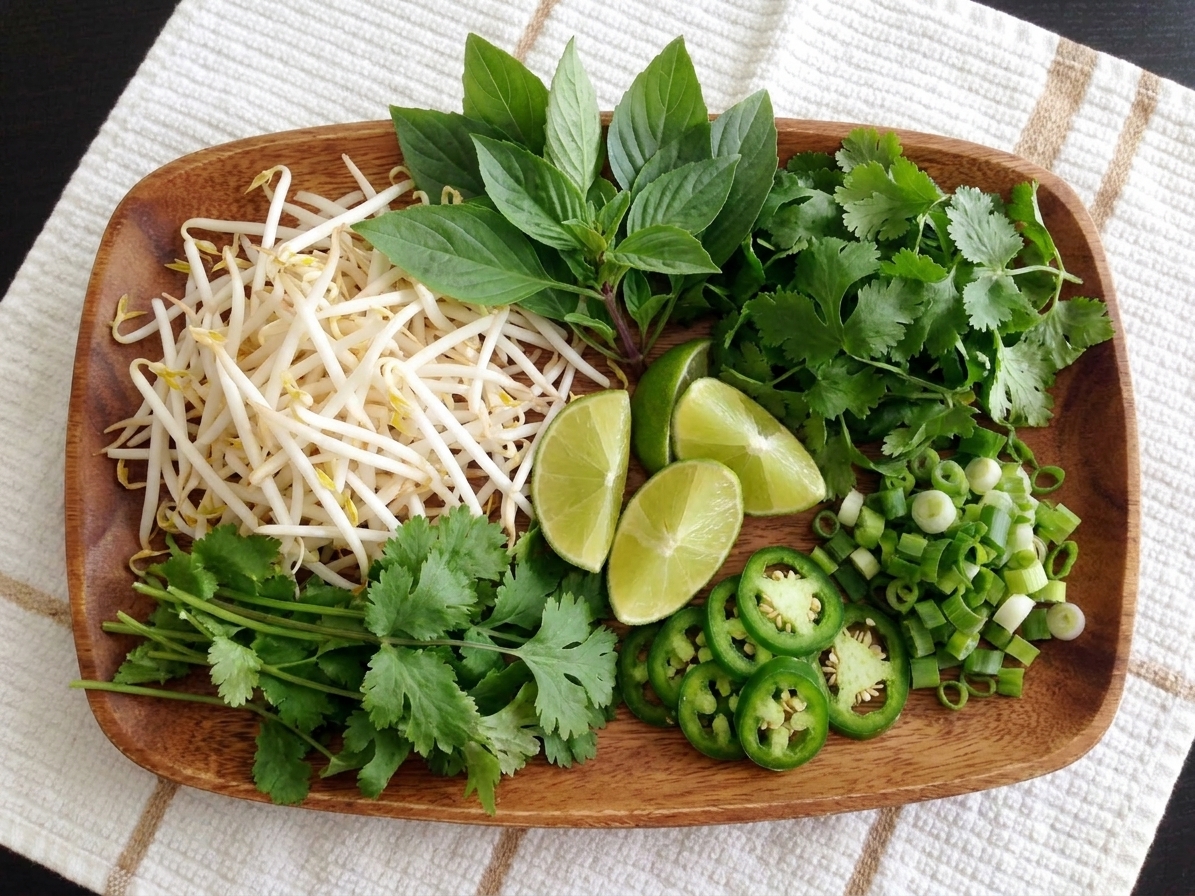
  • Great texture contrast: silky noodles, tender beef, and crisp herbs and sprouts all in one bowl.
  • Easy to customize: make it mild, spicy, extra herby, or heavy on lime. Pho is very forgiving if you taste as you go.

Pairs Well With

Storage Tips

Pho leftovers are all about keeping things separate so nothing turns sad and bloated.

  • Broth: Cool, then refrigerate in an airtight container for up to 4 days. Freeze up to 3 months. Skim fat after chilling if you want a cleaner bowl.
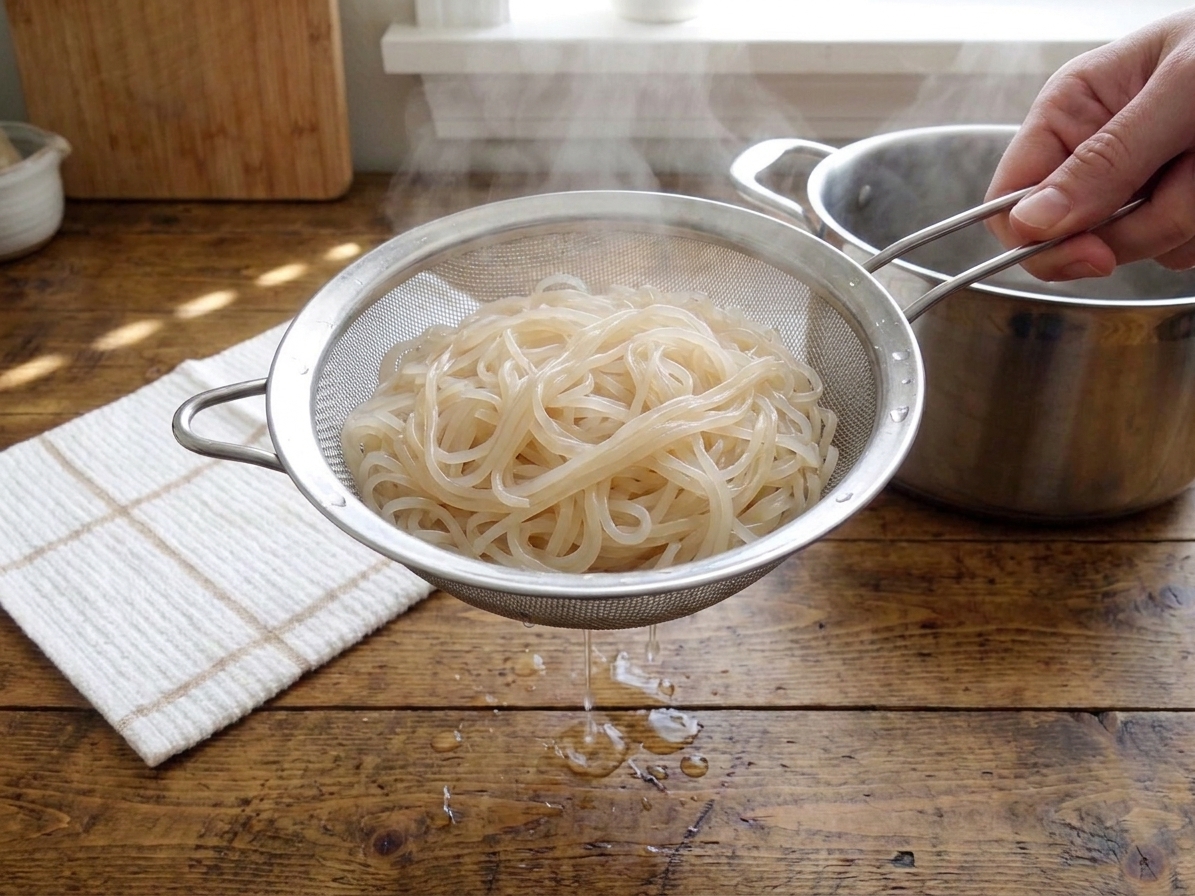
  • Noodles: Store separately, lightly tossed with a tiny splash of neutral oil to prevent sticking, up to 3 days. Reheat by dunking in hot water for 10 to 20 seconds.
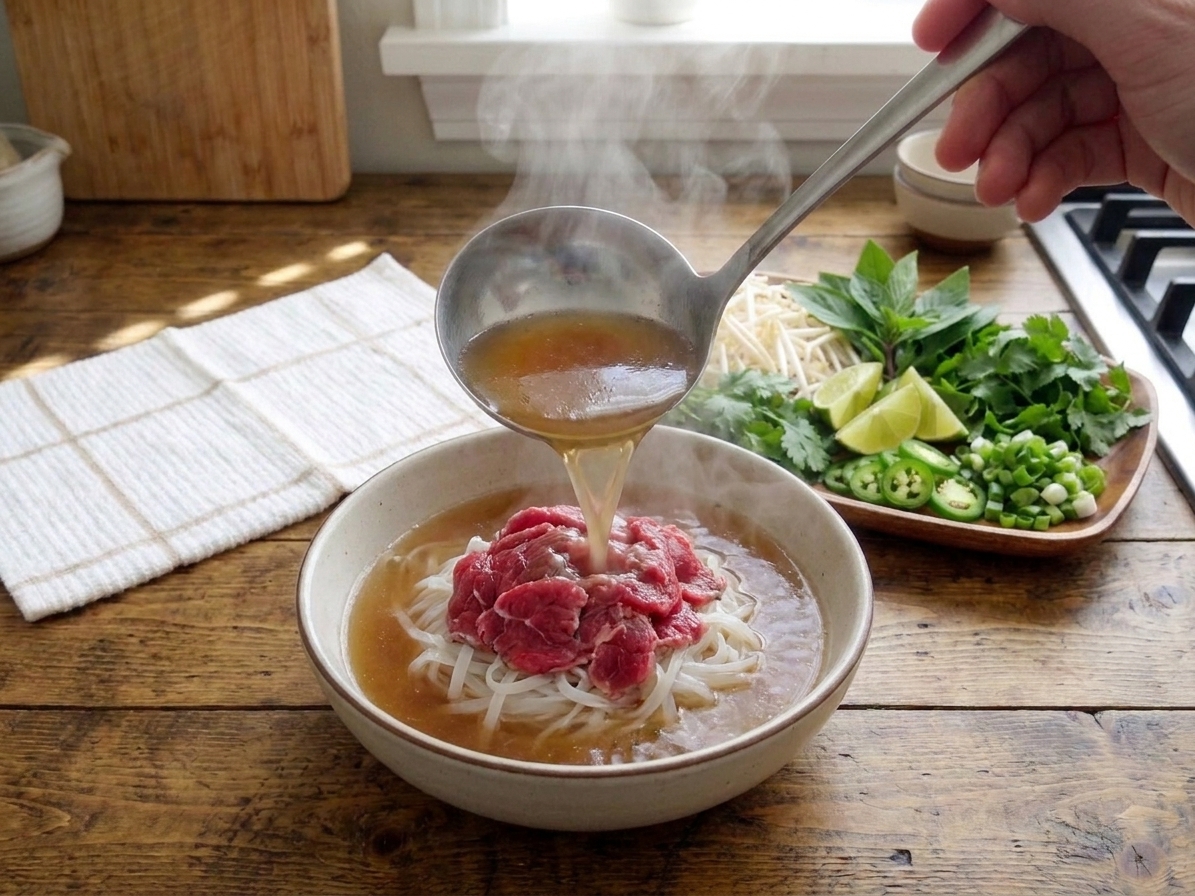
  • Beef: Keep sliced beef separate from broth. For best texture, reheat by pouring boiling-hot broth over it, not by simmering it in the pot.
  • Herbs and sprouts: Wrap herbs in a slightly damp paper towel and stash in a bag or container. Sprouts stay best in their original container with a paper towel to absorb moisture.

Best reheat move: Bring broth to a gentle boil, refresh noodles in hot water, then assemble bowls and pour broth over beef and toppings.

Common Questions

Is pho gluten-free?

It can be. Rice noodles are gluten-free, but double-check your fish sauce and store-bought broth for any additives. Hoisin sauce often contains wheat, so swap in a gluten-free hoisin or skip it.

What cut of beef should I use?

For that classic “cooks in the bowl” thing, use very thinly sliced sirloin or eye of round. Brisket can work too, but only if it is sliced paper-thin. If you want brisket that is guaranteed tender, use pre-cooked brisket (leftovers are perfect) and slice it thin.

If slicing thin is annoying, partially freeze the beef for 20 to 30 minutes first, then slice across the grain.

Can I use chicken instead?

Yes. Swap beef broth for chicken broth, use shredded rotisserie chicken or thin-sliced raw chicken breast, and keep the spice blend the same. It turns into a cozy chicken pho vibe fast.

How do I make the broth taste stronger?

Add an extra splash of fish sauce, a pinch of sugar, and more time. Even 10 to 15 extra minutes of gentle simmer helps. Also make sure you actually char the onion and ginger until they have dark spots. That step matters.

Why is my pho broth cloudy?

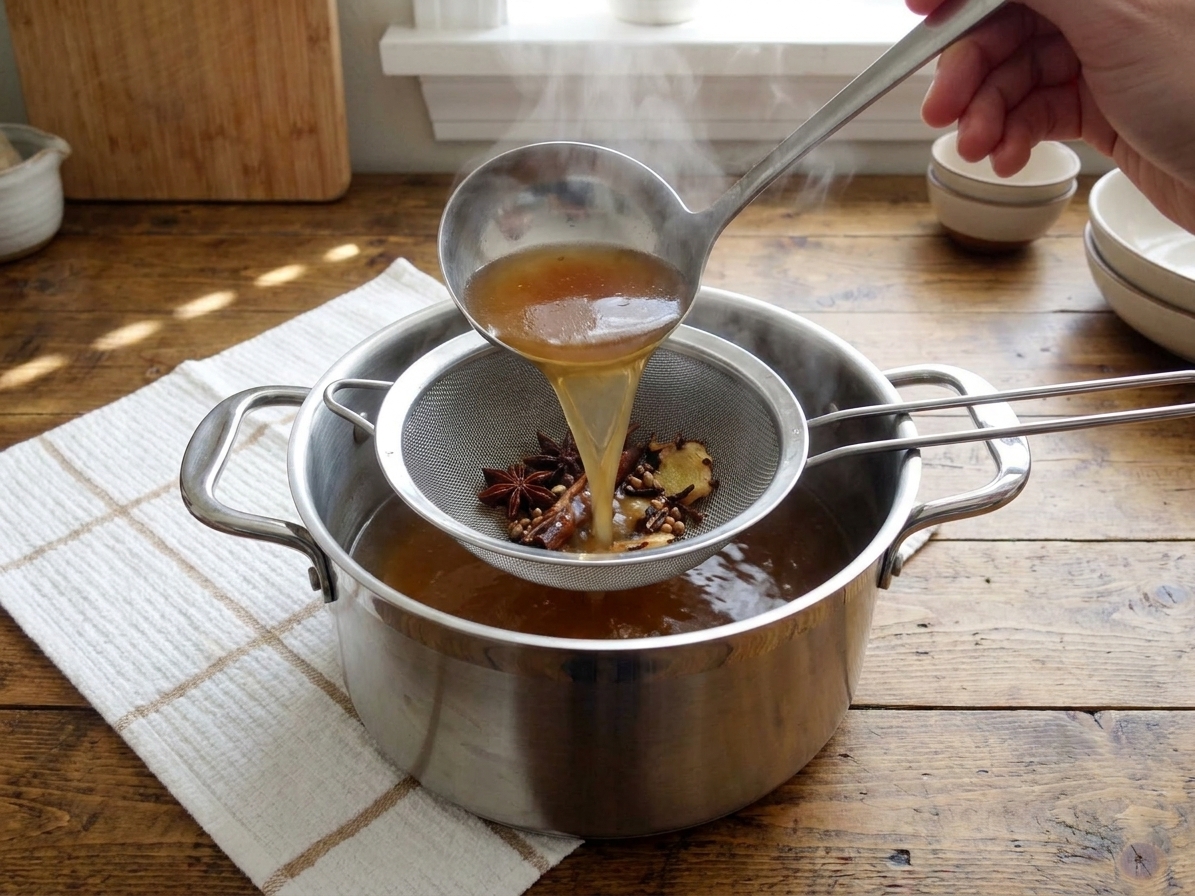
Usually it is from a hard boil or a too-vigorous simmer. Try to keep it at a gentle simmer and avoid over-stirring, then strain through a fine mesh sieve. Still delicious either way.

Any optional add-ins for a more classic vibe?

If you have them, add 1 black cardamom pod and or a small chunk of daikon to the simmer. Not required, but it adds that extra “pho shop” depth.

I used to think pho was an “only when someone else makes it” situation. Like, respect the craft, let the pros do it. Then I started chasing that broth perfume at home and realized most of the feeling comes from a few honest steps: toast the spices, char the aromatics, season like you mean it (meaning: until it tastes savory-sweet and fragrant), and pile on fresh herbs until it looks a little ridiculous.

This is the pho I make when I want comfort but I also want control. Extra lime, extra scallion, and enough heat to clear the day out of my head.