Mom's Best Recipes
Recipe

Cozy Beef Ragu

A rich, slow-simmered beef ragu with tomato and red wine that clings to pasta and tastes even better the next day.

Author By Matt Campbell
4.8
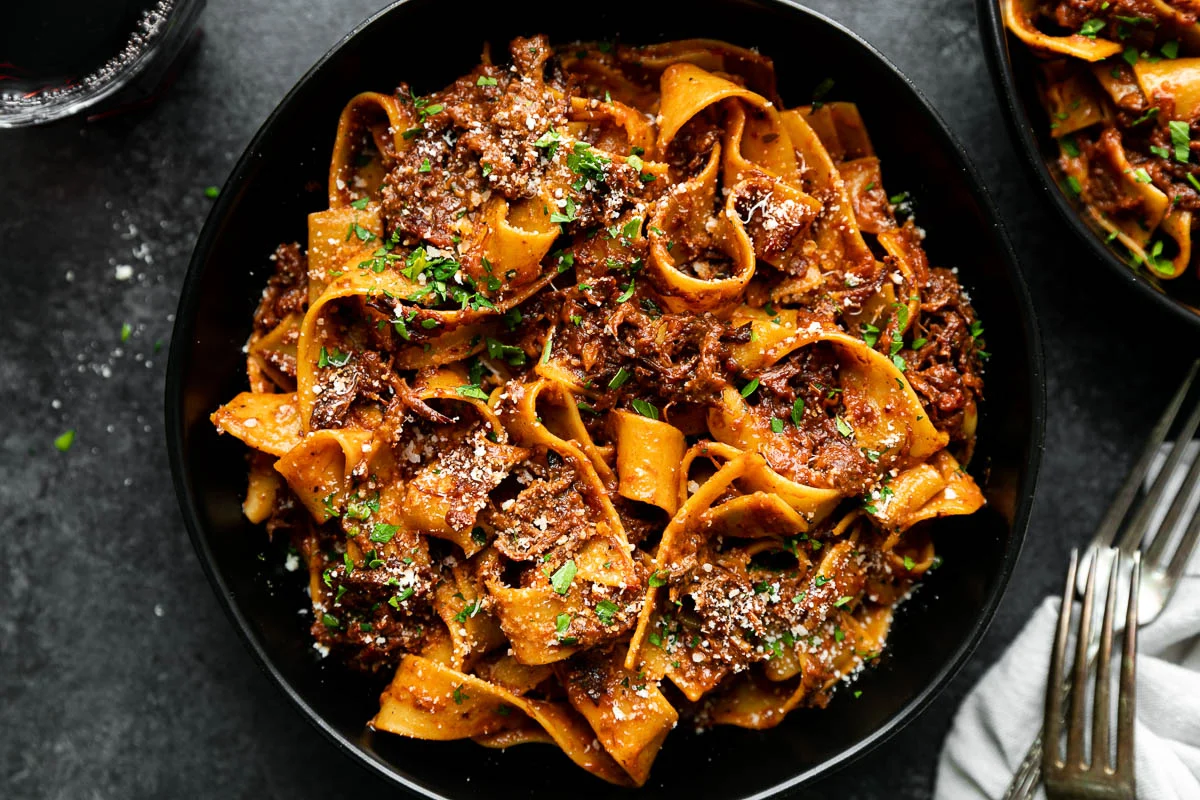
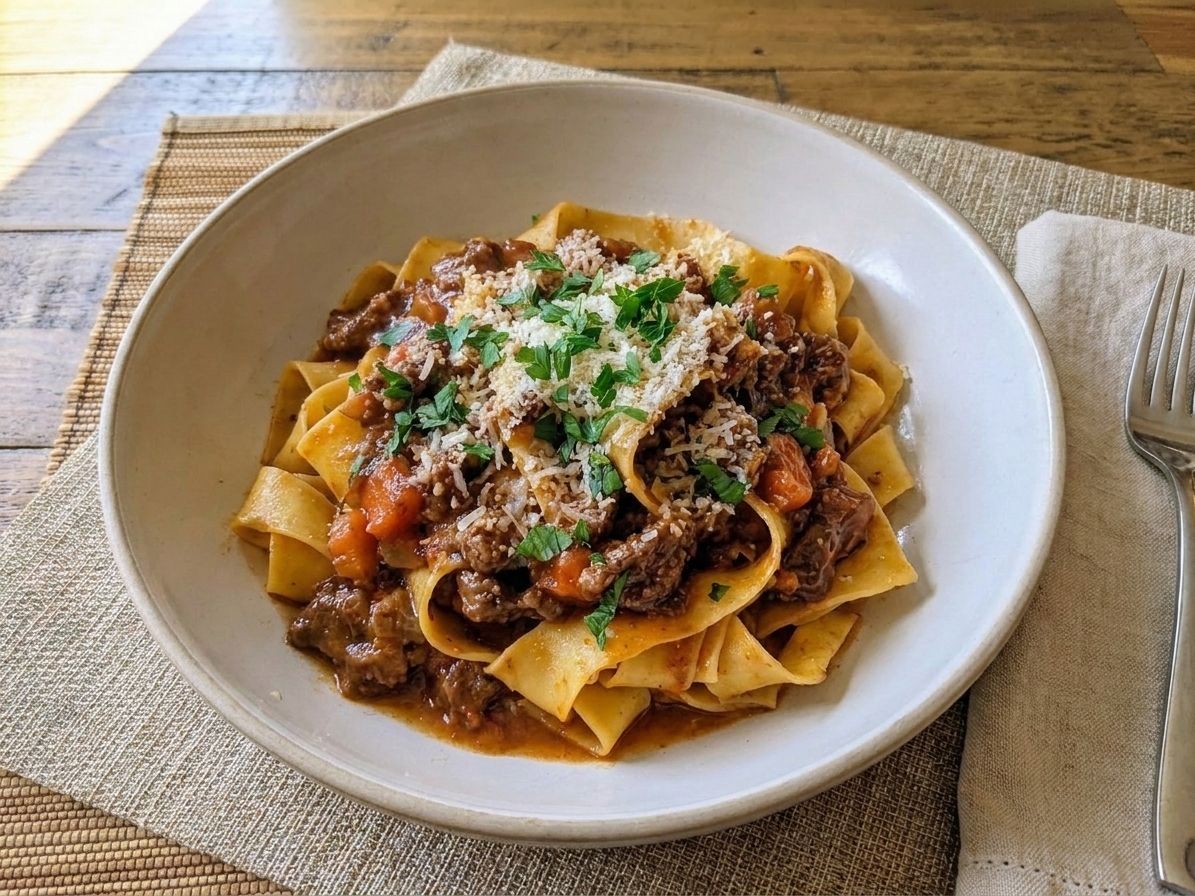
A wide shallow bowl of pappardelle coated in glossy beef ragu, topped with grated Parmesan and chopped parsley on a rustic wooden table

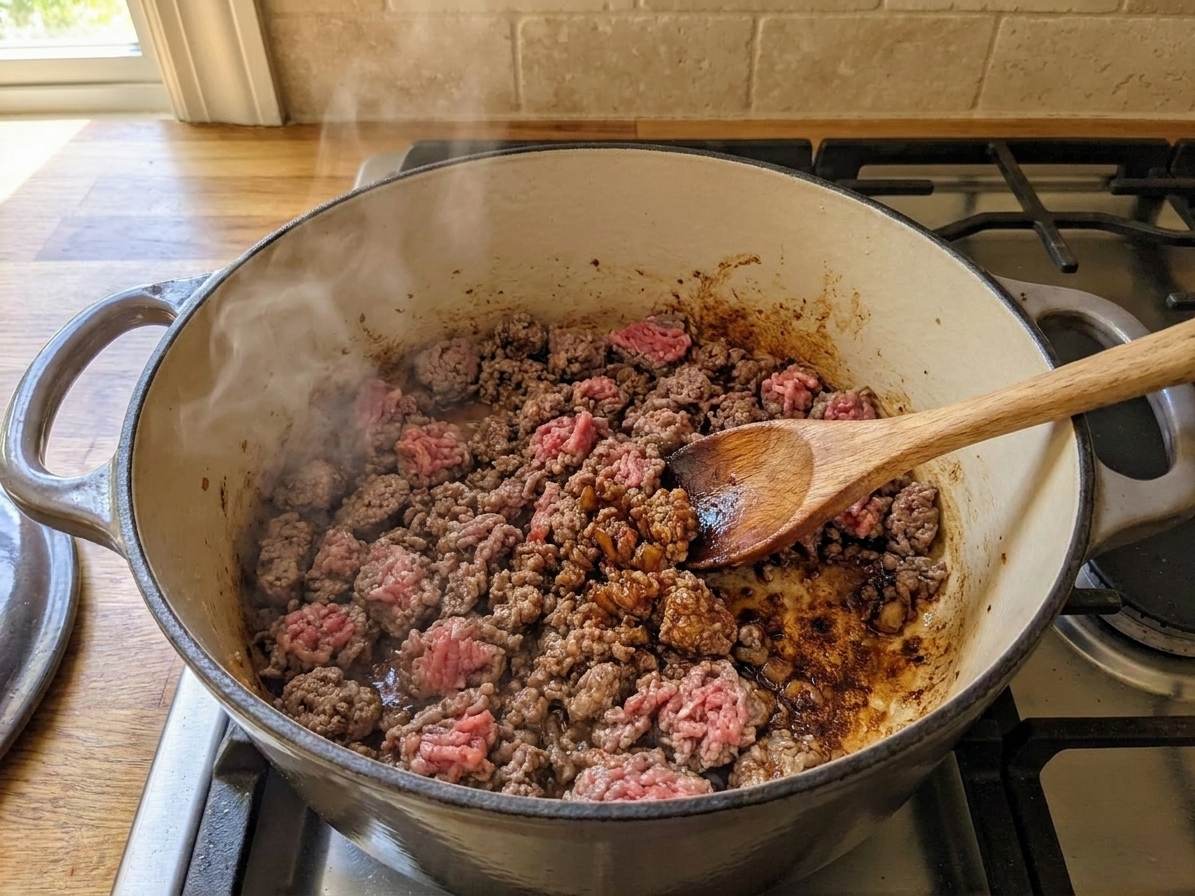
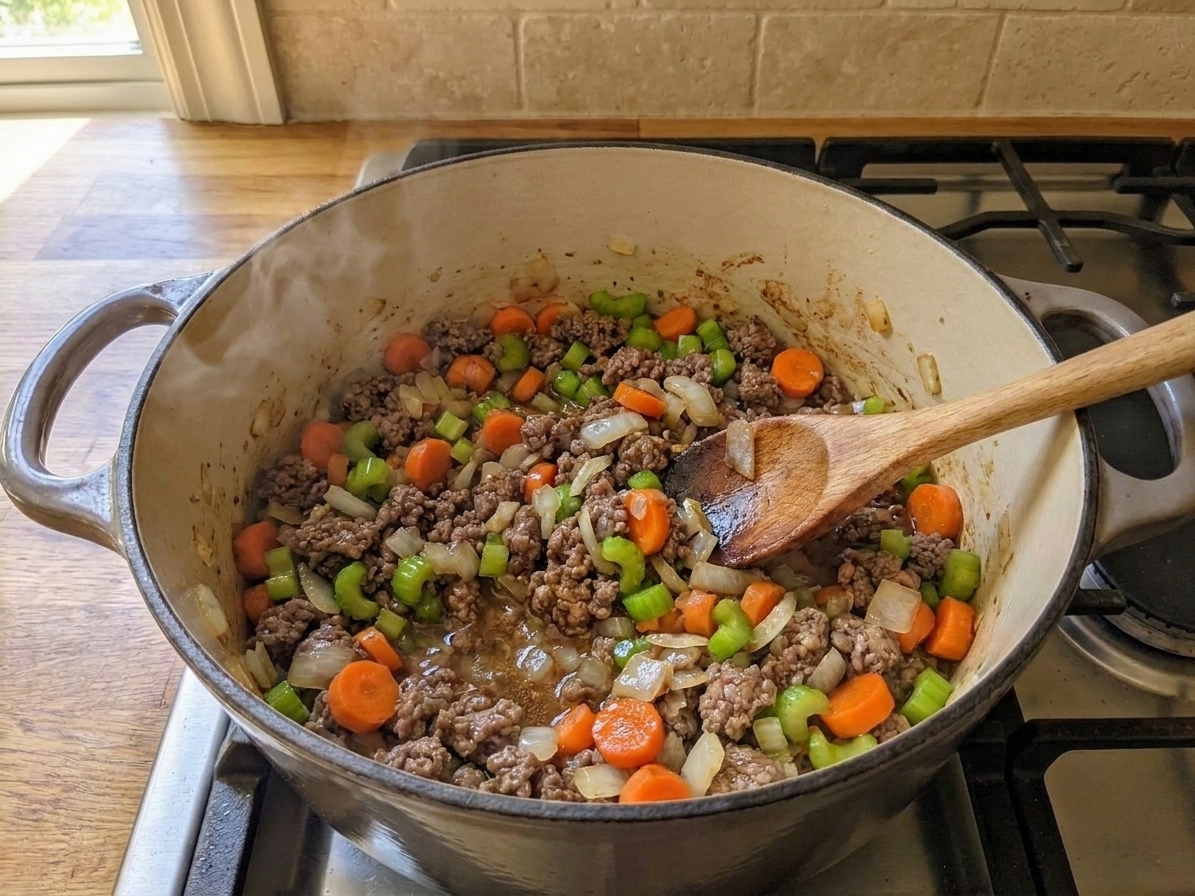
Beef ragu is the kind of sauce that makes your kitchen smell like you have your life together, even if you are cooking in sweatpants and winging it a little. It is slow, cozy, and built on a few simple moves that stack flavor fast: brown the beef, soften the aromatics, then let the whole thing simmer low and patient until it turns into that spoon-coating, pasta-hugging magic.

This version keeps ingredients accessible and the vibe low drama. You get a deep, savory sauce with bright tomato, a little red wine swagger, and enough richness to make even plain noodles feel like a win.

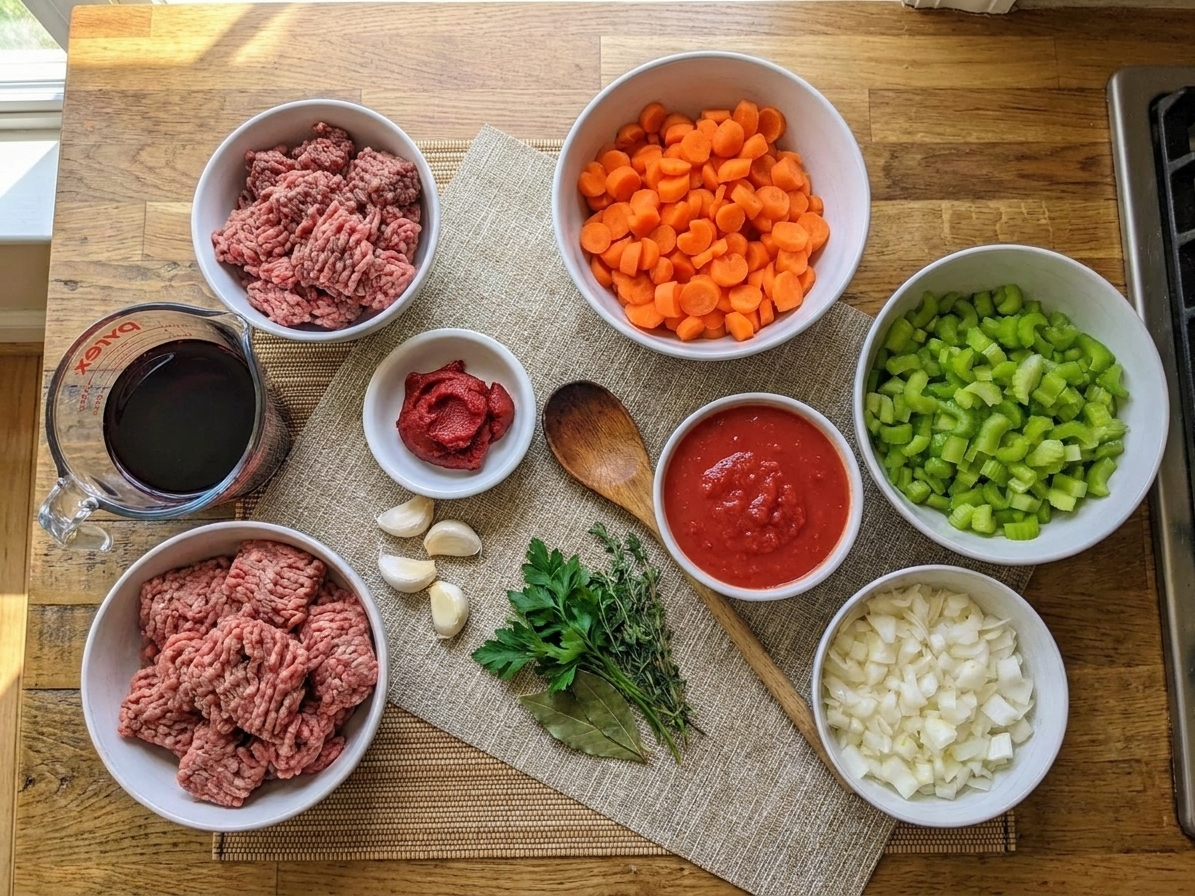
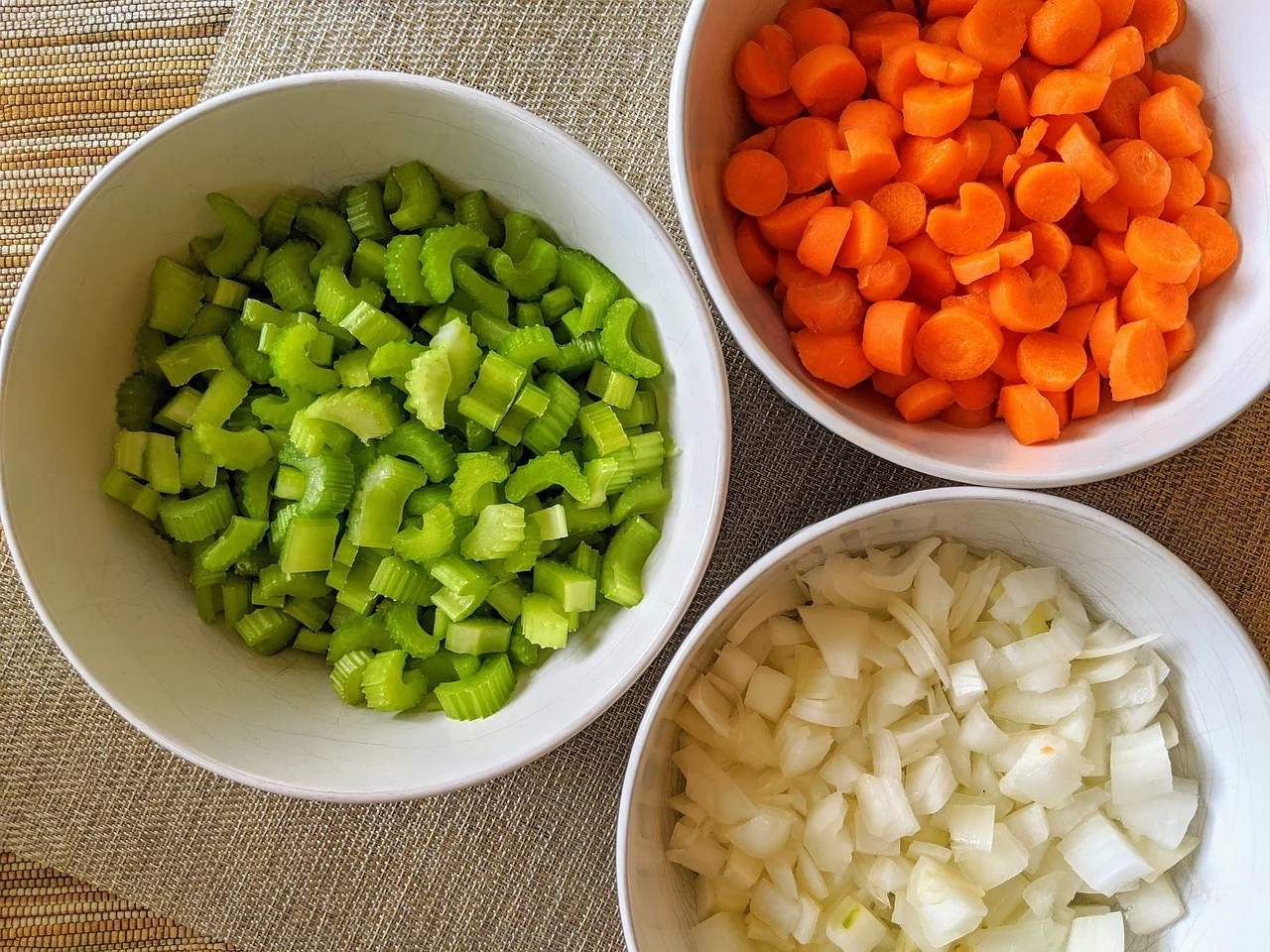
All ingredients for beef ragu arranged on a kitchen counter including ground beef, onion, carrots, celery, garlic, tomato paste, crushed tomatoes, red wine, and herbs

Why It Works

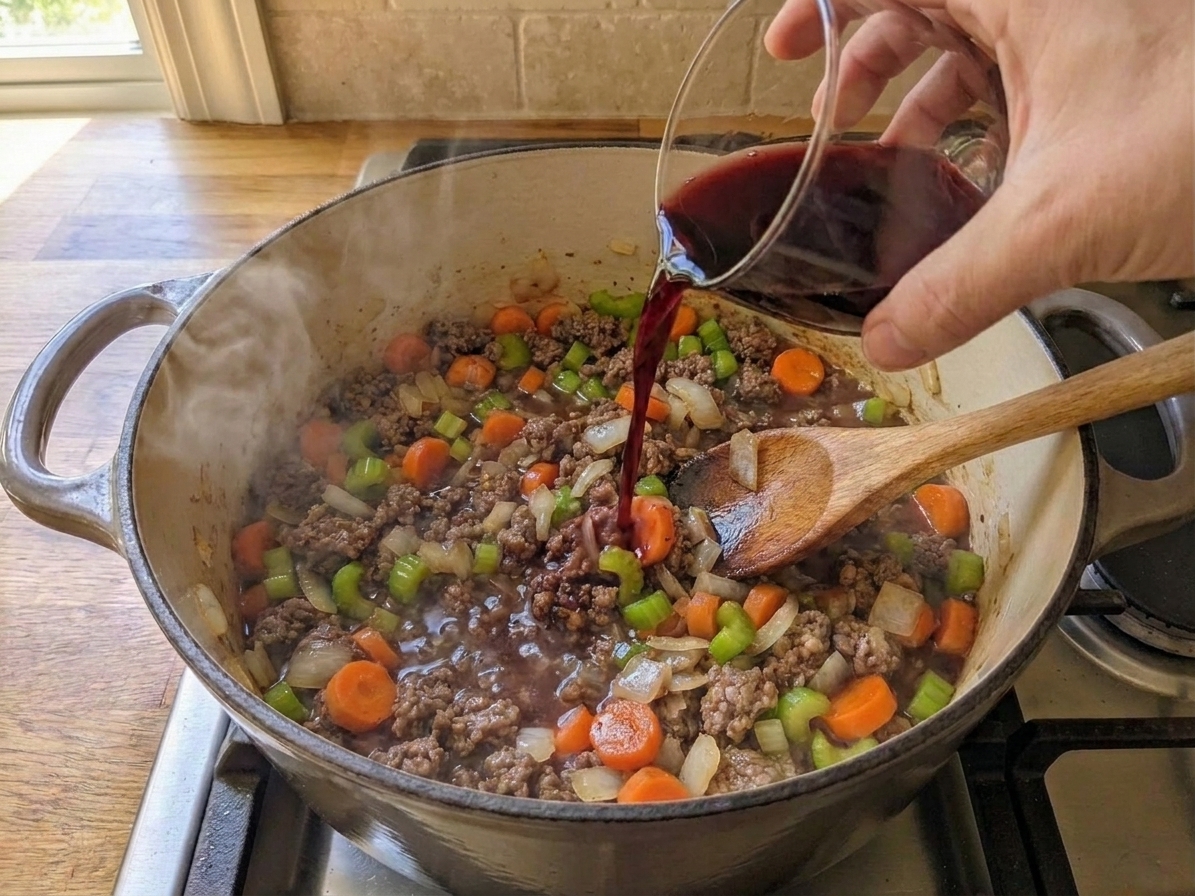
  • Big flavor without fussy steps: Tomato paste gets toasted, wine gets reduced, and the sauce finishes silky.
  • Great texture: A mix of ground beef and a long simmer gives you both meaty bits and a sauce that feels cohesive, not watery.
  • Flexible for your life: Serve it over pasta, polenta, or mashed potatoes, and it freezes like a dream.
  • Fixable if it goes sideways: Too thin, simmer uncovered. Too sharp, add a pinch of sugar or a splash of cream. Too flat, add salt and a little Parmesan rind time.

Pairs Well With

Storage Tips

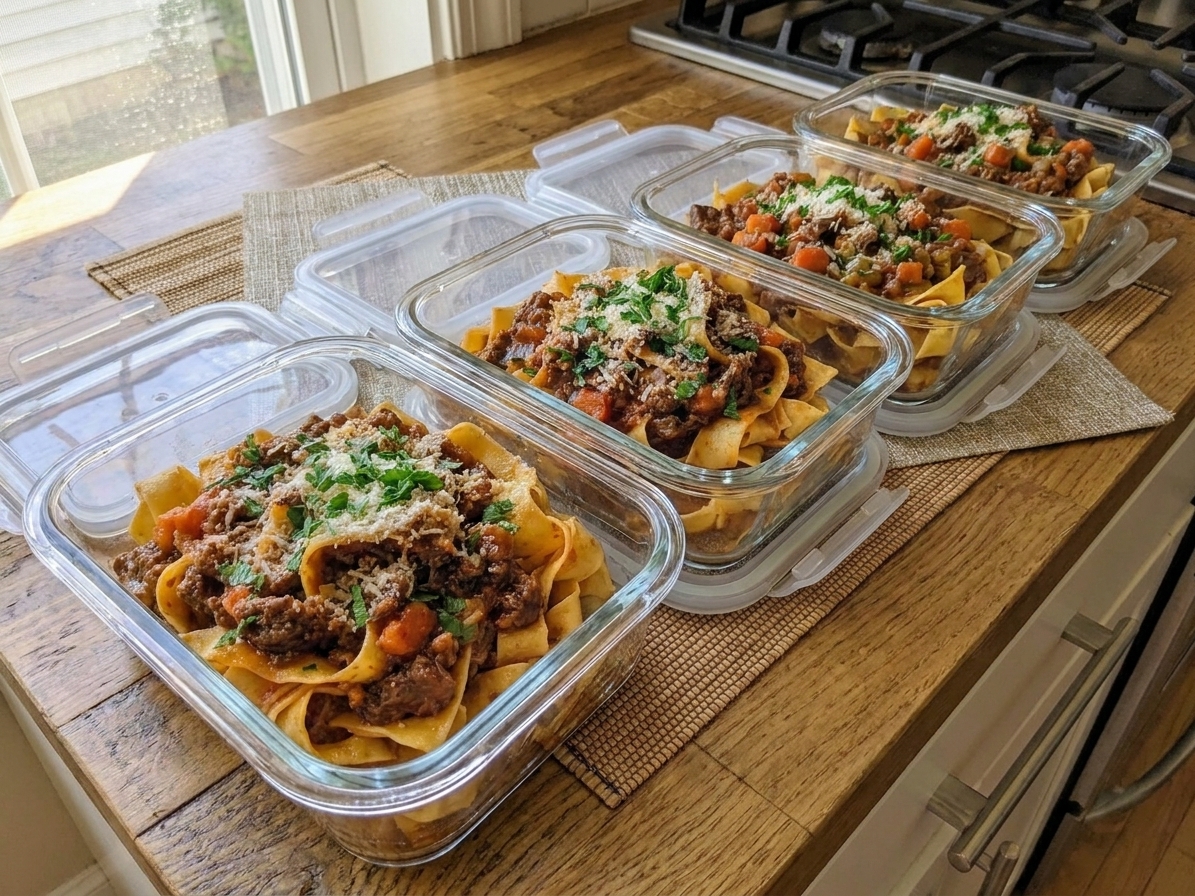
Refrigerate: Cool ragu completely, then store in airtight containers for up to 4 days. It will thicken as it sits. That is a feature, not a bug.

Freeze: Portion into freezer containers or zip-top bags (laid flat) and freeze up to 3 months. Thaw overnight in the fridge for the easiest reheat.

Reheat: Warm gently in a saucepan over medium-low with a splash of water, broth, or pasta water to loosen. Stir often so the bottom does not scorch.

Portioned beef ragu in clear glass meal prep containers with lids on a kitchen counter

Common Questions

What is the difference between ragu and bolognese?

They are cousins. Ragu is a broad category of Italian meat sauces that simmer for a while. Bolognese is a specific ragu from Bologna, usually with a lighter touch of tomato and traditionally includes milk (sometimes a little cream in modern versions) for softness. This recipe is a tomato-forward beef ragu that still gets a silky finish.

Do I have to use wine?

Nope. If you prefer to skip it, try swapping the wine for beef broth (same amount). If you miss that little spark wine adds, finish with 1 tablespoon balsamic vinegar (it adds sweetness too) or a squeeze of lemon to bring back some brightness.

Why did my ragu taste acidic?

Tomatoes vary a lot by brand and season. First, make sure you simmered long enough. Time tames acidity. If it still feels sharp, add 1 to 2 teaspoons sugar or stir in 2 tablespoons heavy cream. Also, check your salt. Under-salted sauce can read as sour.

How do I thicken beef ragu?

Simmer uncovered for 10 to 20 minutes, stirring occasionally. If you want a faster fix, stir in a spoonful of tomato paste or finish the sauce with a knob of butter and a handful of grated Parmesan.

Can I make this in a slow cooker?

Yes. Brown the beef and cook the vegetables and tomato paste on the stove first (do not skip this). Then transfer to a slow cooker and cook on low for 6 to 8 hours. If it is too loose, you can reduce it in the slow cooker with the lid off on high for 20 to 40 minutes, or pour it back into your Dutch oven and simmer on the stove until thickened.

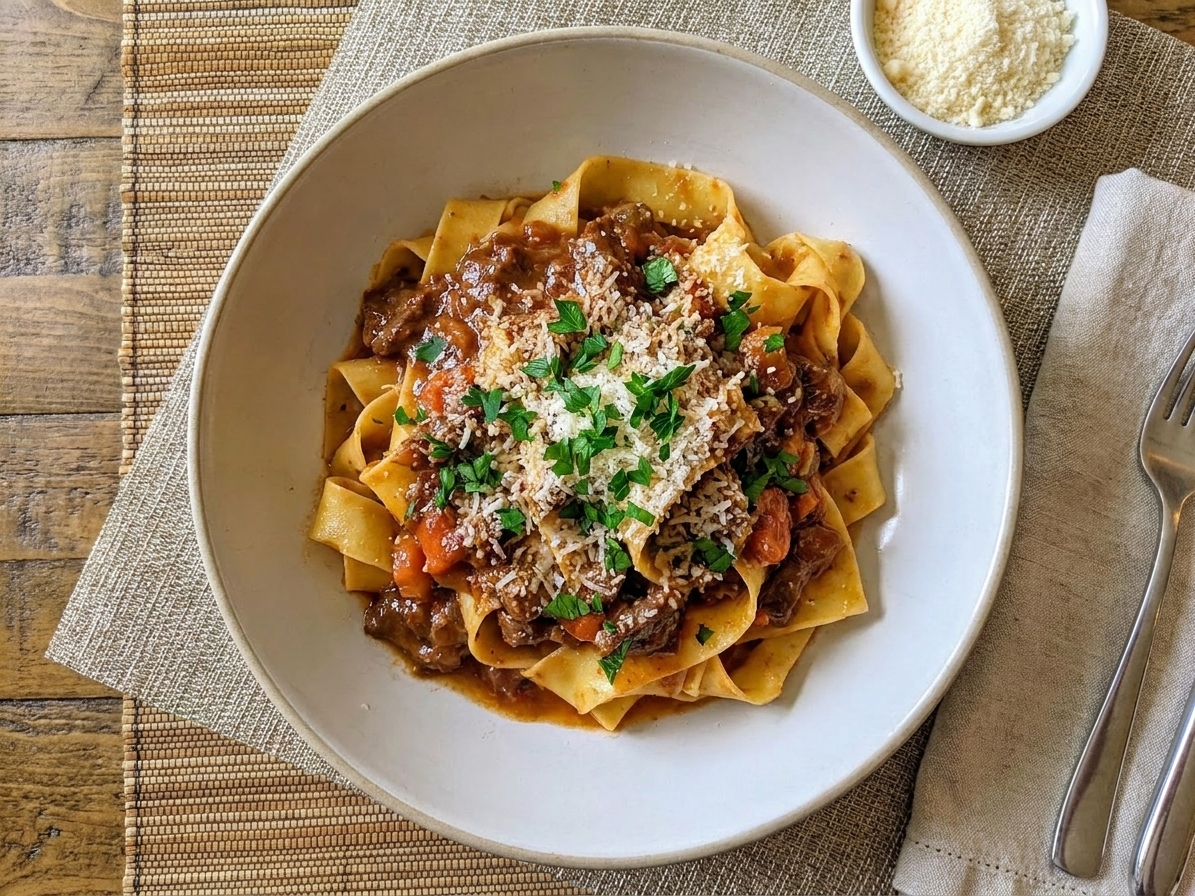
I started making beef ragu when I realized I wanted “restaurant comfort” at home without doing restaurant labor at home. This is my favorite kind of cooking: one pot, a little browning, a little patience, and suddenly you have a sauce that makes Tuesday night feel like you planned ahead. My favorite part is the moment it goes from soupy to spoonable. That is when you know dinner is about to be unfairly good.