Mom's Best Recipes
Recipe

Cream Cheese Icing

Thick, tangy-sweet icing that spreads smoothly, pipes nicely, and actually tastes like cream cheese.

Author By Matt Campbell
4.9
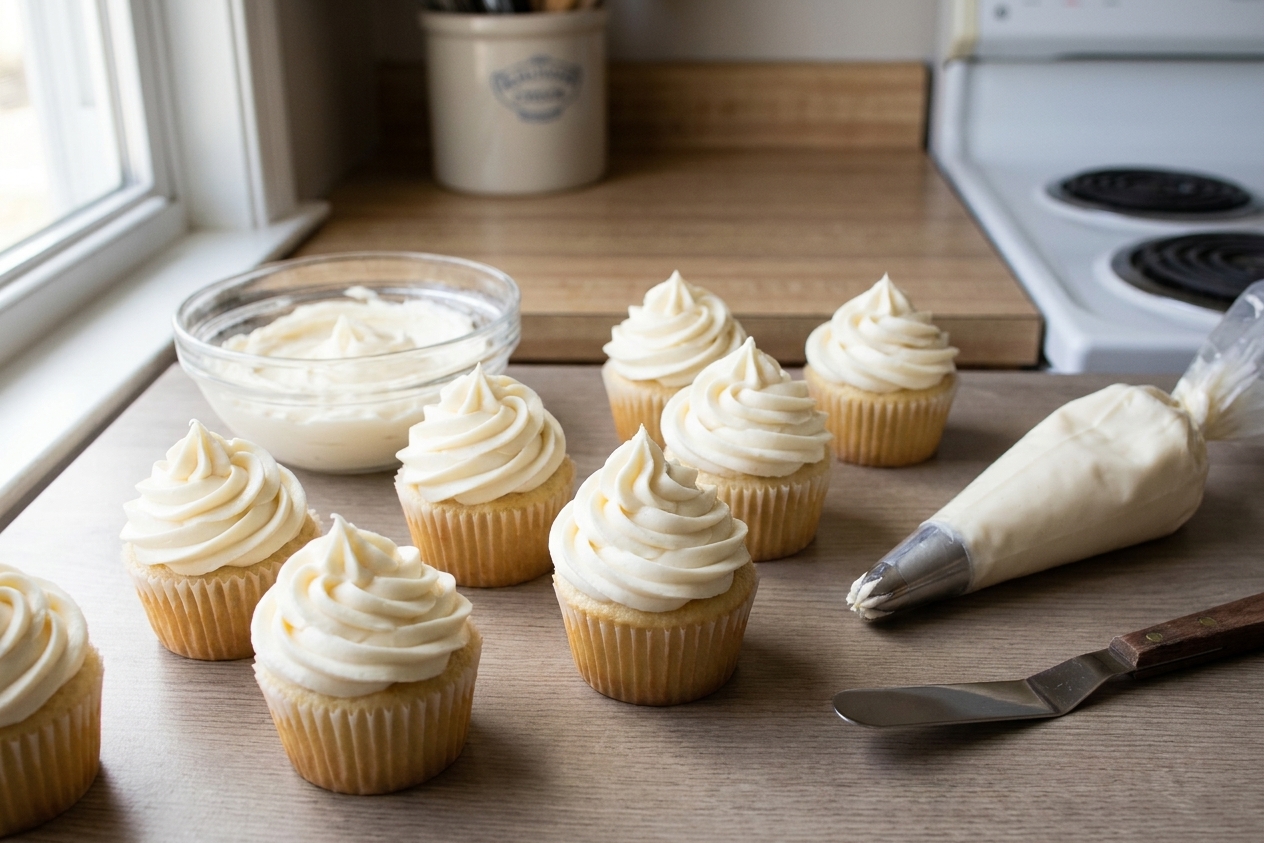
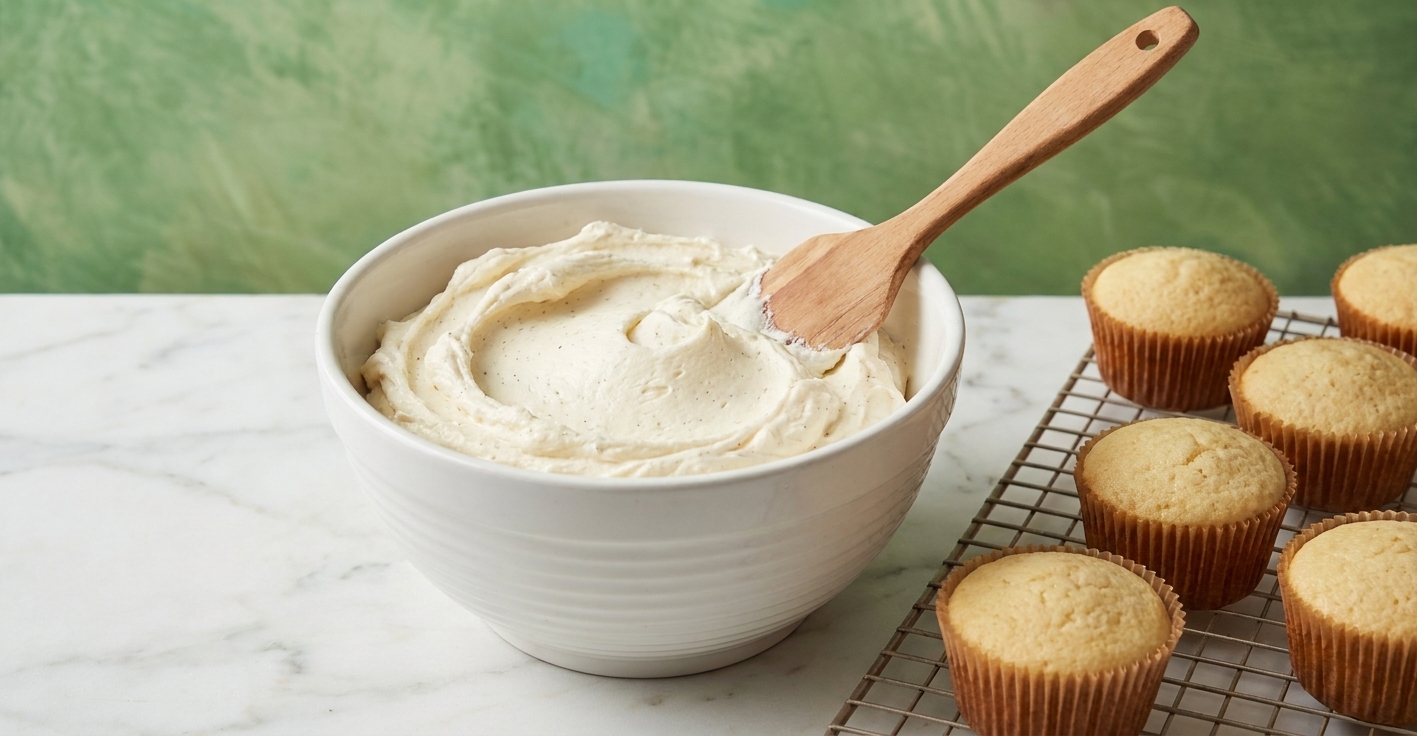
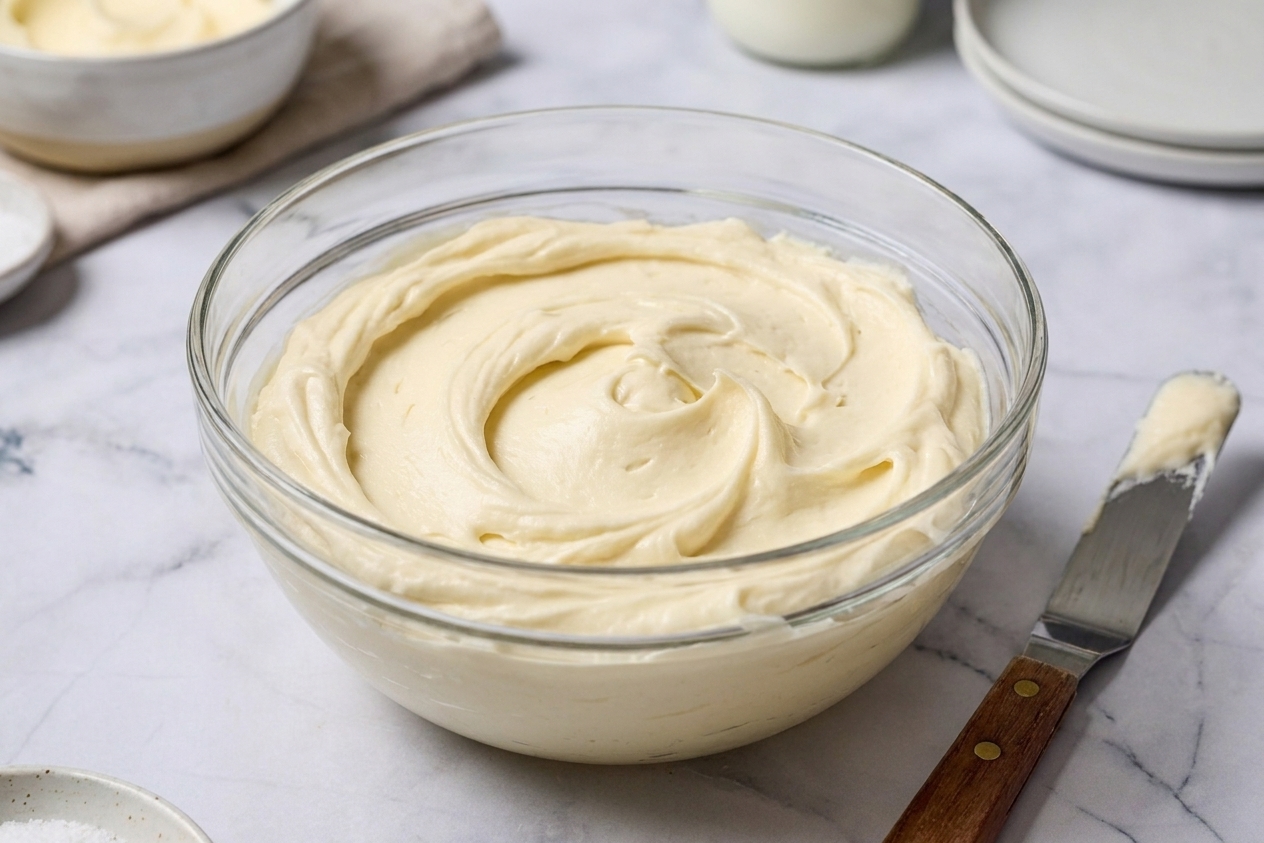
A glass bowl of thick cream cheese icing with soft swirls, sitting on a light kitchen counter with a spatula nearby

Cream cheese icing is that rare kitchen flex that feels fancy but behaves like a weeknight regular. It is tangy, plush, and just sweet enough to make carrot cake taste like a celebration. The goal here is an icing that spreads without tearing cake, pipes without slumping, and does not taste like pure powdered sugar.

I keep this version simple and dependable, with a couple of small choices that make a big difference: softened (not warm) cream cheese, room-temp butter for structure, and a quick chill if your kitchen is doing that summer thing where everything goes soft.

Note on wording: I say “icing” here, but you will also hear people call it “frosting.” Same delicious idea, different vibes.

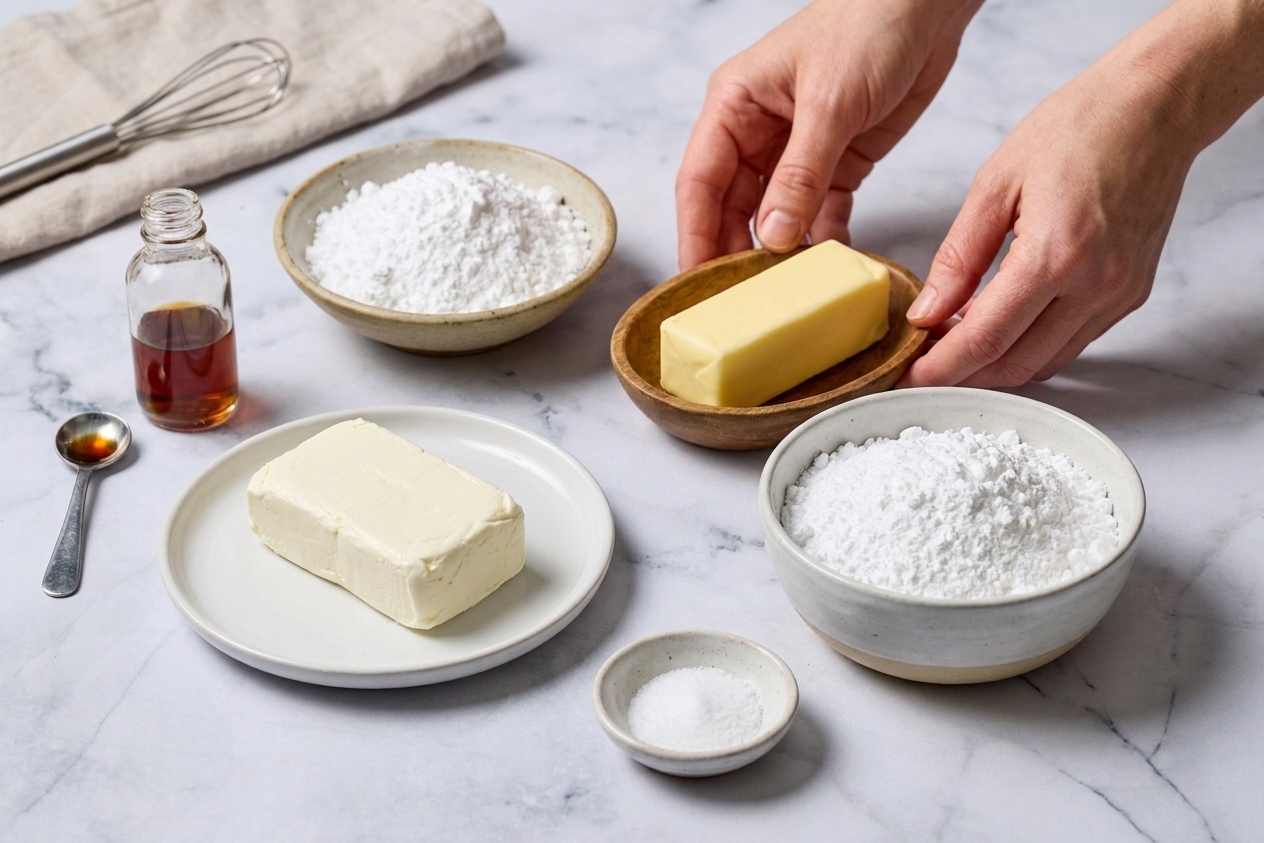
Cream cheese, butter, powdered sugar, vanilla, and salt measured out on a tidy kitchen counter, ready to make icing

Why It Works

  • Balanced flavor: Cream cheese brings tang, butter adds roundness, and salt makes the sweetness taste intentional.
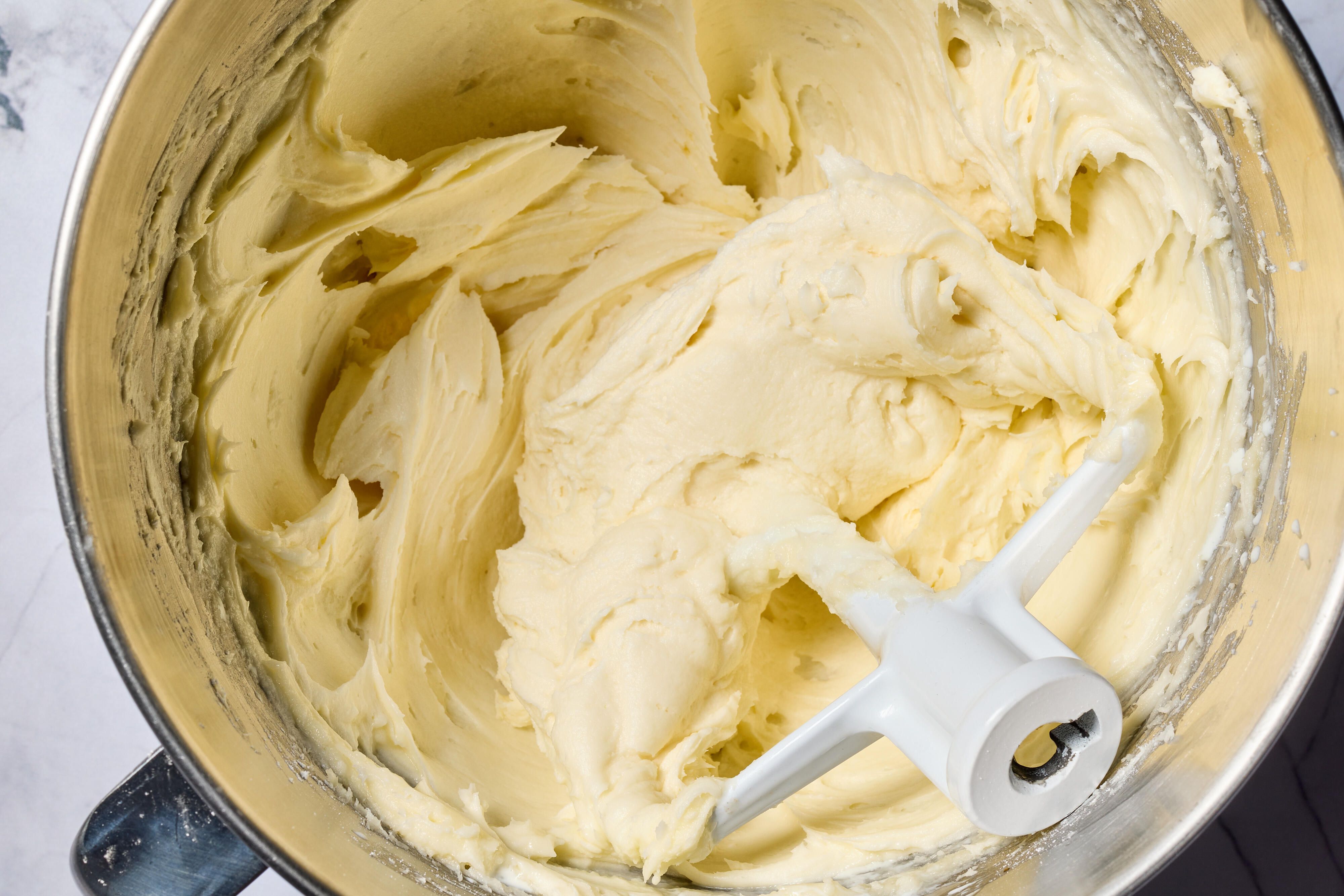
  • Thick but smooth texture: Beating the butter first helps prevent lumps, then cream cheese goes in just until creamy.
  • Less slump: Full-fat block cream cheese, enough powdered sugar, and keeping everything cool helps it hold its shape.
  • Flexible finish: Make it spreadable for cinnamon rolls, or stiffen it slightly for piping with a touch more powdered sugar and a quick chill.

Pairs Well With

Storage Tips

Storage Tips

Refrigerator: Store icing in an airtight container for up to 5 days (quality guideline). Press plastic wrap directly onto the surface if you want to prevent any crusting or fridge odors. When in doubt, follow your local food-safety recommendations.

Before using again: Let it sit at room temp for 15 to 30 minutes, then re-mix briefly just until silky.

Freezer: Freeze in a sealed container for up to 2 months (best quality). Thaw overnight in the fridge, then bring to cool room temp and re-mix.

On frosted desserts: Because this is dairy-based, refrigerate frosted cakes and cupcakes if they will sit out longer than about 2 hours. For serving, I like taking them out 20 to 30 minutes early so the icing tastes extra creamy.

Common Questions

Common Questions

Why is my cream cheese icing runny?

Usually it is one of three things: (1) you used tub-style spreadable cream cheese, (2) the cream cheese or butter was too warm, or (3) it was mixed too long or too vigorously, which warms and loosens the icing. Fix it by chilling the bowl for 15 to 20 minutes, then beating briefly just until smooth. If it is still loose, add powdered sugar 2 tablespoons at a time.

Do I have to sift the powdered sugar?

Not always, but it helps a lot if your sugar is lumpy. If you want the smoothest, pipe-ready icing, sift it. If you are spreading it on cinnamon rolls, you can often skip it and just beat a bit longer.

Can I pipe this frosting on cupcakes?

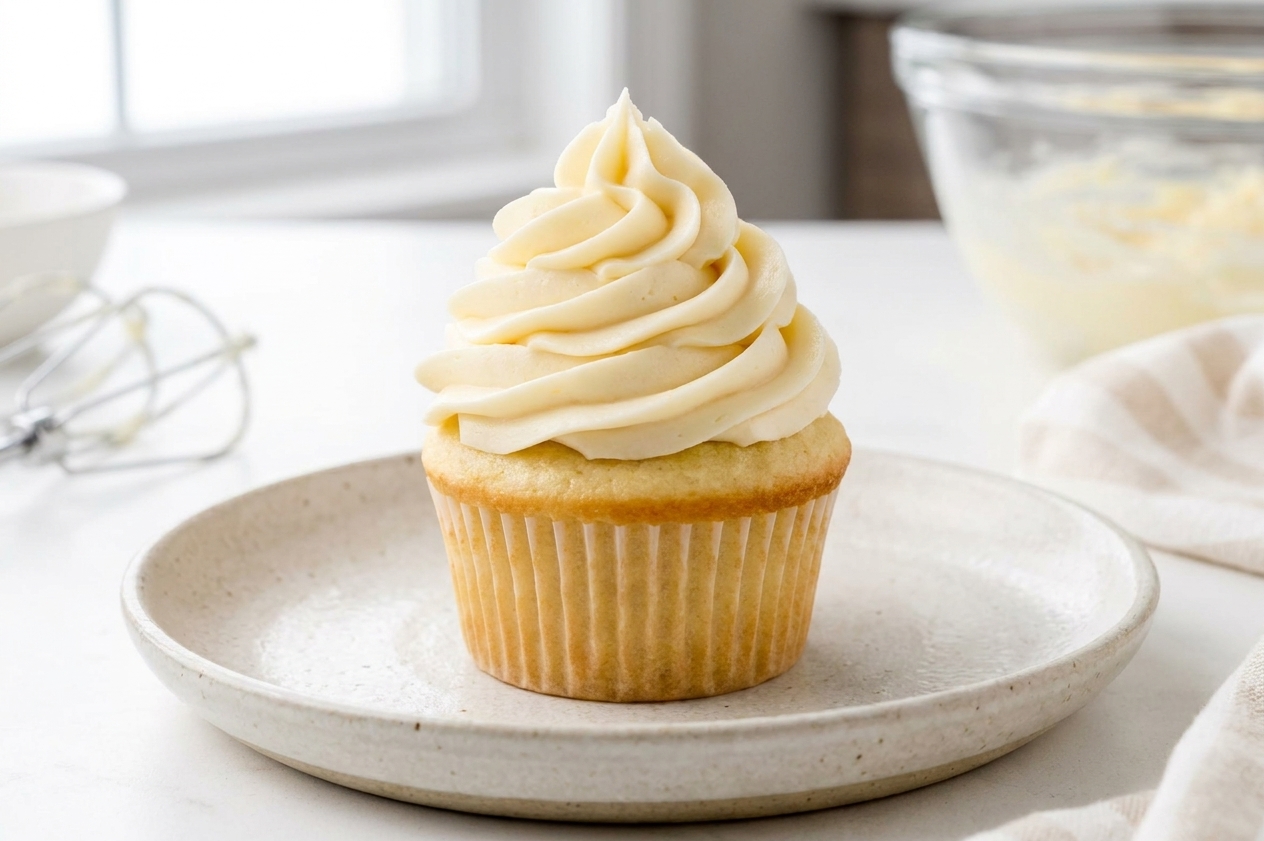
Yes. For piping, use the full amount of powdered sugar listed, and chill the icing 10 to 15 minutes if your kitchen is warm. If you need it even stiffer, add 1 to 2 tablespoons more powdered sugar.

How do I make it less sweet?

Cream cheese icing needs powdered sugar for structure, but you can reduce the “sugar loudness” by adding a pinch more salt, using lemon juice or zest, or adding 1 to 2 teaspoons plain Greek yogurt for extra tang. Quick caveat: yogurt adds moisture, so I only recommend it if you plan to spread the icing (not pipe). If you cut the sugar a lot, the icing will get softer and may not hold its shape.

Can I color cream cheese icing?

Absolutely. Gel food coloring works best because it adds strong color without thinning the icing. Add a tiny amount at a time and mix gently.

Is cream cheese icing safe at room temperature?

It is best kept cool. As a general rule, a short room-temp window is fine for serving, but if it will sit out longer than about 2 hours, keep it refrigerated and bring out in batches (always follow your local food-safety guidance).

I learned pretty quickly that cream cheese icing has a personality. Treat it gently and it is dreamy. Get impatient and it turns into a soft puddle that still tastes great but will not hold a swirl to save its life. Now I do it the calm way: butter first, cream cheese second, sugar last, and I stop mixing the second it looks smooth. It is the kitchen equivalent of knowing when to quit while you are ahead.