Do I need to soak great northern beans?
No, but it helps. Soaking shortens cook time and can make the beans cook more evenly. If you forget, you can still make this recipe unsoaked. Just plan on a longer simmer and keep extra broth or water nearby.
Why are my beans still hard after cooking?
Usually it is one of three things: old beans, not enough time, or highly acidic ingredients added too early. Use fresher dried beans when possible, simmer gently until fully tender, and save lemon or tomatoes for the end.
When should I add salt?
I like to add some salt once the beans are simmering. Salting early helps the beans taste seasoned throughout. That said, between low-sodium broth and Parmesan, it is smart to taste again at the end before you add a lot more.
Can I make this with canned great northern beans?
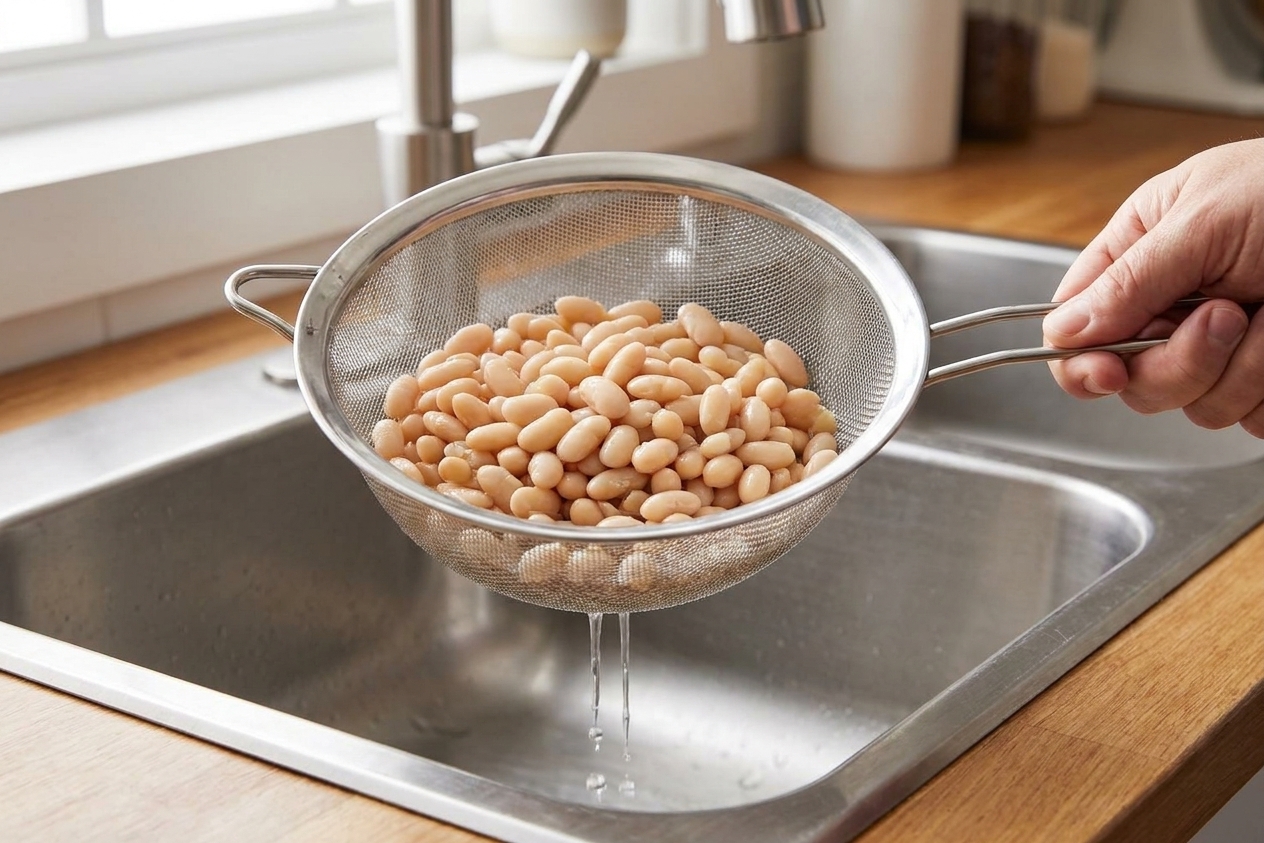
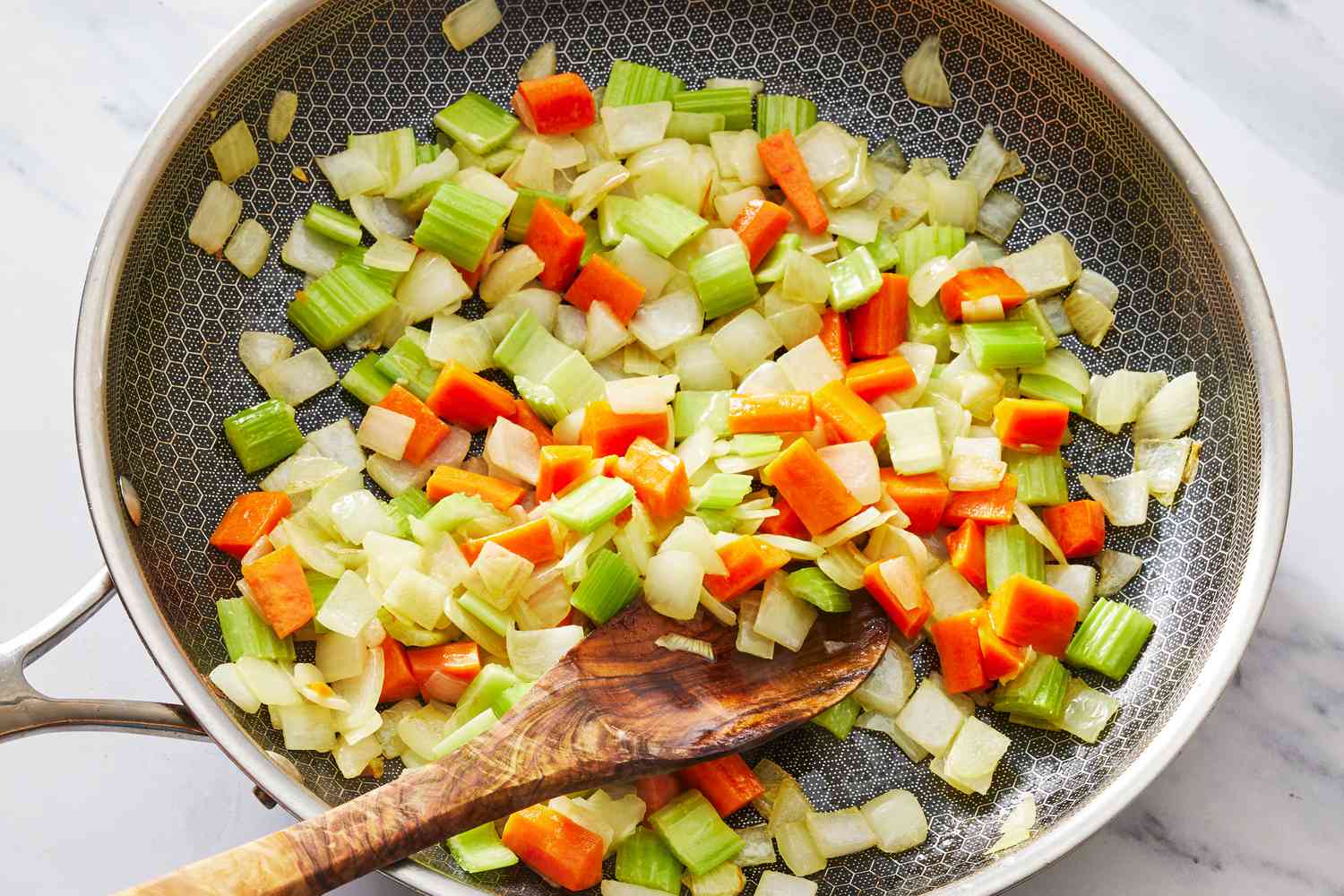
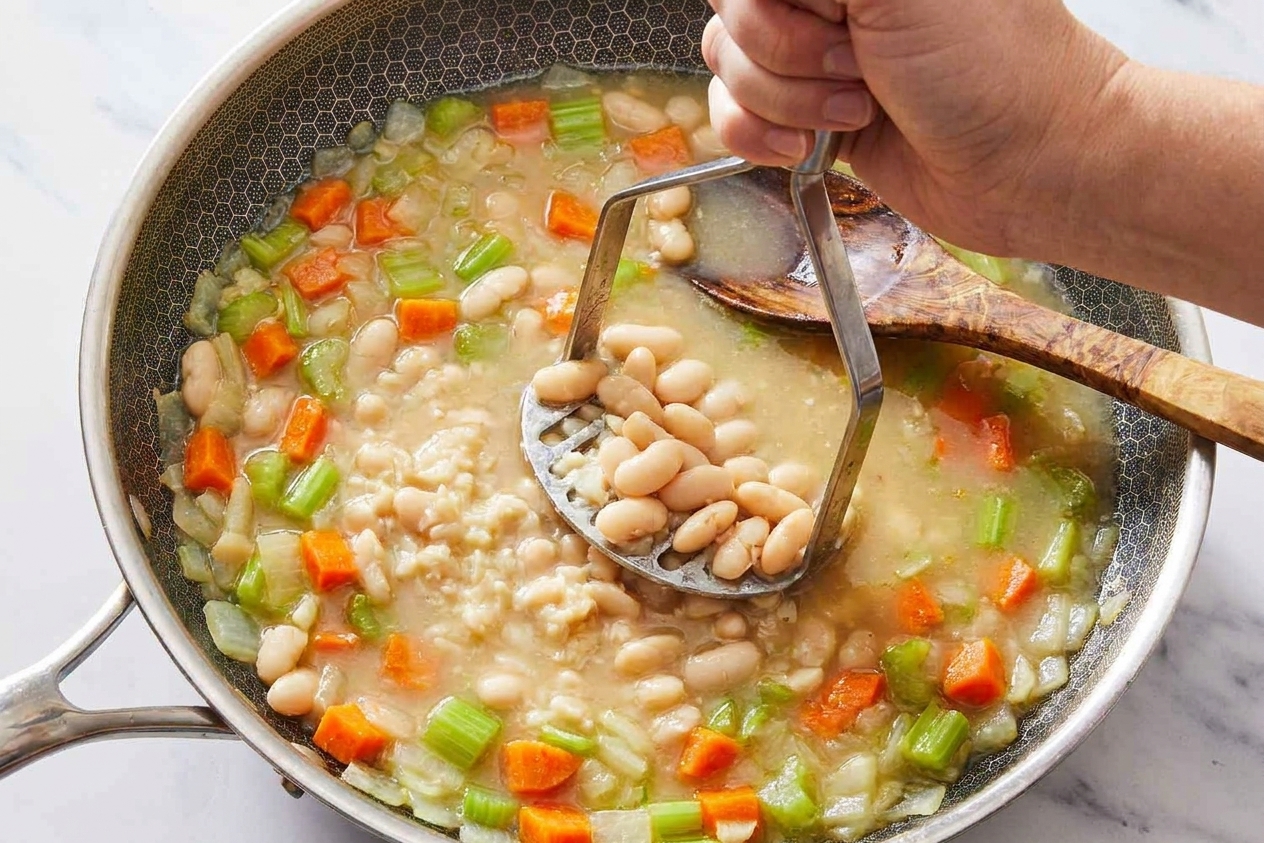
Yes. It will be faster and still delicious, just less naturally creamy. Use 3 cans (15-ounce each), drained and rinsed. Simmer the aromatics in broth for 10 minutes, add beans for another 10 minutes, then mash some beans to thicken and finish with Parmesan and lemon.
How do I make it dairy-free?
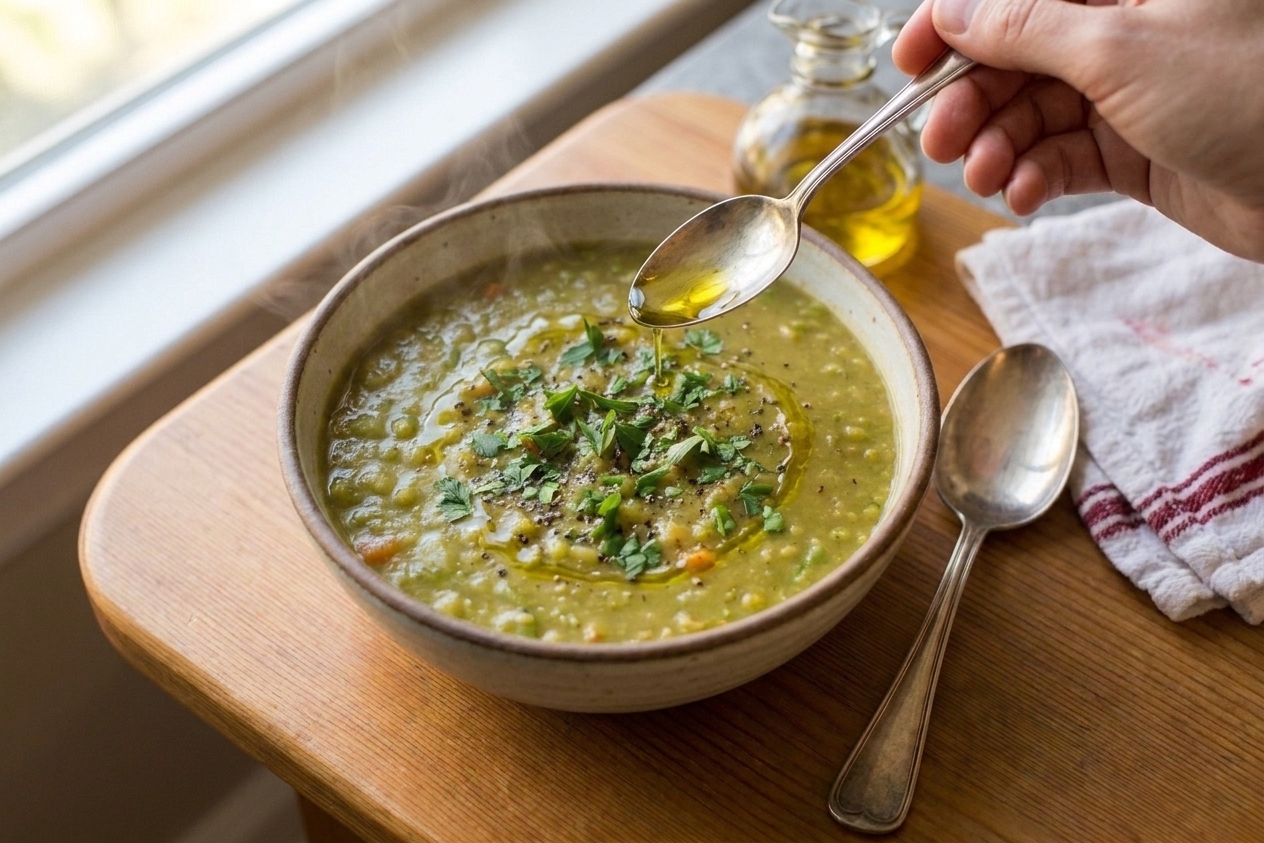
Skip the Parmesan rind and grated Parmesan. For that same savory depth, stir in 1 to 2 tablespoons white miso at the end (off heat) or finish with 2 to 3 tablespoons nutritional yeast. Add lemon to taste and a generous drizzle of olive oil.
Is Parmesan vegetarian?
Sometimes, sometimes not. Traditional Parmesan is often made with animal rennet. If that matters to you, look for a clearly labeled vegetarian hard cheese, or use miso or nutritional yeast as the finishing move.
What can I add to make it a full meal?
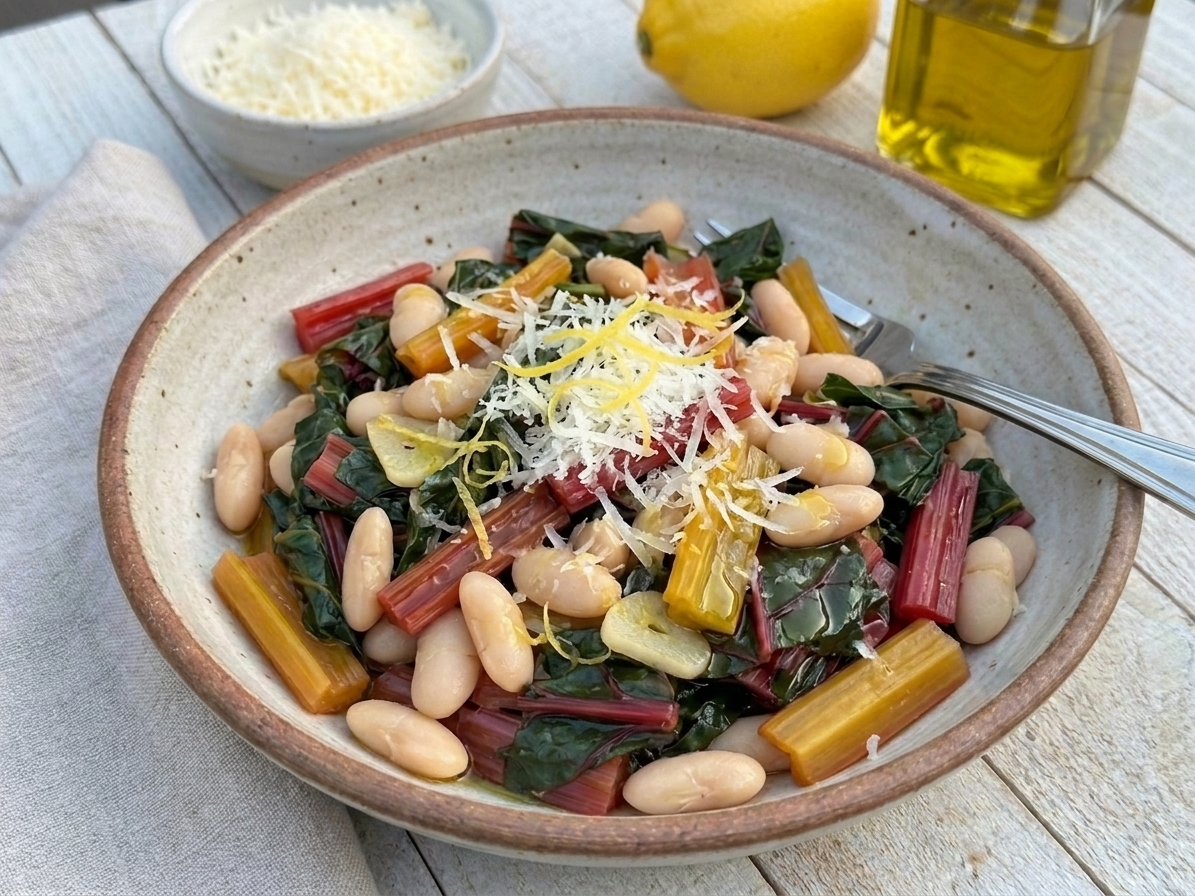
Stir in baby spinach at the end, top with a fried egg, or add shredded rotisserie chicken. If you eat pork, a little crisp pancetta on top is unfairly good.