Mom's Best Recipes
Recipe

Creme Brulee

Silky vanilla custard with a crackly caramel top, made with simple ingredients and a few smart, low-drama tricks.

Author By Matt Campbell
4.8
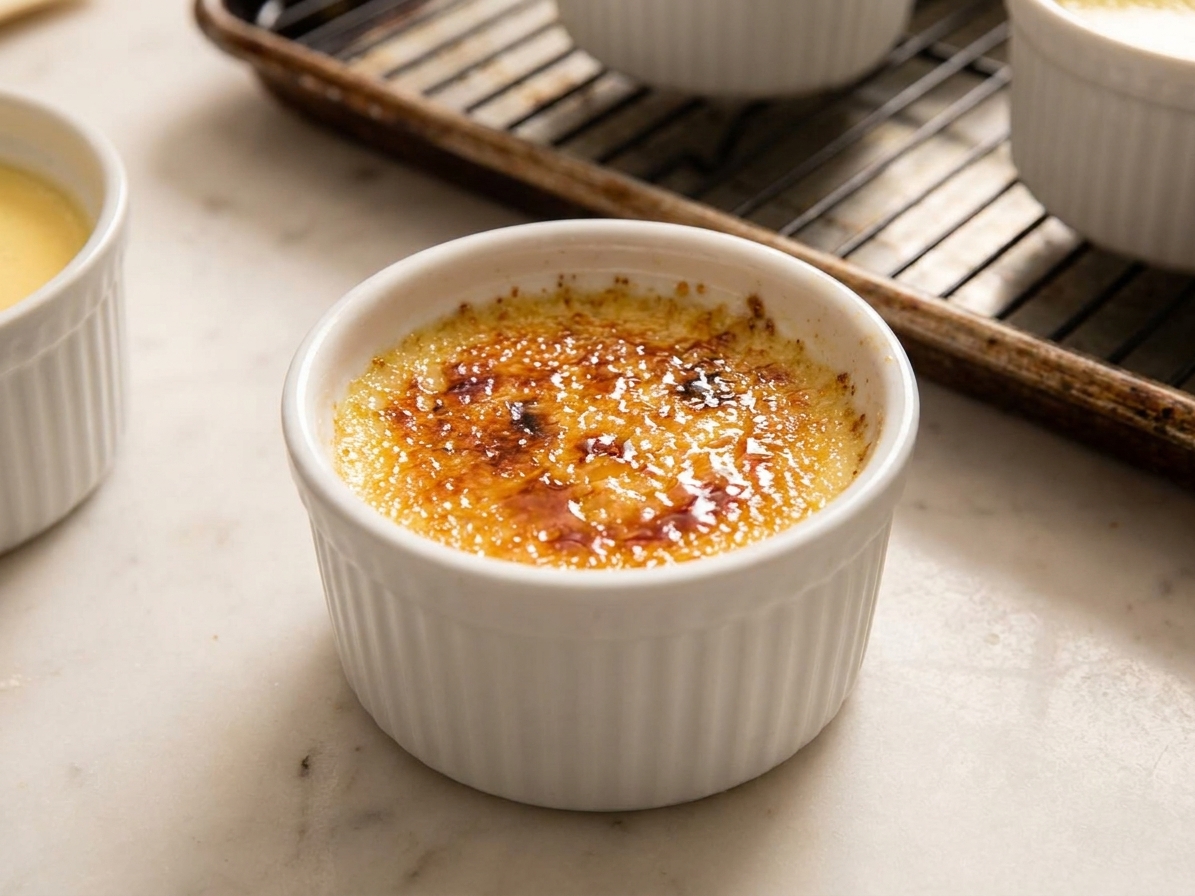
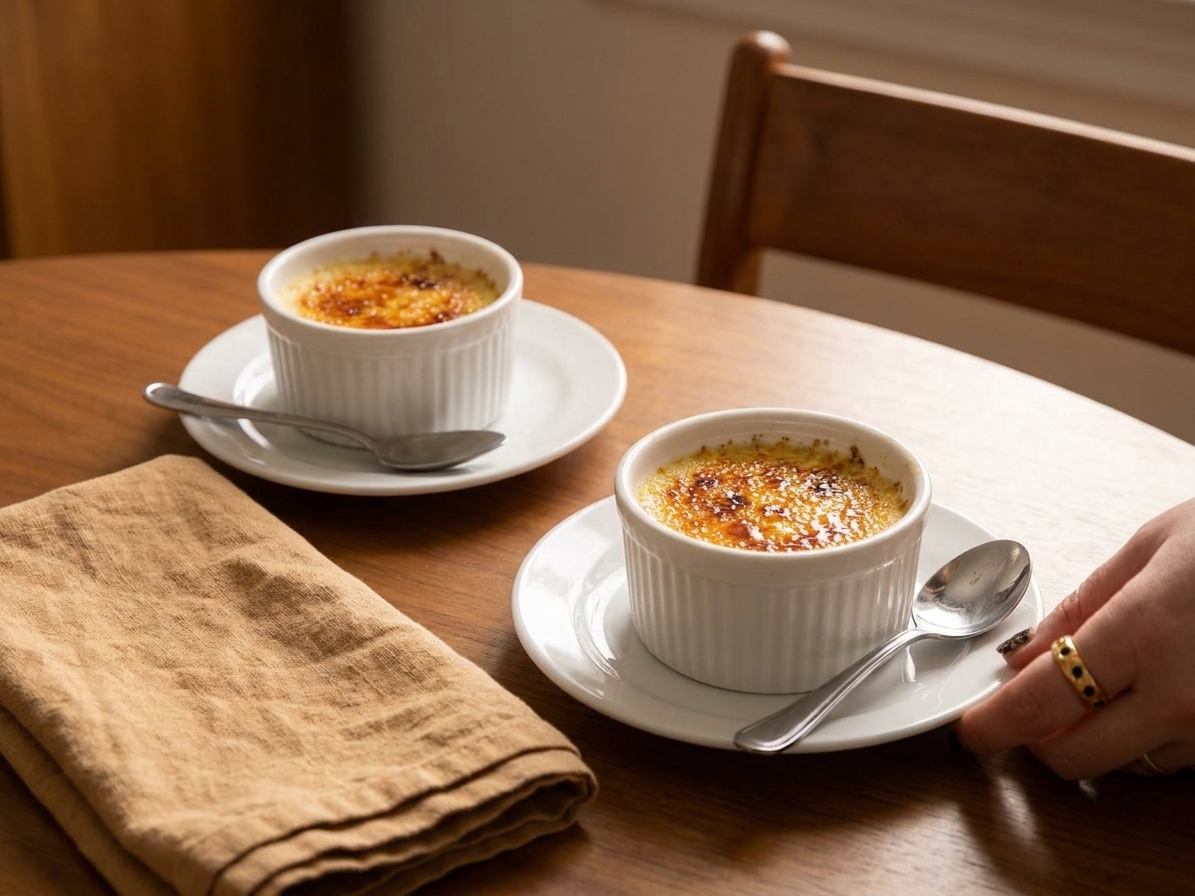
Four vanilla creme brulees in white ramekins with glassy caramelized sugar tops on a warm-toned kitchen counter, soft natural light

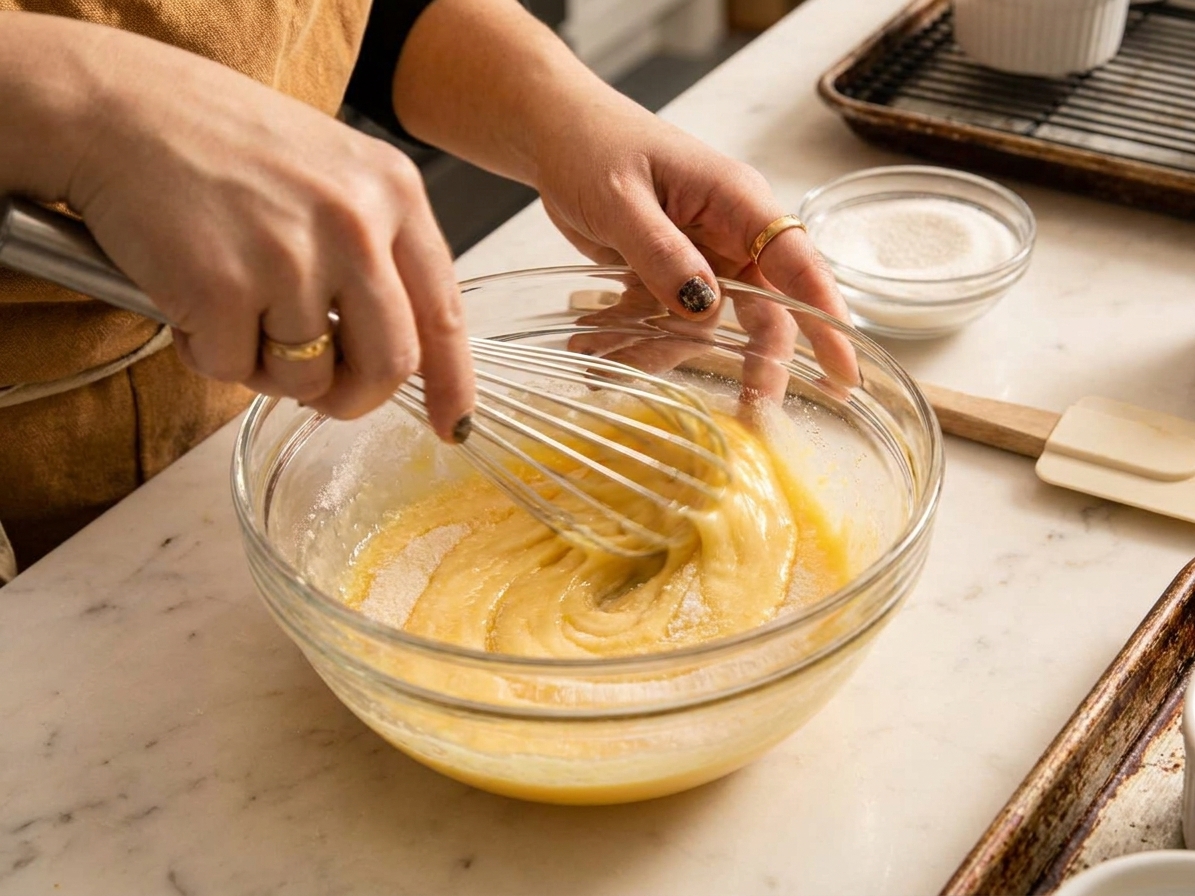
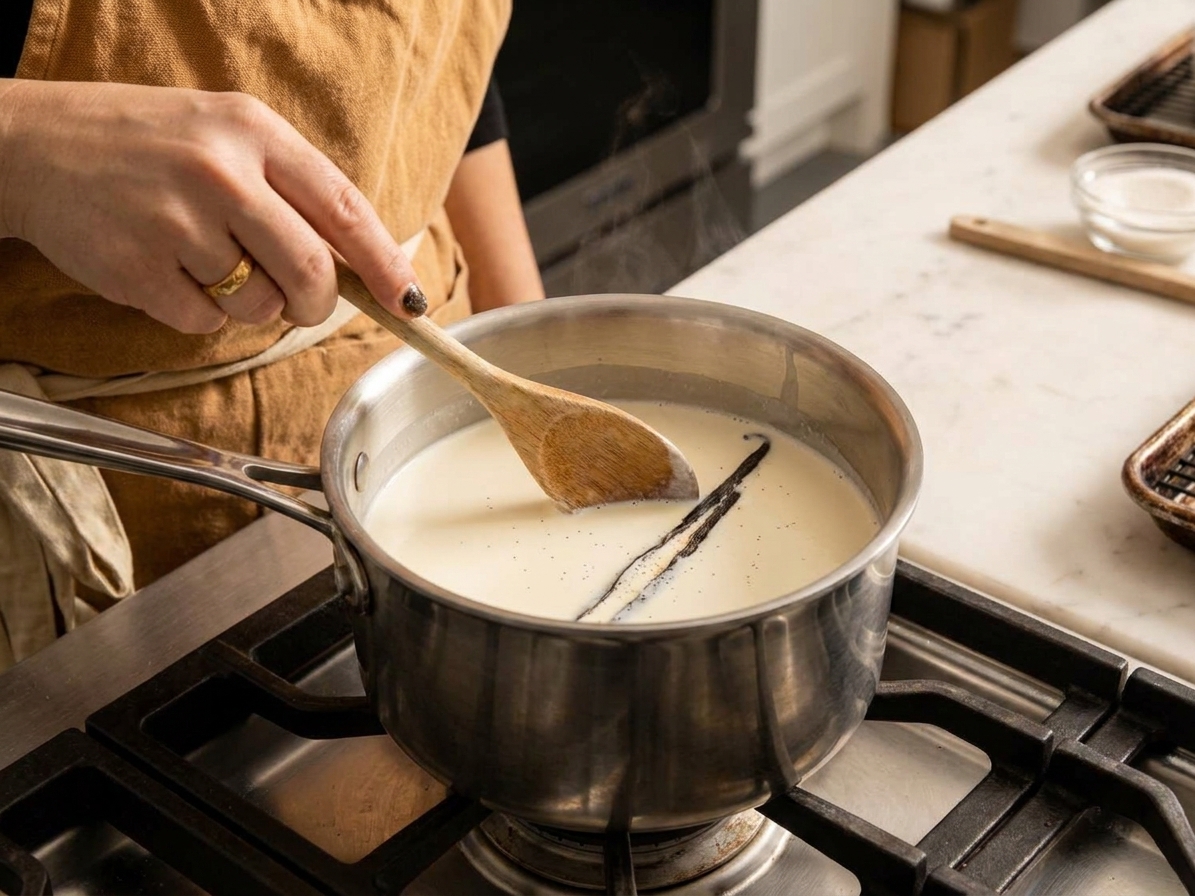
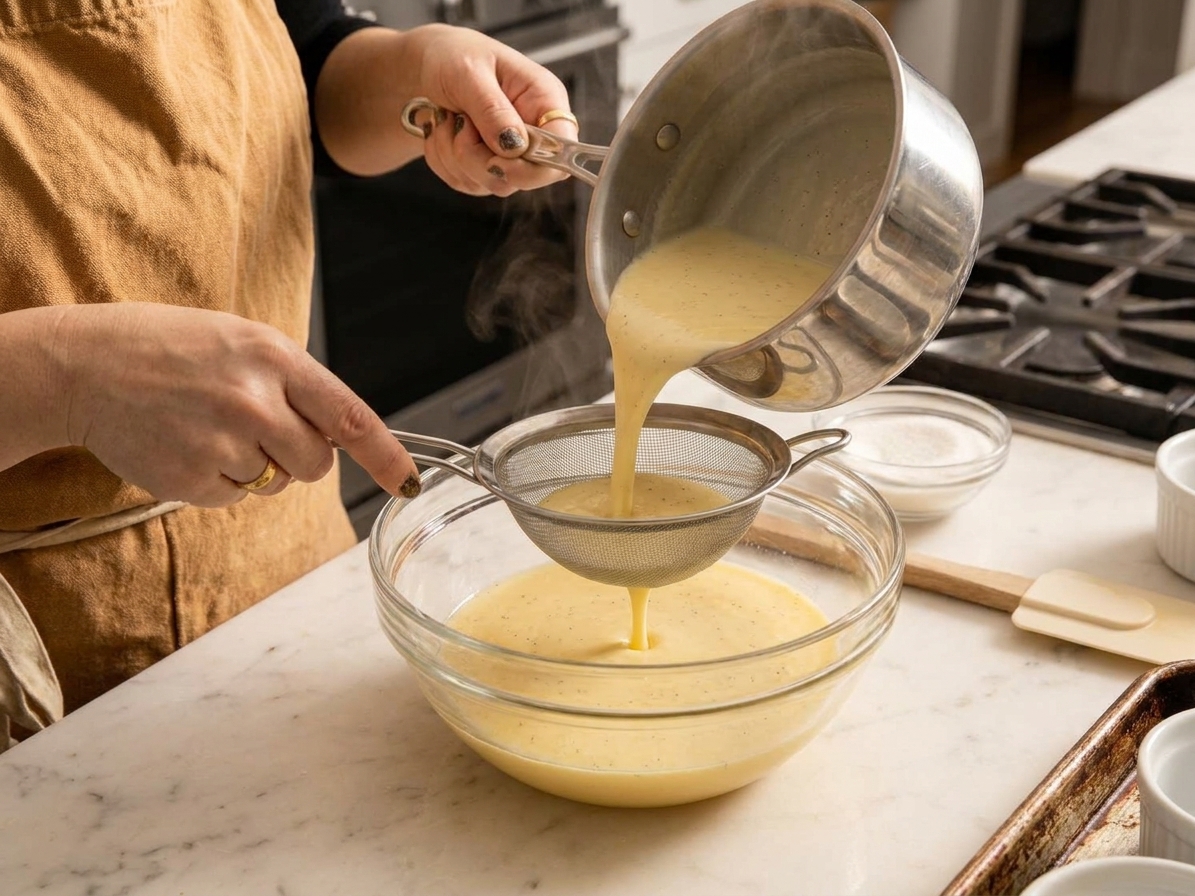
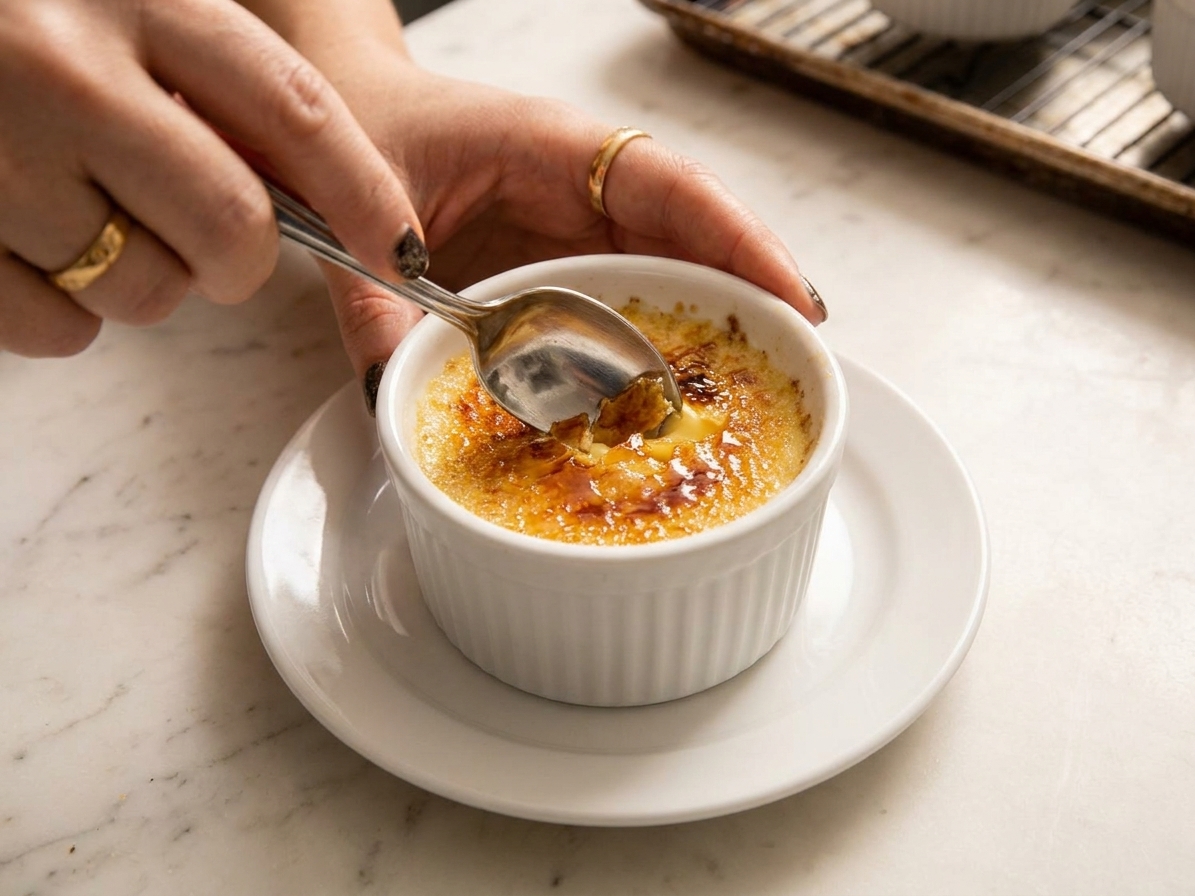
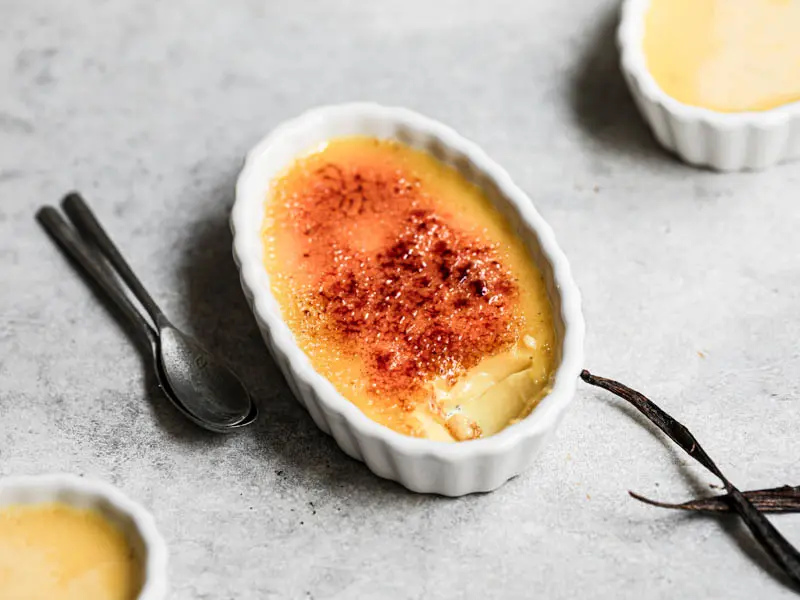
Creme brulee looks like it should require a tiny French chef living in your oven, but it is honestly just custard with a good attitude. You whisk, you pour, you bake gently in a water bath, then you hit it with sugar and fire. The payoff is ridiculous: cool, silky vanilla custard under a crackly lid that shatters when your spoon taps in.

This is my go-to “I want dessert to feel special without turning my kitchen into a stress documentary” recipe. The ingredients are basic, the method is repeatable, and the only real rule is this: go low and slow, then get dramatic with the sugar.
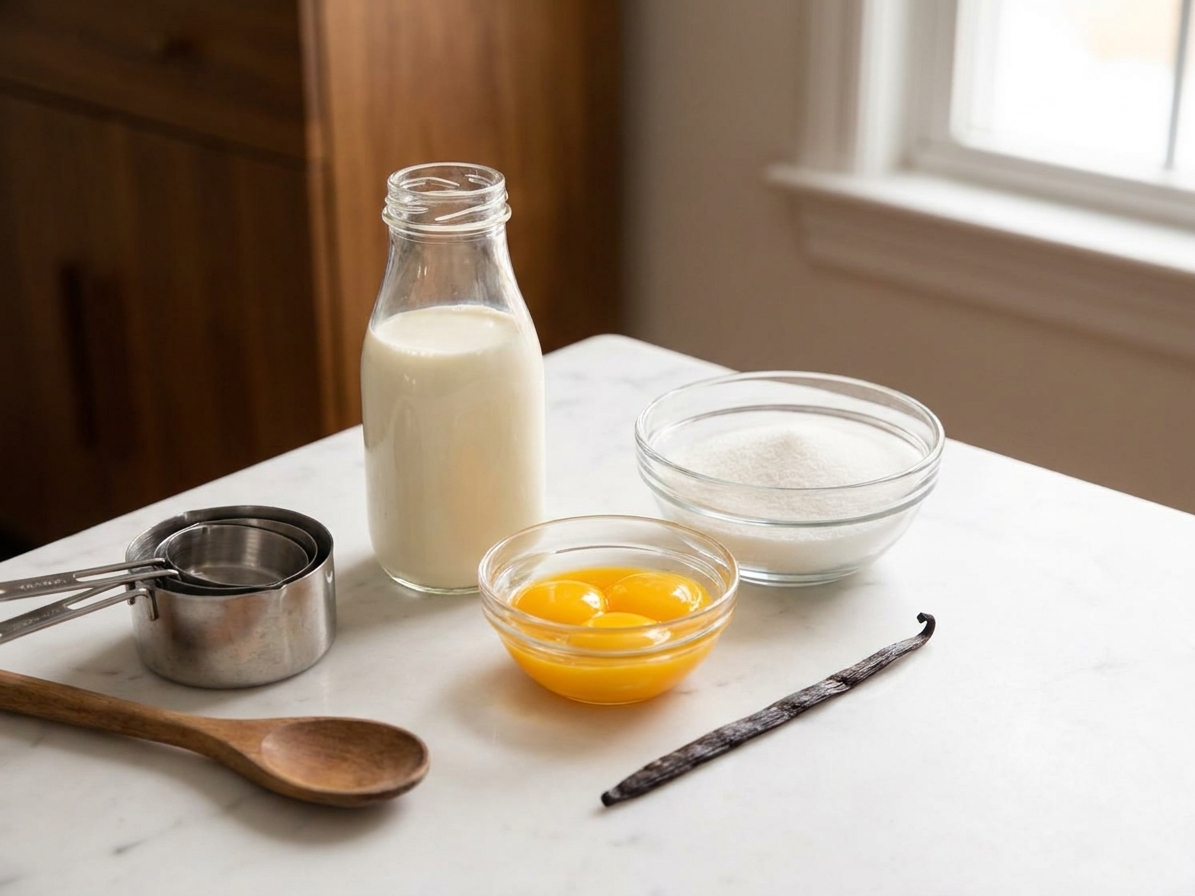
Heavy cream, egg yolks, sugar, and a vanilla bean arranged on a light kitchen counter with measuring cups nearby

Why It Works

  • Ultra-creamy texture from gentle baking and a properly tempered custard.
  • Clean vanilla flavor with just enough salt to make it taste like more.
  • That perfect crack thanks to a thin, even layer of sugar caramelized right before serving.
  • Make-ahead friendly custards that chill beautifully, then get bruleed at the last second.

Pairs Well With

Storage Tips

Before bruleeing: Cover each ramekin tightly with plastic wrap and refrigerate for up to 3 days. This is the best way to make creme brulee ahead.

After bruleeing: The sugar top will soften in the fridge. If you have leftovers, refrigerate uncovered for about 1 hour to keep condensation down, then cover loosely. Eat within 24 hours for best texture.

Freezing: Not my favorite. Custard can turn a little grainy after thawing. If you must, freeze unbruleed custards well wrapped for up to 1 month, thaw overnight in the fridge, then brulee fresh.

Common Questions

Do I need a kitchen torch?

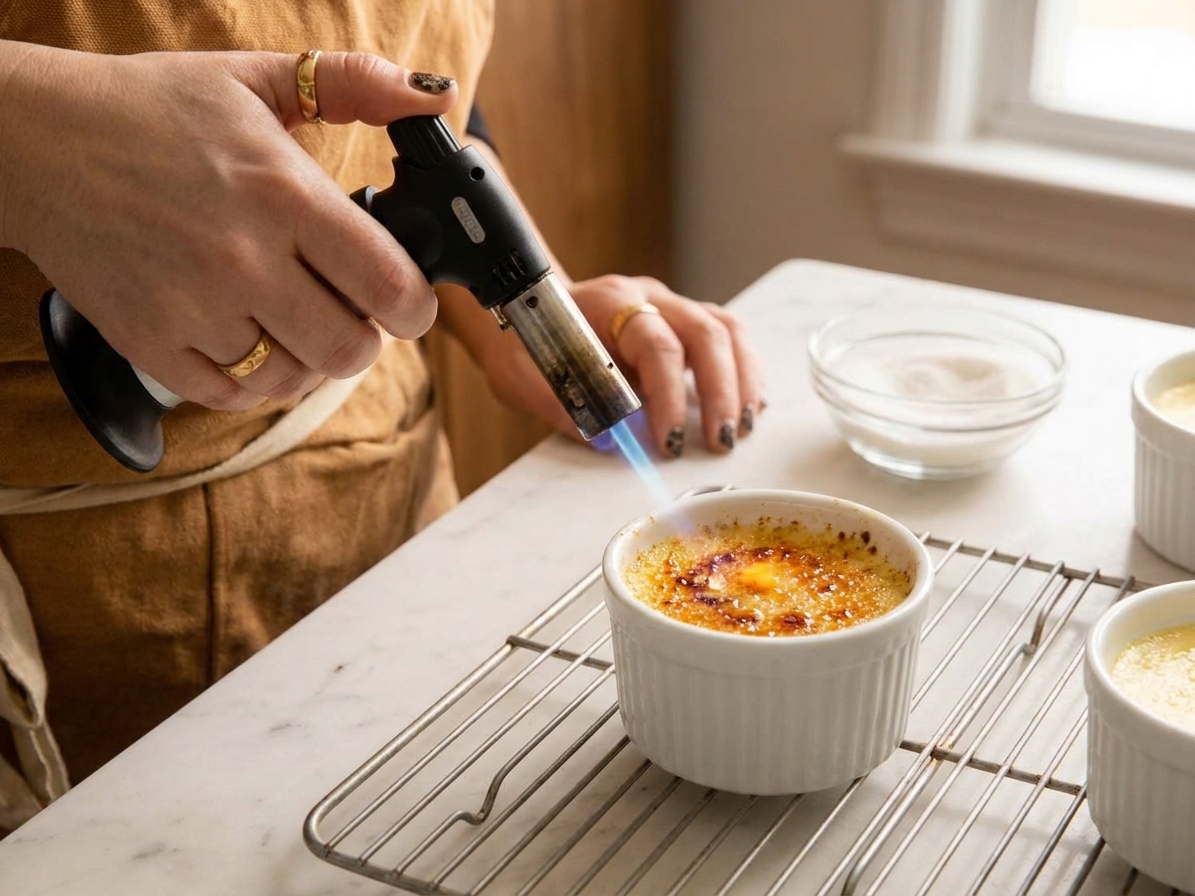
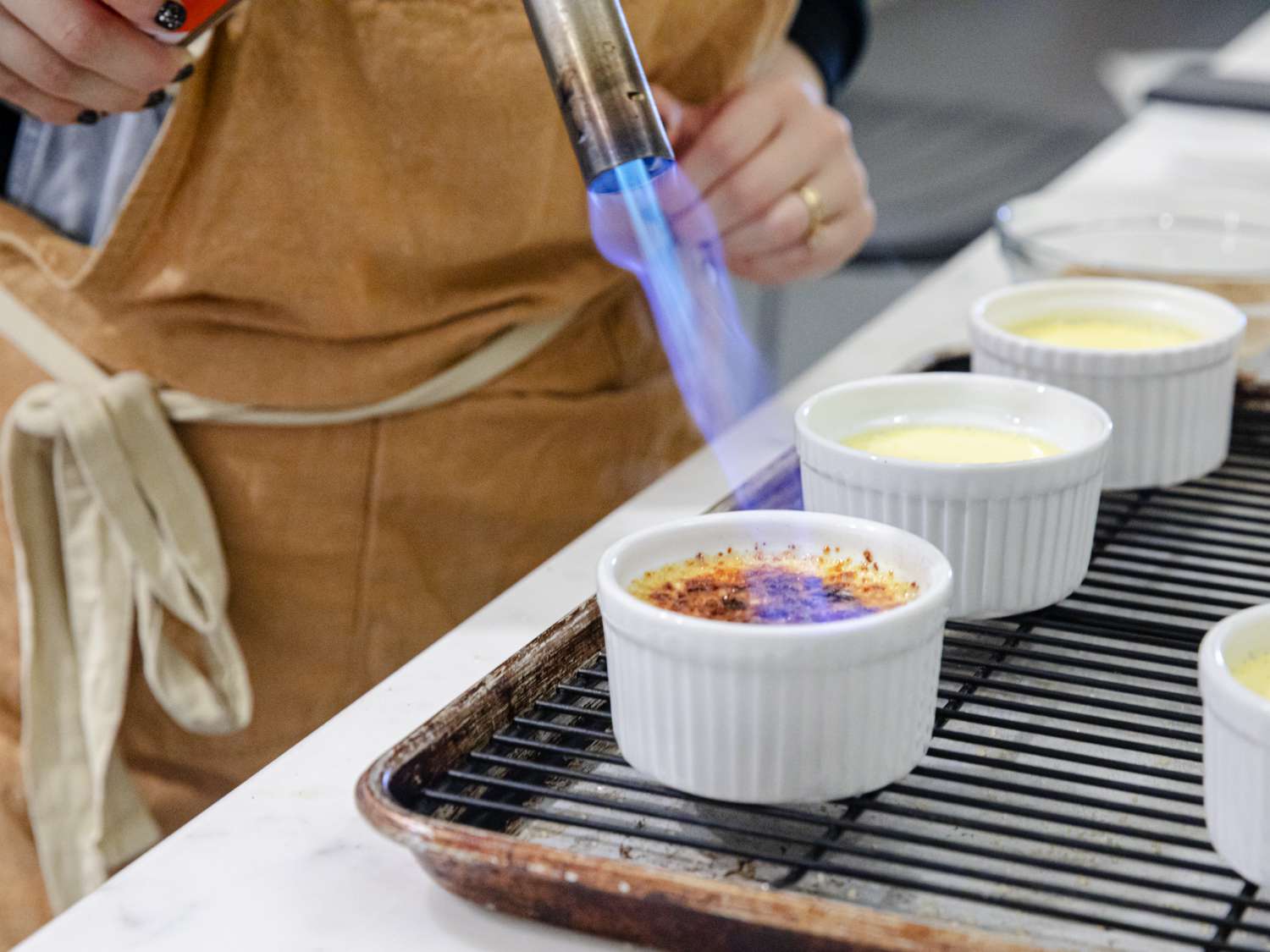
A torch is the easiest way to get a thin, crisp sugar top without warming the custard too much. If you do not have one, you can use the oven broiler, but you have to watch it like it owes you money.

Why did my custard turn grainy or curdled?

Usually one of three things: the cream was too hot when it hit the yolks, the oven temp was too high, or the custards baked too long. Keep the cream hot but not boiling, temper slowly, and pull the ramekins when the edges are set but the center still trembles like set Jell-O.

How do I know when creme brulee is done?

The edges should be set, and the center should still have a gentle wobble when you nudge the pan. Think “set Jell-O,” not “sloshing liquid.” If you like numbers, an instant-read thermometer in the center should read about 170 to 175°F (77 to 80°C).

Can I make it without a water bath?

You can, but the water bath gives you that gentle, even heat that keeps the custard silky. Without it, the edges tend to overcook before the center sets.

What sugar is best for the top?

Regular granulated sugar is perfect. Superfine works too. Avoid powdered sugar because it burns oddly and can taste bitter.

Can I use whole eggs instead of yolks?

You can, but yolks give you the classic rich texture. Whole eggs make it a bit firmer and more “egg-custard” tasting.

A hand holding a small kitchen torch caramelizing sugar on top of a chilled ramekin of creme brulee on a kitchen counter

Creme brulee is one of those desserts that taught me a big kitchen truth: fancy is usually just calm. The first time I made it, I treated the water bath like a science project and the torch like a flamethrower. The custard was fine, but I scorched the sugar into a bitter helmet. Now I go thin on the sugar, keep the flame moving, and let the drama stay on top where it belongs. When that spoon cracks through, it never gets old.