Mom's Best Recipes
Recipe

Creme Brulee

Silky vanilla custard with a crackly caramel top, baked gently in a water bath for that restaurant-style finish at home.

Author By Matt Campbell
4.8
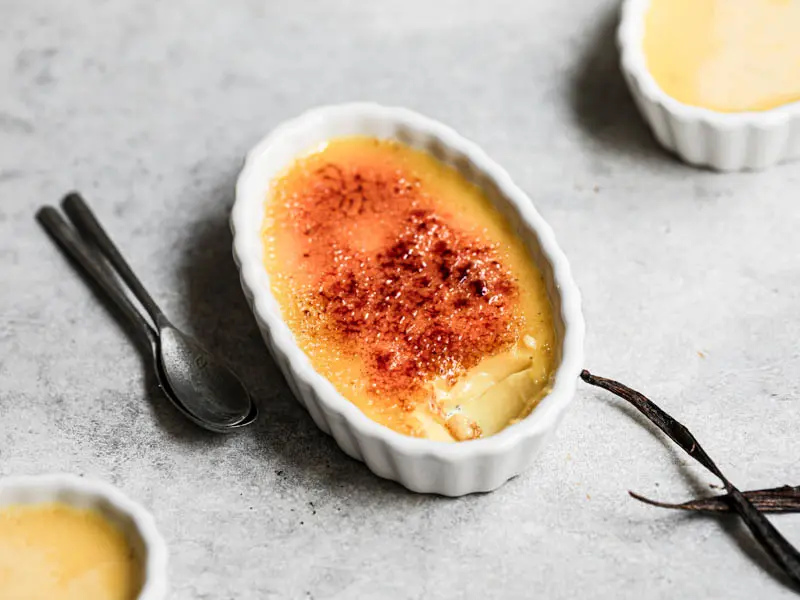
Four vanilla creme brulees in white ramekins with freshly torched caramelized sugar tops on a light stone countertop with soft natural window light

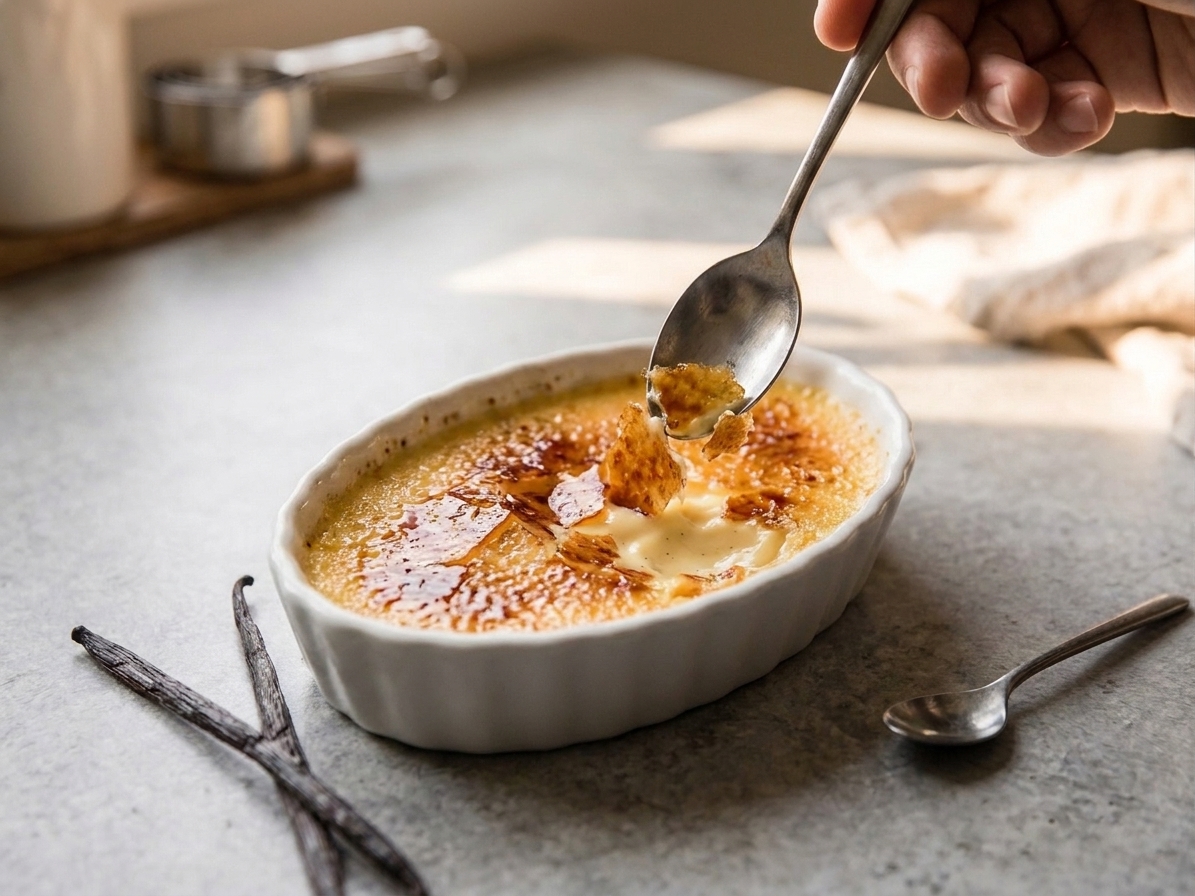
Creme brulee feels fancy, but it is secretly a very home-cook friendly dessert. It is basically vanilla custard that takes a warm bath in the oven, then gets a thin sugar roof you get to crack with a spoon. That little moment is the whole point.

I like this version because it keeps the ingredient list short and the instructions calm. We are going for silky centers, no bubbles, and a topping that shatters like glass. If you can whisk and pour, you can make this.

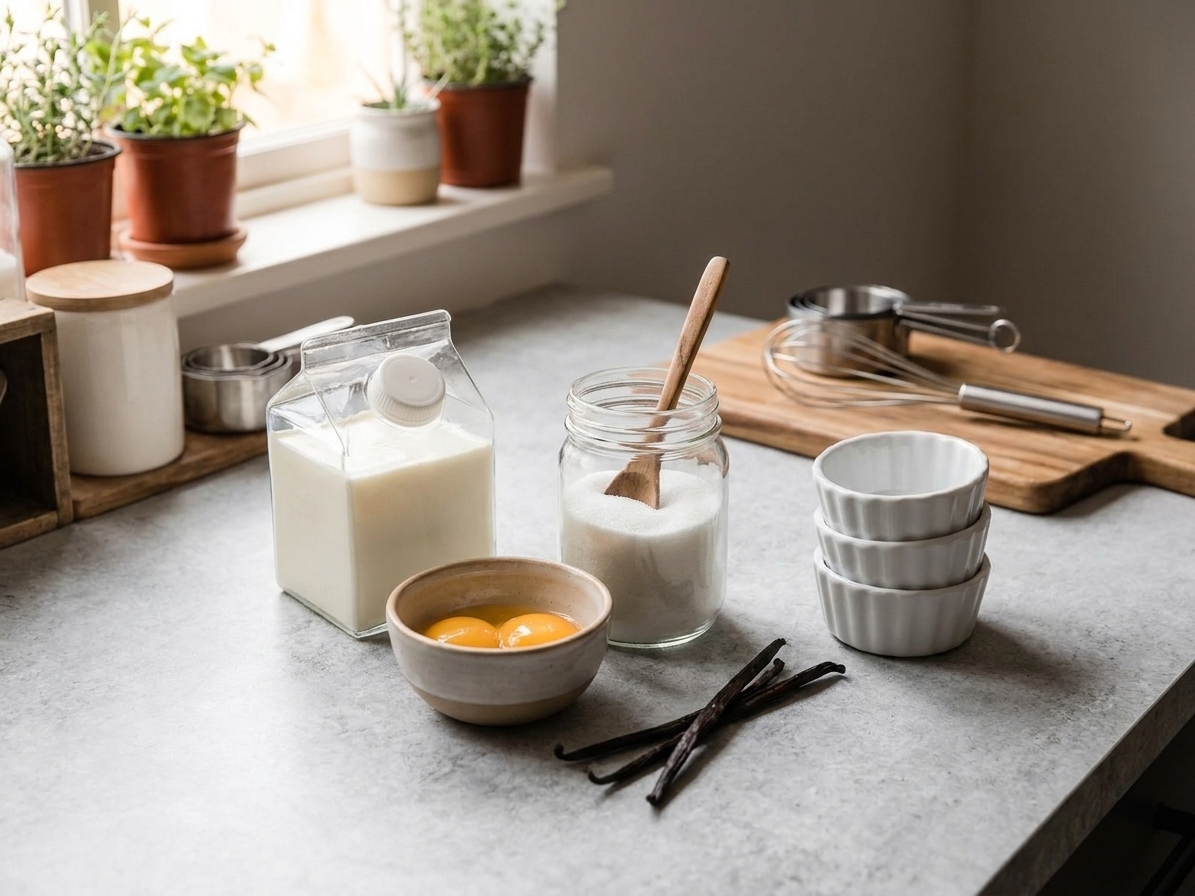
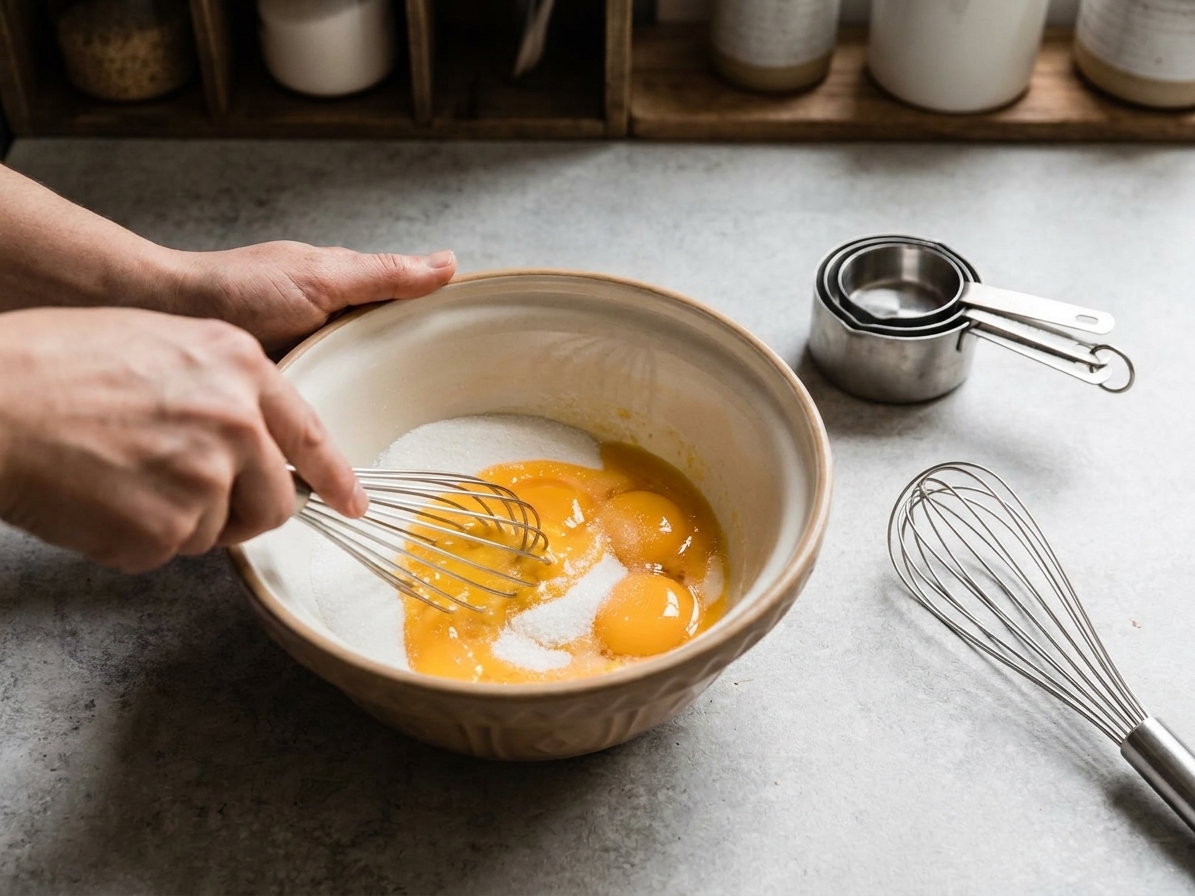
Cream, egg yolks, sugar, vanilla, and ramekins arranged on a clean kitchen counter in soft natural light

Why It Works

  • Ultra-smooth custard: We heat the cream, temper the yolks, and strain for a velvety finish.
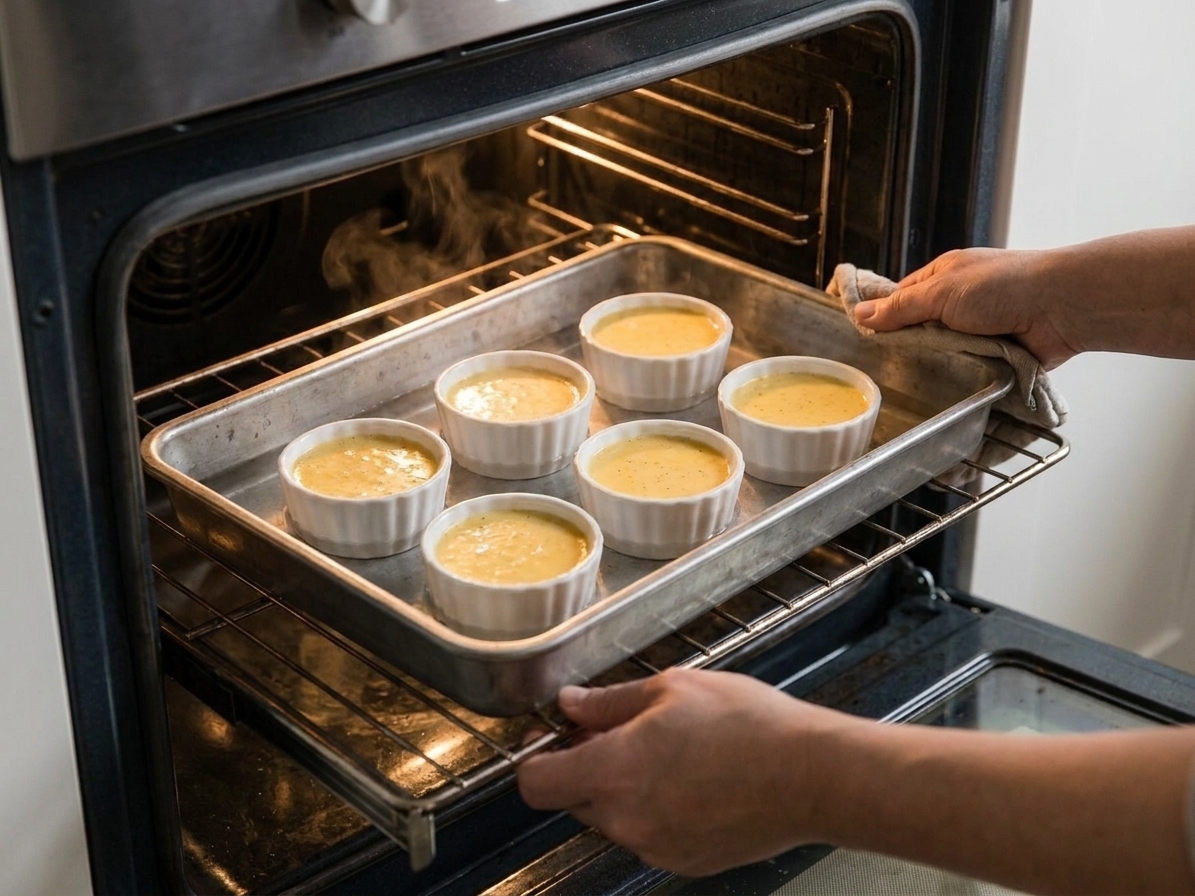
  • No curdling drama: A gentle water bath keeps the custard baking evenly.
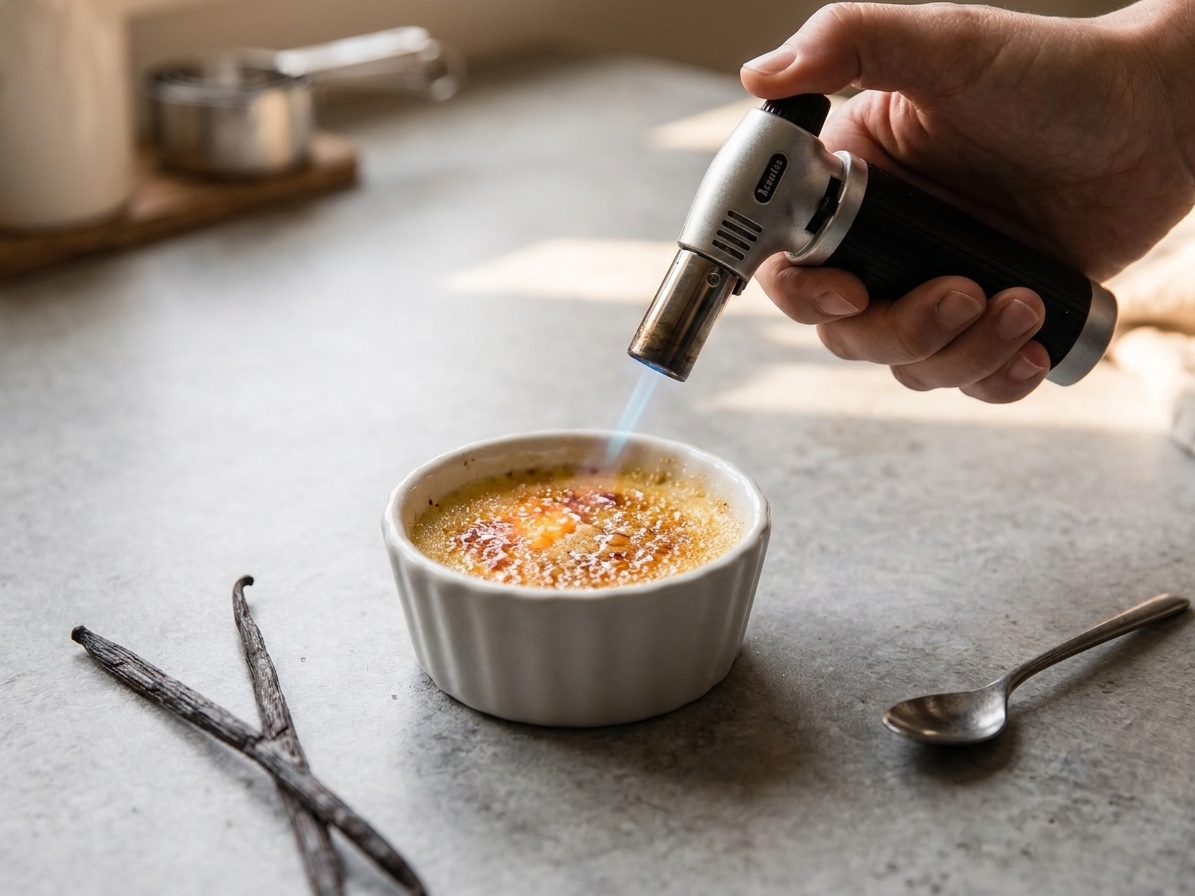
  • That iconic crack: A thin, even layer of sugar caramelizes fast and stays crisp if you torch right before serving.
  • Make-ahead friendly: Bake today, chill overnight, torch when you are ready to show off.

Pairs Well With

Storage Tips

Before torching: Cover each ramekin tightly with plastic wrap and refrigerate for up to 3 days. (This is the best way to store them.)

After torching: Creme brulee is best eaten within 1 to 2 hours. In the fridge, the sugar top will soften as it sits. Still tasty, just less crackly.

Freezing: I do not recommend freezing. The custard texture can turn grainy and we are not here for sad custard.

Common Questions

Do I need a kitchen torch?

A torch is the easiest way to get an even, crisp topping. If you do not have one, you can use your oven broiler, but it is less predictable. Chill the custards very cold, sprinkle sugar, then broil close to the heat for 1 to 3 minutes, watching the whole time. Ovens vary a lot, so rotate the pan as needed for even browning.

Why did my custard get bubbles or a foamy top?

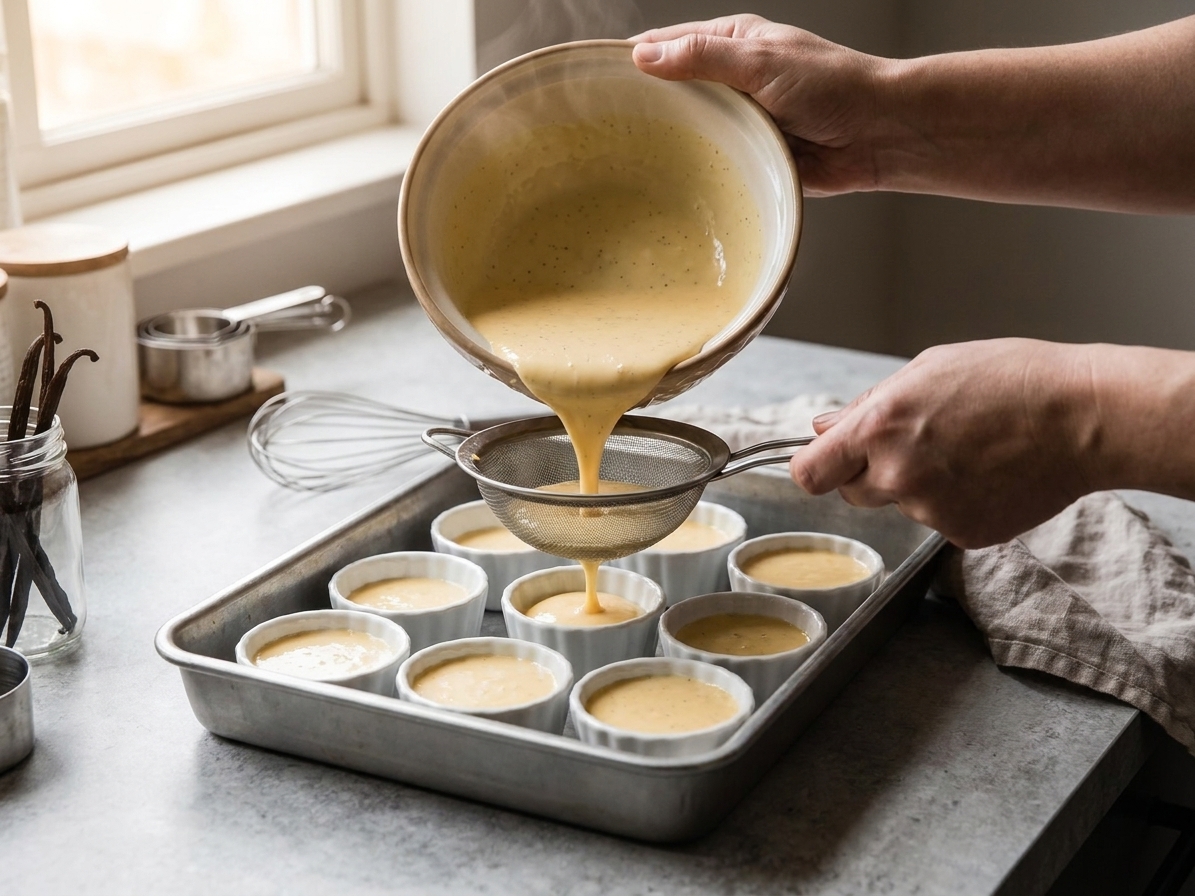
Usually the cream was whisked too aggressively or the custard was poured without straining. Whisk gently, let foam settle for a minute, and strain through a fine-mesh sieve before pouring into ramekins.

How do I know when creme brulee is done baking?

The edges should be set, but the center should still jiggle like Jell-O when you nudge the pan. Timing varies with ramekin depth and pan material. If you use an instant-read thermometer, look for about 170°F in the center.

Why is my creme brulee watery?

Most often it was underbaked, or it did not chill long enough to fully set. Bake until the edges are set, then chill at least 4 hours.

Can I make it without ramekins?

Ramekins are ideal because they bake evenly and give you the right custard-to-sugar ratio. In a pinch, use small oven-safe bowls or teacups, but keep the custard depth similar and start checking a bit earlier.

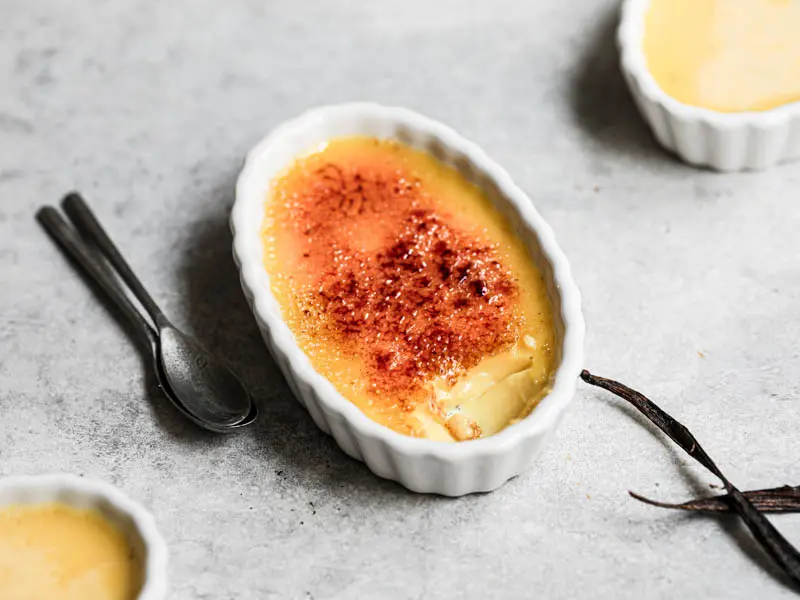
The first time I made creme brulee at home, I treated it like a high-stakes baking exam. Timer set. No talking. Full focus. Then I cracked the sugar top and realized it is basically the most satisfying dessert fidget toy ever. Now I make it when I want something that feels restaurant-fancy but still lets me cook like a person, not a robot. The trick is respecting the gentle bake, then torching right before serving so you get that loud little tap-and-crack moment.