Mom's Best Recipes
Recipe

Creole Jambalaya

A bold, cozy one-pot rice dinner with chicken, andouille, and the holy trinity in a tomato-rich Creole-style pot that tastes like it cooked all day.

Author By Matt Campbell
4.8
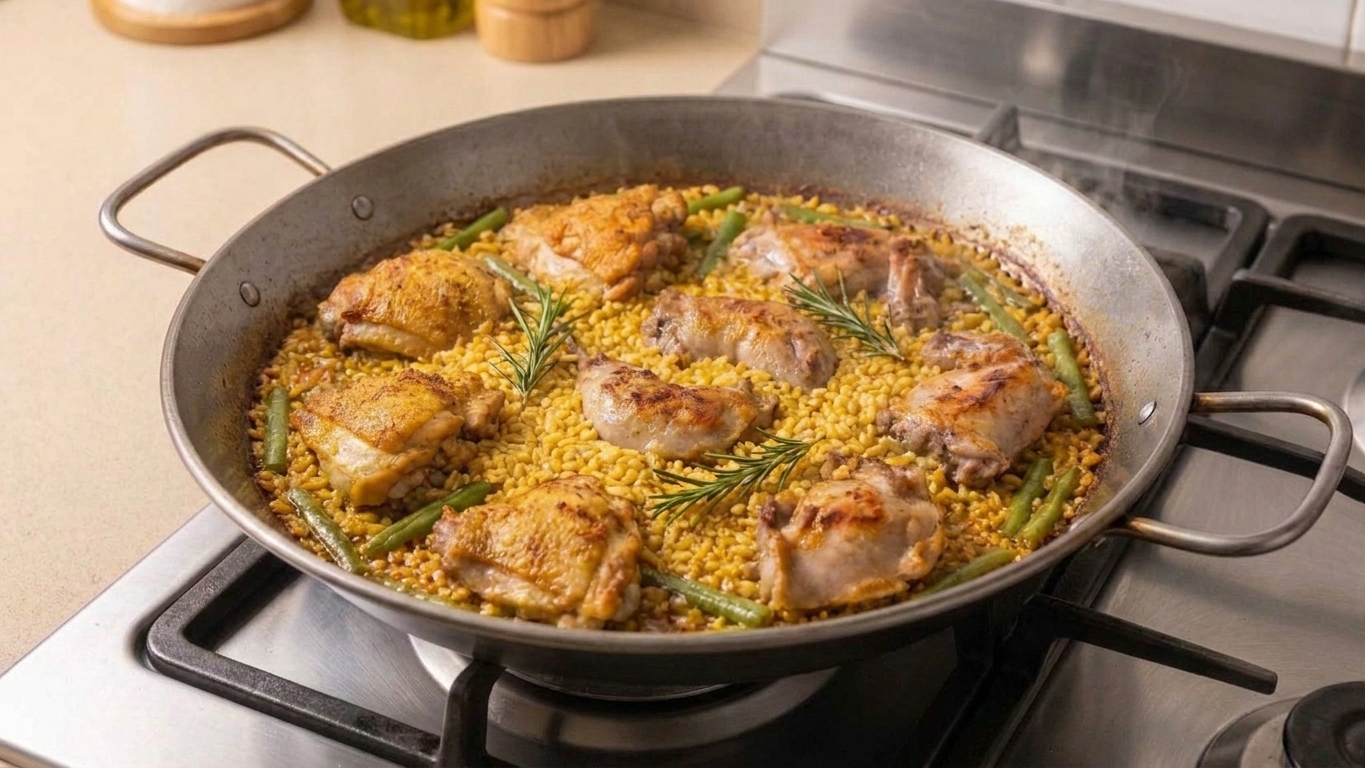
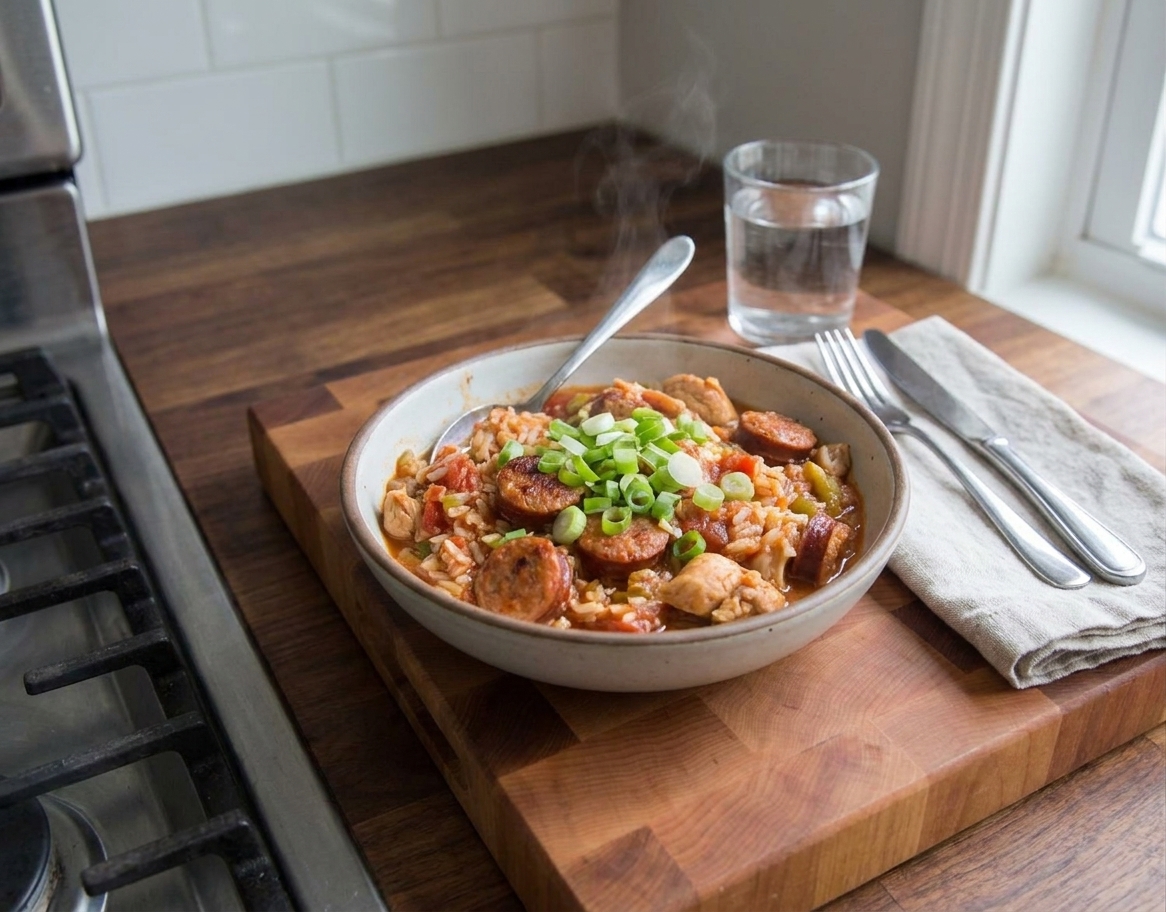
A Dutch oven filled with Creole jambalaya, showing andouille slices, tender chicken pieces, and red-tinged rice with flecks of bell pepper and green onion on a stovetop under warm kitchen lighting

Jambalaya is one of those meals that feels like a whole party decided to happen in a single pot. You get smoky sausage, juicy chicken, the classic Louisiana vegetable trio, and rice that soaks up every spicy, savory, tomatoey bit of flavor. It is cozy, it is bold, and it is exactly the kind of dinner that makes you walk back to the stove “just to check” and somehow end up with a spoonful in your mouth.

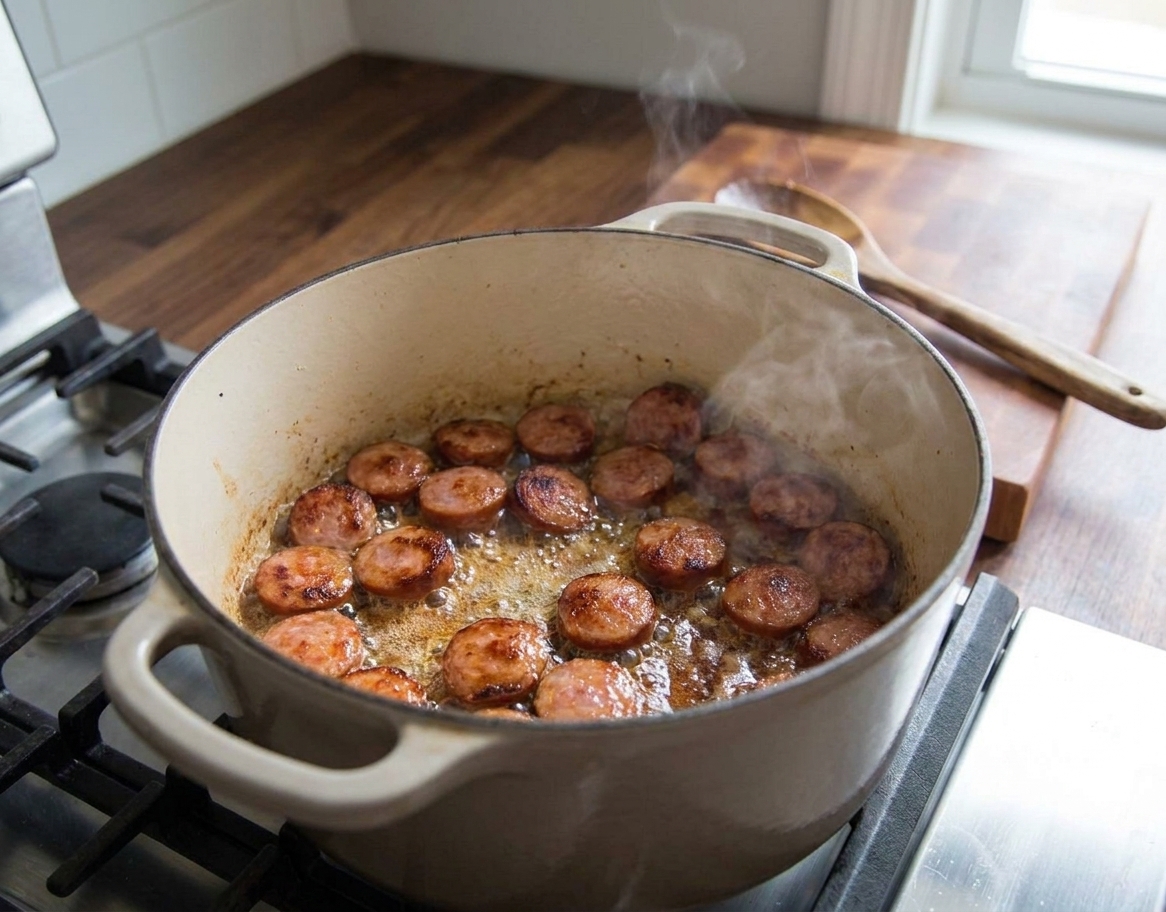
This version is a Creole-style jambalaya, meaning it uses tomatoes for that signature red, saucy rice. The key is building layers: brown the meat, soften the veg, toast the rice, then let it simmer low and steady until everything clicks into place. If you can keep the lid on and resist peeking too much, you can make great jambalaya at home.

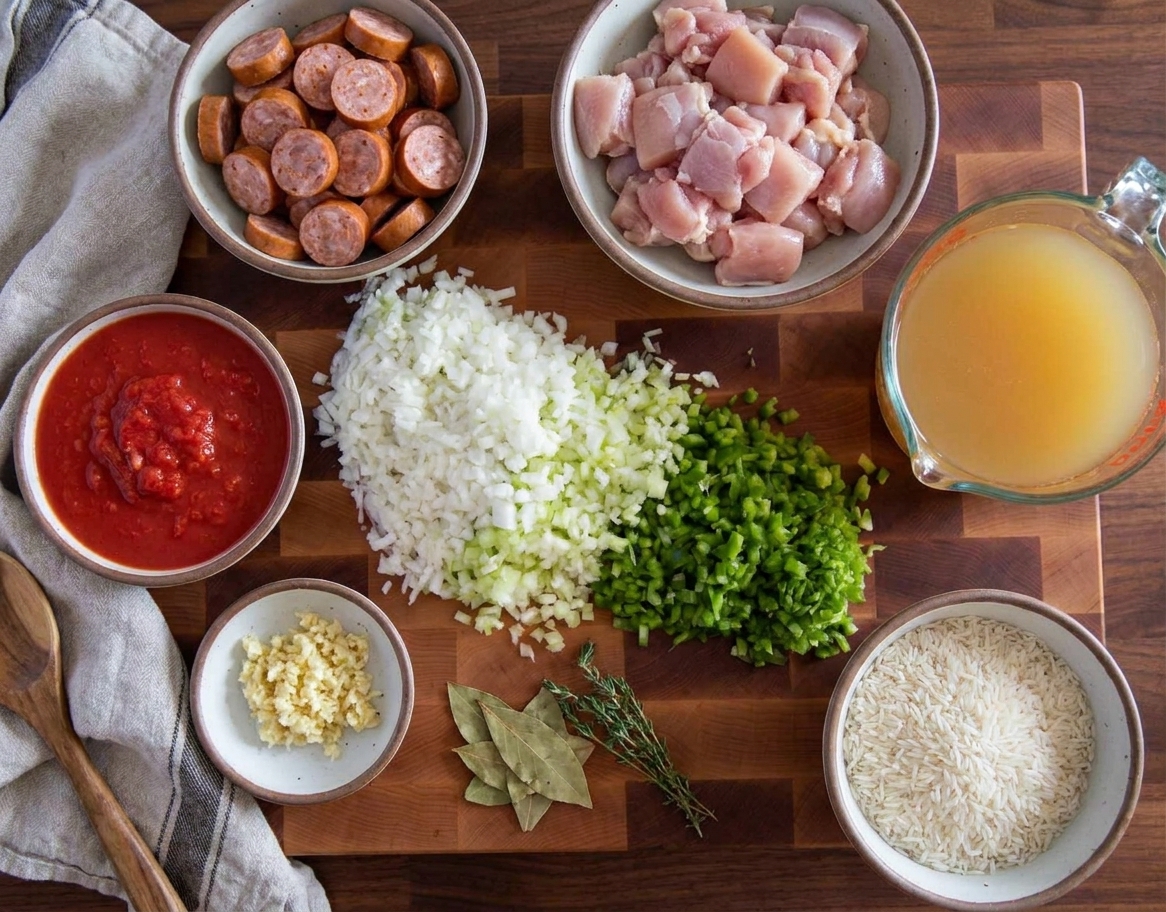
Ingredients for Creole jambalaya on a kitchen counter, including andouille sausage, chicken thighs, onion, celery, green bell pepper, garlic, crushed tomatoes, chicken broth, and long grain rice in bowls

Why It Works

  • One pot, real depth: Browning the andouille and chicken leaves flavorful bits that turn into the backbone of the whole dish.
  • Rice with the right texture: Toasting the rice briefly helps it stay tender, not mushy, while it drinks up the broth.
  • Creole-style comfort: Tomatoes and a touch of paste give you that classic red jambalaya vibe with rich, cozy flavor.
  • Adjustable heat: You control the spice level with Cajun seasoning and cayenne, so it can be family-friendly or properly feisty.
  • Leftovers get better: The flavors settle in overnight, which is code for “tomorrow’s lunch will be elite.”

Pairs Well With

Storage Tips

Refrigerator: Cool jambalaya quickly, then store in an airtight container for up to 4 days.

Freezer: Freeze in flat, portioned bags or containers for up to 2 months. Thaw overnight in the fridge for best texture.

Reheating: Reheat on the stovetop over medium-low with a splash of broth or water, stirring gently until hot. Microwave works too, just cover it and add a spoonful of liquid so the rice stays plush.

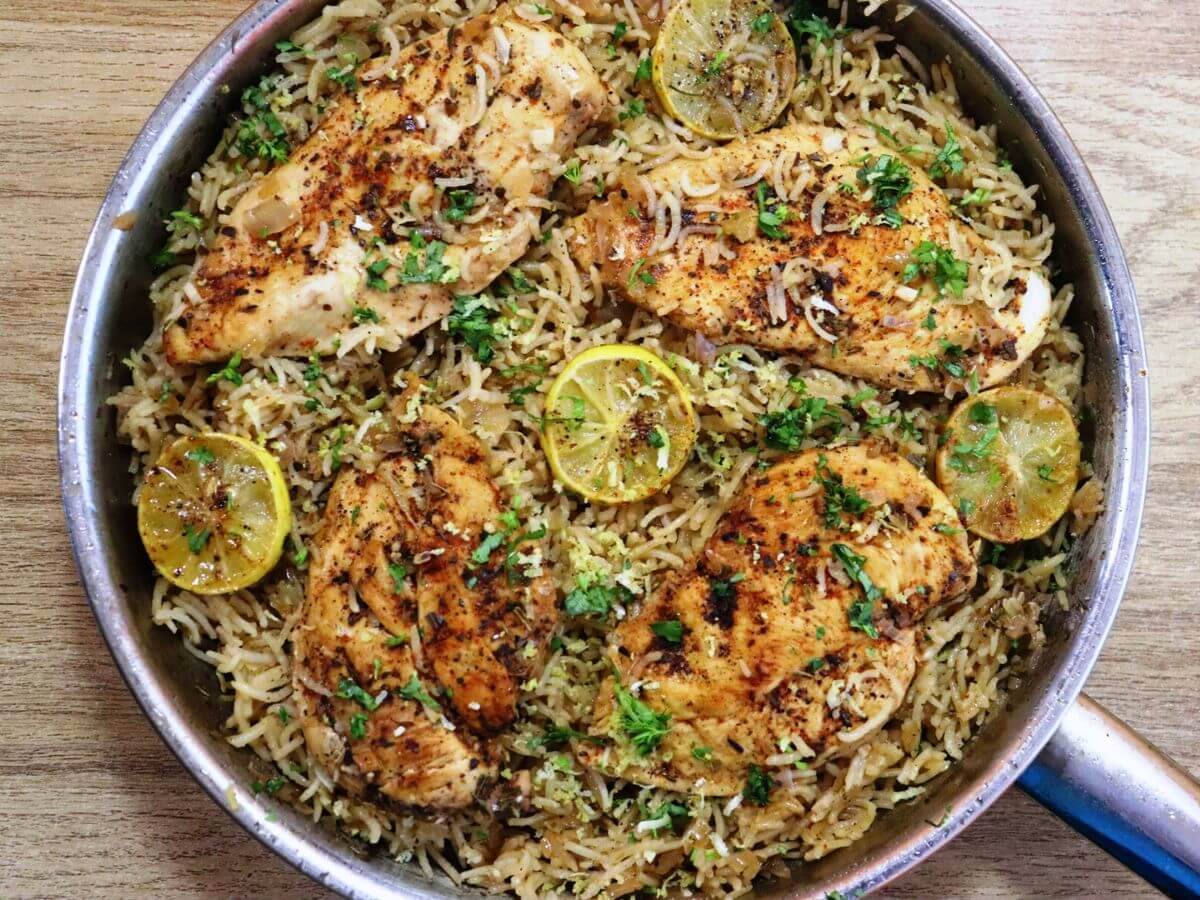
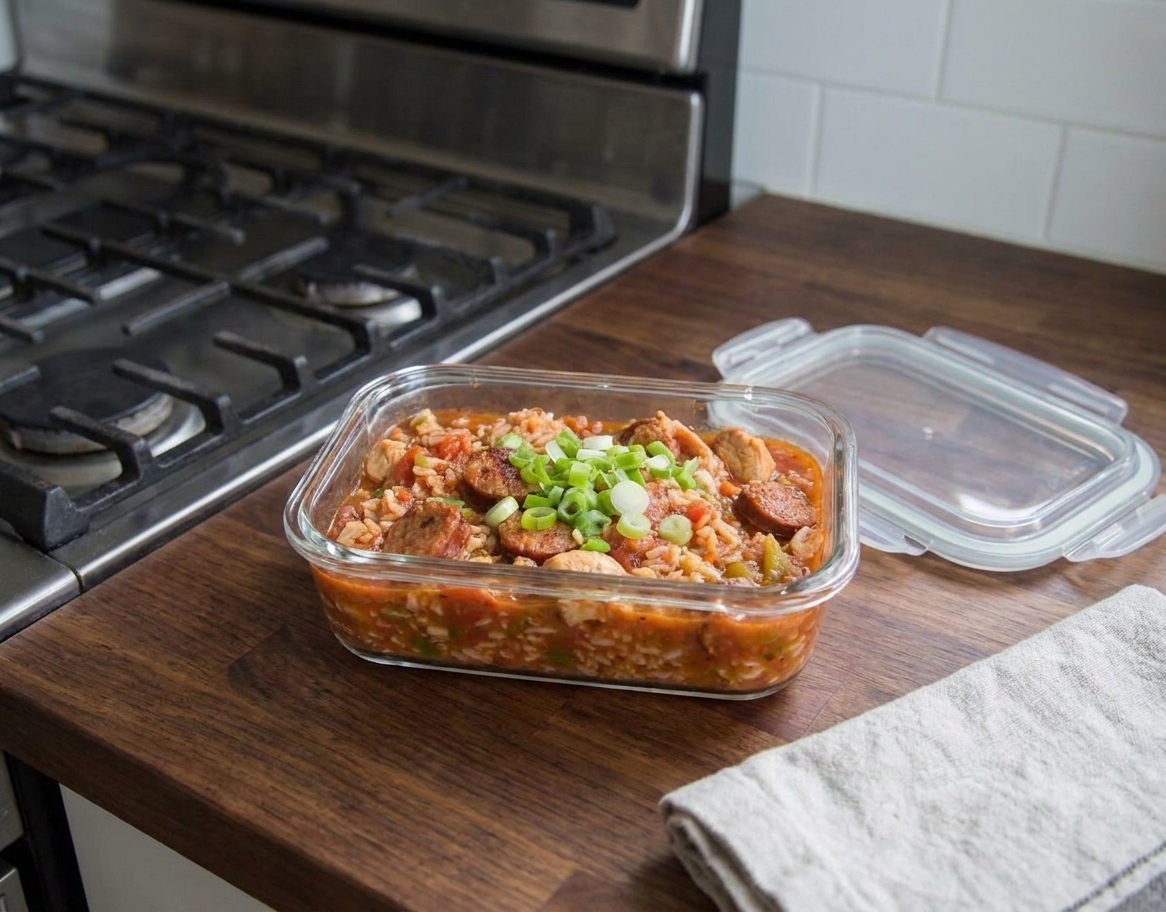
A glass meal prep container filled with leftover jambalaya on a kitchen counter with a lid nearby, ready to go into the refrigerator

Common Questions

What is the difference between Cajun and Creole jambalaya?

Quick and practical: Cajun jambalaya (often called “brown jambalaya”) is usually made without tomatoes and gets its deeper color from browning meat and aromatics. Creole jambalaya (often called “red jambalaya”) typically includes tomatoes, which makes it brighter and more tomato-forward.

This recipe uses crushed tomatoes and tomato paste, so it is firmly in the Creole jambalaya camp.

Can I make this a Cajun (no-tomato) jambalaya?

Yes. Omit the tomato paste and the 14.5-ounce can of crushed tomatoes. Replace them with about 1 3/4 cups additional chicken broth, or add broth as needed so your total cooking liquid (broth only) is about 4 1/4 cups. You want the liquid to look like it comes up to just about the top of the rice once everything is stirred together. The rest of the method stays the same, and you will end up with a more traditional brown jambalaya.

Can I use shrimp?

Yes. Add peeled shrimp when the rice is almost tender and there is still a little moisture in the pot, usually in the last 5 to 7 minutes of cooking. Cover and cook just until the shrimp turn pink. If the rice is already perfect, you can also stir in shrimp, cover, and let it sit off heat for 5 minutes. Either way, do not simmer shrimp for the full cook time unless you enjoy chewy seafood sadness.

Why is my rice still hard?

Usually the heat was too high (liquid evaporated early) or the lid was lifted too often. Add 1/4 cup hot broth or water, cover, and cook on low for another 5 to 8 minutes. Let it rest off heat, covered, for 10 minutes to finish steaming.

Why is my jambalaya mushy?

Too much liquid, too much stirring, or using a rice that cooks faster than long grain. Next time stick with long-grain white rice, keep the lid on, and do not stir once it starts simmering. If it is already mushy, spread it on a sheet pan for a few minutes to let steam escape, then fluff gently.

Is jambalaya supposed to be spicy?

It can be. For a mild batch, use a mild Cajun seasoning and skip cayenne. For heat lovers, add cayenne and finish with hot sauce at the table so everyone can choose their own adventure.

Do I have to rinse the rice? And what kind is best?

Rinsing helps remove excess starch, which means less gumminess and more separate grains. I recommend long-grain white rice here. Avoid quick-cooking rice. If you use parboiled, it may need a few extra minutes and a touch more liquid depending on the brand.

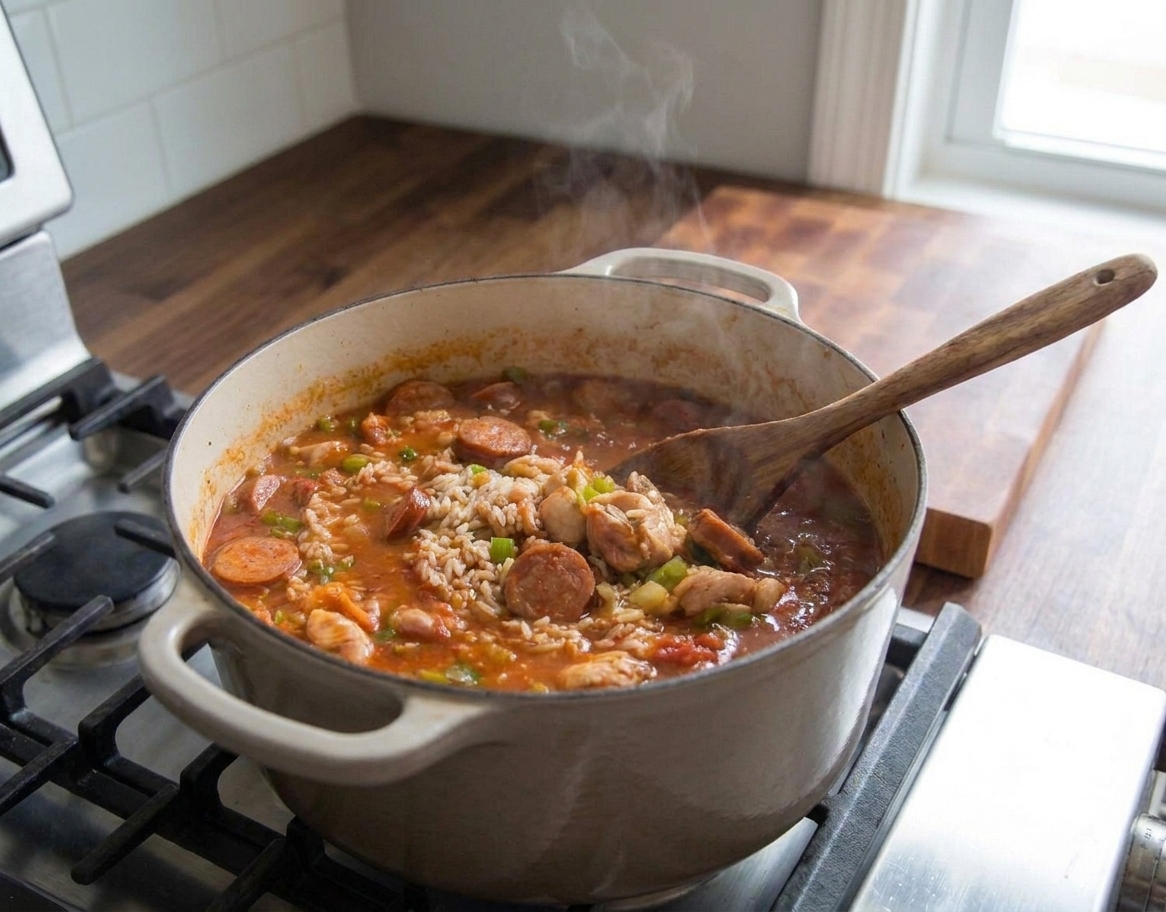
I love jambalaya because it is basically teamwork in edible form. You build the base, you brown the meat, you let the rice do its quiet little magic, and then suddenly the whole kitchen smells like you know what you are doing. The first time I made it, I kept lifting the lid like an anxious parent checking on a sleeping baby. The rice punished me accordingly. Now I treat jambalaya like a trust fall: lid on, heat low, hands off, and the reward is a pot of spicy comfort that feeds everyone and still leaves you with lunch tomorrow.

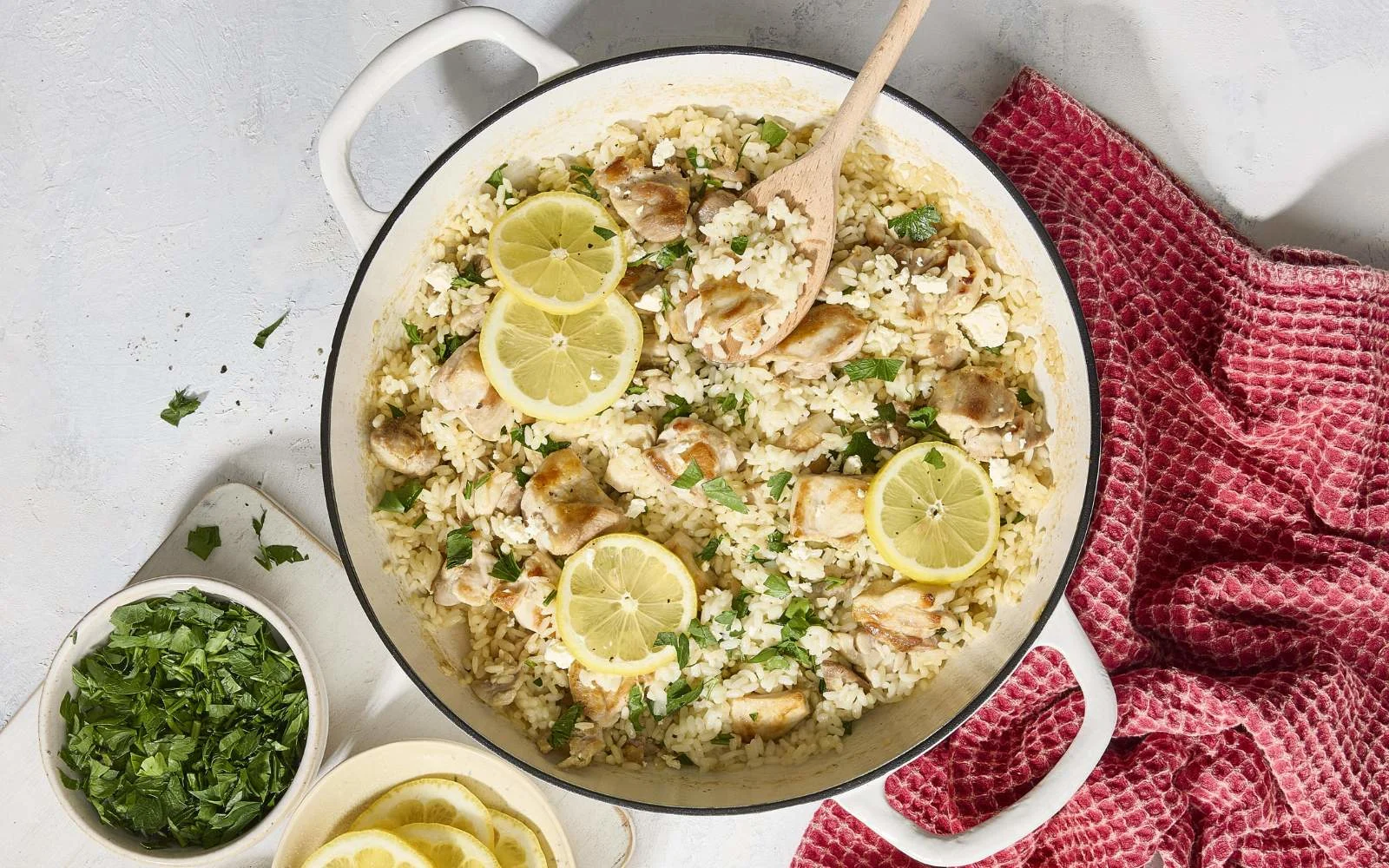
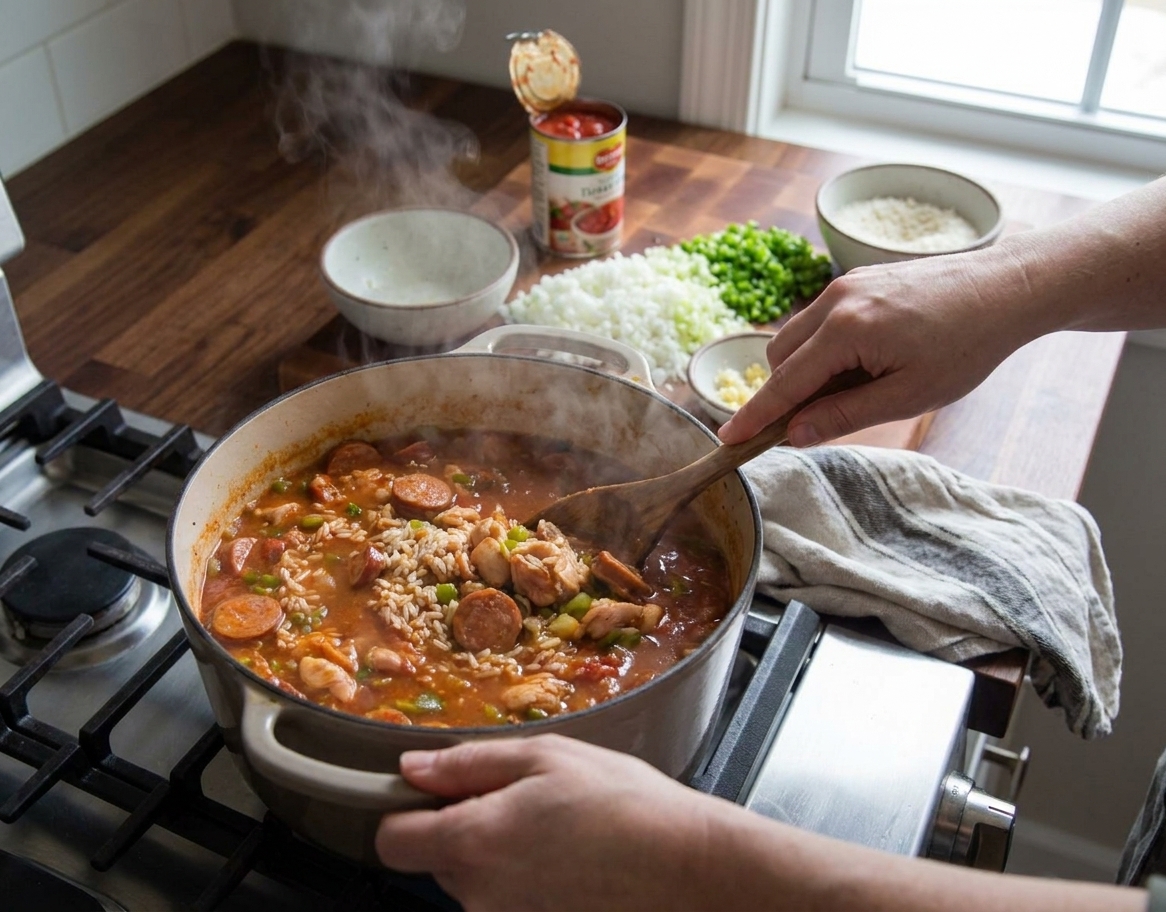
A home cook stirring a pot of jambalaya on a stovetop with a wooden spoon, with steam rising and bowls of chopped vegetables nearby on the counter