Mom's Best Recipes
Recipe

Crispy Fish Batter

A light, savory batter that fries up shatter-crisp and golden, perfect for cod, haddock, tilapia, or shrimp.

Author By Matt Campbell
4.8
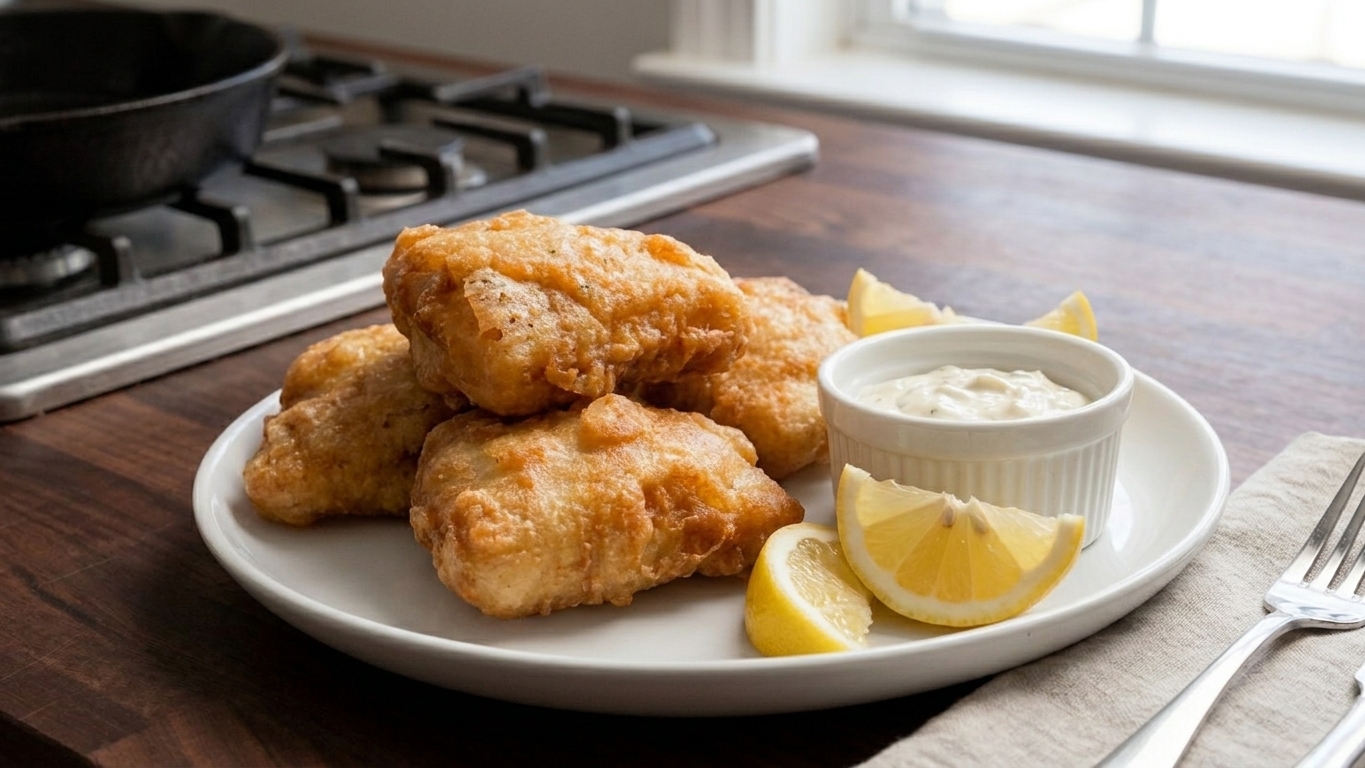
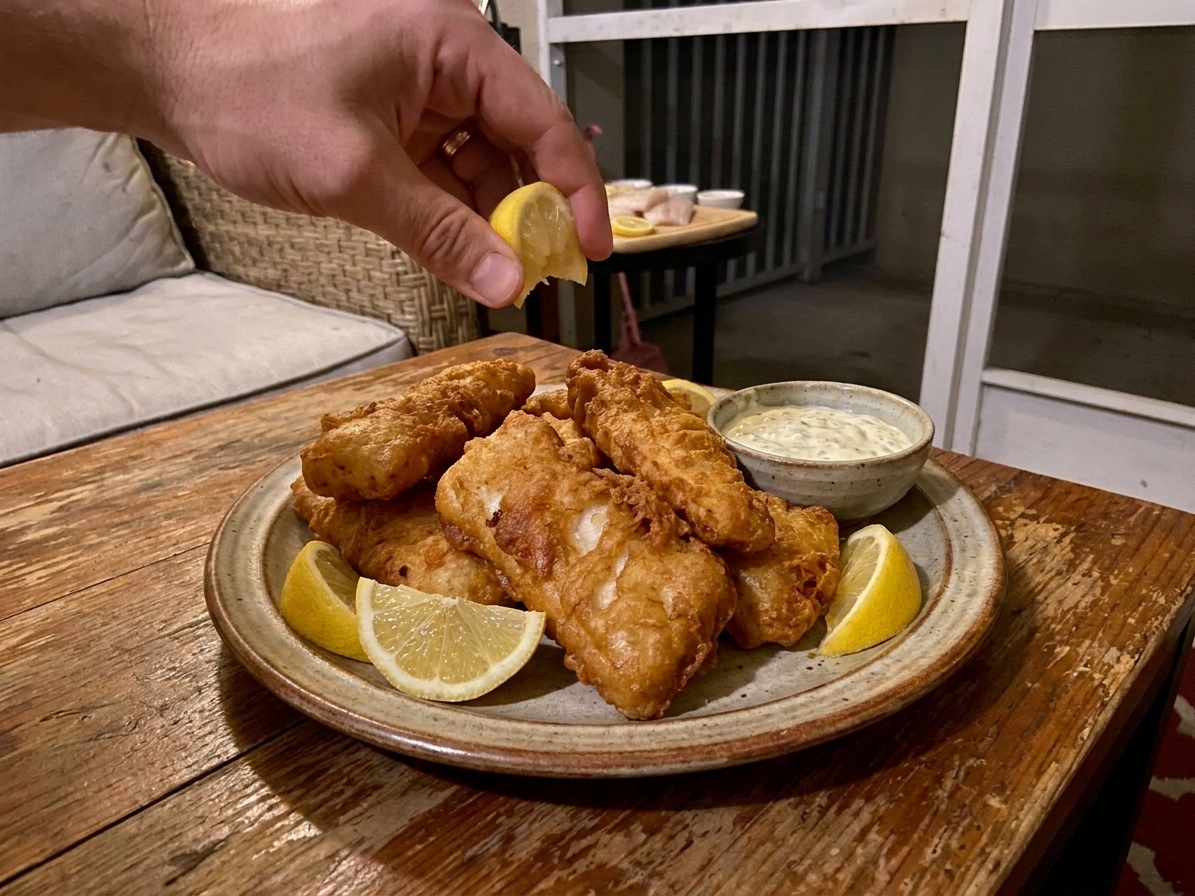
Golden, crispy battered fish fillets stacked on a plate with lemon wedges and a small bowl of tartar sauce on a bright kitchen table

Fish batter should do three things: cling like it means it, fry up crisp, and stay that way long enough for you to get from stove to table without the coating turning into a sad sweater. This one is my go-to when I want that pub-style crunch at home, but with ingredients you can find at any grocery store and directions that do not require a deep fryer PhD.

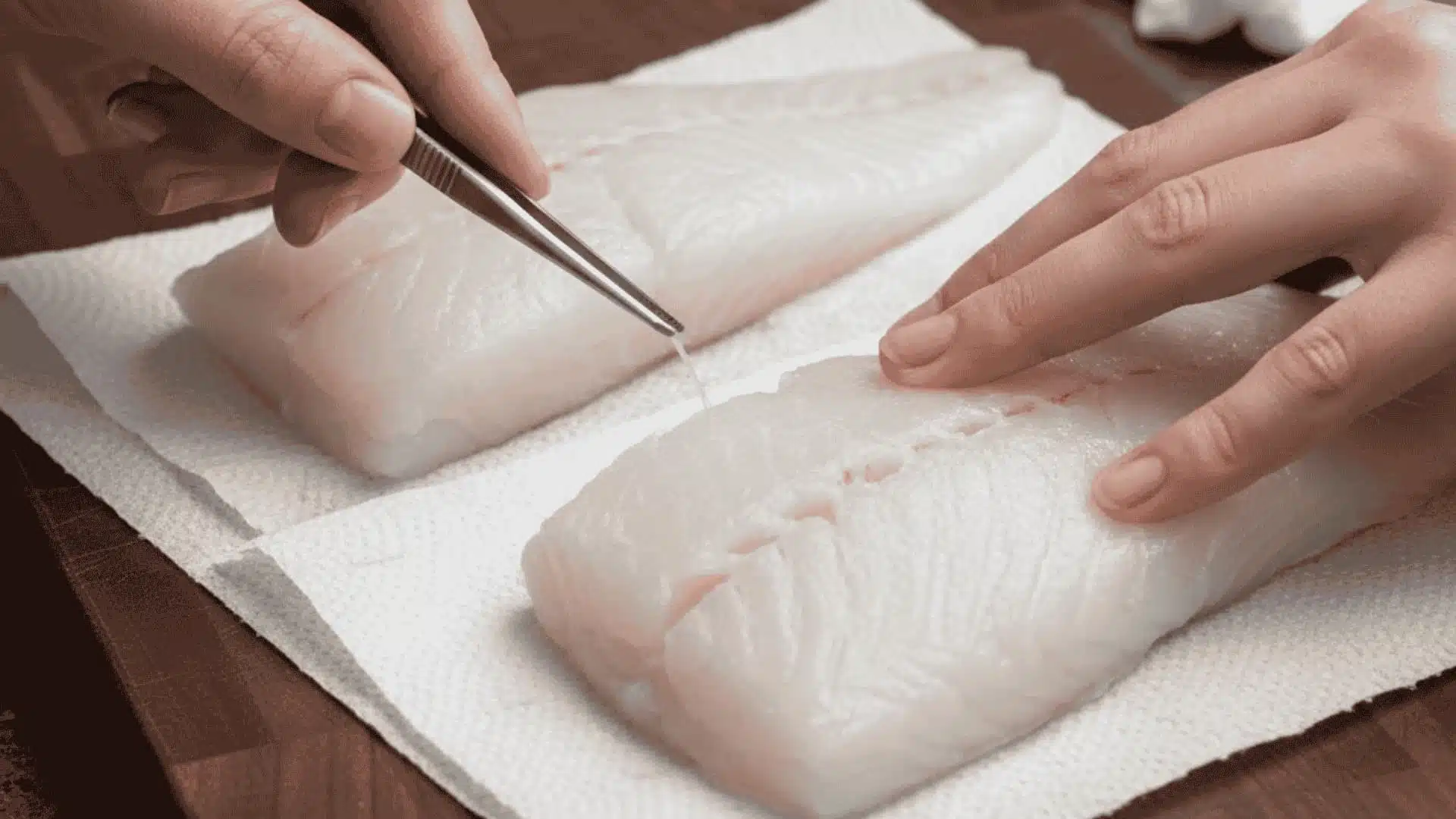
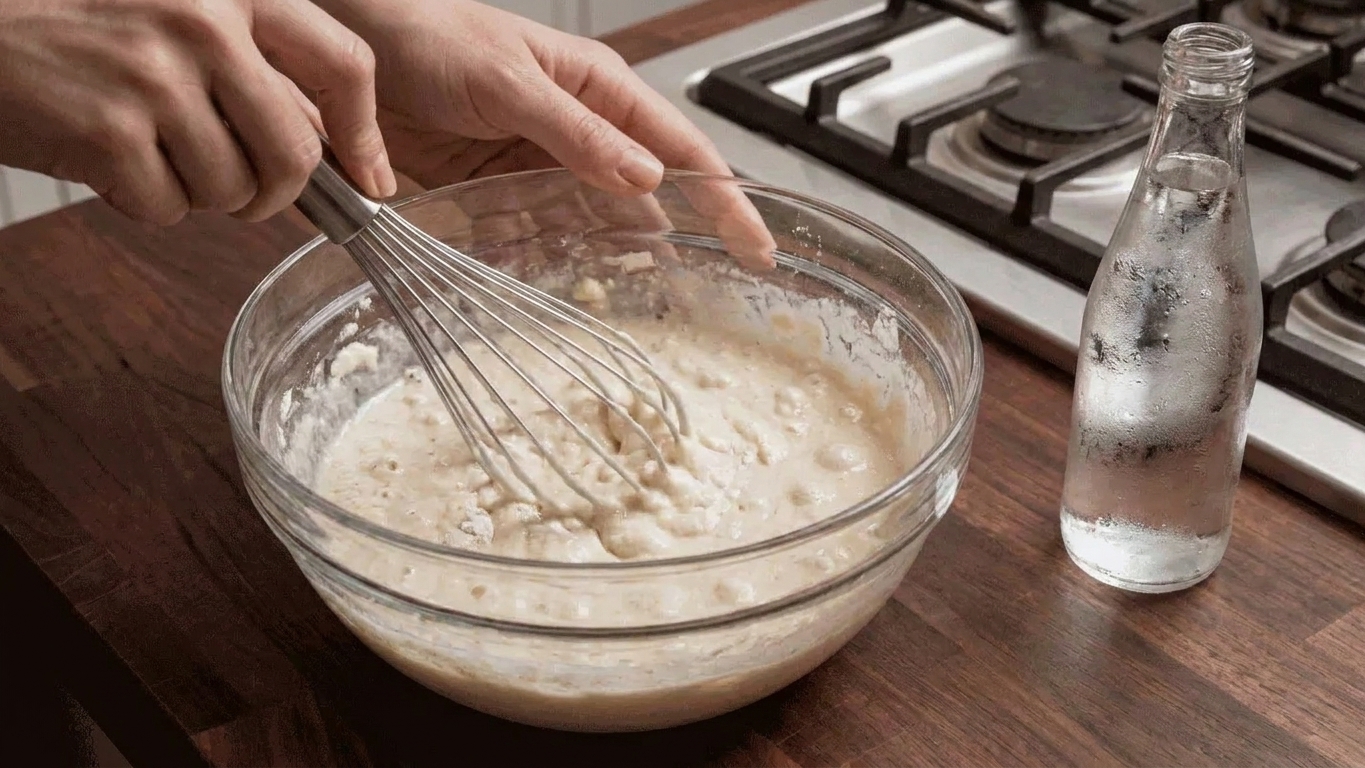
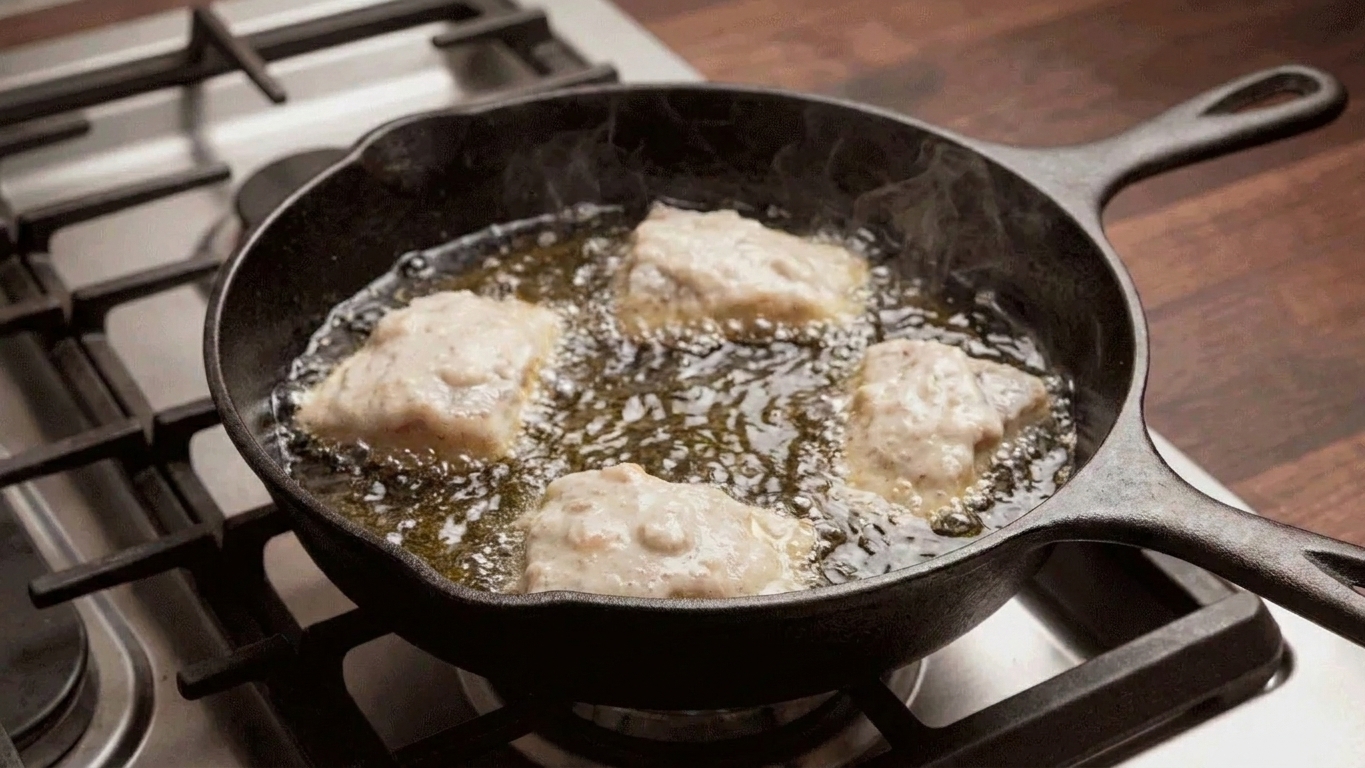
The secret is temperature and texture. We keep the batter cold, the oil steady, and the fish dry. The payoff is big: crackly edges, a light shell, and fish that stays juicy inside.
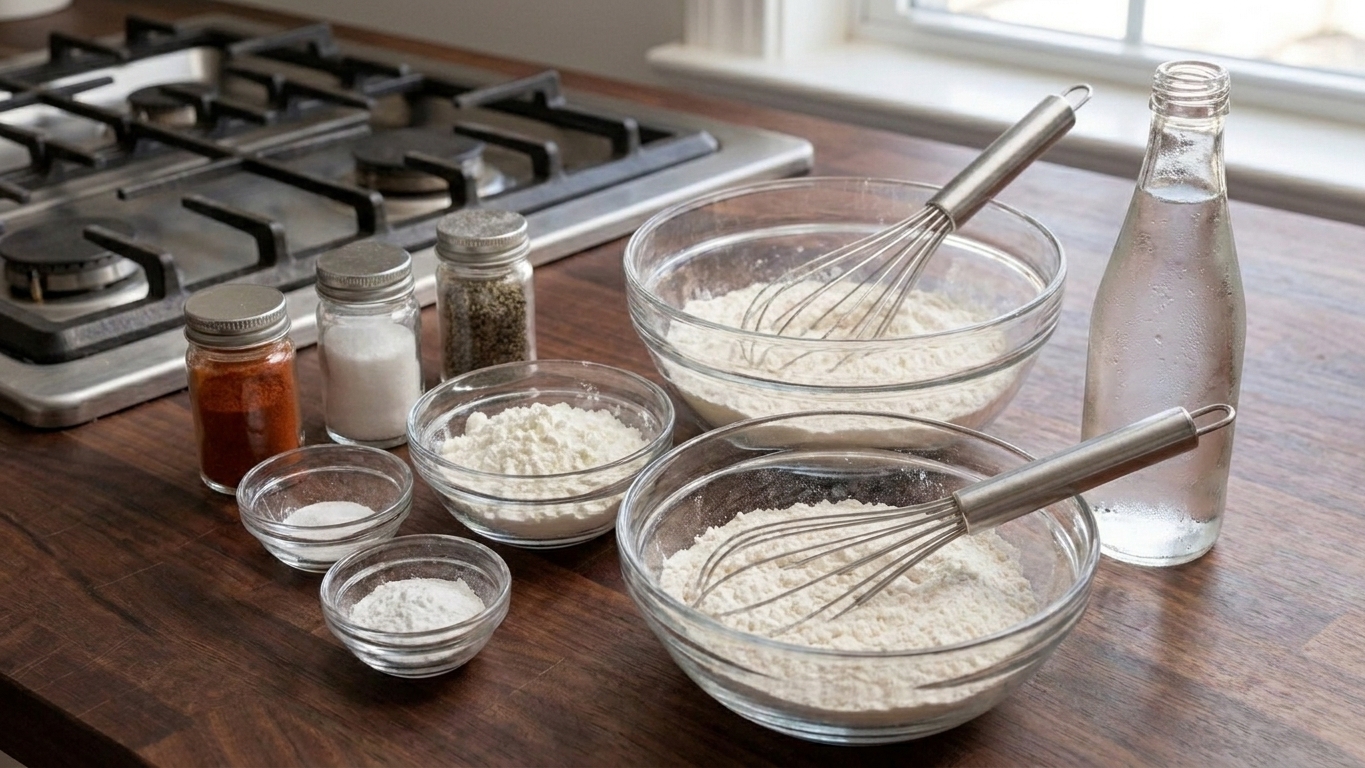
A kitchen counter with bowls of flour, cornstarch, baking powder, spices, a whisk, and a bottle of club soda laid out for making fish batter

Why It Works

  • Cold, bubbly liquid (club soda or beer) gives you a lighter, crispier crust.
  • Cornstarch in the mix reduces gluten development, so the batter fries up delicate and crunchy, not bready.
  • Two-step coating (a quick dusting, then batter) helps the batter grab on and stay put.
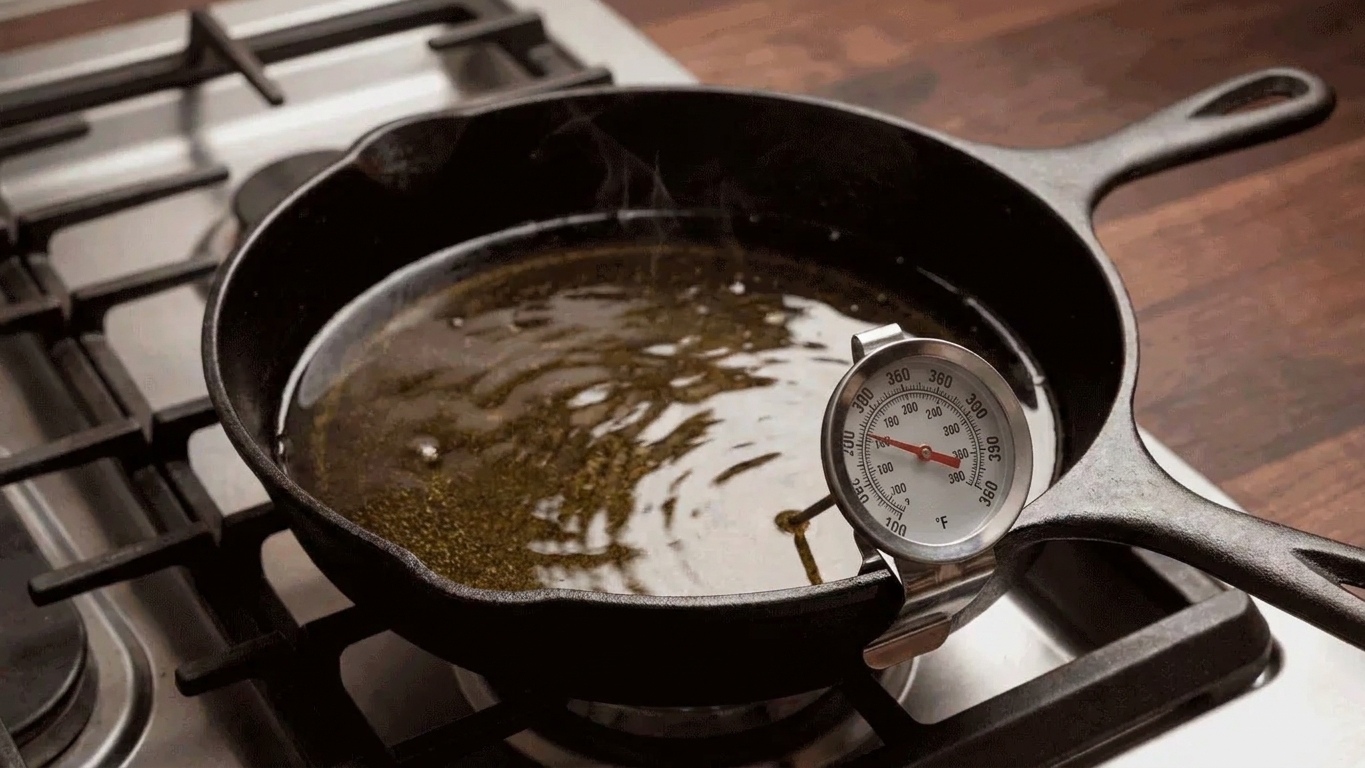
  • Oil temperature control keeps the coating from soaking up grease and going soft.

Pairs Well With

Storage Tips

Fried fish is best right away, but if you have leftovers, you can bring back most of the crunch.

Store

  • Cool completely, then refrigerate in an airtight container up to 2 days.
  • If possible, place fish on a small rack or a crumpled piece of foil inside the container so it is not sitting in condensation.

Reheat for crunch

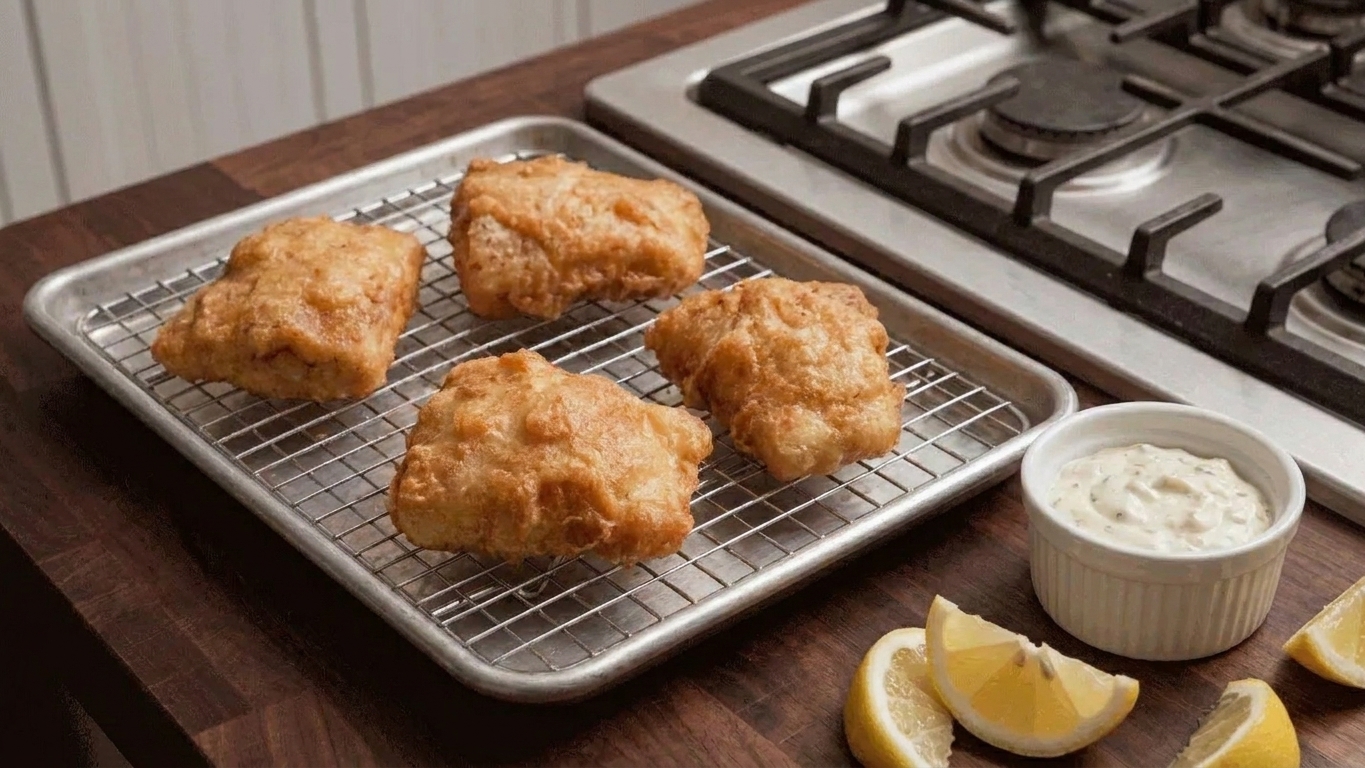
  • Oven: 425°F on a wire rack over a sheet pan, 8 to 12 minutes, flipping once.
  • Air fryer: 375°F for 4 to 7 minutes, depending on thickness.
  • Avoid: Microwave reheating if you care about crispness. It will soften the coating fast.

Heads up: Batter is best used right away. You can hold it for a short bit in the fridge, but after a few hours (and definitely overnight) the bubbles fade and it will not fry up as light and crisp.

Common Questions

Can I use beer instead of club soda?

Yes. Beer makes a slightly deeper, more malty flavor and great color. Use a light lager for classic fish-and-chips vibes. Swap it 1:1 for the club soda and keep it cold.

Why is my batter falling off the fish?

Usually one of three things: the fish is wet, the batter is too thin, or you are moving the fish too soon. Pat the fish very dry, dust with flour before battering, and let it fry for a full 60 to 90 seconds before you try to nudge it.

Why is my batter soggy or greasy?

Oil temperature is the big one. If the oil is too cool, the coating absorbs oil instead of crisping. Aim for 350°F to 365°F and fry in batches so the oil does not crash in temperature.

Can I make this gluten-free?

Yes. Use a 1:1 gluten-free flour blend in place of the all-purpose flour. Keep the cornstarch. The batter will be slightly more delicate, so flip gently.

What fish works best?

Firm, mild white fish is the easiest: cod, haddock, pollock, halibut, catfish, or tilapia. You can also use shrimp. Avoid very thin, fragile fillets unless you are confident with the flip.

Can I bake this instead of frying?

This particular batter is designed for hot oil and will not crisp the same in the oven. If you want oven-friendly crunch, you are better off with a panko breading setup.

I learned the hard way that fried fish is less about “secret ingredients” and more about tiny habits. Dry the fish. Chill the batter. Do not crowd the pan. The first time I actually nailed it at home, it felt like catching a wave. Suddenly the crust stayed crisp, the kitchen smelled like a beach shack in the best way, and I stopped hovering over the oil like it was going to personally judge me. Now this batter is my weeknight treat when I want something cozy and crunchy without turning dinner into a whole production.