Mom's Best Recipes
Recipe

Crispy Fried Catfish

Tender catfish in a crunchy cornmeal crust with crisp edges, bright lemon, and that can’t-stop snacking vibe.

Author By Matt Campbell
4.8
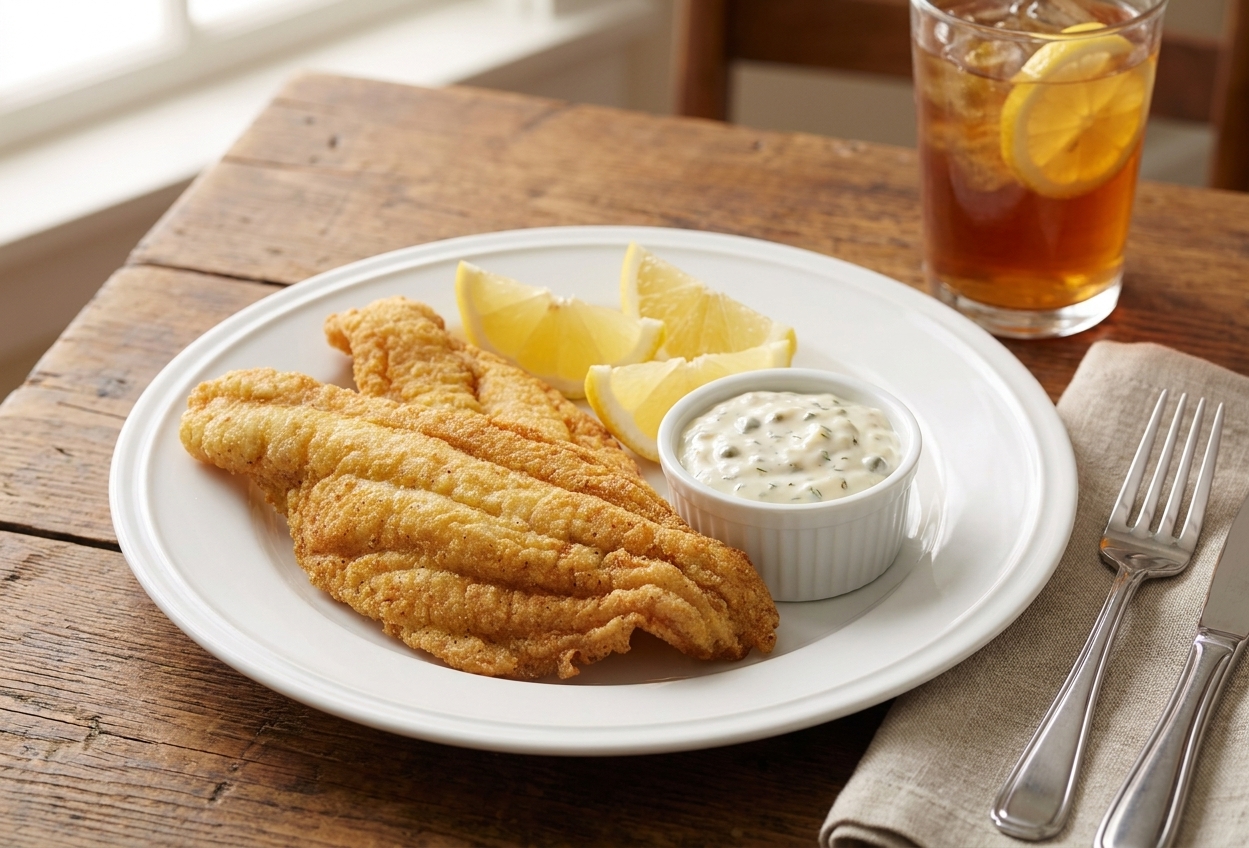
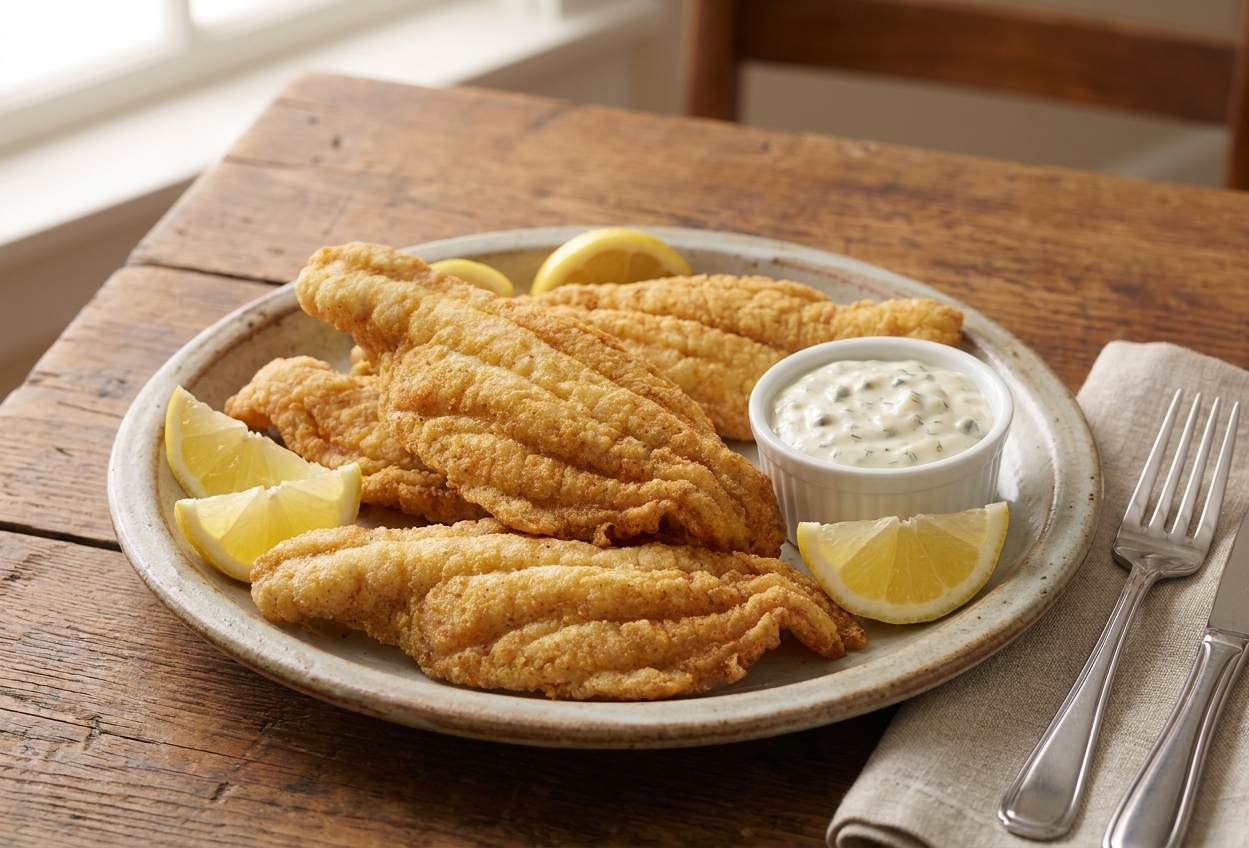
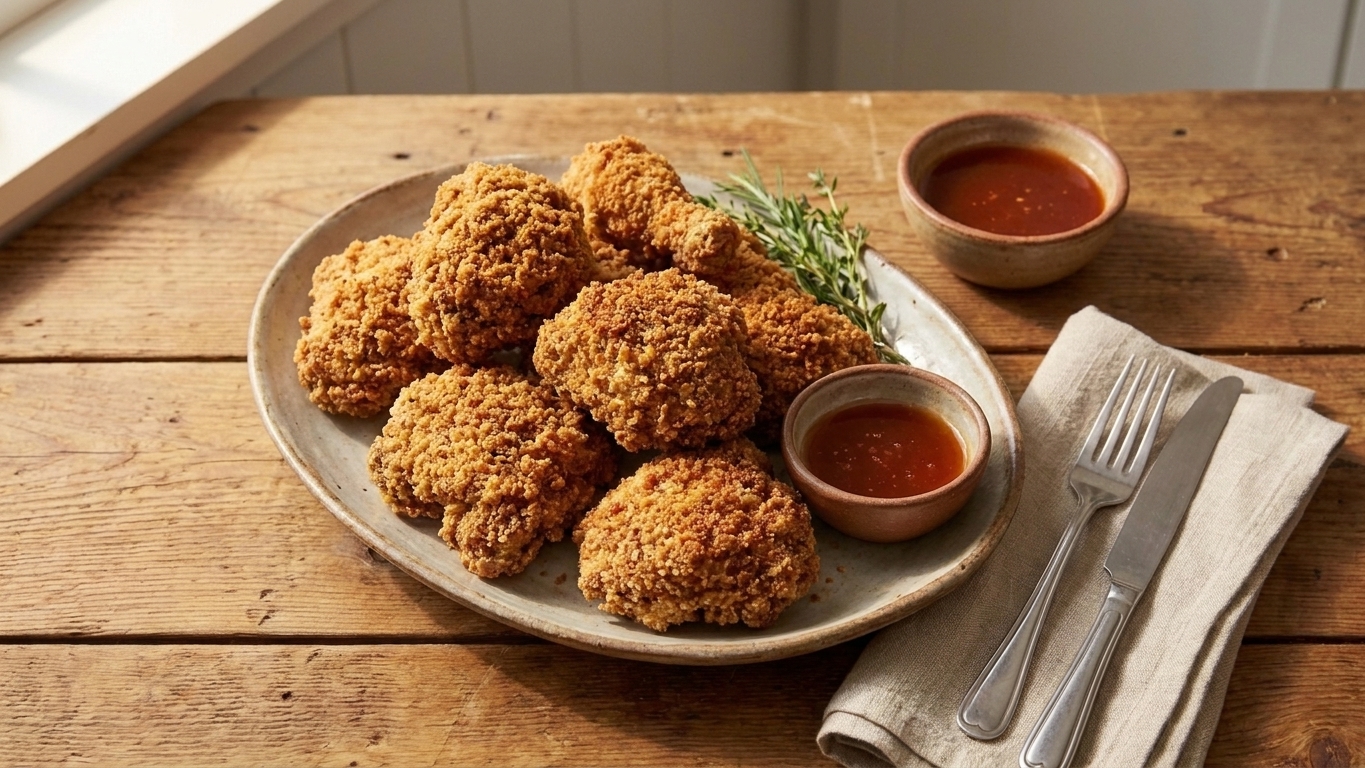
A platter of golden fried catfish fillets with lemon wedges and a small bowl of tartar sauce on a wooden table in warm natural light

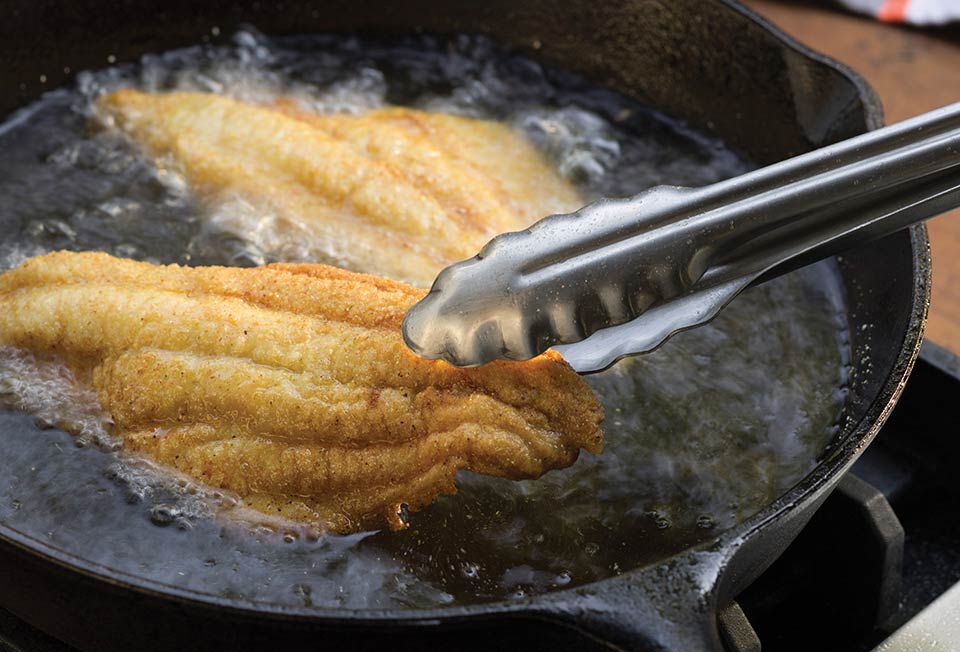
Fried catfish is one of those dishes that feels like a weekend treat, but honestly, it can be a Tuesday if you keep it simple and stay friends with your thermometer. We are going for crisp, crackly cornmeal edges and juicy, flaky fish, not greasy sadness.

The method here is my favorite kind of home cooking: a quick buttermilk soak (with a little hot sauce because life is short), a well-seasoned cornmeal coating, and a shallow fry that gives you that diner-style crunch without needing a deep fryer the size of a baby pool.
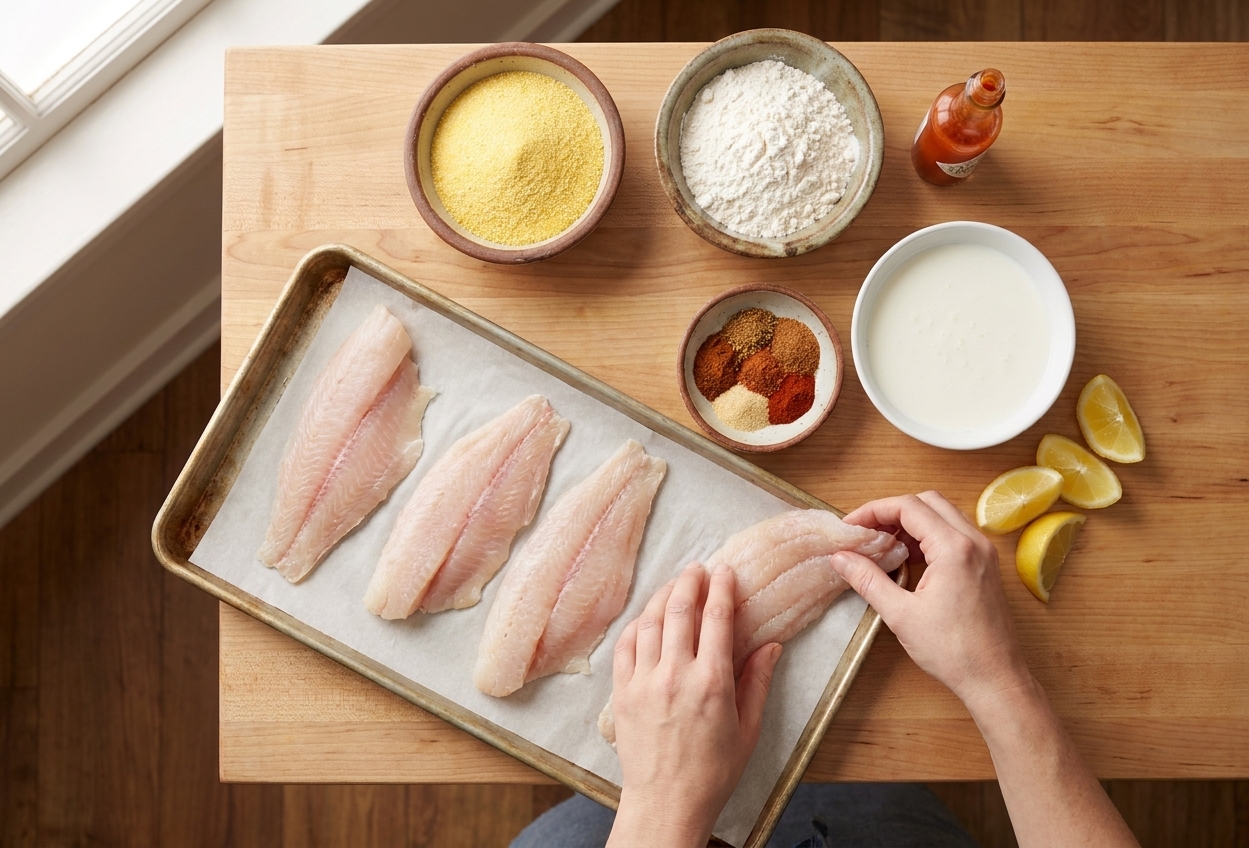
Raw catfish fillets on a parchment-lined-tray beside bowls of cornmeal, flour, spices, buttermilk, hot sauce, and lemon on a kitchen counter

Why It Works

  • Buttermilk tenderizes the catfish and helps the coating cling, so you get an even crust instead of bald spots.
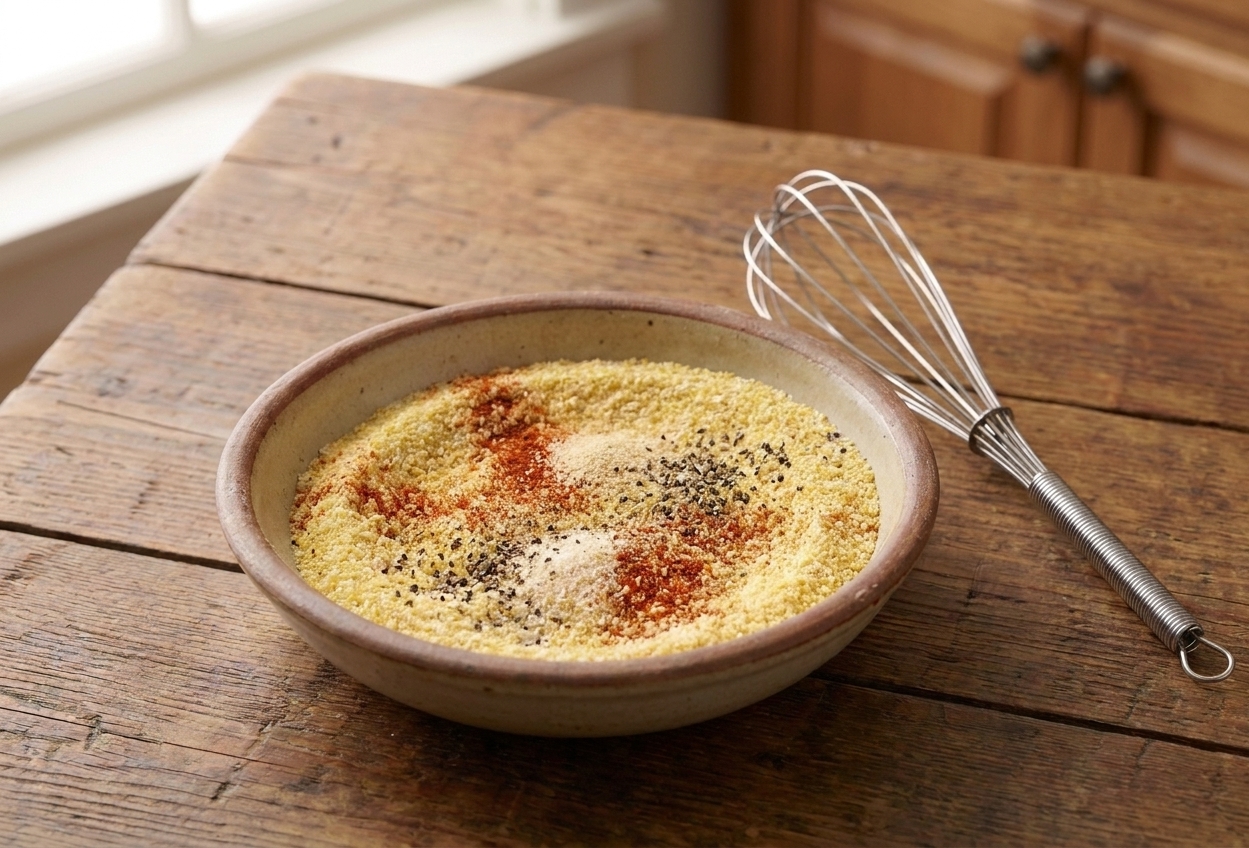
  • Cornmeal plus a little flour is the magic mix: cornmeal brings crunch, flour fills gaps and keeps the crust from falling off.
  • Oil at 350°F means the coating crisps fast while the fish stays moist. Too cool and it soaks up oil. Too hot and it browns before the inside is done.
  • Season every layer: the soak, the dredge, and a tiny pinch of salt right after frying. That is how you get “wow” flavor, not just crunch.

Pairs Well With

Storage Tips

Fried catfish is best fresh, but leftovers can still be very good if you reheat them like you mean it.

Refrigerate

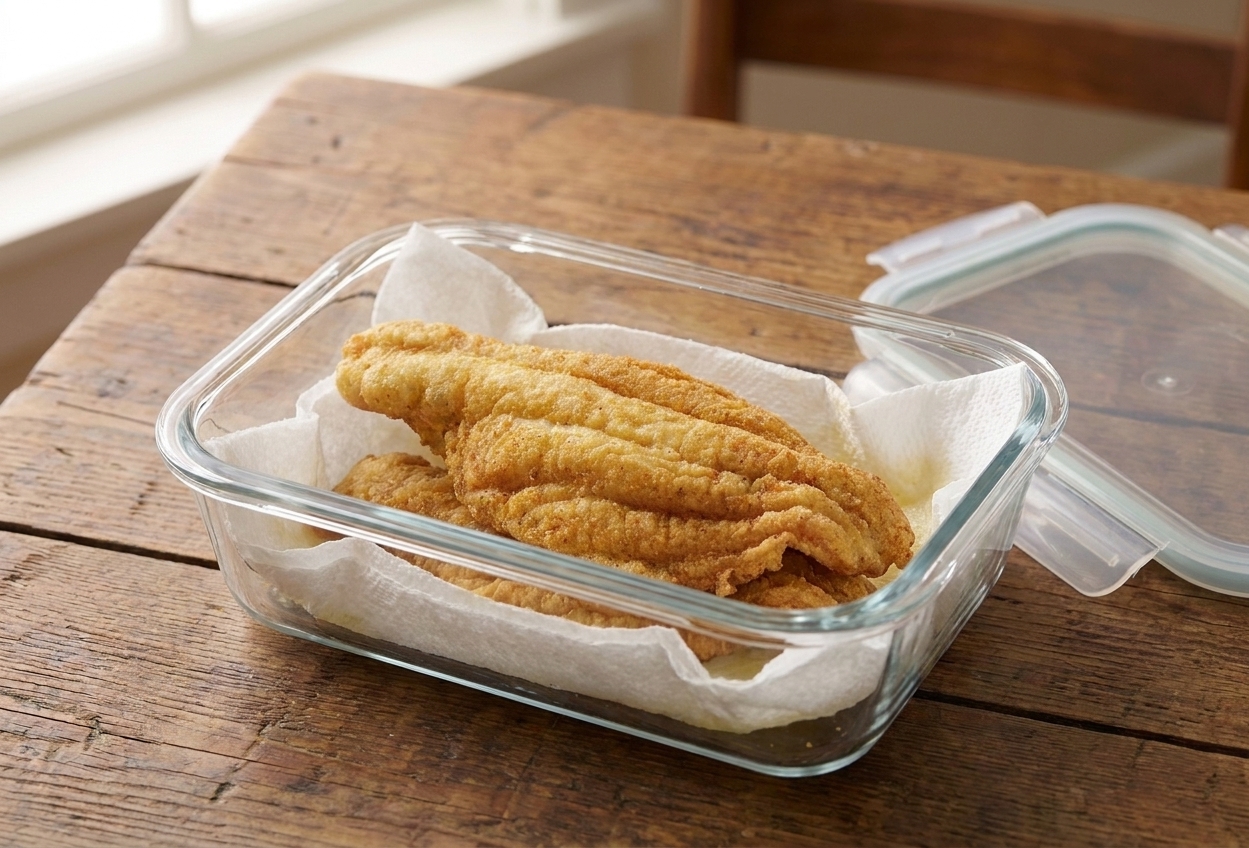
  • Cool completely, then store in an airtight container lined with paper towel.
  • Refrigerate up to 2 days.

A glass food storage container holding leftover fried catfish with a paper towel liner on a kitchen counter

Reheat for crisp edges

  • Oven: 425°F on a wire rack set over a baking sheet for 8 to 12 minutes, flipping once.
  • Air fryer: 375°F for 4 to 6 minutes, shaking or flipping halfway.
  • Avoid the microwave unless you are okay with the crust going soft.

Freeze (if you must)

  • Freeze in a single layer on a sheet pan until firm, then transfer to a freezer bag.
  • Freeze up to 1 month. Reheat from frozen at 425°F for 15 to 18 minutes on a rack.

Common Questions

How do I keep fried catfish from getting greasy?

Two big things: keep the oil around 350°F, and do not overcrowd the pan. Overcrowding drops the oil temp fast, and the crust starts absorbing oil instead of crisping.

Do I need to soak catfish in milk first?

You do not need to, but a quick soak in buttermilk (or milk with a splash of vinegar or lemon) mellows any muddy flavor and keeps the fish tender. Even 15 minutes helps.

Can I use frozen catfish?

Yes. Thaw it completely in the fridge, then pat it very dry. Water is the enemy of crispy coating.

What oil is best for frying catfish?

Use a neutral oil with a higher smoke point, like peanut, canola, vegetable, or avocado oil. Peanut oil is classic, but any of those work great.

How do I know when the catfish is done?

The crust should be deep golden and the fish should flake easily. If you want to be exact, aim for 145°F internal in the thickest part.

Can I make this gluten-free?

Yep. Swap the all-purpose flour for a gluten-free flour blend or rice flour. Keep the cornmeal. That crunch is the point.

I used to think fried catfish was one of those “leave it to the pros” foods. Then I realized most of the pros are just people who refuse to fry at the wrong temperature. The first time I nailed it at home, I stood there eating a hot corner piece over the sink like a goblin, telling myself I was just “tasting for seasoning.” The truth is, that crisp cornmeal shell and that gentle, flaky fish inside feels like a small victory you can make on a regular weeknight.