Mom's Best Recipes
Recipe

Crispy Fried Chicken Gizzards

Buttermilk-soaked gizzards, seasoned flour, and a golden crunch that actually stays crunchy.

Author By Matt Campbell
4.7
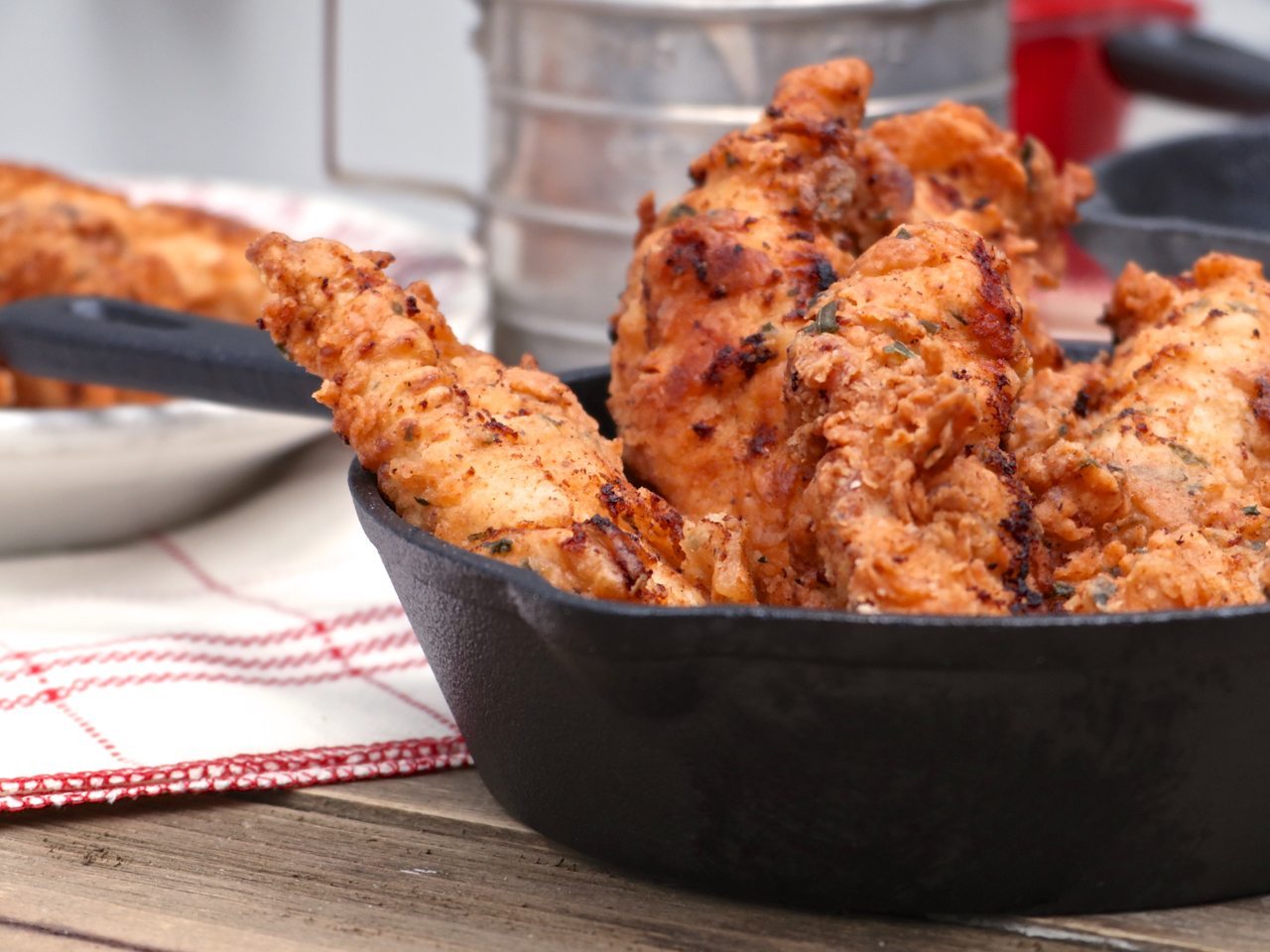
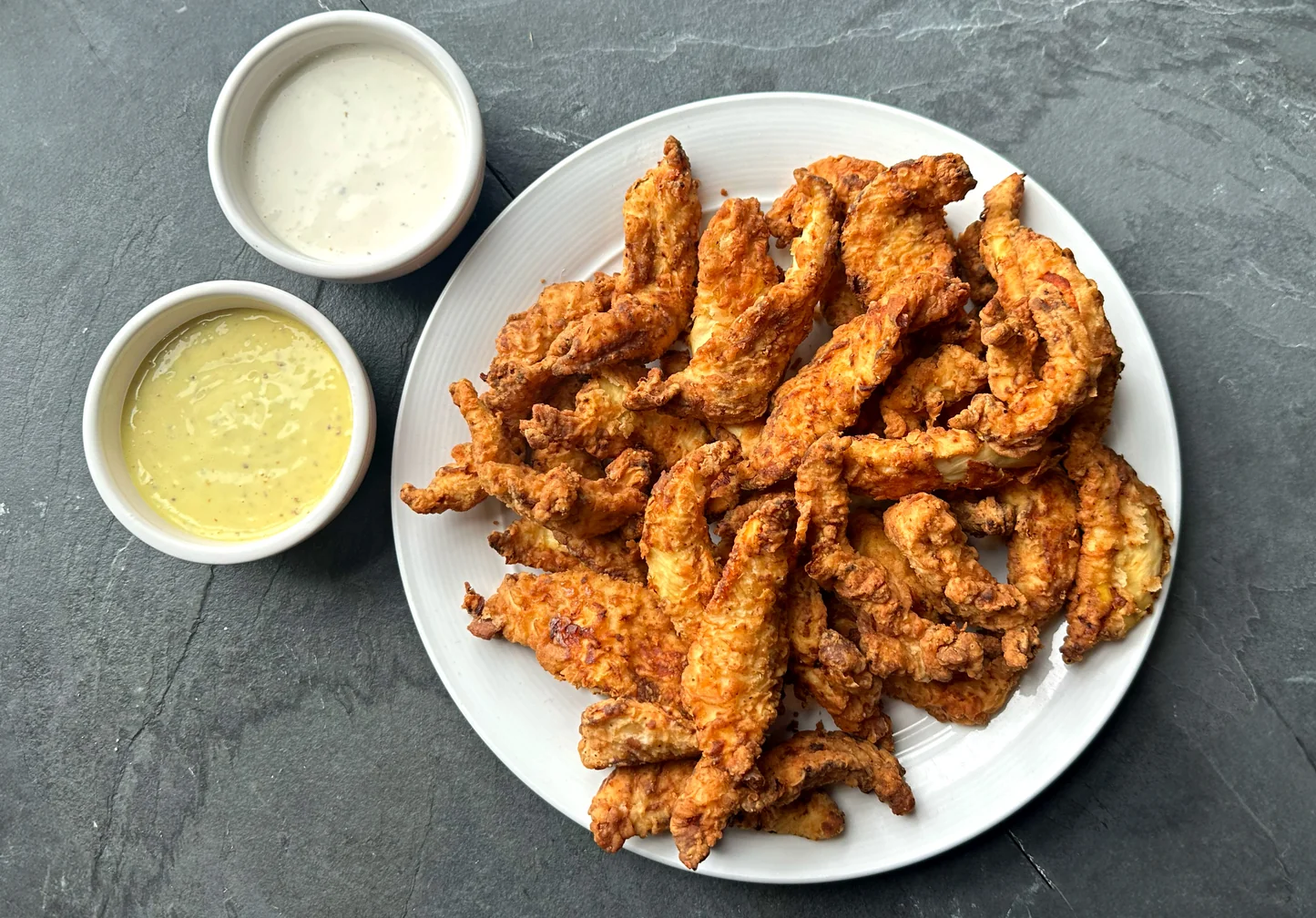
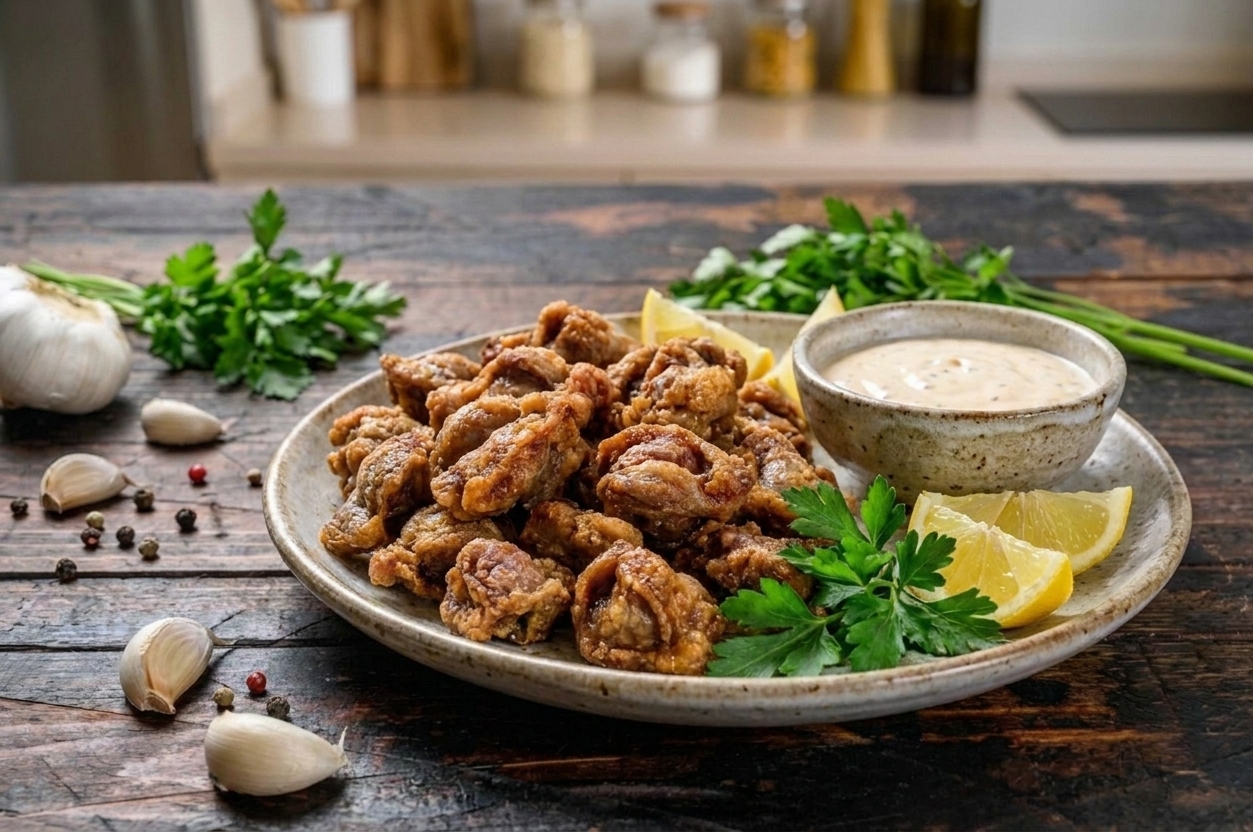
A platter of crispy fried chicken gizzards piled high with a small bowl of hot sauce and lemon wedges on a warm kitchen table

Chicken gizzards are one of those old-school, no-waste ingredients that deserve a comeback. When they are cooked right, they are not scary or rubbery or just for the bravest person at the table. They are crispy-edged, juicy little bites with a deep chicken flavor that feels like it came from a corner store fryer in the best way.

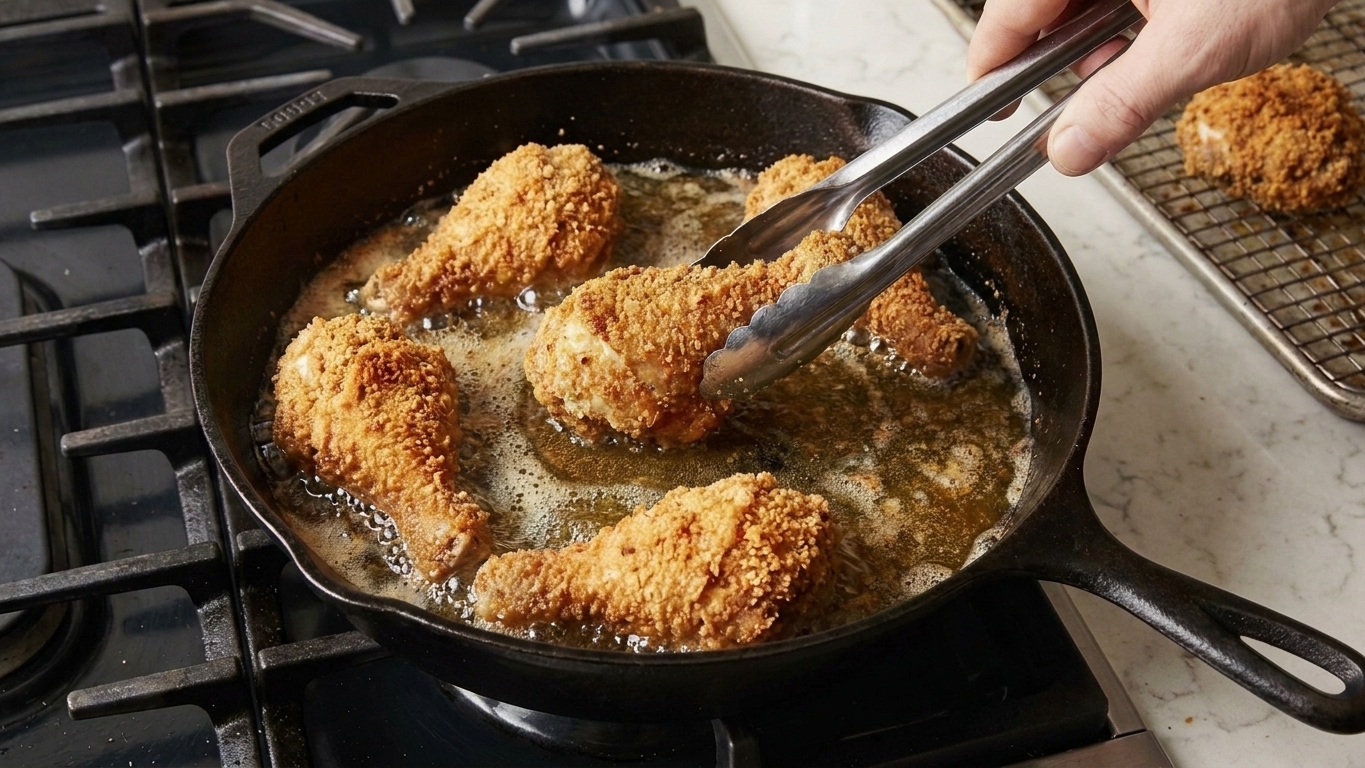
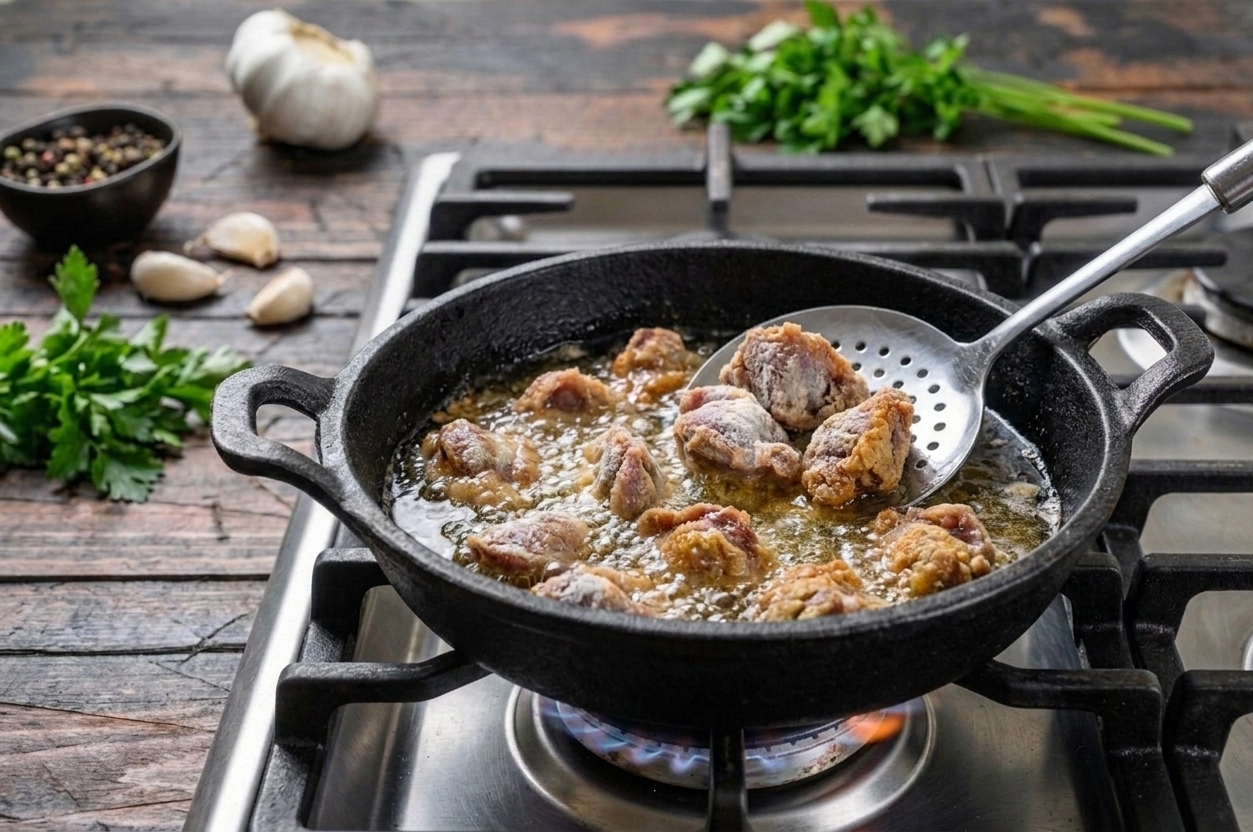
This recipe keeps things friendly for home cooks. We do a quick clean up, a buttermilk soak for tenderness, then a bold dredge and a shallow fry. No deep fryer required. Serve them with hot sauce, ranch, or a squeeze of lemon and try not to hover over the pan eating the test pieces. I fail every time.

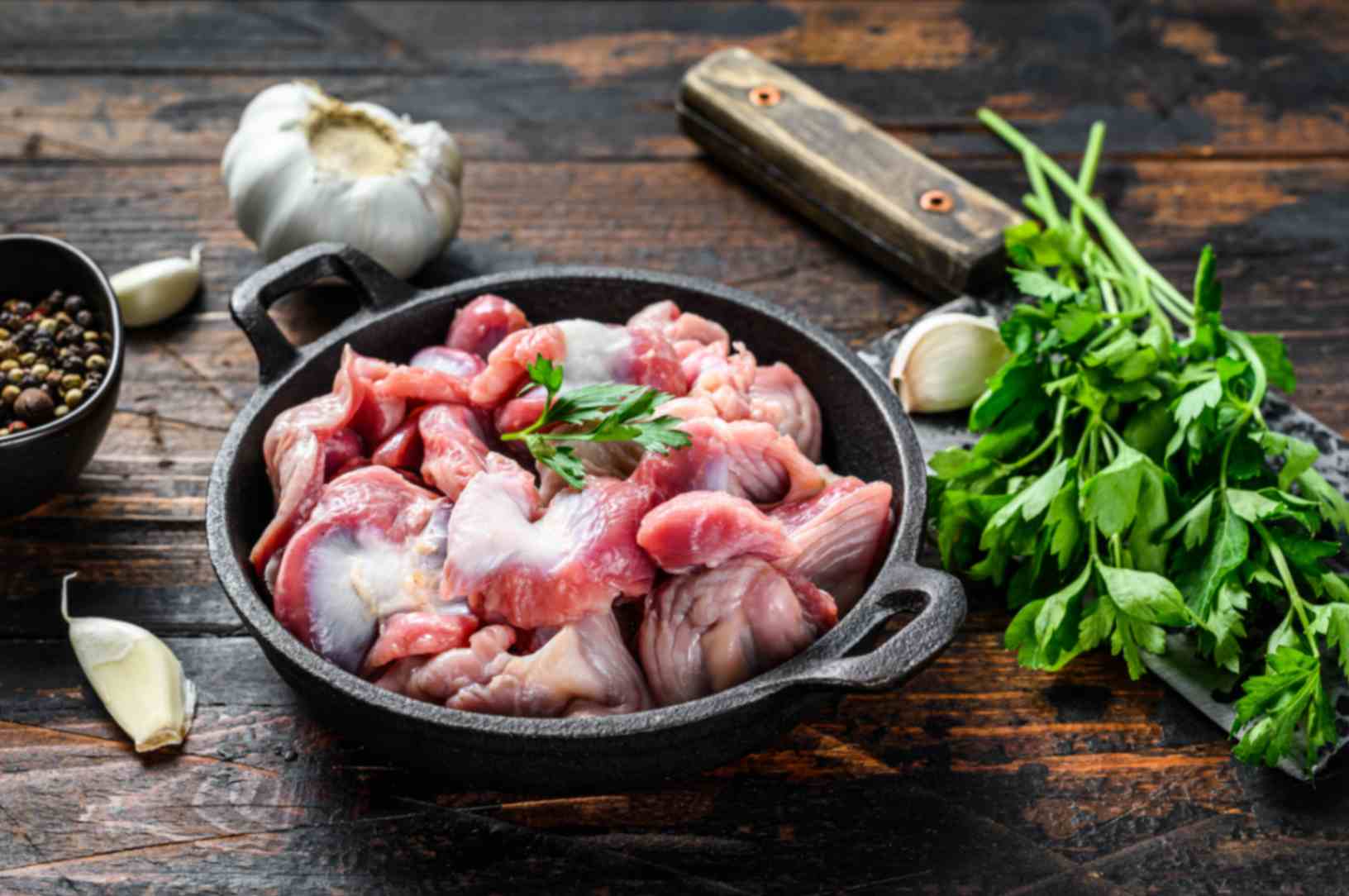
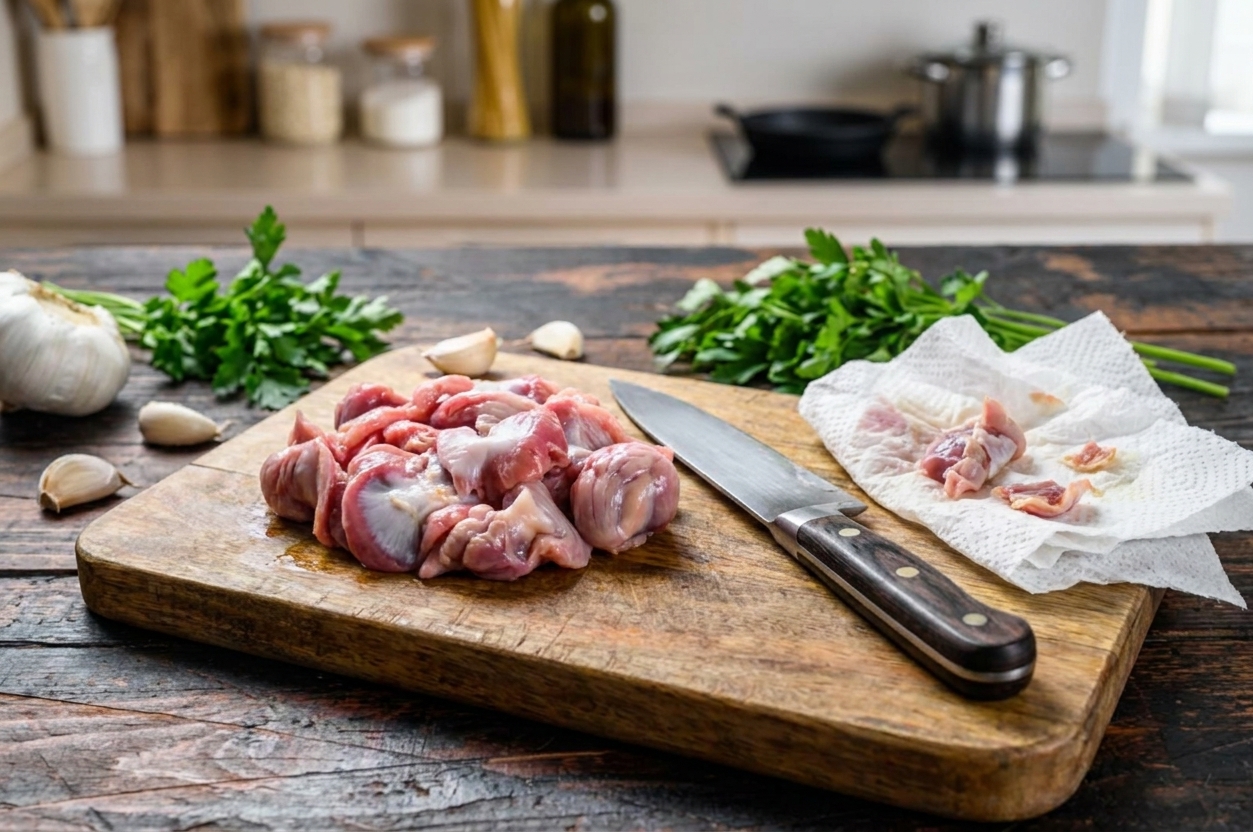
Raw chicken gizzards on a cutting board next to a bowl of buttermilk, flour, spices, and a lemon on a home kitchen counter

Why It Works

  • Tender bite, not chewy: A buttermilk soak and a steady fry temperature help gizzards stay pleasant, not bouncy. For extra-tender results, cut large gizzards in half or use the pre-simmer option.
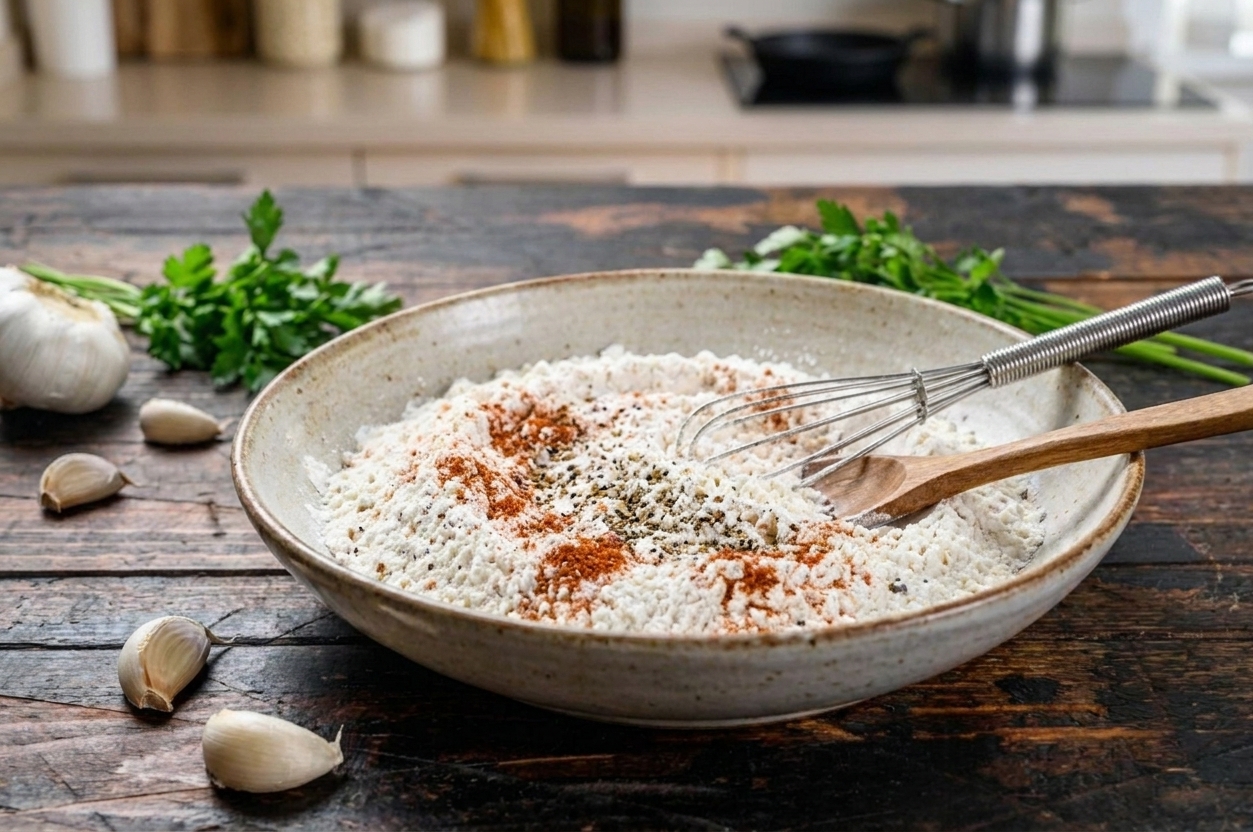
  • Big seasoning: Gizzards can take it. Paprika, garlic, cayenne, and black pepper make them pop.
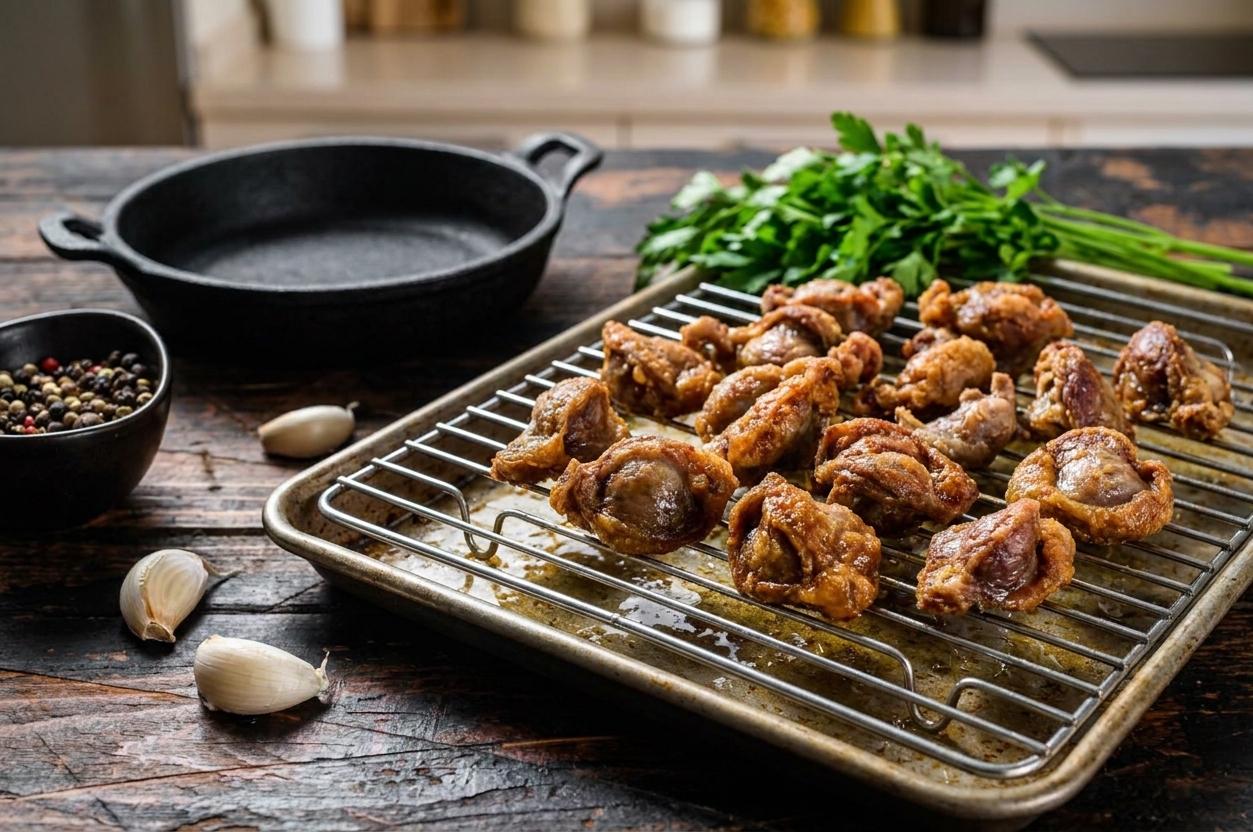
  • Crisp that lasts: A little cornstarch in the flour plus a proper rest on a rack keeps the coating crunchy.
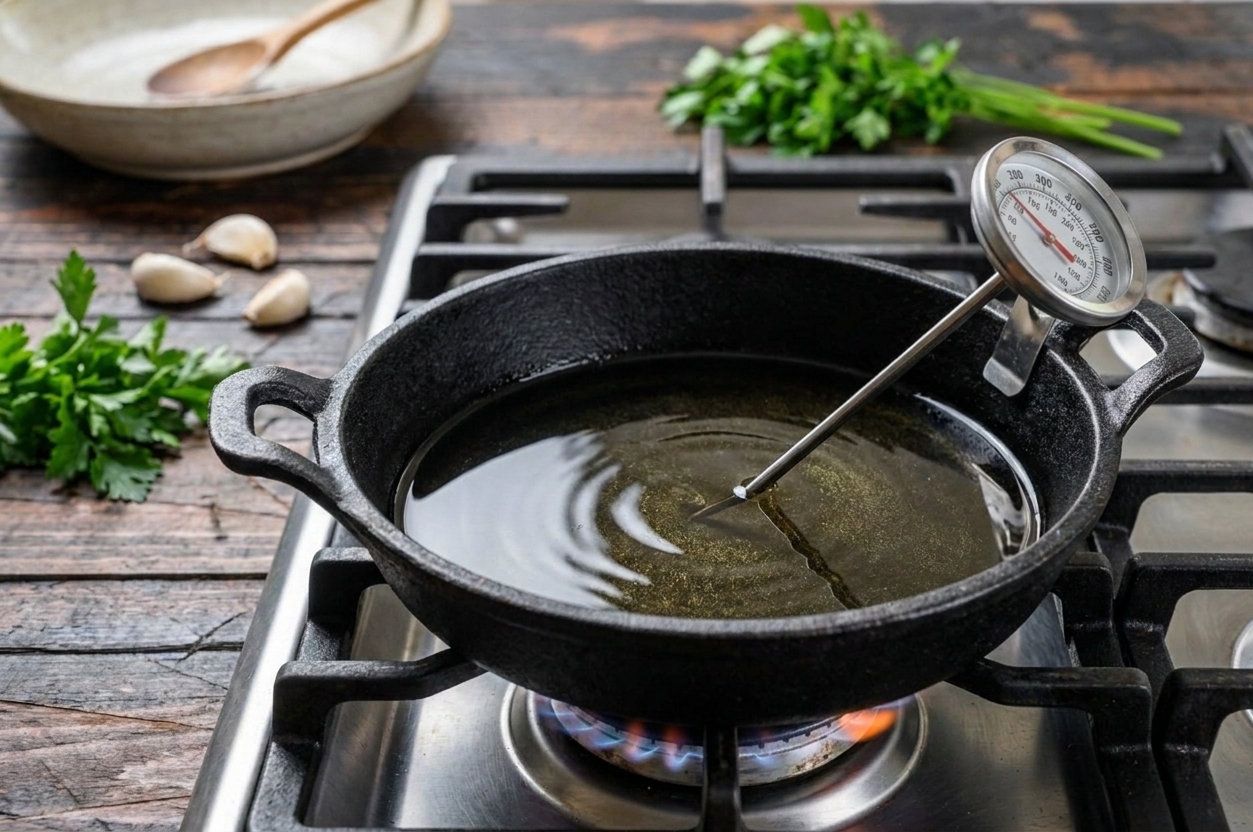
  • No fussy gear: A heavy skillet and a thermometer (or a visual cue backup) get you there.

Pairs Well With

Storage Tips

Fridge: Cool gizzards completely, then store in an airtight container for up to 3 days. If you can, keep them on a paper towel or a small rack inside the container to avoid sogginess.

Reheat (best): Spread on a sheet pan and re-crisp in a 400°F oven for 8 to 12 minutes, flipping once. An air fryer at 375°F for 5 to 7 minutes is also excellent.

Freezer: Freeze fully cooled gizzards on a sheet pan until firm, then transfer to a freezer bag for up to 2 months. Reheat from frozen at 400°F for 15 to 18 minutes until hot and crisp.

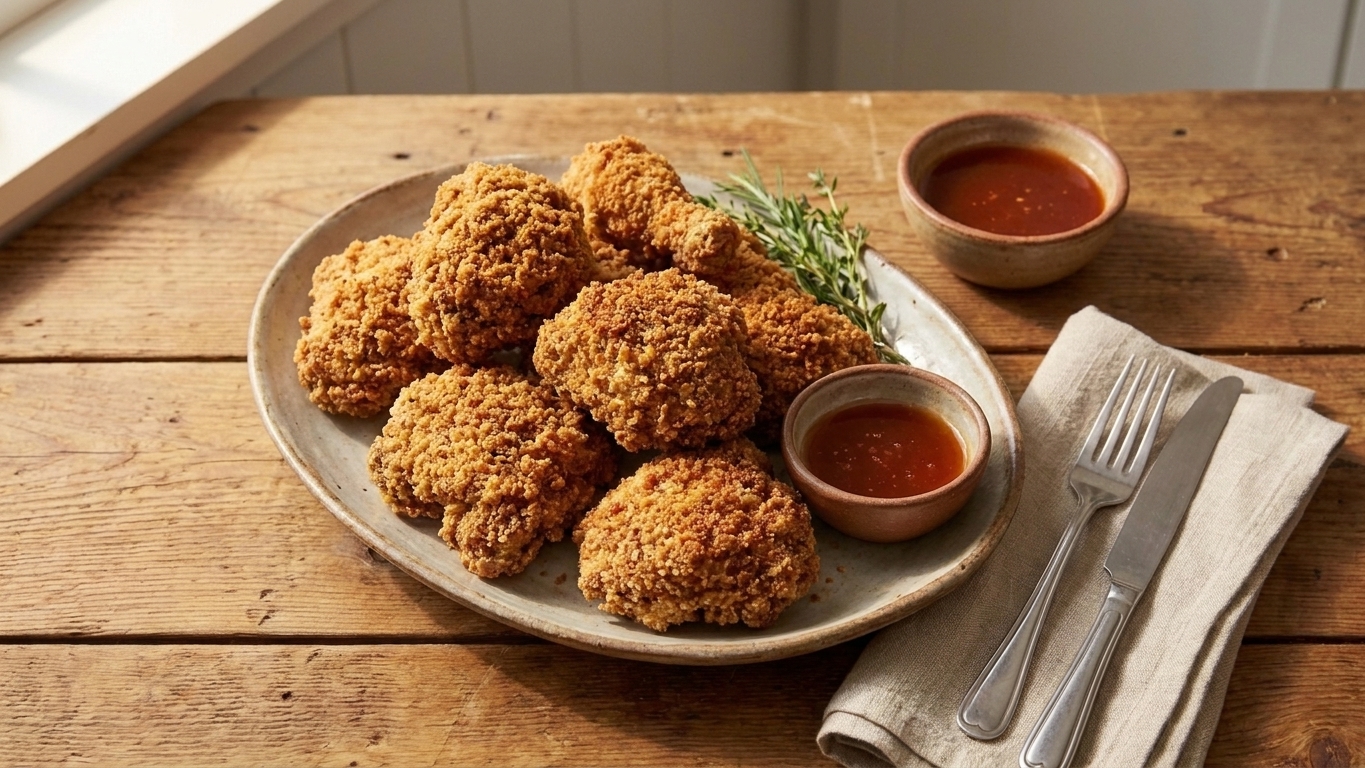
Freshly fried chicken gizzards draining on a wire rack set over a sheet pan in a softly lit home kitchen

Common Questions

Are chicken gizzards supposed to be chewy?

They are naturally firmer than chicken breast, but they should not feel like you are chewing a rubber band. If they are unpleasantly tough, it is usually one of two things: they were not cleaned well, or they needed more tenderizing time (longer soak, smaller pieces, or a gentle pre-simmer before frying).

Do I need to boil gizzards before frying?

Not always. Smaller, already-trimmed gizzards can fry up tender with a buttermilk soak and proper oil temperature. If your gizzards are large, older, or you know you like them extra tender, you can pre-simmer them first. Simmer in salted water with a bay leaf for 45 to 60 minutes, drain well, cool, then proceed with the soak and dredge.

How do I clean chicken gizzards?

Many store-bought gizzards are mostly cleaned. Still, check each piece and trim any tough silver skin or yellowish membrane. If you choose to rinse them, do it quickly under cold water, then pat very dry and sanitize the sink and surrounding area. Dry gizzards mean a better coating.

What oil is best for frying gizzards?

Use a neutral oil with a higher smoke point like peanut, canola, vegetable, or avocado oil. You want the oil to sit comfortably around 350°F.

How do I know the gizzards are cooked through?

They should be deeply golden and hot all the way through. If you use a thermometer, aim for at least 165°F internal for safety, but keep in mind 165°F tells you they are cooked, not necessarily tender. Tenderness depends on size and whether they had time to soften (soak, smaller pieces, or a pre-simmer). Do a tester piece and check the center.

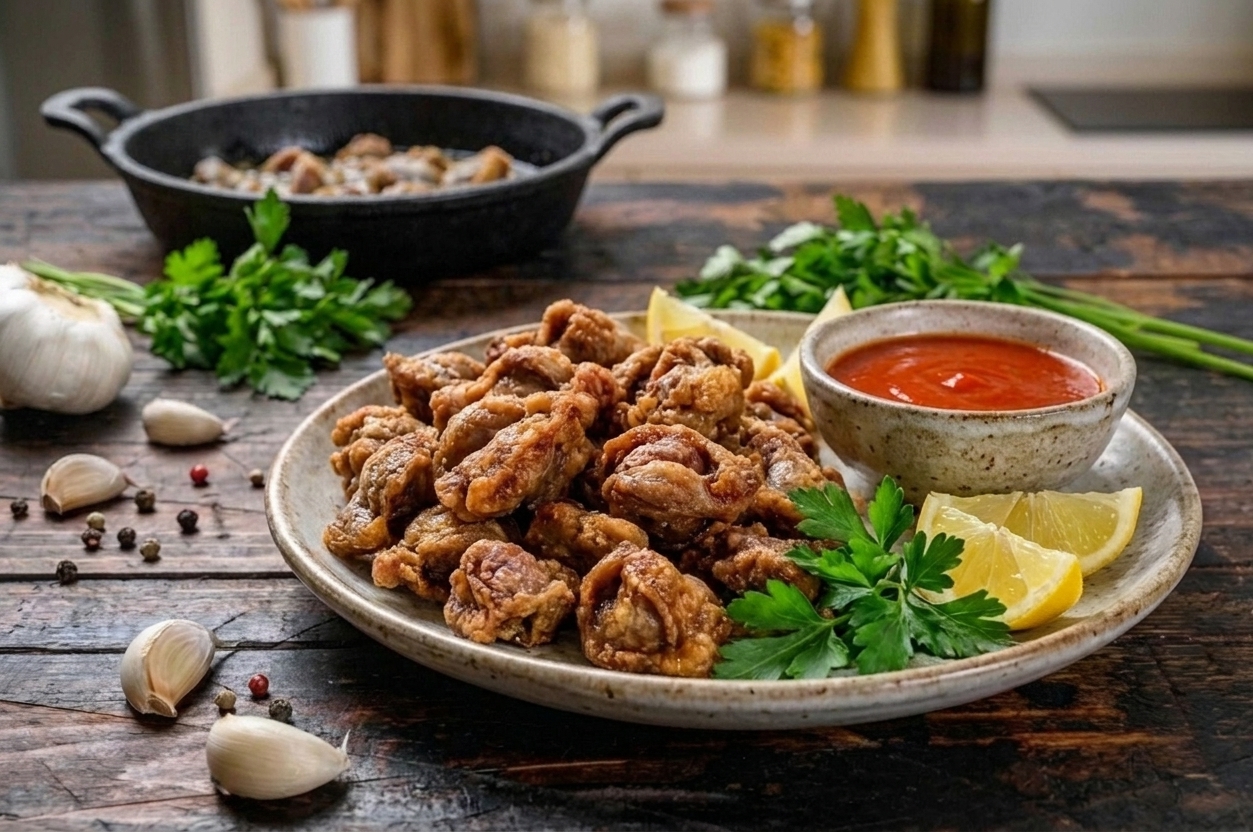
The first time I made gizzards at home, I treated them like regular chicken. Wrong move. They came out with great crunch and zero joy. So I started chasing the version I actually wanted: tender enough to keep eating, crispy enough to hear across the room. The buttermilk soak was the turning point, and the rest is just small choices that add up. A little cornstarch. A hot pan. A rack instead of paper towels. Suddenly, gizzards went from "maybe" to "why did we not make these sooner?"