Mom's Best Recipes
Recipe

Crispy Fried Chicken Tenders

Juicy on the inside, shatter-crisp on the outside, and seasoned like you meant it.

Author By Matt Campbell
4.8
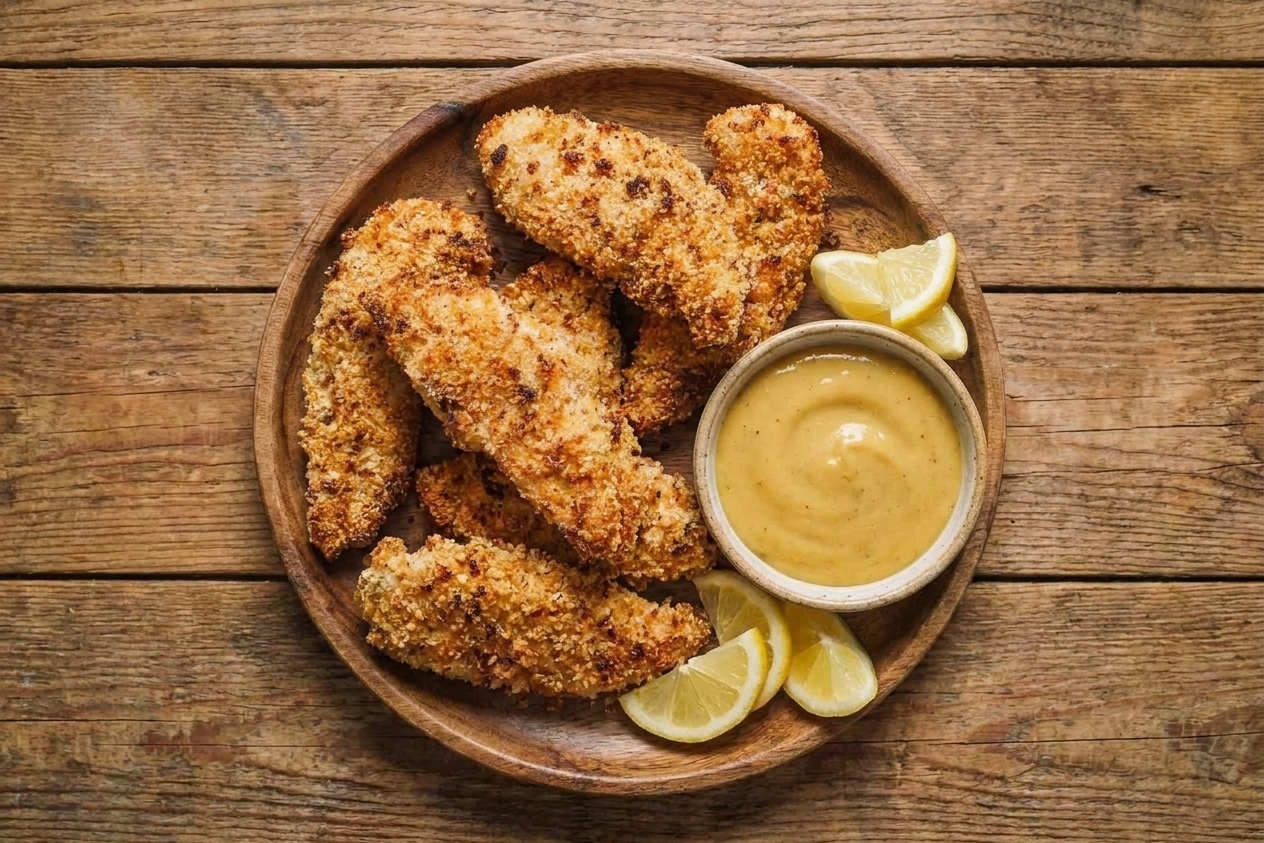
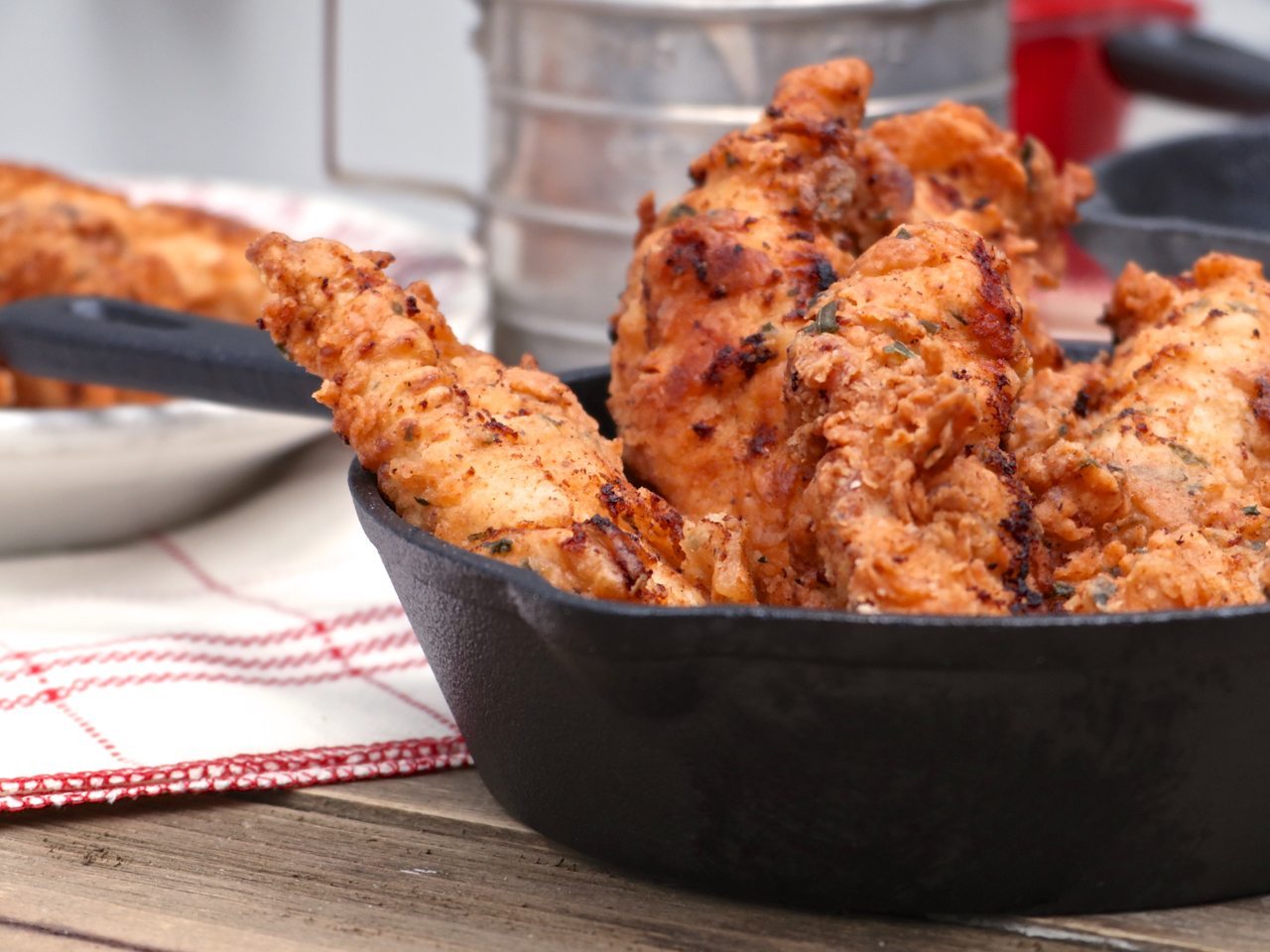
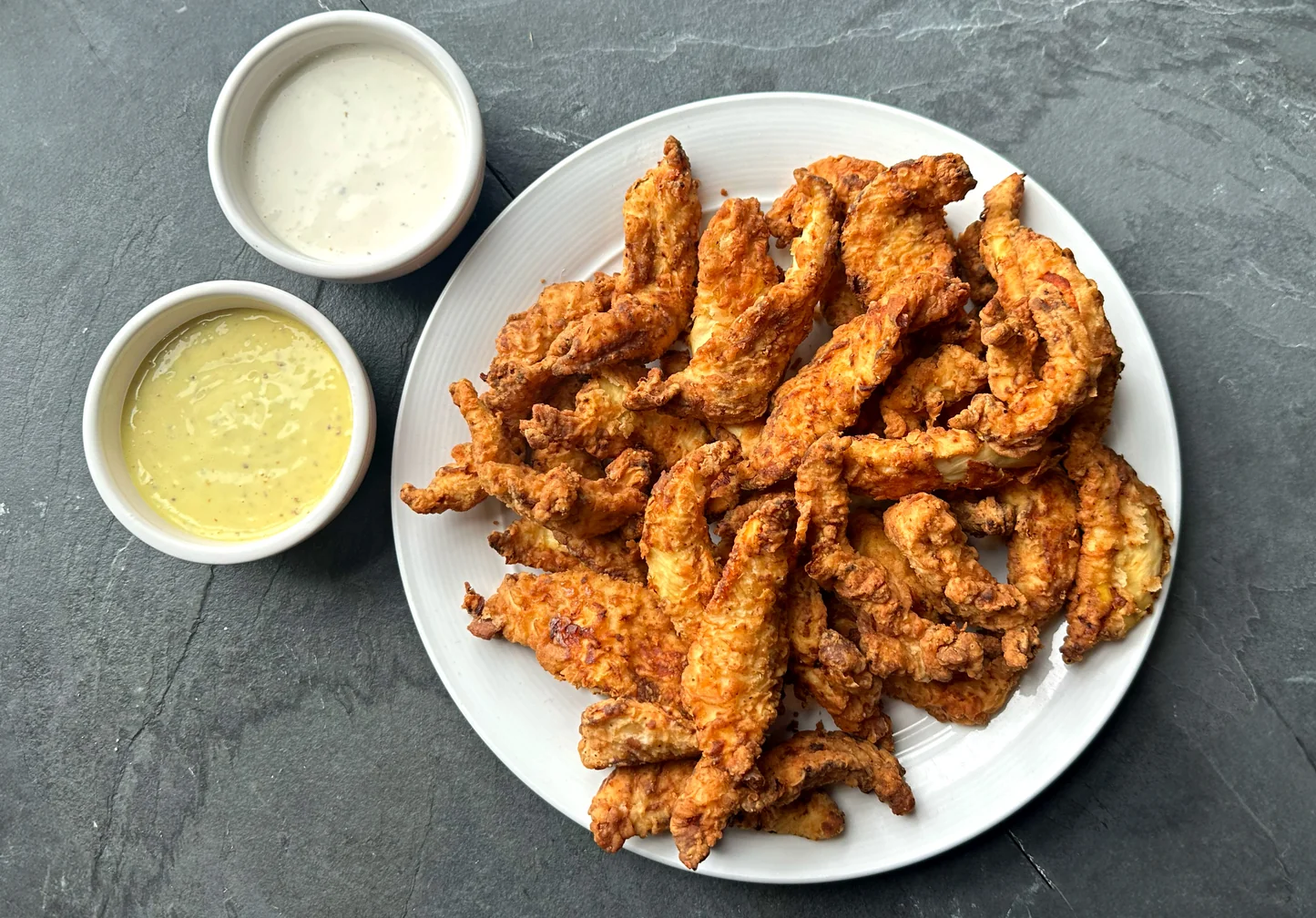
A platter of golden brown fried chicken tenders with a crunchy craggy coating, served with a small bowl of honey mustard and lemon wedges on a wooden kitchen table

Fried chicken tenders are one of those meals that solve problems. Need a dinner everyone agrees on. Need something that dips well. Need an excuse to stand at the stove and feel like a hero while wearing sweatpants. This is that recipe.

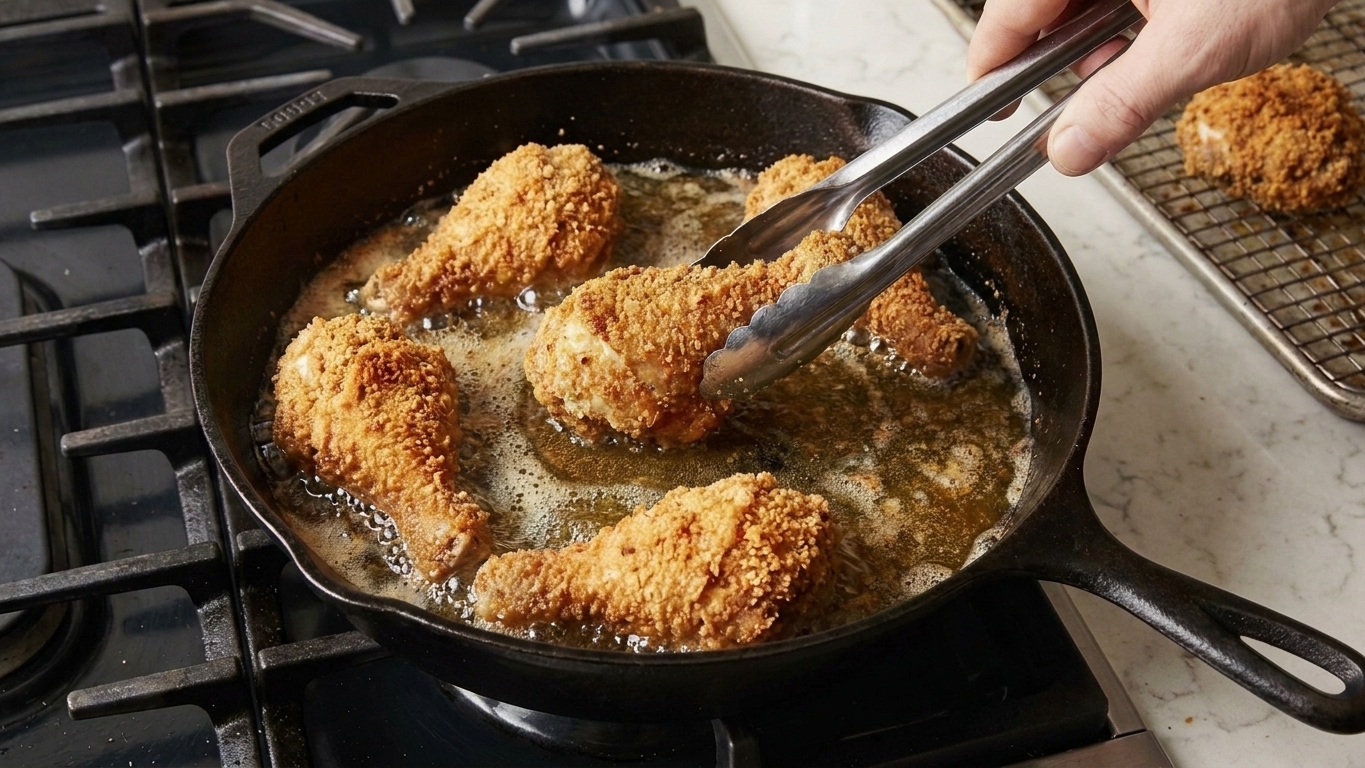
We are going for crisp, ridged edges and a juicy center with ingredients you can actually find at a normal grocery store. The secret is not a secret at all. It is a quick buttermilk style soak, a well-seasoned flour mixture, and keeping your oil at the right temperature so the coating fries instead of drinking oil like it is at happy hour.
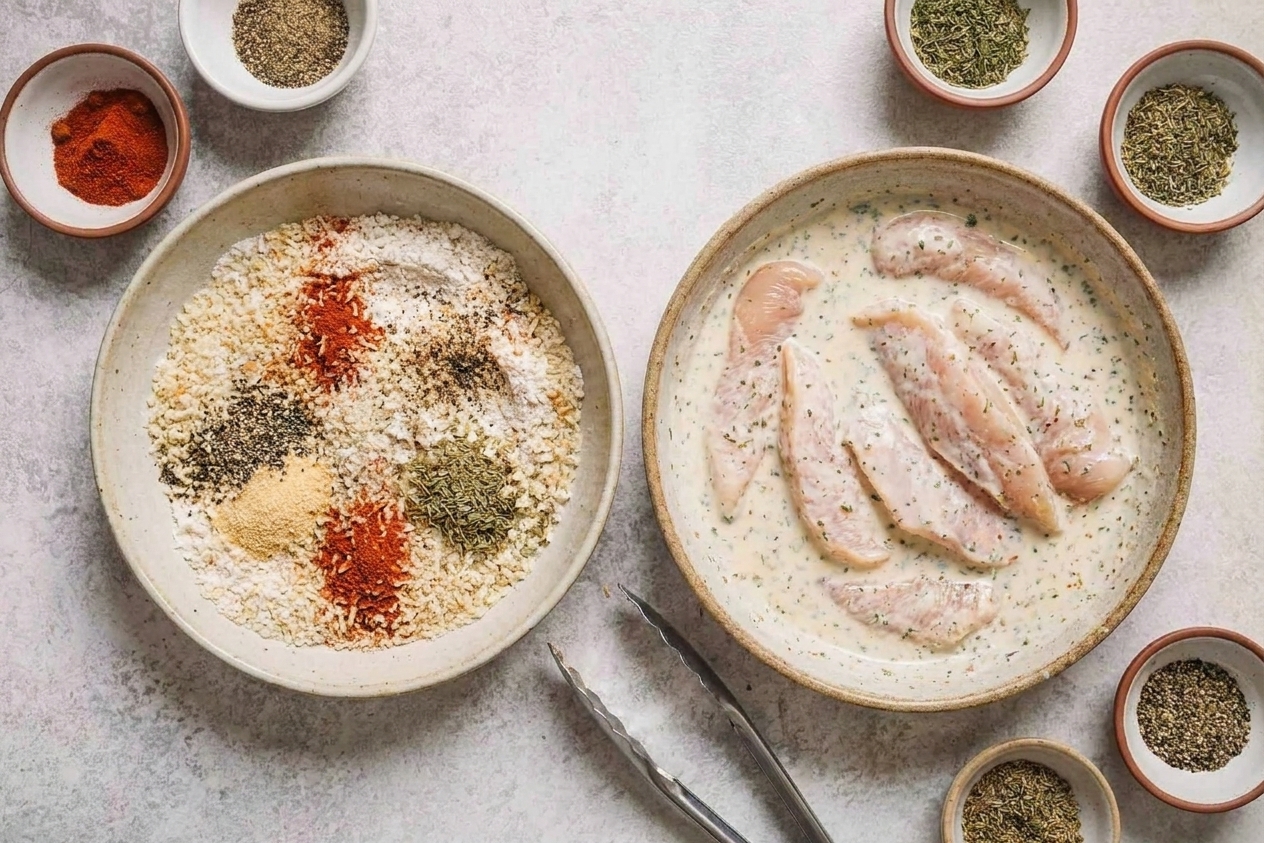
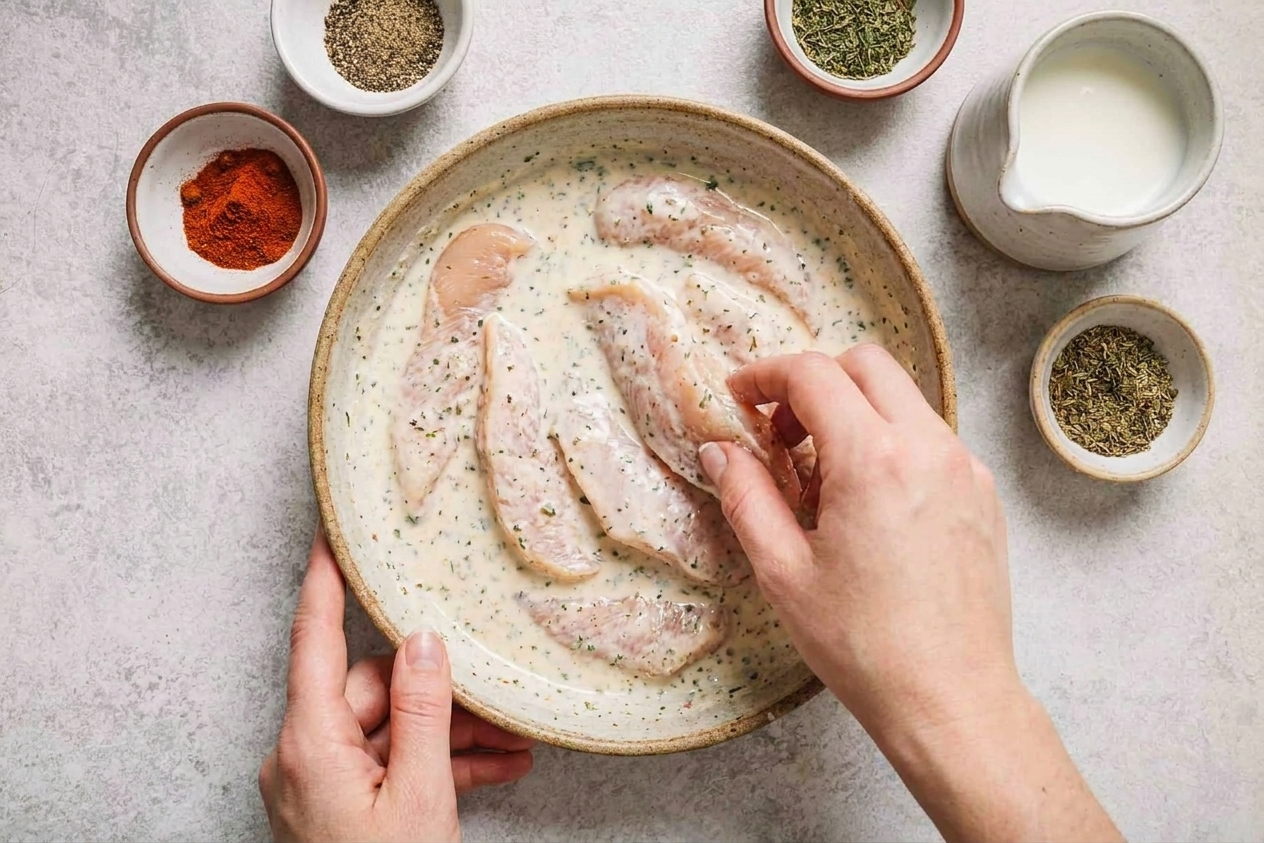
Two shallow bowls on a kitchen counter set up for breading chicken, with seasoned flour in one bowl and raw chicken tenders in buttermilk in the other

Why It Works

  • Big crunch without drama: A seasoned flour and a little cornstarch give you those crispy, craggy edges that stay crunchy.
  • Juicy chicken every time: A quick soak in buttermilk and hot sauce lightly tenderizes and seasons the meat all the way through.
  • Frying that feels in control: Clear oil temperature targets and small batches prevent soggy coating and undercooked centers.
  • Kid friendly, adult approved: Mild heat you can dial up, plus dip options for everyone at the table.

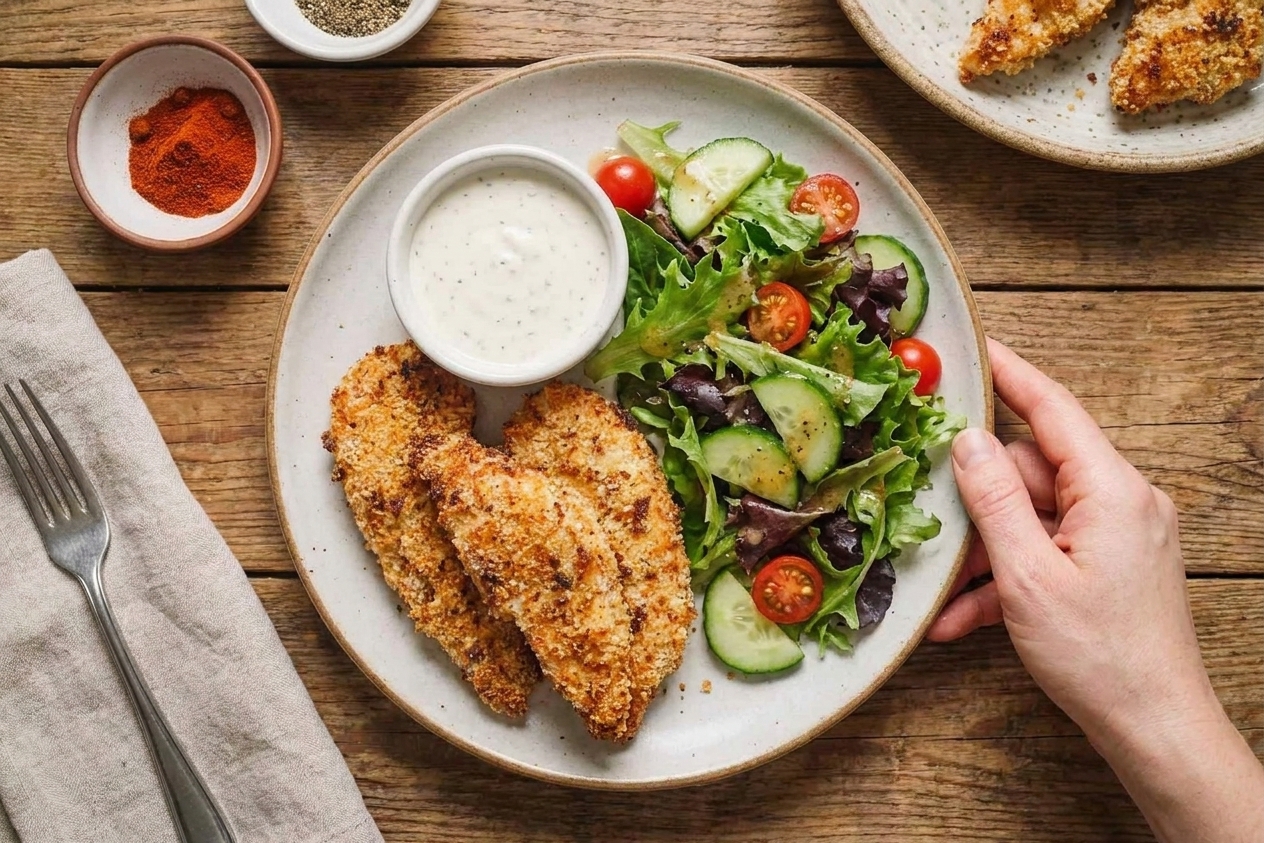
Pairs Well With

Storage Tips

Fridge: Cool tenders completely, then store in an airtight container up to 3 days. For max crisp, line the container with paper towels and do not stack too tightly.

Freezer: Freeze tenders in a single layer on a sheet pan until firm, then transfer to a freezer bag for up to 2 months.

Reheat for crispiness:

  • Oven: 400°F for 10 to 14 minutes on a wire rack set over a sheet pan.
  • Air fryer: 375°F for 6 to 9 minutes, flipping halfway.
  • Avoid: Microwave if you care about crunch. It will still taste good, but the coating turns soft.
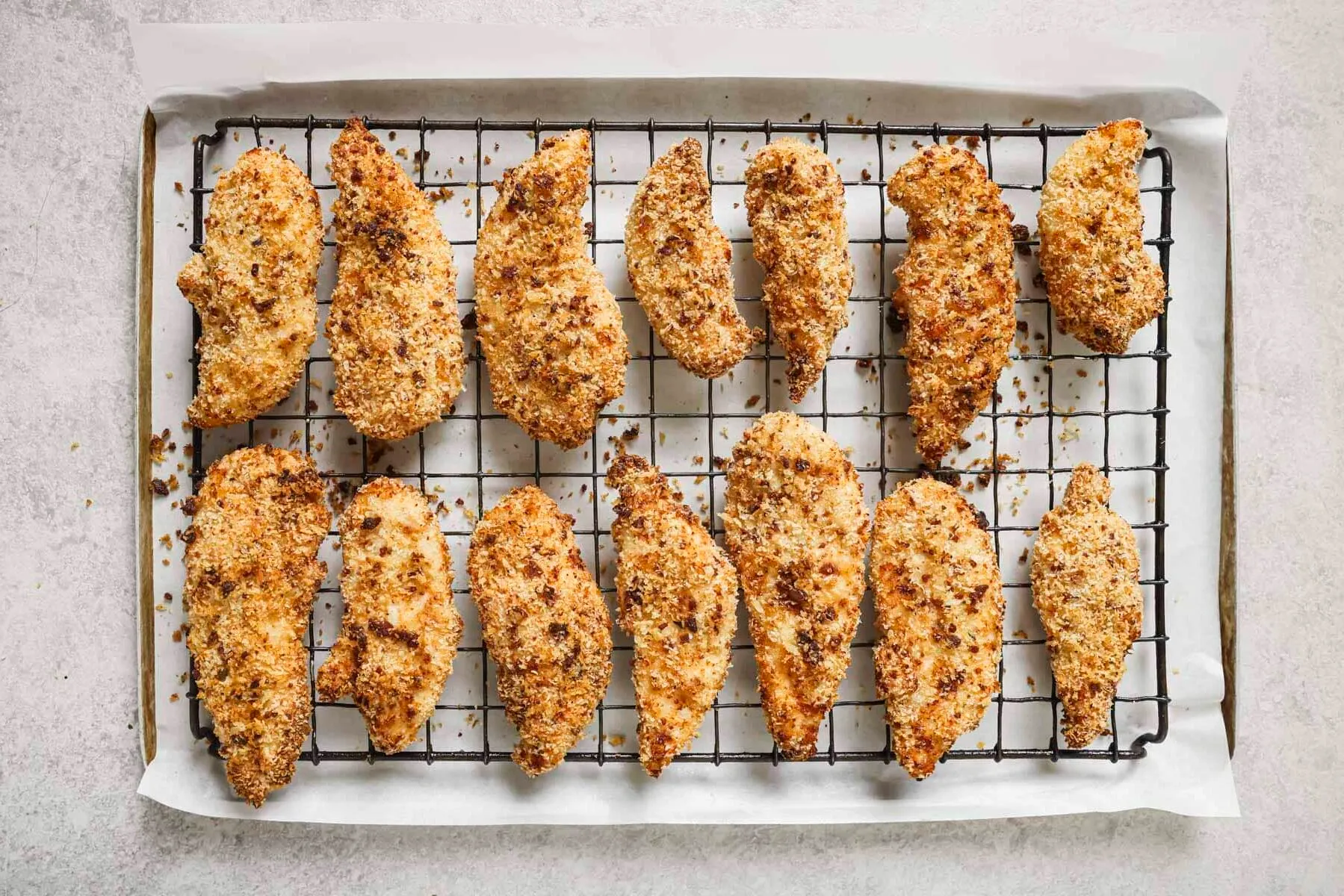
Fried chicken tenders cooling on a wire rack set over a sheet pan on a kitchen counter

Common Questions

What oil is best for frying chicken tenders?

Use a neutral, high smoke point oil like peanut, canola, vegetable, or avocado oil. Olive oil is not ideal here because the flavor can get harsh and the smoke point is lower.

How do I keep the breading from falling off?

Three things help the coating stick: (1) pat the chicken dry before the marinade, (2) let excess marinade drip off before flouring, and (3) after breading, rest the tenders for 10 minutes before frying so the coating hydrates and grips. Also, do not crowd the pan or you will knock the coating around.

What temperature should the oil be?

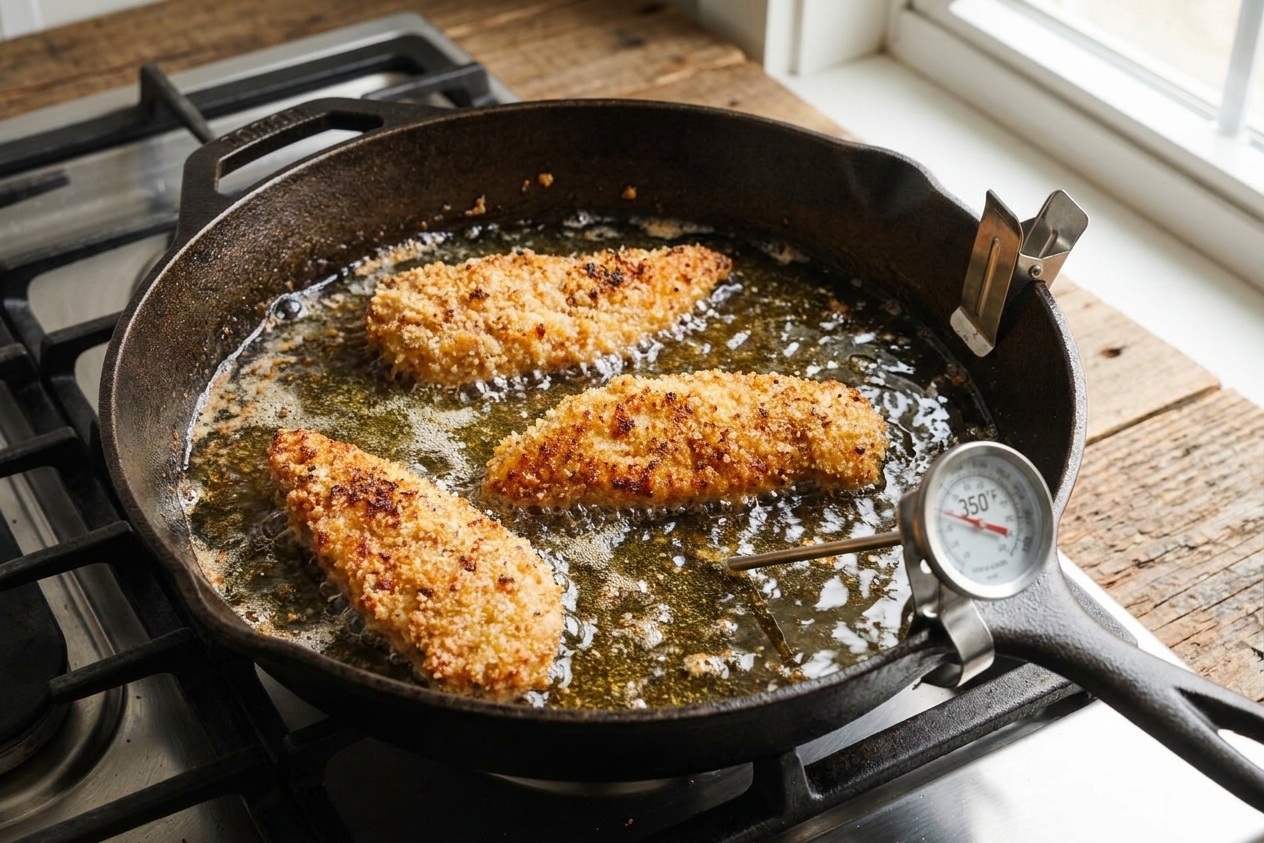
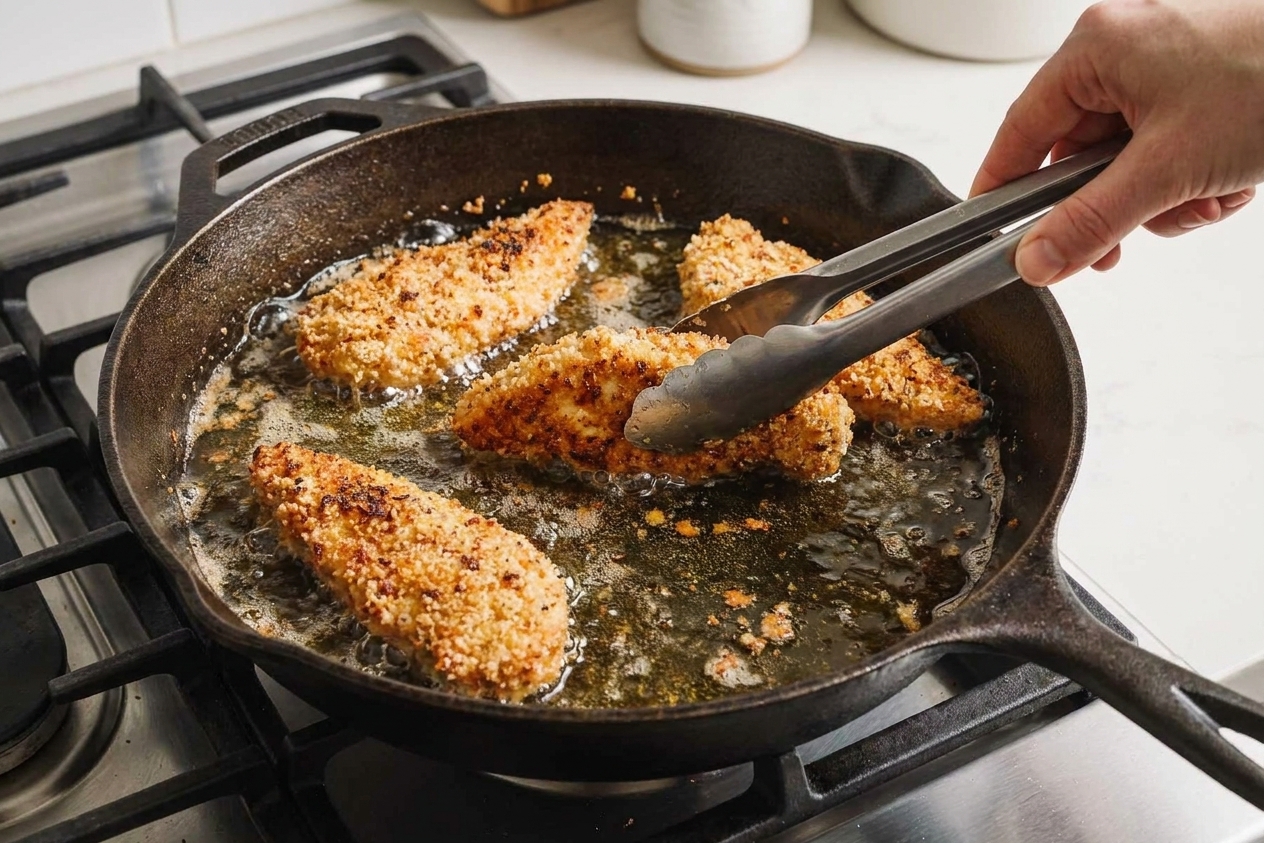
Aim for 350°F. If it drops below about 325°F, the coating can absorb oil and turn heavy. If it climbs over 375°F, the outside browns before the chicken cooks through.

How do I know chicken tenders are done?

The safest move is a thermometer. You want 165°F in the thickest part. Visually, the crust should be deep golden and the bubbling in the oil calms down a bit when the moisture stops aggressively steaming out.

Can I make these gluten free?

Yes. Swap the flour for a gluten free 1:1 all purpose blend and keep the cornstarch. Fry as written, and keep batches small since gluten free coatings can be a bit more delicate.

A deep skillet of hot oil on a stove with chicken tenders frying while a clip-on thermometer reads the oil temperature

I started making fried chicken tenders when I realized they are basically a peace treaty. You can feed picky eaters, hungry friends, and that one person who says they are not that hungry and then eats six. My favorite part is the moment the first batch hits the rack and you hear that faint crackle as the crust sets. It is the sound of dinner being handled.