1) Dry the scallops
Pat scallops very dry with paper towels. If you spot the little side muscle on any scallop (a firm rectangular tag on the side), peel it off and discard it. If you have time, set scallops on a paper-towel-lined plate in the fridge for 10 minutes to air-dry. Season with salt and pepper.
If you are using frozen scallops, thaw completely in the fridge first, then dry them extra well. Any leftover moisture is basically a crispness thief.
2) Mix the dip
In a small bowl, stir together mayo, lemon juice, lemon zest, garlic, and a pinch of salt. Add cayenne or hot sauce if you want a little heat. Refrigerate until serving.
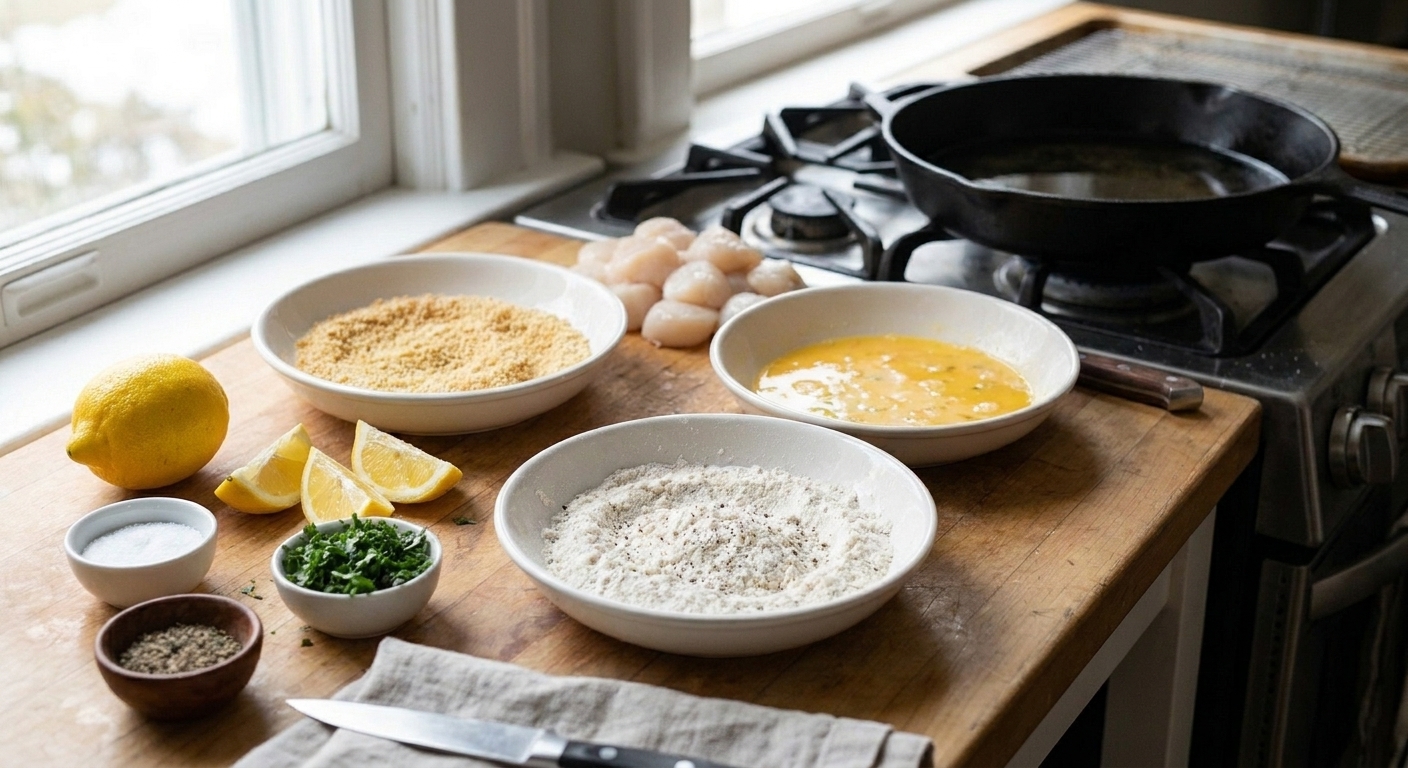
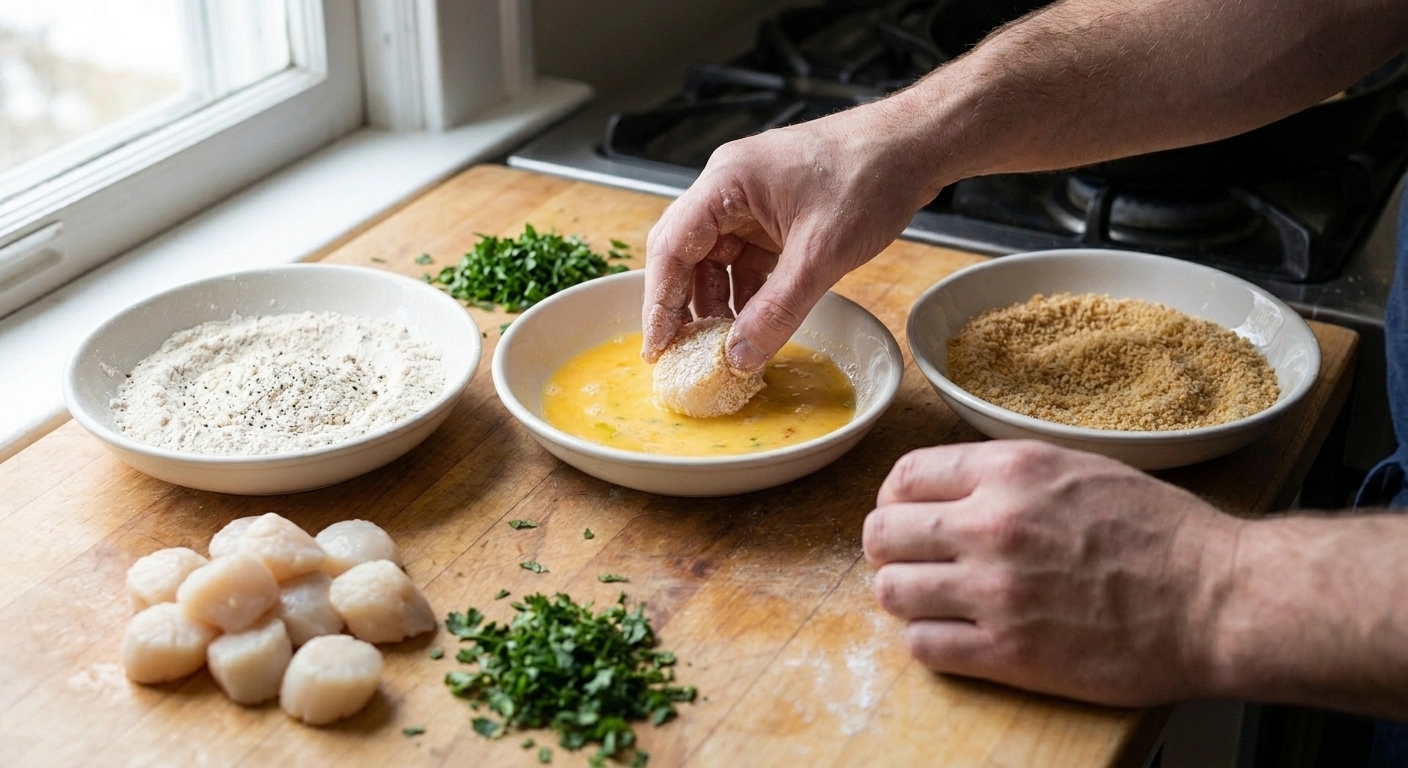
3) Set up the breading
- Bowl 1: flour + Old Bay (if using)
- Bowl 2: eggs + Dijon, whisked smooth
- Bowl 3: panko + Parmesan (if using)
4) Bread the scallops
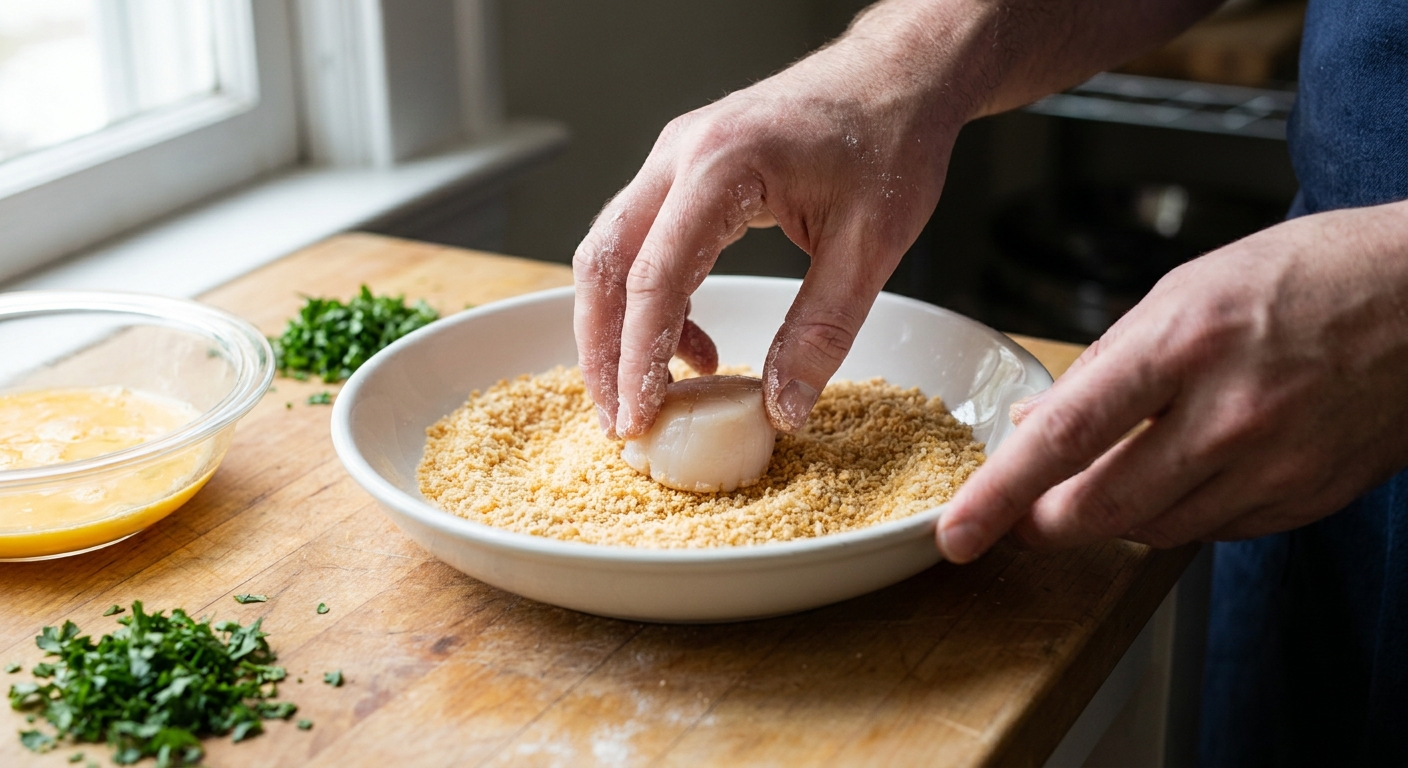
Dredge each scallop in flour, shake off excess, dip in egg, then press into panko. Place on a rack or sheet pan. Let them rest for 5 minutes so the coating hydrates and sticks better.
5) Heat the oil
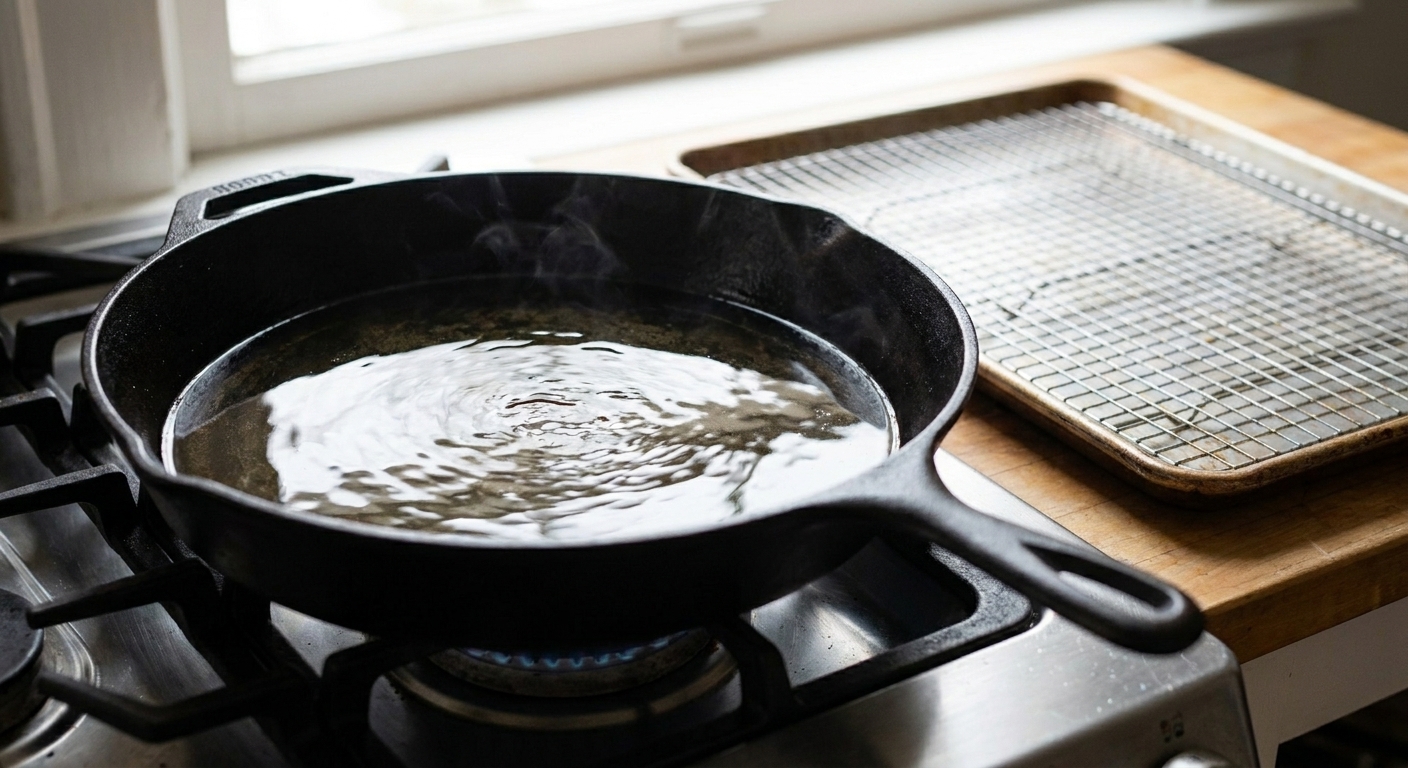
Add oil to a large skillet to reach about 3/4 inch depth (this is usually about 1 to 1 1/2 cups, depending on your skillet). Heat over medium-high until the oil reaches 350°F. If you do not have a thermometer, drop in a few panko crumbs. They should sizzle immediately and turn golden in about 20 to 30 seconds.
6) Fry in batches
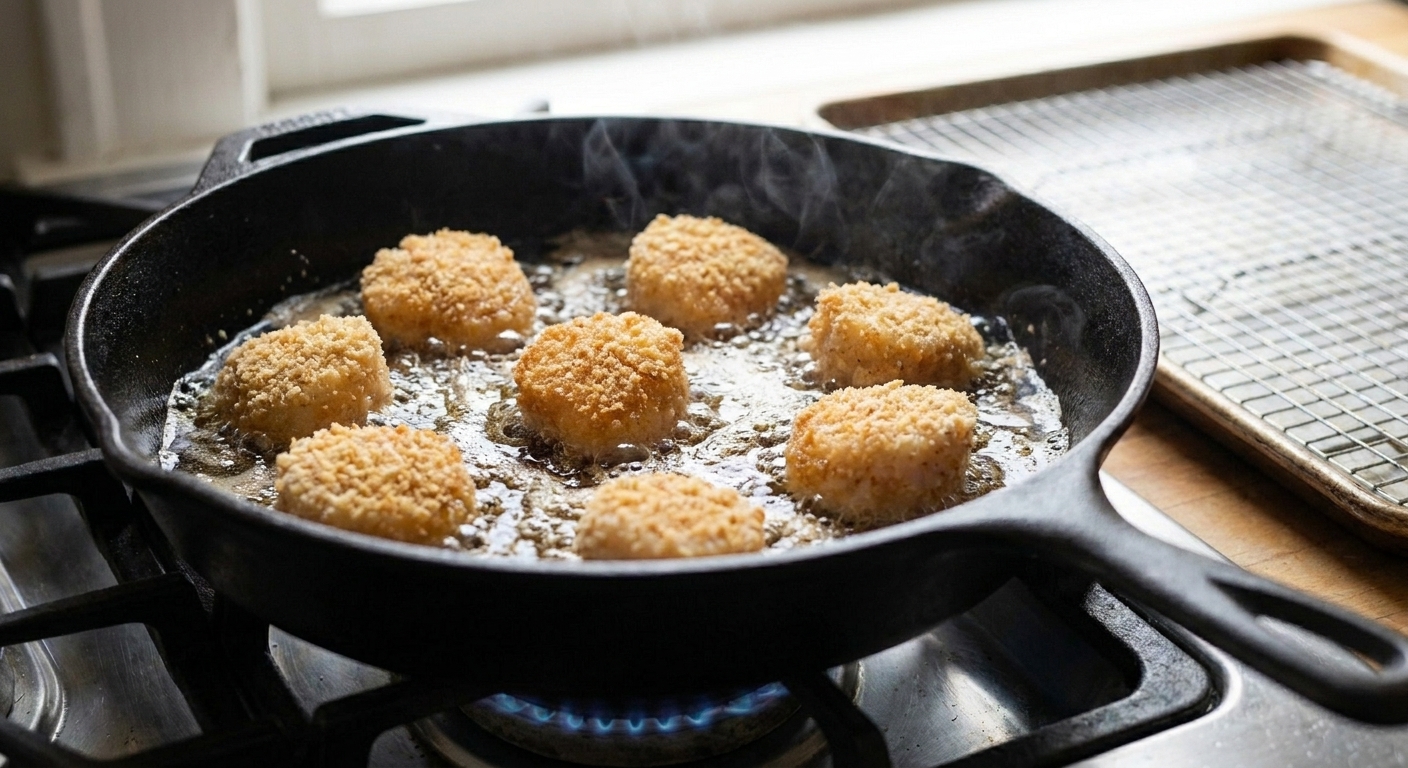
Carefully add scallops in a single layer without crowding, leaving a little breathing room between pieces. In most home skillets, that is often 8 to 10 scallops per batch, give or take. Lower them in away from you and watch for splatter, especially if your scallops were on the wetter side.
Fry for about 1½ to 2 minutes per side, flipping once, until deep golden brown. For the most reliable doneness check, use an instant-read thermometer and pull them around 120 to 125°F in the center. Transfer to the wire rack. Repeat, letting the oil return to temperature between batches.
7) Finish and serve
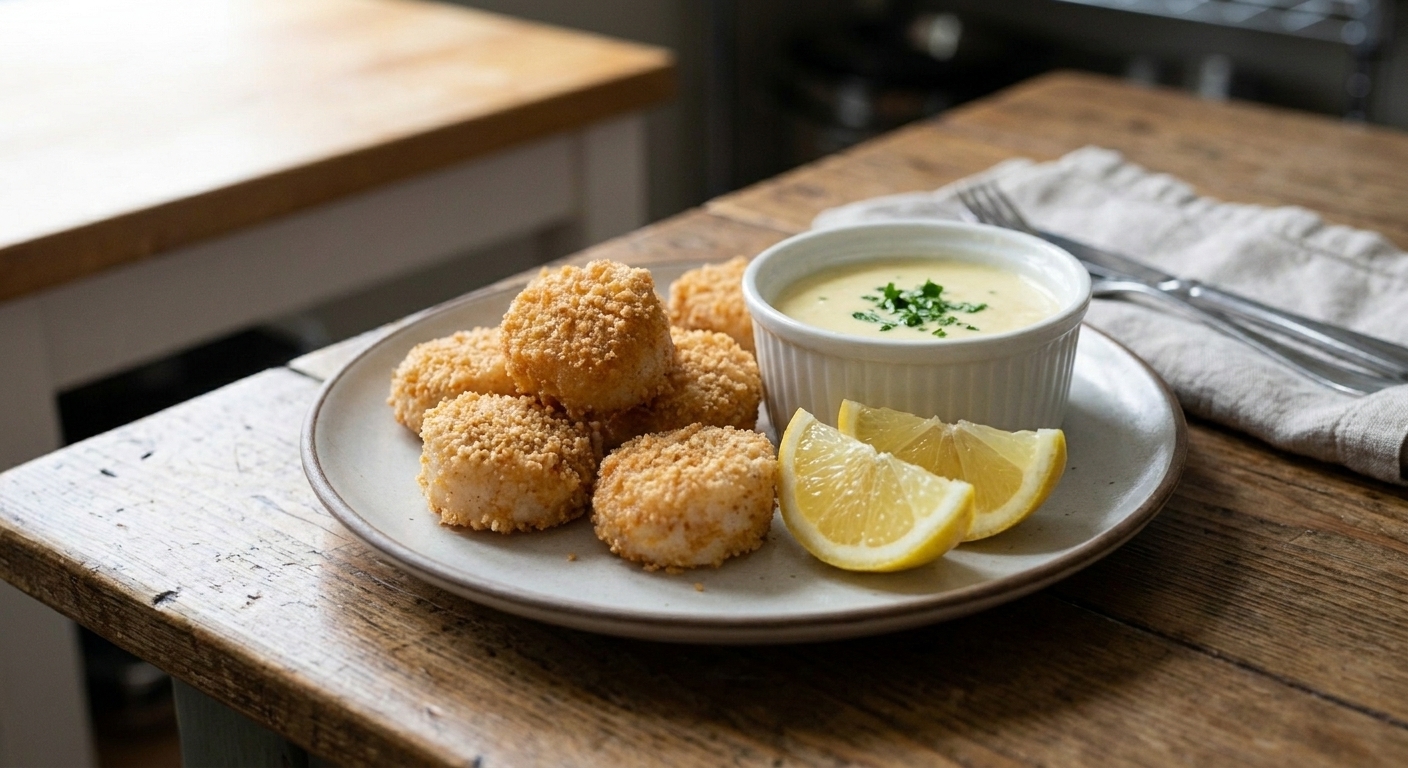
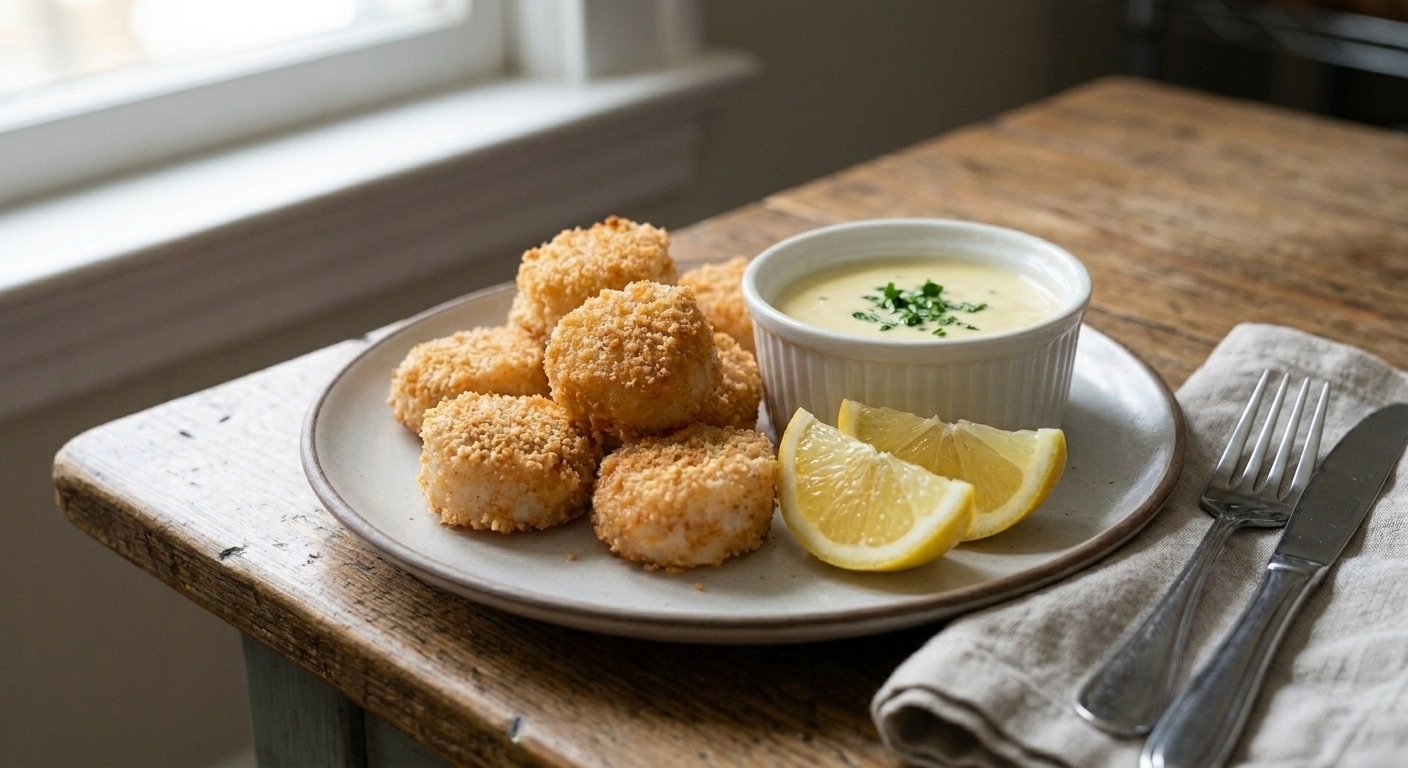
Sprinkle lightly with salt while hot. Serve immediately with lemon wedges and the lemon dip.