Mom's Best Recipes
Recipe

Crispy Garlic Toast

Buttery, garlicky, golden toast with crisp edges and a soft center. Oven or skillet methods included.

Author By Matt Campbell
4.8
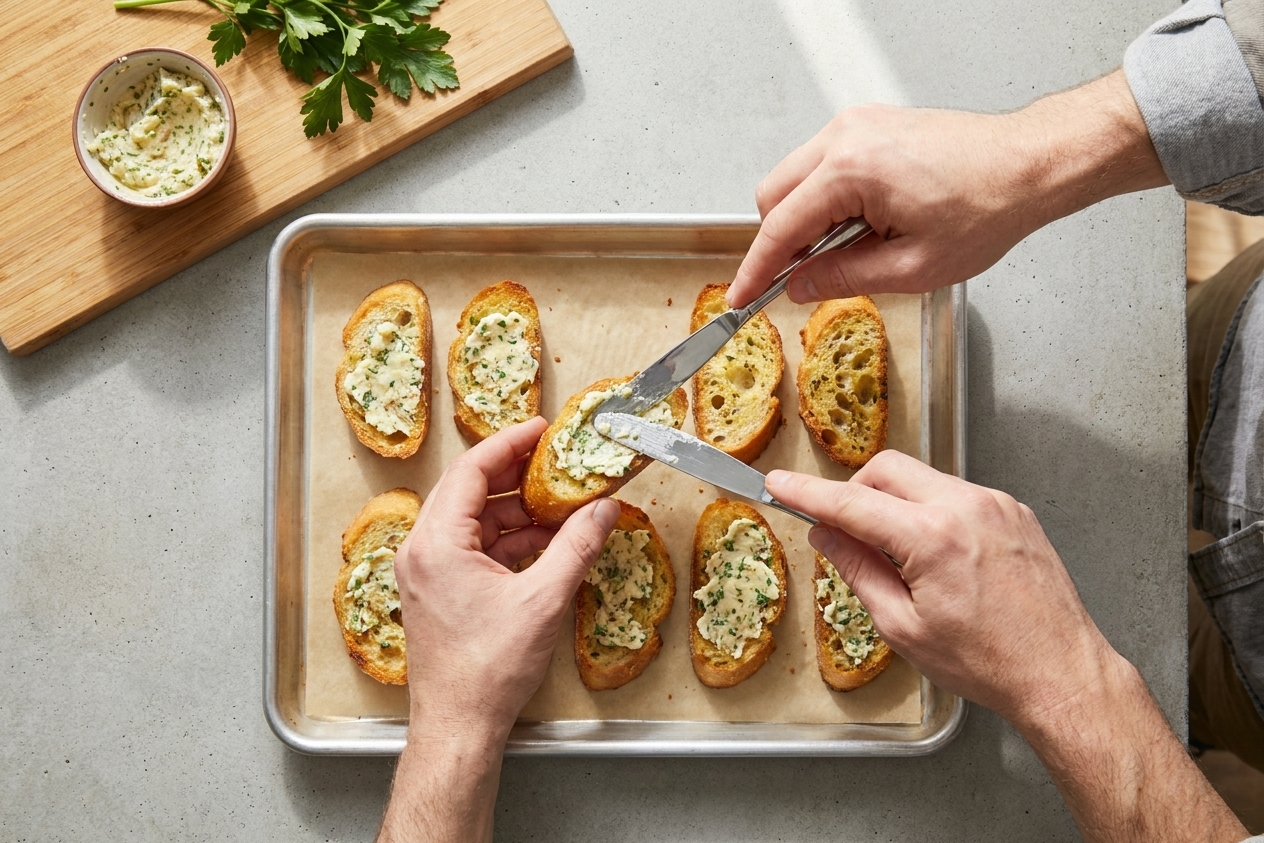
A baking sheet lined with parchment holding golden garlic toast slices with crisp edges and chopped parsley, on a warm kitchen counter

Garlic toast is one of those small kitchen miracles. It makes a bowl of soup feel like dinner, turns a sad salad into a meal, and gives pasta the kind of backup support it deserves. The goal here is simple: crisp edges, buttery center, real garlic flavor, and no weird sogginess.

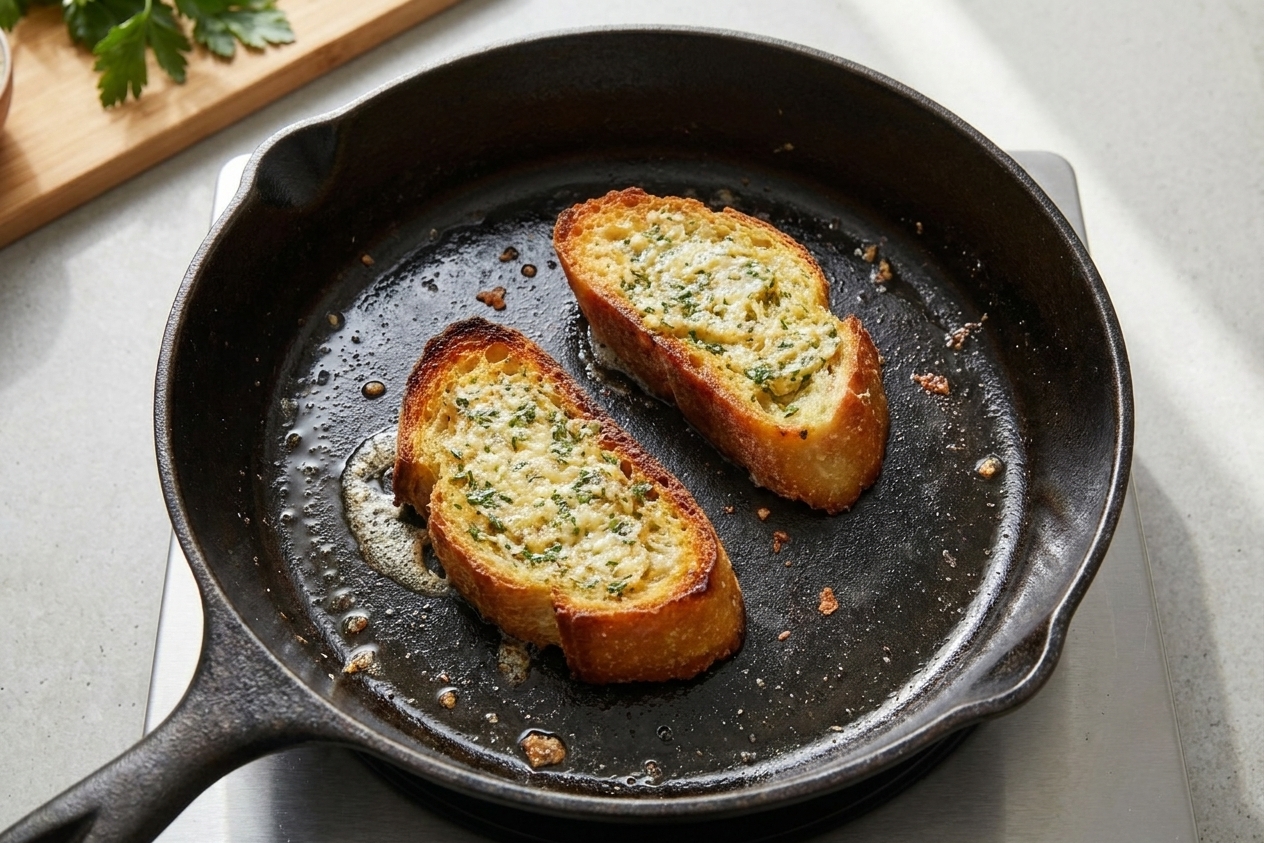
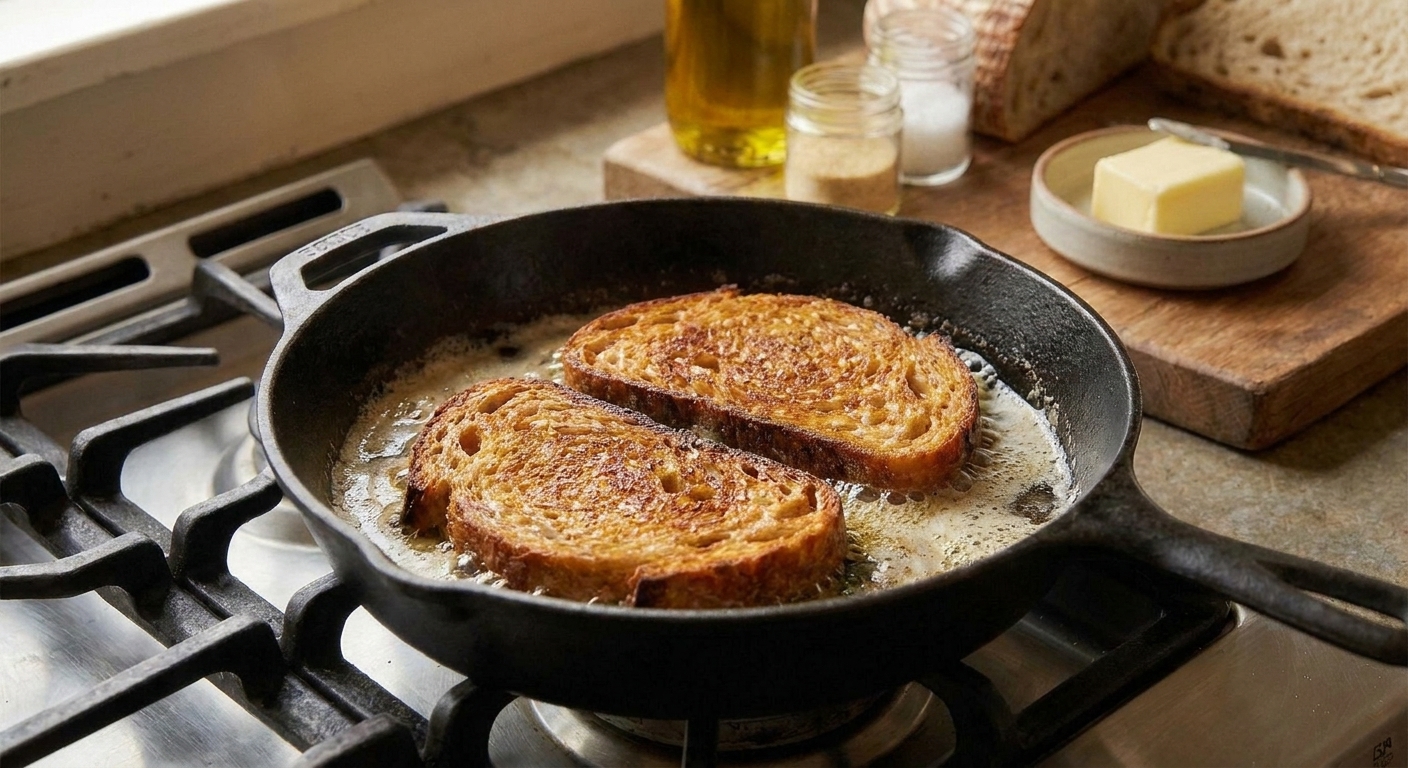
I am giving you two easy routes: the oven method for a whole tray when you are feeding people, and the skillet method when you only need a few slices and you want that extra crunch. Either way, keep tasting, keep it fun, and do not stress if your bread is not fancy. Garlic butter is an equal-opportunity employer.
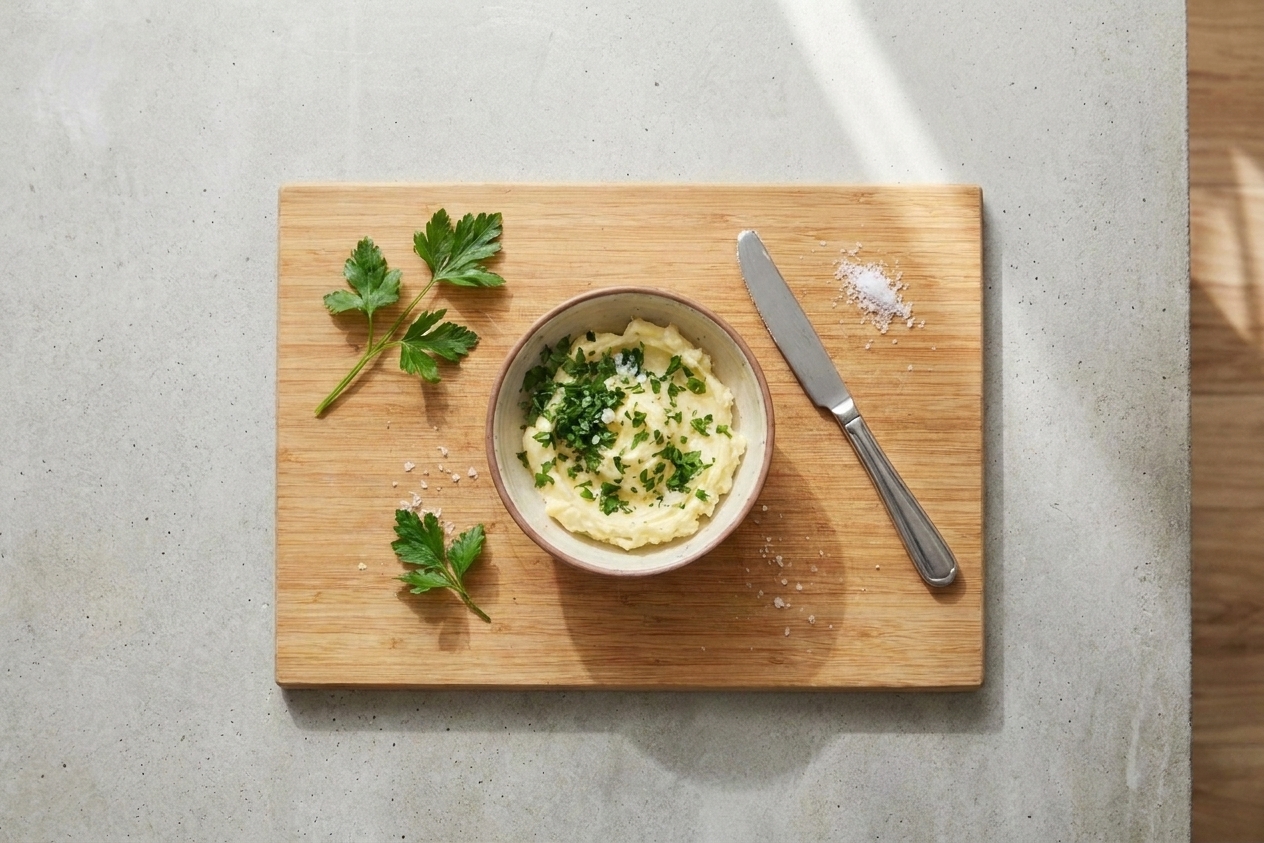
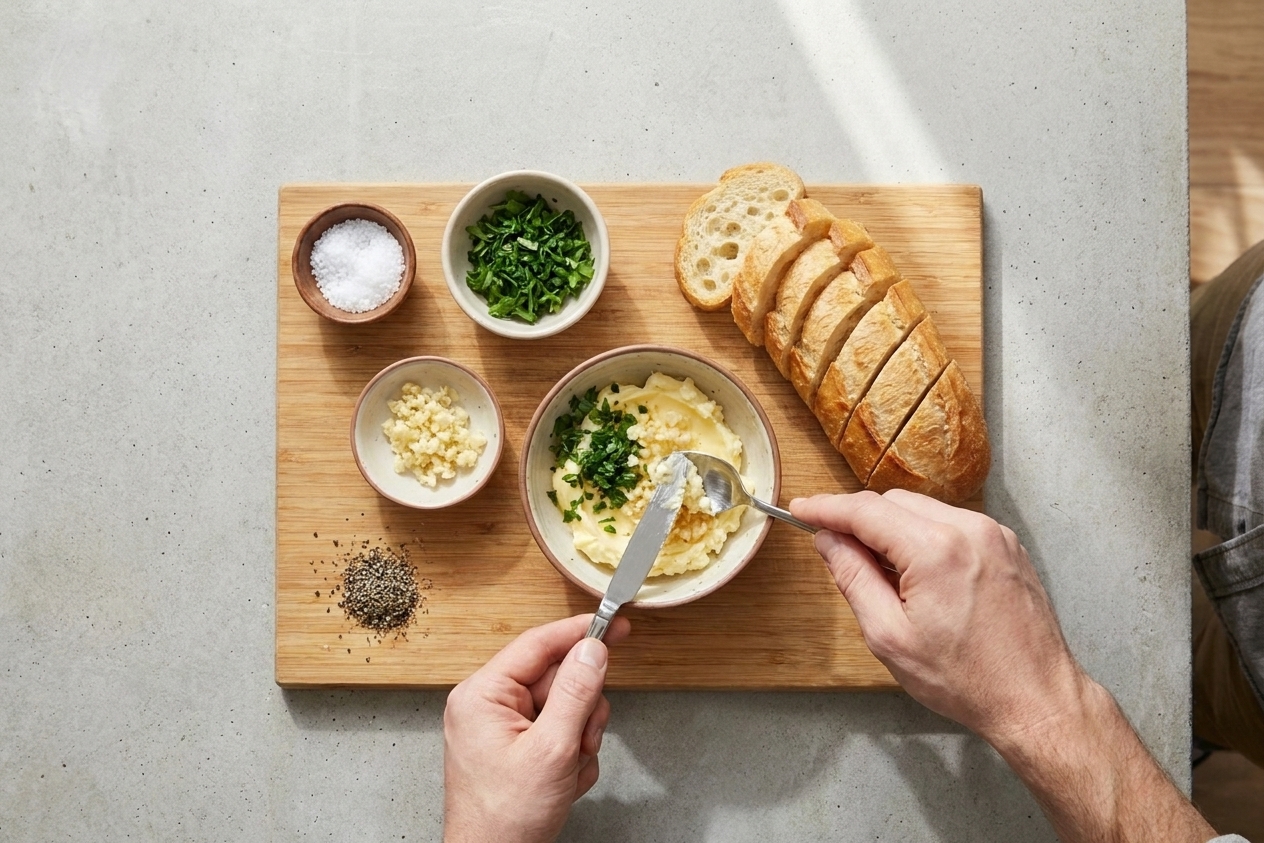
A small bowl of garlic butter with chopped parsley and salt on a wooden cutting board beside a butter knife

Why It Works

  • Big garlic flavor without bitterness by mixing fresh garlic into softened butter instead of scorching it in a pan.
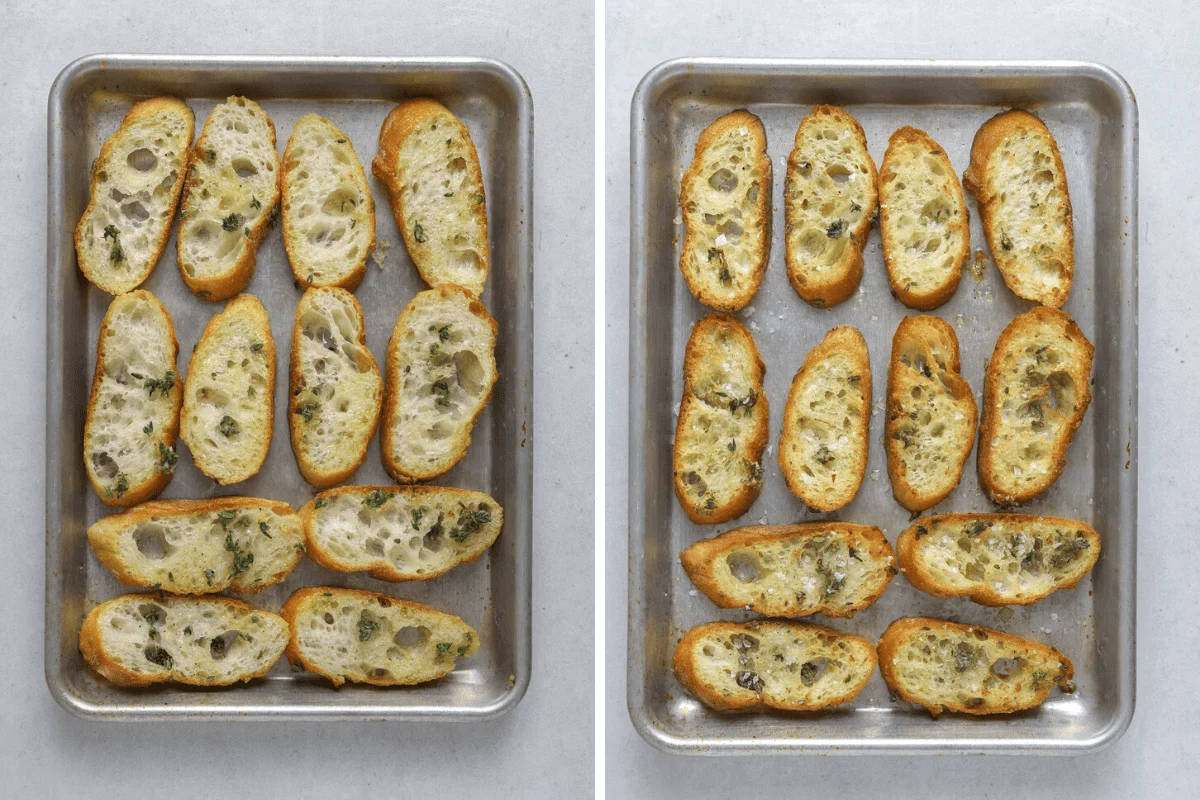
  • Crisp outside, tender inside thanks to a quick toast first, then a short broil to finish.
  • Works with almost any bread from a baguette to sandwich bread, with simple timing tweaks.
  • Easy to scale for one person or a whole table, and it reheats better than you think.

Pairs Well With

Storage Tips

Best move: garlic toast is peak right out of the oven, but leftovers are still very worth saving.

Fridge

  • Cool completely, then store in an airtight container or zip-top bag for up to 3 days.
  • To re-crisp: bake at 375°F for 5 to 8 minutes directly on the oven rack or on a sheet pan.

Freezer

  • Freeze slices in a single layer until firm, then transfer to a freezer bag for up to 2 months.
  • Reheat from frozen at 375°F for 8 to 12 minutes. Broil for 30 to 60 seconds at the end if you want extra color.

What not to do

  • Microwaving makes it soft and sad. Use the oven, toaster oven, or skillet.

Common Questions

Can I use garlic powder instead of fresh garlic?

Yes. Fresh garlic tastes brighter, but garlic powder is super reliable. Start with 1/2 teaspoon garlic powder, taste the butter, then go up to 1 teaspoon if you want it bolder. If you are using garlic salt, reduce the added salt.

Why did my garlic toast turn soggy?

Usually one of a few things: too much butter, bread that is very soft or very fresh (high moisture), butter added before the first toast, or not enough heat. Use a thin, even layer of garlic butter, toast the bread first, and finish with a quick broil or a hot skillet to drive off moisture.

Do I have to broil it?

No, but broiling gives you that fast, crackly top. If you skip it, just bake a few minutes longer and flip once for even crispness.

What bread is best?

Baguette and Italian loaves are classic because they crisp well. But honestly, use what you have. For sandwich bread, lower the heat a bit and watch closely since it browns faster.

Can I make it dairy-free?

Absolutely. Swap the butter for your favorite plant-based butter. Olive oil works too, but butter substitutes tend to brown more like the classic.

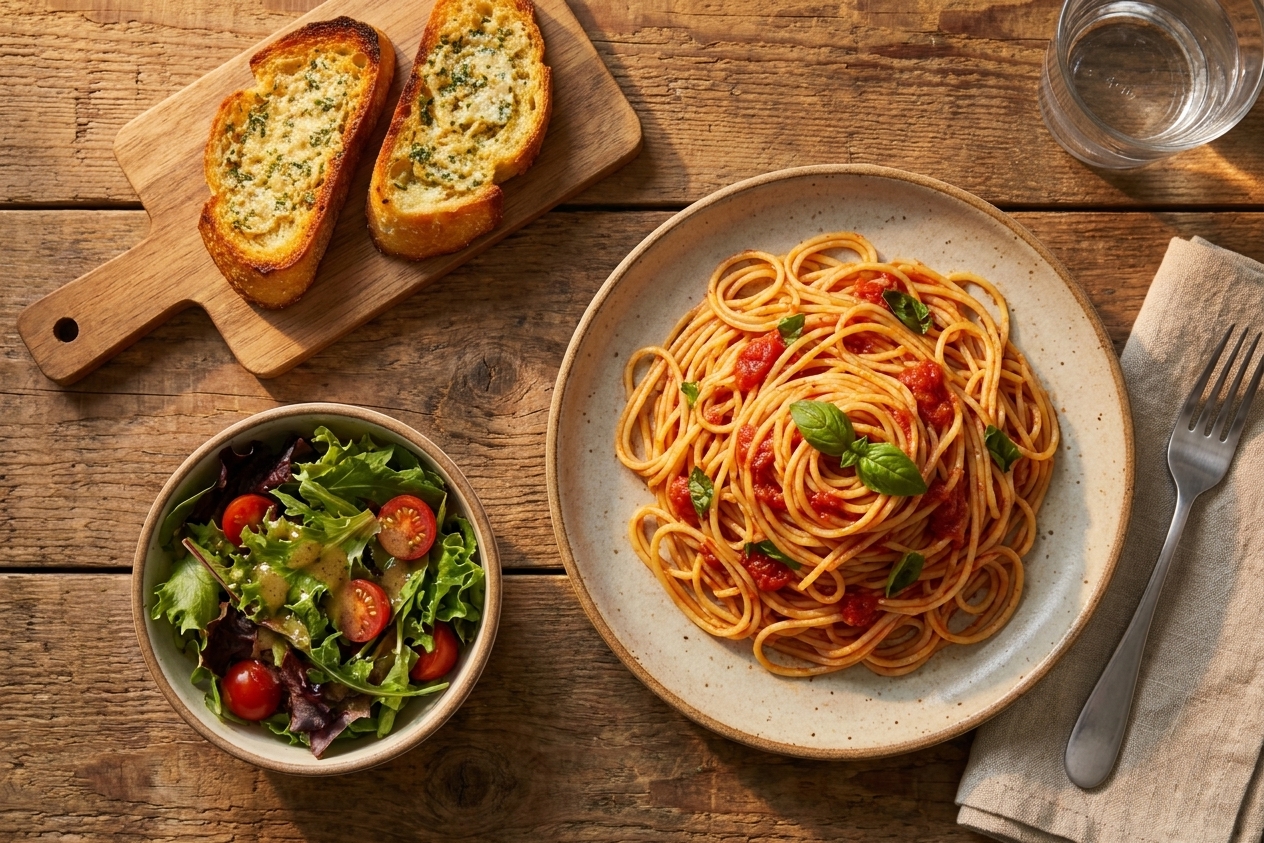
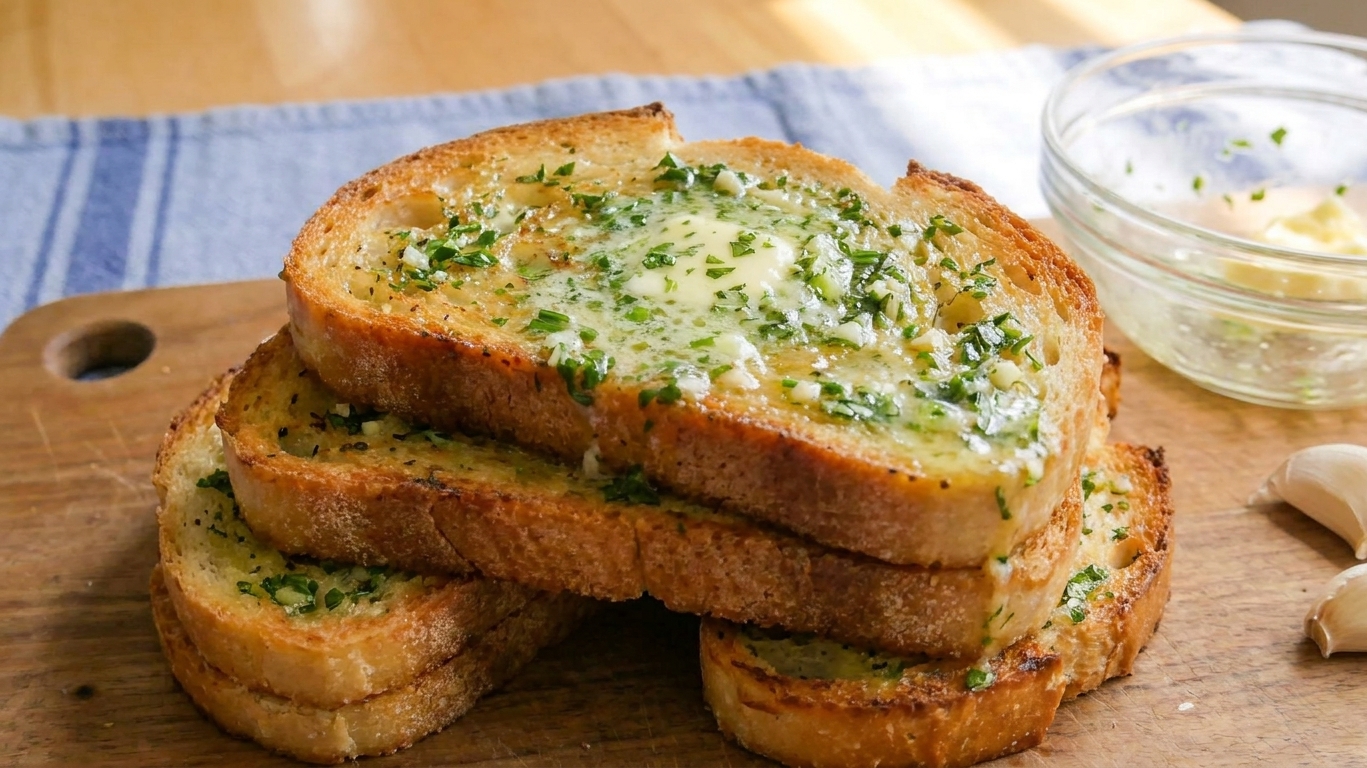
A simple weeknight table setting with a plate of pasta, a small salad, and two slices of garlic toast on a wooden table under warm light

Garlic toast is my kitchen’s unofficial peace treaty. Someone is hungry, someone is picky, someone wants carbs immediately. Cool. I can throw bread in the oven, mash butter with garlic, and suddenly the whole place smells like I had a plan all along. Also, it is the perfect excuse to stand at the counter, tear off a corner, taste, add more salt, taste again, and call it “quality control.”