Mom's Best Recipes
Recipe

Crispy Shrimp Tempura

Light, crunchy shrimp tempura with a cold batter, crisp edges, and a quick homemade dipping sauce.

Author By Matt Campbell
4.8
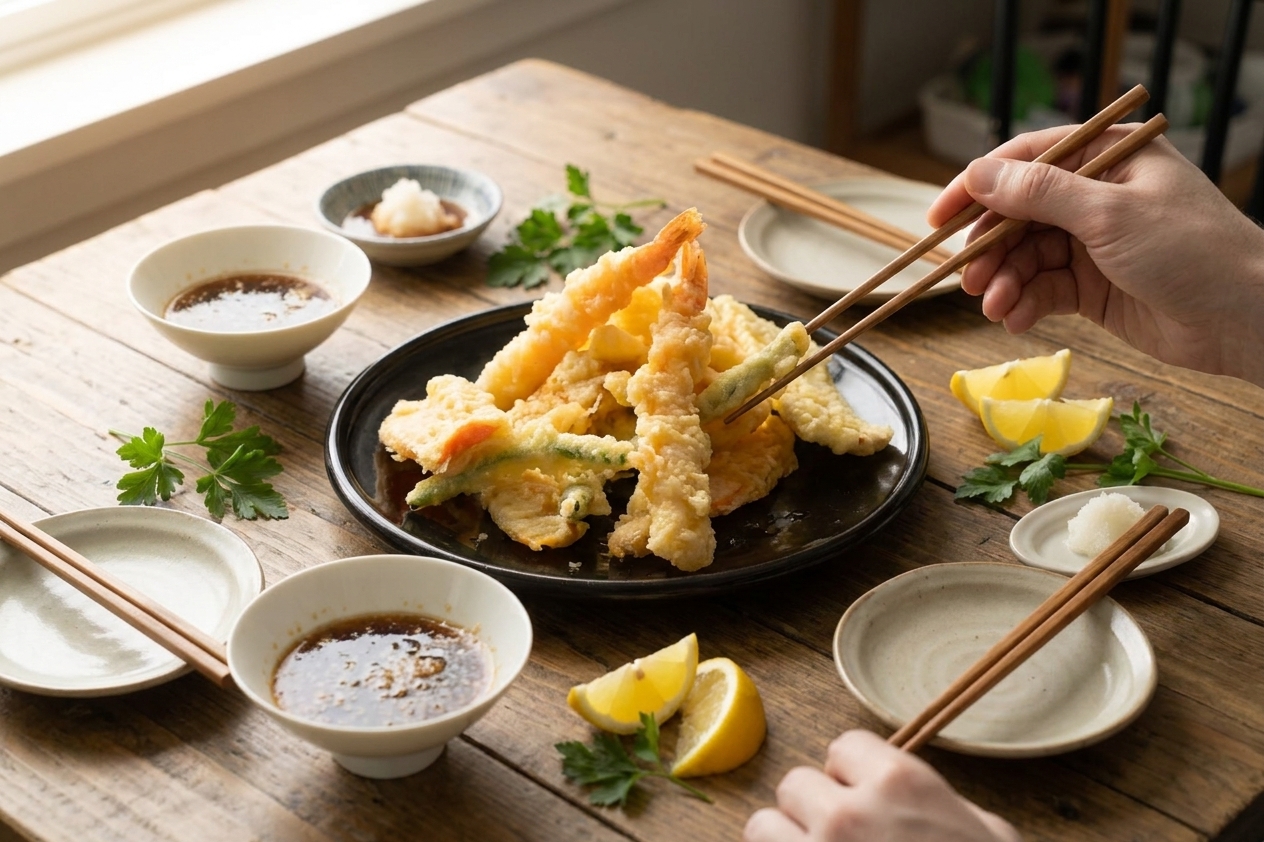
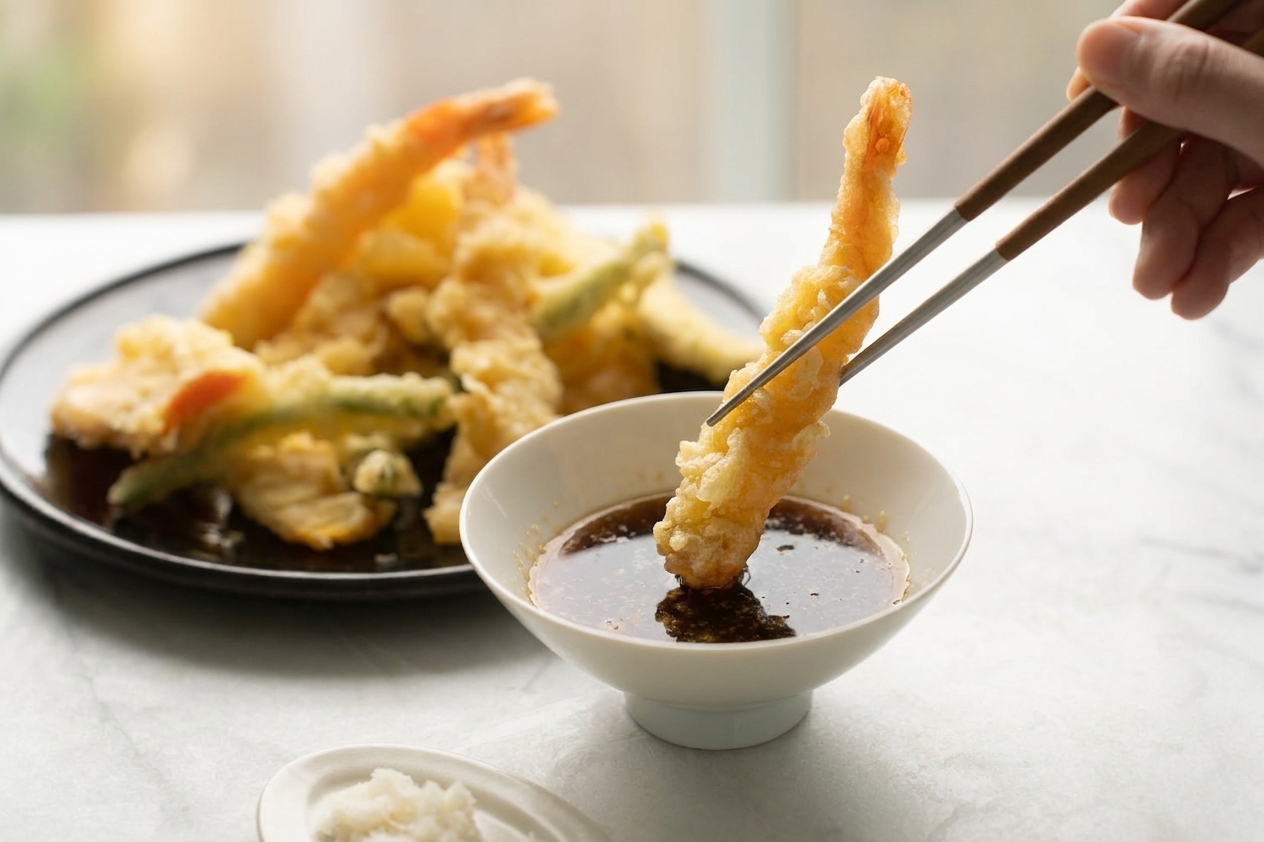
A plate of golden, crispy shrimp tempura with a small bowl of dipping sauce on a warm kitchen table, natural window light

Shrimp tempura feels like restaurant magic: that pale-gold, shatter-crisp shell that somehow stays light instead of heavy. The good news is you do not need a deep fryer or a chef coat to pull it off. You just need two things: a cold batter and hot oil. Everything else is technique and a little bit of confident chaos.

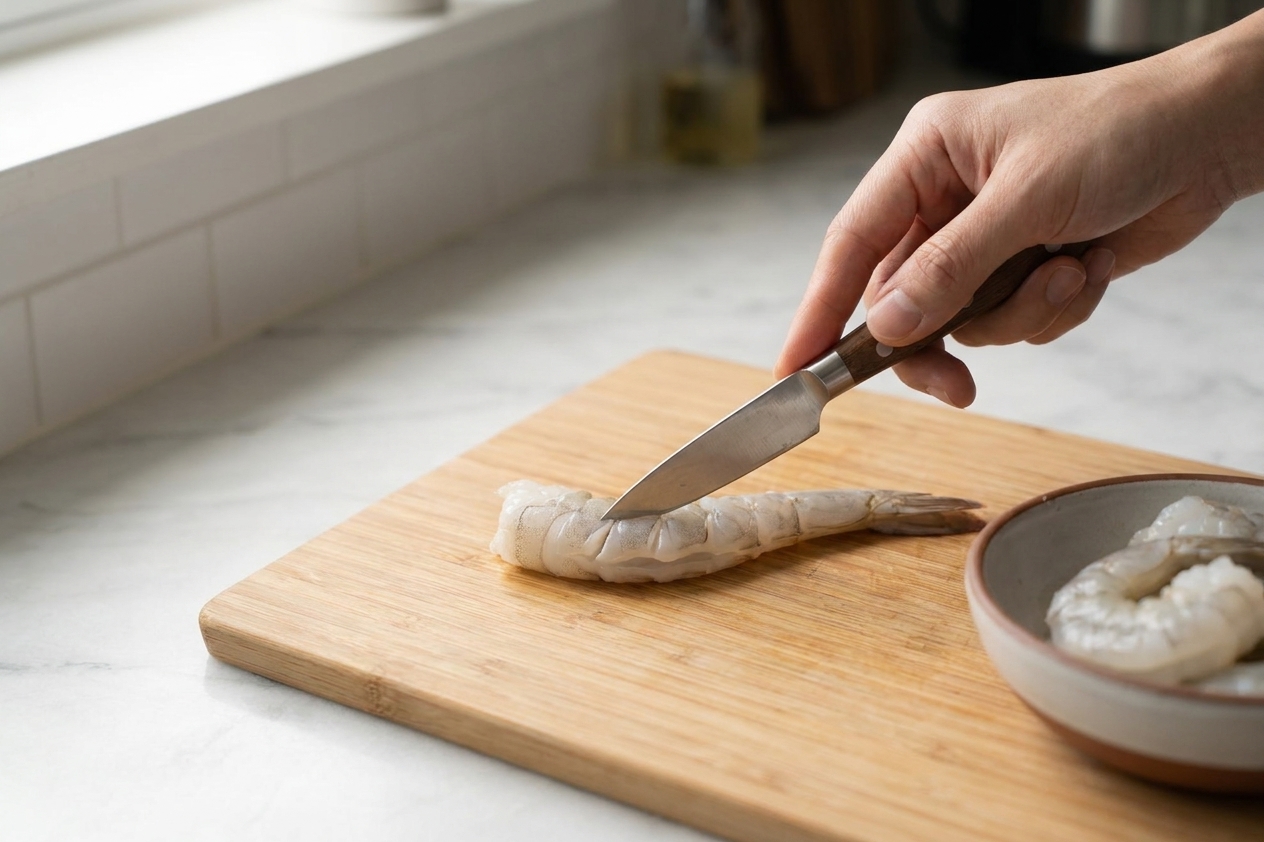
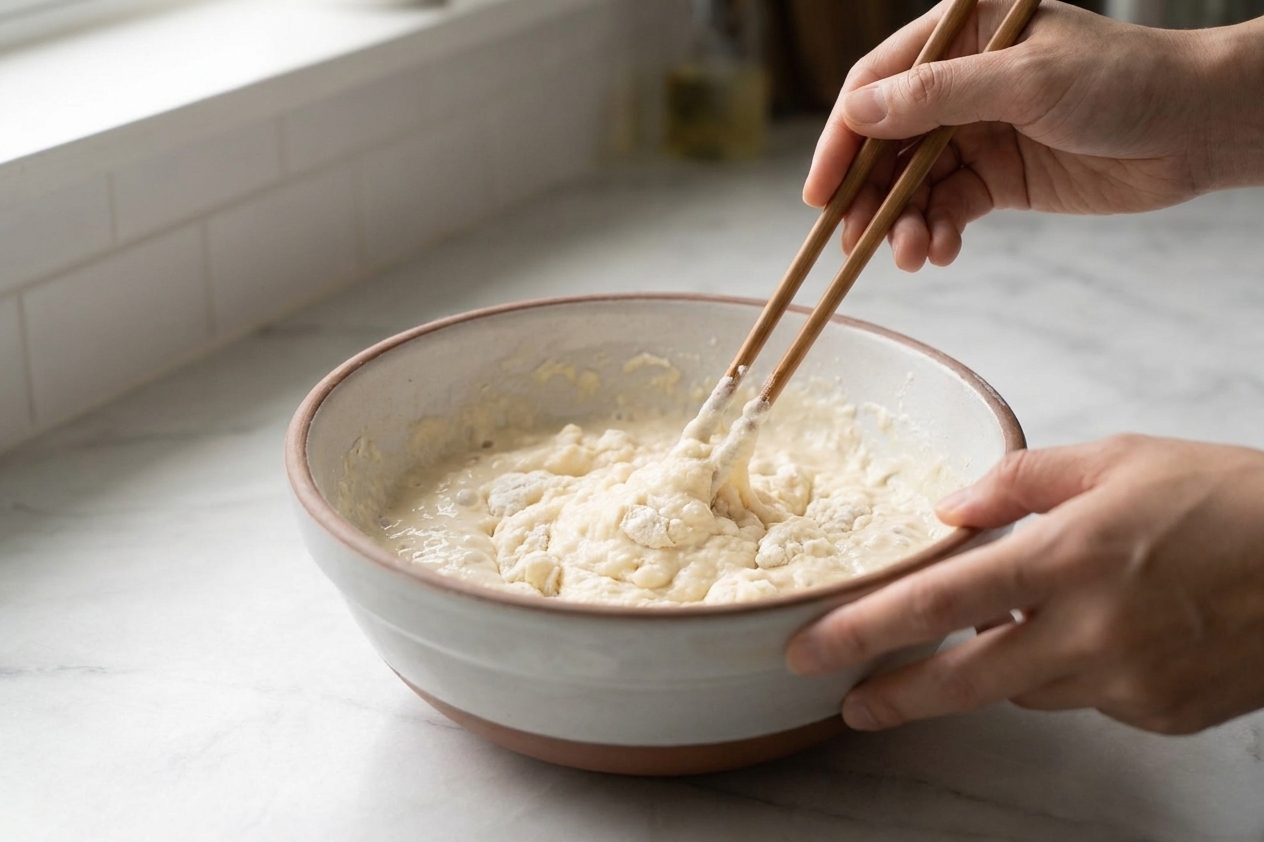
This version keeps ingredients accessible and steps clear. We straighten the shrimp so they fry evenly, mix a batter that is intentionally lumpy (yes, really), and fry in quick batches so the oil stays hot. Then we dunk like pros in a simple tempura dipping sauce that tastes like it took way more effort than it did.
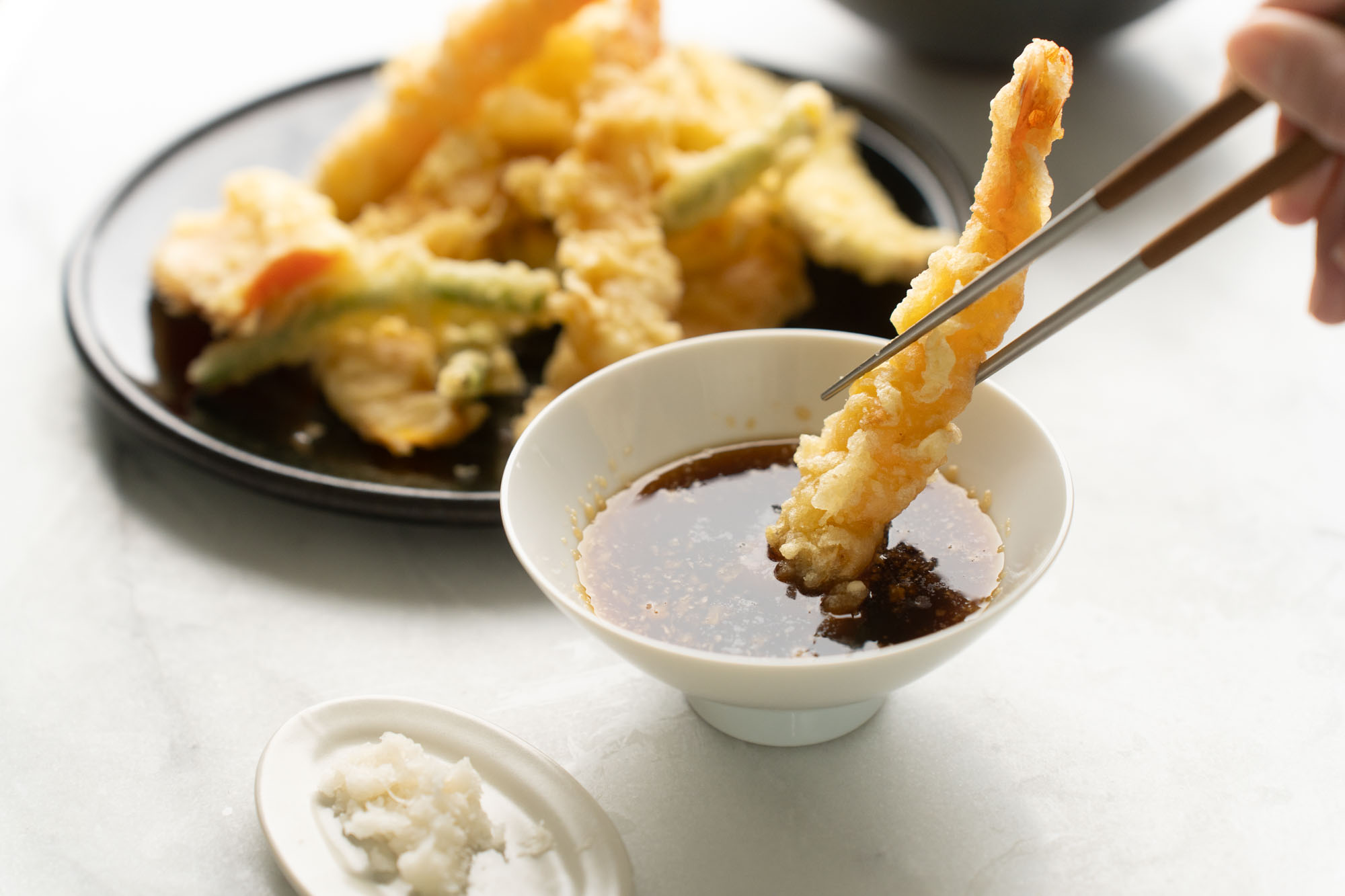
A small bowl of amber tempura dipping sauce topped with grated daikon and sliced green onion on a kitchen counter

Why It Works

  • Cold batter, hot oil gives you that light, crisp shell instead of a bready coating.
  • Minimal mixing keeps gluten from developing so the tempura stays delicate and airy.
  • Shrimp scored and straightened fry evenly and look like the tempura you actually want to eat.
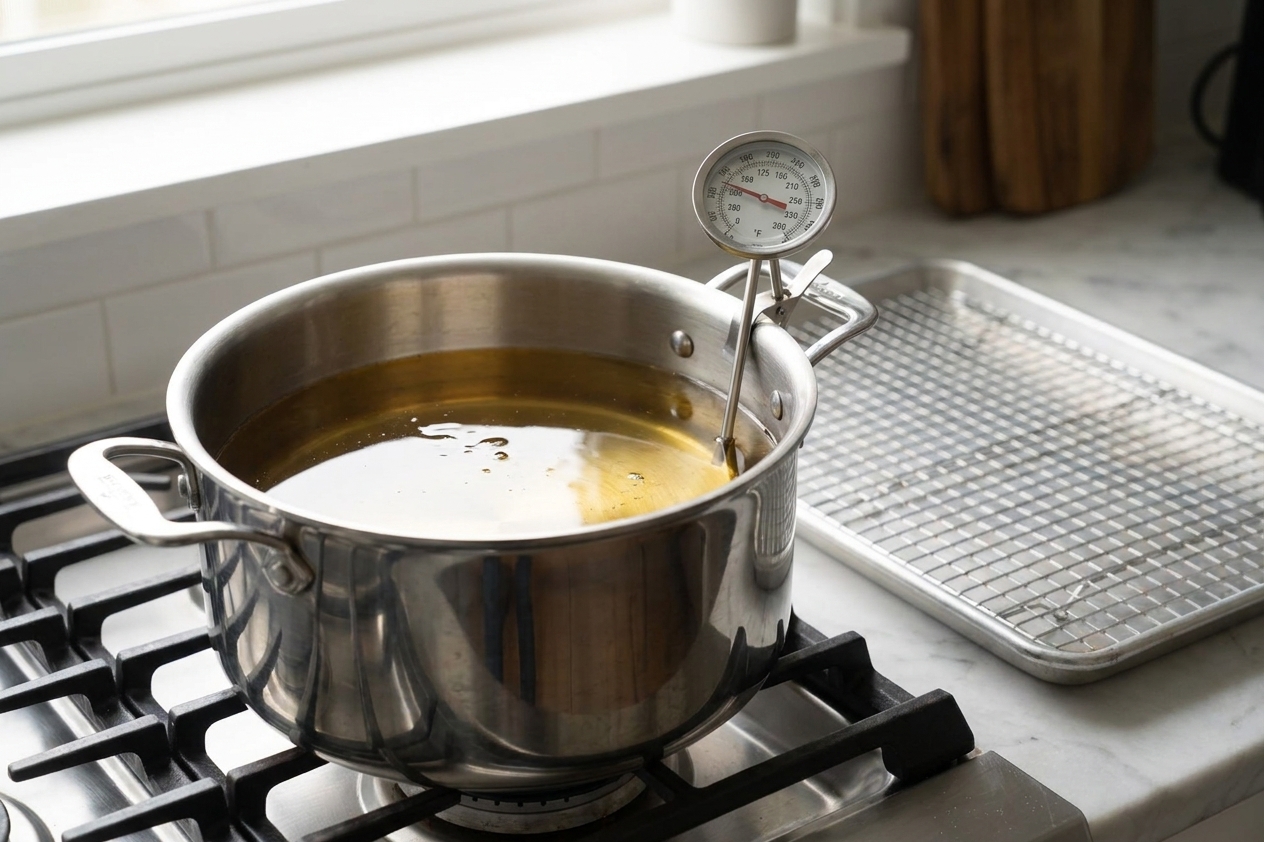
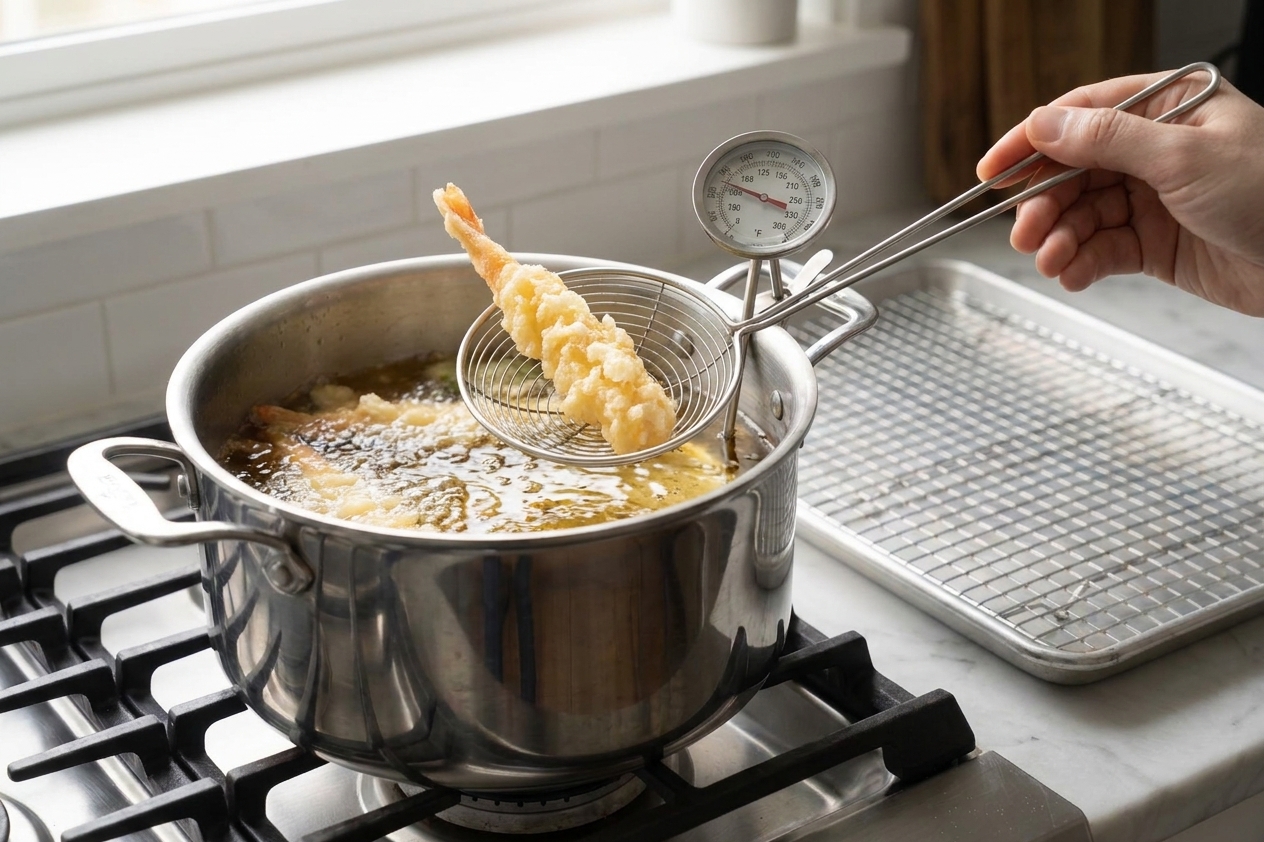
  • Small batches prevent oil temperature crashes, which is the fast track to soggy tempura.

Pairs Well With

Storage Tips

Tempura is at its absolute best right out of the oil. That said, leftovers can still be worth it if you reheat them the right way.

Fridge

  • Cool completely, then store in an airtight container lined with paper towels for up to 2 days.
  • Avoid stacking if you can. If you must stack, add paper towels between layers.

Reheat (best method)

  • Oven: Heat to 425°F. Place tempura on a wire rack set over a sheet pan. Re-crisp for 6 to 10 minutes.
  • Air fryer: 375°F for 3 to 5 minutes, shaking once.

Skip the microwave. It turns the coating soft and sad.

Freezing

I do not recommend freezing cooked shrimp tempura. The shrimp can get rubbery, and the coating loses its crisp personality.

Common Questions

What is shrimp tempura batter made of?

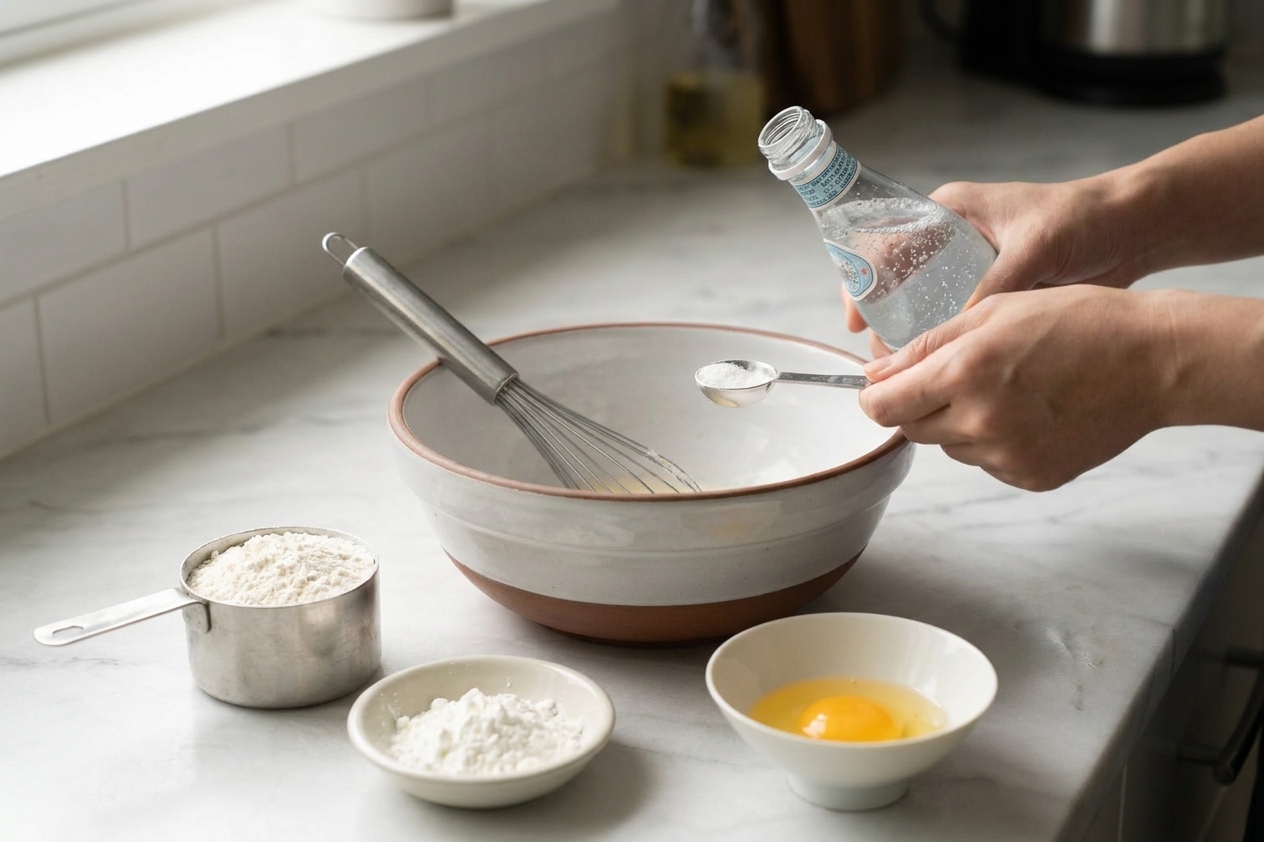
Classic tempura batter is usually a mix of flour, cold water, and egg. Some versions use a little starch (like cornstarch) for extra crispness. The key is keeping everything cold and mixing as little as possible.

Why does my tempura come out greasy?

Usually one of three things: the oil is not hot enough, you overcrowded the pot, or the batter was mixed too much and got heavier. Keep oil around 350 to 375°F and fry in small batches.

Do I have to use cake flour?

No. Cake flour is nice for tenderness, but all-purpose flour works great. This recipe uses a mix of all-purpose flour and cornstarch (plus a touch of baking powder) for extra crunch and a lighter bite.

Can I make the batter ahead of time?

Not ideal. Tempura batter is best mixed right before frying. If you need to prep, measure dry ingredients ahead, then stir with the cold egg-water when the oil is heating.

What oil is best for tempura?

Use a neutral, high-heat oil like canola, vegetable, peanut, sunflower, or rice bran oil. Olive oil is not the vibe here.

How do I keep tempura crispy for serving?

Hold finished shrimp on a wire rack in a 200°F oven while you fry the remaining batches. Do not cover with foil. Steam is the enemy.

The first time I tried making shrimp tempura at home, I treated the batter like pancake batter. I whisked it smooth, felt very proud, and then watched my shrimp come out wearing little oily sweaters. Lesson learned. Tempura wants you to be a little messy. Lumpy batter is not a mistake, it is the point.

Now this is one of my favorite “friends are coming over” dinners because it is interactive. Someone stirs the dipping sauce, someone eats the first batch “for quality control,” and the kitchen smells like something great is happening. That is my kind of cooking.